# Spillmaster.com.au
> Spillmaster: Australia’s First Choice for Spill Kits & Spill Control Products
> Generated by All in One SEO Pro v5.0.4, this is an llms-full.txt file, used by LLMs to index the site.
## Posts
### [BLOG](https://spillmaster.com.au/safety-compliance-insights/)
**Published:** June 21, 2026
**Author:** Barry
**Content:**
# Safety & Compliance Insights
- ## [BLOG](https://spillmaster.com.au/safety-compliance-insights/)
[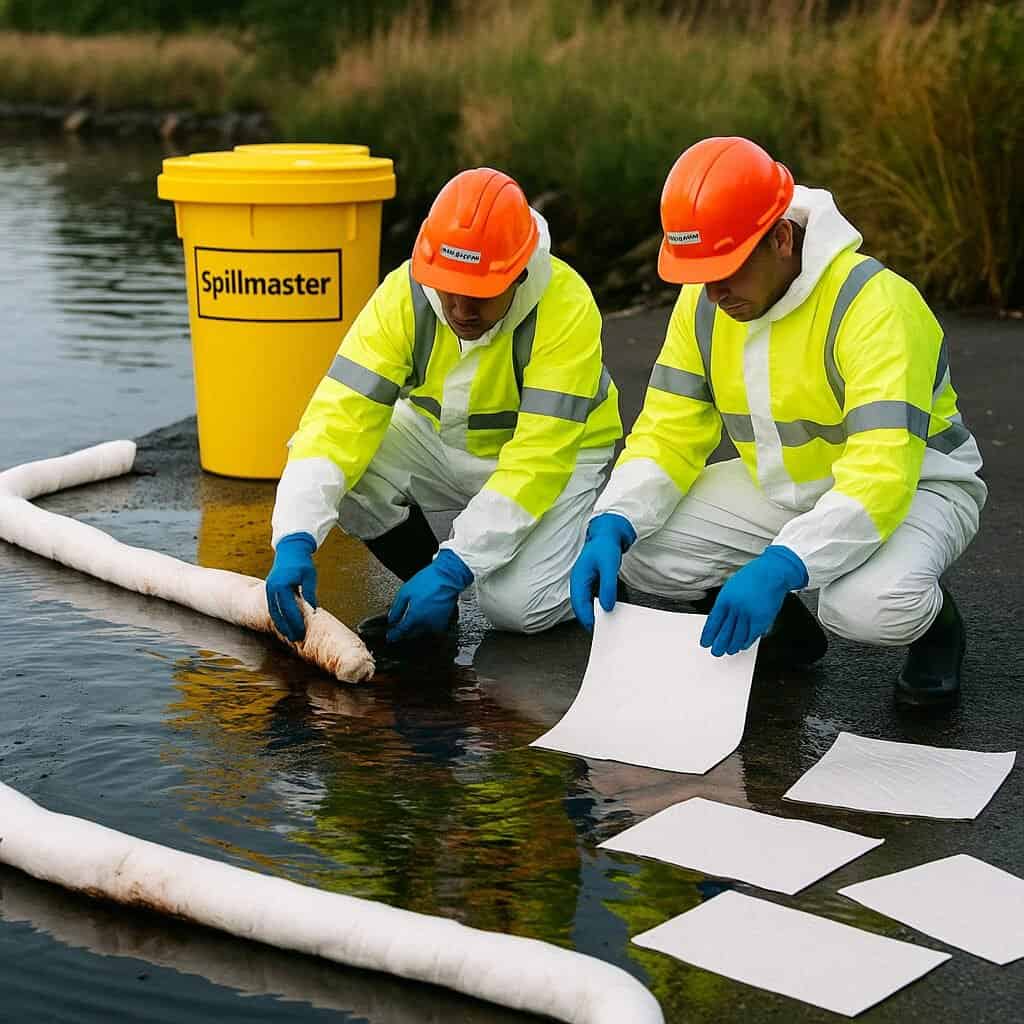](https://spillmaster.com.au/safety-compliance-insights/)
Safety & Compliance Insights
---
June 21, 2026
---
### [Dangerous Goods Storage Guide for Australian Sites](https://spillmaster.com.au/dangerous-goods-storage-guide-australian-sites/)
**Published:** October 26, 2026
**Author:** Barry
**Excerpt:** Use this dangerous goods storage guide to select cabinets, bunding and controls that help Australian worksites reduce risk and support compliance daily.
**Content:**
A leaking drum, a damaged aerosol carton or incompatible chemicals stored on the same rack can turn routine stockholding into a serious workplace incident. This dangerous goods storage guide sets out the practical controls Australian sites should use to store hazardous substances safely, limit spill impacts and support their compliance duties.
Storage is not simply about keeping products out of the way. The right arrangement protects people, prevents chemicals reaching drains or soil, reduces fire escalation and gives emergency responders clear information when seconds matter. The correct solution depends on the goods, their quantities, packaging, location and the activities taking place nearby.
## Start with the dangerous goods classification
Before selecting a cabinet, store or spill pallet, identify exactly what is being stored. The Safety Data Sheet (SDS) is the working document for this task. It identifies the dangerous goods class, subsidiary risks, storage requirements, incompatibilities, personal protective equipment and spill response measures.
Australian dangerous goods are commonly classified under the Australian Dangerous Goods Code. For workplace storage, the relevant WHS legislation, state or territory requirements and applicable Australian Standards also need to be considered. A flammable liquid, corrosive acid, oxidiser and compressed gas may each demand very different controls. Treating every chemical as a general liquid creates avoidable risk.
Check the SDS and product label for the proper shipping name, UN number, dangerous goods class and packing group. Then record the maximum quantity held on site, including stock in warehouses, workshops, decanting areas and maintenance rooms. Small containers add up quickly, particularly where chemicals are purchased across several departments.
## Separate incompatible materials
Compatibility is one of the most common weak points in [dangerous goods storage](https://spillmaster.com.au/dangerous-goods-segregation-guide/). A cabinet may be well built and correctly labelled, but it cannot prevent a hazardous reaction if incompatible products have been placed together.
Flammable liquids should be kept away from ignition sources and substances that can intensify a fire. Oxidising agents require separation from fuels, oils, solvents and other combustible material. Acids and alkalis should generally be segregated to prevent violent reactions, while cyanides and sulphides must be kept away from acids due to the potential release of toxic gases. Refer to each SDS rather than relying on broad assumptions about a product category.
Physical separation can be achieved through dedicated cabinets, separate storage bays, distance, fire-rated barriers or purpose-designed chemical stores. The appropriate approach depends on the quantities involved and the site layout. Colour-coded labels and a current chemical register help staff maintain the system after deliveries, stocktakes and shift changes.
Do not use an unlabelled shelf or a spare corner of the warehouse as an overflow area. Overflow stock is often where incompatible chemicals, poor housekeeping and missing containment controls appear first.
## Choose storage equipment for the actual hazard
A storage solution needs to match the substance and its use, not just the container size. For example, a [flammable liquids cabinet](https://spillmaster.com.au/product-category/flammable-storage-cabinets/) is designed to help manage the fire risk associated with Class 3 liquids. It is not a universal cabinet for every hazardous chemical. Corrosive substances may require a compatible corrosive goods cabinet or purpose-designed store, particularly where vapours or leaks could attack standard components.
When selecting equipment, assess these practical points:
- the dangerous goods class, SDS requirements and quantity to be stored
- whether containers are sealed stock, frequently accessed or decanted on site
- the available ventilation, ignition controls and clearances around the storage area
- the cabinet or bund’s chemical compatibility, load capacity and sump capacity
- access for inspection, stock rotation, spill response and emergency services.
For drums, [intermediate bulk containers](https://spillmaster.com.au/product/ibc-spill-pallet/) and larger packs, [bunded pallets](https://spillmaster.com.au/bunded-pallet-requirements-australia/) and [floor bunding](https://spillmaster.com.au/product-category/spill-control/) provide secondary containment. Their role is to retain a leak or spill before it reaches a drain, doorway or unprotected surface. The required capacity should be determined against the relevant regulatory and site requirements, including the volume of the largest container and the total volume stored.
Use materials that are compatible with the liquid. A polyethylene bund may be suitable for many chemicals, while steel equipment may be appropriate for oils and fuels but unsuitable for certain corrosives. Check chemical resistance before purchasing or relocating stock.
## Build secondary containment into the layout
Secondary containment is a control, not a substitute for sound containers and handling practices. Drums should be inspected for corrosion, bulging, damaged bungs and leaking taps before they are placed into storage. A full bund cannot contain a new spill effectively, so remove accumulated rainwater, residue and rubbish promptly and manage contaminated liquids as required.
Position storage away from stormwater drains, pits and waterways wherever possible. If a drain cannot be avoided, ensure [drain covers or drain protection equipment](https://spillmaster.com.au/product-category/spill-control/) are readily available as part of the spill response plan. Chemical stores should also be protected from vehicle impact. Bollards, barriers and sensible traffic separation are particularly relevant in loading zones and busy warehouse aisles.
Keep access routes clear. Staff must be able to retrieve a container without climbing, moving unrelated stock or placing themselves beneath stored liquids. Heavy packs belong at low level, while frequently used products should be stored within safe handling reach. This reduces both spill likelihood and manual-handling exposure.
## Control ignition sources and ventilation
Flammable liquids storage requires particular discipline. Keep ignition sources, hot work, sparks, flames and unsuitable electrical equipment away from the storage area. This includes forklifts, battery charging points, heaters and temporary work activities that may not have been present when the store was first established.
Ventilation needs to suit the products and the room. Vapours from some flammable liquids are heavier than air and can travel to an ignition source. Ventilation arrangements should not direct contaminated air into occupied areas, offices or neighbouring tenancies. Where ventilation or electrical classification is uncertain, obtain competent advice before changing the storage configuration.
Gas cylinders need secure upright storage where required, protection from physical damage and separation according to the gas type and site rules. Never assume a general storage cage is suitable for all cylinders. Fuel gases, oxidising gases and toxic gases have different hazards and may require dedicated arrangements.
## Keep documentation and signage usable
Compliance documentation only works if people can use it during normal work and an emergency. Maintain an up-to-date chemical register and ensure SDS documents are accessible to workers. Labels must remain legible on containers, cabinets and storage areas. Replace labels that have been damaged by UV exposure, chemical residue or cleaning.
Emergency information should identify the goods held, key hazards, required PPE and initial response actions. Depending on the site, placarding, manifests and emergency plans may be required once specified quantities are reached. These thresholds and obligations vary with the jurisdiction, dangerous goods class and site circumstances, so confirm requirements with the applicable regulator or a qualified adviser.
The storage area should also have clear operating rules: who can access it, how stock is received, where decanting may occur, how damaged containers are isolated and who is authorised to arrange waste disposal. Written rules reduce reliance on memory and make training more consistent.
## Match spill response equipment to the stored goods
Every dangerous goods storage area should have an appropriate spill response arrangement nearby, but not so close that a spill makes the kit inaccessible. The contents must suit the liquids on site. General purpose absorbents may be effective for oils and coolants, while [chemical absorbents](https://spillmaster.com.au/product/chemical-spill-kit-120l/) are a better choice where acids, alkalis or unknown hazardous liquids are possible.
A practical response point commonly includes compatible absorbents, containment socks or booms, disposal bags, drain protection, gloves and other PPE identified by the SDS. For larger storage volumes, consider how a spill will be contained beyond the initial kit. Bunding, drain isolation and a clear escalation process are often more valuable than simply increasing absorbent quantity.
Train workers to raise the alarm, isolate the area, prevent a spill entering drains and use PPE before attempting clean-up. They should also know when not to intervene. Strong fumes, fire risk, an unknown substance or a spill beyond site capability requires escalation to emergency services or a specialist contractor.
## Inspect, maintain and review the setup
Dangerous goods storage changes over time. New products arrive, departments relocate and old stock remains long after its intended use. A scheduled inspection identifies problems before they become incidents. Check container condition, labels, cabinet doors, bund capacity, housekeeping, access, expired stock and spill kit contents.
Review the setup whenever there is a spill, near miss, major stock change, new chemical or alteration to the building. The right answer may be additional containment, a separate cabinet, improved segregation or a change to purchasing practices that reduces hazardous stock on hand.
For operations teams, the most effective storage system is one workers can follow under pressure: clearly classified goods, fit-for-purpose containment, visible separation and spill equipment ready to use. Spillmaster supplies the practical storage, bunding and spill-control equipment that helps turn those controls into a workable site standard.
**Categories:** Safety & Compliance Insights
---
### [Chemical Compatibility Storage Guide for Worksites](https://spillmaster.com.au/chemical-compatibility-storage-guide/)
**Published:** October 25, 2026
**Author:** Barry
**Excerpt:** Use this chemical compatibility storage guide to separate hazardous substances, select cabinets and bunding, and reduce spill and fire risk at work sites.
**Content:**
A chemical store can look orderly and still present a serious incident risk. Drums, jerry cans and bottles do not become compatible because they are neatly labelled or sit on the same pallet. This chemical compatibility storage guide sets out a practical method for deciding what can be stored together, what must be separated, and what containment equipment is required to manage a leak safely.
The objective is not simply to meet a storage checklist. It is to prevent incompatible substances from mixing during normal use, a damaged container, a fire or a spill. A small leak from the wrong container can generate heat, toxic gas, fire, pressure or a difficult clean-up.
## Start with the substance, not the container
Every chemical storage decision should begin with the current Safety Data Sheet (SDS). The SDS identifies the product hazards, dangerous goods classification where applicable, incompatible materials, storage conditions and spill response requirements. Product labels and supplier information should support the SDS, but should not replace it.
Dangerous goods classes are useful for [initial segregation](https://spillmaster.com.au/dangerous-goods-segregation-guide/), but they are not a complete compatibility assessment. Two products in the same class may have different incompatibilities. Likewise, a product that is not classified as dangerous goods may still react with another material or create an environmental hazard if released.
For each chemical, record its product name, maximum quantity on site, container type, storage temperature requirements, dangerous goods class and subsidiary risks, and the specific incompatibilities listed in the SDS. Review this register whenever a new product is introduced, a supplier changes formulation, or storage quantities increase.
## Identify the incompatible pairs first
Some separation requirements are well understood, yet are regularly compromised when space is tight. Acids and alkalis should generally be segregated because a leak can react violently and create heat or splashing. Oxidising agents must be kept away from flammable liquids, fuels, oils, paper, timber and other combustible materials because they can intensify a fire.
Flammable liquids need dedicated storage away from ignition sources, oxidisers and reactive chemicals. Corrosives require containers and shelving that resist attack by the chemical being stored. Cyanides and sulphides demand particular care around acids, as contact can release highly toxic gases. Water-reactive products must be protected from water, aqueous absorbents and sprinkler discharge where their SDS identifies that risk.
Do not rely on a rule such as “all chemicals go in the chemical cabinet”. Compatibility depends on the actual substances, their quantities and the consequence if containers fail at the same time. When the SDS is unclear or products have complex reactive properties, seek competent technical advice before co-locating them.
## Use separation that works during a spill
A gap on a shelf is not always effective segregation. If containers can leak into the same bund, sump or drain path, the substances may still mix. The separation method needs to account for the credible spill volume, the container height, site traffic and how liquids would travel across the floor.
Physical distance can be suitable for smaller quantities where a spill cannot cross between storage areas. For higher-risk combinations, use a solid barrier, separate cabinets or separate bunded storage areas. [Separate spill pallets](https://spillmaster.com.au/product/2-drum-spill-pallet-bund/) or modular bunding may be needed where drums and IBCs are stored outdoors or in a warehouse.
A practical assessment should consider five questions:
- Could a leak from one container reach the other chemical?
- Could a forklift strike, falling load or earthquake damage both stores at once?
- Does the shared bund, drain or sump allow incompatible liquids to mix?
- Can firewater carry one product into another storage area?
- Can staff access the correct spill equipment without passing through the hazard?
These questions often expose problems that are missed by a simple shelf-by-shelf inspection.
## Select cabinets, bunding and shelving for the hazard
Storage equipment must be chemically compatible with the materials it contains. A cabinet or spill pallet that is suitable for oils and fuels may not be suitable for strong acids, caustics or oxidising agents. Check the construction materials, sump design, shelf load rating and chemical-resistance information before purchase.
[Flammable liquids storage cabinets](https://spillmaster.com.au/product/100l-flammable-liquids-storage-cabinet/) are designed to control the fire risk associated with flammable liquids in packaged containers. They should be selected and positioned in line with the relevant SDS requirements, site fire controls and applicable Australian standards. Do not use a flammable liquids cabinet as a general-purpose chemical cupboard for oxidisers, corrosives or poisons unless the manufacturer and chemical compatibility assessment confirm that arrangement is appropriate.
For corrosive liquids, use corrosion-resistant cabinets, trays and bunding. Ensure shelves will not degrade, soften or crack if the stored product leaks. Secondary containment should have enough capacity for the likely release, while also preventing rainwater accumulation in outdoor applications. A full sump can defeat the purpose of bunding and may turn a minor leak into an overflow.
Shelving also matters. Store heavy containers low, keep caps secured, protect containers from vehicle impact and avoid overhanging shelves where a leak can fall onto incompatible products below. Decanting stations need their own local containment and should not be set up in a busy aisle simply because there is spare bench space.
## Build a chemical compatibility storage layout
A workable layout starts by grouping chemicals by hazard and compatibility, then assigning a defined location to each group. Mark storage zones clearly so operators can identify where a chemical belongs before they put it down. If there is uncertainty, quarantine the container rather than placing it in the nearest available space.
Keep incompatible groups out of the same cabinet, cage or bunded zone where required by the SDS or risk assessment. Maintain access for inspections and emergency response. Storage areas should also be protected from heat, direct sunlight where relevant, stormwater entry and unauthorised access.
Consider the route chemicals take through the site. A well-designed store can still be undermined if corrosives are transported through the flammable goods area, or if delivery drivers leave new drums in an unbunded receiving bay. Establish a receiving process that checks labels, container condition and assigned storage location before stock is put away.
For mixed dangerous goods stores, the assessment should align with applicable Australian requirements, including relevant Australian Standards and local fire authority or WHS obligations. Requirements can vary with the class, quantity, packaging group, location and whether materials are stored indoors or outdoors. Treat the SDS and site-specific risk assessment as the operational starting point.
## Match spill response equipment to the store
Segregation reduces the chance of a reaction, but it does not remove the need to respond to leaks quickly. [Position spill kits](https://spillmaster.com.au/product/chemical-spill-kit-15l/) close enough to be useful without placing responders in immediate danger. The absorbent type must suit the liquid involved. General-purpose absorbents are commonly used for oils, coolants and non-aggressive liquids, while chemical absorbents are intended for a broader range of hazardous liquids.
Do not assume any absorbent can be used on any chemical. Water-reactive chemicals, strong oxidisers and unknown products may require a specific response set out in the SDS. Ensure staff know when to contain a spill and when to isolate the area, raise the alarm and call for specialist assistance.
Drain protection, compatible overpacks, recovery containers and suitable personal protective equipment should be considered alongside absorbents. The PPE stated in the SDS is the minimum reference point. Gloves, eyewear and protective clothing must be compatible with the chemical and the task, not simply available in the store.
## Inspect, train and revise
Chemical compatibility is not a one-time storage project. Inspect stores routinely for damaged containers, faded labels, corroded shelves, blocked access, full sumps and chemicals placed in the wrong zone. Check expiry dates where relevant and remove obsolete stock before it becomes an unidentified disposal problem.
Train employees who receive, use or store chemicals. They should understand the site labelling system, know where to find SDSs, recognise incompatible storage groups and report damaged containers immediately. A clear process is more reliable than expecting every worker to memorise every reaction risk.
Spillmaster supplies practical containment, storage and spill response equipment for work sites that need fit-for-purpose safety controls. The right equipment supports a sound storage plan, but it cannot correct a poor compatibility decision.
The most useful final check is simple: if two containers leaked at the same time, would your current layout keep their contents apart? If the answer is uncertain, separate them before the uncertainty becomes an incident.
**Categories:** Safety & Compliance Insights
---
### [How to Label Dangerous Goods in Australia](https://spillmaster.com.au/how-to-label-dangerous-goods-australia/)
**Published:** October 22, 2026
**Author:** Barry
**Excerpt:** Learn how to label dangerous goods for Australian transport and workplaces, from UN numbers and class labels to GHS details, checks and storage safely.
**Content:**
A drum can be correctly stored, securely closed and still create a compliance problem if its label is missing, damaged or wrong. Knowing **how to label dangerous goods** means separating two related requirements: transport labels used under the Australian Dangerous Goods Code (ADG Code), and workplace labels used for hazardous chemicals under WHS requirements.
The product, its container size, where it is going and how it is being handled all affect what must appear on the package. Start with the current safety data sheet (SDS), confirm the correct classification, then apply labels that remain readable for the full life of the container.
## Start with the correct classification
Do not select a label based on a product name, its colour or what it is commonly used for. Petrol, solvent, corrosive cleaner and agricultural chemical may all need very different transport and workplace information, even where they appear similar in a workshop or store.
For transport, identify the product using the ADG Code classification supplied by the manufacturer or listed in the SDS. The key details are generally the UN number, proper shipping name, dangerous goods class or division, subsidiary risk if applicable, and packing group. For example, a flammable liquid may be Class 3, while a corrosive chemical may be Class 8. Some substances have more than one hazard and require a subsidiary risk label as well.
For workplace use, check the current Australian SDS and supplier label. Hazardous chemical labels follow the Globally Harmonised System of Classification and Labelling of Chemicals (GHS). These labels communicate the health and physical hazards workers need to understand when using or storing the chemical.
A dangerous good is not automatically labelled in exactly the same way for every purpose. Transport and workplace requirements overlap, but they are not interchangeable.
## Transport labels for dangerous goods packages
A transport package must allow handlers, drivers and emergency responders to identify the transport hazard without opening it. The appropriate diamond-shaped dangerous goods class label is central to this requirement.
### Apply the correct class and subsidiary risk labels
Use the label for the primary class or division shown in the transport classification. Where a subsidiary risk applies, that label must also be displayed. Labels must be durable, clearly visible and placed on the outside of the package so they are not covered by tape, stretch wrap, freight paperwork or another mark.
Do not use faded labels, hand-drawn diamonds or generic hazard stickers as substitutes. A Class 3 flammable liquid label, for instance, communicates a specific transport hazard. A general warning symbol does not meet the same purpose.
The package must also display the UN number and proper shipping name where required. This information must match the shipping documentation and the actual substance inside. A mismatch between a drum label and consignment paperwork can delay freight, trigger a rejected delivery or create serious risk during an incident.
### Mark the package, not just the pallet
Each dangerous goods package needs its required marks and labels. A label attached only to stretch wrap or a pallet may disappear when the load is broken down. If drums, jerry cans or cartons are handled separately, the hazard information must remain with each package.
Outer packaging also matters. If smaller dangerous goods containers are packed into a carton, crate or overpack, the outer package needs the required marks and labels unless the marks on the inner packages remain visible. Overpacks may need additional wording to show that dangerous goods are contained inside.
Packaging condition is part of the labelling job. Replace labels when they are torn, chemical-stained, sun-faded or no longer legible. Before applying a new label, remove or fully obscure old labels that could cause confusion. A returned drum carrying labels for two different products is not a minor housekeeping issue.
### Know when placards are required
Labels are used on individual packages. Placards are larger hazard displays used on transport units, bulk containers, tanks and certain loads. The placarding requirement depends on the dangerous goods, quantities and transport configuration.
This distinction matters for warehouses and dispatch teams. Putting package labels on a truck does not necessarily meet vehicle placarding rules, and placing a vehicle placard near a drum does not correctly label the drum. Check the ADG Code and your transport procedures before dispatching dangerous goods in bulk or mixed loads.
## Workplace labels for hazardous chemicals
Once a chemical is received and used on site, workers need clear workplace hazard information. A supplier container should retain its original label, including the product identifier, hazard pictograms, signal word, hazard statements, precautionary statements and supplier details required for that product.
Keep supplier labels intact wherever possible. Do not decant a chemical into an unmarked spray bottle, solvent tin or food container. This is one of the most common and avoidable chemical safety failures in workshops, warehouses and maintenance areas.
### Label decanted chemicals straight away
If a hazardous chemical is transferred from its original container into another container, label the new container before it enters service. The label should identify the chemical and communicate the relevant hazards and safe handling requirements. Use the SDS and the original supplier label as the source of truth.
For short-term use, there can be limited exceptions where a worker decants a chemical for immediate use and keeps it under their direct control. That does not apply to a bottle left on a bench, placed in a cleaner’s trolley, handed to another worker or stored for the next shift. If it can be set down or used by someone else, label it.
Secondary containers need to be compatible with the product. A correct label on an unsuitable bottle does not make the arrangement safe. Use containers designed for the chemical, keep caps secure and avoid reusing food or drink packaging.
## How to label dangerous goods without creating confusion
A practical labelling process reduces errors when goods arrive, move through storage and leave site. It should be controlled by trained staff rather than left to guesswork at the dispatch bench.
Use this sequence for each product line:
- Confirm the product identity against the purchase order, container and current SDS.
- Verify the ADG transport classification, including UN number, proper shipping name, class, subsidiary risk and packing group where applicable.
- Check whether the package requires class labels, handling marks, orientation arrows, marine pollutant marks or other transport marks.
- Apply labels to clean, dry external surfaces where they can be seen during handling.
- Confirm the workplace container label remains legible or produce a compliant secondary-container label before decanting.
- Record the product in the hazardous chemical register and make the SDS available to workers.
The exact marks required depend on the product and transport method. Limited quantity consignments, aerosols, lithium batteries, marine pollutants, infectious substances and temperature-controlled goods can have specific marking rules. Where there is uncertainty, obtain advice from a competent dangerous goods professional or the carrier before shipping.
## Check label placement, durability and storage compatibility
Labels only work when people can see and trust them. Place them on a surface that is not normally hidden by handles, closures, bands or pallet restraints. Do not position labels across seams where they can split when the carton flexes.
In industrial settings, labels may face rain, chemical splash, UV exposure, abrasion and oil residue. Use labels suited to the environment, and inspect them during routine stock checks. A label that survives dispatch but fails after two months in an outdoor chemical store is not fit for purpose.
Clear labels also support safe segregation. Staff need to identify flammables, oxidising agents, corrosives and toxic substances quickly when placing stock in cabinets, stores, spill pallets or bunded areas. Labels do not replace a documented [dangerous goods segregation](https://spillmaster.com.au/dangerous-goods-segregation-guide/) assessment, but unreadable labels make that assessment impossible to follow in practice.
For flammable liquids, ensure containers are correctly labelled before they are placed into a [flammable liquids storage cabinet](https://spillmaster.com.au/product/100l-flammable-liquids-storage-cabinet/). For corrosives and other liquid chemicals, use suitable [bunding or spill containment](https://spillmaster.com.au/product/2-drum-spill-pallet-bund/) based on the chemical, container volume and site risk assessment. Keep compatible spill response materials nearby, but do not assume one general-purpose spill kit is suitable for every chemical hazard.
## Common labelling mistakes to avoid
The most frequent failures are simple: using an old label, omitting the UN number, covering a label with tape, decanting into an unlabelled bottle, or relying on a product name that does not identify the hazard. Another common issue is treating the SDS as paperwork rather than a working document. If the SDS changes, the classification, label elements or storage controls may change with it.
Also check imported stock carefully. A label prepared for another market may not meet Australian requirements or may use information that conflicts with the Australian SDS. Do not relabel products from memory. Confirm the local classification and supplier information first.
A reliable dangerous goods labelling system is built into receiving, storage, decanting and dispatch, not added after a near miss. Keep current SDSs, train the people handling chemicals, inspect labels as part of routine housekeeping and replace damaged labels before they become a safety decision made under pressure.
**Categories:** Safety & Compliance Insights
---
### [Spill Kit vs Absorbent Station - Which Fits?](https://spillmaster.com.au/spill-kit-vs-absorbent-station/)
**Published:** October 21, 2026
**Author:** Barry
**Excerpt:** Compare spill kit vs absorbent station for faster spill control, better placement and practical compliance across busy Australian worksites and workshops.
**Content:**
A leaking drum at the back of a warehouse and a minor oil drip beside a workshop bench need different response equipment. That is the practical difference behind the spill kit vs absorbent station decision. Both support quicker spill control, but they are designed for different locations, spill risks and ways of working.
A spill kit is a contained, portable response package for a defined incident. An absorbent station keeps commonly used absorbents available at the point where small, routine leaks and drips occur. Many workplaces need both. Selecting only one because it appears cheaper or more convenient can leave gaps in spill readiness.
## What is a spill kit?
A spill kit is a stocked container of absorbents, containment tools and personal protective equipment selected for a particular spill type and capacity. Depending on the kit, it may be supplied in a bag, wheelie bin, drum, cabinet or other portable format.
The aim is to give a worker what they need to isolate, contain, absorb and package a spill without spending critical time searching through stores. A typical kit can include absorbent pads, socks or booms, loose absorbent, disposal bags and ties, gloves, goggles and instructions. The exact contents vary according to the hazard category.
General purpose kits are commonly used for non-aggressive liquids such as oils, coolants, water-based fluids and many workplace liquids. Oil and fuel kits contain hydrophobic absorbents that repel water and are suited to hydrocarbons. [Chemical spill kits](https://spillmaster.com.au/chemical-spill-kit-requirements/) are intended for a broader range of hazardous liquids and often include more suitable PPE and chemical-resistant absorbents. Specialist applications, such as [battery acid](https://spillmaster.com.au/battery-acid-spill-guide/), may require dedicated neutralising agents and response equipment.
A kit is normally positioned near a higher-risk area, such as chemical storage, refuelling points, loading docks, plant rooms, maintenance bays or dangerous goods stores. Its capacity should be based on the credible spill volume, not simply the smallest available kit. A 20-litre kit may be appropriate for a service ute, while a drum storage area may require significantly greater capacity and additional containment measures.
## What is an absorbent station?
An absorbent station is a clearly identified dispenser or storage point holding absorbent consumables for immediate use. It is generally fixed to a wall or located beside a work area, rather than being moved to the incident.
Stations are effective where minor spills are frequent enough that staff need quick access to pads, rolls, socks and wipes. Think of a machinery line with occasional hydraulic drips, a vehicle workshop, a laboratory bench, a wash-down area or a maintenance room. In these settings, the best response is often to deal with a small release before it spreads across a floor, reaches a drain or creates a slip hazard.
Unlike a complete spill kit, an absorbent station may not contain the full equipment set needed for a larger or hazardous spill. It is primarily about availability and housekeeping. A worker can take a pad, place a sock around a drip point or clean a small leak without opening a full kit intended for emergency response.
This distinction matters. If employees use the nearest emergency spill kit for everyday drips, it can be depleted when a genuine incident occurs. An absorbent station protects the readiness of the main kit while making practical clean-up easier.
## Spill kit vs absorbent station: the working difference
The choice is not simply portable versus fixed. It comes down to the type of event you are preparing for.
A spill kit supports a controlled response to an unplanned release. It should have sufficient absorbency, containment products, PPE and waste-disposal components for the liquids present. It is the equipment workers rely on when a container fails, a hose bursts, a drum is knocked over or fuel escapes during transfer.
An absorbent station supports routine prevention and rapid first action. It gives workers a visible, local supply of absorbents for low-volume leaks, drips and clean-up. In many operations, it also improves housekeeping because employees do not need approval or a trip to the storeroom to access a few pads.
The table below is not necessary to make the decision. Ask one question instead: is this equipment intended to manage an incident, or to prevent small releases becoming one? If the answer is both, use a station at the point of use and a suitable spill kit nearby.
## Where each option works best
A spill kit is usually the stronger choice where liquids are stored, moved or transferred in meaningful quantities. This includes fuel handling areas, loading zones, chemical stores, marine facilities, warehouses handling drums or IBCs, and workshops with mobile plant. Select the absorbent type to match the liquids on site, then locate the kit where it can be reached without workers walking through the affected area.
An absorbent station suits places where small leaks are predictable and repeated. Equipment maintenance zones, printing operations, production lines and vehicle service bays are common examples. It can also be placed near drain points as part of a prevention strategy, provided workers understand that absorbents are not a substitute for isolating a source or protecting the drainage system.
For outdoor areas, weather and access need consideration. A station exposed to rain, dust or traffic may not protect stock adequately. A weather-resistant cabinet or enclosed spill kit may be the more practical option. In areas with forklifts, locate equipment where it is visible and accessible but protected from impact.
## Selecting the right equipment for your site
Start with the liquids, volumes and tasks present on site. Safety data sheets, chemical registers, storage arrangements and past incident records can help identify the realistic risks. A site that handles diesel, lubricants and coolant may require different supplies from one that decants acids, solvents or cleaning chemicals.
Then consider the response process. Staff need to know who raises the alarm, who can respond, what PPE is required, [how drains are protected](https://spillmaster.com.au/drain-wardens/) and where contaminated absorbents are taken after clean-up. Equipment without a clear procedure is only part of the control.
When comparing options, assess these four points:
- **Absorbent compatibility:** Match general purpose, oil and fuel, chemical or specialist products to the liquids in use.
- **Capacity:** Choose for the largest credible release that workers are expected to manage safely, allowing for containment and clean-up.
- **Location:** Put stations at routine drip points and kits near higher-risk storage, handling and transfer areas.
- **Maintenance:** Nominate someone to inspect stock, replace used items and keep access clear.
Capacity deserves particular attention. Absorbents have stated absorption ratings, but real-world results can vary with the liquid, surface, application method and loss during containment. Do not plan to use every item in a kit to its maximum claimed capacity. A practical margin is sensible, especially where a spill could reach a drain, soil or neighbouring tenancy.
## Common purchasing mistakes
The most common mistake is buying a general purpose kit for every area without checking chemical compatibility. General purpose absorbents are versatile, but they are not automatically suitable for all hazardous substances. Chemical handling areas should be assessed against the chemicals stored and used there.
Another mistake is treating a spill kit as a once-only purchase. Used pads, missing gloves, damaged bags and expired or depleted neutralisers reduce response capability. After any use, restock promptly with compatible spill kit refills. Scheduled inspections are just as important for absorbent stations, where stock can quietly disappear through day-to-day use.
Visibility also matters. Equipment hidden in a locked store, placed behind pallets or located too far from the risk area is unlikely to be used quickly. Use clear identification, maintain access and include spill equipment locations in worker induction and refresher training.
## A practical setup for most workplaces
For many Australian worksites, the most effective arrangement is layered. Keep absorbent stations at the points where small releases happen regularly, such as workshop benches, machinery and service bays. Position correctly selected spill kits close to chemical storage, fuel transfer, loading areas and other locations where a larger release is possible.
This approach controls minor issues before they travel and preserves complete response equipment for incidents that need it. It also gives supervisors a clearer replenishment routine: stations are checked for day-to-day consumables, while spill kits are inspected for emergency readiness.
Spillmaster supplies spill response equipment across common workplace hazard categories, but product selection should always follow your site assessment and operating procedures. The right combination is the one your workers can reach, understand and use safely when a leak starts – not after it has already become a larger clean-up.
**Categories:** Safety & Compliance Insights
---
### [How to Prevent Drain Pollution at Worksites](https://spillmaster.com.au/how-to-prevent-drain-pollution/)
**Published:** October 19, 2026
**Author:** Barry
**Excerpt:** Learn how to prevent drain pollution at worksites with practical controls for spills, washdown, storage and incident response that support compliance.
**Content:**
A single litre of oil entering a stormwater drain can travel well beyond the boundary of a workshop, depot or loading area. Drains are often treated as an out-of-sight disposal point, but most site drains discharge to the stormwater system, not the sewer. Knowing how to prevent drain pollution means controlling contaminants where they are stored, handled, transferred and cleaned up – before rain or washdown water carries them away.
For site managers, environmental officers and maintenance teams, effective drain protection is not one product or one procedure. It is a practical system of drainage awareness, correct storage, spill readiness and routine housekeeping.
## Start by knowing where every drain leads
The first control is identifying the drainage layout of the site. Mark all stormwater pits, grated drains, trench drains and catch basins on a site plan. Confirm which drains connect to stormwater, sewer or trade waste infrastructure. Do not rely on assumptions, particularly at older facilities where drainage may have been modified over time.
Stormwater drains require the highest level of protection because they can carry oils, fuels, chemicals, sediment and contaminated wash water directly to creeks, waterways and marine environments. Sewer connections may also have strict limits on what can be discharged. Wastewater containing chemicals, hydrocarbons, detergents or suspended solids may require treatment or authorised disposal rather than discharge.
Clear drain labelling helps contractors, drivers and new staff make the right decision under pressure. Use visible markings such as “Stormwater – No Dumping” near pits and washdown areas. Keep drain maps available in the spill response plan and include drainage locations in inductions and emergency exercises.
## How to prevent drain pollution before a spill occurs
The most reliable response is preventing a release from reaching a drain in the first place. This begins with the way liquids and hazardous materials are stored.
Store drums, jerry cans, IBCs and chemical containers in suitable bunded areas or on [spill pallets](https://spillmaster.com.au/product/4-drum-spill-pallet/). Bunding provides secondary containment if a container leaks, a tap is left open or a drum is damaged during handling. It should be sized for the materials stored, compatible with the substance and kept free of rainwater, rubbish and incompatible chemicals.
Separate flammable liquids, oils, corrosives and other incompatible products according to their safety data sheets and site procedures. Flammable liquids storage cabinets can reduce the risk of container damage and help keep smaller quantities controlled within workshops. The right storage arrangement depends on volume, chemical class, access requirements and applicable workplace obligations.
Pay close attention to higher-risk areas: fuel dispensing points, loading docks, waste oil stations, maintenance bays, battery charging locations and outdoor chemical stores. These locations should have containment measures in place before work begins, not after a leak is discovered.
A practical prevention programme usually includes four controls:
- secondary containment for liquids in storage and during transfer
- drain covers or drain protection devices positioned near exposed stormwater inlets
- suitable absorbents and spill kits located where spills are most likely
- inspection routines that identify leaking containers, damaged hoses and full waste receptacles early.
These measures work together. A spill pallet may contain a leaking drum, while a drain cover provides an immediate last line of defence if a release occurs nearby.
## Control washdown water and outdoor cleaning
Washdown is a common source of drain pollution because water turns small residues into a mobile contaminant. Oil films, degreasers, detergents, paint residues, metal fines and sediment can all be carried into drainage systems during routine cleaning.
Avoid hosing workshop floors, vehicle bays or loading areas towards stormwater drains. Dry methods are often safer and simpler. Sweep up debris, use absorbent pads for oil residues and collect contaminated material for appropriate disposal. Where wet cleaning is necessary, use a designated wash bay connected to an approved wastewater system or treatment process.
The same principle applies outdoors. Never wash equipment, concrete mixers, paint tools or parts where runoff can enter a drain. Plan vehicle and plant cleaning around a controlled area, especially after operating in muddy, oily or contaminated conditions.
Sediment deserves particular attention on construction, logistics and industrial sites. While it may appear less hazardous than fuel or chemicals, sediment can block drainage, affect water quality and transport attached contaminants. Keep stockpiles covered or contained, maintain sediment controls and clean paved areas before forecast rain where practical.
## Make spill response fast and specific
When a spill occurs, the first minutes determine whether it remains a manageable site incident or becomes an environmental release. Workers should know who to notify, how to stop the source and how to protect nearby drains without waiting for a specialist response team.
Position spill kits according to the hazards present. General-purpose absorbents may suit many workshop liquids, while [oil-only absorbents](https://spillmaster.com.au/product/k-sorb-hydrophobic-absorbent/) are designed for hydrocarbons and can be useful around fuel handling, marinas and outdoor stormwater risks. Chemical spill kits and compatible PPE are required where corrosives or other hazardous substances are handled. One kit type does not suit every liquid.
Each spill kit should be accessible, clearly identified and checked regularly. A kit locked in a store room, missing drain covers or depleted of absorbent socks will not provide meaningful protection. Refill used components promptly and inspect packaging for damage from weather, UV exposure or rough handling.
A straightforward response sequence helps teams act decisively:
1. Stop the source if it is safe to do so, such as upright a container, close a valve or place a damaged package in overpack containment.
2. Protect drains immediately using [drain covers](https://spillmaster.com.au/product/drain-warden-600mm-x-600mm/), absorbent socks, booms or other compatible barriers.
3. Contain and absorb the spill from the outside in, preventing it from spreading across the work area.
4. Collect contaminated absorbents, soil, PPE and debris for disposal in line with the substance, safety data sheet and local requirements.
Do not use water to push a spill away. It spreads contamination quickly and can create a much larger recovery task. If material has entered a drain or left the site boundary, escalate the incident through the site emergency procedure and contact relevant authorities or environmental advisers as required.
## Inspect drains and containment equipment routinely
Drain pollution prevention often fails through small, repeated issues rather than a major incident. A slow hydraulic leak, a damaged drum bung or an overflowing waste oil container can release contaminants over days or weeks. Routine inspections identify these problems before rainfall turns them into off-site pollution.
Include drainage areas in regular workplace inspections. Check for staining, oil sheen, unusual odours, debris, damaged grates and evidence of unauthorised disposal. Inspect bunds for cracks, accumulated liquid and blocked drain valves. Verify that outdoor containers are sealed, labelled and protected from vehicle impact.
Rain changes the risk profile. Before significant wet weather, inspect outdoor storage, clear loose materials from hardstand areas and confirm that drain protection equipment is available. After rain, look for signs that contaminated water has escaped containment or pooled around storage areas.
Keep inspection records, spill reports and maintenance actions. Documentation supports internal accountability and provides evidence that the business is actively managing environmental risk. More importantly, it shows recurring problems. If the same drain repeatedly collects oil residue, the answer may be to improve equipment maintenance, change traffic flow or install more suitable containment – not simply clean the drain again.
## Train the people who work closest to the risk
Procedures only work when they are understood on the floor, in the yard and at the loading dock. Training should be specific to the site. Show workers where stormwater drains are, what materials they handle, where spill equipment is located and who has authority to stop work when a release occurs.
Include contractors and delivery drivers where their work creates a realistic risk. Fuel deliveries, waste collection, mobile plant servicing and chemical transfers can all involve temporary operators who may not know the site drainage layout. Supervision and clear instructions are particularly important during these activities.
Short spill drills are useful because they test the practical details: whether staff can find the right kit, whether drain covers fit the available pits and whether communication works across shifts. Use the result to improve the response plan rather than treating the drill as a compliance exercise.
Spillmaster supplies spill response, bunding and drain protection equipment for workplaces that need practical controls matched to the hazard. The best choice will depend on the liquids handled, the drainage design and whether the risk is indoors, outdoors or close to waterways.
Drain protection is built into everyday site control, not added after an incident. When containers are properly contained, washdown is managed, drains are protected and staff can respond quickly, pollution has far fewer opportunities to leave the site.
**Categories:** Safety & Compliance Insights
---
### [Can Solvents Ignite? Workplace Fire Risks](https://spillmaster.com.au/can-solvents-ignite/)
**Published:** October 16, 2026
**Author:** Barry
**Excerpt:** Can solvents ignite? Learn how vapours catch fire, which controls matter, and how to store, handle and respond safely at Australian worksites every day.
**Content:**
A rag left beside a parts washer, an open drum decanting station, or a small solvent spill near a battery charger can create a fire risk quickly. **Can solvents ignite?** Many can, but the more precise answer is that their vapours often ignite first. Understanding that difference is essential when selecting storage, managing spills and setting safe work procedures.
## Can solvents ignite in normal workplace use?
Many common industrial solvents are flammable liquids. Examples can include acetone, toluene, methylated spirits, thinners, mineral turpentine, xylene and some cleaning or degreasing products. They may not look dangerous when sitting in a sealed container, but once opened, poured, sprayed or spilled, they can release vapour into the surrounding area.
Solvent vapour can mix with air and travel away from the source. If that vapour reaches an ignition source at the right concentration, it can flash back to the container or spill. A flame is not required. Sparks from switches, electric tools, forklifts, welding work, static discharge, vehicle engines and hot surfaces may be enough.
Not every product described as a solvent has the same risk. Water-based cleaners and high-flash-point products may be less likely to ignite under ordinary site conditions. The safety data sheet (SDS) and product label should always determine how a substance is classified, stored and handled. Do not assume a product is non-flammable because it is used for cleaning.
## Why vapour creates the main hazard
A liquid solvent only burns at its surface. Vapour, on the other hand, can spread through a work area and reach an ignition source that is not immediately obvious. In enclosed spaces, pits, drains, sumps and low-lying areas, vapours from products heavier than air can accumulate rather than disperse.
Flash point is a useful indicator. It is the lowest temperature at which a liquid gives off enough vapour to form an ignitable mixture with air. A low-flash-point solvent can create a flammable atmosphere at ordinary Australian ambient temperatures. Higher temperatures increase evaporation and generally increase the volume of vapour released.
For ignition to occur, three elements must come together: a flammable vapour-air mixture, oxygen and an ignition source. Removing any one of these elements reduces the risk. In practice, this means containing the liquid, controlling vapours, preventing sparks and flames, and maintaining suitable ventilation.
The concentration matters as well. Vapour must sit between its lower and upper explosive limits to ignite. This is not a practical safety margin to rely on. Concentrations can change rapidly during decanting, spraying, cleaning or spill response, particularly where airflow is inconsistent.
## Where solvent ignition risks are commonly missed
The obvious risk is a leaking drum near welding or grinding. More routine activities can be just as hazardous. Decanting from a 20-litre drum into a smaller container can release vapour and generate static electricity. Spraying solvent onto machinery can produce a fine mist that is easier to ignite than a pooled liquid.
Workshops should also consider contaminated materials. Used absorbent pads, wipes, rags and PPE may retain flammable solvent after a small spill or cleaning task. Leaving these materials in an open bin allows vapour to escape. Disposal arrangements need to match the substance involved and local site procedures.
Battery charging areas, portable heaters, electrical cabinets, hot work zones and internal combustion equipment should be kept separate from flammable-liquid handling. Drains are another concern. A spill that enters a drain can move vapour or liquid to an uncontrolled location, creating both a fire and environmental incident.
## Storage controls that reduce fire risk
Safe storage starts with knowing what is on site and how much is being held. Keep an up-to-date chemical register, retain accessible SDSs and separate flammable liquids from incompatible substances such as oxidisers. Store only the quantity needed for operations in the immediate work area, with bulk stock held in an appropriate designated location.
A compliant [flammable liquids storage cabinet](https://spillmaster.com.au/flammable-storage-cabinet-regulations/), such as the [100L Flammable Liquids Storage Cabinet](https://spillmaster.com.au/product/100l-flammable-liquids-storage-cabinet/), provides a controlled place for smaller containers and frequently used stock. It helps reduce exposure to ignition sources, contains minor leaks and keeps hazardous products clearly segregated. The cabinet must be correctly located, labelled, maintained and used within its stated capacity. A cabinet is not a reason to overstock a workshop or store incompatible chemicals together.
For drums and larger containers, [bunding and spill pallets](https://spillmaster.com.au/best-spill-pallets-for-drums/), including the [4 Drum Spill Pallet-Bund](https://spillmaster.com.au/product/4-drum-spill-pallet/), provide secondary containment. This is particularly useful where a leak could spread across a warehouse floor, enter drains or reach ignition sources. Secondary containment does not eliminate flammability, but it can limit the area of a spill and support a faster, safer response.
Australian workplaces should align controls with applicable WHS obligations, dangerous goods requirements and relevant standards, including AS 1940 where it applies. Site conditions, quantities and state or territory requirements can affect the required approach. If there is uncertainty, seek competent dangerous goods or safety advice before changing storage arrangements.
## Handling solvents without creating an ignition source
Good controls depend on the task. A maintenance worker cleaning a small component has different exposure to a team transferring product from drums, but both need a deliberate process. Use closed containers wherever possible and keep lids fitted when products are not actively being used. Avoid transferring solvent into unlabelled drink bottles, food containers or makeshift vessels.
When decanting flammable solvents, use suitable equipment and minimise splashing. Bonding and earthing may be required to control static during transfer operations, especially with larger volumes or low-conductivity liquids. Ensure the method is appropriate for the product, container type and task rather than treating earthing as a one-size-fits-all control.
Ventilation must remove vapours effectively, not simply move them towards another worker or ignition source. General ventilation may be adequate for low-volume work in an open area, while enclosed or repeated use may require local exhaust ventilation and equipment rated for hazardous areas. Never use ordinary electrical equipment where a flammable atmosphere may be present unless it is suitable for that classification.
PPE remains necessary, but it is not the primary control for fire risk. Chemical-resistant gloves, goggles or face protection and suitable protective clothing should be selected against the SDS and task assessment. PPE protects the worker from splash and contact exposure; it does not stop vapours igniting.
## What to do when a solvent spill occurs
Treat a solvent spill as both a chemical and potential ignition incident. The first priority is to stop work and keep people away from the area. Remove ignition sources only if it is safe to do so. Do not start vehicles, operate switches or use powered equipment in a vapour-affected area without assessing the risk.
If the spill is small, trained personnel can use an [appropriate spill kit](https://spillmaster.com.au/best-spill-kits-for-workshops/) to contain and absorb it. The [15L Chemical Spill Kit](https://spillmaster.com.au/product/chemical-spill-kit-15l/) is one option to consider, subject to confirming absorbent compatibility with the specific solvent and its safety data sheet (SDS). For flammable liquids, response equipment should be readily available near storage and handling areas, rather than stored at the far end of the facility. Use compatible absorbents, prevent entry to drains and place recovered waste into a suitable closed container for disposal.
A practical response sequence is to isolate the area, stop the source if safe, protect drains, contain the liquid, recover contaminated absorbents and ventilate the space before normal work resumes. Larger spills, spills in confined spaces, or incidents with strong vapour levels should be escalated under the site emergency plan. Fire and emergency services may be required where there is a credible risk of ignition, exposure or environmental release.
Do not wash solvent into drains with water. It can spread the product and shift the hazard to another part of the site. Likewise, do not assume a spill is safe because the visible liquid has been absorbed. Vapours may remain until the area has been ventilated and assessed.
## Match equipment to the solvent and the work area
The most effective setup is one that supports normal operations, not just emergency compliance. A workshop using small tins of solvent may need a correctly sized flammable liquids cabinet, a compact spill kit, drain protection and closed waste containers. A fuel-handling, marine or warehouse operation may require larger spill response capacity, drum bunding, spill pallets and clear segregation between storage, transfer and hot-work zones.
Check spill kit contents regularly. Absorbents used on hydrocarbons may not be suitable for every chemical, and a depleted kit is of little value during an incident. Teams should know where the kit is, who can use it and when a spill exceeds their authority or training.
Solvent fires are usually preventable when storage, handling and spill response are treated as one control system. Keep containers closed, vapours managed, ignition sources separated and the right containment equipment close to where the work happens.
**Categories:** Safety & Compliance Insights
---
### [Chemical Cabinet Reviews for Safer Buying](https://spillmaster.com.au/chemical-cabinet-reviews-safer-buying/)
**Published:** October 15, 2026
**Author:** Barry
**Excerpt:** Chemical cabinet reviews help Australian worksites assess construction, capacity, compatibility and compliance before selecting suitable storage.
**Content:**
A five-star rating will not tell you whether a cabinet can safely hold the chemicals used on your site. Useful chemical cabinet reviews look past delivery speed and appearance to the details that affect containment, segregation, access and compliance. For warehouse supervisors, workshop managers and EHS teams, that is the difference between buying storage and buying a solution that works under daily operating conditions.
## What chemical cabinet reviews should assess
A worthwhile review starts with the cabinet’s intended chemical class. There is no single cabinet that is suitable for every hazardous substance. Flammable liquids, corrosives, oxidising agents, toxic substances and general workshop chemicals can have different storage and segregation requirements. A cabinet described broadly as a chemical cabinet may be appropriate for one class of product but unsuitable for another.
Assess whether the reviewer has identified the actual material being stored, not just the container size. Safety data sheets provide the starting point. Check the [dangerous goods class](https://spillmaster.com.au/dangerous-goods-segregation-guide/), subsidiary risks, incompatibilities, container type and the total volume held on site. A 20-litre drum of solvent creates a different storage decision from a shelf of small cleaning-product bottles.
The most useful reviews also describe where and how the cabinet will be used. A cabinet in a controlled laboratory has different demands from one in a busy maintenance bay, fuel store or warehouse. High-traffic areas need reliable doors, clear labelling and practical access. Outdoor or exposed locations may introduce additional weather, corrosion and security considerations.
## Start with the chemical inventory, not the price
For flammable liquids specifically, Spillmaster offers [30L flammable liquids storage cabinets](https://spillmaster.com.au/product/30l-flammable-liquids-storage-cabinet/) and [100L flammable liquids storage cabinets](https://spillmaster.com.au/product/100l-flammable-liquids-storage-cabinet/). Confirm suitability for the substances, quantities and site requirements before selecting a model.
Price matters, but it should be assessed after suitability. A lower-cost cabinet can become an expensive purchase if it lacks sufficient sump capacity, cannot accommodate your containers, or needs replacement once the chemical inventory changes. Start by listing the products that will be stored, their volumes and the number of users who need access.
Consider the likely growth in stock as well. Procurement teams often size cabinets against the current order, then find there is no safe capacity for routine deliveries or seasonal demand. Allowing sensible space around containers also makes inspections easier and reduces the chance of damaged labels, leaking caps or awkward handling.
Internal shelf layout is part of this assessment. Adjustable shelves are valuable when container heights vary, while shelf load ratings matter for drums, jerry cans and concentrated products. Check whether the cabinet has a liquid-tight base or [integrated sump](https://spillmaster.com.au/containment-sump-installation/), and whether the stated capacity reflects usable storage space rather than the cabinet’s external dimensions.
## Read construction claims carefully
Cabinet specifications should explain the construction rather than rely on broad phrases such as heavy-duty or industrial grade. Look for the steel thickness, door arrangement, hinge design, shelving, corrosion-resistant finish and the method used to contain spills at the base. These details affect service life, particularly in workshops and facilities where cabinets are opened frequently.
For flammable-liquid storage, fire performance is a central consideration. Review the cabinet against the [applicable Australian requirements](https://spillmaster.com.au/flammable-storage-cabinet-regulations/) for your stored substances, site and jurisdiction. Many workplaces use the requirements of AS 1940 as a reference point for flammable and combustible liquids, but the appropriate arrangement depends on the product, quantity and location. Do not assume that yellow paint alone indicates a compliant flammable liquids cabinet.
For corrosive chemicals, material compatibility deserves the same level of attention. Acids, alkalis and aggressive cleaning agents can attack unsuitable surfaces and fittings. Polyethylene-lined or purpose-designed corrosive storage may be appropriate in some applications, while other products require separate storage because of the reaction risk if a leak occurs.
A review should also identify what is not included. A cabinet may require a separate venting approach, additional signage, a padlock, spill-control equipment or a site-specific bunding measure. Those are not necessarily faults, but they need to be understood before purchase and installation.
## Capacity means more than litres
The stated litre capacity is useful, but it is only one measure. Compare it with the number and shape of the containers you use. Tall bottles may not fit beneath fixed shelves. Wide jerry cans can reduce practical capacity. Drum storage may need a different cabinet configuration entirely, especially where decanting or dispensing is involved.
Door style also changes day-to-day usability. Self-closing doors can support controlled storage in areas with regular foot traffic, while manually closing doors may suit lower-access locations where personnel can reliably close and secure the cabinet. The right choice depends on work practices, not preference alone.
Think through the handling path. Staff should not need to lift a full chemical container over a high lip, reach around obstructed doors or leave a cabinet open while moving product across a walkway. A cabinet that looks suitable in a specification sheet may create avoidable manual-handling and spill risks once installed.
## Check compliance evidence, not marketing wording
Good chemical cabinet reviews separate confirmed product features from assumptions. Look for clear information on the standards the cabinet is designed or tested to meet, the product’s chemical-use limitations and the manufacturer’s instructions. If a listing uses terms such as compliant, approved or certified, establish what those terms refer to and whether they apply to your use case.
Compliance is also a site responsibility. Cabinet selection is only one part of managing dangerous goods. Site quantities, separation distances, ignition sources, ventilation, emergency planning, placarding, access controls and local regulatory requirements can all affect the final storage arrangement.
For this reason, the best buying decision combines cabinet specifications with a review of the safety data sheet and your workplace risk assessment. If there is uncertainty about segregation or quantity thresholds, seek advice from a competent safety professional rather than relying on a generic product description.
## When a general chemical cabinet is the wrong option
General-purpose storage is often misunderstood as mixed-chemical storage. It is not. Different chemicals should only share a cabinet when their compatibility and applicable storage requirements have been checked. Separate storage may be required for:
- flammable liquids and oxidising agents
- acids and alkalis
- chemicals that react with water or release toxic gases
- substances with incompatible dangerous goods classes or subsidiary risks
This is where the review process needs to be specific. A cabinet can be well made, correctly sized and competitively priced, yet still be the wrong choice because incompatible materials are being stored together. Segregation is not an optional upgrade after a spill or inspection finding.
## Compare like-for-like before approving a purchase
For larger flammable-liquid storage requirements, compare the specifications of Spillmaster’s [160L flammable liquids storage cabinet](https://spillmaster.com.au/product/160l-flammable-liquids-storage-cabinet/) and [250L flammable liquids storage cabinet](https://spillmaster.com.au/product/250l-flammable-liquids-storage-cabinet/), alongside your chemical inventory and site risk assessment.
When comparing two cabinets, use the same criteria for both. Record the chemical class, external and internal dimensions, storage capacity, sump capacity, shelf rating, door type, locking method, construction, applicable standards information and lead time. This prevents a cheaper, smaller or less suitable cabinet from appearing equivalent on price alone.
It is also sensible to include the operational extras in the comparison. Consider delivery access, installation location, required signage, spill kit placement and whether staff need training on the new storage arrangement. For multi-site buyers, standardising suitable cabinet types can simplify replacement orders, inspections and staff familiarity.
Specialist suppliers such as Spillmaster can help buyers identify storage categories quickly, but final selection should always be matched to the substances and conditions on site. A clear chemical inventory makes that process faster and reduces the risk of ordering a cabinet based on colour, capacity or a vague product label.
## Set the cabinet up to perform
A cabinet only provides value when it is used as intended. Position it on a stable, level surface away from incompatible materials and known ignition sources where relevant. Keep labels visible, maintain clear access, avoid overloading shelves and inspect the sump, door operation and cabinet finish as part of routine workplace checks.
Keep absorbents and suitable spill-response equipment close enough to be useful, without blocking access to the cabinet. If a leak occurs, staff need a practical response path: stop work where safe, isolate the area, use the appropriate PPE and containment materials, and follow the site’s emergency procedure.
The strongest chemical cabinet review is one that tests the purchase against real work: what is being stored, who uses it, what could leak, and what must happen next. Answer those questions before ordering, and the cabinet becomes a dependable part of your site’s safety controls rather than another item waiting to be replaced.
**Categories:** Safety & Compliance Insights
---
### [Absorbent Disposal Rules for Australian Worksites](https://spillmaster.com.au/absorbent-disposal-rules-australian-worksites/)
**Published:** October 12, 2026
**Author:** Barry
**Excerpt:** Absorbent disposal rules vary with the liquid collected. Use this practical guide to classify, contain and send used absorbents to the right facility.
**Content:**
A used absorbent pad may look like ordinary workshop rubbish, but its disposal route is determined by what it has absorbed. Oil, fuel, coolant, solvents, acids and unknown liquids can each create a different waste-management obligation. Applying absorbent disposal rules properly protects workers, prevents secondary spills and helps keep contaminated material out of general waste streams.
For Australian worksites, there is no single bin or one-size-fits-all answer. Waste requirements are administered by state and territory environmental regulators, while the material itself must be assessed against its contaminant, quantity and condition. The right decision starts before the used pads, socks, granules or booms leave the spill area.
## Absorbent disposal rules start with the spilled substance
An absorbent is not hazardous simply because it has been used. Equally, it does not become safe because the original spill was small or the material appears dry. The relevant question is what substance the absorbent has captured and whether that material is regulated as hazardous, controlled or otherwise requires specialist disposal.
Used absorbents from a minor water-based, non-hazardous spill may be accepted through an approved general or commercial waste stream, subject to local facility rules. Absorbents contaminated with hydrocarbons, chemicals, paints, pesticides, solvents, corrosives or other dangerous goods will commonly require disposal as controlled or hazardous waste. This generally includes used [oil-only pads](https://spillmaster.com.au/product/absorbent-pads/) from fuel and lubricant spills.
Check the safety data sheet (SDS) for the product involved. Sections covering disposal considerations, transport information and ecological hazards provide a useful starting point. The SDS does not replace a waste classification assessment, particularly where products have mixed, degraded or reacted, but it identifies hazards that must not be ignored.
If the spill substance is unknown, treat the used absorbent as potentially hazardous until it has been identified or assessed by a competent waste contractor. Guessing to save a disposal charge can create a far more expensive compliance problem.
## Separate absorbents by contamination type
Do not combine used absorbents from different spills just because they are all going to waste. Mixing can make classification harder, increase disposal costs and, in some cases, create an incompatible chemical reaction.
Keep hydrocarbon-contaminated material separate from chemical absorbents. Segregate [acids from alkalis](https://spillmaster.com.au/dangerous-goods-segregation-guide/), oxidisers from combustible material, and any reactive material from other waste. Used universal absorbents can collect a broad range of liquids, but that does not mean their contents can be mixed after use.
This separation should be reflected in the response process. Use the right absorbent for the liquid, place it into a suitable waste container as it is collected, and label the container promptly. A clean, orderly spill response reduces handling and makes the disposal decision easier to defend later.
### Oil and fuel absorbents
Pads, rolls, booms and socks used to recover diesel, petrol, hydraulic oil, lubricants or other hydrocarbons should normally be managed as contaminated waste. Even where an oil-only absorbent repels water, the captured oil remains a pollutant.
Do not place saturated oil absorbents in general rubbish bins or allow them to drain near stormwater pits. Store them in a secure, compatible container or drum with a fitted lid, then arrange collection or delivery through an approved waste service. Requirements vary by jurisdiction and receiving facility, so confirm acceptance before transport.
### Chemical and solvent absorbents
Absorbents used on solvents, acids, alkalis, adhesives, paints, pesticides or laboratory chemicals need closer scrutiny. The disposal method depends on the chemical, its concentration, whether it is listed as dangerous goods, and whether the absorbed material has changed through mixing or reaction.
Chemical-contaminated absorbents should be packaged in a container compatible with the substance. For example, a container that is suitable for oily rags may not be appropriate for a corrosive liquid. Keep the original SDS available, label the waste clearly and obtain specialist advice where the material is toxic, reactive or unknown.
## Package used absorbents for safe handling
Disposal compliance is not only about where waste ends up. The material must remain contained from the spill site to the receiving facility. Loose pads in an open skip, dripping granules on a loading dock or a torn rubbish bag in a ute tray can turn a contained spill into a new release.
Use a sound, sealable and compatible container sized for the amount of waste. Heavy-duty bags may suit lightly contaminated pads where permitted by the waste contractor. For saturated material, liquids, sharp debris or higher-risk chemicals, use [rigid drums, overpacks](https://spillmaster.com.au/best-hazardous-waste-containers/) or other approved packaging. Do not overfill containers. They need enough headspace to close securely without forcing contaminated material out.
Each container should be labelled with enough information for safe handling. In practice, this means identifying the waste, the contaminant, the date and the work area or source. A label such as “used absorbents” is rarely sufficient. “Used oil absorbent pads – hydraulic oil spill – workshop bay 3” gives the next handler useful information without ambiguity.
Keep closed containers under cover and within bunded or otherwise protected storage where a leak could reach soil, drains or waterways. Maintain separation from ignition sources where flammable liquids are involved. Oily absorbents and rags can present a fire risk, particularly when stored inappropriately or contaminated with volatile products.
## Do not wash, drain or compact contaminated material
Common shortcuts cause most disposal failures. Never hose used absorbents down a drain, wash contamination from pads for reuse, or leave materials to drip dry outdoors. Water from this process can carry oil or chemicals into stormwater, where even a small release can trigger environmental harm and reporting obligations.
Avoid compacting contaminated absorbents unless the waste provider specifically authorises it. Compaction can rupture packaging, release liquids and make subsequent transport unsafe. Incineration on site, burning in a drum and burial are also unsuitable unless a facility is specifically licensed and approved to undertake that activity.
A pad that looks dry can still contain enough contaminant to be classified as controlled waste. Visual appearance is not a reliable disposal test.
## Confirm transport and receiving requirements
For larger quantities or regulated wastes, transport may be subject to state or territory controlled-waste requirements. These can include approved transporters, tracking documentation, waste codes and delivery to an authorised receiving facility. Requirements differ across Australia, so base the process on the rules where the waste is generated and where it will be received.
Before collection, give the waste contractor accurate details: the original substance, approximate volume, absorbent type, packaging and any SDS information. Do not describe chemical-contaminated waste as “general rubbish” to obtain a lower price. An informed contractor can nominate the appropriate container, collection method and disposal route.
For small businesses, it is worth establishing this arrangement before an incident occurs. A spill kit is only part of the response capability. The site should also know where contaminated absorbents will be stored, who can authorise collection and which waste provider accepts each likely waste type.
## Build disposal into the spill response procedure
A practical procedure reduces pressure when an incident occurs. After stopping the source where safe, protecting drains and recovering the liquid, the response team should record the contaminant and amount used. This record supports waste classification and provides evidence of how the site managed the incident.
Include these checks in the close-out process:
- Identify the spilled product using its label and SDS.
- Keep used absorbents segregated from incompatible waste.
- Package and label the material in a compatible sealed container.
- Inspect the surrounding area for residue, drain entry or damaged packaging.
- Arrange disposal through the approved waste pathway and retain relevant records.
Training matters here. Personnel do not need to be waste specialists, but they should know that a used pad is not automatically bin waste. Clear labels on spill kit stations, designated contaminated-waste containers and a simple escalation contact can prevent poor decisions during a rushed clean-up.
## When should you seek specialist advice?
Seek advice from a qualified waste contractor, environmental adviser or the relevant regulator when the spill involves an unknown substance, a dangerous good, a large quantity, a waterway or drain impact, or mixed chemicals. The same applies if the material is highly toxic, reactive, persistent or subject to site-specific licence conditions.
There may also be notification obligations after a significant pollution incident. These depend on the jurisdiction and the nature of the release. Containing the spill quickly is essential, but it does not remove the need to assess whether external notification is required.
Spillmaster supplies the practical equipment needed to contain and recover workplace spills, from [oil and fuel absorbent pads](https://spillmaster.com.au/product/absorbent-pads/) and booms to bunding and [spill kit refills](https://spillmaster.com.au/product/spill-kit-refills/). The final step remains a site responsibility: make sure the contaminated material is identified, contained and sent through the correct disposal channel.
Treat disposal as part of the spill response, not an afterthought once the floor looks clean. That approach keeps the worksite safer, protects the environment and gives your team a clear, repeatable process when the next incident occurs.
**Categories:** Safety & Compliance Insights
---
### [Solvent Storage Compliance Guide for Worksites](https://spillmaster.com.au/solvent-storage-compliance-guide/)
**Published:** October 10, 2026
**Author:** Barry
**Excerpt:** A practical solvent storage compliance guide for worksites, covering classification, cabinets, segregation, ventilation, inspections and spill control.
**Content:**
A solvent drum left beside a roller door, a cabinet packed with mixed chemicals, or decanted thinners in an unlabelled bottle can turn an ordinary workshop task into a fire, health and compliance issue. This solvent storage compliance guide sets out the practical controls Australian worksites should apply when handling flammable and hazardous solvents.
The objective is not simply to buy a cabinet and tick a box. Effective storage reduces the chance of vapour ignition, chemical incompatibility, leaks reaching drains, and workers being exposed during normal operations. The right setup depends on the solvent type, the volume held, where it is used, and the layout of the site.
## Start with the solvent, not the storage cabinet
“Solvent” covers a wide range of products, including thinners, acetone, degreasers, fuels, adhesives and cleaning agents. Their hazards vary. Many are classified as flammable liquids, while others may also present acute health, respiratory, skin, aquatic or chronic health hazards.
Check the current Safety Data Sheet (SDS) and product label before deciding where a product belongs. The SDS identifies dangerous goods classification, packing group, flash point, incompatible substances, required personal protective equipment and spill response requirements. It is the operational reference point for purchasing, storing and handling controls.
For flammable liquids, AS 1940 is commonly used as the key Australian standard for storage and handling. Workplace Health and Safety duties, dangerous goods laws and local fire authority requirements may also apply. Requirements can differ between states, territories, industries and quantities stored, so use the SDS and relevant site obligations to confirm what applies to your facility.
Do not assume a product is low risk because it is supplied in a small container. A collection of aerosol cans, one-litre tins of thinners and decanted cleaning products can create a meaningful flammable liquid load in a confined work area.
## Assess volumes and storage locations
The quantity of solvent on site affects the level of control required. Keep only the amount needed for immediate work in production, maintenance and workshop areas. Bulk stock should be held in a designated storage location rather than distributed across benches, shelving and cupboards.
A practical assessment should identify every place solvents are received, used, transferred and stored. This often reveals forgotten stock in maintenance cages, paint rooms, mobile service vehicles and chemical cupboards. Record the maximum volume at each location, not just the amount normally present on a quiet day.
Storage must be separated from ignition sources. That includes welding and grinding areas, battery charging stations, electrical equipment that is not suitable for the area, heaters, open flames and smoking areas. Vapours from flammable liquids can travel to an ignition source, particularly where ventilation is poor or liquids are being dispensed.
Access also matters. Emergency responders and workers need clear paths around the storage area, while unauthorised people should not be able to remove or interfere with hazardous products. Avoid placing solvent stores beside exits, stairways, gangways, drains or areas where forklifts can strike containers.
## Choosing compliant solvent storage equipment
For many workshops and warehouses, a purpose-built [flammable liquids storage cabinet](https://spillmaster.com.au/best-flammable-cabinets-for-workshops/) is the most practical control for packaged solvent quantities. A suitable cabinet helps contain leaks, separates flammable liquids from the general work area and provides a clearly identified location for stock.
However, the cabinet must suit the application. Consider its storage capacity, internal sump capacity, construction, ventilation provisions, doors, shelving and compatibility with the products being stored. A cabinet that is too small encourages overpacking, with containers stored on top, left on the floor, or moved into unapproved cupboards.
Store containers upright with lids or bungs closed. Keep labels visible and make sure shelving can support the actual load. Do not stack containers in a way that can damage lids, crush packaging or prevent a leak from being identified. Any damaged, swollen, corroded or leaking package should be isolated and dealt with promptly.
For drums, intermediate bulk containers and higher-volume operations, a cabinet will not be enough. Use a designated dangerous goods store, [bunded storage area](https://spillmaster.com.au/chemical-storage-bunds/) or purpose-built pallet system that provides appropriate containment. The containment system must be sized for the liquids held and protected from vehicle impact, rainwater accumulation and drainage pathways.
## Segregation is not optional
A flammable liquids cabinet is not a general chemical cupboard. Solvents should not be stored with [substances that can react](https://spillmaster.com.au/dangerous-goods-segregation-guide/), intensify a fire or create a toxic release. Always follow the incompatibility information in the SDS.
At a minimum, keep flammable solvents separate from these categories:
- oxidising agents, including products that can rapidly support combustion;
- corrosive acids and alkalis where incompatibility is identified;
- compressed gases and other dangerous goods not approved for co-storage;
- food, beverages, personal items and general workshop consumables.
Segregation also applies to waste. Used solvent, paint residues, contaminated rags and absorbents can remain flammable. Collect them in labelled, compatible and closed containers. Oily or solvent-soaked rags should never be left in open bins, on benches or in the back of a ute.
## Control transfers, decanting and daily use
The highest spill risk is often not in the storage area. It is when workers pour solvent from a drum, refill a spray bottle, clean parts or return partly used containers to storage.
Use closed dispensing equipment, funnels or pumps suited to the product and container. Where static electricity is a risk, assess the need for bonding and earthing during transfer. Keep decanting away from ignition sources and ensure workers have the PPE specified in the SDS, such as suitable gloves, eye protection and protective clothing.
Every secondary container must be labelled. A hand-written label is acceptable only if it remains clear, durable and identifies the product and relevant hazards. Unlabelled bottles create two problems at once: workers cannot select the right protection, and emergency responders cannot identify what has been released.
Keep only small working quantities at benches. Return stock to the designated storage area at the end of a shift, and do not use drink bottles or food containers for chemical decanting under any circumstances.
## Ventilation, ignition control and emergency readiness
Solvent vapours may be heavier than air and can collect in low points, pits, drains and enclosed areas. Natural ventilation may be adequate for low-volume storage in some settings, but it is not a universal answer. Assess the room, product volatility, quantities stored and frequency of use. Higher-risk areas may need engineered ventilation and electrical equipment appropriate to the hazardous area classification.
Spill control equipment should be located close enough to be used immediately, without placing responders in danger. For solvent spills, select absorbents that are compatible with hydrocarbons and chemicals, and ensure workers know how to stop the source, protect drains, contain the liquid and arrange disposal of contaminated materials.
A well-equipped response point generally includes absorbents, booms or drain protection where relevant, disposal bags or containers, PPE and clear instructions. Fire extinguishers, emergency contact details and evacuation arrangements must also align with the hazards and site emergency plan. Spillmaster supplies fit-for-purpose containment, absorbents and flammable liquid storage equipment for worksites that need practical control of these risks.
## Inspect the system, not just the stock
Compliance can deteriorate quickly when deliveries arrive, teams change or a busy workshop begins using the storage area as overflow space. Routine inspections keep the controls working.
Inspect solvent storage areas for leaks, damaged containers, missing labels, overfilled sumps, blocked access, incompatible products, expired or unreadable SDSs, ignition sources and depleted spill supplies. Check that cabinet doors close correctly and that bunding has not filled with rainwater or unrelated liquids.
The inspection frequency should reflect the risk. A high-use paint or maintenance area may need daily checks, while a secure low-use store may be checked weekly or monthly. Record findings, assign corrective actions and close them out. A checklist is useful only when it leads to action.
Training should match the tasks people actually perform. Warehouse staff may need to understand segregation and receiving checks; maintenance crews may need training in decanting and spill response; supervisors need to know when site quantities or layout changes require a new assessment.
A compliant solvent store should make the safe action the easy action: products clearly identified, quantities controlled, incompatible chemicals separated, leaks contained and spill equipment ready before it is needed. That is the standard worth maintaining on every shift.
**Categories:** Safety & Compliance Insights
---
### [How to Store Solvent Rags Safely at Work](https://spillmaster.com.au/how-to-store-solvent-rags/)
**Published:** October 10, 2026
**Author:** Barry
**Excerpt:** Learn how to store solvent rags safely, reduce fire risk and set up practical, compliant handling procedures for workshops, warehouses and worksites.
**Content:**
A rag used to wipe down a spray gun, degrease a bearing or clean up a fuel splash can remain hazardous long after the job is finished. The question of how to store solvent rags is therefore not a housekeeping detail. It is a fire prevention, exposure-control and waste-management requirement that needs a clear site procedure.
Solvents can produce flammable vapours, while some oil and solvent residues can generate heat as they oxidise. A loose pile of used rags in a corner, open bucket or general rubbish bin creates an unnecessary ignition and contamination risk. The correct storage method depends on the solvent, the quantity involved and the site’s waste arrangements, but the basic controls are consistent across workshops, warehouses, maintenance areas and fuel-handling sites.
## Start with the solvent’s safety data sheet
Before choosing a container, identify what the rag has absorbed. Check the current safety data sheet (SDS) for the product used, along with its label and your site chemical register. The SDS identifies key hazards such as flammability, toxicity, corrosivity and any special disposal requirements.
Do not treat all used rags as the same waste stream. A rag contaminated with mineral turps, acetone, petrol, adhesive, paint, hydraulic oil or a corrosive chemical may require different handling. Mixing [incompatible residues](https://spillmaster.com.au/dangerous-goods-segregation-guide/) can create reactions, increase vapour release or make disposal more difficult.
The SDS should inform your procedure, but it should not be the only reference point. Follow your state or territory WHS requirements, environmental obligations, dangerous goods controls and the instructions issued by the container manufacturer. Where site conditions are complex, involve the person responsible for hazardous chemicals or environmental compliance before setting up a collection point.
## How to store solvent rags between use and disposal
Used solvent rags should go directly into a purpose-designed, [compatible waste container](https://spillmaster.com.au/best-hazardous-waste-containers/) with a tight-fitting, self-closing lid. Metal oily-waste cans are commonly used because they are durable, help contain vapours and prevent rags being left exposed. Select a container suited to the materials being collected and the expected volume of waste.
The lid matters. It reduces vapour release and helps limit the oxygen available if residues begin to heat. Staff should not have to prop a lid open, force it shut or reach into a deep container to dispose of a rag. Position the container close enough to the task that it will actually be used, while keeping it out of traffic routes and away from operational hazards.
Never leave solvent rags on benches, machinery, vehicle floors or inside a ute tray. Do not place them in cardboard boxes, plastic shopping bags, open drums or ordinary rubbish bins. These options offer little vapour control, are easily knocked over and can expose cleaners, contractors and other workers to an unidentified hazard.
For small jobs, use the same principle: collect the rag in a sealed, compatible container as soon as practical. Do not let a few rags accumulate because the job appears minor. Small quantities of volatile solvent can still produce a flammable atmosphere in an enclosed work area.
### Keep waste containers correctly located
Place solvent-rag containers in a cool, well-ventilated designated area, away from direct sunlight, hot surfaces, welding, grinding, electrical ignition sources and smoking areas. Keep them clear of drains, stormwater pits and unprotected edges where a dropped container could spread contamination.
A [flammable liquids storage cabinet](https://spillmaster.com.au/flammable-cabinet-versus-safety-can/) is designed for packaged chemicals, not automatically for every type of waste container. Whether a closed rag container can be stored in or near a cabinet depends on the waste classification, container approval, cabinet instructions, site risk assessment and local requirements. Do not use a cabinet as a catch-all rubbish store.
For larger volumes or higher-risk operations, a dedicated hazardous-waste area with suitable bunding and fire controls may be required. The objective is to prevent a leak from reaching drains or soil and to keep incompatible wastes apart.
## Control ignition, vapours and spontaneous heating
There are two separate risks that are often confused. Flammable solvents create vapours that may ignite if they reach a spark, flame or hot surface. Oily rags, particularly those contaminated with drying oils or certain finishes, can also generate heat through oxidation and may self-heat when piled together.
That is why tightly controlled collection is essential. Do not compact rags into a container, and do not overfill it. A container with a self-closing lid should close fully every time. If rags are dripping, review the work method. Excess liquid should be prevented at the source where possible, and free liquids must not be managed as though they are merely rag waste.
Good ventilation reduces routine exposure to vapours but does not make poor waste storage acceptable. Similarly, a fire extinguisher nearby is a necessary workplace control, not a substitute for removing fuel and vapour hazards.
## Label containers so no one has to guess
A worker, cleaner or waste contractor should be able to identify the container and its hazards immediately. Label solvent-rag containers clearly with the contents or waste description, relevant hazard information, the work area or department, and the date where this supports your disposal schedule.
Keep labels legible and replace them when they are damaged by oil, solvent or weather. If several different solvent systems are used on site, establish separate collection containers where necessary. For example, paint-shop rags should not automatically be mixed with rags from cleaning fuel equipment or responding to a chemical spill.
Staff also need a simple escalation process. If a container becomes hot, bulges, leaks, produces strong vapours or has an unknown substance placed inside it, isolate the area and report it immediately. Do not open a suspect container casually to inspect the contents.
## Set a disposal schedule, not a storage habit
The safest used rag is one that does not remain on site longer than necessary. Arrange regular collection by an authorised waste provider or use an approved industrial laundering service where the rag type and contamination allow it. Your disposal route must match the materials collected and the requirements in the SDS and waste contractor agreement.
Do not put solvent-contaminated rags in general rubbish, recycling bins or kerbside waste. Do not wash them in a workplace sink, hose them down outside or send them home with employees. These practices can spread flammable residues, contaminate wastewater systems and transfer responsibility to people without the right controls.
Frequency depends on the operation. A busy maintenance workshop may need daily removal from work areas and frequent external collection, while a low-volume task may use a smaller container collected under a scheduled waste service. The right interval is the one that prevents overfilling, avoids unnecessary accumulation and fits the site risk assessment.
## Build the procedure into daily work
Even the right safety can will fail as a control if people do not use it. Include solvent-rag handling in induction training, task instructions and toolbox talks. Demonstrate where containers are located, what can go into each one, what must be kept separate and who to notify when the container is full or damaged.
Supervisors should inspect collection points as part of routine housekeeping. Check that lids close, labels are readable, containers are not corroded or dented, and the surrounding area is free from loose rags and spills. Keep suitable absorbents and PPE accessible for the materials used in that work zone.
For spill-response rags, consider whether disposable absorbents are a better control than reusable cloth. It depends on the chemical, likely spill size, disposal arrangements and cost over time. Reusable rags can reduce consumable use, but only if a compliant laundering or waste process is already in place.
A practical solvent-rag system is simple: identify the contamination, place the rag straight into a compatible closed container, keep that container away from ignition and drains, and remove waste on schedule. When those controls are easy to follow, workers are far more likely to follow them – and a routine clean-up task stays exactly that.
**Categories:** Safety & Compliance Insights
---
### [What Is a Chemical Berm and When Do You Need One?](https://spillmaster.com.au/what-is-a-chemical-berm/)
**Published:** October 7, 2026
**Author:** Barry
**Excerpt:** What is a chemical berm? Learn how it contains hazardous spills, protects drains and supports safer, compliant Australian worksites every day on site.
**Content:**
A leaking drum rarely stays where it starts. Liquids can travel under racking, across concrete joints and straight towards a stormwater drain before anyone has time to deploy absorbents. So, what is a chemical berm? It is a physical containment barrier designed to stop or redirect a spill, creating a controlled area where leaked chemicals, oils or other hazardous liquids can be recovered safely.
For warehouses, workshops, fuel-handling areas and temporary work zones, a chemical berm is a practical layer of spill control. It does not replace safe storage, inspection routines or a suitable spill kit. It gives your team valuable time to contain a release before it reaches drains, soil, waterways, stock or pedestrian areas.
## What Is a Chemical Berm?
A chemical berm is a raised edge or enclosure that holds liquid within a defined space. It may be permanently installed as part of a bunded storage area, or portable for use beneath equipment, around drums, at wash-down points or during transfer operations.
The term is often used broadly. Some chemical berms are constructed from concrete, steel or masonry as permanent bunding. Others are flexible PVC, polyurethane, rubber or fabric systems with foam, collapsible or drive-over sidewalls. The right option depends on the chemical involved, the expected spill volume, site traffic and whether containment is needed continuously or only for a particular task.
Its purpose is straightforward: keep the spill contained at the source. Once contained, workers can isolate the area, identify the substance, use compatible absorbents or recovery equipment, and arrange disposal in line with the site procedure and the product’s Safety Data Sheet (SDS).
## Chemical Berms, Bunding and Spill Pallets
These terms are related, but they are not interchangeable in every application.
Bunding generally refers to [secondary containment](https://spillmaster.com.au/chemical-storage-bunds/) around stored hazardous liquids. A bunded room, hardstand or enclosure is commonly designed to retain a defined volume if a container fails. It is a fixed, engineered control suited to ongoing chemical storage.
A [spill pallet](https://spillmaster.com.au/best-spill-pallets-for-drums/) is a ready-made bunded platform for drums, jerry cans or intermediate bulk containers. It captures leaks, drips and minor spills beneath the containers. For many workplaces, it is the simplest way to add secondary containment to small-scale liquid storage.
A chemical berm is usually more flexible. It can create a temporary containment zone around plant, vehicles, drum decanting areas or awkwardly shaped workspaces where a rigid spill pallet will not fit. Portable berms can also be deployed during maintenance shutdowns, field work and emergency response.
The practical distinction is this: a spill pallet contains storage containers from below, a permanent bund contains an established storage area, and a berm creates a barrier around a space or activity. Some sites need all three.
## Where Chemical Berms Are Used
Chemical berms are most useful where there is a credible pathway between a liquid release and the environment or workplace operations. That includes areas with drains, unsealed ground, shared accessways or neighbouring stock.
Common applications include:
- drum decanting and chemical transfer areas
- temporary storage of fuel, oils or process chemicals
- plant and vehicle maintenance bays
- wash-down and decontamination activities
- mobile refuelling, marine and field operations
- emergency containment around a leaking vessel or damaged package
In a workshop, for example, a low-profile portable berm can sit beneath a vehicle during hydraulic repairs. At a chemical transfer point, a berm can define the work zone and contain a hose failure or overfill. At a remote site, a deployable berm may provide the only practical secondary containment available for temporary fuel handling.
## How a Chemical Berm Controls Spill Risk
Containment is only one part of spill response, but it is often the control that makes the rest possible. Without a barrier, liquid spreads. The larger the surface area, the more absorbent material is required, the harder the clean-up becomes and the greater the chance of contamination leaving the site.
A correctly selected berm limits the spread and depth of a spill within its walls. This can protect stormwater drains, reduce slip hazards and prevent incompatible substances from reaching other materials. It also helps responders work from the outside in, rather than chasing liquid across the floor.
However, berms have limits. They are not designed to make an unsafe task safe by themselves. A berm can be punctured, overtopped or damaged by forklifts and vehicle tyres. It may also be unsuitable for highly aggressive chemicals if the material is not compatible. Containment capacity must allow for the largest credible release, rainfall where the berm is outdoors, and any displacement from equipment placed inside it.
## Choosing the Right Chemical Berm
Selection should start with the liquid, not the product shape. Check the SDS, especially the handling, storage and accidental release information. Consider chemical compatibility with the berm material and whether the spill may include mixed substances such as oil, coolant, solvent or contaminated water.
Capacity matters just as much. A berm that is too small may contain minor drips but fail during a drum rupture or transfer incident. Work out the likely release volume, then allow a safety margin. If the area is outdoors, consider rainwater management so containment capacity is not lost before an incident occurs.
When comparing options, assess these operational factors:
- the chemical type and compatibility requirements
- required containment volume and freeboard
- vehicle, forklift or pedestrian access across the berm
- base condition, including cracks, gravel, uneven ground and drainage points
- whether the berm will be permanent, temporary or part of an emergency response kit
- how recovered liquid and contaminated absorbents will be removed and disposed of
Drive-over berms can be useful where vehicles must enter and exit regularly, but they still need to be positioned and used according to manufacturer instructions. For a fixed chemical storage zone, a spill pallet or purpose-built bund may deliver better day-to-day control. For irregular work or mobile operations, a foldable or foam-wall berm is often more practical.
## Set-Up Matters as Much as Product Choice
A portable chemical berm must sit on a suitable surface. Clear sharp debris, inspect the base and make sure the berm is fully opened or assembled before starting the task. If a hose, pump or container is placed inside, account for its footprint and ensure it will not press against the wall or reduce usable capacity.
Keep [drain covers](https://spillmaster.com.au/drain-wardens/), compatible absorbents, waste bags or drums, and appropriate PPE close to the work area. A berm contains the liquid, but responders still need the right equipment to stop the source and recover the material. For unknown chemicals or significant releases, isolate the area and follow the site emergency procedure rather than relying on routine clean-up equipment.
Inspection should be part of normal housekeeping. Check for tears, worn seams, chemical staining, UV damage and deformation of foam or flexible sidewalls. Do not store a contaminated berm away without cleaning or managing it properly. Residue can create exposure risks during the next deployment and may be incompatible with the next substance handled.
## Compliance Considerations for Australian Worksites
Australian duty holders are expected to manage hazardous chemical risks and prevent releases that could harm workers or the environment. The exact controls required depend on the substance, quantity, site layout and applicable state, territory and environmental requirements.
A chemical berm can support those obligations by providing secondary containment, but it should sit within a broader control plan. That plan may include segregated storage, labelled containers, spill response procedures, trained workers, drain protection and documented inspections. If your site stores prescribed quantities of dangerous goods, additional requirements may apply to storage design and containment capacity.
Avoid treating a portable berm as a substitute for compliant permanent bunding where ongoing storage demands engineered controls. Conversely, do not assume a permanent bund will cover temporary work occurring elsewhere on site. The best arrangement is usually matched to the task, the liquid and the consequence of a release.
## A Practical Control for Real Spill Scenarios
The value of a chemical berm is not in the barrier alone. It is in the time and control it provides when a seal fails, a drum is knocked, a hose splits or a transfer goes wrong. Choosing compatible containment, positioning it before work begins and keeping response equipment close turns a potential site-wide clean-up into a manageable incident.
For high-risk tasks, treat the berm as part of the set-up checklist, not an item retrieved after the spill has already reached the drain.
**Categories:** Safety & Compliance Insights
---
### [Chemical Aprons for Safer Hazardous Work](https://spillmaster.com.au/chemical-aprons-safer-hazardous-work/)
**Published:** October 6, 2026
**Author:** Barry
**Excerpt:** Select chemical aprons by hazard, material, coverage and task. Practical guidance for Australian worksites managing splash and transfer risks safely.
**Content:**
A chemical splash during drum decanting or wash-down can soak through ordinary workwear before a worker has time to step back. Chemical aprons provide a practical outer barrier across the torso and upper legs, reducing contact with hazardous liquids during routine handling, transfer, cleaning and spill response. They are not a substitute for selecting the right gloves, eye protection and clothing, but they are an essential part of a task-specific PPE system.
For Australian worksites, selection should begin with the chemical and the task, not with the apron’s colour, thickness or price. The right apron for diluted detergent in a workshop may be unsuitable for concentrated acid, solvent, caustic or fuel. A clear selection process helps protect workers, control contamination and support safer day-to-day operations.
## What Chemical Aprons Are Designed to Do
Chemical aprons are worn over work clothing or chemical protective garments to shield the front of the body from liquid splashes, drips and incidental contact. Common applications include chemical mixing, laboratory work, parts washing, battery maintenance, water treatment, cleaning, agricultural chemical handling, fuel transfer and spill-kit deployment.
An apron is generally intended for splash protection rather than prolonged immersion or pressurised spray. If a task involves a credible risk of chemical jetting, heavy saturation, vapour exposure or contact from all directions, an apron alone does not provide enough protection. The PPE assessment may require chemical coveralls, sleeves, boots, respiratory protection, a face shield and other controls.
This distinction matters. PPE is the final line of defence after safer procedures, closed transfer systems, ventilation, bunding and other engineering controls have been considered. An apron supports those measures. It does not make an unsuitable process safe.
## Start With the Chemical, Not the Apron
The safety data sheet is the first reference point when selecting chemical protective PPE. Check the product identity, concentration, physical form, exposure routes and recommended protective equipment. The chemical may behave very differently when heated, mixed, diluted or used in a confined area.
Then compare the hazard with the apron manufacturer’s chemical resistance information. This information should identify the apron material and indicate its performance against specific substances. Broad descriptions such as “chemical resistant” are not enough on their own. Resistance varies according to the chemical, concentration, temperature, contact time and condition of the material.
Permeation is particularly important. A material can look intact while a chemical gradually passes through it at a molecular level. For tasks involving regular or sustained contact, use manufacturer data to assess breakthrough time and degradation, then establish a replacement interval that suits the job. Do not assume a thicker apron automatically offers suitable resistance.
Where the site uses several products, record approved PPE against each task or chemical group. This gives supervisors and workers a clear reference and reduces the risk of someone grabbing a general-purpose apron for a high-consequence job.
## Choosing Chemical Apron Materials
Different apron materials suit different exposure profiles. There is no universal chemical apron, so selection depends on what is being handled and how it is handled.
PVC aprons are widely used for wet work and many industrial cleaning, wash-down and general chemical-handling tasks. They can offer good protection against a range of water-based liquids and are typically easy to wipe down. Their limitations need to be checked where strong solvents, oils, fuels or highly aggressive chemicals are involved.
Rubber and neoprene aprons are often selected where improved resistance to particular acids, alkalis, oils or chemicals is required. The suitability still depends on the exact substance. A material that performs well against one acid may not be appropriate for another chemical or concentration.
Nitrile and multilayer barrier materials can be used in more demanding applications, particularly where compatibility data supports their use. These materials may provide broader resistance, but they can cost more and may be less comfortable for extended wear. The right choice balances protection, expected exposure and practical wearability.
For work involving flammable liquids, also consider the ignition risks around the task. An apron should not be treated as protection against fire or flash exposure unless it has been specifically designed and rated for that purpose. Control ignition sources and [store hazardous liquids](https://spillmaster.com.au/chemical-storage-requirements-safer-worksites/) in suitable compliant storage systems rather than relying on PPE to manage a preventable risk.
## Coverage, Design and Fit Matter
An apron’s protective value is not only about its material. Length, width, neck coverage, fastening method and freedom of movement all affect real-world performance. A short apron may leave thighs exposed during decanting, while an apron that is too wide or poorly secured can snag on equipment or create a trip hazard.
Full-length bib aprons are suitable for many standing tasks involving splash risk across the chest, abdomen and legs. For bench work, a shorter style may be adequate if the worker remains behind a splash guard and the lower-body risk is low. For higher splash risk, choose an apron with sufficient length and side coverage, then pair it with compatible sleeves, gloves and footwear.
Fastenings should allow the wearer to adjust the apron securely without creating pressure points. Quick-release features can be valuable where rapid removal may be necessary after contamination. Avoid apron designs with exposed absorbent fabric components if they could retain hazardous liquids.
Fit testing is not limited to respirators. Workers should trial chemical aprons while carrying out representative movements: reaching into a bunded area, operating a pump, lifting a container, crouching to inspect a spill pallet or handling absorbents. If the apron rides up, restricts movement or exposes gaps between gloves and sleeves, the system needs adjustment.
## Match the Apron to the Whole PPE System
Chemical protection fails at the joins. An apron may resist the liquid, but exposure can still occur through inadequate gloves, open cuffs, unprotected footwear or poorly fitted eye protection.
For splash-prone tasks, workers commonly need [chemical-resistant gloves](https://spillmaster.com.au/best-chemical-resistant-gloves/) selected for the same substance, safety eyewear or goggles, and a face shield where there is a risk of significant splash. Footwear must also suit the environment. Chemical-resistant boots may be required where spills can reach the floor or where workers stand in contaminated areas.
Consider how the apron overlaps other PPE. Gloves should extend far enough to protect the wrist and forearm. If sleeves are used, the overlap should direct liquid away from the body rather than create a channel into the glove. Goggles and face shields protect different areas, so a face shield should not automatically replace sealed eye protection where splashes are likely.
Contaminated PPE must be removed carefully. A worker who pulls an apron over their head after a splash can transfer chemical residue to their face, hair or clothing. Set out a removal sequence, provide a suitable place for contaminated items and make washing facilities immediately accessible.
## Inspection, Cleaning and Replacement
Chemical aprons should be inspected before every use. Check for cracks, pinholes, tears, brittle areas, softening, swelling, discolouration, damaged seams and contaminated fastenings. Pay close attention to folds and creases, where damage can be missed.
Clean reusable aprons in accordance with the manufacturer’s instructions and the chemical’s safety data sheet. A contaminated apron should not be taken into lunchrooms, vehicles or office areas. If the contamination cannot be safely removed, or if the apron has degraded, remove it from service and dispose of it through the appropriate waste process.
Storage also affects service life. Keep aprons away from direct sunlight, heat sources, sharp edges and incompatible chemicals. Do not hang them where they can be contaminated by leaking containers or exposed to forklift traffic. Simple storage controls reduce premature damage and make PPE easier to inspect before use.
Disposable aprons can be useful for low-volume, short-duration splash tasks or where cross-contamination is a concern. They are not automatically suitable for aggressive chemicals. Check their compatibility, avoid reusing them unless the manufacturer permits it, and ensure used items are treated as contaminated waste where required.
## Put Selection Into Site Procedures
A purchasing decision should translate into a usable procedure. Identify the approved apron for each recurring task, keep it close to the point of use and train workers on when it is required, how it is worn and what signs mean it must be replaced. Supervisors should also check that workers are not substituting a damaged or unsuitable apron simply because it is nearby.
Chemical apron requirements should sit alongside spill response arrangements. During a spill, workers may need to isolate the area, [use suitable absorbents](https://spillmaster.com.au/choosing-spill-control-products-for-your-site/) and prevent chemicals entering drains. The PPE selected for planned handling work may not be enough for an unknown release, particularly if the product is unidentified or fumes are present. Escalate where the risk exceeds the site’s trained capability.
Spillmaster supports worksites with practical PPE and spill-control equipment for the hazards they manage every day. Selecting equipment by chemical compatibility and task exposure helps ensure that protection is ready when routine work does not go to plan.
The most useful chemical apron is the one that workers can wear correctly, inspect easily and trust for the chemical in front of them. Make that decision before the container is opened, not after a splash reaches the floor.
**Categories:** Safety & Compliance Insights
---
### [Spill Pallet vs Drip Tray for Safer Storage](https://spillmaster.com.au/spill-pallet-vs-drip-tray/)
**Published:** October 6, 2026
**Author:** Barry
**Excerpt:** Compare a spill pallet vs drip tray for drums, containers and day-to-day leaks. Choose practical secondary containment for your site's storage risks.
**Content:**
A spill pallet vs drip tray decision usually comes down to one operational question: are you storing hazardous liquids, or simply managing the small leaks that occur while they are being used? Choosing the smaller, cheaper option for drum storage can leave a site exposed. Choosing a large pallet for a minor dispensing point can waste space and budget.
Both products provide secondary containment, but they are built for different volumes, traffic conditions and work practices. The right choice protects drains, keeps walkways clear and gives supervisors confidence that routine handling is not creating an avoidable environmental or compliance issue.
## Spill pallet vs drip tray: the practical difference
A spill pallet is a purpose-built bunded platform designed to hold drums, IBCs or other bulk liquid containers. It keeps the primary container raised above a contained sump, so a leak from a drum, bung or tap is captured before it reaches the floor. Spill pallets are commonly used in chemical stores, warehouses, workshops, fuel handling areas and maintenance compounds.
A drip tray is a low-profile tray intended to catch drips, minor leaks and residue beneath smaller containers, machinery or transfer points. It is generally lighter, more portable and easier to position under a workbench, pump, vehicle component or dispensing area. Its containment capacity is far lower than that of a spill pallet.
The distinction matters because secondary containment must match the credible spill volume, not just the amount of liquid likely to drip on an average day. A tray that manages a few millilitres from a valve may be completely unsuitable if a 205-litre drum fails.
## When a spill pallet is the right choice
Use a spill pallet where drums or larger containers are stored for any meaningful period, particularly where they contain oils, fuels, solvents, corrosives or other hazardous substances. The pallet is the containment control for the stored inventory, rather than a clean-up accessory.
A two-drum or [four-drum spill pallet](https://spillmaster.com.au/best-spill-pallets-for-drums/) suits a site that receives and stores standard drums before use. IBC spill pallets provide a larger bunded area for intermediate bulk containers, while drum work floors and modular bunding may be more appropriate where numerous containers are handled across a larger footprint.
Capacity is the first consideration. Many workplaces apply a rule that [secondary containment](https://spillmaster.com.au/bunded-pallet-requirements-australia/) should hold at least 110 per cent of the largest container, or 25 per cent of the total stored volume, depending on the storage arrangement and applicable requirements. The exact obligation can vary with the chemical, quantity, site location and relevant Australian standard, environmental authority or workplace requirement. Check the safety data sheet, site procedures and the rules that apply to your operation rather than relying on one general formula.
A spill pallet also needs to withstand the load placed on it. Add the weight of filled drums, pallets and any handling equipment used nearby. If drums are loaded by forklift, consider pallet design, access, ground conditions and whether a ramp is required for safe drum movement. A pallet that has adequate sump capacity but cannot be safely loaded or accessed is not fit for the task.
Material compatibility is equally important. Polyethylene pallets are widely used because they resist many oils, fuels and chemicals and will not corrode. However, compatibility is not universal. Strong oxidisers, certain solvents and site-specific process chemicals should always be checked against the product material and chemical information before purchase.
## When a drip tray is the better fit
Drip trays work best at the point of use. Place one under a small container during decanting, beneath a hose connection, below a pump, or under equipment prone to minor oil seepage. They are also practical in service vehicles, on workbenches and under waste-oil collection points where a compact, moveable barrier is needed.
For example, a maintenance team may store new oil drums on a spill pallet in the chemical store, then use a drip tray under a portable oil dispenser while servicing plant. The pallet controls the risk of drum failure during storage. The tray captures the residual drips created by everyday work.
Drip trays are not a substitute for compliant drum bunding. Their shallow profile can make them useful in tight locations, but that same design limits their spill capacity. They can also overflow quickly if a container tips, a tap is left open or a line disconnects. If that failure is reasonably foreseeable, select a larger bunded unit or improve the dispensing setup.
## Assess the liquid, container and task
The product decision should start with the substance being managed. Hydrocarbons may call for a different response plan from acids, alkalis or unknown mixed waste. A tray or pallet is only one control. Labelling, segregation, safe handling procedures, absorbents and access to a suitable spill kit all remain necessary.
Then consider the container. A five-litre jerry can on a bench has a different failure consequence from an IBC with a bottom outlet. Look at where the container sits, how often it is moved, who accesses it and whether it is exposed to vehicle traffic, weather or uneven ground.
Finally, consider the task. Static storage requires reliable bund capacity. Decanting requires capture beneath the transfer point. Mobile maintenance may require light, portable equipment. Waste accumulation may require a tray that can be emptied safely without spreading contamination.
This assessment often identifies a need for both products, not one or the other. A well-managed site uses spill pallets in storage areas and drip trays at the points where routine drips are most likely to occur.
## Common selection mistakes
The most frequent mistake is selecting on footprint alone. A tray may fit neatly under a drum, yet provide insufficient capacity for a full leak. Measure the space, but calculate the containment volume first.
Another mistake is overlooking how the equipment will be used. If staff need to remove drums regularly, account for drum handling equipment, ramps and clear access. If a tray will sit under machinery, make sure it will not create a trip hazard or interfere with maintenance access.
Sites also sometimes mix incompatible liquids within one containment area. If a leak allows substances to combine, the result may be more hazardous than either material alone. Segregate [incompatible chemicals](https://spillmaster.com.au/dangerous-goods-segregation-guide/) and provide clearly identified containment for each group where required.
Poor housekeeping creates further problems. Rainwater, rubbish and accumulated residue reduce available sump capacity. Inspect pallets and trays routinely, remove contaminated liquid using approved methods, and arrange disposal in line with the waste classification and site procedures. Never empty contaminated liquid to a stormwater drain.
## Set up secondary containment properly
Position spill pallets and drip trays on stable, level ground away from drains where practical. Keep drain covers or drain protection nearby if a release could reach stormwater. Ensure drums are closed when not in use, taps are protected from impact, and containers are not stacked or stored beyond the equipment’s rated capacity.
For outdoor locations, weather protection may be necessary to prevent rainwater filling the bund. It also reduces degradation of labels and keeps stored materials in better condition. Where forklift movements occur, use physical separation or guards so containment equipment is not struck.
Inspection should be part of routine site checks. Look for cracks, distortion, UV damage, chemical attack and pooled liquid. A tray or pallet that has been damaged, overloaded or exposed to an incompatible chemical should be removed from service until it has been assessed.
## Buying for compliance and day-to-day use
Before ordering, document the number and size of containers, the liquid type, total stored volume, required containment capacity, load rating and available floor area. This gives procurement and safety teams a clear basis for comparing products rather than choosing by price alone.
It is also worth considering what happens after a spill. Absorbent pads, socks and granules should be available nearby, with a spill kit selected for the substances on site. Secondary containment buys time and limits spread. It does not remove the need to respond, report and dispose of contaminated materials correctly.
Spillmaster supplies spill pallets, drip trays, absorbents and related containment equipment for workplaces that need a practical, fit-for-purpose setup. Start with the largest credible release, then select equipment that makes routine work safer rather than harder. The best containment solution is the one your team can use correctly every shift, while still holding the spill that matters most.
**Categories:** Safety & Compliance Insights
---
### [Loading Dock Containment Guide for Safer Sites](https://spillmaster.com.au/loading-dock-containment-guide/)
**Published:** September 15, 2026
**Author:** Barry
**Excerpt:** Use this loading dock containment guide to select bunding, spill pallets and drainage controls that protect people, stock and waterways at busy sites.
**Content:**
A loading dock can turn a minor leak into an off-site environmental incident in minutes. Pallets are moved, drums are handled, vehicles idle and rainwater finds the lowest point – often a stormwater drain. This loading dock containment guide explains how to assess the risk, select practical equipment and set up controls that work under normal site pressure.
The objective is not to cover every square metre with containment equipment. It is to stop oils, fuels and chemicals from reaching drains, soil, stock areas and neighbouring premises, while keeping forklift access and dispatch work moving.
## Start with the dock, not the product
Containment works best when it reflects what actually happens at the dock. Walk the area during receiving and dispatch, rather than assessing it only when it is empty. Look for where freight is unloaded, where damaged goods are set aside, where drums are temporarily staged and where drivers or forklift operators park equipment.
Map every nearby drain and identify whether it connects to stormwater, sewer or an on-site treatment system. Stormwater drains demand particular attention. A small amount of hydraulic oil, diesel or chemical wash-off can travel well beyond the dock boundary.
Also consider the surface condition. Cracked concrete, uneven thresholds and worn expansion joints can direct liquid beneath pallets or around temporary bunding. If the dock is exposed to weather, rainfall changes both the volume of liquid to manage and the speed at which a spill can migrate.
A useful assessment asks three direct questions: what can spill here, how much could reasonably be released, and where will it go first? The answers determine whether you need portable drain protection, a bunded storage area, spill pallets, or a combination of controls.
## Loading dock containment guide: match controls to risk
Different controls solve different problems. A drain cover may provide immediate protection during an incident, but it is not a substitute for storing leaking drums on a spill pallet. Likewise, a large bunded area is not always suitable for fast-moving dispatch lanes where pallets need constant access.
### Protect drainage first
Where drains sit close to loading bays, keep drain protection within easy reach of the hazard. [Flexible drain covers](https://spillmaster.com.au/product/drain-seal/) can be deployed quickly over clean, flat surfaces. Drain seals and temporary barriers may suit irregular surfaces or larger flow paths, depending on their construction and the liquid involved.
Check that workers know where this equipment is kept and when to use it. A drain cover stored in a remote storeroom will not help during the first few minutes of a spill. It should form part of the dock spill response equipment, alongside suitable absorbents and PPE.
Do not place drain covers over hot surfaces or assume every cover is compatible with every chemical. Review the product material, the surface condition and the safety data sheet for the substance handled on site.
### Contain drums, IBCs and leaking freight
Spill pallets and bunded storage units provide secondary containment for drums, pails and intermediate bulk containers. They are particularly useful where liquids await inspection, are decanted, or may be held temporarily before transport. The right capacity depends on the containers stored, your site procedures and the applicable requirements for the materials involved.
For a dock that receives packaged dangerous goods, allocate a clearly marked quarantine position with secondary containment. This gives staff somewhere safe to place a damaged drum or suspect package without blocking a traffic lane or placing it directly beside a drain.
Low-profile [spill pallets](https://spillmaster.com.au/product/4-drum-spill-pallet/) can suit areas where access by pallet jack is required. Higher-capacity bunds may better suit static storage or an IBC holding area. The trade-off is operational: more containment can mean a higher threshold, reduced access or a greater footprint. Design the area around the equipment that must move through it.
### Control liquid at the edge of the work area
[Portable bunding](https://spillmaster.com.au/product/collapsible-bund-1-2m-x-1-2m-elvaloy/), flexible berms and containment mats can create a temporary boundary around higher-risk tasks. They are useful during drum transfers, maintenance work, vehicle servicing or a short-term unloading activity involving liquids.
For regular operations, make sure the barrier is visible and positioned so forklifts do not strike it. If vehicles must cross the boundary, use a purpose-designed drive-over solution rather than improvising with absorbent socks or loose materials. Improvised controls are easily displaced and can create a trip or vehicle hazard.
### Keep a response kit at the point of use
Containment reduces the spread of a spill. Absorbents remove the liquid once it is contained. Both are needed.
A loading dock spill kit should be selected for the likely liquids handled there. General-purpose absorbents may suit mixed maintenance spills, while oil-only absorbents are appropriate for oils and fuels, including use around water. Chemical spill kits are intended for a broader range of hazardous liquids, but the kit must still be suitable for the specific substances on site.
At minimum, the kit should be accessible, clearly identified and replenished after use. Include compatible gloves, waste bags and other PPE required by the safety data sheet and your response procedure. A kit with missing absorbent pads or no disposal bags is not ready for an incident.
## Set up the area for real work
A contained dock still has to receive freight efficiently. Good layout separates normal goods movement from liquid-risk activities. Avoid placing spill pallets in tight turning circles, emergency exits, fire equipment access zones or areas where drivers need clear sightlines.
Use floor markings and simple signage to define the quarantine area, spill-kit location and any no-storage zones around drains. These controls help casual staff, contractors and delivery drivers understand the site arrangement without needing a lengthy briefing.
Housekeeping matters as much as equipment selection. Empty pallets, shrink wrap, damaged cartons and rubbish can hide a drain, obstruct a spill kit or prevent a drain cover from sealing properly. Keep the dock clear enough that a worker can see the direction a spill is travelling and act quickly.
If the site uses a dock leveller, check how it affects drainage. Liquid can run beneath the platform or into pit areas that are difficult to access. A spill response plan should account for these locations, not just the visible dock floor.
## Build containment into the response procedure
Equipment alone does not create control. Staff need a short, workable procedure that reflects the dock layout and the products available. The first actions should be clear: protect people, stop the source if safe, cover or isolate drains, contain the liquid, apply absorbents, and report the incident under site procedure.
Training should include practical deployment. Ask staff to locate the drain covers, place a temporary bund and identify the correct spill kit for a fuel leak versus an unknown chemical. This exposes gaps that are easy to miss in a toolbox talk, such as a cover that does not fit the drain or a spill pallet positioned behind stored freight.
After any spill, inspect the containment equipment before returning it to service. Clean reusable items where appropriate, replace used absorbents and damaged components, and arrange disposal of contaminated materials in line with the substance, local requirements and your waste contractor’s instructions. Do not put contaminated absorbents into general rubbish unless the waste classification and disposal method permit it.
## Inspect before a spill tests the system
A brief monthly inspection is usually more useful than an elaborate checklist that no one completes. Confirm that drains are visible, covers are accessible, bunds are free from rainwater and debris, spill pallets show no damage, and kits are fully stocked. Inspect more often where liquids are handled daily or freight damage is common.
Rainwater in outdoor bunding needs management. Do not simply drain it away. Treat it as potentially contaminated until assessed, particularly where oils, chemicals or leaking containers have been present. Keeping bunds covered where practical can reduce this issue, but covers must not interfere with safe access and handling.
Containment capacity also needs review when operations change. A new chemical line, larger IBCs, higher delivery volumes or a redesigned dispatch area can make an existing arrangement inadequate. Update the risk assessment before the change becomes routine.
The most effective loading dock controls are the ones workers can use without delay: a clear path to the spill kit, [drain protection](https://spillmaster.com.au/product-category/spill-control/drain-protection/) close to the hazard, fit-for-purpose secondary containment and a defined place for damaged freight. Set those basics in place before the next delivery arrives, not after a spill reaches the gutter.
**Categories:** Safety & Compliance Insights
---
### [Spill Berm Review for Australian Worksites](https://spillmaster.com.au/spill-berm-review-australian-worksites/)
**Published:** September 30, 2026
**Author:** Barry
**Excerpt:** This spill berm review explains how to select dependable portable containment for fuel, oil and chemical spills across Australian worksites and facilities
**Content:**
A spill berm review should start at the point of failure, not in a product catalogue. When a drum leaks, a hose fitting fails or a plant item is parked after a hydraulic fault, containment needs to work immediately. The right berm keeps the spill in a controlled area, protects drains and soil, and gives the crew time to recover liquid safely.
[Portable spill berms](https://spillmaster.com.au/product-category/spill-control/collapsible-bunds/) are practical equipment for workshops, warehouses, transport depots, fuel-handling areas, construction sites and field maintenance operations. But capacities, wall designs and chemical compatibility vary considerably. A berm that is convenient to deploy may not be appropriate for a fully loaded IBC, while a heavy-duty drive-over model can be unnecessary for a small temporary drum-decanting task.
## What a spill berm is designed to do
A spill berm is a portable containment enclosure with raised walls and a chemical-resistant base. It creates a temporary bunded area beneath equipment, containers or vehicles where leaks and spills could occur. Depending on the design, it may be used for drum storage, refuelling, wash-down work, plant maintenance, leaking packages or emergency containment.
Its role is containment, not clean-up. Once liquid is held within the berm, workers still need suitable absorbents, [drain protection](https://spillmaster.com.au/drain-wardens/), personal protective equipment and a safe method for transferring recovered liquid into an approved waste container. Treating a berm as a complete spill response solution is a common purchasing mistake.
For Australian workplaces, the objective is straightforward: prevent hazardous liquids from reaching stormwater, unprotected ground, waterways or other areas where they create a safety and environmental risk. A well-selected berm also supports a cleaner response process, because it defines the affected area before the spill spreads under pallets, vehicles or machinery.
## Spill berm review: assess the job before the product
The most useful way to compare spill berms is to define the credible spill scenario. This means considering the largest volume that could be released, the liquid involved, how the item will enter the berm and whether the containment is temporary or long-term.
A small folding berm may suit a maintenance contractor working beneath a ute or portable generator. It is quick to transport, can be deployed around equipment and is easy to store when not in use. Its limitation is capacity. If the work involves transferring fuel from a bulk container or storing multiple drums, a larger containment area with a higher wall is usually required.
For vehicle and plant maintenance, measure the equipment footprint with clearance for workers and spill-response access. The berm should not sit so tightly around tyres or tracks that a minor positioning error damages the wall. Include room for drip trays, absorbent pads and any containers used to collect recovered liquid.
Where drums, IBCs or plant will be moved into place, wall style matters as much as size. Foam walls allow vehicles to drive in and out without a ramp, then return to shape once the load has passed. They are useful for occasional access, although repeated traffic and sharp loads can shorten service life. Aluminium angle or bracket walls provide a more defined edge and can be suitable for static applications, but they usually require a ramp or careful loading arrangement. Collapsible wall designs offer another option where easy access is needed, provided the wall system is rated for the intended traffic and operating conditions.
## Capacity is not a guess
Containment capacity should be based on the maximum reasonably foreseeable release, not the amount normally handled on a quiet day. If a 205-litre drum is being decanted, the berm needs enough usable capacity for a credible loss of product, plus a margin for rainfall or other liquids where it is used outdoors.
Do not rely on external dimensions alone. Berm capacity changes with wall height, internal footprint, wall construction and the space taken up by stored items. A berm occupied by drums or machinery has less free volume available than an empty berm of the same stated dimensions.
For larger storage applications, check your site requirements and the applicable Australian standards, environmental obligations and workplace procedures. Requirements may depend on the substance, storage volume, location and state or territory. A portable berm is often an operational control for temporary work, not a substitute for permanent bunding where permanent hazardous-liquid storage is required.
Rain is another practical consideration. An outdoor berm can collect water even when no spill has occurred. Water must not be discharged simply because it looks clean. Inspect it for signs of contamination and manage it under site procedures. If the area is exposed to regular weather, consider whether a covered storage location, [spill pallet](https://spillmaster.com.au/best-spill-pallets-for-drums/) or fixed bund is a more suitable control.
## Match the berm material to the liquid
Most quality spill berms use heavy-duty, flexible coated fabric designed to resist industrial liquids. That does not mean every model is suitable for every chemical. Oils, diesel, petrol, hydraulic fluid and coolant are common applications, but aggressive chemicals, solvents and oxidisers may need a specific material assessment.
Before purchase, identify the liquid by its safety data sheet and verify compatibility with the berm manufacturer’s information. Pay attention to concentration, temperature and contact duration. A berm may tolerate incidental contact during an emergency response but not be suitable for ongoing storage or lengthy exposure.
This check becomes especially important for mixed waste streams. A workshop may deal mainly with oil, yet a spill can include degreaser, coolant, battery electrolyte or solvent-based cleaner. If the operation handles multiple hazardous substances, select containment for the highest-risk realistic exposure rather than the most common one.
The same principle applies to absorbents. General-purpose pads are useful for many workshop liquids, while oil-only absorbents repel water and are suited to hydrocarbon spills. Chemical absorbents and PPE are needed where the substance presents a corrosive or hazardous exposure risk. The berm contains the liquid; the rest of the response equipment must match the hazard.
## Check deployment, access and site conditions
A berm only helps if workers can deploy it correctly under pressure. Folding models need a clear, reasonably level surface free of sharp debris. In field conditions, that may mean preparing the area first rather than placing fabric directly over rocks, scrap metal or protruding bolts.
Look closely at the base fabric, seams, corners and wall supports. These are high-stress areas, particularly where heavy equipment is positioned or where vehicles cross into the containment area. Reinforced construction is valuable, but it does not remove the need to inspect the berm before each use.
For drive-in applications, confirm the traffic rating and follow the recommended entry method. A foam-wall berm is not an invitation to turn sharply on the wall, spin tyres or drag tracked equipment across the fabric. If equipment has sharp edges, metal tracks or a high point load, use a model specifically intended for that duty or use another containment method.
Temperature also affects handling. Flexible fabrics can become stiffer in cold conditions, while high heat, direct sun and chemical exposure can affect service life over time. Store the berm clean, dry and protected from unnecessary UV exposure. Folding it while contaminated can spread residue and make the next deployment less safe.
## Common buying errors that create problems later
The lowest-cost berm is not always the lowest-cost containment option. Replacing a damaged unit, managing a spill that escaped the containment area or stopping work because access was poorly planned can cost far more than selecting the right configuration at the outset.
Four errors are particularly common:
- Buying to the smallest expected spill rather than the largest credible release.
- Choosing wall height without considering how vehicles, pallets or equipment will enter.
- Assuming material compatibility without checking the actual chemical and concentration.
- Using portable containment as permanent storage bunding without assessing site requirements.
Another issue is treating the berm as equipment that can be packed away immediately after a spill. Contaminated surfaces should be cleaned using a safe method appropriate to the substance, and damaged materials must be assessed before the berm is returned to service. Record significant spills, replenished absorbents and any equipment replacement under your site’s spill-response process.
## A practical selection approach
Start with the liquid, then establish the largest likely release and the operating footprint. From there, choose a berm with suitable free capacity, compatible fabric and a wall design that matches access needs. Finally, confirm how it will be deployed, cleaned, stored and supported by absorbents, waste containers and PPE.
For a workshop with occasional oil leaks, a compact foldable berm and a correctly stocked [spill kit](https://spillmaster.com.au/best-spill-kits-for-workshops/) may be the sensible combination. For fuel transfer, mobile plant servicing or drum handling, a larger drive-over or framed design may provide better control. For permanent storage of hazardous liquids, investigate fixed bunding or compliant spill pallets rather than relying on a temporary barrier.
Spillmaster supplies practical spill containment equipment for workplaces that need clear product selection and dependable operational safety. The right berm should make the safe action the easy action: contain the liquid at the source, keep it away from drains, and give your team the space to respond properly.
**Categories:** Safety & Compliance Insights
---
### [Bunded Pallet Requirements for Australian Worksites](https://spillmaster.com.au/bunded-pallet-requirements-australia/)
**Published:** September 16, 2026
**Author:** Barry
**Excerpt:** Meet bunded pallet requirements with practical guidance on capacity, compatibility, placement and inspection for safer Australian chemical storage sites.
**Content:**
A leaking 205-litre drum can turn a storage corner into an environmental incident quickly. Meeting **bunded pallet requirements** is not simply a matter of placing drums on a plastic tray. The pallet must contain a realistic loss of product, suit the chemicals being stored, remain accessible for handling and fit the wider storage controls on site.
For warehouse managers, workshop supervisors and EHS teams, the right bunded pallet reduces clean-up time and helps prevent liquids reaching drains, soil, forklifts and walkways. The wrong one can create a false sense of security – particularly when capacity, chemical compatibility or placement has not been checked.
## What is a bunded pallet?
A bunded pallet, also called a [spill pallet](https://spillmaster.com.au/product-category/spill-control/spill-pallets/) or containment pallet, is a raised platform with an integrated sump. Drums, jerry cans, pails or other containers sit above the sump on a removable grate. If a container leaks, the liquid is retained below the stored containers rather than spreading across the floor.
Bunded pallets are used for oils, fuels, coolants, chemicals and other potentially hazardous liquids. They are commonly supplied in one-drum, two-drum and four-drum configurations, as well as low-profile models for easier loading and larger modular systems for drum stores.
A bunded pallet is secondary containment. It does not make damaged containers safe to use, and it does not replace safe decanting procedures, spill kits, labelling, segregation or dangerous goods storage controls.
## Bunded pallet requirements start with containment capacity
Capacity is the first specification to check. In many Australian workplaces, a commonly applied benchmark is that secondary containment should hold at least 110% of the volume of the largest container stored. Some site rules, environmental approvals, insurers or local requirements may require a different calculation, including a percentage of the total volume stored.
The applicable requirement depends on the substance, quantity, location and jurisdiction. Check the relevant WHS duties, environmental requirements, dangerous goods rules, safety data sheets and site procedures before selecting equipment. Where the storage arrangement is covered by a specific code, licence condition or engineering design, that direction takes priority over a general rule of thumb.
Do not assess a pallet by its external dimensions alone. Look for the [stated sump capacity](https://spillmaster.com.au/choosing-drum-bunding-solutions/), then compare it against the actual container volume. A four-drum pallet holding four 205-litre drums, for example, needs enough usable sump volume to manage the required containment calculation after allowing for the volume displaced by the grate and containers.
Overfilling the pallet creates another problem. If a pallet is designed for four drums, adding extra pails or a fifth drum may reduce available containment below the required level. Storage capacity and sump capacity must both be suitable.
### Allow for rain and wash-down exposure
Outdoor storage needs closer attention. An uncovered pallet can collect rainwater, reducing free sump capacity before a leak occurs. Contaminated water may also become regulated waste and must not be emptied to stormwater.
Use weather protection where practical, inspect outdoor units after rain and maintain a controlled method for removing accumulated liquid. A bunded pallet under a roof, canopy or purpose-built chemical store is generally easier to manage than one left exposed in an open yard.
## Select materials that suit the liquid
Most bunded pallets are manufactured from polyethylene because it is durable, corrosion-resistant and suitable for many common oils, fuels, coolants and chemicals. That does not mean every polyethylene pallet is suitable for every substance.
Check chemical compatibility against the product being stored, including its concentration and temperature. Strong oxidisers, aggressive solvents and particular corrosives may need a different containment material or a verified chemical-resistant design. The safety data sheet is a starting point, but the pallet manufacturer’s compatibility guidance should also be reviewed.
For flammable liquids, bunding is only one part of the control measure. Consider ignition sources, ventilation, quantities, separation distances, fire protection and whether a compliant [flammable liquids cabinet](https://spillmaster.com.au/product/100l-flammable-liquids-storage-cabinet/) or dedicated dangerous goods store is required. A spill pallet should not be treated as a substitute for compliant flammable liquids storage.
The same principle applies to incompatible chemicals. Acids, alkalis, oxidisers, fuels and solvents may require segregation even if each container is individually closed. If incompatible liquids can mix in the same sump during a leak, one containment pallet may not be appropriate.
## Check the load rating and handling method
A bunded pallet must safely support the full operational load, not just the nominal drum count. Calculate the combined weight of containers at their maximum fill level, including pallets, dispensing equipment or any other items placed on top.
This is particularly relevant for steel drums of dense chemicals. Four 205-litre drums can weigh well over a tonne depending on the product. Confirm the pallet’s static load rating and, where relevant, its dynamic rating for movement while loaded.
Forklift pockets can make a pallet easier to position, but they do not automatically mean it is safe to lift when full. Follow the manufacturer’s handling instructions. Some units are designed to be moved only when empty, while others can be relocated loaded under specified conditions. Dragging pallets across concrete, lifting them from the wrong points or pushing tynes through the sump area can crack the unit and compromise containment.
Low-profile pallets reduce lifting height when loading drums with a drum trolley or from a ute. Higher-profile models may provide more sump capacity. The better option depends on whether manual handling, capacity or access is the greater operational constraint.
## Place bunded pallets where they can work properly
Location determines whether containment remains effective during an incident. Position bunded pallets on a level, stable surface away from floor drains, stormwater pits, doorways, traffic lanes and areas where forklifts may strike stored drums. Keep sufficient clearance for inspections, drum handling and emergency response.
Avoid placing a pallet directly in front of an exit, electrical switchboard or fire equipment. If containers are routinely decanted, place suitable absorbents and a [compatible spill kit](https://spillmaster.com.au/product/chemical-spill-kit-80l/) nearby. Drips often occur during transfer rather than while a drum is sitting in storage.
The pallet should not be used as a general workbench. Tools, cartons and loose equipment make it harder to spot leaks and can obstruct access to the sump. Maintain clear labels on containers, ensure bungs are closed when not in use and fit taps or drum funnels correctly where dispensing occurs.
Where drum storage is part of a larger dangerous goods area, assess separation from other chemical classes, vehicle routes and ignition sources as part of the overall layout. A well-sized bunded pallet cannot correct a poorly planned storage area.
## Inspection and maintenance are ongoing requirements
A bunded pallet is passive equipment, but it still needs routine checks. Include it in regular workplace inspections and inspect it immediately after a leak, vehicle strike or harsh weather event.
Check for cracks, distortion, UV degradation, damaged grates, blocked drain fittings and pooling liquid in the sump. A bowed or cracked pallet may no longer provide its rated capacity. Replace damaged units rather than attempting improvised repairs that could fail under load or chemical exposure.
If product has leaked into the sump, identify the source before returning containers to service. Recover the liquid using suitable absorbents or transfer equipment, then manage contaminated materials as required by the product and local waste controls. Never wash the sump out to a drain.
Keep a simple record of inspections, incidents and corrective actions. This supports site maintenance, helps demonstrate that containment equipment is being managed and can reveal recurring issues such as failed drum bungs or poor decanting practices.
## A practical purchasing checklist
Before ordering a bunded pallet, confirm the largest container volume, total liquid volume, drum quantity, liquid type, compatibility needs, expected load and handling method. Then assess where the pallet will sit, whether it is exposed to weather and whether stored chemicals need segregation.
Also check whether the unit needs a drain, a removable grate, forklift pockets, a dispensing shelf or a low-profile design. These features are useful when they match the task, but they should not override containment capacity and chemical suitability.
For sites with mixed chemicals or changing stock, it is often safer to use separate, clearly identified containment areas rather than trying to make one pallet serve every liquid. Clear product selection upfront is usually less costly than managing a contaminated spill or replacing damaged stock later.
Bunded pallets are straightforward equipment, but their role is serious. Select them around the actual liquids, loads and work practices on your site, then keep them clean, intact and ready to contain the spill you hope never occurs.
**Categories:** Safety & Compliance Insights
---
### [Marine Oil Spill Boom: What Buyers Need](https://spillmaster.com.au/marine-oil-spill-boom-what-buyers-need/)
**Published:** June 25, 2026
**Author:** Barry
**Excerpt:** Learn how a marine oil spill boom works, where it performs best, and what buyers should check for compliant, dependable spill response.
**Content:**
A slick moving across a marina, loading berth, or harbor edge does not leave much room for guesswork. When fuel or oil reaches open water, the first piece of equipment that often determines whether the incident stays manageable or becomes expensive is the marine oil spill boom.
For buyers responsible for spill response readiness, the question is not simply whether a boom will float. The real issue is whether it will contain the product you are dealing with, hold position in actual site conditions, and support a response plan that stands up under operational and compliance pressure. That is why selecting the right boom deserves more attention than a quick size comparison.
## What a marine oil spill boom actually does
A marine oil spill boom is a floating containment barrier designed to control the spread of oil or fuel on water. It does this by combining buoyancy above the waterline with a skirt that hangs below the surface. The top section keeps the boom visible and afloat, while the skirt reduces the chance of oil passing underneath.
That sounds straightforward, but performance depends on far more than the basic shape. Water movement, wind, waves, current speed, and the type of oil being contained all affect whether a boom performs as expected. A light sheen in a protected marina behaves very differently from diesel in a tidal port or heavier oil near a shoreline.
In practice, the boom is only one part of the response. It is there to contain, deflect, or concentrate the spill so crews can recover product with absorbents, skimmers, or [other response equipment](https://spillmaster.com.au/resource-centre/). If the boom is poorly matched to the site, everything that follows becomes harder.
## Why boom selection is site-specific
A common buying mistake is choosing solely on length or price. Those factors matter, but they do not tell you whether the boom is suitable for your conditions.
Protected waters such as marinas, ponds, calm inlets, and sheltered industrial basins usually allow for lighter-duty containment booms. These can be easier to deploy, handle, and store. They are often the practical choice where fast access and repeat deployment are the main requirements.
Open or semi-exposed waters call for a different level of control. If the site experiences regular chop, tidal movement, wash from vessel traffic, or variable wind, the boom needs stronger construction, better freeboard and draft balance, and hardware that can tolerate repeated strain. A lower-cost option may look acceptable on paper, but once current and wave action increase, failure points show up quickly at seams, connectors, and ballast sections.
This is where buyers need to think operationally rather than generically. The best boom is not the most expensive unit in the range. It is the one built for the water conditions, deployment method, and spill risk profile of the site.
## Key features that affect marine oil spill boom performance
The first feature to check is freeboard and draft. Freeboard is the section above water. Draft is the skirt depth below water. Too little freeboard, and splash-over becomes more likely. Too little draft, and oil can escape underneath, particularly where current is moving faster than expected.
Buoyancy matters just as much. A boom that sits unevenly or loses shape under load will not contain effectively. Stable flotation helps the boom maintain contact with the water surface and resist rolling or folding in poor conditions.
Ballast is another detail buyers should not gloss over. Ballast keeps the skirt hanging correctly and improves stability. Depending on the boom design, ballast may be chain, cable, or weighted sections integrated into the lower part of the boom. The right ballast system supports control, but it also affects handling weight, storage, and deployment speed.
Fabric and construction quality have a direct impact on service life. Marine environments are harsh. UV exposure, saltwater, hydrocarbons, abrasion, and repeated packing all wear equipment down. Buyers should look closely at material durability, seam strength, and whether the boom is intended for occasional emergency use, routine readiness, or more demanding operational deployment.
Connectors are often overlooked until teams try to join multiple sections during an incident. Connection systems need to be compatible, secure, and practical for the people deploying them. If crews cannot extend, anchor, or reconfigure the boom quickly, theoretical containment capacity does not help much.
## Marine oil spill boom types and where they fit
Not every boom is built for the same task. That is why product categories exist in the first place.
Containment booms are the standard choice for surrounding and controlling floating oil in calmer or moderately challenging conditions. They are widely used around ports, fuel transfer points, maintenance berths, and inland water facilities.
Absorbent booms serve a different role. Rather than creating a physical barrier with a skirt, they absorb hydrocarbons from the surface and are often used for smaller spills or as a secondary control measure inside a contained area. They are useful, but they are not a substitute for a true containment boom where spread control is the main requirement.
Permanent or semi-permanent booms may suit facilities with ongoing marine fuel-handling risk. These installations can make sense where response speed is critical and the same exposure exists every day. The trade-off is higher upfront investment and the need for regular inspection and maintenance.
Inflatable booms can be an efficient option where compact storage and transport matter, especially for emergency response teams. However, they introduce additional setup requirements and may not be the preferred choice if immediate manual deployment by site staff is the priority.
## Deployment realities buyers should plan for
A boom that looks right in a spec sheet can still be wrong for your team. Deployment method matters.
Ask who will deploy it, how quickly it needs to be in the water, and whether the site has vessels, winches, anchor points, reels, or enough trained labor to handle the equipment safely. A heavier boom may provide better control in rougher water, but if your responders cannot deploy it fast enough, that advantage narrows.
Storage also affects readiness. Equipment kept in poor packaging or in difficult-to-access areas is slower to deploy and more likely to be damaged before use. If the boom requires special storage arrangements, that needs to be part of the buying decision, not an afterthought.
Anchoring and positioning deserve equal attention. A marine oil spill boom is not automatically effective simply because it is on the water. Angle to current, attachment method, and placement relative to the spill source all influence containment. In stronger current, for example, booms are often used to deflect oil toward a recovery point rather than trying to hold it head-on. That is a planning issue as much as a product issue.
## Compliance, inspection, and maintenance
For commercial and industrial operators, spill response equipment has to do more than sit in inventory. It needs to be fit for purpose when inspected and when needed.
That means routine checks for tears, UV degradation, connector wear, damaged ballast, and contamination from previous use. A boom that has been packed away wet, dragged across hard surfaces, or exposed to incompatible chemicals may not perform to specification during an incident.
Maintenance planning should be realistic. If your site is likely to deploy booms more than once a year, ease of cleaning, drying, and repacking becomes important. If the boom is intended strictly for emergency standby, long-term material stability and storage protection may matter more.
Procurement teams should also think beyond the boom itself. A compliant spill response setup may require anchors, towing bridles, reels, storage bags, [absorbents, PPE](https://spillmaster.com.au/product/oil-and-fuel-perforated-roll/), and recovery equipment. Buying the boom without the supporting components can leave a response plan incomplete.
## How to make a practical buying decision
Start with the water conditions, not the catalog. Define whether the boom is for calm water, harbor use, shoreline protection, or more exposed marine conditions. Then match the likely spill type and volume. Diesel, hydraulic oil, bunker fuel, and waste oil do not all behave the same way once released.
Next, look at response capability on site. Consider whether the boom will be deployed by a trained marine crew, general maintenance staff, or external responders. That affects the acceptable weight, complexity, and setup time.
After that, review compatibility with the rest of your spill control equipment. A boom is part of a system. It needs to work with your absorbents, storage arrangement, and response procedures.
Price should be assessed in that context. A cheaper boom that fails early, cannot be deployed properly, or does not suit the environment is not a savings. On the other hand, over-specifying for a quiet, low-exposure site can tie up budget that would be better spent on training, absorbent stock, or additional spill kits. Buyers get the best outcome when they balance performance, practicality, and readiness.
For businesses comparing [marine and waterway barriers](https://spillmaster.com.au/product-category/spill-control/marine-waterway-barriers/), Spillmaster supplies specialist containment options for marine and environmental applications. Match the barrier to the actual water conditions, deployment method and containment task rather than selecting on length or price alone.
The right marine boom is the one your team can trust in the conditions you actually face, not the conditions printed on an idealized checklist. If you buy with the site, the water, and the response plan in mind, you give yourself a far better chance of controlling the spill before it controls the day.
**Categories:** Safety & Compliance Insights
---
### [Drain Wardens for Fast On-Site Spill Protection](https://spillmaster.com.au/drain-wardens/)
**Published:** July 26, 2026
**Author:** Barry
**Excerpt:** Drain wardens protect stormwater entry points during spills. Choose the right cover, deploy it quickly and support practical site compliance plans daily.
**Content:**
A spill does not need to be large to create an environmental incident. If oil, fuel, coolant or chemicals reach a stormwater drain, they can leave the site quickly and enter waterways. Drain wardens provide a fast first line of defence by covering drain openings while a spill is contained and cleaned up.
For workshops, warehouses, loading areas, fuel-handling locations and outdoor hardstands, drain protection should be positioned as close to the risk as the spill kit itself. The right product can buy valuable time, but only when staff can locate it, deploy it safely and understand its limitations.
## What are drain wardens?
Drain wardens are temporary drain covers designed to stop or reduce the flow of spilled liquid into [stormwater drains](https://spillmaster.com.au/product-category/spill-control/). They are commonly made from flexible polyurethane or similar non-absorbing materials that conform to a flat surface and create a seal around a drain grate or opening.
Unlike absorbent pads and socks, a drain warden does not soak up the spill. Its job is source control at the drainage point. Once the drain is protected, workers can use [absorbents, booms, bunding](https://spillmaster.com.au/product-category/spill-kit-components/) or a compatible spill kit to contain and recover the liquid from the surrounding area.
They are most commonly used on concrete, sealed asphalt and other relatively smooth surfaces. A cover may not seal effectively over heavily cracked pavement, uneven grates, loose debris or standing water. That is why drain protection needs to be selected for the conditions on site, not simply stored to meet a checklist requirement.
## Where drain wardens make the most difference
Outdoor drains are an obvious priority, particularly where rainwater systems discharge beyond the property boundary. However, indoor drains also need assessment. A drain connected to trade waste or sewerage may require a different response plan from a stormwater drain, and staff should know the difference before an incident occurs.
Drain wardens are particularly useful in areas where mobile plant is parked, drums are decanted, vehicles are serviced, fuels are transferred or dangerous goods are loaded and unloaded. They also suit temporary higher-risk work, such as maintenance shutdowns or contractor activities, where hoses, containers and equipment are moved through unfamiliar areas.
A practical site assessment should identify drain locations, likely spill paths and the products stored or handled nearby. In many cases, the nearest drain is not the only concern. Liquids can travel along fall lines, footpaths, joints in concrete and vehicle routes before reaching a second drainage point.
## Selecting the right drain protection cover
The cover must be larger than the drain opening and any surrounding grate. A small cover placed over a large frame leaves an easy path for liquid to bypass the seal. Measure the full area that needs to be covered, then allow enough overlap for the product to sit flat on the surface.
Material compatibility matters as well. Many flexible drain covers are suitable for oils, fuels, coolants and a range of common industrial liquids. That does not mean every cover is appropriate for every chemical. Check the product specifications and safety data for the substances used on site, especially where corrosives, solvents or unknown liquids may be involved.
Storage location affects performance in a real incident. A drain cover locked in a distant store is unlikely to be deployed before liquid reaches the drain. Keep covers in spill response stations near exposed drains, loading bays, refuelling points and chemical handling areas. Where drain sizes vary across a facility, a selection of sizes may be more useful than relying on one oversized cover.
## Deploying drain wardens during a spill
A drain warden should be applied early, provided it is safe to approach the spill. Workers should wear suitable PPE for the substance involved and avoid stepping through liquid unnecessarily. Remove loose stones, leaves and rubbish only if this can be done without spreading contamination, then place the cover carefully over the drain and press it down around the edges.
The priority order is usually to stop the source where possible, protect drains, contain the spill and recover the liquid using compatible absorbents. This sequence can change where there is an immediate fire, vapour, exposure or traffic hazard. In those circumstances, follow the [site emergency procedure](https://spillmaster.com.au/workplace-spill-response-procedure/) and escalate to trained personnel.
Once in place, monitor the cover. Heavy rainfall, uneven surfaces, vehicle movement and a growing spill can compromise its seal. Use absorbent socks or booms upstream to direct liquid away from the drain, and consider temporary bunding where runoff continues to build.
## Maintenance and response planning
Drain covers should be inspected as part of [routine spill kit checks](https://spillmaster.com.au/how-to-restock-a-spill-kit/). Look for tears, hardening, contamination, curled edges and damage from poor storage. After use, clean reusable products only where the manufacturer instructions and site procedures allow it. Contaminated wash water must never be directed into the drain the cover was intended to protect.
Training should be short, practical and specific to the site. Teams need to know which drains are stormwater, where drain wardens are stored and which spill response equipment is compatible with the hazards they handle. A simple drill around a loading bay or workshop drain often reveals whether equipment is accessible and whether the response sequence is understood.
Drain protection is not a substitute for good storage, preventative maintenance or compliant bunding. It is the contingency measure that prevents a manageable spill from becoming an off-site pollution event. Place the right cover near the right drain, keep it ready for use and make sure the people on shift know exactly what to do.
**Categories:** Safety & Compliance Insights
---
### [Choosing Spill Control Products for Your Site](https://spillmaster.com.au/choosing-spill-control-products-for-your-site/)
**Published:** July 12, 2026
**Author:** Barry
**Excerpt:** Choose spill control products that match your hazards, site layout and response duties, helping protect people, prevent releases and support compliance.
**Content:**
A leaking drum beside a loading bay, hydraulic oil under a forklift, or a solvent container knocked over in a workshop can become a costly incident within minutes. The right **spill control products** give workers a clear first response: stop the spread where it is safe to do so, contain the liquid, recover it, and manage the resulting waste correctly. The key is selecting equipment for the substances and conditions on your site, rather than relying on a one-size-fits-all kit.
For operations managers, warehouse supervisors and safety teams, spill readiness is not simply a purchasing task. It is part of protecting people, keeping liquids out of drains and waterways, reducing downtime, and demonstrating that practical controls are in place.
## Start with the spill hazards on site
The most suitable products depend on what can spill, where it is stored or used, and the volume that could reasonably be released. A maintenance workshop handling oils and coolants has different requirements from a laboratory using corrosives, while a fuel-handling area needs a different response again.
Review your chemical register, safety data sheets and site risk assessments before specifying equipment. Identify the liquids present, their hazards, package sizes, transfer points, traffic areas and nearby drains. Consider not only a full drum failure but also the smaller, more frequent spills caused by leaking fittings, decanting, damaged containers and plant maintenance.
This assessment should also distinguish between indoor and outdoor areas. Rain, uneven surfaces, wind and stormwater drains make an external spill harder to control. A product that works well on a smooth warehouse floor may not be enough for a yard, marine environment or loading area.
## Match absorbents to the liquid
Absorbents are often the first product people think of, but their type matters. General purpose absorbents are commonly used for non-aggressive workplace liquids such as oils, fuels, coolants, water-based fluids and many common chemicals. They are a practical choice for mixed-use workshops and warehouses where several compatible liquids may be encountered.
Oil-only absorbents are designed to take up hydrocarbons while repelling water. They are particularly useful around oil-water separators, drains, marinas, wash bays and external fuel-handling areas. Their ability to float can make them valuable when containing oil on water, but they are not a substitute for assessing whether the product is suitable for the particular substance involved.
Chemical absorbents are intended for hazardous and aggressive liquids, including many acids, alkalis and solvents. Where corrosive chemicals are stored or transferred, chemical-rated pads, socks and spill kits should be readily accessible. Teams should never assume that a general purpose pad is appropriate for every chemical simply because it appears absorbent.
Granular absorbents can be useful on rough ground or for certain workshop applications, but they can create dust, are harder to recover completely and may be less efficient than pads or rolls for routine leaks. Pads, rolls and pillows suit surface recovery. Socks and booms are better for creating a barrier around a spill or protecting a drain. A well-equipped site often needs a combination rather than one format alone.
## Choose spill kits by risk, not convenience
A spill kit should be located where the response is likely to begin, not stored in a distant storeroom. For example, a workshop may need a mobile kit near service bays, while a warehouse may need units near battery charging, chemical storage and dispatch areas. Fuel storage, loading docks and waste areas may each require dedicated equipment.
Kit capacity is also a practical decision. A small kit may be suitable for a vehicle cab, maintenance trolley or low-volume storage point. Larger wheelie bin kits or site response kits are more appropriate where drums, intermediate bulk containers or bulk transfer activities are present. The rated capacity should account for the credible spill volume, not just the amount buyers would prefer to store.
A complete kit generally needs absorbents, containment products, disposal bags, ties, personal protective equipment and clear instructions. However, the contents should reflect the hazards assessed for that location. A chemical spill kit without appropriate gloves and eye protection leaves workers exposed. An oil-only kit placed beside corrosive chemicals creates a different problem.
### Keep refills ready
A spill kit that has been used and not replenished is a container, not a control. Establish a simple inspection routine that checks kit contents, signage, access and expiry or condition of PPE. [Refill kits](https://spillmaster.com.au/product/spill-kit-refills/) promptly after use, and keep replacement pads, socks, bags and gloves available for high-use areas.
Assigning ownership is equally important. If nobody is responsible for checking a kit, missing components are often discovered only during an incident. A monthly inspection can be enough for many locations, although higher-risk areas may need more frequent checks.
## Contain the spill before it reaches a drain
Preventing a release from entering stormwater is one of the most important aims of spill response. Drains can carry contaminants beyond the site boundary quickly, particularly during wet weather. Spill socks, drain covers, temporary bunding and booms should be positioned where they can be deployed without delay.
[Drain covers](https://spillmaster.com.au/product/drain-seal/) work best when workers can safely access the drain before liquid reaches it. They need to suit the surface and be stored clean, flat and close to the hazard. In outdoor locations, a containment boom or absorbent sock can provide a first barrier while the source is isolated and more equipment is brought in.
For fixed storage areas, bunding is a more reliable preventative control than depending solely on emergency response. Bunded pallets, spill pallets, drum bunds and floor bunding contain leaks beneath drums, containers and plant. The correct choice depends on the container type, stored volume, chemical compatibility, forklift access and required containment capacity.
Bunding needs regular attention. Rainwater, debris, damaged grates and incompatible liquids can reduce its effectiveness. Outdoor bunds should be managed so accumulated water is assessed before disposal, rather than released automatically into drains.
## Plan for storage, transfer and movement
Many spills happen during ordinary work: moving drums by forklift, pouring from containers, changing oil, refuelling equipment or collecting waste. Controls should follow the material through each stage, not stop at the storage cabinet or pallet.
[Flammable liquids storage cabinets](https://spillmaster.com.au/flammable-storage-cabinet-regulations/) help segregate and protect compatible flammable products, but they should be part of a broader storage plan that considers ventilation, ignition sources, access, labelling and stock levels. Similarly, a spill pallet below a drum is useful, yet it does not eliminate the need for safe decanting equipment and trained workers.
For transport inside a facility, consider the likely movement path. If a drum trolley passes across a busy warehouse, response supplies should be accessible along that route. Mobile spill kits provide flexibility, while fixed stations offer certainty in known hazard zones. The best arrangement often uses both.
## Make equipment usable under pressure
Product selection is only half the job. During a spill, workers need to recognise the substance, raise the alarm where required, wear suitable PPE and know when they should not attempt a response. Unknown substances, strong fumes, fire risk, large releases and situations involving injury may require emergency services or specialist support rather than an in-house clean-up.
Keep instructions concise and site-specific. Workers should know where kits are, what each kit is for, how to protect drains and who to notify. Practical spill drills are more useful than a procedure that sits unread in a folder. They expose simple problems such as blocked kit access, missing disposal bags or staff who do not know which absorbent is compatible.
Waste management should be considered before the incident occurs. Used absorbents, contaminated PPE and recovered liquid may be hazardous waste. They must be packaged, labelled, stored and disposed of according to the substance, local requirements and your waste contractor’s acceptance conditions. Do not place contaminated materials in general rubbish bins because they look like ordinary pads or rags.
## Buying spill control products with confidence
When comparing spill control products, focus on substance compatibility, absorption capacity, containment performance, construction quality and practical deployment. The cheapest option can become expensive if it tears during use, does not suit the chemical involved, or leaves a team without enough material to finish the response.
Standardising suitable products across sites can simplify training, replenishment and purchasing. There is still room for site-specific variation: a warehouse may standardise general purpose kits but add oil-only equipment at loading docks and chemical kits in a maintenance room. Clear labels and colour coding help prevent the wrong product being selected in a hurry.
Spillmaster supplies specialist [spill control products](https://spillmaster.com.au/product-category/spill-control/) for workplace containment and environmental protection, including spill bunds, spill pallets, drain protection, barriers and other containment solutions. Selecting the right combination begins with an honest assessment of your risks and ends with equipment that workers can reach, understand and use when it matters.
A spill plan is strongest when it is visible in the workplace: stocked kits near the hazard, protected drains, maintained bunding and people who know their role. Review those controls before the next leak tests them for you.
**Categories:** Safety & Compliance Insights
---
### [Choosing a Spill Kit for Service Vehicles](https://spillmaster.com.au/spill-kit-for-service-vehicles/)
**Published:** July 13, 2026
**Author:** Barry
**Excerpt:** Choose a spill kit for service vehicles by matching vehicle risks, absorbents, capacity and access to keep crews ready for fast, compliant response.
**Content:**
A service vehicle is often the first workplace on scene and the last place a leak is noticed. A loose hydraulic fitting, split fuel line or damaged chemical container can turn a routine call-out into an environmental incident before the crew reaches the depot. The right [**spill kit for service vehicles**](https://spillmaster.com.au/product-category/spill-kits/) gives operators the equipment to contain and recover a spill immediately, rather than relying on improvised materials or a return trip for supplies.
For fleet managers and safety officers, the selection decision is not simply about fitting a kit in the back of a ute or van. It is about matching the kit to the substances carried, the likely spill volume, the work locations and the people who will use it.
## Start with the vehicle’s actual spill risks
Service vehicles vary widely. A mobile mechanic may carry oils, coolant, grease, fuels and batteries. A field technician might transport cleaning chemicals, solvents, lubricants or small chemical containers. Marine, fuel-handling and industrial maintenance crews can face higher-consequence spills around drains, waterways, unsealed ground or client premises.
Review what is routinely stored, decanted, used or serviced from the vehicle. Include the substances in equipment reservoirs and tanks, not just containers in the cargo area. Safety data sheets, dangerous goods documentation and site procedures should inform this assessment, particularly where corrosives, flammables or unknown chemicals may be involved.
A general-purpose absorbent kit is appropriate for many mixed workplace liquids, including oils, coolants, water-based fluids and many non-aggressive chemicals. It is not automatically suitable for every substance. [Chemical spill kits](https://spillmaster.com.au/product/chemical-spill-kit-50l/) are designed for hazardous chemical response, while oil-only absorbents repel water and absorb hydrocarbons such as fuel, diesel and oil. That makes oil-only products a practical choice for outdoor work, wet ground, stormwater exposure and marine environments.
The trade-off matters. A general-purpose kit can provide useful everyday coverage, but it should not be used as a substitute for a chemical kit where the vehicle carries corrosive or hazardous liquids. Where several credible risks exist, a vehicle may need more than one absorbent type or a tailored kit configuration.
## What a spill kit for service vehicles needs to do
A vehicle kit must be compact enough to stay on board, visible enough to find quickly and capable of managing the likely first-response spill. It does not need to replace the larger spill equipment held at a depot, workshop or fixed site. Its job is to give a mobile crew control during the first critical minutes.
A fit-for-purpose kit normally combines four functions:
- **Containment**, using socks, booms or barriers to stop liquid spreading towards drains, doorways, soil or water.
- **Absorption**, using pads, rolls, pillows or particulate absorbent to recover the released liquid.
- **Personal protection**, with gloves and other PPE selected for the material and task.
- **Waste collection**, using disposal bags, ties and clear instructions to isolate contaminated absorbents for lawful disposal.
Drain protection can be especially valuable for vehicles working at customer sites, car parks, loading areas and workshops. Once a spill enters a stormwater drain, the clean-up becomes more complicated and the consequences can be significantly greater. If crews commonly work near drains, consider carrying [drain covers](https://spillmaster.com.au/product/drain-warden-1200x1200/) or a compatible containment option alongside the main kit.
## Choose capacity based on credible loss, not empty space
Small vehicle spill kits are convenient, but convenience should not drive capacity. Assess the largest credible spill an operator could reasonably contain before support arrives. A minor drip from a hose connection and a failed 20-litre drum are different planning scenarios.
For a light service vehicle carrying small containers and performing low-volume maintenance, a compact kit may be sufficient. Vehicles that carry drums, regularly refuel equipment, service hydraulic plant or operate at remote sites usually need a higher-capacity kit. A larger kit also provides more practical containment materials, which are often used first to protect drains and prevent the spill from spreading.
Capacity figures are useful for comparing kits, but they are not a guarantee that every liquid will absorb at the same rate. Viscosity, surface type, weather and the need to create containment all affect consumption. A kit rated for a given volume can be depleted quickly if operators need to deploy multiple socks around a flowing spill or work across rough, uneven ground.
If a vehicle has limited room, secure a compact first-response kit in an accessible position and carry extra pads, socks or a refill pack in a separate, protected storage compartment. This can be more workable than relying on one oversized kit that is difficult to retrieve or routinely removed to make room for tools.
## Select a container that suits field work
The packaging is part of the response system. A soft bag is light, easy to stow and suits vans, utes and smaller vehicles. It is often the best choice where access is tight and crews need to carry the kit from the vehicle to the spill location.
A wheeled bin or larger rigid container offers stronger storage protection and greater capacity. It is better suited to larger service trucks, fuel operations, workshops on wheels and crews that require substantial spill response supplies. The downside is space, weight and the chance that the container is blocked by stock or equipment.
Whichever format is selected, it should be clearly labelled, protected from weather and secured against vehicle movement. A spill kit buried beneath parts, ladders and toolboxes is not readily available when a crew needs it. Check that workers can reach it without climbing into an unsecured tray or moving heavy equipment on the roadside.
## Make the contents usable for the people on site
A well-stocked kit can still fail if the crew does not know what is inside or when to escalate. Operators should be able to identify the correct kit type, isolate the source where it is safe to do so, protect nearby drains and use absorbents without creating further exposure.
Training should cover the limits of vehicle-based response. Staff should not attempt to clean up a spill where there is a fire risk, harmful vapour, unknown material, significant chemical exposure or a volume beyond their equipment and training. The right action may be to keep people clear, notify the site representative, contact emergency services or activate the business response procedure.
PPE also needs careful selection. Disposable gloves supplied in a standard kit may be suitable for some oil and maintenance spills but may not provide appropriate chemical resistance for all substances carried. Confirm [glove compatibility](https://spillmaster.com.au/best-gloves-for-chemical-handling/) against the relevant safety data sheet and keep replacement PPE available. Eye protection, protective clothing and respiratory protection depend on the product and risk assessment, not merely on what fits inside the bag.
## Inspection and replenishment are part of compliance
A spill kit is consumable safety equipment. Once pads, socks, bags or gloves are used, the kit is no longer ready at its stated capacity. Assign responsibility for inspections and include vehicle kits in regular fleet checks.
A practical inspection confirms the kit is present, accessible, dry, labelled and secured. It should also verify that absorbents have not been used, PPE is intact, disposal bags are available and the contents still suit the substances carried in the vehicle. Changes to the service scope, chemicals, fuel quantities or vehicle fit-out should trigger a new review.
Refills are a cost-effective way to restore a kit after use, provided the outer bag or bin remains serviceable and the refill matches the original response requirement. Do not replace chemical-specific absorbents with general-purpose materials simply because they are on hand. The savings are minor compared with the risk of having the wrong equipment during a hazardous spill.
## Build the kit into the way the fleet operates
The strongest vehicle spill response arrangement is the one crews can use under pressure. Place the kit where it is visible, include it in pre-start checks and ensure supervisors know when a spill has occurred so replenishment and waste disposal are not missed. For businesses operating across multiple vehicles, standardising kit types by vehicle risk class makes training, inspections and procurement easier.
Spillmaster supplies vehicle-ready spill response equipment across general-purpose, oil-only and chemical applications, allowing buyers to match kits and refills to the hazards their crews actually face. The appropriate selection should always reflect the vehicle’s load, the work environment and the organisation’s response procedures.
A spill kit should not sit untouched because everyone hopes it will never be needed. It should be positioned, checked and understood well enough that, when a leak occurs on a driveway, worksite or roadside, the crew can act before a small release becomes a larger problem.
**Categories:** Safety & Compliance Insights
---
### [Chemical Spill Kit Requirements at Work](https://spillmaster.com.au/chemical-spill-kit-requirements/)
**Published:** June 22, 2026
**Author:** Barry
**Excerpt:** Understand chemical spill kit requirements for workplaces, including kit contents, sizing, placement, PPE, training, and compliance checks.
**Content:**
A leaking drum in a warehouse rarely gives you much warning. When it happens, the difference between a controlled cleanup and a reportable incident often comes down to whether your spill response setup was specified properly in the first place. That is why chemical spill kit requirements matter – not as a box-ticking exercise, but as a practical control that protects people, stock, drains, and site operations.
For most workplaces, the right answer is not simply to buy from a [spill kit range](https://spillmaster.com.au/product-category/spill-kits/) and place the selected kit near a doorway. Chemical spill response needs to match the substances on site, the way they are stored and handled, the likely spill size, and the people expected to respond. For the broader kit-selection framework, see [How to Select a Spill Kit](https://spillmaster.com.au/how-to-select-a-spill-kit/). A kit that works well for oils or coolants may be the wrong choice for corrosives, solvents, or mixed hazardous liquids.
## What chemical spill kit requirements actually mean
When buyers ask about chemical spill kit requirements, they are usually asking two things at once. First, what does the law or site standard expect? Second, what does the workplace need in real terms to respond safely and effectively?
Those are related, but not identical. Regulations and workplace safety obligations generally require businesses to identify hazardous risks, provide suitable emergency equipment, train workers, and maintain safe systems of work. In practice, that means your spill kit needs to be fit for purpose. It has to suit the chemicals present, be accessible to likely spill locations, and contain enough compatible absorbents and PPE to manage a realistic incident.
A generic absorbent kit is not automatically compliant just because it is labeled as a spill kit. If the site handles acids, caustics, aggressive cleaning chemicals, or mixed liquid hazards, the absorbent media and protective equipment need to be selected for that environment.
## Start with the chemical hazard, not the kit size
The most common buying mistake is choosing based on capacity alone. A 75 litre, 200 litre, or 350 litre spill kit sounds straightforward, but size is only one part of the decision.
Start with the substance. Ask whether the liquid is corrosive, toxic, flammable, reactive, or harmful to skin and eyes. Then look at where and how it is used. A decanting area, chemical store, maintenance bay, and loading dock may all need different coverage because the spill profile changes with the task.
This is where chemical kits differ from oil-only or general-purpose kits. Chemical spill kits are typically built with absorbents designed to handle a wider range of aggressive liquids. They are often color-coded for quick identification and paired with PPE that supports safer response. If your site has several hazard classes, one kit type may not cover every scenario. Sometimes the right setup is a combination of local kits and larger central response equipment.
## Core contents that usually form part of chemical spill kit requirements
The exact contents depend on the risk assessment, but a chemical spill kit usually needs more than absorbent pads in a bag. A workable kit is built around containment, absorption, disposal, and worker protection.
Absorbent pads, socks, and pillows are the core cleanup materials. Pads handle surface pickup, socks help stop the spread and protect drains or walkways, and pillows are useful where liquid pools quickly. Disposal bags and ties are also standard because contaminated absorbents need controlled collection after use.
PPE matters just as much. Depending on the chemical, that may include [chemical-resistant gloves](https://spillmaster.com.au/product/gloves/), goggles, face protection, coveralls, and sometimes respiratory protection if vapors are an issue. The right PPE cannot be assumed. It has to match the SDS and the site procedure. A spill kit that lacks suitable PPE may leave workers with cleanup materials they cannot safely use.
Many sites also include a scoop, brush, [drain cover](https://spillmaster.com.au/product/drain-warden-900x900/), caution signage, and clear response instructions. Those extras are not padding. They make the kit easier to use under pressure and reduce the chance of a messy or unsafe response.
## Placement and access are part of compliance
A well-stocked kit is no help if it is stored too far from the hazard or blocked behind pallets. One of the most overlooked chemical spill kit requirements is placement.
Spill kits should be positioned close to credible spill points such as chemical storage areas, transfer stations, workshop process areas, loading zones, and waste accumulation points. Access needs to stay clear at all times. In larger facilities, relying on one central kit can be unrealistic. If a spill can spread to a drain or traffic lane before the responder reaches the kit, the coverage is probably too thin.
Visibility matters too. Clearly marked kits support faster response, especially for contractors, new staff, and after-hours teams. If your operation runs across multiple buildings or outdoor areas, weather protection and mobility may also matter. A wheeled bin kit may be more practical than a shelf-stored bag in a busy industrial setting.
## How much absorbent capacity do you really need?
There is no single universal rule, because it depends on container sizes, transfer volumes, and worst-case credible incidents. Still, your site should be able to justify the quantity on hand.
A sensible approach is to [size kits](https://spillmaster.com.au/product/hazchem-spill-kit-50l/) around the largest likely spill in a given area, not the total inventory stored on site. For example, if staff decant from 60 litre drums but a full 1000-litre IBC is securely bundled and rarely moved, the immediate response kit near the decant point may be sized for a drum-scale event. The larger storage area may need additional containment controls rather than only a bigger spill kit.
This is where buyers should avoid over-simplifying. Bigger is not always better if the kit becomes too expensive to place where it is needed, but undersized kits create a false sense of readiness. The best result is usually a layered setup: local kits for first response, plus secondary containment and backup stock for larger events.
## Training is not optional
Even the right equipment can fail if workers do not know when to use it, what they are dealing with, or when to stop and escalate. Chemical spill kit requirements should always be tied to training.
Responders need to know how to identify the substance, review the SDS, put on the correct PPE, isolate the area, protect drains, contain the spill, collect waste, and report the incident. They also need to understand the limits of first response. Some chemical spills should not be handled by general site staff at all, especially where there is inhalation risk, fire risk, violent reactivity, or unknown substances.
A short spill response briefing during induction is rarely enough on its own. Refresher training and practical drills make a real difference, particularly in warehouses, workshops, manufacturing areas, and transport yards where shift turnover is common.
## Inspection, replenishment, and documentation
A spill kit only stays compliant if it remains ready for use. That makes inspection and replenishment part of the requirement, not an admin extra.
Check kits on a scheduled basis for missing absorbents, damaged PPE, broken seals, and poor storage conditions. Refill immediately after use, even if only part of the kit was deployed. Expired or degraded PPE should be replaced, and any site-specific instruction sheet should stay legible and current.
Documentation helps prove the system is being maintained. Inspection tags, checklists, and restocking records are useful for internal audits and external scrutiny. They also help procurement teams avoid the common problem of buying new kits while half-used ones sit unrefilled across the site.
## Matching the kit to the work environment
Not every workplace needs the same setup, even when they all handle chemicals. A transport operator may need mobile kits in vehicles and loading areas. A manufacturing plant may need station-based kits at process lines and chemical stores. A marine or fuel-handling site may need additional controls where spills could reach water, stormwater, or sensitive ground.
This is why a narrow product category focus matters. Buyers need to match absorbent type, kit format, and refill strategy to the operational risk, not just the purchase budget. In many cases, keeping standardized refill components across multiple kits also makes maintenance easier and controls long-term cost.
## Common gaps that create risk
Most spill kit problems are predictable. The wrong absorbent type is a frequent issue, followed by missing PPE, poor placement, and inadequate capacity. Another common gap is assuming that bundled storage removes the need for a nearby response kit. Bunding reduces spread, but it does not replace the need for prompt cleanup and worker protection.
There is also the issue of mixed inventories. Sites that store acids next to general maintenance chemicals or solvents need to think carefully about compatibility and response procedures. One spill kit type may not be enough if the chemical hazards differ substantially.
## Buying with compliance in mind
When specifying kits, procurement and safety teams should look beyond headline capacity and price. The real question is: Does this kit support a safe, credible first response in the exact area where it will be used?
That means checking absorbent compatibility, PPE inclusion, container format, visibility, refill availability, and whether the contents align with site procedures. At Spillmaster, we focus on these practical selection points because we know you need equipment that performs under real workplace conditions, not just products that look good on a checklist.
If your current setup cannot answer a simple question – what spill, in this area, can this kit safely handle – it is time to review it. The right spill kit is not the biggest one on the shelf. It is the one your team can reach quickly, use safely, and trust when a chemical release interrupts the workday.
**Categories:** Safety & Compliance Insights
---
### [Choosing an Oil Spill Kit for Warehouse Use](https://spillmaster.com.au/oil-spill-kit-for-warehouse-use/)
**Published:** June 21, 2026
**Author:** Barry
**Excerpt:** Choose the right oil spill kit for warehouse use with practical guidance on sizing, placement, absorbents, PPE, and compliance-ready response.
**Content:**
A leaking drum in a warehouse rarely stays a small problem for long. Oil tracks under forklifts, spreads into walkways, and turns a routine shift into a slip hazard, cleanup job, and compliance risk. That is why an oil spill kit for warehouse operations should be selected with the same care as any other safety-critical equipment.
The right kit is not just about having absorbent pads on hand. It is about matching the spill response equipment to the oils you store, the way your warehouse runs, and the level of risk across loading areas, racking, battery charging zones, maintenance spaces, and dispatch points. For the broader process of matching kit type and size to workplace risk, see [How to Select a Spill Kit](https://spillmaster.com.au/how-to-select-a-spill-kit/). Buy too small, and you run out of absorbent when you need it most. Buy too large without a clear placement plan, and the kit may sit too far from the spill to be useful.
## Why a warehouse needs a dedicated oil spill kit
Warehouses create a specific spill profile. You may be handling lubricants, hydraulic fluids, diesel, engine oils, or other petroleum-based liquids in drums, IBCs, machinery, forklifts, or service areas. Those products do not behave like water-based spills, and a general-purpose kit is not always the best fit.
An oil spill kit for warehouse use is designed to absorb hydrocarbons while helping teams control spread quickly. In practical terms, that means faster containment around pallet storage, less contamination of surrounding stock, and a safer cleanup process for staff working around moving equipment.
There is also a compliance angle. A spill that reaches a drain, loading dock edge, or external traffic area can create environmental exposure beyond the warehouse floor. Even a relatively minor leak can become reportable depending on the substance, volume, and site controls in place. Having the right kit available supports a more defensible response.
## What should be in an oil spill kit for warehouse response
At minimum, the kit should include absorbent pads for pickup, absorbent socks or booms for containment, disposal bags, and basic PPE suited to the product handled. In higher-risk warehouses, you may also need heavier absorbents, [drain protection](https://spillmaster.com.au/product/gel-filled-drain-cover/), chemical-resistant gloves, or additional waste handling materials.
The absorbent type matters. Oil-only absorbents are built to take up oil and fuel while repelling water, which makes them useful in mixed indoor-outdoor environments or near roller doors where rainwater may be present. If your warehouse only deals with petroleum products in dry internal areas, they still make sense because they target the actual spill risk without wasting absorbent capacity on water.
PPE should not be treated as an afterthought. If the spill response requires staff to kneel, lift saturated socks, or bag contaminated waste, gloves and eye protection become part of the kit’s real usability. A kit that looks complete on paper but leaves workers hunting for PPE is not properly ready.
## Sizing the kit to your actual risk
This is where many purchasing decisions go wrong. Buyers often choose based on price or standard kit size rather than the largest credible spill at the point of use.
Start with the containers and equipment in the warehouse. If you store only small oil containers for maintenance, a compact spill kit may be enough near that area. If you hold multiple drums, decant liquids, or operate forklifts and plant with hydraulic systems, the risk profile changes. A ruptured hose or damaged drum can release far more product than a small kit can manage.
You should also consider spread, not just volume. On sealed warehouse floors, oil can travel quickly, especially on smooth concrete with traffic movement. A 80 litre release near an active aisle may require more containment material than the same spill in a quiet corner because the priority is stopping migration before vehicles carry it further.
In many facilities, one large central kit and several smaller satellite kits work better than relying on a single unit. The large kit handles major events, while smaller kits support fast first response in higher-risk zones. It depends on site size, travel distance, and staffing patterns.
## Where to place an oil spill kit in a warehouse
A well-stocked kit is only useful if people can reach it fast. Placement should reflect where spills are most likely to happen, not where there happens to be spare wall space.
Loading docks are a common priority because product moves in and out, drums get shifted, and leaks are often discovered there first. Maintenance areas are another obvious location, especially where oils are transferred or equipment is serviced. Battery charging and forklift service zones may also need nearby response equipment if hydraulic or lubricating oils are present.
For larger sites, it is worth thinking in response time rather than square footage. If a spill starts in an aisle at the far end of the warehouse, how long does it take for a team member to get the kit and return? If the answer is several minutes with forklift traffic in between, that area may need a dedicated unit.
Visibility matters too. Kits should be clearly marked, unobstructed, and included in site inductions and emergency response procedures. Hidden equipment tends to be forgotten until the worst time.
## Oil-only vs general-purpose kits
Some warehouses try to standardize around one spill kit type for simplicity. That can work in low-complexity sites, but it is not always the best operational choice.
If the warehouse mainly handles oils, fuels, and hydrocarbon-based liquids, an [oil-specific kit](https://spillmaster.com.au/product/oil-fuel-spill-kit-15l/) is usually the cleaner decision. It aligns the absorbents to the most likely spill type and avoids ambiguity during response. Workers do not need to stop and work out whether the yellow, gray, or other kit is appropriate if the spill source is clearly oil-based.
If you store chemicals as well as oils, you may need more than one spill response category on site. That is where zoning becomes useful. Put oil spill kits where hydrocarbon risks are concentrated and chemical kits where corrosives or mixed hazardous substances are handled. The trade-off is slightly more complexity in purchasing and training, but the benefit is a more accurate response.
## Don’t ignore disposal and replenishment
A spill kit is not a one-time purchase. Once used, it needs to be [restocked quickly](https://spillmaster.com.au/product/spill-kit-refills/) and correctly. That sounds obvious, but in many warehouses a partially used kit sits for weeks because nobody owns the replenishment process.
Assign responsibility in advance. Whether that sits with maintenance, EHS, or warehouse supervision, someone should check kits routinely, record usage, and reorder refills before stock runs low. This is especially important in sites with recurring nuisance leaks from mobile plant or stored containers.
Disposal should also be planned, not improvised. Used absorbents contaminated with oil may need to be bagged, labeled, stored temporarily, and removed in line with site waste procedures and local requirements. If teams do not know what happens after cleanup, spills take longer to resolve and contaminated waste is more likely to be mishandled.
## Training makes the kit effective
The best oil spill kit for warehouse use is the one staff can use without hesitation. That requires simple training tied to real site conditions.
Teams should know how to identify the spill source, stop the leak if safe, contain the spread first, and only then begin full absorption and disposal. They should also know when a spill is beyond routine cleanup and needs escalation. That threshold may depend on volume, location, ignition risk, or whether the spill is moving toward drains or external areas.
Short, practical drills are usually more effective than long written instructions alone. Walk the team through where kits are located, what each component is for, and who to call if the spill involves a larger release or a mixed substance. A specialist supplier such as Spillmaster can support buyers by making kit selection clearer, but site readiness still comes down to internal procedures and training discipline.
## What buyers should look for before purchasing
A good purchasing decision comes down to fit, not just kit volume. Check the absorbent type, the quantity and mix of pads and socks, the quality of the container or bag, and whether PPE and disposal items are included. Make sure refill availability is straightforward so the kit does not become a one-use asset.
Also consider how the kit will be stored and moved. In some warehouses, a wheeled bin-style kit makes more sense for larger response volumes. In tighter spaces, a compact bag or smaller station-based unit may be easier to position close to the hazard. Neither is automatically better. It depends on access, spill size, and whether one person can deploy it quickly.
Price matters, but failure costs more. A cheaper kit that lacks enough containment material, uses poor-quality absorbents, or is the wrong type for your liquids can create more downtime and risk than it saves.
The right oil spill kit for warehouse operations should match your hazards, your layout, and your response plan. If the kit is easy to find, correctly sized, properly stocked, and familiar to the team, it becomes what it should be from the start – a practical control that works when the floor is slick, the pressure is on, and time matters.[**Explore our full range of Spill Kits, Spill Control, PPE – Price Assured & Guaranteed at Spillmaster today**](https://spillmaster.com.au/product-category/spill-kits/).
**Categories:** Safety & Compliance Insights
---
### [Best Spill Kits for Workshops That Fit the Job](https://spillmaster.com.au/best-spill-kits-for-workshops/)
**Published:** July 22, 2026
**Author:** Barry
**Excerpt:** Choose the best spill kits for workshops by matching absorbents, capacity and PPE to the oils, fuels and chemicals handled on your site each day at work.
**Content:**
A small pool of oil beneath a hoist can quickly become a slip hazard, find its way to a drain, or spread across a busy workshop floor on vehicle tyres and boots. The [best spill kits for workshops](https://spillmaster.com.au/product-category/spill-kits/) are not simply the biggest kits on the shelf. They are the kits that suit the liquids on site, can be reached without delay, and give workers what they need to contain and clean up safely.
For workshop managers, maintenance supervisors and safety officers, the selection decision should start with the work being carried out. Our [How to Select a Spill Kit](https://spillmaster.com.au/how-to-select-a-spill-kit/) guide covers the broader selection process; this article applies those principles specifically to workshops. An automotive repair bay, a heavy equipment workshop and a fabrication area may all use oils and fuels, but their spill risks, floor space and chemical inventory can be very different. A fit-for-purpose kit supports a faster response and helps maintain a cleaner, more controlled workplace.
## What Makes the Best Spill Kits for Workshops?
A workshop spill kit needs to deal with the most likely spill, not an imagined worst-case event alone. Look first at the substances regularly handled, transferred or stored: engine oil, hydraulic fluid, diesel, petrol, coolant, solvents, degreasers, battery acid or cleaning chemicals. The safety data sheet for each product is a useful starting point, particularly where chemicals are corrosive, flammable or hazardous to people or the environment.
Capacity matters, but it is only one part of the decision. A 120-litre kit may look comprehensive, yet it is of limited value if it is stored behind stock or is filled with absorbents that are unsuitable for the liquid spilled. Equally, a small grab-and-go kit may be ideal near a parts-washing station but inadequate for a burst hydraulic hose on mobile plant.
The most effective workshop arrangements often use more than one kit size. A larger wheeled kit can be positioned near the main work area or fluid storage point, while compact kits are placed at known risk points such as service bays, waste-oil tanks, battery charging areas and chemical stores. This reduces the distance workers must travel when every minute counts.
### Match the absorbent to the liquid
General purpose absorbents are commonly suitable for non-aggressive workshop liquids, including oils, coolants, water-based fluids and many everyday maintenance spills. They are a practical choice where the workshop has mixed, low-hazard liquid risks and a single response kit is required.
[Oil-only absorbents](https://spillmaster.com.au/best-absorbents-for-oil-leaks/) are designed to take up hydrocarbons while repelling water. They are useful around fuel and oil handling areas, wash bays, outdoor hardstands and drains where rainwater may be present. If diesel or lubricating oil can escape outdoors, oil-only socks, pads and booms are especially useful for protecting stormwater.
Hazchem absorbents are intended for [hazardous chemical spills](https://spillmaster.com.au/product/chemical-spill-kit-50l/), including many acids, alkalis and unknown liquids. They are appropriate where the workshop uses corrosive cleaners, chemical treatment products, laboratory-style fluids or other substances that should not be managed with standard general purpose absorbents. Check chemical compatibility before relying on any kit. No absorbent category removes the need to follow the product safety data sheet and site procedures.
## Choose a Kit Format Workers Will Use
A spill kit has to work in real workshop conditions: tight bays, uneven surfaces, moving equipment and workers wearing gloves. The container format affects how quickly it can be deployed and maintained.
A shoulder bag or small carry bag suits service vehicles, mobile maintenance teams and individual workstations. It is easy to move, but its capacity is limited. A hard-case kit provides better protection from dust, moisture and knocks, making it a sensible option for fixed areas where supplies need to remain clean and identifiable.
For larger workshop risks, wheelie bin spill kits are usually the practical choice. They hold a substantial volume of pads, socks, pillows, disposal bags and protective equipment, and can be wheeled directly to the spill. A bin also gives the kit a clear home, which makes routine inspections easier. In areas with limited room, confirm that the bin can still be moved through access ways and around parked equipment.
The kit should be clearly labelled for its intended use. Workers should not have to guess whether a yellow chemical kit is reserved for corrosives or whether a grey general purpose kit can be used on a fuel spill. Clear labelling, simple instructions and a known storage location are as valuable as adding more absorbent pads.
## Size the Kit Around Credible Spill Scenarios
Rather than choosing a kit solely by its advertised litre capacity, consider what could reasonably be released before the source is isolated. A workshop that changes small volumes of engine oil may need several accessible 20-litre or 50-litre kits. A site servicing trucks, forklifts, agricultural machinery or plant equipment may need a 120-litre or 240-litre wheeled kit near the work zone, supported by smaller kits in service bays.
Consider the volume in hoses, filters, drums, jerry cans, hydraulic systems and transfer containers. Also allow for the fact that absorbents may be used to build a barrier before workers begin recovery. A spill kit sized only to absorb the liquid volume can be too lean once socks are laid around drains and pads are used to protect walking areas.
When assessing capacity, account for the physical layout. Sloped floors, roller doors, drainage pits and floor grates can turn a modest spill into an environmental incident. Drain covers, absorbent socks and booms should be available wherever liquids could reach stormwater or trade waste drains.
## Contents That Earn Their Place in a Workshop Kit
A useful spill kit is a complete response system, not just a bale of pads. The exact contents will vary, but a well-specified workshop kit should provide materials to stop the spread, recover the liquid, protect the responder and manage the waste.
Absorbent socks are usually the first item deployed. They can be shaped around a spill, placed across a doorway or positioned around drains to create a boundary. Pads are then used for surface recovery, while pillows are helpful where liquid has pooled or where a leak is continuing beneath machinery.
Personal protective equipment is equally important. At a minimum, the kit should contain gloves appropriate to the materials handled, along with suitable eye protection where splash risk exists. For hazardous chemicals, the required PPE may be more specific than what is stored in a standard kit. Site procedures and safety data sheets should determine whether chemical-resistant gloves, face protection, protective clothing or respiratory protection is needed.
Disposable bags and ties are often overlooked until clean-up is underway. Used absorbents can be contaminated waste and should be bagged, labelled and disposed of according to the substance involved and local waste requirements. Do not place fuel-soaked pads, chemical residues or contaminated PPE in general rubbish simply because the spill appears small.
## Do Not Treat a Spill Kit as a Standalone Control
Spill kits are a response measure. They do not replace correct chemical storage, bunding, drip trays, preventative maintenance or staff training. The strongest workshop spill controls reduce the likelihood of a release before workers ever open the kit.
Store oils, fuels and chemicals in suitable containers and keep incompatible substances separated. [Use bunding](https://spillmaster.com.au/product/collapsible-bund-1-2m-x-1-2m-elvaloy/) or spill pallets beneath drums and containers where leaks could occur. Inspect hoses, fittings, tanks and mobile plant for damage, particularly in high-use areas. Where flammable liquids are stored, use appropriate storage solutions and keep ignition sources controlled.
Training should be practical. Workers need to know when they can safely manage a minor spill and when to isolate the area, notify a supervisor or escalate to emergency services or specialist responders. An unknown chemical, a spill affecting a drain, a significant fuel release or fumes that present a health risk should never be treated as routine housekeeping.
### Inspect, restock and replace promptly
An empty or incomplete kit is a compliance risk disguised as a safety control. Nominate a person or team to inspect each kit on a planned schedule and after every use. Check that the container is accessible, labels remain legible, PPE is intact, disposal bags are available and absorbents are dry and uncontaminated.
Refill packs make it easier to replace used pads, socks and pillows without purchasing an entirely new kit. Keep a record of inspections and replenishment, particularly if the workshop operates under a formal environmental management or safety system. The record also helps identify recurring leaks and high-use areas that may need better preventative controls.
## A Practical Buying Decision
For most workshops, a general purpose kit is the sensible base option where oils, coolants and mixed maintenance fluids are the main concern. Add oil-only response materials where fuels, outdoor work or drainage exposure create a risk, and use a dedicated hazchem kit wherever corrosive or hazardous chemicals are present. If the site has several distinct risks, separate kits are clearer and safer than trying to make one kit cover every scenario.
Buy enough capacity for the credible release, position kits where workers can reach them immediately, and make sure the contents match the substances on site. A properly selected kit gives your team a practical first response when a leak or spill occurs, while better storage, maintenance and inspection help ensure they need to use it less often.
**Categories:** Safety & Compliance Insights
---
### [Choosing Industrial Spill Kits for Your Site](https://spillmaster.com.au/choosing-industrial-spill-kits-for-your-site/)
**Published:** July 15, 2026
**Author:** Barry
**Excerpt:** Choose industrial spill kits by liquid risk, site layout and response needs. Keep teams ready to contain spills, protect people and support compliance.
**Content:**
A leaking drum, split hydraulic hose or overturned container can turn into a costly incident quickly. Industrial spill kits give your team the equipment to contain, absorb and manage a release before it reaches drains, stock, machinery or neighbouring areas. The right kit is not simply the largest one available. It must match the liquids on site, the likely spill volume and the conditions your workers will face when responding.
## Start with the liquid, not the kit size
The first selection question is straightforward: what could spill here? A general-purpose kit may suit mixed workshop fluids, coolants and many non-aggressive liquids. It is not automatically suitable for every chemical in a warehouse, laboratory, plant room or processing area.
[Oil and fuel spill kits](https://spillmaster.com.au/product-category/spill-kits/oil-and-fuel-spill-kits/) use hydrophobic absorbents that repel water while taking up hydrocarbons. They are the practical choice around diesel storage, marine operations, vehicle yards, refuelling points and equipment with hydraulic systems. Because they float, oil-only pads and booms can also be used on water where appropriate.
Chemical spill kits are designed for hazardous liquids, including acids, caustics and solvents. Their absorbents and response components are selected for broader chemical compatibility, but the kit does not replace a site-specific chemical assessment. Always check the safety data sheet, understand the hazards of the substance and confirm the supplied equipment is appropriate for the chemical involved.
General-purpose kits are often a sensible fit for warehouses, workshops and maintenance areas where the primary risks are oils, water-based liquids, coolants and mild chemicals. They offer useful everyday coverage, but using one on an unknown or incompatible hazardous substance can expose responders to unnecessary risk.
A workplace with several spill risks may need more than one type of kit. This is often preferable to relying on a single large kit marked for general use. Clear placement and clear labelling help a worker make the correct choice under pressure.
## Match industrial spill kits to the spill scenario
Capacity matters, but it should be based on credible incidents rather than a rough estimate. Look at the largest container handled in an area, the volume held in a line or hose, and the amount that could escape before isolation. A 20-litre kit may be adequate beside a small dispensing bench; it is unlikely to be sufficient near [drums, IBCs, bulk tanks](https://spillmaster.com.au/product-category/spill-control/spill-pallets/) or loading zones.
Absorbency ratings are a guide to the total volume a kit can absorb in controlled conditions. In practice, the usable capacity can be reduced by uneven surfaces, rain, debris, poor access and the need to build a containment barrier first. Allow a margin rather than selecting to the exact calculated spill volume.
The response setting also changes what belongs in the kit. A compact carry bag is useful in a service vehicle or where a technician needs to take supplies to an incident. A wheelie bin kit suits larger workshops, warehouses and outdoor areas because it is visible, mobile and has room for substantial absorbent stock. Cabinet, locker or wall-mounted kits can work well where equipment needs protection from dust, weather or unauthorized removal.
For higher-risk locations, assess the full response sequence. The kit needs to help workers stop the spread, protect drains, absorb the liquid and collect contaminated material for disposal. Absorbent socks or booms are particularly useful for surrounding a spill, while drain covers, plugs or mats can prevent liquid entering stormwater before clean-up begins.
## Place kits where the response starts
A spill kit locked away in a distant store is of limited value during the first few minutes of an incident. Position kits close to the hazard, along realistic travel routes and at points where a spill could move towards a drain, doorway or site boundary. Workers should be able to identify the kit without asking a supervisor or searching a storeroom.
Typical placement areas include fuel and chemical stores, decanting stations, loading docks, maintenance bays, plant rooms, waste storage areas and external work zones. Vehicles transporting fuels, oils or chemicals should also carry a suitable mobile response kit.
Avoid placing a kit where the spill is likely to block access to it. For example, if drums are decanted in a bunded bay, locate the kit immediately outside the likely spill footprint rather than behind the drums. Outdoor kits need weather-resistant storage, particularly where absorbents may be damaged by rain or ultraviolet exposure.
## Check what is inside before you buy
Industrial spill kits are made up of components, not just a stated capacity. The contents should support a controlled response by trained staff and suit the physical layout of the area. A practical kit commonly includes absorbent pads for recovery, socks or booms for containment, disposal bags and ties for contaminated waste, and personal protective equipment such as gloves and goggles.
Some locations require additional tools. A drain protector can be critical near stormwater infrastructure. A scoop, scraper or shovel may be needed to collect used absorbents or contaminated solids. Chemical response areas may require more substantial PPE, but PPE selection must follow the substance hazards and your site procedures rather than the contents of a standard kit alone.
Do not assume every kit has the same component mix because its capacity is similar. Compare the type and number of pads, socks, booms and disposal materials. A kit weighted heavily towards pads may absorb a release well once contained but may provide limited ability to stop liquid spreading across a large floor. Conversely, a kit with strong containment capability may need extra pads for larger clean-ups.
## Build spill kit checks into site routines
Buying the kit is only the first step. A depleted, damaged or inaccessible kit can fail at the moment it is needed. Include spill kit inspections in regular housekeeping and safety checks, especially in busy areas where workers may use pads for minor drips and forget to replace them.
Check that the container is intact, clearly labelled and easy to reach. Confirm the kit holds the required response materials, disposal bags and PPE. Remove damaged or contaminated stock, and replace anything used immediately after an incident. Spill kit refills are a practical way to restore capacity without replacing a serviceable bin, bag or cabinet.
It is also worth recording kit locations, types and capacities on the site plan or emergency equipment register. This makes it easier to identify gaps when operations change, new chemicals arrive or storage areas are rearranged.
## Train for the decision, not just the clean-up
Workers need to know when they can safely respond and when they must isolate the area and escalate. A spill kit is not a substitute for emergency services, specialist clean-up contractors or a hazardous materials response where there is fire risk, toxic vapor, an unknown substance, a large release or exposure risk.
Training should cover the site alarm and reporting process, safe approach, basic containment, drain protection, PPE use and waste handling. Use realistic examples from the workplace, such as a leaking forklift battery, a diesel delivery hose failure or a damaged chemical container. Short, practical refreshers generally give teams more confidence than a procedure left unread in a folder.
## Compliance depends on the whole system
Appropriate [industrial spill kits](https://spillmaster.com.au/product-category/spill-kits/) support a broader approach to workplace safety and environmental protection. They work alongside safe chemical storage, bunding, labelling, safety data sheets, maintenance, incident procedures and training. The exact obligations can vary by state, territory, industry and substance, so site managers should align equipment and procedures with applicable work health and safety, environmental and dangerous goods requirements.
For many sites, the most effective improvement is not a more complicated response plan. It is making the correct kit visible, stocked and suited to the hazards that workers manage every day. Review your risks before the next delivery, maintenance task or wet-weather event creates the spill you need to control.
**Categories:** Safety & Compliance Insights
---
### [Forklift Spill Kit Requirements for Safer Warehouses](https://spillmaster.com.au/forklift-spill-kit-requirements/)
**Published:** July 12, 2026
**Author:** Barry
**Excerpt:** Choose a forklift spill kit for hydraulic oil, fuel and battery leaks. Learn where to locate it, what it needs and how to keep your warehouse prepared.
**Content:**
A forklift spill kit is not a general housekeeping item to leave in a store room. It is a first-response resource for leaks that can occur in active traffic areas, battery charging stations, fuel storage points and loading bays. When hydraulic oil reaches a warehouse floor, or battery electrolyte leaks near a charging area, the immediate risk is not only environmental. It can create slip hazards, expose workers to hazardous substances and interrupt operations.
The right kit helps trained workers contain a spill quickly while the site follows its emergency and incident procedures. Choosing from the [spill kit range](https://spillmaster.com.au/product-category/spill-kits/) also depends on the forklifts in use, the fluids on site and where the equipment operates. For the broader selection process, see [How to Select a Spill Kit](https://spillmaster.com.au/how-to-select-a-spill-kit/). A warehouse running electric counterbalance forklifts has different risks from a yard operating diesel or LPG machines.
## What can leak from a forklift?
Forklifts operate under pressure, carry batteries or fuel systems, and travel across surfaces where a small leak can spread rapidly. Hydraulic hoses, seals, fittings and lift cylinders can release hydraulic oil. Internal-combustion forklifts may leak diesel, petrol, engine oil, coolant or LPG-related fluids. Electric forklifts introduce battery hazards, particularly corrosive electrolyte from flooded lead-acid batteries.
A leak may be gradual, such as oil appearing beneath a parked forklift, or sudden, such as a damaged hydraulic hose during a lift. The volume matters, but so does the substance and location. A small oil spill near a roller door can be carried outside by tyres or rainwater. Electrolyte at a battery charging station requires a different response from a routine oil leak on a workshop floor.
This is why one generic set of absorbent pads is not always an adequate response plan. Site managers should identify the substances used on each forklift type, review their safety data sheets and select spill equipment to suit the credible spill scenarios.
## Choosing a forklift spill kit by hazard
For most warehouse forklift fleets, a [general purpose spill kit](https://spillmaster.com.au/product/general-purpose-spill-kit-120l/) is suitable for common non-aggressive liquids such as hydraulic oil, engine oil, coolant, diesel and water-based fluids. These kits commonly include absorbent pads, socks, loose absorbent, disposal bags and personal protective equipment. They are practical where the primary risk is a hydraulic or mechanical fluid leak.
However, general purpose absorbents should not be assumed suitable for every substance. Battery acid and other corrosive chemicals need a [chemical spill kit](https://spillmaster.com.au/product/chemical-spill-kit-80l/) with compatible absorbents and suitable protective equipment. A chemical kit is designed for a wider range of hazardous liquids, but the contents still need to be checked against the chemicals held and used on site.
For fuel-handling areas, an [oil and fuel spill kit](https://spillmaster.com.au/product/oil-fuel-spill-kit-120l/) may be the better fit. Oil-only absorbents are designed to absorb hydrocarbons while repelling water, making them useful around outdoor loading areas, drains, wash bays or locations where rainwater may be present. They are not intended for acids, coolants or general chemical spills.
The selection decision comes down to what may be released. A site with battery charging and diesel forklifts may need more than one response option: a chemical spill kit at the charging point and an oil or general purpose kit near maintenance and parking areas. Trying to make one kit cover incompatible hazards creates uncertainty at the exact moment workers need clarity.
### Consider the likely spill volume
Kit capacity should reflect the credible worst-case leak, not the smallest drip noticed during a pre-start check. A compact kit may be appropriate for a single forklift operating indoors, while a larger wheeled kit can be more appropriate for a busy distribution centre, fleet workshop or outdoor loading area.
Consider the capacity of hydraulic reservoirs, fuel tanks and battery systems, as well as the risk of several containers or machines being involved. Larger kits also provide more absorbent socks for stopping a spill from reaching drains, doorways and traffic lanes. The aim is not to stock excessive product in every corner of a facility, but to ensure the available response equipment is sufficient for the foreseeable event.
## Where to keep forklift spill kits
Spill response equipment must be accessible before a leak spreads. A kit positioned behind racking, inside a locked office or at the far end of a warehouse may meet a purchasing requirement but fail operationally.
Place kits near the areas where forklifts are parked, maintained, fuelled or charged. Battery charging stations should have compatible chemical spill response equipment close by, without obstructing access or creating a trip hazard. Maintenance bays need sufficient absorbents for hydraulic oil and other workshop fluids. Outdoor loading docks, refuelling areas and sites close to stormwater drains need equipment that can contain spills before they leave the hardstand.
Visibility is equally important. Mark the location clearly, keep the kit free from pallets and stock, and make sure all shift teams know where it is. If the site covers multiple buildings or a large yard, several smaller, correctly selected kits may provide a better response than one large kit in a central location.
## What a practical forklift spill kit should contain
The contents must support a safe sequence: protect the person responding, stop or reduce the source where safe, contain the liquid, absorb it, then package the used materials for disposal. Exact contents vary by kit type and capacity, but useful components generally include absorbent pads for surface clean-up, absorbent socks or booms for containment, loose absorbent for uneven areas, disposal bags and ties, and clear response instructions.
Appropriate PPE is essential. Gloves should be selected for the material involved, while goggles or a face shield may be necessary where splash risk exists, especially near battery electrolyte. Workers should not approach an unknown or hazardous spill with basic gloves simply because they are supplied in a nearby kit. The relevant safety data sheet and site procedure should guide PPE selection and escalation.
Drain protection can also be necessary in warehouses with internal pits, external drains or loading areas exposed to rain. Once liquid enters stormwater infrastructure, the response becomes more complex and may require notification and specialist assistance. Position drain covers or containment products where they can be deployed promptly, provided workers have been trained to use them safely.
## A simple response process for forklift leaks
A spill kit supports a procedure; it does not replace one. Workers should understand when they can respond safely and when to isolate the area and call for trained assistance. For example, a minor hydraulic oil leak may be managed by a trained operator using the correct absorbents. A substantial fuel release, unknown chemical, damaged battery, strong fumes or any spill entering a drain should be escalated immediately.
For a manageable spill, isolate the forklift if safe to do so and prevent vehicle or foot traffic from spreading the liquid. Stop the source only where this can be done without exposure or injury. Use socks or absorbent barriers to contain the spill, beginning on the downhill side or around drains, then apply pads or loose absorbent to recover the liquid.
Used absorbents, contaminated PPE and damaged packaging must be collected and disposed of in accordance with the substance involved and local waste requirements. They should not be placed in general rubbish unless the waste assessment confirms this is permitted. Record the incident, inspect the forklift before returning it to service and investigate why the leak occurred.
## Inspection, refills and staff readiness
A spill kit is only useful when its contents are present, dry and suitable for the task. Include it in routine workplace inspections alongside fire equipment, first aid resources and forklift pre-start checks. Check that the container is intact, labels remain legible, PPE has not degraded and absorbent stocks have not been used without replacement.
After any response, replenish the kit immediately. Partial kits are a common weakness in busy facilities because used pads and socks are removed but no one owns the refill process. Assign responsibility to a role, maintain a simple stock record and keep compatible spill kit refills available for high-use areas.
Training should be practical. Workers need to know the difference between general purpose, oil-only and chemical absorbents, where kits are located, and when to stop and escalate. A short spill-response drill at a battery charging station or loading bay can expose issues that a written procedure will not, such as blocked access, missing drain protection or uncertainty about waste handling.
## Compliance is more than buying a kit
Australian workplaces have duties to manage hazardous chemicals, prevent pollution and provide safe systems of work. The precise requirements vary by state or territory, site activity and the substances stored or handled. A forklift spill kit contributes to that control framework, but it is not a standalone compliance solution.
A sound approach combines equipment selection with chemical registers, safety data sheets, training, maintenance, incident reporting and suitable waste disposal arrangements. Forklift leaks should also feed back into preventative maintenance. Repeated use of absorbents beneath the same machine is a signal to repair the fault, not an acceptable long-term control.
For warehouse and operations teams, the most effective spill kit is the one matched to the fleet, positioned at the point of risk and maintained ready for use. Review the equipment before the next leak tests it.
**Categories:** Safety & Compliance Insights
---
### [What Goes in a Spill Kit?](https://spillmaster.com.au/what-goes-in-a-spill-kit/)
**Published:** July 6, 2026
**Author:** Barry
**Excerpt:** Learn what goes in a spill kit, from absorbents and PPE to disposal bags and booms, so your site is ready for oil, fuel and chemical spills.
**Content:**
A spill kit that looks complete on the shelf can still fail when a real spill happens. The issue is usually not the container – it is the contents. If you are working out what goes in a spill kit, the answer depends on the liquid, the size of the likely spill, and the conditions on site.
For most workplaces, a spill kit is not just a box of absorbent pads. It is a practical response system. It needs to help workers stop a spill from spreading, protect themselves while responding, clean up the liquid safely, and dispose of contaminated waste in line with site procedures. If one of those steps is missing, the kit is incomplete.
## What goes in a spill kit for most workplaces
A standard spill kit usually includes absorbent pads, absorbent socks or booms, loose absorbent material, PPE, disposal bags, and basic instructions. Some kits also include drain covers, a dustpan and brush, or chemical-resistant containers, depending on the hazard.
The exact mix matters. Pads are useful for fast surface pick-up, but they do not stop a spill travelling across the floor. Socks and booms are there to contain and direct the liquid. Loose absorbent helps with uneven ground or awkward corners where pads alone are not enough. Disposal bags finish the job by giving workers a way to isolate contaminated waste immediately.
That combination is what turns a spill kit from a compliance item into something operationally useful.
### Absorbent pads
Pads are often the first item people think of, and for good reason. They are quick to deploy, simple to handle, and effective for wiping up pooled liquid once the spill has been contained. In workshops, warehouses, loading areas and plant rooms, pads do most of the visible clean-up work.
Even so, they are only one part of the response. A kit stocked with pads but no containment products is likely to be slow and wasteful in a larger spill. Workers end up chasing liquid instead of controlling it.
### Absorbent socks and booms
Socks and booms are designed to contain spills before they spread. They can be placed around leaking drums, across doorways, around machinery, or near drains. On hardstand areas or workshop floors, they are often the most important part of the initial response.
The difference between a sock and a boom depends on the application and volume. Smaller socks suit internal areas and tighter spaces. Larger booms are better for bigger spill paths or outdoor use. In marine or fuel-handling environments, specialised booms may also be needed for water-based containment.
### Loose absorbent or particulate absorbent
Loose absorbent is useful when the surface is rough, cracked, grated or irregular. It can also be the better option for heavier spills where liquid has spread into areas pads cannot reach cleanly. Granular or particulate absorbents are common in industrial kits for exactly this reason.
There is a trade-off, though. Loose absorbent can create more waste volume than pads, and clean-up may take longer. For some indoor sites focused on speed and housekeeping, pads and socks are preferred unless the risk profile clearly calls for a particulate product.
### Disposal bags and contaminated waste handling
A spill response does not end when the liquid is absorbed. Used pads, socks, absorbent material and contaminated PPE need to be isolated and removed properly. Heavy-duty disposal bags are a standard inclusion because they keep the waste contained and make the clean-up process more controlled.
For hazardous chemicals, the waste handling requirements may be stricter than for oil or coolant spills. That is where site procedures, SDS information and waste contractor requirements need to line up with what is in the kit.
### Personal protective equipment
PPE belongs in the spill kit because workers may not have time to source it once a spill has occurred. At a minimum, this often means gloves. Depending on the hazard, it may also include goggles, coveralls, masks or face protection.
This is one of the most overlooked parts of kit selection. The absorbent may be suitable for the spill, but if the PPE is wrong for the substance, the response is compromised. A kit near fuel storage will not necessarily need the same protective equipment as one intended for corrosive chemicals.
## The contents change by spill type
Not all spill kits are built for the same liquids. That is why asking what goes in a spill kit without considering the actual hazard can lead to the wrong purchase.
### Oil and fuel spill kits
Oil and fuel kits are designed for hydrocarbons such as diesel, petrol, lubricants and hydraulic fluids. They commonly use absorbents that repel water and target oil-based liquids. That makes them suitable for workshops, transport yards, marine settings and fuel handling areas.
If there is any chance the spill could reach stormwater or open water, hydrocarbon-specific absorbents and containment products are especially important. A general-purpose kit may not give the same performance.
### General-purpose spill kits
General-purpose kits are used for non-aggressive liquids such as coolants, water-based fluids, mild chemicals and common workshop spills. They are often a practical choice for mixed industrial environments where the risk is broad but not highly specialised.
The limitation is that they are not the right answer for every hazardous substance. If the site stores strong acids, caustics or unknown chemicals, a general-purpose kit may leave a gap in protection.
### Chemical spill kits
Chemical spill kits are made for more hazardous substances and usually include absorbents selected for a wider range of chemical compatibility. The PPE requirements also tend to be more important here, because skin contact, vapours and splash risks may be higher.
These kits are common in laboratories, manufacturing plants, chemical storage areas and sites with dangerous goods handling. Where corrosives or reactive chemicals are involved, suitability should never be assumed. The kit contents need to match the substances on site.
## Size matters as much as contents
A well-stocked kit can still be the wrong kit if the capacity is too small. Spill kits are commonly sized by absorbency, and that figure should reflect the credible spill risk rather than the smallest possible leak.
A small workshop dealing with occasional oil drips may only need a [compact mobile kit](https://spillmaster.com.au/how-to-choose-a-spill-kit-that-fits/). A warehouse with multiple IBCs, drum decanting or fuel transfer points may need larger wheeled kits positioned close to the hazard. Outdoor locations often need higher-capacity kits because spills can spread quickly and access can be less controlled.
This is where buyers often need to think beyond compliance. If a spill from your largest container cannot be realistically contained with the kit on hand, the contents list is not the real problem – the kit size is.
## Other items that are often worth including
Some spill kits include extras that make response faster and safer. These are not always standard, but they can be valuable depending on the site.
[Drain covers](https://spillmaster.com.au/product/drain-warden-600x600/) are useful where there is a risk of product entering stormwater. A dustpan and brush help with used absorbent collection. Instruction cards or spill response guides support consistency, especially across larger teams or shift-based operations. In some settings, caution tape or temporary signage also makes sense to isolate the area during clean-up.
These additions are not filler. They can make the difference between a controlled response and a messy one, particularly where multiple people may use the kit.
## How to check if your spill kit contents are right
The easiest way to assess a spill kit is to work backwards from the likely incident. What liquids are on site? Where are they stored or transferred? Could they reach drains, soil, trafficable areas or waterways? What PPE is needed to respond safely? How much waste would a clean-up generate?
Once those questions are answered, the kit contents become clearer. A site handling diesel near stormwater pits needs a different mix from a maintenance room dealing with coolant and minor oil leaks. A chemical store with corrosives may need stronger PPE and chemically compatible absorbents. There is no single contents list that suits every workplace.
This is also why [refills matter](https://spillmaster.com.au/product/spill-kit-refills/). A spill kit that has been partly used and not replenished is effectively undersized. Regular checks should confirm not just that the container is present, but that the absorbents, PPE and waste bags are still complete and serviceable.
## Compliance is part of the answer, not all of it
Compliance is a valid reason to have spill kits on site, but it should not be the only one driving the decision. The real test is whether your team can respond quickly with the equipment provided. That means clear product selection, sensible kit placement, and contents suited to the actual liquids and work areas involved.
For buyers managing multiple hazards, the best approach is usually to standardise where possible and specialise where necessary. General-purpose kits can cover common risks across a site, while dedicated oil and chemical kits are placed where those hazards are concentrated. That balance helps control cost without creating gaps in response capability.
If you are reviewing what goes in a spill kit, treat it as a site risk question rather than a packing list. The right contents are the ones that let your team contain the spill, protect themselves, and manage the waste properly the first time. That is what keeps response practical when the pressure is on.”View our full range of compliant industrial [Spill Kits](https://spillmaster.com.au/product-category/spill-kits/).”
**Categories:** Safety & Compliance Insights
---
### [How to Choose a Spill Kit That Fits](https://spillmaster.com.au/how-to-choose-a-spill-kit-that-fits/)
**Published:** June 26, 2026
**Author:** Barry
**Excerpt:** Learn how to choose spill kit options by spill type, size, site risk, and compliance needs so your team can respond fast and effectively.
**Content:**
A spill kit that is too small, stocked with the wrong absorbents, or stored in the wrong area is not much use when fuel hits the floor or a drum starts leaking. If you are working out how to choose spill kit options for a warehouse, workshop, plant, or mobile crew, the right answer starts with the actual spill risk on site – not just the cheapest kit on the shelf. For the complete selection process, see our [How to Select a Spill Kit](https://spillmaster.com.au/how-to-select-a-spill-kit/) guide.
The best spill kit is the one your team can reach quickly, use confidently, and rely on to contain the materials you handle every day. That means matching the kit to the liquid, the likely spill volume, the work environment, and your compliance obligations.
## How to choose spill kit types for your site
Most buying mistakes happen at the first step. A buyer knows they need a spill kit, but chooses by container size alone instead of absorbent type. That creates problems fast, because not every kit is designed for the same liquid.
[General purpose spill kits](https://spillmaster.com.au/product/general-purpose-spill-kit-30l/) are intended for mixed non-hazardous liquids used in many facilities, such as coolants, paints, solvents, and water-based fluids. They are often a practical fit for maintenance areas and workshops where the spill profile is broad. But they are not the default answer for every site.
[Oil and fuel spill kits](https://spillmaster.com.au/product/oil-fuel-spill-kit-30l/) are designed to absorb hydrocarbons while repelling water. That matters in transport yards, marine settings, washdown areas, and outdoor work zones where rainwater or surface water is part of the environment. If diesel, hydraulic oil, petrol, or lubricants are the main concern, this category is usually the right place to start.
[Chemical spill kits](https://spillmaster.com.au/product/hazchem-spill-kit-50l/) are for aggressive or hazardous liquids, including acids, caustics, and unknown chemicals. These kits are typically the safest choice when the consequence of using the wrong absorbent is high. If your team handles corrosives or mixed chemical inventories, it is usually better to specify for the worst credible risk rather than the most common minor spill.
If your site stores more than one liquid class, it depends on where those materials are used and how isolated those areas are. In some facilities, one kit type per area is the most practical setup. In others, multiple specialized kits reduce confusion and improve response.
## Start with the liquids you actually handle
To choose well, look at your site register, SDS information, storage areas, transfer points, and maintenance activity. The main question is simple: what is most likely to spill here?
A warehouse with forklifts, battery charging, and small oil volumes has a different requirement than a refueling point, chemical dosing area, or marine berth. The right kit follows the liquid and the task. If you are buying for multiple locations, avoid assuming one standard kit will suit all of them.
It also helps to consider whether the spill risk comes from routine handling or from storage failure. A small workshop may only need rapid response to minor drips and decanting accidents. A facility with drums, IBCs, or bulk tanks may need kits that can support a larger first response while secondary containment measures do the rest.
## Size matters, but bigger is not always better
Once you have the right kit type, capacity becomes the next decision. Buyers often jump straight to large wheeled kits because they look comprehensive. Sometimes that is the right call. Sometimes it just means paying for absorbents that are awkward to store and slow to deploy.
A spill kit should be sized to the most likely spill event, not the most extreme theoretical disaster. For example, if the common risk is a leaking hydraulic line or a small fuel transfer spill, a compact kit near the point of use may be more effective than one large kit stored across the yard. On the other hand, if you handle drums, IBCs, or mobile fuel tanks, larger capacities become easier to justify.
Think in terms of first-response realism. How much liquid could be released before isolation occurs? How quickly can staff access shut-off points? Are there drains nearby? Does the spill spread across smooth concrete, rough outdoor surfaces, or into water?
A practical approach is to match kit size to both spill volume and response time. Fast access can offset some capacity requirements for minor incidents. Delayed access usually means you need more absorbent material and better containment tools.
## Placement is part of selection
A well-specified spill kit still fails if it is stored where nobody can get to it quickly. This is why placement should be decided at the same time as product selection.
High-risk locations usually need dedicated kits nearby, especially around fuel storage, chemical handling points, loading docks, workshops, waste storage, and vehicle service areas. Mobile operations may need vehicle spill kits so drivers or field teams can respond immediately. Marine and outdoor operations often need kits designed for weather exposure and water-related spill conditions.
If a spill can reasonably happen in more than one area, multiple smaller kits may outperform one central unit. That is not overbuying. It is often the more reliable way to reduce spread, protect drains, and support quick containment.
## How to choose spill kit contents
Not all kits with the same capacity contain the same mix of components. That matters because absorbency volume on paper does not tell you how easy the kit will be to use in a real incident.
A useful spill kit usually includes a balanced mix of pads, socks or booms, disposal bags, and PPE. Pads help with cleanup and recovery. Socks and booms help contain and direct the spill before it spreads. PPE supports safe handling, especially where the liquid presents skin or eye hazards.
The right content mix depends on the site. A smooth indoor floor may rely heavily on pads and socks. Outdoor or drain-risk areas may need stronger emphasis on booms and containment accessories. Chemical environments may require more careful PPE selection and disposal planning.
Refill availability should also factor into your choice. A spill kit is not a one-time purchase. If refills are hard to source or the contents are overly specialized for a common-use area, replenishment becomes slower and more expensive than it needs to be.
## Compliance is not separate from practicality
For most buyers, compliance is one reason to buy from the [spill kit range](https://spillmaster.com.au/product-category/spill-kits/), but operational suitability is what determines whether it works when needed. The two are connected.
A compliant spill response setup generally means more than simply having a kit on site. It means the kit is appropriate to the hazards present, accessible to staff, and supported by training, inspection, and replenishment. If the wrong kit is placed in the wrong area, you may still be exposed from a safety and environmental standpoint even though a purchase was made.
This is where specialist supply matters. A category-focused supplier can help buyers match kit type to risk profile rather than forcing a generic product into every use case. For many businesses, that reduces both compliance uncertainty and avoidable overspend.
## Common mistakes buyers make
The most common mistake is choosing a general purpose kit for fuel or chemical risks because it seems more versatile. In practice, that usually creates gaps. The second is underestimating likely spill volume, especially near drums, waste oil storage, and transfer areas.
Another frequent issue is treating the spill kit as a tick-box item. It gets purchased once, then left unchecked until contents are missing, damaged, or expired. A spill kit only stays fit for purpose if it is inspected and refilled after use.
There is also a placement problem on many sites. Kits are often stored in a central storeroom for safekeeping, which defeats the purpose. Spill response equipment needs to be visible and close to the hazard.
## A practical buying approach for most sites
If you need a straightforward way to decide, start by separating your site into risk zones. Identify the liquids used in each area, estimate the most credible spill size, and decide whether the area needs a fixed or mobile kit. Then choose the absorbent category first, capacity second, and content mix third.
For many commercial sites, that leads to a combination rather than a single solution. You may need a larger wheeled kit for the main operational area, smaller satellite kits near transfer points, and vehicle kits for mobile staff. That is often a better setup than relying on one oversized unit to cover everything.
If procurement is a factor, standardizing by risk area can make reordering easier. It also helps with training, because staff learn which kit belongs to which hazard. Spillmaster buyers often find this approach simplifies both purchasing and ongoing compliance checks.
## Choose for the spill you expect at 2 p.m. on a busy day
The right spill kit is not the one with the biggest label or the broadest claims. It is the one that matches your liquids, your layout, your people, and your response reality.
When you choose based on actual site conditions, the decision becomes clearer. Your team gets equipment they can use quickly, management gets better control of risk, and the business avoids paying twice for a kit that looked right but was wrong where it mattered most.
**Categories:** Safety & Compliance Insights
---
### [Do Spill Kits Expire? What Sites Need to Know](https://spillmaster.com.au/do-spill-kits-expire/)
**Published:** September 10, 2026
**Author:** Barry
**Excerpt:** Do spill kits expire? Learn what ages, what to inspect and how Australian workplaces can keep spill response equipment ready for use when it counts!
**Content:**
A [spill kit](https://spillmaster.com.au/product-category/spill-kits/) can look complete on a warehouse wall while being unfit for the job it was bought to do. So, do spill kits expire? The short answer is that the kit itself does not usually have one universal expiry date, but individual components can deteriorate, become contaminated, go missing or no longer suit the hazards on site. A spill kit is only compliant and useful if it can be deployed quickly and safely during a real incident.
For Australian workplaces, the practical question is not simply whether a date on the cabinet has passed. It is whether the absorbents, PPE, disposal materials and instructions remain suitable for the liquids handled on site, and whether the kit is stocked to its stated capacity. Regular inspection is the control that turns a purchased kit into reliable spill-response equipment.
## Do spill kits expire in the usual sense?
Most empty spill kit bins, cabinets and bags do not expire in the same way as food, medicines or some chemical products. A sound polyethylene bin or durable carry bag may provide years of service if it is protected from harsh weather, UV exposure, forklift damage and chemical contamination.
The contents need closer attention. Absorbent pads, socks, pillows and loose absorbent can lose effectiveness when they are wet, dirty, degraded by sunlight or exposed to incompatible substances. Gloves can perish, tear or become unsuitable for the chemicals currently used at the workplace. Disposable PPE, labels, ties and disposal bags may also be removed during minor clean-ups and never replaced.
Some components may carry manufacturer date markings, shelf-life advice or storage requirements. Follow those instructions where supplied. If a component has a stated expiry date, treat that date as a replacement trigger rather than assuming the rest of the kit must be discarded.
## What causes a spill kit to become unserviceable?
Time is only one factor. Storage conditions and site behaviour are usually the bigger reasons a kit fails an inspection. A kit stored outdoors beside a wash bay, for example, can suffer moisture ingress and UV damage even if it was purchased recently. A kit inside a busy workshop may gradually be raided for rags, gloves and pads until the container is well below capacity.
Absorbents deserve particular scrutiny. [Oil-only absorbents](https://spillmaster.com.au/best-absorbents-for-oil-leaks/) are designed to repel water and recover oils and fuels, making them useful around marine, stormwater and outdoor fuel-handling areas. General-purpose absorbents suit many workshop liquids, coolants, oils and non-aggressive chemicals. [Chemical absorbents](https://spillmaster.com.au/chemical-spill-kit-requirements/) are intended for hazardous chemical spills and must be selected against the substances on site. Using the wrong absorbent is not an expiry issue, but it can make a nominally full kit unsuitable from day one.
Check for hard, brittle, stained, wet or mould-affected absorbents. Pads or socks that have already been used, even lightly, should not be returned to the kit. Their absorption capacity is no longer known, and they may introduce incompatible residue into the next response.
PPE should also be reviewed against the current Safety Data Sheets and risk assessment. A box of old gloves is not automatically adequate protection. Chemical resistance varies by glove material, chemical concentration, contact time and task. If the site has introduced a new solvent, acid, fuel blend or cleaning chemical, reassess the kit contents rather than relying on its original specification.
## The difference between shelf life and inspection frequency
A fixed annual replacement program can be useful for budgeting, but it should not replace inspections. A sealed, correctly stored refill may remain in good condition beyond a year, while a kit positioned near a loading dock could need attention every week. The appropriate interval depends on the site, the materials handled and how often kit contents are used.
For many workplaces, a monthly visual check is a sensible baseline. High-risk areas such as chemical stores, fuel bays, laboratories, marine facilities and dispatch zones may require more frequent checks. Inspect after every spill response, after severe weather if the kit is outside, and whenever chemicals or processes change.
Document the inspection. A simple checklist or tag should record the date, inspector, condition of the container, missing items and corrective action. This provides evidence that the equipment is being maintained and prevents the common problem of several people assuming someone else has ordered the refill.
### Check the kit where it is stored
Start with access. The kit should be visible, clearly identified and free from pallets, parked equipment or stored stock. In an emergency, a kit locked in a cupboard, buried behind cartons or located on the other side of a large facility may be no better than no kit at all.
Then confirm the container is intact. Look for cracked wheels, broken lids, faded labelling, damaged hinges, water inside the bin and corrosion on cabinets. Mobile kits must be easy to move across the actual surfaces on site, including rough concrete, grates and outdoor areas.
Finally, compare the contents with the kit inventory. Count critical response items rather than judging the kit by how full the bin appears. A few missing absorbent socks can materially reduce the ability to stop a spill reaching a drain.
## A practical spill kit inspection checklist
During a routine inspection, confirm that the kit contains the correct absorbent type and stated capacity for its location. Check that pads, socks, pillows and loose absorbent are clean, dry and packaged or protected from dust and moisture. Inspect drain covers, booms, plugs and other containment items for damage or distortion.
Also check that suitable PPE is present, clean and within any manufacturer shelf-life guidance. The kit should include adequate disposal bags, ties and labels so used material can be contained for disposal. Instructions and emergency contact details need to be readable, especially where casual staff, contractors or shift workers may be first on scene.
There are four questions worth asking at every inspection:
- Can a worker reach and deploy this kit without delay?
- Is it suitable for the liquids and volumes currently handled here?
- Are all consumable items clean, dry and available in the required quantity?
- Has the response process, including waste disposal and incident reporting, been communicated to staff?
If any answer is no, the kit needs corrective action. That may mean ordering a refill, replacing selected components, relocating the kit, adding drain protection or upgrading to a larger capacity. Replacing the whole kit is necessary only when the container is damaged, the contents are extensively degraded or the kit is fundamentally wrong for the site hazard.
## When should spill kit contents be replaced?
Replace used absorbents immediately after a response. Do not wait for the next scheduled inspection. The same applies to contaminated gloves, damaged tools, used disposal bags and any drain cover or boom that cannot be cleaned and returned to service in line with its instructions.
Replace unopened contents when they show physical deterioration, have been stored outside recommended conditions, are contaminated, or have passed a manufacturer-stated expiry or shelf-life date. If packaging is torn and the contents have been exposed to water, dust or chemical vapour, replacement is generally the safer decision.
There is also a compliance-driven reason to replace contents: the workplace risk has changed. A general-purpose kit that once suited a maintenance workshop may no longer be sufficient after bulk chemical storage is added. Likewise, an oil-only kit near a diesel tank is not a substitute for chemical spill response equipment where corrosives are handled nearby. Match each kit to the credible spill scenario in that area.
## Refills are often the better maintenance option
A [spill kit refill](https://spillmaster.com.au/product/spill-kit-refills/) is often the most economical way to restore a kit after use or inspection. It retains the existing bin, cabinet or bag while replacing the consumable response materials. This reduces waste and helps sites maintain a consistent kit layout across multiple locations.
Refills work best when the original container remains sound and the hazard profile has not changed. Keep the inventory list with the kit and order like-for-like contents where appropriate. If the kit has been repeatedly used for a different liquid than intended, stop and reassess before refilling it. Adding more pads does not correct a poor kit selection.
For multi-site businesses, standardising kit types and refill schedules can simplify procurement and training. Workers learn where key items are located, supervisors can inspect against one consistent list, and procurement teams can hold suitable replacement stock. Spillmaster supplies spill kits, refills and individual absorbents to support that practical maintenance approach.
## Store kits so they last and perform
Store spill kits close to likely spill points, but away from direct rain, prolonged sunlight and vehicle impact where possible. Outdoor kits may need weather-resistant storage or additional protection. Do not place them where a spill is likely to block access, such as directly beside the only chemical decanting point.
Keep the surrounding area clear and ensure signs remain visible. Staff should know the difference between a minor spill they can manage safely and an incident that requires escalation, isolation of the area or emergency services. A kit supports a response plan. It does not remove the need for training, appropriate PPE or safe waste management.
The most useful rule is straightforward: do not judge a spill kit by its purchase date or by a quick glance at the bin. Judge it by whether a worker can use it, right now, to contain the specific spill your site could reasonably face. That is the standard worth maintaining.
**Categories:** Safety & Compliance Insights
---
### [When Should Spill Kits Be Replaced? Key Signs](https://spillmaster.com.au/when-should-spill-kits-be-replaced/)
**Published:** August 26, 2026
**Author:** Barry
**Excerpt:** Know when spill kits should be replaced, what to inspect after use, and how to keep your workplace ready for a fast, compliant response on every shift.
**Content:**
A [spill kit](https://spillmaster.com.au/product-category/spill-kits/) is only useful if it is complete, accessible and suited to the materials present on site. The question of **when should spill kits be replaced** is not answered by a single date on the cabinet door. It depends on whether the kit has been used, whether its contents remain serviceable, and whether your site’s risks have changed.
For warehouses, workshops, fuel-handling areas, laboratories, transport depots and marine operations, an incomplete spill kit can turn a manageable release into a larger safety, environmental and compliance issue. Regular inspection and prompt replacement of used or damaged items are straightforward controls that help ensure your team can respond without delay.
## Replace spill kits immediately after they are used
Any spill response uses consumables. Absorbent pads, loose absorbent, socks, booms, chemical-resistant bags, gloves and disposal ties are designed to be deployed, not returned to the kit after contact with a spill.
After a spill, remove [contaminated materials](https://spillmaster.com.au/how-to-dispose-absorbents/) in line with the relevant safety data sheet, waste requirements and site procedures. Then check the kit against its original contents list and replace every item that was used, contaminated, damaged or removed. This applies even where the spill was small. A few pads taken from a kit can be the difference between containing the next spill quickly and running short when it matters.
Where the response has consumed a substantial portion of the kit, replacing the whole kit may be more efficient than sourcing individual components. For minor use, a [spill kit refill](https://spillmaster.com.au/product/spill-kit-refills/) can restore the correct capacity while retaining a sound bin, bag or cabinet.
## When should spill kits be replaced due to damage?
A kit should be replaced, or at minimum taken out of service and refilled, when its container or contents can no longer be relied on. Damage is not always obvious from a distance, so inspections should include opening the kit and checking the equipment inside.
Replace the kit or affected components if you find:
- torn, wet, mouldy or heavily soiled absorbents
- split bags, broken bins, cracked lids or damaged wall cabinets
- missing PPE, disposal bags, labels or instructions
- absorbent socks and booms that have flattened, degraded or lost their integrity
- products exposed to chemical vapours, weather, water ingress or excessive heat
- a kit that has been moved, raided for general cleaning, or left incomplete after a previous incident.
Absorbent products do not always carry a simple expiry date. However, long-term exposure to poor storage conditions can reduce their usability. Loose absorbent can become damp or contaminated. Pads can deteriorate when stored in direct sunlight or where packaging has been compromised. Gloves may become brittle or perish over time, particularly in hot areas or where they have been exposed to oils or chemicals.
The container matters too. A damaged wheelie bin, drum, bag or cabinet may make the kit difficult to access or transport during an incident. If the lid will not close, the kit is likely to collect dust, moisture and rubbish, reducing the reliability of its contents.
## Review your spill kit after changes on site
A spill kit can be physically intact and still be the wrong kit for the job. Replace or upgrade it when your operation changes the types, quantities or locations of hazardous substances handled.
For example, a workshop that begins storing larger volumes of oil, coolant or fuel may need a higher-capacity general purpose or oil and fuel spill kit. A business introducing acids, caustics, solvents or other hazardous chemicals may need a [chemical spill kit](https://spillmaster.com.au/guide-to-chemical-compatibility/) with compatible absorbents and PPE. Standard general purpose absorbents are not automatically suitable for every chemical release.
Also review kit placement when you alter workflow, add storage areas, expand a warehouse, relocate dangerous goods, or introduce new plant. A suitable kit stored too far from the likely spill point is not a practical response measure. The right capacity, absorbent type and placement should reflect credible spill scenarios, not just what was purchased years ago.
## Set an inspection frequency that suits the risk
There is no value in replacing a spill kit on a fixed schedule if it remains clean, complete, dry and suitable for the task. Equally, waiting until an incident to inspect it is unacceptable. The practical approach is a documented inspection routine based on site risk.
High-risk locations such as fuel bays, chemical stores, loading docks, waste areas and maintenance workshops generally warrant more frequent checks. A weekly visual check may be appropriate where kits are readily accessible and likely to be used. Lower-risk areas may be inspected monthly, provided the kit is sealed, protected and included in a formal workplace inspection program.
After heavy rain, flooding, building works, a chemical incident, a vehicle strike or an unplanned site shutdown, inspect affected kits straight away. These events can damage packaging, block access or leave kits missing essential items.
Your inspection record should show the kit location, kit type, inspection date, condition, missing items, corrective action and the person responsible. This creates accountability and gives supervisors a clear way to confirm that response equipment is being maintained.
### Check the right items, not just the container
A quick glance at a spill kit bin is not enough. Check that it is clearly labelled, easy to reach and not obstructed by stock, pallets or equipment. Confirm the kit still matches the substances used in that area.
Inside, compare the contents with the supplied list or your site’s required inventory. Inspect absorbents for moisture or damage, confirm PPE is present and appropriately sized where relevant, and make sure disposal bags, tags and ties are available. If your procedure requires drain covers, plugs, scoops, goggles or other response equipment, verify these are in place and serviceable.
This check should include expiry or replacement information for PPE and other items where the manufacturer specifies a shelf life. Do not assume all components age at the same rate.
## Do not treat a spill kit as a general cleaning cupboard
One common reason kits become inadequate is gradual depletion. A worker takes a few pads to wipe a leak, another uses gloves from the kit, and disposal bags are borrowed for a routine job. None of these actions may trigger a formal restock, but the kit is slowly stripped of the equipment needed for an emergency.
Keep day-to-day cleaning absorbents and PPE separately stocked where possible. Make it clear that spill kit contents are for spill response, then ensure staff know how to report any item used. A simple tag, inspection sheet or stock control process can prevent a kit from becoming incomplete between scheduled checks.
## Replace the whole kit or use a refill?
The right option depends on what has been affected. Refills are a practical choice when the container is sound and the original kit remains suitable for the site. They help restore absorbent capacity after a response without replacing usable storage components.
A complete replacement is generally the better choice if the kit container is damaged, the kit has been exposed to contamination or weather, its specification no longer matches the hazard, or the original contents are unclear. It is also worth replacing an ageing assortment of ad hoc items with a properly configured kit that has a clear contents list and designated purpose.
Avoid mixing unrelated absorbents simply to fill empty space. Oil and fuel absorbents, general purpose absorbents and chemical absorbents are selected for different spill conditions. The kit must match the liquid, environment and likely volume involved.
## Make replacement part of spill readiness
Assign a named person or role to inspect each kit, but do not make readiness dependent on one employee being present. Supervisors, maintenance teams and safety representatives should know where kits are located, what they contain and how shortages are reported.
Training should cover the limits of the kit as well as its use. Staff need to understand when a spill can be safely contained with available equipment and when the area must be isolated and specialist assistance obtained. No spill kit replaces appropriate emergency procedures, PPE selection or chemical-specific response planning.
Spillmaster supplies replacement spill kit components, refills and complete kits for common workplace spill risks. Keeping the right equipment on hand is a simple purchasing decision, but checking that it remains complete and fit for purpose is an operational responsibility. A kit that is inspected, replenished and positioned for the hazards on site gives your team a far better starting point when a spill occurs.
**Categories:** Safety & Compliance Insights
---
### [Chemical Storage Bunds for Safer Worksites](https://spillmaster.com.au/chemical-storage-bunds/)
**Published:** July 30, 2026
**Author:** Barry
**Excerpt:** Chemical storage bunds contain leaks and spills at the source, helping Australian worksites protect people, drains, stock and compliance obligations too.
**Content:**
A leaking drum rarely stays contained for long. Once oil, coolant, acids, solvents or other hazardous liquids reach a warehouse floor, they can enter drains, spread beneath racking, create slip hazards and interrupt operations. Chemical storage bunds provide the controlled secondary containment that stops a small leak becoming a site-wide clean-up, environmental incident or costly stock loss.
For operations managers, EHS officers and workshop supervisors, bunding is not simply an item to tick off a purchase list. The right bund needs to suit the chemicals on site, the number and size of containers being stored, the way stock is handled and the realistic spill volume your team may need to contain.
## What a chemical storage bund does
A bund is a secondary containment system positioned beneath or around chemical containers. Its purpose is to capture liquid if a drum, jerry can, intermediate bulk container (IBC), tap or hose fails. Rather than allowing the spill to travel across the floor or towards stormwater, the liquid remains in a defined area where it can be assessed and recovered safely.
Chemical storage bunds are commonly used beneath 205-litre drums, IBCs, smaller containers and decanting areas. They may take the form of moulded spill pallets, drum bunds, low-profile containment decks, [portable spill bunds](https://spillmaster.com.au/product-category/spill-control/spill-bunds/) or larger modular floor systems. The best option depends on the storage task, not just the volume of liquid being held.
A bund is not a substitute for good housekeeping, sound containers or an appropriate spill kit. It is the second line of defence when those controls fail. That distinction matters: a bund can contain a release, but it cannot prevent a damaged drum from leaking or make incompatible chemicals safe to store together.
## Start with the liquid, not the pallet
The first purchasing question is not, “How many drums fit?” It is, “What is being stored?” Chemical compatibility should guide every bunding decision. A polyethylene bund may be suitable for many oils, fuels, coolants, acids and corrosive liquids, but compatibility must always be checked against the specific substance and its safety data sheet.
Some chemicals can degrade unsuitable materials, while others create additional hazards through vapours, heat or violent reactions. Flammable liquids may need compliant storage arrangements that address ignition sources, ventilation, segregation and fire risk as well as spill containment. Corrosives may require dedicated storage away from incompatible products. A bunded pallet alone does not resolve those wider storage requirements.
Segregation is equally important. Do not use one shared bund for chemicals that could react if released together. Acids and alkalis, oxidisers and fuels, or other incompatible substances need separation based on their safety data sheets and site procedures. If a spill combines two incompatible materials inside the same bund, containment may limit its spread but still leave your team managing a dangerous reaction.
## Choose capacity with a real spill in mind
Bund capacity must be enough to contain the liquid that could reasonably escape. Australian environmental and dangerous goods requirements can vary by jurisdiction, substance and storage arrangement, so check the applicable rules, safety data sheets and your site’s compliance obligations before specifying equipment.
As a practical starting point, assess the largest container in the storage area, the total volume being stored and whether containers are being decanted or moved frequently. A static drum storage area has different risk exposure from a busy maintenance bay where drums are handled by pallet jack or forklift throughout the day.
Do not assume a nominal bund capacity remains available once containers are loaded onto it. Drums, IBCs and grates displace volume. Rainwater, cleaning water, debris and previous minor leaks can reduce remaining capacity as well. Outdoor installations need particular attention. A bund full of rainwater cannot perform when a drum fails, and contaminated water must not be emptied to a drain without assessing the material and your disposal requirements.
Where several containers are stored together, a [larger spill pallet](https://spillmaster.com.au/choosing-right-spill-containment-pallet/) or modular bunded area may be more practical than several small units. However, dividing storage into separate bunds can make segregation easier and reduce the potential volume of a single incident. The right balance depends on your footprint, handling process and chemical inventory.
## Match the bund to how people work
A bund that obstructs normal work is more likely to be bypassed, damaged or used incorrectly. Consider how chemicals arrive, where they are stored and how operators access them.
For fixed drum storage, a two- or [four-drum spill pallet](https://spillmaster.com.au/product/4-drum-spill-pallet/) can provide straightforward containment with space-efficient storage. For IBCs, use a purpose-designed IBC bund with suitable load capacity and a sump sized for the storage risk. Never place an IBC on a bund designed only for drums, even if it appears to fit.
Low-profile bunds can make it easier to load drums with a pallet jack, while bunds with ramps may suit frequent movement of trolleys or equipment. In a workshop, a [portable bund](https://spillmaster.com.au/product-category/spill-control/collapsible-bunds/) can create temporary containment during servicing, chemical transfers or maintenance work. For a larger chemical store, modular bunding can define a contained floor area around racking or multiple pallets.
Forklift access deserves careful planning. Check the loaded weight of each pallet, the
bunds rated capacity, fork entry points and clearance needed to move containers without striking the bund wall. A chemical spill pallet may be chemically suitable but still be the wrong choice if routine handling will crack it, overload it or force staff into unsafe manual handling.
## Installation details that affect containment
Place bunds on firm, level ground capable of carrying the combined weight of the bund, stored containers and liquid held during a spill. Uneven concrete can cause drums to lean, distort a pallet and reduce the useful containment volume. Avoid locations where vehicle traffic can strike stored containers or where a spill could flow beyond the bund before it is identified.
Keep access to labels, valves and safety data information clear. Staff need to identify products quickly during an incident and inspect containers for corrosion, bulging, damaged bungs or weeping taps. If a bund is tucked behind stock or beneath inaccessible racking, leaks may go unnoticed until the available capacity has already been reduced.
Where decanting occurs, position containment beneath the transfer point rather than relying solely on the storage pallet nearby. Most transfer spills happen at bungs, taps, hoses and funnels. A dedicated decanting station, suitable dispensing equipment and absorbents close at hand provide better control than asking workers to move a leaking container after the fact.
## Inspection and maintenance are part of the system
Bunding needs routine inspection, particularly in high-use chemical areas. Include it in scheduled workplace checks and after any spill, forklift contact or container failure. Look for cracks, warping, damaged grates, blocked drains, pooled liquids and signs that the bund is being overloaded.
Remove collected liquid promptly using a safe method appropriate to the substance. Treat unknown liquids as potentially hazardous until identified. The contents of a bund may be contaminated, even if the original release appears to be oil or water, so disposal needs to follow site procedures and relevant waste requirements.
Keep the surrounding area clear enough for spill response. Absorbent pads, socks, drain covers and appropriate PPE should be available for the chemicals stored. If the bund contains a release, workers still need a safe way to stop the source, protect nearby drains and recover the liquid without exposing themselves.
Training should be practical. Staff need to know which chemicals belong in each area, how to recognise a compromised container, what not to mix, and who to notify when liquid is found in a bund. A quick response is only possible when the equipment and procedures are familiar before an incident occurs.
## A purchasing check before you commit
Before ordering, confirm the chemical compatibility, load rating, sump capacity, container configuration and handling method. Then consider whether the bund will be indoors or outdoors, whether rainwater management is needed, and whether there is enough room for safe inspection and spill response.
For sites with changing stock levels, it can be worth choosing modular or expandable containment rather than buying a pallet that only suits the current layout. Conversely, oversizing every storage area can consume valuable floor space and make daily handling harder. Fit-for-purpose equipment is usually the more economical choice over its working life.
Spillmaster supplies bunding and spill containment equipment for worksite storage, handling and response requirements. Selecting the right configuration early gives your team a clear, practical control at the point where leaks are most likely to occur.
The most useful bund is the one that remains compatible, accessible, correctly loaded and ready to contain a release on an ordinary working day – not just during a compliance inspection.
**Categories:** Safety & Compliance Insights
---
### [How to Choose Bunding for Industrial Sites](https://spillmaster.com.au/how-to-choose-bunding/)
**Published:** July 25, 2026
**Author:** Barry
**Excerpt:** Learn how to choose bunding for chemicals, oils and fuels, with practical sizing, material and compliance checks for safer Australian worksites every day.
**Content:**
A leaking 205-litre drum can become a costly clean-up, environmental incident and compliance problem well before emergency services arrive. The right bunding keeps the liquid contained at the point of storage or transfer, but only when it suits the substance, container, traffic and available space. Knowing how to choose bunding starts with the risk on your site, not the cheapest containment option on a catalogue page.
## Start with the liquid and the task
Bunding is not one product category with one job. A spill pallet beneath drums, a low-profile work floor in a decanting area, a drive-over bund for a temporary operation and modular bunding around a larger storage zone all manage liquids differently.
First identify what may leak, spill or drain from the area. This includes the primary product, any waste liquid, wash-down water and the liquid already present in equipment such as generators, pumps or IBC valves. Check the safety data sheet for chemical compatibility and understand whether the material is oil, fuel, coolant, corrosive chemical, solvent or another dangerous good.
Polyethylene bunding is commonly suitable for oils, fuels and many chemicals, and it will not rust. However, chemical resistance depends on the actual substance, its concentration, temperature and contact time. Aggressive chemicals, hydrocarbons and solvents may require a specific compatible material or a lined containment system. Never assume a standard bund is appropriate simply because it is labelled for chemical storage.
The task matters as much as the liquid. Static drum storage creates a different exposure to transferring liquid from drums, dispensing from an IBC or servicing mobile plant. Where valves are opened or containers are handled regularly, choose a system that captures drips and gives workers stable footing while they work.
## How to choose bunding capacity
Containment capacity is the first technical check. Your bund must hold enough liquid to manage a credible spill without overflowing, including rainfall where the bund is outdoors and open to weather.
Capacity requirements can vary according to the substance, storage arrangement, site location and applicable Australian dangerous goods, environmental and workplace requirements. Your state or territory regulator, site procedures, safety data sheets and relevant Australian Standards should guide the final specification. Do not rely on a generic rule of thumb where a regulation, licence condition or customer standard applies.
Calculate the total volume that could reasonably be released from the containers within the bunded area. Then assess the bund’s stated sump capacity, not just its outside dimensions. Grated platforms displace volume, and stored drums, IBCs and equipment reduce the free space available to contain liquid.
For outdoor storage, allow for rainfall and make a documented plan for inspecting and removing accumulated water. Rainwater must be checked before disposal because it may be contaminated. A bund that looks empty after rain can still have insufficient capacity for the spill it is meant to contain.
### Match the footprint to the storage layout
A bund should fit the stored containers with room for safe access, handling and inspection. Cramping drums onto a pallet can damage containers, obstruct labels and make leaks harder to spot. Measure the complete footprint, including drum trolleys, pallet-jack access, dispensing attachments and the clearance needed to remove a container without lifting it across a bund wall.
For drum storage, assess whether a [spill pallet](https://spillmaster.com.au/product-category/spill-control/spill-pallets/) provides the right configuration for one, two or four drums. For IBCs, use a purpose-built [IBC bund](https://spillmaster.com.au/product/ibc-spill-pallet/) with a suitable load rating and footprint. Never place an IBC on a drum pallet or improvised platform simply because the dimensions appear close enough.
Larger stores may need modular bunding or a custom bunded area rather than multiple small units. This can improve access and simplify containment, but it also requires careful attention to joints, floor condition, drainage and overall capacity.
## Check load rating and traffic conditions
A bund can have adequate liquid capacity yet fail under the weight placed on it. Add the full mass of every filled container, pallet, pump, cabinet or piece of equipment that will sit on the unit. A 1,000-litre IBC is a significant load before allowing for the tare weight of the container and pallet.
Review how the load will be introduced. Forklift placement can create concentrated impact loads that differ from static storage. If staff need to move drums across the unit, select a bund with an appropriate ramp, grated deck and load rating. Ramps should be compatible with the bund and positioned to avoid gaps, rocking or trip hazards.
Keep forklifts and other mobile plant off bunding unless the product is expressly designed for that traffic. Standard spill pallets and low-profile work floors are not vehicle-rated containment systems. Where vehicles enter a bunded area, purpose-designed drive-over bunding or a constructed solution is usually required.
## Choose a design that people will actually use
The best bunding arrangement is one that does not create unnecessary handling risks. If workers must lift drums over a high lip every time they decant product, the process will eventually be bypassed or performed unsafely.
Low-profile bunds and work floors can suit frequent drum handling, provided their capacity and load rating meet the application. Higher-walled spill pallets may be more appropriate for static storage where maximum containment is the priority. For short-term maintenance, [portable spill bunds](https://spillmaster.com.au/product-category/spill-control/spill-bunds/) can provide fast containment around plant or equipment, but they need a clean, reasonably level surface and must be selected for the expected liquid and volume.
Consider access from the start. Workers need to read labels, operate taps, use pumps and respond to a leak without standing in a confined or slippery position. Leave room for a compatible spill kit nearby. Bunding contains a release; absorbents, [drain covers](https://spillmaster.com.au/product-category/spill-control/drain-protection/) and other response equipment help manage the liquid once it is contained.
## Inspect the installation surface and drainage
Bunding performs only as well as the surface beneath it. Install portable pallets and work floors on stable, level ground that can support the load. Uneven concrete, damaged asphalt, loose gravel and sloping floors can distort a unit, reduce usable capacity and create instability.
Look closely at nearby drains, doorways, pits and stormwater paths. A bunded storage area should not allow a leak to bypass containment through a drain or damaged floor. If the area includes fixed drainage, understand where it leads and whether isolation, shut-off or treatment controls are required under your site procedures.
Avoid locating chemical storage where forklifts can strike it, rain can fill it, or a leak can run directly towards stormwater. Where outdoor storage is unavoidable, use weather protection where practical and include regular inspection in the maintenance schedule.
## Consider fire and dangerous goods separation
Bunding is one control within a wider dangerous goods storage system. It does not replace the need for correct labelling, segregation, ventilation, ignition control, emergency planning or suitable flammable liquids storage cabinets.
Do not combine incompatible chemicals in one bund simply because there is spare room. A mixed spill can create heat, gas, fire or a more difficult clean-up. Segregate materials according to their safety data sheets, storage compatibility requirements and site risk assessment. Flammable liquids, oxidisers, acids, alkalis and toxic chemicals may need separate storage and containment arrangements.
Where flammable liquids are stored in cabinets, check whether the cabinet, its location and the amount stored require additional spill containment. The answer depends on the cabinet design, the product quantity and applicable requirements. Treat the cabinet and the bund as parts of one storage decision, not separate purchases.
## Build inspection and clean-up into the purchase decision
A bund that is difficult to inspect tends to remain neglected. Choose a format that allows workers to see pooled liquid, damaged containers and debris. Removable grates can make cleaning easier, while drain plugs or decanting features may help recover uncontaminated rainwater where appropriate. They must be managed carefully so the bund remains secure during normal operation.
Include bunding in routine workplace checks. Inspect for cracks, warping, chemical attack, blocked drainage, damaged grates and accumulated liquid. Any spill inside the bund still needs prompt clean-up and correct disposal. Leaving liquids in containment can degrade equipment, create vapour exposure and reduce capacity for the next incident.
## A practical buying checklist
Before ordering, confirm the substance and its compatibility, total liquid volume, required containment capacity, filled load, handling method, available footprint and whether the location is indoors or outdoors. Then check access requirements, traffic exposure, drainage paths, segregation needs and the relevant site or regulatory requirements.
For most sites, selecting bunding is less about finding the largest unit and more about matching containment to the way the operation actually runs. A correctly sized, compatible and accessible bund makes it easier for workers to store hazardous liquids properly and gives the business a practical first line of defence when a container fails.
**Categories:** Safety & Compliance Insights
---
### [Choosing Drum Bunding Solutions](https://spillmaster.com.au/choosing-drum-bunding-solutions/)
**Published:** July 1, 2026
**Author:** Barry
**Excerpt:** Choose drum bunding solutions that suit your site, spill risks and compliance needs. Practical advice for safer storage and handling.
**Content:**
A leaking 205-litre drum can turn a routine shift into a cleanup, reporting and downtime problem very quickly. That is why drum bunding solutions are not just a storage accessory – they are a practical control for containing spills, protecting drains and helping worksites stay compliant.
For most sites, the real question is not whether bunding is needed. It is which type makes sense for the way drums are stored, moved and used day to day. A warehouse with static chemical storage has different needs from a workshop decanting oils each morning, and both are different again from a fuel-handling area where forklifts are constantly moving stock.
## What drum bunding solutions are meant to do
At a basic level, bunding provides secondary containment. If a drum leaks, ruptures or is overfilled, the liquid is captured before it reaches the floor, stormwater or surrounding stock. That sounds simple, but the right bunding setup also affects housekeeping, handling efficiency and inspection routines.
Good drum bunding solutions help reduce the spread of contaminants, keep incompatible liquids under better control and create a more organised storage area. They also make it easier for supervisors and WHS teams to show that spill risks have been considered properly rather than treated as an afterthought.
In practice, bunding is often doing two jobs at once. It is protecting the environment and supporting safer storage of hazardous or polluting liquids. Where sites go wrong is choosing a product based only on drum count, without considering how the drums will actually be accessed, dispensed or relocated.
## Matching bunding to the way your site operates
The best bunding choice depends on movement, volume and liquid type. A static storage zone usually suits a different product from an active dispensing area, because the risk profile is different.
If drums are mostly stored in one place and only moved occasionally, a spill pallet or fixed bunded platform is often the most straightforward option. These are designed for predictable storage layouts and can simplify housekeeping because drums remain contained in a defined footprint.
If drums are being loaded and unloaded regularly, forklift access matters. In that case, the height of the bund, the load rating and the ease of placing drums onto the unit become part of the buying decision, not an afterthought. A bund that is technically compliant but awkward to use will often be bypassed by operators under time pressure.
For decanting and transfer tasks, you may need more than simple storage containment. A bunded drum workstation, low-profile unit or dispensing station can make more sense where taps, pumps or funnels are used. Spills are more likely during handling than static storage, so bunding needs to support that activity rather than merely sit underneath it.
## Common types of drum bunding solutions
Single-drum bunding is useful where only one drum is stored or dispensed at a time, especially in smaller workshops, maintenance areas or satellite locations. It helps isolate risk without taking up unnecessary floor space.
Two-drum and [four-drum spill pallets](https://spillmaster.com.au/product/4-drum-spill-pallet/) are common in warehouses, service yards and chemical stores because they suit standard drum configurations and make stock control easier. These units are often the practical middle ground for sites that want containment without building permanent infrastructure.
Low-profile bunds are worth considering where manual drum handling, pumps or frequent dispensing are part of the process. Their lower deck height can reduce awkward lifting and improve usability, though there can be trade-offs in capacity and configuration.
Portable or modular bunding can suit temporary work zones, maintenance shutdowns or areas where storage arrangements change. The advantage is flexibility. The downside is that temporary systems still need the same discipline around placement, inspection and liquid compatibility as permanent ones.
## Capacity is not the only specification that matters
Buyers often start with sump capacity, and that is sensible, but it should not be the only criterion. The bund also needs to handle the load weight of full drums and any handling equipment used around it.
Material compatibility matters just as much. Oils, fuels, coolants, solvents and corrosive chemicals do not all place the same demand on containment equipment. Poly bunds are commonly used for a wide range of chemicals because of their corrosion resistance, while steel units may be preferred in some applications for structural reasons or site standards. The correct choice depends on the liquids involved and the environment where the bund will sit.
Grating design is another practical point. A removable, well-supported grate makes inspection and cleanup easier. If the grate flexes too much, is hard to remove or traps residue, maintenance becomes slower and the unit is more likely to be neglected.
## Drum bunding solutions and compliance expectations
Compliance is one of the main reasons buyers review bunding, but compliance should be treated as an operational requirement, not just a box to tick. Sites storing fuels, oils and hazardous chemicals may be subject to environmental controls, workplace safety requirements and internal audit standards. Secondary containment supports all three.
The exact requirement depends on what is stored, how much is stored and the applicable site obligations. That is why it is worth checking not only volume and bund capacity, but also segregation, location, drainage risk and whether dispensing is occurring in the same area.
A bund can be the right product and still be the wrong system if drums are overhanging the edge, incompatible liquids are grouped together, or operators routinely leave containers outside containment for convenience. Product selection and site procedure need to line up.
## Where sites commonly get it wrong
One common mistake is undersizing the containment area. This usually happens when a site plans for current drum numbers only, with no allowance for incoming stock, temporary overflow or a change in product lines.
Another problem is choosing bunding that does not suit the handling method. If drums arrive by pallet jack or forklift but the bund layout makes loading difficult, teams will work around it. That creates exactly the kind of uncontrolled storage the bund was meant to prevent.
Poor placement is also an issue. Bunding installed in a high-traffic corner, near incompatible operations or too far from the actual point of use tends to create workarounds. In the same way, bunding without a nearby [spill response plan](https://spillmaster.com.au/product/chemical-spill-kit-30l/) leaves a gap between containment and cleanup.
## How to assess the right setup for your site
Start with the liquids. Identify what is being stored, whether it is hazardous, and what would happen if the largest container failed. Then look at the routine: is the drum static, moved weekly, or opened several times a day for dispensing?
Next, assess the storage pattern. A neat row of four drums in a controlled store needs a different solution from mixed containers in a busy workshop. Think about access, not just fit. Operators need enough space to inspect labels, connect pumps and remove empty drums without defeating the containment system.
Finally, think beyond purchase price. A cheaper unit that slows handling, creates manual handling issues or does not hold up to the chemical environment can cost more over time. Reliable drum bunding solutions earn their value by preventing incidents and reducing friction in daily operations.
## Integrating bunding with broader spill control
Bunding should not sit alone in the safety plan. The best results come when containment is backed by [spill kits](https://spillmaster.com.au/product/oil-fuel-spill-kit-15l/), absorbents, clear labelling and straightforward inspection routines. If a drum leaks inside a bund, the site still needs the means to recover the liquid safely and manage contaminated absorbents correctly.
This is where specialist suppliers such as Spillmaster add practical value. Buyers are not just sourcing a pallet or platform. They are matching containment with the spill response products and storage controls that make the whole area work properly.
Routine inspections matter here. Check for cracked sumps, damaged grates, blocked access, accumulated rainwater where relevant, and residue that could affect compatibility or capacity. Bunding is low-maintenance equipment, but it is not no-maintenance equipment.
## Making a better buying decision
The strongest buying decisions are usually the least complicated. Choose drum bunding solutions based on the liquid, the drum count, the handling method and the reality of the work area. If any one of those factors is ignored, the product may still arrive on site and still fail to solve the problem.
For procurement teams, that means asking a few direct questions before ordering. Will this unit be used for storage, dispensing or both? Can operators load it safely with existing equipment? Is the material suitable for the liquids involved? Does the capacity align with site expectations and risk? Those questions tend to prevent expensive rework later.
The right bunding setup should feel boring in the best possible way. It should fit the area, contain what it needs to contain, and support the way your team already works. When that happens, compliance is easier to maintain, spill risks are easier to control, and the storage area stops being a weak point in the operation. “View our full range of certified [Spill Pallets](https://spillmaster.com.au/product-category/spill-control/spill-pallets/) for compliant drum and IBC secondary containment.”
**Categories:** Safety & Compliance Insights
---
### [Flammable Cabinet Versus Safety Can Compared](https://spillmaster.com.au/flammable-cabinet-versus-safety-can/)
**Published:** September 14, 2026
**Author:** Barry
**Excerpt:** Compare a flammable cabinet versus safety can for compliant storage, dispensing and transport of fuels and solvents across Australian workplaces daily.
**Content:**
A flammable cabinet versus safety can decision is not simply about choosing a larger or smaller container. These products manage different parts of flammable-liquid risk. One controls how larger quantities are stored in a fixed location; the other gives workers a safer way to carry and dispense small volumes at the point of use.
For workshops, warehouses, laboratories, marine operations and maintenance teams, selecting the wrong option can create practical problems quickly. A cabinet may be oversized for a mobile technician topping up equipment, while a collection of safety cans on a shelf is not a sound substitute for dedicated storage. The right choice depends on the liquid, quantity, task, location and applicable workplace requirements.
## Flammable Cabinet Versus Safety Can: Different Jobs
A flammable liquids cabinet is designed for the dedicated storage of flammable liquids, generally Class 3 dangerous goods. It provides a clearly identified, controlled location for containers when they are not being used. Suitable cabinets are constructed to limit the effects of an external fire for a defined period, contain minor leaks within a sump, and keep hazardous liquids separated from general workshop traffic and ignition sources.
A safety can is a portable safety container for storing, carrying and dispensing relatively small quantities of flammable liquid. It is typically used for fuels, solvents, thinners and cleaning fluids that workers need close to the job. A properly specified safety can commonly incorporates features such as a self-closing lid, flame arrester and pressure-relief function, depending on its design and approval.
The distinction matters because a safety can controls the immediate handling risk. A cabinet controls the broader storage risk. In many workplaces, the practical answer is not one or the other. Safety cans are used to issue or dispense liquid, then returned to a flammable cabinet between tasks.
## What a Flammable Cabinet Does Well
A flammable cabinet is the stronger choice when liquids remain on site, multiple containers must be managed, or a work area needs a permanent and organised storage point. It helps supervisors keep dangerous goods visible, labelled and away from incompatible materials.
This is particularly relevant where original tins, drums or approved decanted containers accumulate over time. A maintenance workshop might have degreaser, petrol, solvent cleaner and touch-up paint in regular use. Left around benches, under sinks or beside machinery, those products make housekeeping difficult and increase the chance of a leak reaching drains or ignition sources. A suitable cabinet brings those products into one controlled location.
[Cabinet capacity](https://spillmaster.com.au/dangerous-goods-cabinet-sizes/) should be selected against the quantity held, not merely today’s stock level. Consider deliveries, partly used containers, refill stock and seasonal peaks. It is also worth checking shelf load ratings, internal sump capacity, door configuration and whether the cabinet will need to be positioned indoors, outdoors or in a corrosive environment.
A cabinet is not an all-purpose dangerous goods solution. It does not remove the need for correct labels, current safety data sheets, spill response equipment, segregation from incompatible substances or sensible placement. It also does not automatically make any storage arrangement compliant. Requirements under Australian WHS legislation, local fire controls, site rules and standards such as AS 1940 need to be assessed for the specific premises and quantities involved.
## Where a Safety Can Is the Better Tool
Safety cans are suited to controlled decanting and short-distance movement of small liquid volumes. They reduce reliance on open tins, improvised bottles and poorly sealed containers, all of which can release vapours or spill when knocked over.
For example, a technician servicing plant equipment may need a small amount of petrol or solvent at a work bay. Taking a large container from storage and pouring directly from it is awkward and raises spill risk. An approved safety can gives the worker a manageable container designed for controlled use. Once the task is complete, it should be closed and returned to its designated storage location.
Safety cans are also useful where dispensing is frequent. Their compact size makes them easier to handle than a drum, and their purpose-built closure can reduce vapour release compared with an ordinary open-top container. However, portability is not a reason to leave them in vehicles, on benches or beside hot work areas. A safety can still contains a flammable liquid and must be treated accordingly.
When choosing a can, verify that its material, seals and construction suit the chemical being held. Petrol, diesel, acetone, solvents and corrosive products do not all have the same compatibility requirements. Check the safety data sheet and product specification before standardising on a container type.
## Storage, Dispensing and Transport Are Separate Questions
The most common purchasing mistake is expecting one product to cover every activity. Storage, dispensing and transport each introduce different hazards.
A flammable cabinet is primarily a storage control. It is normally installed in a selected location, with suitable clearances and access. It is not intended to be loaded into a ute for site-to-site transport. Conversely, a safety can may be suitable for carrying a small amount of liquid to the work area, but it is not designed to replace a cabinet where quantities, storage duration or workplace exposure are significant.
Vehicle transport requires its own assessment. Dangerous goods transport rules, load restraint, vehicle ventilation, quantity thresholds and the nature of the journey all matter. Never assume that placing a safety can in the back of a vehicle resolves transport obligations. Secure containers upright, prevent movement, protect them from heat, and follow the requirements that apply to the load and route.
## A Practical Selection Process
Start with the liquid classification shown on the safety data sheet. Flammable liquids require different controls from combustible liquids, corrosives, oxidisers and toxic substances. Do not store incompatible chemicals together simply because there is spare space in a cabinet.
Next, assess how much liquid is present at one time. If the workplace holds several containers or keeps regular stock for operations, a flammable cabinet is usually the foundation of the arrangement. If a worker needs a controlled quantity to complete a task away from the cabinet, select a compatible safety can as the handling container.
Then look at the work pattern. A fixed workshop with routine solvent use may need both cabinet storage and several clearly allocated safety cans. A mobile maintenance crew may need a limited number of approved portable containers, with the main stock retained at a compliant base location. A laboratory may require smaller containers and stricter segregation due to the number of different chemicals in use.
Finally, consider the consequences of a spill. Place storage away from drains, doorways, ignition sources and high-traffic areas where practicable. Keep suitable absorbents and [spill kits](https://spillmaster.com.au/what-goes-in-a-spill-kit/) nearby, but not inside a cabinet where they could be inaccessible during an incident. Staff should know who is authorised to decant liquids, where containers are returned, and what to do if a leak or fire occurs.
## Common Gaps to Avoid
The most preventable issues are usually procedural rather than technical. Unlabelled decanted liquid, overfilled safety cans, cabinet doors left open, mixed chemical storage and containers stored on the floor all undermine an otherwise good setup.
Do not rely on a cabinet as a place to hide poor housekeeping. Inspect its sump for leaks, check that shelves are seated correctly, remove redundant chemicals, and keep container labels legible. For safety cans, inspect lids, gaskets, handles and flame arresters where fitted. Damaged or corroded containers should be removed from service rather than repaired informally.
Training also matters. Workers need clear instructions on the difference between a fuel container, a safety can and a waste container. Used solvent, oily rags and chemical waste may need a separate, purpose-designed containment solution. Mixing waste streams or returning contaminated liquid to a clean safety can creates a new hazard.
## Build the System Around the Task
The decision is straightforward once the job is defined. Use a flammable cabinet to establish secure, organised storage for flammable liquid stock. Use a compatible safety can where workers need to carry or dispense small volumes safely. Where both needs exist, use both products as part of one controlled system.
Before ordering, review the safety data sheet, quantities on hand, site layout and relevant Australian requirements. If a cabinet is the appropriate storage control, compare the available capacities in our [flammable liquids storage cabinet range](https://spillmaster.com.au/product-category/flammable-storage-cabinets/). A correctly matched cabinet, safety can and spill response setup gives your team a practical control they can use every shift, not just a box to tick during an inspection.
**Categories:** Safety & Compliance Insights
---
### [Best Flammable Cabinets for Workshops in 2026](https://spillmaster.com.au/best-flammable-cabinets-for-workshops/)
**Published:** July 28, 2026
**Author:** Barry
**Excerpt:** Choose the best flammable cabinets for workshops with practical guidance on capacity, compliance, placement and safer liquid storage on site every day.
**Content:**
A flammable liquids cabinet is not simply a metal cupboard with a warning label. In a workshop, it is a controlled storage point for fuels, solvents, paints, thinners and other volatile products that can turn a small handling error into a serious incident. The best flammable cabinets for workshops are the ones that match the liquids on site, the quantities being held and the way your team actually works.
For a maintenance shed, fabrication shop, automotive workshop or marine facility, the right choice reduces ignition risk, contains minor leaks and helps keep dangerous goods storage orderly. The wrong choice can create its own problems: insufficient capacity encourages containers to be left on benches, while an oversized cabinet can consume valuable floor space and become a dumping ground for incompatible products.
## What makes a flammable cabinet fit for workshop use?
A fit-for-purpose flammable liquids cabinet is built to protect its contents from external heat for a specified period and to contain leaks within the cabinet. It should be designed and labelled for flammable liquid storage, rather than repurposed from general workshop storage.
For Australian workplaces, storage arrangements should be assessed against the relevant [dangerous goods requirements](https://spillmaster.com.au/flammable-storage-cabinet-regulations/), including AS 1940, the storage and handling standard for flammable and combustible liquids. The applicable requirements can vary with the class of liquid, volume stored, workplace layout and local regulatory obligations. A cabinet that suits a small mechanics workshop may not be adequate for a high-volume fuel-handling area.
Start with the safety data sheets for the products you store. Confirm their dangerous goods classification, packing group and storage directions. This gives you a sound basis for deciding whether they belong in a flammable liquids cabinet and whether they need to be separated from other hazardous substances.
## Choose cabinet capacity before choosing features
Capacity is usually the first practical decision. Buyers often focus on the cabinet’s external dimensions, but the usable internal capacity and shelf layout matter more. Allow enough room for the containers you hold now, plus sensible provision for routine stock levels. Do not select a cabinet on the assumption that every shelf can be packed tightly with mixed containers.
### Small cabinets for point-of-use storage
Small cabinets work well where staff need limited quantities of solvents, aerosols or fuel additives at a workbench. They can reduce unnecessary trips to a central store and help keep day-to-day products under control. Their limitation is obvious: once they are full, excess containers often end up stored elsewhere without the same protection.
A small cabinet is best used as point-of-use storage, with bulk stock held separately in an appropriate dangerous goods store or larger cabinet. It should not become the only storage solution for an expanding workshop inventory.
### Medium cabinets for active workshops
Medium-capacity units are commonly suited to automotive, maintenance and engineering workshops holding several common liquid products. They provide enough shelf space to separate container sizes and product types while maintaining a manageable footprint.
Look closely at shelf load ratings and the height between shelves. A cabinet may have an impressive litre capacity but still be inconvenient if five-litre drums, tins or jerry cans cannot be stored upright. Adjustable shelving is useful where stock changes regularly.
### Large cabinets for centralised storage
Larger flammable cabinets suit workshops that receive liquid products in bulk or need one controlled location for multiple users. Centralising storage can improve stock control and reduce the number of hazardous liquid locations across a site.
The trade-off is placement. A large cabinet needs clear access, a level surface and enough space for doors to open safely. It must not obstruct exits, walkways, emergency equipment or vehicle routes. Before ordering, measure the location, including door swings, aisle clearance and access for delivery.
## Features that matter when comparing flammable cabinets
Once capacity is right, compare the features that affect containment, durability and everyday use. Product specifications should be clear about construction, sump capacity, shelving and any tested fire-resistance performance. A cabinet should be selected on stated compliance and suitability, not appearance alone.
Key features to assess include:
- **Double-wall steel construction and insulated air gaps**, designed to slow the transfer of heat to stored liquids during a fire.
- **A liquid-tight sump or [spill containment base](https://spillmaster.com.au/product-category/spill-control/aluminium-floor-bunding/)**, sized to capture leakage from containers stored inside the cabinet.
- **Adjustable, perforated shelves**, which support containers while allowing small spills to drain safely to the sump below.
- **Secure self-latching doors and compliant warning signage**, helping prevent unauthorised access and clearly identifying the hazard.
- **Vent ports with approved bungs**, which allow the cabinet to remain sealed unless a properly designed ventilation arrangement is required.
Do not assume that all cabinet features are interchangeable. For example, ventilation is sometimes treated as an automatic requirement, but inappropriate venting can compromise a cabinet’s fire performance. If mechanical ventilation is being considered, seek competent advice and follow the cabinet manufacturer’s instructions and relevant site requirements.
Similarly, a drain outlet can be useful for controlled sump clean-out, but it must remain securely closed during normal operation. An open or poorly managed drain defeats the point of spill containment.
## Placement is part of the storage solution
Even the best flammable cabinet will not perform as intended if it is placed in the wrong location. Position it away from ignition sources, direct heat, welding activity and areas where vehicles or forklifts could strike it. Keep the approach clear so operators can retrieve products without reaching across machinery, clutter or active work.
Avoid placing a cabinet in an exit path or where open doors could restrict evacuation. The cabinet should also be protected from impact. In busy workshops, bollards, barriers or a location outside vehicle travel paths may be necessary.
Consider the workflow as well as the compliance checklist. If technicians use degreaser or thinners at one end of a large workshop, a cabinet positioned on the far side may encourage informal storage at the bench. In some cases, a central cabinet for bulk stock and a smaller controlled point-of-use cabinet is the safer arrangement.
The cabinet should sit level and be fixed or secured where required by the manufacturer, site risk assessment or local conditions. Check that doors close fully and that no stored items project beyond shelves or interfere with the closing mechanism.
## Separate incompatible products before they reach the cabinet
A flammable cabinet is for compatible flammable and combustible liquids. It is not a general chemical store. Oxidising agents, corrosives, toxic chemicals, gases and many other dangerous goods may need separate storage because a leak or fire involving incompatible materials can make the event significantly worse.
Read each product’s safety data sheet and maintain a current chemical register. This is particularly important in workshops that accumulate legacy products: unlabelled tins, old aerosols and partly used containers can quickly undermine an otherwise sound storage system.
Where practical, keep liquids in their original, labelled containers with lids secured. Transfer only into suitable containers that are clearly labelled for the contents. Never store fuel or solvent in drink bottles, food containers or damaged jerry cans. The cabinet contains spills, but it cannot compensate for poor container integrity.
## A practical buying check before you order
Before selecting a cabinet, confirm the product classes and maximum volumes to be stored, the size and number of containers, the location available, and whether the cabinet will serve point-of-use or central storage. Our [dangerous goods cabinet sizing guide](https://spillmaster.com.au/dangerous-goods-cabinet-sizes/) can help with the capacity decision. Then check the cabinet’s stated construction, sump capacity, shelf configuration, door arrangement and compliance information.
Also plan for the surrounding controls. Suitable [spill response materials](https://spillmaster.com.au/workplace-spill-response-procedure/) should be available nearby, staff should know what is stored in the cabinet, and damaged containers should be dealt with promptly. A cabinet supports a broader dangerous goods management process; it does not replace training, housekeeping or emergency procedures.
For workshop buyers, price matters, but the lowest-priced cabinet is not automatically the best value. A cabinet that is too small, lacks adequate spill containment or does not suit the liquids being stored can create recurring operational and compliance costs. Choose a purpose-built unit that gives your team a clear, reliable place to put hazardous liquids every time they are not in use.
The most useful cabinet is the one your crew can use without shortcuts: correctly sized, clearly identified, properly located and backed by sensible spill and chemical-handling procedures. Once you have established the required capacity and location, compare the options in our [flammable liquids storage cabinet range](https://spillmaster.com.au/product-category/flammable-storage-cabinets/).
**Categories:** Safety & Compliance Insights
---
### [Why Use Flammable Safety Cabinets at Work?](https://spillmaster.com.au/why-use-flammable-safety-cabinets/)
**Published:** August 12, 2026
**Author:** Barry
**Excerpt:** Learn why use flammable safety cabinets in Australian workplaces, how they reduce fire risk, support compliance and protect people, stock and operations.
**Content:**
A few litres of solvent on an open workshop shelf can turn a manageable ignition source into a fast-moving workplace emergency. That is the practical answer to **why use flammable safety cabinets**: they provide a controlled, clearly identified place for storing flammable liquids where they are used, rather than leaving containers exposed in general work areas.
For workshops, warehouses, laboratories, maintenance teams and fuel-handling operations, safe storage is not simply a housekeeping issue. It affects fire risk, worker exposure, emergency response, stock protection and compliance obligations. A fit-for-purpose flammable liquids cabinet helps bring those risks under control without making day-to-day access unnecessarily difficult.
## Why use flammable safety cabinets in the workplace?
Flammable liquids release vapours that can ignite well away from the original container. Petrol, thinners, acetone, solvents, paints and some cleaning chemicals all require careful handling because a spark, hot surface, electrical fault or static discharge may be enough to start a fire.
A safety cabinet creates a designated storage point that separates these products from ordinary consumables, ignition sources and traffic areas. It also makes hazardous stock easier to identify during inspections and easier for workers to return after use. When containers are stored wherever space happens to be available, leaks, incompatible storage and unauthorised access become much more likely.
The cabinet itself is designed to delay the impact of external fire and contain a developing incident for a limited period, depending on its construction and fire rating. That time can be critical. It gives people an opportunity to evacuate, allows emergency services to respond and may reduce the chance of fire spreading directly to stored chemicals.
A cabinet is not a guarantee that a fire cannot occur. It is one layer in a broader control system that should also include correct chemical selection, safe decanting practices, ignition control, staff training, spill response equipment and emergency procedures.
## Better control of spills and leaks
Small leaks are common in working environments. A cap may not be tightened properly, a container can be knocked over, or a drum tap can drip after use. If flammable products are stored on ordinary shelving, a leak can spread across the floor, enter drains or soak into packaging and other materials.
Quality flammable safety cabinets typically include a liquid-tight sump at the base. This captures a limited volume of leaking liquid and helps stop it from spreading beyond the cabinet. The sump does not remove the need for a spill kit, but it can contain the first stage of an incident and reduce clean-up requirements.
For a site handling solvents or fuels, that containment benefit matters for environmental protection as well as fire safety. Once liquid reaches a drain, soil or stormwater system, a simple warehouse spill can become a reportable environmental problem. Keep [compatible absorbents](https://spillmaster.com.au/product/hazsorb/) and disposal materials nearby, and ensure workers know what to do before a leak becomes a larger release.
### Safer access than improvised storage
There is a reason cabinets are usually positioned close to the point of use but away from direct heat, welding, grinding and vehicle routes. Workers need practical access to chemicals, otherwise they will find workarounds. At the same time, storing cartons of aerosol cans or solvent bottles beside a bench grinder is an obvious risk.
A properly selected cabinet gives a team a workable middle ground. Products can be accessed when required, stock can be secured behind doors, and the storage location can be clearly communicated through induction, signage and site procedures. This is particularly useful across shifts, where a tidy work area can quickly lose control when responsibility is unclear.
## Supporting compliance and site inspections
Australian workplaces managing flammable liquids must consider duties under work health and safety laws, dangerous goods requirements, fire safety rules and applicable Australian Standards. The exact requirements vary by state or territory, the type of liquid, quantity stored, building classification and site activity.
AS 1940, the Australian Standard covering the storage and handling of flammable and combustible liquids, is commonly used when assessing storage arrangements. It addresses issues such as quantities, separation distances, cabinet design, ventilation, signage, fire protection and handling practices. Your insurer, local authority, fire engineer or safety adviser may also impose specific requirements.
A flammable safety cabinet can support a compliant storage plan, but buying a cabinet does not automatically make a site compliant. Capacity needs to suit the volume being stored. The cabinet must be appropriate for the substances involved, installed in a suitable location and used as intended. Overfilling shelves, storing incompatible chemicals together or leaving doors propped open defeats much of the purpose.
For inspections, a defined cabinet makes it easier to demonstrate control. An inspector can see where flammable liquids are held, whether containers are labelled, whether a current safety data sheet register is available and whether spill response supplies are accessible. That level of order helps supervisors identify problems before they become a safety incident.
## What a suitable cabinet should provide
Not every metal cupboard is suitable for flammable liquids. General storage cabinets may offer security, but they are not necessarily engineered to manage fire exposure or liquid containment. Buyers should assess the product specification rather than relying on appearance alone.
When selecting a cabinet, consider these practical requirements:
- A recognised fire-resistance rating suitable for your risk assessment and workplace requirements.
- A liquid-tight spill sump sized to retain leaks from stored containers.
- Shelves designed for the intended load and compatible chemical use.
- Self-closing or close-fitting doors, depending on the cabinet design and applicable requirements.
- Clear flammable-liquid signage and a lockable arrangement where access needs to be controlled.
- Capacity that allows for current stock, sensible spacing and anticipated operational demand.
Also check the cabinet’s external dimensions, not just its [litre capacity](https://spillmaster.com.au/dangerous-goods-cabinet-sizes/). It needs to fit the proposed location without blocking egress paths, access to emergency equipment, electrical panels or forklift routes. A cabinet placed in the wrong location can create a new hazard while solving another. You can also review our [flammable storage cabinet regulations guide](https://spillmaster.com.au/flammable-storage-cabinet-regulations/) when assessing the broader storage requirements.
### Capacity and quantity are not the same decision
It is tempting to select the largest cabinet available and place every solvent, aerosol and fuel container inside. In practice, larger capacity is not always the safer choice. Storage limits may apply to a work area, and greater quantities in one location can increase consequences if there is a fire.
Start with the amount genuinely required for routine operations. Keep bulk stock in an appropriate dedicated storage area where necessary, then hold only the operational quantity near the point of use. This approach reduces clutter and gives teams a clearer view of what is on hand.
If several departments use flammable liquids, multiple smaller cabinets may be more practical than one central unit. It depends on travel distances, supervision, total quantities and the controls already in place on site.
## Installation and use still matter
A cabinet only performs as expected when it is used correctly. Place it on a stable, level surface and follow the manufacturer’s installation instructions, including any anchoring requirements. Do not modify shelves, drill holes for convenience or use the cabinet as a workbench unless its design specifically allows it.
Keep containers closed when not in use, use approved safety containers where appropriate, and inspect the sump and shelves regularly for residue, corrosion or damaged packaging. Empty containers can also contain flammable vapours, so they should not be treated as harmless rubbish.
Ventilation is another area where sites should avoid assumptions. Whether cabinet ventilation is required, permitted or beneficial depends on the cabinet design, the substances stored and the relevant standard or site assessment. Connecting a cabinet to ducting without professional advice may compromise its fire performance. Seek competent guidance where ventilation is being considered.
The same applies to incompatible substances. Flammable liquids should not automatically be stored with oxidisers, corrosives, toxic chemicals or gas cylinders simply because there is room available. Review safety data sheets and segregation requirements before combining products in any storage cabinet.
## A practical investment in incident prevention
The cost of a flammable safety cabinet is modest compared with the disruption caused by a workshop fire, environmental release, damaged stock or failed compliance inspection. More importantly, it gives workers a simple, repeatable way to store hazardous liquids properly at the end of each task.
For sites that use flammable products routinely, [the right flammable liquids storage cabinet](https://spillmaster.com.au/product-category/flammable-storage-cabinets/) should be treated as core safety equipment alongside spill kits, absorbents and PPE. Select it around the substances, quantities and layout of your operation, then keep it maintained and used as part of normal work practice. Safe storage works best when the correct option is also the easiest option for the team.
**Categories:** Safety & Compliance Insights
---
### [How to Store Flammable Liquids Safely](https://spillmaster.com.au/how-to-store-flammable-liquids-safely/)
**Published:** July 10, 2026
**Author:** Barry
**Excerpt:** Learn how to store flammable liquids safely at work, reduce fire risk, support compliance, and choose suitable cabinets, bunding, labels.
**Content:**
A drum of solvent under a workbench, a jerry can beside the roller door, a few aerosols stacked near the switchboard – that is how small storage issues turn into a serious fire risk. If you are working out how to store flammable liquids, the right answer is not just “put them in a cabinet”. It depends on what you are storing, how much you hold onsite, who uses it, and what ignition sources sit nearby.
For most worksites, safe storage comes down to controlling three things at once: vapours, ignition, and spills. Get those right and you are not only reducing the chance of fire, you are also making day-to-day handling safer and supporting compliance obligations across the site.
## How to store flammable liquids without creating new risks
Flammable liquids are not all handled the same way in practice. Petrol, acetone, thinners, solvents, fuels, paints and some cleaning products may all be classed as flammable, but the storage setup that suits a workshop may not suit a warehouse, plant room or marine environment. The common mistake is treating every container as if the only issue is leakage. In reality, vapour release and ignition potential matter just as much.
Start with the product itself. Check the safety data sheet and label, confirm the dangerous goods classification, and understand whether you are dealing with small packaged containers, decanted liquids, or bulk volumes. A few litres used occasionally can often be managed with a different storage approach than regular-use stock or reserve fuel supplies. The quantity onsite affects cabinet selection, segregation needs, ventilation considerations and emergency planning.
Location is the next major factor. Flammable liquids should be kept away from heat, sparks, open flames, hot surfaces and any area where mechanical or electrical equipment may become an ignition source. That sounds obvious, but many storage failures happen in mixed-use spaces where convenience wins. A storeroom beside battery charging equipment or a fuel container kept near welding activity is not a storage solution. It is an incident waiting for the right conditions.
## Choose storage that matches the hazard
The safest option for many workplaces is a purpose-built [flammable liquids storage cabinet](https://spillmaster.com.au/product/100l-flammable-liquids-storage-cabinet/). A compliant cabinet is designed to reduce fire exposure, contain spills and keep dangerous goods separated from general operations. It also gives your team one clear, controlled place for storage rather than letting containers spread across benches, shelves and corners of the site.
That said, not every cabinet suits every task. Capacity matters, but so does footprint, door style, shelf configuration and bund sump volume. If staff are accessing products several times a shift, ease of use becomes part of safety. A cabinet that is too small or awkward will often lead to overflow storage outside the unit, which defeats the point.
For larger volumes, indoor cabinet storage may not be enough on its own. You may need dedicated dangerous goods stores, external storage arrangements, spill pallets, bunding or segregated compounds depending on the materials and site layout. This is where buyers need to think beyond the container and look at the whole storage environment. The right setup controls both routine use and the consequences of a leak, container failure or fire event.
Secondary containment is part of that equation. Even sealed containers can fail if they are damaged, overfilled, poorly closed or exposed to rough handling. Bunding, [spill pallets](https://spillmaster.com.au/product/4-drum-inline-pallet/) and cabinet sumps help keep leaks from spreading into drains, traffic areas or ignition zones. For fuel and chemical handling sites, that containment function is often as important as the cabinet itself.
## Segregation matters more than many sites realise
One of the most overlooked parts of how to store flammable liquids is what they are stored beside. Flammables should not simply be grouped with “other chemicals”. Incompatible substances can make a bad situation worse very quickly, whether through reaction, toxic gas generation or escalation during a fire.
Acids, oxidisers and certain corrosives may need to be stored separately from flammable products. General consumables, PPE, absorbents and maintenance stock should also be kept out of flammable liquid storage areas unless they are specifically intended to be there. A cluttered cabinet creates handling issues and increases the chance of damage, spills and incorrect product use.
Segregation also applies to empty containers, waste liquids and decanting practices. Sites often manage full stock carefully but become less disciplined with residue containers, used solvent drums or temporary waste vessels. If it still contains flammable vapours, it still needs to be managed as a fire risk.
## Day-to-day handling affects storage safety
Storage is not just about where the product sits overnight. It includes how it is received, opened, decanted, returned and inspected during normal operations. If workers regularly leave containers uncapped, store transfer bottles on benches or keep part-used tins near machinery for convenience, your formal storage system is only doing half the job.
Keep access controlled and practical. Clearly identify who can use the products, where they are returned after use, and what to do with damaged or leaking containers. Good storage areas are labelled, easy to inspect and free of unrelated stock. They should not become a dumping point for paint tins, aerosols, oily rags or waste packaging.
Housekeeping matters here. Flammable liquid storage areas should stay clean, dry and uncluttered. Spills should be cleaned up promptly with suitable absorbents and waste managed correctly. Oily residues, soaked rags and contaminated packaging can contribute to fire load and create extra hazards even when the liquid itself is back in the cabinet.
## Ventilation, temperature and ignition control
Flammable vapours can travel further than people expect. That is why simply placing containers in a corner of the shed is not enough. Storage areas need appropriate ventilation and should be positioned to minimise vapour build-up, especially in enclosed or low-lying spaces where vapours may accumulate.
Temperature control is another practical issue. Excessive heat can increase vapour pressure, degrade containers and make products more volatile. Avoid storing flammable liquids in direct sun, near process heat, or in areas with poor thermal control. External storage can be suitable in some cases, but only if the setup protects the product and maintains safe separation from buildings, traffic and ignition sources.
Ignition control goes beyond visible flames. Forklifts, battery chargers, switchgear, static discharge and hot work all need to be considered. If decanting or dispensing is part of the operation, the controls required may be more stringent than for sealed storage alone. This is where a simple site walkthrough often reveals problems that paperwork misses.
## Inspection and maintenance are part of compliance
A flammable storage cabinet is not a set-and-forget purchase. Cabinets, [bunds](https://spillmaster.com.au/product/spill-bund-2m-x-2m/), shelves, door closures, labels and sump areas should be checked routinely. Damaged seals, corroded shelves, blocked vents or sump contents left uncleared can compromise the very controls you rely on.
Container condition deserves the same attention. Dented drums, perished caps, illegible labels and makeshift transfer bottles are common warning signs that storage standards are slipping. If workers cannot easily identify contents and hazards, handling mistakes become more likely.
It is also worth checking whether your current storage still matches your actual stockholding. Sites change over time. Product lines expand, temporary supplies become permanent, and what started as minor storage can turn into a higher-risk arrangement without anyone formally reviewing it. Regular audits help catch that drift early.
## Training should be practical, not generic
Even a well-designed storage area fails if staff treat it as optional. Training should focus on the products people actually use, the storage controls in place onsite, and the response expected when something goes wrong. Generic inductions are not enough if workers are handling fuels, solvents or other flammable liquids every week.
Staff should know where flammables are stored, what can and cannot be stored together, how to deal with a leaking container, and where spill response equipment is located. They should also understand why shortcuts matter. Leaving a cabinet open for convenience or storing one extra tin outside because the shelf is full may seem minor, but those are exactly the behaviours that undermine compliant storage.
For many buyers, this is where specialist suppliers add value. Spillmaster, for example, focuses on practical categories such as [flammable liquids cabinets](https://spillmaster.com.au/product-category/flammable-storage-cabinets/), spill containment and site safety essentials that help businesses set up storage controls that work in real operating conditions.
## The right storage setup is rarely accidental
If you are reviewing how to store flammable liquids, the safest approach is to treat storage as an operational control, not a shelving decision. Look at the product, the quantity, the location, the handling pattern and the spill risk together. A compliant cabinet may be the core of the solution, but it works best when supported by segregation, containment, inspection and clear site rules. For more detail, see our [flammable storage cabinet regulations guide](https://spillmaster.com.au/flammable-storage-cabinet-regulations/) and [cabinet sizing guide](https://spillmaster.com.au/dangerous-goods-cabinet-sizes/).
A good storage system should make the safe option the easy option. When the cabinet is fit for purpose, the area is well laid out, and staff know exactly what belongs where, you reduce the chance of leaks, vapour exposure and fire risk without slowing the job down. That is the standard worth aiming for on any site that handles flammable liquids.
**Categories:** Safety & Compliance Insights
---
### [100 Litre - Flammable Liquid Storage Cabinet Guide](https://spillmaster.com.au/100-litre-flammable-liquid-storage-cabinet-guide/)
**Published:** June 29, 2026
**Author:** Barry
**Excerpt:** Choose the right 100 Litre flammable liquid storage cabinet for safer storage, compliance and workflow. What to check before you buy for your site.
**Content:**
A [100L flammable liquids storage cabinet](https://spillmaster.com.au/product/100l-flammable-liquids-storage-cabinet/) that is too small gets overfilled. One that is too large often ends up in the wrong spot and underused. That is why a 100 Litre flammable cabinet is a common fit for workshops, warehouses, maintenance areas and smaller decanting points – it sits in the practical middle ground between bench-top storage and high-capacity hazardous goods cabinets.
For many sites, the question is not whether a cabinet is needed. It is whether this size matches the volume of flammable liquids on hand, the layout of the work area, and the way staff actually use solvents, fuels, paints or cleaning chemicals during a shift. Get that match right and the cabinet becomes part of day-to-day control, not just a compliance item tucked in the corner.
## Where a 100 Litre flammable cabinet makes sense
A 100 Litre unit usually suits workplaces storing moderate quantities of Class 3 flammable liquids close to the point of use. That includes automotive workshops, manufacturing lines, plant rooms, laboratories, maintenance stores and service vehicles depots. It is often large enough to hold regularly accessed containers without forcing operators to spread stock across multiple unprotected locations.
This size is also useful when a full-height, larger-capacity cabinet would create more problems than it solves. In tighter work areas, floor space matters. Buyers often need enough internal room for several containers, but still want a cabinet that can sit near operations without disrupting access ways, equipment movement or emergency egress.
The key point is volume control. A 100 Litre flammable cabinet is not there to hold every flammable liquid on site. It is there to safely contain a defined working quantity in a controlled location. Bulk storage and point-of-use storage are not the same thing, and treating them as the same can lead to poor layout decisions.
## What buyers should check before choosing a 100 Litre flammable cabinet
Capacity is only the starting point. In practice, the right cabinet depends on container type, handling frequency and where the cabinet will be installed. A site storing small tins and bottles has a very different requirement from one handling 20 litre drums or jerry cans.
Internal layout matters more than many buyers expect. Shelf adjustability affects how efficiently space is used and whether containers can be stored upright with enough clearance for safe handling. If staff are constantly shifting containers just to reach one product at the back, the cabinet may be the wrong configuration even if the stated volume looks suitable on paper.
Door style also affects usability. Manual close doors can suit lower-traffic areas where staff need straightforward access and visibility. Self-closing designs can be a better fit where the cabinet is used frequently and the risk of doors being left ajar is higher. It depends on site discipline, traffic levels and the controls already in place.
Then there is placement. A cabinet installed too far from the task encourages temporary bench storage and other shortcuts. Put it too close to congested work zones, though, and it may create handling issues. Good cabinet selection includes thinking about workflow, not just checking a specification sheet.
## Compliance is about more than having a cabinet
A flammable storage cabinet helps support safer storage and hazardous chemical management, but compliance does not stop at the purchase. The cabinet has to be suitable for the goods stored, correctly labelled, used as intended and positioned within a broader site safety system.
That means considering segregation from incompatible substances, ignition source control, ventilation requirements where applicable, spill preparedness and clear staff procedures. A compliant cabinet in a poorly managed area still leaves gaps. Many incidents happen not because the equipment was missing, but because the surrounding controls were weak or ignored.
For procurement teams and safety managers, this is where product certainty matters. Cabinet construction, design intent and fit-for-purpose use all affect whether the storage solution will hold up under normal workplace conditions. A low-cost option that does not match the site’s actual risks can become expensive very quickly.
## 100 Litre flammable cabinet size versus larger and smaller options
Buyers often compare a 100 Litre flammable cabinet against [160 Litre](https://spillmaster.com.au/product/160l-flammable-liquids-storage-cabinet/) and [250 Litre](https://spillmaster.com.au/product/250l-flammable-liquids-storage-cabinet/) models. The right choice comes down to stock profile and growth, not just current container count.
A smaller cabinet can work well for low-volume maintenance chemicals or tightly controlled issue points. The trade-off is that it fills quickly, especially when part-used containers accumulate. Once staff start storing products on top of the cabinet or nearby shelves, the original safety intent is undermined.
A larger cabinet gives more headroom and can reduce the risk of overflow. The trade-off is footprint, weight and, in some cases, a tendency to centralise storage too far from actual use areas. That can lead to more decanting, more manual handling and more movement of flammable liquids across the site.
In that context, 100 Litre units often suit businesses that need a practical working capacity without stepping into a larger cabinet than the area really supports. For many operations, it is the size that balances storage discipline with accessible use.
## Practical features that make a difference on site
Two cabinets can have the same nominal capacity and perform very differently in daily use. Construction quality, door hardware and shelf load support all influence durability. So does finish quality in environments where cabinets are exposed to knocks, grime and regular opening throughout the day.
Look closely at sump design and spill containment at the base of the unit. Minor leaks from damaged or poorly sealed containers are not rare in industrial settings. A cabinet should support containment at the point of storage, not just keep containers behind a locked door.
Locking is another factor, but it should be viewed realistically. A lock helps control access and reduce casual interference. It does not replace chemical management procedures, training or supervision. The best cabinet is one that supports the way the site already controls hazardous goods, rather than one expected to solve every storage issue by itself.
Clear labelling and visibility matter as well. In emergencies, staff and responders need to identify hazards quickly. A cabinet that is properly marked and installed in a logical location is easier to manage than one hidden behind stock or squeezed into an unsuitable corner.
## Common mistakes when buying this cabinet size
One of the most common mistakes is buying by litres alone. Buyers may estimate total liquid volume correctly but fail to account for the shape and handling needs of the containers. Capacity figures do not tell you whether larger containers will fit comfortably on shelves or whether staff can remove them without awkward lifting.
Another mistake is treating the cabinet as overflow storage for mixed chemicals. Flammable cabinets are designed for a specific storage purpose. They should not become a catch-all for aerosols, corrosives, oxidisers and random maintenance products simply because those items need a home.
There is also a tendency to underestimate future use. If a workshop is adding bays, extending fleet servicing or increasing chemical consumption, a cabinet that fits today may be tight within months. That does not always mean buying larger immediately, but it does mean planning the cabinet into the site’s wider hazardous storage setup.
Finally, some sites buy quality cabinets and then weaken the outcome through poor housekeeping. Containers are left unlabelled, empty tins are kept indefinitely, and [spill response gear](https://spillmaster.com.au/product/hazchem-spill-kit-15l/) is nowhere nearby. Safe storage works best when cabinet selection, stock control and spill readiness are treated as one system.
## Matching the cabinet to the wider safety setup
A cabinet should not be purchased in isolation. If flammable liquids are handled on site, think about the surrounding equipment and procedures. That may include absorbents for minor leaks, [spill kits for larger incidents](https://spillmaster.com.au/product/hazchem-spill-kit-240l/), [PPE for decanting tasks](https://spillmaster.com.au/product/disposable-coveralls-sms-type-5-6/), and clear separation between storage and ignition sources.
This is especially relevant in maintenance workshops, fuel handling areas and manufacturing sites where small spills are more likely to happen during transfer and use than during static storage. A cabinet reduces one part of the risk. It does not remove the need for practical spill response and routine inspection.
For buyers managing multiple locations, standardising cabinet size across similar work areas can also simplify procurement and training. If the same 100 Litre format suits several sites, stock handling and storage expectations become easier to communicate and audit. That kind of consistency is often more valuable than chasing minor cost savings on mixed cabinet types.
Spillmaster works with buyers who need that sort of certainty – practical products that match real workplace demands, not just catalogue descriptions.
## Is a 100 Litre flammable cabinet the right choice?
If your site needs controlled storage for a moderate working volume of flammable liquids, this size is often a strong fit. It suits operations that need more than minimal storage but do not want to overcommit floor space or push flammable goods into one oversized central cabinet.
The best buying decision comes from looking at the actual containers in use, how often they are handled, where they are used and how the storage point fits into the rest of your safety controls. When those factors line up, a 100 Litre flammable cabinet does exactly what it should – helps keep flammable liquids contained, accessible and managed with less guesswork.
Before you choose, walk the area, check the containers, and think about how staff will use it on a normal day, not just during an audit. If 100 litres is not the right fit, compare the full [flammable liquids storage cabinet range](https://spillmaster.com.au/product-category/flammable-storage-cabinets/) and our [cabinet sizing guide](https://spillmaster.com.au/dangerous-goods-cabinet-sizes/).
**Categories:** Safety & Compliance Insights
---
### [Choosing the Right Dangerous Goods Cabinet Sizes](https://spillmaster.com.au/dangerous-goods-cabinet-sizes/)
**Published:** July 20, 2026
**Author:** Barry
**Excerpt:** Choose dangerous goods cabinet sizes with confidence. Assess chemical classes, storage volumes, site space and compliance needs before you buy at work.
**Content:**
A cabinet that is too small quickly becomes an overflow problem. Containers get left on benches, decanted stock sits outside approved storage, and staff start making decisions based on convenience rather than the site’s storage procedure. Choosing dangerous goods cabinet sizes properly avoids this pressure while keeping hazardous substances accessible, segregated and easier to manage.
For most worksites, cabinet size is not simply a question of how many litres can fit inside. The right choice depends on the type and quantity of product being stored, the chemical classification, container dimensions, future stock requirements, available floor space and the storage limits that apply to the location. A larger cabinet is not automatically the safer answer if it encourages incompatible goods to be stored together.
## Start with the goods, not the cabinet
Before comparing dimensions or capacities, identify every substance intended for cabinet storage. Review the current safety data sheet for each product and record its dangerous goods class, packing group, container size and expected maximum quantity on site.
This matters because flammable liquids, corrosives, oxidising agents, toxic substances and other hazardous chemicals may require different storage arrangements. A flammable liquids cabinet should not become general chemical storage merely because there is spare shelf space. Incompatible goods can react, intensify a fire or create a more serious incident if a container leaks.
If stock is supplied in several formats, consider the largest container as well as the total volume. A cabinet may have sufficient nominal litre capacity but still be unsuitable for tall drums, jerry cans or bulky containers that cannot sit safely upright on the available shelves.
## Common dangerous goods cabinet sizes
[Dangerous goods cabinets](https://spillmaster.com.au/product-category/flammable-storage-cabinets/) are commonly specified by their nominal storage capacity. Typical sizes include compact 30-litre units for small quantities, 60-litre cabinets for work bays and laboratories, and 100-litre, 160-litre or 250-litre cabinets for higher-use workshop, warehouse and maintenance environments.
The capacity figure is a useful starting point, but it is not a packing instruction. Shelves, sump space, door clearances and the shape of containers reduce the usable storage area. A 100-litre cabinet does not necessarily hold ten 10-litre containers with room for labels, safe retrieval and spill control.
Small cabinets suit decentralised storage where a team needs limited quantities close to the task, such as solvents at a maintenance bench. They can reduce unnecessary handling and travel across a site. Their limitation is that they can fill quickly, particularly where multiple products or container sizes are involved.
Mid-sized cabinets often suit workshops, plant rooms and service areas with regular but controlled chemical use. They provide practical capacity without taking up as much floor space as a larger unit. For many small and medium operations, this is the point where day-to-day access and stockholding requirements are easiest to balance.
Large cabinets are appropriate where the site legitimately needs higher volumes in one controlled location. They may reduce the number of storage points to inspect and simplify stock control. However, a larger footprint, increased stock concentration and manual handling requirements all need to be considered before installation.
## How to calculate the capacity you actually need
Use the maximum expected quantity, not just what happens to be in the storeroom today. Check purchasing patterns, seasonal work, planned shutdowns and minimum-order quantities. A cabinet that works during a quiet month may be inadequate when the next bulk delivery arrives.
Allow a sensible margin for normal operational change, but avoid buying capacity simply to stockpile chemicals. Holding more hazardous material than necessary increases exposure, ties up working capital and can complicate emergency planning. Good storage is supported by good inventory control.
When assessing dangerous goods cabinet sizes, work through these practical questions:
- What is the maximum aggregate volume of each compatible product group that may be stored at one time?
- What are the physical dimensions and weights of the largest containers?
- Is shelf loading suitable for the products being stored?
- Is there enough room to remove a container without shifting other containers or risking a spill?
- Does the cabinet’s built-in sump provide suitable secondary containment for the storage arrangement?
Measure the containers rather than relying on the label volume alone. Five-litre tins, aerosol cartons and 20-litre jerry cans occupy very different shelf space. Where products are routinely issued in and out, leave enough clearance for staff to read labels and inspect packaging without unloading the cabinet.
### Do not fill every shelf edge to edge
A tightly packed cabinet may look efficient, but it makes inspection and spill response harder. Labels can be hidden, containers can be knocked when one item is removed, and a small leak may go unnoticed behind stock. Maintain clear access, store containers upright unless their packaging specifies otherwise, and keep lids and caps secure.
The cabinet’s sump must also remain available to contain a leak. Do not place loose items, cardboard or incompatible absorbent materials in the sump area. If a leak occurs, the cabinet should contain the product rather than allow it to escape onto the floor.
## Match cabinet dimensions to the installation area
Nominal capacity is only half the sizing decision. Confirm the cabinet’s external height, width and depth, then measure the proposed installation area. Include the door swing, access aisle, nearby equipment, fire exits and any vehicle or pedestrian routes.
A cabinet placed where doors cannot open fully is difficult to use safely. One installed beside a roller door, forklift route or wash-down area may be exposed to impact, weather or water ingress. Positioning should support safe access while protecting the cabinet from damage.
Floor loading and surface condition also matter for larger cabinets. The unit should sit level on a stable surface, with doors and shelves operating correctly. If the cabinet will store heavy containers, consider how they will be loaded and removed. Manual handling aids, lower shelves or smaller package sizes may be safer than asking workers to lift heavy drums above waist height.
Where floor space is restricted, several smaller cabinets can sometimes be more practical than one large unit. This can place limited stock closer to the point of use and separate incompatible chemical groups. It also creates more inspection points, though, so the arrangement needs clear ownership and a consistent register.
## Check segregation and applicable requirements
Cabinet sizing cannot be separated from segregation. Products with different dangerous goods classes may need separation, dedicated storage or specific controls. Never choose a larger cabinet on the assumption that all hazardous products can share it.
Your site’s obligations may be influenced by the substances held, aggregate quantities, workplace layout and relevant Australian standards, state or territory requirements, and emergency service considerations. For flammable liquids, storage decisions should be assessed against the applicable requirements for the premises and the products involved. The safety data sheet, site risk assessment and chemical register should guide the decision.
Where quantities are substantial, cabinet storage may not be the complete solution. A dedicated dangerous goods store, external storage arrangement, bunded area or additional fire protection measures may be required. This is where early consultation with the person responsible for safety, facilities or compliance is worthwhile.
### Select the cabinet type before selecting the size
A correctly sized cabinet of the wrong type is not fit for purpose. Confirm that the cabinet is designed for the relevant material category, including its construction, warning signage, ventilation provisions where applicable, shelving and spill containment features.
For example, a [flammable liquids cabinet](https://spillmaster.com.au/product-category/flammable-storage-cabinets/) is designed for flammable liquid storage, while corrosive storage cabinets are selected for products that may attack standard cabinet materials. The product label and safety data sheet should always take priority over assumptions based on a product’s everyday name.
## Build inspection into the buying decision
The best cabinet size is one that can be maintained properly. A supervisor should be able to open it, inspect every container, check the sump, verify labels and identify outdated or damaged stock during a routine inspection.
Choose a size that supports a simple storage discipline: only approved materials inside, compatible goods together, containers closed, stock quantities controlled and spills addressed promptly. Keep suitable [spill response equipment](https://spillmaster.com.au/product-category/spill-kits/) nearby, but outside the cabinet so it can be accessed if the cabinet itself is affected.
Spillmaster supplies dangerous goods storage and spill-control equipment for practical workplace conditions. When selecting a cabinet, start with what your site must safely store at its busiest point, then allow enough usable space for safe handling and inspection. That approach gives your team a storage solution they can use properly every day, not a cabinet that becomes the next compliance problem.
**Categories:** Safety & Compliance Insights
---
### [Flammable Storage Cabinet Regulations Explained](https://spillmaster.com.au/flammable-storage-cabinet-regulations/)
**Published:** June 28, 2026
**Author:** Barry
**Excerpt:** Flammable storage cabinet regulations affect safety, capacity, placement, and use. Learn what buyers should check to stay compliant onsite.
**Content:**
If your site stores paints, fuels, solvents, aerosols, or cleaning chemicals, flammable storage cabinet regulations are not a paperwork issue. They directly affect where you place cabinets, what you put in them, how much you store, and whether your setup will hold up under inspection or after an incident.
For warehouse managers, workshop supervisors, and WHS teams, the challenge is that cabinet compliance is rarely just about buying a metal box labeled for flammables. Regulations and standards typically work together. One sets the legal duty to manage [Storage of Flammable Liquids](https://www.safeworkaustralia.gov.au/sites/default/files/2020-07/Guide%20-%20Storage%20of%20flammable%20liquids.pdf) safely, while another outlines how a compliant cabinet should be designed, installed, and used in practice. If any one part is missed – cabinet rating, location, ventilation, segregation, labeling, or capacity – the whole setup can fall short.
## What flammable storage cabinet regulations actually cover
At a practical level, flammable storage cabinet regulations are concerned with fire risk control. The goal is to reduce the chance that flammable liquids ignite, limit how quickly a fire spreads, protect workers during an emergency, and give responders a better chance to contain the event.
That means [regulations](https://www.safeworkaustralia.gov.au/doc/storage-flammable-liquids) do not stop at cabinet construction. They also address the wider storage system around the cabinet. A compliant cabinet can still be part of a non-compliant storage arrangement if it is overloaded, located beside ignition sources, used for incompatible substances, or placed where emergency access is compromised.
In most workplaces, buyers should think about five core questions. Is the cabinet built to the right standard? Is it suitable for the class of hazardous substance being stored? Is the cabinet positioned correctly? Are the contents within allowable limits? And is the cabinet being used and maintained properly over time?
## Design requirements under flammable storage cabinet regulations
The first checkpoint is cabinet construction. A flammable liquids cabinet is generally expected to provide a defined level of fire resistance and contain leaks from damaged containers. Typical design features include double-wall steel construction, self-closing or close-fitting doors, a liquid-tight sump, clear hazard labeling, and shelves designed to direct spills into the base containment area.
This is where buyers often get caught out. A general-purpose steel cabinet or a standard workshop cupboard is not the same as a compliant flammable storage cabinet. It may look similar, but appearance is not the test. The unit needs to be manufactured for hazardous storage and aligned with the applicable standard for flammable liquids.
Door operation matters too. Some workplaces prefer manual-close doors because they suit frequent access. Others need self-closing doors to reduce the chance of cabinets being left open during busy shifts. The right choice depends on your traffic, handling routines, and risk profile, but whichever option you select still needs to meet the relevant cabinet requirements.
## Capacity limits are where compliance often breaks down
Many non-compliant setups start with a compliant cabinet that slowly becomes overfilled. More containers are added, shelves are packed tighter, and incompatible products end up sharing space because there is room on paper but not in safe practice.
Storage limits exist for a reason. Flammable liquids generate vapor, create spill risk, and increase fire load. Regulations may set quantity thresholds for what can be stored in cabinets, what can be stored inside a room or work area, and when additional controls such as separation distances, fire-rated rooms, or dedicated stores are required.
It also matters how the liquid is packaged. A cabinet may be suitable for small approved containers but less practical for large drums unless it has the right internal layout and spill containment capacity. If your operation handles decanting, waste solvent collection, or mixed container sizes, the cabinet should reflect those conditions rather than a best-case storage scenario.
## Placement rules matter as much as cabinet specification
A compliant cabinet in the wrong location can create a new hazard. Flammable liquids cabinets should generally be positioned away from ignition sources, hot work areas, main exits, and high-traffic routes where forklifts or pallet jacks could strike them.
There is also a basic access issue. Teams need enough room to open doors safely, retrieve containers without awkward handling, and respond quickly if a spill occurs inside or near the cabinet. If a cabinet is blocked by stock, parked equipment, or other items, compliance is already slipping into operational risk.
Ventilation is another area where assumptions cause problems. Some buyers assume every cabinet must be hard-vented. In reality, that depends on the cabinet design, the substances stored, and the applicable standard or site risk assessment. Poorly considered venting can reduce cabinet performance if it is done outside manufacturer guidance. This is one of those areas where the correct answer is often it depends, not always or never.
## Segregation is a core part of compliant storage
Flammable liquids should not automatically be stored together with every other hazardous product. Cabinets designed for flammables are not a catch-all solution for oxidizers, corrosives, toxics, gas cylinders, or substances that react dangerously when mixed.
This matters in real workplaces because storage pressure builds over time. Someone sees spare space in a flammable cabinet and uses it for an acid, aerosol, or cleaning chemical without checking compatibility. That shortcut can create a far more serious hazard than simple overcapacity.
Good cabinet compliance depends on matching the cabinet to the hazard class and then maintaining segregation through labeling, purchasing controls, and staff training. If your site stores multiple dangerous goods classes, you may need separate cabinets rather than a single centralized unit.
## Labeling, housekeeping, and inspection are part of the regulations
Cabinet compliance is not just a procurement decision. It is an operational discipline. Hazard labels must stay visible. Containers should remain closed, correctly identified, and in good condition. [Spill residues](https://spillmaster.com.au/product/all-purpose-absorbent/) should be cleaned up promptly. The sump should not be used as long-term waste storage. And damaged hinges, seals, shelves, or door closers should be fixed without delay.
Routine inspection is one of the simplest ways to stay ahead of problems. A cabinet that met requirements on delivery can become non-compliant through corrosion, impact damage, missing signage, failed door hardware, or changes in what is stored inside. Sites that treat cabinet checks as part of regular safety inspections usually catch issues early and avoid larger corrective actions later.
## What buyers should verify before purchasing
For commercial buyers, the safest approach is to verify the cabinet against both the product specification and the site use case. Start with the hazardous substances you actually store, including container sizes, total quantities, and whether liquids are dispensed or only kept sealed.
Then confirm the cabinet is intended for flammable liquids storage under the relevant standard, not just marketed with general safety language. Check dimensions carefully, especially if the cabinet will be installed in a workshop aisle, plant room, warehouse wall line, or under a covered external area. A cabinet that technically fits may still be impractical if doors cannot open fully or operators cannot handle containers safely.
It is also worth checking sump capacity, shelf adjustability, door type, grounding provisions where relevant, and whether the cabinet suits your housekeeping and inspection process. Buyers who focus only on sticker price often end up replacing units early or adding a second cabinet sooner than expected.
This is where a specialist supplier can help narrow the options. Spillmaster, for example, focuses on fit-for-purpose hazardous storage equipment rather than general industrial furniture, which makes it easier to match cabinet features to actual compliance needs.
## Common mistakes that create avoidable risk
The most common mistakes are predictable. Teams buy a cabinet that is too small, then overfill it. They store mixed chemical classes together. They place the cabinet near roller doors, switchboards, welding areas, or evacuation paths. They install vent connections without confirming the requirement. Or they treat the cabinet as the only control and skip training, labeling, and quantity review.
Another common issue is assuming one standard applies everywhere in the same way. Regulations can vary by jurisdiction, industry, building type, and the volumes stored onsite. The broad duty is consistent – manage flammable liquids safely – but the exact compliance path can differ. That is why cabinet selection should sit within your larger [dangerous goods](https://www.safeworkaustralia.gov.au/sites/default/files/2020-07/Guide%20-%20Storage%20of%20flammable%20liquids.pdf) management process, not outside it.
## A practical approach to staying compliant
The most effective approach is straightforward. Identify what flammable liquids you store, how much you store, and where they are used. Match the cabinet to the hazard class and required standard. Place it where it supports safe access without increasing fire or traffic risk. Keep incompatible materials out. Inspect it routinely. And review the setup whenever your inventory, process, or building layout changes.
That approach is usually more reliable than trying to solve compliance at the last minute before an audit. Flammable storage works best when the cabinet, the location, and the work process all line up.
The right cabinet should make the site safer and compliance easier, not leave your team guessing whether the setup will pass when it matters most.
**Categories:** Safety & Compliance Insights
---
### [How to Replace Spill Refills in Your Kit](https://spillmaster.com.au/how-to-replace-spill-refills/)
**Published:** October 1, 2026
**Author:** Barry
**Excerpt:** Learn how to replace spill refills in workplace kits, match absorbents and PPE to the hazard, and keep your response equipment ready for use at all times.
**Content:**
A spill kit is only useful when its contents are complete, accessible and suited to the materials handled on site. Knowing **how to replace spill refills** properly means more than topping up a few absorbent pads after an incident. It requires checking what was used, confirming the hazard, replacing critical PPE and disposal items, and returning the kit to a condition where a worker can respond without delay.
For workshops, warehouses, fuel-handling areas, marine operations and plant rooms, this is a routine maintenance task with real safety and compliance consequences. An incomplete kit can slow containment, expose staff to hazardous substances and leave a site unable to follow its own spill response procedure.
## Replace spill refills after every use
Inspect the spill kit immediately after a response, even if the spill was minor. Used pads, socks, pillows, booms, gloves and disposal bags must be removed from the kit. Do not put contaminated items back because they appear only partly used. They may no longer absorb effectively, may spread contamination during the next response, or may expose the next user to an unknown substance.
The same applies to PPE. Disposable gloves, coveralls, goggles and masks used during a response should be treated according to the relevant safety data sheet (SDS), site procedure and waste requirements. If reusable PPE has been contaminated, it must be decontaminated only where the manufacturer instructions and site controls allow it. Otherwise, replace it.
After removing used contents, check the kit itself. A damaged wheelie bin, bag, cabinet, drum or wall-mounted station may make the kit harder to deploy. Replace cracked containers, broken lids, missing labels and unreadable instructions before returning the kit to service.
## Start with a post-incident stocktake
Do not order a refill based on a quick visual estimate. Open the kit and compare its contents with the inventory list supplied for that kit, or with your site’s documented spill-kit checklist. Count each item and record what has been used, damaged, contaminated or removed.
This stocktake should also identify items that were not used but are no longer fit for purpose. For example, loose absorbent pads may have become wet in an outdoor storage area, or an opened package may have collected dust and workshop debris. Clean, dry and sealed products can generally remain in the kit, but contaminated or degraded stock should be replaced.
Record the incident details while they are still clear. Note the substance involved, estimated quantity, location, response materials used and any shortfalls. This information helps the safety or operations manager assess whether the existing kit capacity and contents are still appropriate. A kit that was emptied by one routine fuel spill may be undersized for the risks at that location.
### Check the kit against the actual hazard
The correct refill depends on what the kit is expected to manage. General-purpose absorbents are suitable for many common workplace liquids, including coolants, water-based fluids and non-aggressive chemicals. [Oil-only absorbents](https://spillmaster.com.au/best-absorbents-for-oil-leaks/) are designed to absorb oils and fuels while repelling water, making them a practical choice around drains, outdoor areas, marinas and waterways.
[Chemical absorbents](https://spillmaster.com.au/chemical-spill-kit-requirements/) are intended for more aggressive liquids and should be selected with reference to the SDS and compatibility guidance. A chemical spill kit is not simply a general-purpose kit with different coloured pads. Its absorbents, PPE and disposal arrangements need to suit the substances stored or used on site.
If your operation handles more than one hazard class, separate kits may be the safer option. A clearly identified oil and fuel kit near a refuelling point, for example, should not be routinely depleted to deal with a corrosive chemical spill in another work area. Keeping response equipment matched to its assigned risk reduces confusion when time matters.
## Choose a full kit refill or replace individual items
A complete refill pack is usually the most efficient choice when a large part of the kit has been deployed, when the kit is due for a scheduled restock, or when maintaining a standard inventory across multiple locations. It simplifies purchasing and helps restore the original mix of absorbents, PPE, containment materials and disposal supplies.
Individual replacement items can be more cost-effective after a small spill, provided the kit inventory remains balanced. Replacing pads alone may appear economical, but it creates a gap if the response also used gloves, contaminated-waste bags or drain covers. A spill kit needs more than absorbency. It needs the equipment to protect the responder, contain liquid at the source and manage waste safely.
Before purchasing, confirm the kit type, capacity and container style. A 120-litre general-purpose kit and a 120-litre oil-only kit may use similar quantities of absorbent material but have different product specifications and colour coding. Refill contents must also fit the existing container. Overfilling a mobile bin or compact cabinet can prevent quick access when a spill occurs.
## Restock the kit in deployment order
Once the correct spill refills have arrived, restock the kit so workers can act in a logical sequence. Keep PPE and simple instructions at the top or in the most accessible compartment. Place drain covers, plugs or containment equipment where they can be reached early, before liquid reaches drains or doorways. Arrange socks, booms and loose absorbent near pads and pillows, followed by waste bags, ties and labels.
Avoid leaving replacement products in cartons beside the spill kit. If items are not physically in the kit, they are not available during the response. This is especially relevant for multi-shift workplaces, remote yards and locations where the usual safety contact may not be on site.
Where possible, retain manufacturer packaging until the product is needed. It protects absorbents from moisture and dirt, and makes it easier to identify the item during a response. Do not remove labels or mix different absorbent types in unmarked bags.
### Confirm PPE and disposal supplies
PPE is often the first category missed during a refill. Check that the kit includes the gloves, eye protection, protective clothing and respiratory equipment specified by your risk assessment. Respiratory protection should not be added as a generic precaution. It must be selected for the hazard and supported by the required fit-testing, training and maintenance arrangements.
Also check disposal supplies. Contaminated absorbents may be [regulated waste](https://spillmaster.com.au/best-hazardous-waste-containers/), particularly where they have absorbed fuels, solvents, oils or hazardous chemicals. Provide suitable bags, ties, labels and containers, then arrange disposal in line with the SDS, environmental obligations and local waste contractor requirements. Never place contaminated absorbents in general rubbish unless the relevant requirements clearly permit it.
## Inspect labels, signage and spill-kit access
Replacing contents is a good time to inspect the surrounding controls. The kit should be visible, labelled and free from obstructions. A spill kit stored behind pallets, locked in an office or used as a shelf for tools is not ready for use.
Check the external label identifies the kit type, particularly where oil-only, general-purpose and chemical kits are used across the same site. Replace faded labels and update the inventory sheet or inspection tag with the restock date, person responsible and next review date. If the kit was moved during the incident, make sure site maps, emergency information and staff inductions reflect its current location.
## Set a practical inspection frequency
Waiting for a spill before checking a kit is not a maintenance plan. High-risk or high-use areas may need weekly or monthly inspections, while a lower-risk office or storage location may be suitable for a less frequent documented check. The right interval depends on foot traffic, exposure to weather, the materials handled, kit accessibility and how often stock is borrowed or used.
A short inspection should confirm that the container is intact, the kit is in its designated location, the inventory is complete, absorbents are dry, PPE is available and the inspection record is current. After severe weather, building works or a change to stored chemicals, inspect the kit outside the normal schedule.
## Review the response, not just the stock level
Every refill creates an opportunity to improve the next response. Ask whether workers found the kit quickly, whether containment materials were sufficient, and whether the selected absorbent worked for the liquid involved. If staff improvised with rags, sand or unrelated PPE, the kit contents or site training may need attention.
Spillmaster can assist businesses sourcing replacement absorbents, PPE and fit-for-purpose spill kit refills, but selection should always reflect the substances, quantities and work conditions present at the specific site. Keep the SDS, risk assessment and emergency procedure aligned with the equipment on hand.
A fully restocked kit is a small operational detail until the moment it is needed. Make replacement part of the close-out process after every spill, and the next person responding will have the right equipment where it belongs.
**Categories:** Safety & Compliance Insights
---
### [Chemical Storage Requirements for Safer Worksites](https://spillmaster.com.au/chemical-storage-requirements-safer-worksites/)
**Published:** September 29, 2026
**Author:** Barry
**Excerpt:** Chemical storage guidance for Australian worksites: assess hazards, select compatible cabinets and bunding, and prepare for spills and inspections safely.
**Content:**
A leaking five-litre container can stop a workshop, contaminate a drain and expose staff before anyone has time to find the safety data sheet. Most chemical incidents are not caused by one dramatic failure. They start with everyday chemical storage decisions: a drum left outside, an incompatible product placed on the same shelf, or no secondary containment beneath a decanting area.
For Australian worksites, chemical storage needs to do more than keep products tidy. It must control exposure, prevent incompatible substances from mixing, limit environmental harm and give workers a clear response path when something goes wrong. The right arrangement depends on the chemicals, quantities, work activities and site layout, but the principles remain consistent.
## Start with the chemical, not the cabinet
The first question is not which cabinet to buy. It is what is being stored and what can happen if it leaks, overheats, reacts or is accessed by the wrong person.
Use the current safety data sheet (SDS) and product label to identify each product’s dangerous goods class, hazards, storage conditions and incompatibilities. Check whether it is flammable, combustible, corrosive, toxic, oxidising or environmentally hazardous. Record the package size, total volume held onsite, frequency of use and whether containers are opened or decanted in the area.
This assessment helps distinguish between products that can share a storage zone and products that require separation. Acids and alkalis, for example, should not be stored together simply because both are corrosives. Oxidisers must be kept away from flammable liquids and combustible materials. A flammable aerosol may need a different control approach to a sealed container of cleaning chemical, even if both are kept in the same maintenance room.
SDS instructions are the starting point, not a filing exercise. They should be available to the people handling the product, and storage requirements should be reflected in the actual workplace setup.
## Match chemical storage controls to the risk
A suitable storage system normally combines a secure location, compatible containment and practical access for workers. It also needs to account for the way products arrive, move and are used onsite.
Small volumes of approved flammable liquids are commonly stored in purpose-designed [flammable liquids storage cabinets](https://spillmaster.com.au/best-flammable-cabinets-for-workshops/). These cabinets help isolate fuels, solvents, paints and other flammable products from ignition sources and general workplace traffic. Cabinet selection should consider the substances being stored, the internal capacity required, ventilation requirements where applicable, and the relevant Australian Standard and regulatory requirements for the site.
For drums, intermediate bulk containers and larger containers, bunding is often the central control. [Spill pallets](https://spillmaster.com.au/best-spill-pallets-for-drums/), bunded floors and other secondary containment systems capture leaks before they reach soil, drains or neighbouring work areas. The required capacity will depend on the containers held and applicable requirements, so avoid treating every pallet or bund as interchangeable. Check its chemical compatibility, load rating, drainage arrangement and whether it can safely contain the liquid involved.
Outdoor storage brings extra variables. Rain can fill an uncovered bund and reduce available spill capacity. UV exposure can degrade some containers. Forklifts, delivery vehicles and uneven ground increase the chance of impact damage. Where chemicals are stored outside, use a designated area that is protected from vehicle contact, managed for stormwater and positioned away from drains, waterways and sensitive boundaries.
## Keep incompatible chemicals apart
Segregation is one of the most effective controls in chemical storage, and one of the easiest to compromise when space is tight. A spare shelf, an empty corner or the top of a cabinet can quickly become an unplanned storage area. That is how incompatible stock ends up side by side.
Separate substances based on their [hazard classes](https://spillmaster.com.au/dangerous-goods-segregation-guide/) and SDS directions, not their brand, container size or department. Clearly label each storage area and maintain enough physical separation to prevent mixing if a container fails. In some cases, separate cabinets or dedicated bunding are appropriate. In others, a properly designed barrier or distance may be sufficient. The right option depends on the quantities and hazards involved.
Do not store chemicals with unrelated stock such as cardboard, rags, food, PPE or general maintenance supplies. Combustible packaging adds fuel to a flammable liquids incident, while contaminated rags can create their own fire and exposure risk. Keep access aisles clear so staff can inspect containers and respond to a leak without climbing over stock.
## Control ignition sources and unauthorised access
Flammable liquids and vapours require particular discipline. Store them away from welding, grinding, battery charging, heaters, switchboards and other potential ignition sources. Vapours can travel beyond the immediate storage point, especially in enclosed or poorly ventilated areas, so the location matters as much as the container.
Use appropriate signage to identify hazards and restrict access to trained personnel. Storage areas should be secure, but not so cluttered that workers cannot retrieve products safely or see leaking containers. Place heavier containers lower down, keep labels facing outward where practical, and avoid stacking containers beyond their design limits.
Containers should remain closed when not in use. Decanting is a high-risk point because it introduces open containers, splashes and the potential for overfilling. Use a designated decanting area with suitable secondary containment, compatible dispensing equipment and spill response materials close at hand.
## Build spill response into the storage area
Chemical storage without spill response equipment is an incomplete control. Even well-managed sites experience damaged packaging, loose caps and handling errors. The difference is whether the spill is contained at the source or allowed to reach a drain, traffic area or neighbouring property.
Position spill kits and absorbents where they can be reached quickly without entering the affected area. The kit must suit the liquids stored. General-purpose absorbents may be suitable for oils, coolants and many non-aggressive liquids, while chemical absorbents are designed for hazardous chemicals, including many corrosives. Oil-only absorbents are intended for hydrocarbons and repel water, making them useful in marine, outdoor and drainage-sensitive locations.
Drain covers, absorbent socks and booms can provide immediate protection around drains and along likely spill paths. However, these products do not replace bunding or safe storage. They are response tools, not a reason to accept a poorly controlled storage area.
Inspect spill kits after use and on a routine schedule. An empty kit cabinet, missing gloves or degraded absorbents will not help during an incident. Restock used components promptly and make sure the team knows who is responsible for checking them.
## Inspect routinely and keep records that matter
A monthly visual check will identify many problems before they become incidents. Look for damaged drums, rusting containers, faded labels, swollen packaging, residue around bungs, blocked access, pooled rainwater, overfilled bunds and expired or obsolete stock. Remove unknown chemicals from service until they are identified and managed correctly.
Inventory control is also a storage control. Buying excessive quantities because a product is on special can create a compliance and space problem if the site has nowhere suitable to hold it. Order volumes that match consumption where possible, rotate stock and dispose of unwanted chemicals through an approved process. Never combine leftovers into an unlabelled container to save space.
Keep SDSs current, record inspections and document corrective actions. These records support better day-to-day control and demonstrate that hazards are being actively managed when customers, auditors or regulators ask how the site handles dangerous goods.
## Review the setup when the work changes
A storage arrangement that worked for a small workshop may not be suitable after new equipment, larger deliveries or a change in production. Review chemical storage when new substances are introduced, quantities increase, a storage area is relocated or an incident reveals a weakness.
Ask practical questions: Can a forklift strike this drum? If this container leaks, where will the liquid go? Can workers reach the spill kit without crossing the spill? Are incompatible products separated even during deliveries and temporary storage? Those answers will point to the controls that need attention.
Good chemical storage is visible in the ordinary details: labelled containers, clear access, compatible cabinets, effective bunding and response equipment that is ready when it is needed. Get those details right before the next delivery arrives, not after a spill tests the system.
**Categories:** Safety & Compliance Insights
---
### [How to Clean Chemical Leaks Safely at Work](https://spillmaster.com.au/how-to-clean-chemical-leaks/)
**Published:** September 27, 2026
**Author:** Barry
**Excerpt:** Learn how to clean chemical leaks safely, from isolating the area and using PPE to disposal, reporting and replenishing spill response supplies promptly.
**Content:**
A small chemical leak can become a worker exposure, fire, drainage or environmental incident within minutes. Knowing how to clean chemical leaks starts with recognising that not every spill should be handled the same way. The chemical involved, quantity released, location, available controls and competency of the people on site determine whether the spill can be managed internally or needs emergency assistance.
The first priority is always people. Do not rush in with an absorbent pad before you know what has been released. Check the product label and Safety Data Sheet (SDS), isolate the area and use the right personal protective equipment (PPE). A controlled response protects workers, reduces downtime and helps maintain site compliance.
## Assess the chemical leak before cleaning
If it is safe to do so, identify the substance from the container, label, manifest or SDS. The SDS provides the information needed to assess hazards, required PPE, incompatible materials, spill response methods and disposal requirements. Never assume a clear liquid is harmless, or that a product can be cleaned like oil simply because it is liquid.
Consider whether the material is flammable, corrosive, toxic, oxidising, reactive or hazardous to the aquatic environment. Also assess where the leak has travelled. A spill on sealed concrete may be contained with absorbents, while the same material near a drain, unsealed ground or waterway may require immediate escalation.
Do not attempt to clean the leak if the chemical is unknown, fumes are present, there is a fire or explosion risk, the spill is beyond site response capacity, or the material has entered drainage or the environment. Evacuate or restrict access as required, call emergency services where necessary, and follow your site emergency plan.
## How to clean chemical leaks: control the source first
Only approach once the area has been assessed and the required PPE is in place. Depending on the substance, this may include [chemical-resistant gloves](https://spillmaster.com.au/best-chemical-resistant-gloves/), safety glasses or goggles, a face shield, protective clothing and suitable respiratory protection. Standard disposable gloves are not suitable for every chemical. The SDS should guide glove material and other PPE selection.
Where it can be done safely, stop the leak at its source. Upright a fallen drum, close a valve, place a leaking container into an overpack drum, or position the damaged package so the breach is uppermost. Do not attempt repairs that expose workers to the chemical or create a larger release.
Protect drains before applying absorbent. Drain covers, drain seals, containment booms or sand-filled barriers can prevent chemicals reaching stormwater. This step is especially critical in workshops, warehouses, loading areas and fuel-handling locations where drainage points may be close to stored materials.
For larger releases, work from the outside towards the spill. Place booms, socks or other compatible [containment products](https://spillmaster.com.au/choosing-absorbent-booms-for-spill-control/) around the perimeter to stop spread, then use pads, rolls, pillows or loose absorbent to collect the liquid. Keep incompatible materials apart. For example, an oxidising agent must not be allowed to contact absorbents or waste materials that the SDS identifies as incompatible.
## Select absorbents that suit the hazard
Absorbent selection is not just a purchasing decision. It affects the safety and effectiveness of the response. General-purpose absorbents are commonly used for coolants, oils, fuels and many non-aggressive workplace liquids. Chemical absorbents are designed for hazardous liquids and are often used where acids, caustics or other aggressive chemicals may be involved. Oil-only absorbents are intended for hydrocarbons and repel water, making them useful for marine and outdoor fuel spills.
However, the product category alone does not replace the SDS. Some chemicals require a specific neutralising agent, while others must not be neutralised on site. Never mix products in an effort to make a spill safer. An incorrect neutraliser can generate heat, gases or a violent reaction.
A properly stocked [chemical spill kit](https://spillmaster.com.au/chemical-spill-kit-requirements/) should contain compatible absorbents, containment materials, PPE, waste bags or containers, and clear response instructions. The kit needs to be positioned close enough to the risk area to be useful, not stored in a distant storeroom behind other stock.
### Collect and contain the waste
Once the liquid is absorbed, use compatible tools to place used pads, granules, PPE and contaminated debris into suitable waste bags, drums or other approved containers. Seal and label the waste so it is clear what it contains. Chemical spill waste is rarely ordinary rubbish and must not be placed in general waste bins unless the SDS and local waste requirements specifically permit it.
Treat all materials used in the response as contaminated until assessed otherwise. This includes disposable PPE, tools, packaging and any soil, rags or timber affected by the release. Store waste securely away from incompatible substances while disposal arrangements are made through an approved waste contractor.
Do not hose chemical residue into drains or wash it across a hardstand. Water can spread contamination and carry pollutants into stormwater systems. If the SDS permits wet cleaning after collection, use only the stated method and capture any contaminated wash water for appropriate disposal.
## Decontaminate the area and check for hidden spread
After bulk material has been removed, inspect the surrounding surface, nearby pallets, equipment, racking and footwear. Leaks can travel beneath shelving, into expansion joints or under machinery. A clean-looking floor does not always mean the hazard has been removed.
Use the SDS directions to determine whether the surface needs decontamination, neutralisation or further treatment. For corrosive materials, check whether the affected surface has been damaged. For flammable liquids, maintain ignition control until vapours have dispersed and the area is confirmed safe for normal operations.
Remove PPE carefully to avoid transferring contamination to skin, clothing or clean surfaces. Wash hands and exposed skin immediately. Any worker who has had chemical contact, inhaled vapours or developed symptoms should follow the SDS first-aid guidance and seek medical assessment where required.
## Report the incident and restore your readiness
Every chemical leak should be recorded, even when it is contained quickly. Record the substance, estimated volume, location, cause, response actions, waste arrangements and any exposure or environmental impact. This information supports WHS obligations, internal investigation and better purchasing decisions.
A simple spill often exposes a preventable issue: a damaged drum, unsuitable storage, poor decanting practice, missing bunding or an undersized spill kit. Investigate the cause before returning the area to normal use. If the incident involved dangerous goods, review whether storage segregation, signage, secondary containment and inspection routines remain suitable.
Replenish used supplies immediately. A spill kit with missing pads, gloves or waste bags is not ready for the next incident. Spillmaster supplies spill kit refills, chemical absorbents, drain protection, bunding and PPE to help sites restore response capability without replacing equipment that is still serviceable.
## Build a response plan before a spill happens
The safest chemical clean-up is the one your team has already practised. Keep current SDS documents accessible, identify drains and shut-off points, nominate trained responders and match spill kits to the chemicals and volumes stored on site. Review this whenever stock, processes or site layouts change.
For low-risk, familiar spills, trained workers with the right equipment may be able to respond quickly and safely. For unknown, reactive, highly toxic or large-volume releases, stopping work and escalating early is the correct decision. A disciplined response protects people first, then the environment, equipment and operation.
**Categories:** Safety & Compliance Insights
---
### [Chemical Glove Fitting for Safer Worksites](https://spillmaster.com.au/chemical-glove-fitting/)
**Published:** September 25, 2026
**Author:** Barry
**Excerpt:** Chemical glove fitting helps prevent exposure. Learn how to check size, dexterity, cuffs and compatibility before staff handle hazardous substances safely
**Content:**
A chemical-resistant glove that slips at the fingertips, pinches at the knuckles or leaves a gap at the cuff is not providing dependable protection. Chemical glove fitting is a practical control measure, not a comfort preference. If workers cannot grip containers, operate valves or remove contaminated gloves safely, the right material alone will not prevent exposure.
For warehouses, workshops, laboratories, maintenance teams and fuel-handling areas, glove selection needs to account for the chemical, the task and the person wearing the glove. A good fit supports safe handling. A poor fit can lead to reduced dexterity, fatigue, contamination and workers removing PPE when they need it most.
## Why chemical glove fitting matters
Chemical gloves are often selected according to material compatibility, breakthrough time and thickness. Those factors are essential, but they do not replace a fit check. A glove may offer suitable resistance on paper yet be unsuitable for a task if it is too loose to control a drum tap or too tight for repetitive handling.
Oversized gloves can bunch in the palm and around the fingers. This makes it harder to hold bottles, tools and absorbent materials securely. Loose cuffs may also catch on equipment or allow liquids to enter the glove when a worker reaches into a sump, decants product or cleans a spill.
Gloves that are too small create a different set of risks. Stretching can reduce comfort and hand movement, place stress on seams and cause workers to pull at the cuff repeatedly. Tight gloves also increase hand fatigue, particularly during long cleaning, transfer or maintenance tasks. When hands tire, errors increase.
Fit affects compliance as well. PPE is more likely to be worn properly when it allows workers to complete routine tasks without unnecessary difficulty. For supervisors and safety managers, this makes fitting part of a workable PPE program rather than a box-ticking exercise.
## Start with the hazard, not the glove size
The correct glove cannot be chosen by size alone. First identify what may contact the worker’s hands. This includes the primary chemical, its concentration, temperature, contact duration and the possibility of splash, immersion or contaminated surfaces.
A glove suitable for intermittent contact with diluted detergent may not be suitable for solvents, acids, caustics, fuels or mixed chemical products. Check the product safety data sheet and the glove manufacturer’s [chemical-resistance information](https://spillmaster.com.au/best-chemical-resistant-gloves/). Pay attention to the complete product formulation where it is available, rather than relying on a broad description such as “cleaner” or “degreaser”.
The work itself matters. A worker wiping down machinery requires different dexterity from a worker handling waste containers, using a spray unit or responding to a spill. Longer cuffs may provide valuable forearm protection during decanting and spill recovery, but they can feel restrictive under coveralls or interfere with sleeves if they are not fitted and worn correctly.
Glove material and thickness also involve trade-offs. Thicker gloves may offer greater durability and longer resistance to some chemicals, while thinner gloves can improve touch sensitivity for detailed work. Neither is automatically better. The appropriate choice depends on the verified chemical protection required and the practical demands of the job.
## How to check chemical glove fit
A fit check should be completed before gloves are issued for regular work, then repeated whenever a new glove model, task or worker is introduced. It is best done using the actual gloves intended for the job, not a similar disposable glove kept in a PPE cupboard.
### Check the hand and finger length
The worker should be able to insert their hand without forcing it through the cuff. Fingertips should reach close to the ends of the glove fingers but should not be compressed against them. Excess space at the fingertips reduces control, while finger seams sitting across the tips can make gripping awkward and accelerate wear.
The palm should sit naturally in the glove. If the glove material pulls tightly across the palm when the hand is relaxed, move up a size or assess another glove design. Different manufacturers use different sizing patterns, so a medium in one range is not necessarily a medium in another.
### Test normal working movements
A worker should make a fist, open their hand fully, pinch with finger and thumb, turn a small fitting and grip a representative container or tool. These movements quickly show whether material is bunching, stretching excessively or limiting movement.
For tasks involving drums, jerry cans or spill response equipment, test the grip on the actual handles and tools used onsite. A glove can feel acceptable when standing still yet become unsafe once wet, oily or used with a smooth plastic container. Where the task requires fine control, assess whether the glove allows workers to operate controls, write labels or use mobile devices without removing PPE.
### Check cuff coverage and sleeve interface
The cuff needs to provide suitable coverage for the exposure risk. For splash hazards, the glove should extend far enough beyond the wrist to protect the skin during normal movements. If chemical contact with the forearm is likely, a longer gauntlet-style glove may be required.
Check how the cuff works with other PPE. Depending on the task and contamination pathway, glove cuffs may need to sit over or under protective clothing sleeves. The choice should prevent liquid travelling into the glove or down the sleeve. Test this position while workers reach, lift and bend. A cuff that rolls down or gaps away from the sleeve is not an acceptable fit.
### Look for pressure points and defects
Ask the worker to wear the gloves long enough to identify pinching at the thumb web, wrist or knuckles. Discomfort after a few minutes can become a serious issue during a full shift. Inspect for thin spots, damaged seams, cracking, holes and contamination before each use.
Reusable chemical gloves should be cleaned or decontaminated according to the manufacturer’s instructions and workplace procedure. If decontamination cannot be assured, or the glove has been exposed beyond its specified limits, remove it from service. Never assume a glove remains protective because it appears intact.
## Fit testing across the workforce
One glove size rarely suits an entire team. Stocking a practical range of sizes is necessary where staff handle hazardous substances regularly. This is particularly relevant for [shared spill kits](https://spillmaster.com.au/best-spill-kits-for-workshops/), maintenance stores and emergency response areas, where PPE may be used by different people at short notice.
Keep sizing clear and accessible. Workers should not need to guess which gloves to use during a spill response. Label storage areas by glove type, chemical application and size, and separate gloves used for chemical handling from general-purpose work gloves. Clear identification reduces the chance of a worker grabbing nitrile disposable gloves for a task that requires heavier chemical protection.
Training should cover more than putting gloves on. Workers need to understand when gloves are required, their limitations, how to inspect them and how to remove them without touching contaminated outer surfaces. Safe doffing is especially important after dealing with fuels, oils, corrosives or unknown spill residues. Hand hygiene remains necessary after gloves are removed.
## Common fitting mistakes that create exposure risk
The most common mistake is treating any nitrile glove as chemical protection. Disposable nitrile gloves may be useful for low-risk, short-duration work with suitable substances, but they are not a universal barrier. Thickness, formulation and chemical exposure time all matter.
Another mistake is selecting a larger glove to make it easier to put on. This may feel convenient, but it often compromises grip and increases snagging risk. Conversely, workers sometimes choose gloves that are too tight because they want better dexterity. A correctly sized glove should provide control without restricting circulation or movement.
Using gloves past their serviceable life is also a frequent issue. Chemical attack is not always visible immediately. Swelling, stiffness, softening, discolouration or tackiness are warning signs, but a glove can lose protective performance before obvious damage appears. Follow the manufacturer’s guidance on permeation, breakthrough and reuse limits for the relevant substance.
Finally, do not assess gloves in isolation. A suitable glove is only one part of the control system. Safe chemical handling also relies on substitution where possible, correct storage, closed transfer methods, spill containment, eyewash access, appropriate clothing and trained staff.
## Making glove selection practical onsite
A documented glove assessment makes procurement and training more consistent. Record the chemical or task, required glove material, acceptable glove models, available sizes, cuff length and replacement criteria. Review the assessment when products, concentrations, processes or suppliers change.
For a spill response point, select gloves for the likely hazards rather than simply adding a generic pair to every kit. A workshop dealing mainly with oils and fuels has different requirements from a site handling acids, alkalis or solvents. Where the material involved in a spill is unknown, workers should follow the site emergency procedure and avoid direct contact until the hazard is identified.
Spillmaster customers often need PPE that works alongside absorbents, [containment equipment](https://spillmaster.com.au/choosing-spill-control-products-for-your-site/) and hazardous materials storage controls. Matching gloves to those real conditions helps protect workers during routine handling as well as the high-pressure moments when a leak or spill occurs.
The best time to find out a glove does not fit is during a controlled fit check, with clean hands and no chemical nearby. Give workers suitable sizes, confirm the glove is compatible with the hazard, and make practical movement testing part of the issue process. That small step can prevent a minor handling task from becoming a reportable exposure.
**Categories:** Safety & Compliance Insights
---
### [How to Deploy Containment Boom at a Spill Site](https://spillmaster.com.au/how-to-deploy-containment-boom/)
**Published:** September 23, 2026
**Author:** Barry
**Excerpt:** Learn how to deploy containment boom safely, choose the right boom and anchor points, and manage oil spills on Australian waterways with control onsite.
**Content:**
A containment boom that is in the wrong position, poorly anchored or deployed too late can allow oil to spread well beyond the original release point. Knowing how to deploy containment boom properly gives site teams time to recover product, protect sensitive shorelines and keep a manageable incident from becoming an expensive clean-up operation.
Containment boom is primarily used on water to control the movement of floating oils, fuels and other hydrophobic liquids. It does not remove a spill, and it is not suitable for every chemical. Its job is to create a barrier that directs, excludes or holds floating product so it can be recovered with absorbent pads, socks, skimmers or other approved equipment.
## Assess the spill before putting boom in the water
Do not treat boom deployment as the first action in every incident. First, stop the source if this can be done safely. Isolate pumps, close valves, upright a leaking container or place a temporary bund around the release point. If product continues entering the water, the boom will only be managing the symptom.
Identify the substance from the container label, safety data sheet and site chemical register. Containment boom is generally effective for oils, diesel, petrol and many other floating hydrocarbons. It may be unsuitable where a substance dissolves, sinks, reacts with water or presents a significant vapour, fire or toxicity risk. Escalate to emergency services or a specialist response contractor where required by the site emergency plan.
Assess the conditions around the spill. Current, tide, wind direction, water depth, vessel traffic, access points and weather will affect the deployment method. A small calm-water spill near a stormwater outlet can often be controlled quickly with a short boom and absorbents. A release in a river, marina, harbour or open water needs a wider exclusion plan, capable anchors and adequate personnel.
Workers should wear [PPE appropriate](https://spillmaster.com.au/best-gloves-for-chemical-handling/) to the product and task. This may include chemical-resistant gloves, eye protection, protective clothing, safety boots and a suitable lifejacket for work near water. Keep ignition sources away from flammable liquids and establish an exclusion zone before equipment is handled.
## Choose the right containment boom
Select boom according to the water conditions and the job it must perform. Calm-water boom is typically used in drains, ponds, sheltered marinas and slow-moving waterways. It is designed for easy handling and rapid deployment, but may not hold position in strong current or choppy conditions.
For rivers, ports and exposed areas, choose heavier-duty boom with sufficient freeboard above the water and skirt depth below it. The freeboard reduces splash-over, while the skirt helps limit oil passing underneath. A boom that is too light, too short or too shallow will not provide reliable containment in moving water.
Also confirm that the boom material is compatible with the spilled product. Oil-only boom and [absorbent boom](https://spillmaster.com.au/choosing-absorbent-booms-for-spill-control/) repel water and absorb hydrocarbons, but they are not a substitute for a containment barrier where there is a larger volume of free product. Non-absorbent containment boom is designed to hold and direct product for recovery and can be reused when correctly decontaminated.
Measure the required length before deployment. Allow extra length for the planned angle across the current, shoreline connections and anchor points. A boom stretched tightly in a straight line across flowing water is likely to fail. It can collect product and debris until pressure forces oil over or under the barrier.
## How to deploy containment boom safely
The best deployment arrangement depends on whether the objective is to contain the spill, divert it away from a sensitive area or exclude it from an inlet, shoreline or stormwater outlet. Assign a site controller before starting. That person should direct the operation, monitor changing conditions and maintain communication with plant operators, vessel crews or emergency responders.
### 1. Prepare equipment and the recovery area
Lay the boom out on a clean, accessible surface and inspect it before use. Check connectors, flotation chambers, ballast chain or weights, tow points, straps and anchor lines. Confirm that the connectors match and that there is no damage that could create a gap.
Set up the recovery area before deploying. This is the point where contained product will be removed using absorbents, skimmers or vacuum recovery. Place waste bags, overpacks, drip trays and spare absorbents nearby, but above the likely waterline. Having a recovery area ready prevents the team from moving oil from one uncontrolled area to another.
### 2. Connect sections securely
Join boom sections on shore or from a stable work platform wherever possible. Lock each connector fully and check that the flotation and skirt sections align correctly. A partly engaged connector can separate under load, creating an opening that allows product through.
Use enough boom to form a curved collection area rather than a tight line. For longer deployments, attach anchor lines or bridle points as specified by the equipment manufacturer. Avoid tying ropes around the boom body, as this can distort the boom and damage its structure.
### 3. Deploy from the protected side
Start at the down-current or downwind anchor point where practical, then work towards the source or the second anchor point. This approach helps prevent floating product from passing through the unfinished line. Keep the boom clear of sharp edges, propellers, rocks and submerged hazards.
For shoreline deployment, secure each end to stable anchor points such as approved posts, trees, bollards or purpose-built ground anchors. Do not use weak fencing, handrails or temporary structures. The load on anchors can increase quickly with current, wind and accumulated debris.
If deploying from a vessel, use trained personnel and maintain safe deck practices. Keep hands clear of pinch points, do not stand inside bights of rope and avoid placing workers between a moving vessel and the boom. Slow, controlled vessel movements are more effective than rushing a deployment.
### 4. Set the boom at an angle to the current
In moving water, deploy boom at an angle rather than directly across the flow. The correct angle depends on water speed and boom type, but a shallower angle generally reduces pressure on the barrier and guides product towards the recovery zone. As current increases, the boom may need to be set closer to the bank.
Watch for a visible build-up of water against the boom, a bowed skirt, excessive tension or oil appearing on the downstream side. These signs can indicate that the current is too strong, the angle is too steep or the boom is overloaded. Reposition the boom, add anchors or use multiple staged booms rather than relying on one barrier.
### 5. Recover product and monitor continuously
Once the boom is stable, recover pooled product from the thickest area first. Use compatible absorbent pads, rolls, sweeps or socks to collect remaining sheen and residue. Change saturated absorbents before they release product back into the water.
A deployed boom requires active monitoring. Check anchor points, connector integrity, skirt position and product accumulation at regular intervals. Remove debris carefully, as branches, rubbish and weed can push the boom under the surface or create bypass points. Reassess the setup when tides change, rain begins or vessel wash increases.
## Common deployment errors
The most frequent mistake is attempting to contain a spill with boom laid perpendicular to a fast current. The boom catches the force of the water, product escapes beneath it and anchors may fail. A better arrangement is an angled deflection boom leading to a protected collection point.
Another error is using absorbent boom as the only control for a sizeable fuel spill. Absorbent boom has a useful role around drains, vessel bilges and small releases, but it can become saturated quickly. Use a containment boom to control free product first, then use absorbents for recovery and polishing.
Teams also underestimate the importance of shoreline sealing. Oil will follow the path of least resistance, including small gaps between the boom and bank. Secure the boom ends above the waterline where conditions allow, and inspect those connection points throughout the response.
## Pack down, dispose of waste and restock
Do not remove the boom until floating product has been recovered and there is no risk of a further release. Lift it carefully to minimise drips, allowing liquid to drain into a controlled area where appropriate. Decontaminate reusable containment boom in accordance with the product guidance and your waste procedures.
Used absorbents, contaminated PPE, damaged boom and collected product may be regulated waste. Segregate them, [label containers clearly](https://spillmaster.com.au/best-hazardous-waste-containers/) and arrange disposal through an approved waste provider. Record the incident, materials used, waste quantities and any corrective actions required by your environmental management system.
Finally, restock immediately. A boom stored with missing connectors, degraded anchor lines or no matching absorbents is not response-ready. Keeping the correct containment boom, anchors and recovery materials together at known locations gives your team a practical advantage when the next spill occurs.
**Categories:** Safety & Compliance Insights
---
### [Which PPE Suits Acids in Your Workplace?](https://spillmaster.com.au/which-ppe-suits-acids/)
**Published:** September 21, 2026
**Author:** Barry
**Excerpt:** Which PPE suits acids? Select gloves, splash suits, eye protection and footwear by chemical, concentration, task and SDS requirements for safer work.
**Content:**
A worker decanting dilute phosphoric acid into a drum does not face the same risk as a technician opening a line containing hot, concentrated sulphuric acid. Both jobs involve acids, but the correct protection can be very different. The answer to **which PPE suits acids** starts with the chemical and the task, not with a one-size-fits-all suit.
Acid PPE must protect against the realistic exposure: a small splash during dosing, repeated contact while cleaning, a pressurised spray, or vapour in an enclosed area. Selecting equipment by appearance alone can leave gaps in protection and create a false sense of security.
## Start with the acid, its strength and the task
Check the current safety data sheet (SDS) before choosing gloves, clothing or respiratory protection. The SDS should identify the hazards, exposure controls and recommended PPE. It is the working starting point, but a site risk assessment still needs to consider how the product is used.
Acid concentration matters. Dilute acids can still cause burns or eye damage, while concentrated acids may rapidly degrade materials that perform well against weaker solutions. Temperature, contact time and whether the acid is mixed with other chemicals also affect compatibility. Nitric acid, for example, is strongly oxidising, while hydrofluoric acid presents serious toxic exposure risks as well as corrosive hazards.
The work method is equally important. A closed transfer with reliable connections may require gloves and eye protection for connection and disconnection. Open pouring, [drum decanting](https://spillmaster.com.au/best-drum-storage-accessories/) and line breaking can create a splash risk across the body. Pressure washing or responding to an uncontrolled release may require a higher level of chemical clothing and respiratory controls.
## Which PPE suits acids? Build protection in layers
For most acid handling tasks, PPE is a system. Gloves protect hands, goggles protect the eyes, a face shield adds splash protection for the face, chemical-resistant clothing protects the body, and suitable footwear protects against spills reaching the feet. A failure in one item can undermine the rest.
### Chemical-resistant gloves
[Glove selection](https://spillmaster.com.au/best-chemical-resistant-gloves/) should be based on permeation and breakthrough data for the specific acid. Manufacturers publish chemical compatibility charts that identify how a glove material performs against a chemical at a stated concentration and temperature. Use this information alongside the expected contact time.
Common glove materials include nitrile, neoprene, butyl rubber, PVC and laminated barrier materials. Nitrile can be suitable for some incidental acid contacts, but it is not automatically the right choice for every acid or extended exposure. Neoprene and PVC are often used for acid splash applications, while butyl rubber may offer stronger resistance to particular aggressive chemicals. No material is universally suitable.
Choose a glove length that covers the actual risk. A short disposable glove may be adequate for a controlled sample transfer, whereas bulk handling or wash-down work may call for a longer gauntlet glove that overlaps the sleeve. Inspect gloves before each use, replace damaged gloves immediately, and avoid reusing disposable gloves after contamination.
### Eye and face protection
Acid splashes can cause permanent eye injury within seconds. Chemical splash goggles that seal around the eyes are generally more suitable than standard safety glasses where splash exposure is possible. Safety glasses may provide impact protection, but they do not stop liquid entering around the sides, top or bottom.
For pouring, decanting, mixing or other splash-prone work, wear a face shield over chemical splash goggles. A face shield is not a substitute for goggles. It protects the face from direct splash and helps shield the goggles, while the goggles provide the primary seal around the eyes.
### Acid-resistant suits, aprons and sleeves
The right body protection depends on the likely volume and force of contact. For occasional low-volume splash work, a chemical-resistant apron worn over suitable workwear may be sufficient if the risk assessment supports it. Add chemical sleeves where forearm exposure is likely.
Where there is a credible risk of substantial splashing, choose a chemical-resistant coverall or acid suit with proven compatibility for the product. PVC, neoprene, rubber-coated fabrics and multilayer chemical barrier fabrics are used across different acid applications. The material, seams, closures and hood design all matter. A suit with weak seams or exposed fastening points may not provide the protection expected from its fabric alone.
Chemical protective clothing is commonly classified by protection type. Type 3 garments are intended for liquid-tight protection against strong liquid jets, while Type 4 garments are designed for spray-tight protection. Lower classifications may be designed for limited splash or particulate protection. These classifications are useful, but they do not replace checking the garment’s chemical resistance data for the acid being handled.
### Footwear and lower-leg protection
Acid-resistant gumboots or safety boots with chemical-resistant uppers can be necessary where spills, wash-down or pooling liquids are possible. Footwear should provide adequate sole grip for wet conditions and, where required by the worksite, the appropriate safety toe protection.
Avoid relying on ordinary leather work boots for acid handling. Leather can absorb chemicals and become difficult to decontaminate. Make sure trouser legs, coveralls and boot tops are arranged to prevent liquid from running into the boot. The correct arrangement depends on the garment design and the direction of likely splash.
## Respiratory protection is not an acid suit
Some acid tasks create mists, gases or vapours that cannot be managed with clothing alone. Local exhaust ventilation, enclosed transfer systems and safer work methods should be considered before relying on respiratory protective equipment.
If a respirator is required, the cartridge or supplied-air system must be selected for the contaminant and concentration. Acid gas cartridges do not protect against every airborne hazard, and cartridges have service-life limitations. For oxygen-deficient spaces, unknown concentrations, confined spaces or emergency releases, air-purifying respirators may be unsuitable. These situations require a documented respiratory protection program and competent advice.
A chemical suit may reduce skin exposure but does not make an unsafe atmosphere safe to enter. It can also increase heat stress, restrict movement and make communication more difficult. Plan work duration, hydration, buddy arrangements and emergency access accordingly.
## Do not overlook fit, compatibility and removal
PPE only works when workers can wear it correctly. Gloves need to fit well enough to maintain grip and dexterity. Goggles must seal comfortably, and respirators require fit testing where tight-fitting models are used. Check that glove cuffs overlap sleeves and that the face shield, hood, respirator and eyewear can be worn together without creating gaps.
Removing contaminated PPE is a high-risk stage. Workers should know how to remove gloves, suits and footwear without transferring acid to bare skin or clothing. Establish a decontamination area, use appropriate neutralisation or wash-down procedures where approved for the chemical, and ensure emergency showers and eyewash equipment are accessible and maintained.
Contaminated disposable PPE should be managed as [hazardous waste](https://spillmaster.com.au/best-hazardous-waste-containers/) where required. Reusable chemical clothing must be cleaned, inspected and stored according to the manufacturer’s instructions. If the material is degraded, stiff, cracked, discoloured or has been exposed beyond its rated limits, remove it from service.
## A practical selection process for acid work
Before purchasing or issuing PPE, confirm the acid name, concentration, temperature and quantity. Then assess whether the task involves occasional drips, splash, spray, immersion, pressurised release or airborne contamination. Select gloves and clothing using the manufacturer’s chemical compatibility data, then confirm eye, face, foot and respiratory protection required for the exposure.
Keep the selection documented with the SDS and task risk assessment. This makes it easier to train workers, replenish the right consumables and demonstrate that PPE choices are based on site conditions rather than assumptions. Spillmaster can support worksites with practical PPE and spill-control essentials for corrosive liquid handling.
The best acid PPE is the equipment that matches the actual chemical, exposure and work method, is maintained in serviceable condition, and is worn correctly every time the task is performed.
**Categories:** Safety & Compliance Insights
---
### [How to Secure Hazardous Drums at Your Worksite](https://spillmaster.com.au/how-to-secure-hazardous-drums/)
**Published:** September 21, 2026
**Author:** Barry
**Excerpt:** Learn how to secure hazardous drums with practical storage, segregation, bunding and handling controls for safer, compliant Australian worksites daily.
**Content:**
A 205-litre drum can become a serious incident faster than most sites expect. A forklift strike, an unsecured load, a leaking bung or incompatible products stored side by side can release hazardous substances into a work area, stormwater system or drainage line. Knowing how to secure hazardous drums means controlling the drum itself, its location, the substances around it and the way workers handle it.
For Australian worksites, the right controls depend on the chemical, the volume stored, the container condition and the applicable state or territory requirements. The safety data sheet (SDS) is the starting point, but good drum security also requires practical site discipline: suitable containment, clear access, proper restraints and regular inspection.
## Start with the substance and the storage risk
Do not treat every drum as though it has the same storage requirements. Fuel, solvents, acids, alkalis, oxidisers and oils each present different hazards. Before a drum arrives on site, confirm its dangerous goods class, packing group where applicable, SDS requirements and whether it is flammable, corrosive, toxic, environmentally hazardous or reactive.
This information determines where the drum can be stored and what must be kept away from it. For example, flammable liquid drums require controls that limit ignition sources and manage vapours. Corrosive substances may need compatible shelving, flooring and spill containment materials. Oxidisers must be separated from fuels, solvents and other combustible materials.
Check the SDS for storage conditions, incompatible materials, handling precautions and spill response instructions. Use it alongside your site risk assessment and the relevant Australian dangerous goods and work health and safety requirements. A drum storage area that looks tidy can still be unsafe if incompatible chemicals share a bund or workers cannot identify the contents quickly.
## Choose a secure, fit-for-purpose drum location
Hazardous drums need a designated storage area, not an unused corner of the warehouse or workshop. Position them on a stable, level surface that can carry the loaded weight without cracking or settling. Keep the area away from vehicle routes, doorways, emergency exits, drains and places where forklifts or pallet jacks are likely to pass close by.
Where a drum must be located near active operations, protect it from impact. Physical barriers, bollards or a clearly separated storage bay may be appropriate, depending on traffic levels and the consequences of a strike. Do not rely on painted floor lines alone where mobile plant regularly operates.
Outdoor storage needs additional consideration. Rain can fill uncovered bunds and reduce their effective capacity, while sunlight and heat can affect some products and increase pressure in containers. Keep drums protected from weather where required by the SDS, and ensure the storage surface directs clean rainwater away from chemical containment areas.
Access should be limited to trained personnel. This does not always mean a locked cage, but it does mean workers should not be able to remove, decant or use chemicals without authorisation. For higher-risk substances, secured storage, signage and a controlled key or access process are sensible controls.
## Use bunding to contain leaks, not just major spills
A secure drum is one that remains contained if its seal fails or it is damaged. Bunding is therefore a core part of hazardous drum storage. [Spill pallets](https://spillmaster.com.au/best-spill-pallets-for-drums/), bunded drum stores and compatible containment decks keep leaks off the floor and away from drains, allowing the product to be recovered safely.
Select containment based on the number of drums, the volume of the largest container, the total stored volume and applicable site or regulatory requirements. The containment unit must also be chemically compatible with the substance stored. A general-purpose plastic spill pallet may suit many oils and chemicals, but not every aggressive solvent or corrosive product.
Do not use bunded capacity as extra storage space. Keep the sump clear so it can perform when needed. If a leak occurs, isolate the area, use suitable PPE and absorbents, and arrange disposal of contaminated materials in line with the SDS and waste requirements. A spill kit positioned outside the immediate hazard area gives workers access without stepping through the release.
### Keep drains protected
Drains are a common pathway for a small drum leak to become an environmental incident. Identify nearby drains before setting up storage and make drain covers or other isolation equipment available where relevant. Never assume an internal drain is harmless. It may connect to trade waste, sewer or stormwater infrastructure.
## Keep hazardous drums upright and restrained
Store drums upright unless the manufacturer specifically permits another orientation. Upright storage reduces the chance of product reaching vents, bungs or closures not designed for continuous liquid contact. It also makes labels easier to read and inspections more reliable.
Drums stored on pallets, in racks or within a bund should be restrained where there is a risk of movement, vibration or impact. Restraint may involve drum racks, chocks, clamps, straps or purpose-built storage systems. The method must hold the drum securely without damaging the container or obstructing inspection of leaks and labels.
Avoid stacking drums unless both the drum design and the storage system are rated for it. A dented or poorly placed lower drum can fail under load. Stacking also makes leak detection, access and emergency response more difficult. Where space is tight, purpose-designed racking is safer than improvised stacking.
Keep closures tight and fitted correctly. Workers should use the proper drum key or tool rather than makeshift equipment that can damage a bung, create sparks or cause a sudden release. Once opened, a drum should not be left unattended with a loose cap, funnel or pump in place.
## Segregate incompatible products clearly
Physical security is only part of the task. [Chemical segregation](https://spillmaster.com.au/dangerous-goods-segregation-guide/) prevents a leak from becoming a violent reaction, fire or toxic exposure. Store substances by compatibility, not simply by container size or available shelf space.
Flammable liquids should be kept away from ignition sources and separated from oxidising agents. Acids and alkalis generally require separation. Products that react with water, release toxic gases or corrode certain metals may need dedicated storage arrangements. Refer to the SDS and your dangerous goods plan rather than relying on label colour or product familiarity.
Use clear labels on every drum, including decanted or partly used containers. Labels must remain legible, face outward where possible and not be covered by straps, shrink wrap or residue. Remove damaged, unknown or unlabelled drums from service until their contents and condition can be confirmed.
## Secure drums during handling and transport
Many drum incidents happen while containers are being moved rather than while they are stored. Only trained workers should use drum lifters, pallet jacks, forklifts or drum trolleys. Match the equipment to the drum type, weight and movement route.
Before moving a drum, inspect it for corrosion, dents, bulging, loose bungs, damaged seams and residue around closures. Do not attempt to transport a compromised drum as normal freight. Place it in suitable overpack containment or seek specialist advice based on the product hazard.
When transporting drums on site or by road, secure them against rolling, sliding and tipping. Use rated restraints and appropriate load restraint points, and protect the drum from sharp edges or contact with incompatible cargo. The vehicle should carry the required documentation, emergency equipment and dangerous goods placarding where relevant. Road transport has separate obligations from on-site movement, so confirm the requirements before dispatch.
## Inspect the storage area as part of normal operations
Drum security is not a set-and-forget control. Include hazardous drum areas in routine workplace inspections. Look for signs of leakage, damaged labels, corrosion, swelling, unauthorised products, full bunds, blocked access and [expired or unsuitable spill response materials](https://spillmaster.com.au/do-spill-kits-expire/).
A simple inspection record helps show that controls are being maintained and gives supervisors a way to identify recurring issues. If drums are frequently found outside their designated area, the problem may be poor workflow or insufficient point-of-use storage rather than worker carelessness. Fix the storage process, not only the immediate non-conformance.
Review emergency arrangements with the people most likely to discover a leak. They need to know when to stop work, who to notify, what PPE to wear, how to protect drains and when not to attempt a clean-up. For a large release, fire risk, unknown substance or exposure event, evacuation and emergency response may be the correct first action.
The most effective hazardous drum setup is one workers can follow under pressure: labelled containers, compatible storage, reliable bunding, clear access and equipment that is ready before a leak occurs. Build those controls into the work area, and hazardous drum storage becomes a managed operational task rather than the next incident waiting to happen.
**Categories:** Safety & Compliance Insights
---
### [Sump Pallet Versus Bunded Floor: Which Fits?](https://spillmaster.com.au/sump-pallet-versus-bunded-floor/)
**Published:** September 17, 2026
**Author:** Barry
**Excerpt:** Compare a sump pallet versus bunded floor for chemical and fuel storage. Choose containment that suits your space, volumes, handling and compliance needs.
**Content:**
A leaking 205 L drum can turn a clear warehouse aisle into a shutdown, a clean-up task and a reportable environmental risk within minutes. The sump pallet versus bunded floor decision determines whether that leak is contained at the storage point or allowed to spread across a larger area. For many sites, the right answer comes down to what is being stored, how it is handled and whether the storage layout is likely to change.
Both options provide secondary containment. Both can support safer storage of oils, fuels, chemicals and other hazardous liquids. They are not interchangeable, however. A sump pallet is generally a contained, movable platform for drums or IBCs. A bunded floor is a fixed or modular containment area designed to manage a larger storage footprint, frequent handling or multiple container types.
## Sump pallet versus bunded floor: the practical difference
A sump pallet places secondary containment directly beneath containers. It has an integrated sump that captures leakage, drips and small spills from the drums, jerry cans or IBCs stored on it. Most are made from chemical-resistant polyethylene, although steel options are available for applications where compatibility and load requirements call for them.
A bunded floor creates a defined containment zone across a section of floor. It may be a purpose-built concrete bund, a modular bunding system with ramps and flooring, or a contained work area. The perimeter prevents liquid from travelling beyond the zone, while the floor contains spills from stored containers, decanting work or equipment use.
The simplest distinction is scale and operating method. A sump pallet is suited to individual storage units and relatively contained handling. A bunded floor is suited to an area where people, trolleys, drum lifters or forklifts need to move around the stored goods.
Neither is automatically the more compliant choice. The equipment must be appropriate for the hazard, liquid compatibility, storage volume, site conditions and relevant legal, environmental and Australian Standard requirements.
## When a sump pallet is the better fit
Sump pallets work well where storage is compact, the stock profile changes regularly or containment needs to be deployed without building works. A workshop storing several oil drums, a maintenance shed with coolant and lubricant containers, or a small chemical store with limited floor space can often manage risk effectively with correctly sized pallets.
They are especially practical for [palletised drums](https://spillmaster.com.au/best-spill-pallets-for-drums/) and IBCs. The containment sits under the load, making it clear which products belong in the designated storage position. This supports better housekeeping and helps prevent containers being left directly on bare concrete.
For operations that move materials between bays, depots or project locations, portable containment also has a clear advantage. A pallet can be relocated as storage needs change, provided it is emptied, inspected and moved safely. That flexibility can reduce the cost and disruption of altering a fixed storage area.
### Capacity and load rating matter
Do not select a sump pallet only by the number of drums it holds. Check both the sump capacity and the static load rating. A four-drum pallet may physically fit four 205 L drums, but the containment volume still needs to meet the applicable requirement for the liquids and total storage arrangement.
A commonly applied benchmark is containment for at least 110% of the largest container or 25% of the total volume stored, whichever is greater. Requirements can vary by substance, jurisdiction, storage quantity and site approvals, so verify the applicable rules before purchase.
Also check whether the pallet will be loaded by forklift, drum trolley or manually. Fork pockets, grate strength, chemical resistance and safe access to the containers all affect whether the product will work in daily use.
### Where sump pallets have limits
A sump pallet is not ideal when regular decanting occurs on top of it, when operators need room to manoeuvre, or when containers are frequently transferred across the storage zone. Repeated handling can create a higher chance of impact damage, splashing or containers being temporarily placed outside the containment area.
They can also become difficult to manage if a site adds more drums over time. Multiple small pallets may appear economical at first, but can leave narrow access ways, separate spill zones and inconsistent labelling. At that point, a larger contained area may be easier to supervise and maintain.
## When a bunded floor is the better fit
A bunded floor is usually the stronger choice for dedicated chemical stores, fuel-handling areas, battery charging zones, wash-down areas and larger drum storage rooms. It gives the site a defined containment boundary rather than relying on each pallet to manage its own spill risk.
This format is well suited to operations with regular material movement. Workers can use pallet jacks, drum lifters and, where the system is designed for it, forklifts within the contained area. Ramps make access easier, and a continuous bunded surface reduces the risk of a drum being set down just outside a pallet sump.
A bunded floor also supports a more organised storage layout. Incompatible substances can be separated into designated sections, spill kits can be positioned at exits, and teams can maintain clear access for inspections. For larger facilities, that visibility is often as valuable as the containment capacity itself.
### Design for the real spill scenario
The bund wall height, floor area and total containment volume need to be calculated for the actual inventory, not the intended minimum stock level. Allow for peak deliveries, partly used containers, IBC storage and any liquid that could be released during transfer activities.
Drainage needs careful control. A bund should not have an open drain to stormwater or sewer. If a drainage point is required for approved management of rainwater or cleaning water, it should be controlled, secured and managed under site procedures. Any liquid within the bund may be contaminated and should be assessed before disposal.
Chemical compatibility is equally important. Some liquids can attack seals, coatings or flooring materials. Flammable liquids may require additional controls relating to ignition sources, ventilation, separation distances, fire protection and [cabinet or store design](https://spillmaster.com.au/why-use-flammable-safety-cabinets/). Secondary containment is one control within a broader hazardous materials system.
### The trade-off: cost and permanence
A bunded floor generally requires more planning and a higher initial outlay than a sump pallet. Fixed concrete bunds may involve design, approvals and site works. Modular systems can be quicker to install, but they still need suitable floor conditions, correct assembly and consideration of traffic loads.
Once installed, the storage layout is less flexible. That is not necessarily a disadvantage. For a stable, high-volume chemical store, permanence can improve discipline and simplify inspections. But a business with seasonal stock, mobile operations or an evolving warehouse layout may prefer containment that can move with the operation.
## Questions to ask before choosing containment
Start with the liquids, not the product catalogue. Identify what is stored, its hazard classification, container size, maximum quantity on site and whether incompatible materials must be segregated. Then consider how those products arrive, where they are used and who handles them.
A sump pallet may be appropriate if containers remain in one position, storage volumes are moderate and the space needs flexibility. A bunded floor is more suitable where the area functions as an active handling and storage zone, where stock is extensive, or where one contained boundary will improve access and control.
Consider these operational factors together:
- maximum liquid volume and required containment capacity
- container type, including drums, IBCs, tins and jerry cans
- chemical compatibility with the pallet, flooring, grates and seals
- access requirements for people, trolleys, forklifts and drum-handling equipment
- segregation of fuels, acids, alkalis, oxidisers and other incompatible goods
- inspection, cleaning and spill recovery arrangements
The best containment system is one staff can use correctly every day. If access is awkward, drums are hard to inspect or the area encourages shortcuts, even a well-specified product can underperform.
## Set up the area for spill response, not just storage
Secondary containment limits the spread of a release, but it does not remove the need for spill response equipment. Keep suitable absorbents, drain protection, PPE and waste bags close enough to be used immediately without blocking emergency access. The spill kit should match the likely liquid – [general purpose absorbents](https://spillmaster.com.au/product/all-purpose-absorbent/) are not a substitute for chemical-specific products where corrosives or unknown liquids may be involved.
Inspect pallets and bunded areas routinely for cracks, distorted grates, damaged ramps, overflowing sumps and accumulated rainwater or residues. Empty collected liquid promptly and dispose of it through an approved process. A sump full of contaminated liquid has little remaining capacity when the next leak occurs.
For sites purchasing containment as part of a broader spill-control program, Spillmaster can help match practical bunding and spill response equipment to the storage task. The key is to specify the containers, liquids, quantities and handling method before selecting a solution.
Choose the option that contains the credible spill, supports safe handling and remains workable when the warehouse is busy. That is the containment arrangement your team is most likely to maintain properly.
**Categories:** Safety & Compliance Insights
---
### [A Practical Guide to Chemical Absorbents](https://spillmaster.com.au/guide-to-chemical-absorbents/)
**Published:** September 13, 2026
**Author:** Barry
**Excerpt:** Use this guide to chemical absorbents to choose compatible pads, socks and granules for safer spill response, waste handling and compliant sites at work.
**Content:**
A leaking drum, split IBC valve or overturned container can turn into a serious exposure and clean-up issue within minutes. This guide to chemical absorbents helps site teams select materials that are compatible with the liquid involved, practical for the area and appropriate for the waste stream that follows.
Chemical absorbents are not simply heavier-duty versions of general-purpose pads. They are designed to manage aggressive liquids that can damage standard polypropylene absorbents, react with unsuitable materials or create risks for workers during recovery. Selecting the right product before a spill occurs is a basic part of safe spill planning.
## What chemical absorbents are designed to manage
Chemical absorbents are generally used for hazardous liquids such as acids, caustics, solvents, coolants, paints, agricultural chemicals and other unknown or corrosive substances. They are commonly supplied in high-visibility yellow so responders can quickly identify them as chemical-use absorbents during an incident.
The word “chemical” does not mean every product is suitable for every substance. Compatibility remains the deciding factor. A pad that absorbs a dilute acid may not be appropriate for an oxidiser, and an absorbent used on a solvent may create a different disposal requirement from one used on coolant. Always refer to the current safety data sheet, site procedures and the product guidance before deployment.
For unknown liquids, treat the incident cautiously. Isolate the area, use appropriate PPE and seek competent advice where the substance, concentration or reaction risk is unclear. Absorbents control liquid spread. They do not neutralise every chemical, make fumes safe or remove the need for an emergency response plan.
## Types of chemical absorbents and where they fit
The best format depends on the spill’s size, location and behaviour. A well-stocked spill kit normally includes more than one absorbent type because containment and recovery are different tasks.
### Pads and rolls for surface recovery
Chemical absorbent pads are suited to small spills, drips, bench-top leaks and final clean-up after the bulk liquid has been contained. They are easy to place around machinery, beneath decanting points or on hard floors. Rolls cover larger areas efficiently and can be cut to suit walkways, work benches and storage zones.
Pads are useful when a controlled response is needed, but they are not always the best first choice for a fast-moving spill. If liquid is travelling towards a drain, doorway or unprotected edge, establish a barrier first. Use pads once the source is stopped and the spill is contained.
### Socks and booms for containing spread
Chemical absorbent socks are flexible tubes placed around a spill, along doorways, beside equipment or in front of drains. They are designed to slow and contain liquid so it can be recovered safely. Their shape makes them particularly useful around irregular plant, drum storage areas and loading zones.
Booms are longer and larger-capacity containment products. They are suited to wider areas, larger liquid volumes and applications where a stronger perimeter is needed. In some environments, drain covers, bunding or temporary containment may also be required. An absorbent sock should not be relied on as the only control where a spill can reach stormwater or leave the site.
### Pillows for leaks and pooled liquids
Absorbent pillows are designed for concentrated leaks, pooled liquids and places where pads could shift or become saturated too quickly. They work well under leaking taps, pumps, hoses and containers, especially where the liquid is collecting in one location.
A pillow can provide high absorption capacity in a compact footprint. It is still necessary to inspect it during use. Once saturated, it must be replaced before liquid escapes around or beneath it.
### Granules for uneven surfaces
Chemical absorbent granules are often chosen for rough concrete, pavers or damaged surfaces where pads cannot make reliable contact. They can be spread directly over a contained spill, allowed to absorb the liquid and then collected with suitable non-sparking tools where required.
Granules can be effective, but they create more solid waste than pads or socks and may be difficult to recover completely from cracks and porous surfaces. They are not automatically the preferred option for every chemical. Check compatibility and avoid using an absorbent material that could react with the product spilled.
## Selecting chemical absorbents for your site
Start with the chemicals actually handled on site, not a generic list of possible hazards. Review storage areas, maintenance activities, receiving bays, workshops, laboratories, wash-down points and vehicles. Consider the largest credible spill from each location, as well as the route a liquid could take if it escaped containment.
The safety data sheet is a key reference. It identifies hazards, recommended PPE, incompatibilities and response considerations. However, it should be read alongside the absorbent manufacturer’s compatibility information. A chemical may be hazardous for several reasons, including corrosivity, flammability, toxicity or environmental harm. The right response may require more than absorbent material.
Quantity matters. A small bottle spill may only require pads and disposal bags. A leaking 205-litre drum, failed transfer hose or damaged IBC can exceed the capacity of a small kit quickly. Estimate the volume that could reasonably be released, then select enough socks, pads, pillows or granules to contain and recover it with a margin for error.
Location also changes the purchasing decision. A chemical store may need kits positioned at exits and near decanting areas. A maintenance workshop may need portable kits close to oil, coolant, cleaning agents and batteries. Outdoor fuel or chemical handling areas need controls for drains and weather exposure. Products should be accessible without requiring staff to cross the spill to reach them.
## PPE and response controls still matter
An absorbent will not protect the responder from splashes, vapours or skin contact. Before approaching a spill, workers need to assess the hazard and wear PPE specified by the safety data sheet and site procedures. Depending on the chemical, this may include [chemical-resistant gloves](https://spillmaster.com.au/best-chemical-resistant-gloves/), eye and face protection, protective clothing and suitable respiratory protection.
Stop the source only when it is safe to do so. This could mean closing a valve, uprighting a container, placing a compatible plug in a damaged drum or moving an unaffected container away from the area. Do not attempt to handle a damaged package if doing so could increase exposure or trigger a reaction.
Keep ignition sources away where flammable liquids are involved, and prevent chemical entry to drains, soil and waterways. If the spill is beyond the capability of trained site personnel, if fumes are significant, or if there is a fire, reaction or environmental release risk, escalate immediately under the site emergency plan.
## How to use chemical absorbents effectively
A practical response follows a clear sequence: control the area, contain the liquid, recover it, then manage the waste. Place [socks or booms](https://spillmaster.com.au/choosing-absorbent-booms-for-spill-control/) downstream of the spill and around drains before applying pads or granules to the main pool. Work from the outside inward where practical so contaminated footwear and equipment are less likely to spread the liquid.
Use pads, rolls, pillows or granules according to the spill’s shape and volume. Do not walk through the liquid to place absorbents at the source unless the hazard assessment confirms it is safe. Replace saturated materials promptly, and avoid overloading bags or drums during clean-up.
Once recovery is complete, inspect the area for residue beneath equipment, within cracks, around drains and on adjacent surfaces. Further decontamination may be required, depending on the chemical and the surface. Record the incident, restock the kit and investigate why the release occurred. A spill kit that is not replenished after use is not ready for the next event.
## Disposal is part of the response
Used chemical absorbents should be treated as contaminated waste. Their classification depends on the substance absorbed, its concentration, the quantity involved and applicable waste requirements. The original chemical’s safety data sheet and your waste contractor’s acceptance criteria should guide packaging, labelling, storage and disposal.
Do not place saturated chemical absorbents in general rubbish simply because the spill looked minor. Mixing incompatible wastes can create additional hazards, and poor labelling can expose cleaners, transporters and waste handlers. Keep [waste containers](https://spillmaster.com.au/best-hazardous-waste-containers/) closed, identified and protected from weather until collection.
For workplaces that routinely handle hazardous liquids, chemical absorbents should be selected as part of a broader spill-control system that includes suitable storage, bunding, trained personnel and clear response procedures. Spillmaster supplies category-specific absorbents and spill response equipment so buyers can match their controls to the liquids and risks present on site.
The most useful absorbent is the one your team can identify, reach and use correctly before a small release becomes an environmental incident. Review your stock against the chemicals on site, check expiry or condition where relevant, and make compatibility a purchasing requirement rather than an assumption.
**Categories:** Safety & Compliance Insights
---
### [Site PPE Selection Guide for Safer Work Areas](https://spillmaster.com.au/site-ppe-selection-guide/)
**Published:** September 11, 2026
**Author:** Barry
**Excerpt:** Use this site PPE selection guide to match protective equipment to hazards, tasks and workers, supporting safer, compliant Australian workplaces daily.
**Content:**
A hard hat, glove or disposable respirator is only protective when it suits the hazard, fits the worker and is used correctly. This site PPE selection guide is designed for supervisors, safety officers and buyers who need to make defensible purchasing decisions for Australian workplaces – without treating PPE as a substitute for proper hazard control.
Personal protective equipment is the final line of defence. It is essential on many sites, particularly around chemicals, fuels, moving plant, sharp materials and airborne contaminants, but it must sit behind elimination, substitution, isolation and engineering controls. If a task can be made safer by changing the process or containing the hazard, that should be considered before relying on equipment worn by a worker.
## Start with the task, not the product
The most common PPE purchasing mistake is starting with a familiar product category rather than the work being done. “We need gloves” is not a specification. A clear task assessment should establish what workers handle, where exposure may occur, how long the task lasts and what happens if equipment fails.
Consider a workshop decanting solvents. The glove needs to resist the particular chemical, not simply be described as chemical resistant. Eye protection must account for splash direction and whether workers also require prescription eyewear. Where vapours may be present, respiratory protection may be necessary, but only after ventilation and process controls have been assessed.
For each task, document the hazard type, likely exposure route and severity. Skin contact, splash to the eyes, inhalation, noise exposure, falling objects, slips and cuts all call for different protection. Conditions also matter. A glove that performs well in a dry warehouse may reduce grip when handling oily drums outdoors. PPE for a hot, humid work area needs to be workable for the duration of the shift, or workers may remove it when they need it most.
## Site PPE selection guide: match protection to risk
PPE selection should be based on the level and nature of risk, rather than a one-size-fits-all site issue. The following categories cover the equipment commonly required in industrial, warehouse, maintenance and hazardous-materials work.
### Hand protection
Gloves need to balance chemical resistance, cut protection, dexterity, grip and comfort. [Disposable nitrile gloves](https://spillmaster.com.au/product-category/personal-protection-equipment/disposable-gloves/) may be appropriate for short-duration contact with some oils, greases and cleaning products, but they are not automatically suitable for aggressive chemicals or extended immersion. Reusable chemical gloves may provide more protection, provided the material has been checked against the relevant substance and the glove is inspected before use.
For mechanical work, assess the cut risk from sheet metal, blades, strapping, sharp edges or broken pallets. A higher cut-resistant glove can reduce injury risk, but may be less flexible for fine work. Select the lowest bulk that provides the required protection, and ensure the cuff length protects the wrist where exposure is possible.
### Eye and face protection
Safety glasses are suitable for many impact risks, but they do not offer the same splash protection as sealed goggles. Where there is a credible risk of chemical splash, goggles are generally the stronger choice. A face shield can add coverage during decanting, pressure washing or handling corrosives, but it is normally worn with suitable eye protection underneath.
Lens selection should reflect the work area. Clear lenses suit indoor tasks; tinted or polarised options may assist outdoors where appropriate. Scratched, loose or contaminated eyewear should be replaced, as poor visibility quickly becomes a separate safety risk.
### Respiratory protection
Respiratory protective equipment requires more than selecting a mask from a shelf. Identify the contaminant, its concentration, exposure duration and whether oxygen deficiency or an immediately dangerous atmosphere could exist. Disposable particulate respirators may help control nuisance dusts or certain particles when correctly specified and fitted, but they do not protect against chemical vapours.
Reusable half-face and full-face respirators use cartridges selected for specific contaminants. Cartridge type, service life, storage and replacement intervals all matter. Facial hair can compromise the seal of tight-fitting respirators, and workers using this equipment require fit testing, training and supervision as part of a proper respiratory protection programme. If the atmosphere is unknown, oxygen-deficient or potentially life-threatening, seek specialist advice rather than relying on air-purifying equipment.
### Head, hearing and foot protection
Head protection should suit the potential for impact, falling objects, electrical exposure and work at height. Check that hard hats are compatible with other PPE such as earmuffs, face shields and headlamps. Replace helmets that have sustained an impact, show damage or have reached the manufacturer’s stated service life.
Noise control begins with quieter plant and separation from noise sources. Where hearing protection is required, select plugs or earmuffs that give adequate attenuation without overprotecting workers who must hear alarms, radios or nearby plant. Correct insertion and fit are as important as the stated rating.
Safety footwear should be selected for the ground conditions and hazards present. A warehouse may require toe protection and slip resistance, while a fuel-handling area may need a sole suited to hydrocarbon exposure. Waterproof boots can be useful outdoors, but a hot boot with poor breathability may create comfort and hygiene issues during long shifts. Fit, ankle support and sole condition deserve regular attention.
## Check standards, compatibility and site requirements
Australian PPE should be selected with reference to the relevant Australian or joint Australian/New Zealand Standards, manufacturer instructions and applicable WHS requirements. A standards marking alone is not proof that an item suits every task. It confirms performance against a defined test or requirement, while the site must still determine whether that performance is appropriate for the actual exposure.
Compatibility is often overlooked. Safety glasses can interfere with a respirator seal. Earmuffs may not fit properly with a hard hat. Protective coveralls may leave a gap between the cuff and glove when a worker reaches overhead. Ask workers to trial the complete PPE combination while performing normal movements, including lifting, kneeling, climbing and operating controls.
Size ranges are not a minor purchasing detail. PPE that is too large can catch, slip or reduce dexterity; equipment that is too small can restrict movement and discourage use. Keep appropriate sizes available for the workforce, including visitors and contractors who may enter controlled work areas.
## Build selection into purchasing and maintenance
A reliable PPE programme includes more than the first order. Establish an approved product list tied to common site tasks so workers and buyers are not forced to make last-minute substitutions. Record product specifications, chemical compatibility information, standards details, issue dates and replacement criteria.
Before issuing equipment, inspect it for damage, expired components or contamination. Reusable PPE needs clear cleaning, storage and inspection arrangements. Chemical gloves left in direct sun, respirator cartridges stored unsealed, or eyewear thrown into a toolbox may no longer provide the protection expected.
For [spill response teams](https://spillmaster.com.au/ppe-for-hazardous-material-cleanup/), PPE selection should be aligned with the substances covered by the spill kit and the response procedure. Oil-only absorbents, general-purpose absorbents and hazardous chemical absorbents address different liquids; the same principle applies to the PPE worn while deploying them. A team responding to an unknown chemical spill should not assume that the gloves used for routine oil handling are adequate.
## Train, observe and review
PPE is only effective when workers understand its limits. Training should cover when equipment is required, how to inspect and fit it, how to remove contaminated items safely, and when replacement is necessary. Practical demonstrations are more useful than a sign-off sheet alone, particularly for respirators, chemical gloves and fall-related equipment.
Supervisors should observe real work, not just pre-start meetings. If workers regularly remove safety glasses because they fog up, or swap gloves because the issued pair cannot handle small components, the selection may need adjustment. Non-compliance can indicate an unsuitable product, a poorly designed task or a gap in training.
Review PPE whenever substances, machinery, work methods or workforce conditions change. Incident reports, near misses, supplier data and worker feedback all provide useful evidence. Spillmaster can assist buyers in identifying practical PPE and spill-control products for common worksite requirements, but final selection should always reflect the site’s risk assessment and operating procedures.
The right PPE is rarely the most expensive option or the item already sitting in the store room. It is the equipment that gives the required protection, works with the task and is maintained well enough to be trusted when exposure occurs.
**Categories:** Safety & Compliance Insights
---
### [Marine Containment for Spill-Ready Operations](https://spillmaster.com.au/marine-containment-spill-ready-operations/)
**Published:** September 9, 2026
**Author:** Barry
**Excerpt:** Marine containment helps Australian operators control oil, fuel and chemical spills on water, protect shorelines and prepare for a fast, compliant response.
**Content:**
A small sheen beside a berth can become a shoreline incident quickly. Wind, tide, vessel movement and rainwater drains can carry oil, diesel or chemicals well beyond the original release point. Effective **marine containment** gives operators time and control: time to stop the source, recover the pollutant and protect sensitive waterway areas before the spill spreads.
For marinas, ports, boatyards, fuel facilities, construction projects near water and industrial sites with waterfront access, containment equipment should be selected before an incident occurs. The right boom, absorbent and recovery equipment depends on the material released, the water conditions and the likely path of the spill.
## What marine containment is designed to do
Marine containment is the use of physical barriers and recovery materials to limit the movement of pollutants on waterways. It is most commonly associated with oil and fuel spills, but the same response planning principles apply where chemicals, hydraulic fluid, paints or contaminated runoff may reach water.
The first objective is source control. Shut down the transfer, isolate damaged equipment, plug or temporarily seal the leak where it is safe to do so, and prevent more material entering the water. Containment then keeps the released material within a manageable area. Recovery products, such as [oil-only absorbent pads, rolls and socks](https://spillmaster.com.au/product/k-sorb-hydrophobic-absorbent/), are used after the spill has been corralled.
Containment is not a substitute for stopping the leak. A boom placed around an active discharge may reduce the immediate spread, but it can be overtopped or bypassed if the release continues, currents increase or the boom is poorly positioned. Spill response works best as a sequence: stop, contain, recover, store waste safely and report or escalate as required by the site plan and relevant authority requirements.
## Choosing marine containment equipment for the site
There is no single boom suitable for every waterfront operation. Buyers should start with the credible spill scenarios on their site rather than choosing based on length or price alone. A marina refuelling pontoon, for example, faces different risks from a vessel maintenance yard with stormwater outlets and lifting equipment near the water.
### Oil-only absorbent booms
Oil-only booms are suited to hydrocarbons such as diesel, petrol, lubricating oil and hydraulic oil. They repel water while absorbing oil, making them practical for small spills, sheens and final clean-up around a contained area. They are also useful around outfalls, boat ramps and refuelling points where a minor release needs immediate attention.
Absorbent booms do have limits. They are not intended to hold back a high-volume release in moving water, and they should not be used for unknown chemicals simply because they float. Once saturated, they must be removed and managed as contaminated waste under the site’s waste arrangements.
### [Floating containment booms](https://spillmaster.com.au/product-category/spill-control/marine-waterway-barriers/)
Floating containment booms create a barrier on the water surface. They are generally used to divert or corral floating pollutants, protect a shoreline, isolate a work area or contain a release during fuel transfer. A boom’s freeboard, draft, connection strength and ballast all influence how it performs.
Higher freeboard can assist where chop and wave action are present, while sufficient skirt depth helps reduce oil passing underneath. However, deeper skirts also create more drag in current. In fast-flowing water, a boom set directly across the current can fail because water pressure forces it under or carries product around the ends. An angled deployment that guides oil towards a collection point is often more effective, provided the site response plan allows for it.
### Spill kits and supporting absorbents
A marine spill kit should support the first response, not sit in a store room waiting for instructions. For fuel docks, vessels, workshops and waterside plant, this commonly means oil-only pads and rolls, absorbent socks, disposal bags, gloves and clear response instructions located close to the risk.
General-purpose absorbents can be appropriate for workshop spills on land, but they are not the default choice for oil on water. Chemical absorbents may be required where the substance is corrosive or otherwise hazardous. Always identify the product involved from its safety data sheet and assess whether personnel need additional PPE before beginning recovery.
## Site conditions determine whether a boom will work
A well-made boom can still perform poorly if the deployment area has not been assessed. Tidal range, current, wind direction, wake from passing vessels, water depth, debris and access for responders all matter. The practical question is not just, “Can we put a boom here?” It is, “Can we deploy, anchor and recover it safely in the conditions likely during a spill?”
At a calm enclosed marina, a lightweight boom may be appropriate and can be deployed quickly by trained staff. At an exposed wharf or coastal worksite, the equipment may need stronger connections, appropriate anchoring and a trained contractor or specialist response provider available for larger incidents. Planning for a calm-day deployment is not enough.
Map likely escape routes as part of the assessment. These may include stormwater outlets, slips, culverts, channels, neighbouring berths, mangroves, beaches and public access areas. Identify boom deployment points, anchor locations, equipment storage and safe access paths before an emergency. If a spill occurs at night or during poor weather, the team should not be deciding these basics for the first time.
## A practical marine spill response sequence
Personnel should follow the site’s documented emergency procedures and only work within their training and capability. For a manageable release, the response generally follows a clear order:
- Raise the alarm, assess immediate hazards and notify the appropriate supervisor or emergency contact.
- Stop the source if it can be done safely, including stopping pumps, closing valves or securing damaged containers.
- Protect people first by controlling ignition sources, restricting access and wearing suitable PPE.
- Deploy containment upstream, upwind or around the release according to water movement and the planned collection area.
- Use compatible absorbents to recover the pollutant, then package contaminated materials for compliant disposal.
- Record the incident and make any required notifications promptly.
The details will vary according to the pollutant, quantity, location and environmental sensitivity. A petrol release presents vapour and ignition hazards that demand a different approach from a small hydraulic-oil leak. An unknown substance should be treated cautiously until it has been identified. Do not send unprotected staff onto pontoons, vessels or unstable banks simply to deploy a boom faster.
## Storage, inspection and training are part of containment
Marine spill equipment must be accessible, dry where required and easy to identify. A locked container at the opposite end of a large facility may technically hold the right products, but it does little for a spill at the fuel berth. Position equipment close to credible risk points while protecting it from UV exposure, weather damage, theft and vehicle impact.
Inspect stocks routinely. Check boom connectors, ropes, anchor points, storage bags and reels for damage. Confirm that absorbents have not been used for minor clean-ups without replacement. Verify that gloves and other PPE are available in suitable sizes and remain fit for use. Expired, damaged or incomplete kits create uncertainty at the exact moment workers need clarity.
Training should include a practical deployment exercise, not only a toolbox talk. Teams need to understand how to connect sections, where to position the boom, how to prevent gaps at structures and how to recover saturated absorbents without spreading contamination. Drills also expose operational issues, such as a boom that is too heavy for the available crew or an equipment cabinet that cannot be reached when a gate is locked.
## Build a response capability that matches the risk
For minor recurring risks, a well-stocked [oil-only spill kit](https://spillmaster.com.au/product/240l-marine-spill-kit/), accessible absorbents and staff training may be the right level of preparation. Higher-risk fuel handling, marine construction or bulk transfer operations may require dedicated floating boom, anchoring equipment, formal response arrangements and a clearer escalation process. The right investment depends on credible spill volume, water movement, environmental exposure and the consequence of product leaving the site.
Spillmaster supports worksite buyers with practical spill control, absorbent and containment equipment selected around real operational needs. Start with the release most likely to occur at your site, then make sure the equipment, access and trained people are ready before the water carries the problem elsewhere.
**Categories:** Safety & Compliance Insights
---
### [Battery Acid Spill Guide for Safer Worksites](https://spillmaster.com.au/battery-acid-spill-guide/)
**Published:** September 8, 2026
**Author:** Barry
**Excerpt:** A practical battery acid spill guide for Australian worksites: protect people, neutralise safely, contain waste and restock the right equipment on site today.
**Content:**
A leaking forklift battery, damaged vehicle battery or failed UPS unit can turn a routine maintenance task into a corrosive chemical incident quickly. This battery acid spill guide is designed for Australian workplaces that need a controlled, practical response – one that protects workers, prevents contamination and supports site compliance.
The first decision is not which absorbent to grab. It is whether the substance is genuinely lead-acid battery electrolyte, how far it has travelled, and whether your team is equipped and authorised to deal with it. A small, contained spill in a battery charging bay can often be managed with the right kit and procedure. A spill entering a drain, involving an injured person, or producing smoke or heat needs immediate escalation.
## Identify the battery and the immediate risk
Most conventional automotive, marine, forklift and standby-power batteries contain sulphuric acid electrolyte. It is corrosive, can burn skin and eyes, damage concrete and metal, and react with incompatible materials. During charging, lead-acid batteries can also generate hydrogen gas. That creates a separate ignition risk, particularly in enclosed charging areas.
Do not assume every battery incident is a straightforward acid spill. Lithium-ion batteries use different electrolytes and may present toxic fumes, thermal runaway or fire hazards. If a lithium battery is swollen, hot, smoking, hissing or burning, keep people clear, isolate the area and follow your emergency response arrangements. Do not apply a lead-acid spill procedure to a lithium battery event.
For a suspected lead-acid spill, check the battery label, the site chemical register and the safety data sheet before starting clean-up where it is safe to do so. The safety data sheet should confirm the hazards, required personal protective equipment, compatible neutralising agent and waste handling requirements.
## Battery acid spill guide: first response actions
Speed matters, but rushing in without protection can create a second casualty. Restrict access to the area and keep unprotected workers away. If the spill is indoors, improve ventilation where this can be done safely and remove ignition sources if charging gases may be present.
A trained responder should then work through these actions:
1. Check for injured people first. Flush acid splashes from skin or eyes immediately with clean running water and seek urgent medical attention. Remove contaminated clothing while flushing, where safe to do so.
2. Wear suitable PPE before approaching the spill. This generally includes chemical-resistant gloves, splash goggles or a face shield, protective clothing and enclosed footwear. Select PPE against the product’s safety data sheet, not by appearance alone.
3. Stop the source only if it is safe. Upright a tipped battery, place a damaged battery in an appropriate acid-resistant containment tray, or prevent further leakage using compatible containment equipment. Never take unnecessary risks to save a battery.
4. Protect drains and low points before treating the spill. Use drain covers, bunding socks or compatible absorbents to stop acid travelling into stormwater, sewer lines or adjoining work areas.
5. Notify the responsible supervisor or emergency contact under your [site spill plan](https://spillmaster.com.au/workplace-spill-response-procedure/). If the spill is beyond your team’s capability, has reached a drain or waterway, or creates an immediate threat, contact emergency services and the relevant environmental authority as required.
The response area should remain controlled until the surface has been cleaned, inspected and declared safe.
## Contain first, then neutralise with the correct agent
For lead-acid electrolyte, use a chemical spill kit that is compatible with corrosive liquids. General-purpose oil-only pads are not suitable for an acid spill. They are designed to repel water and absorb hydrocarbons, not to neutralise or safely manage corrosive chemicals.
Place compatible absorbent socks or booms around the outside edge of the spill first. This prevents spread while you work from the perimeter towards the centre. Protect nearby drains before the liquid reaches them. In a battery room, also check beneath racks, cable trenches, floor joins and equipment bases, where acid can migrate unnoticed.
Apply an acid-neutralising absorbent or neutraliser in accordance with its product instructions and the safety data sheet. Add it carefully to avoid splashing. A suitable neutraliser will help bring the acid towards a safer pH while absorbing the liquid, but the reaction can fizz or generate heat. Stand clear of the immediate reaction area and do not over-apply product in a confined space.
Never pour water directly onto concentrated battery acid. Water can spread the contamination and may cause heat and splashing. Likewise, do not use sawdust, rags, paper towel or an unknown absorbent as a substitute for a compatible chemical spill product. These materials can be ineffective, make waste handling harder and leave corrosive residue behind.
Once the neutraliser has completed its reaction, use chemical-resistant tools such as a scoop, scraper and collection container to recover the material. Test the affected surface if your procedure requires it. The aim is not simply to make the puddle disappear. It is to confirm that corrosive residue has been removed from the floor, equipment and any crevices where it could continue causing damage.
## Treat recovered material as hazardous waste
Neutralised absorbent, contaminated PPE, damaged packaging and debris may still require disposal as hazardous or controlled waste. Do not place them in general rubbish bins unless your waste contractor and site procedure specifically permit it.
Place waste into compatible, labelled containers with secure lids. Keep the containers upright and protected from weather while disposal is arranged. Your waste provider may need details of the original product, estimated quantity, neutralising agent used and whether the battery itself is damaged.
Damaged lead-acid batteries should be stored in a suitable acid-resistant tray or bunded area until they can be sent to an approved battery recycler. A battery that appears empty can still contain enough electrolyte to leak during handling or transport. Keep terminals protected against short circuit and avoid stacking batteries where they could topple or crack.
If acid has reached soil, stormwater, a sewer connection or a waterway, treat this as an environmental incident rather than a normal housekeeping issue. Contain the release if safe, retain records and follow the notification requirements that apply to your state, territory, local authority and site licence conditions.
## Clean-up is only complete after inspection and reporting
A clean-looking floor is not necessarily a safe floor. Acid can etch concrete, corrode steel fixings and damage forklift components, chargers, racking and drainage infrastructure. Inspect the spill location after clean-up, including nearby equipment and the underside of batteries or trays. A repeat leak can occur if a cracked case, loose vent cap or overfilled cell is returned to service.
Record the incident while the facts are clear. Include the battery type, source of the leak, approximate volume, location, controls used, personnel involved, waste disposal route and any environmental exposure. This record helps demonstrate that the spill was managed under your workplace procedures and can reveal recurring faults, such as poor battery handling or inadequate charging-area containment.
It is also worth reviewing why the spill occurred. Forklift battery spills commonly stem from overfilling, rough handling, damaged connectors, poor lifting methods or charging in an unsuitable area. Vehicle battery leaks may point to vibration, poor restraint, impact damage or a failed battery case. Correcting the underlying cause reduces the chance that the next incident is larger.
## Set up battery areas for a faster response
Battery charging and maintenance locations should be designed around the likelihood of a spill, not treated as ordinary storage spaces. Keep a clearly marked chemical spill kit close enough to reach without crossing the contaminated area. The kit should include acid-neutralising absorbent, compatible pads and socks, disposal bags or containers, drain protection, chemical-resistant gloves, eye and face protection, and clean-up tools.
The right capacity depends on the batteries handled and the worst credible spill, not the amount of floor space available. A workshop servicing small vehicle batteries may need a compact corrosive spill kit. A forklift fleet, telecoms room or renewable energy site may require larger quantities of neutraliser, bunding and backup stock. Where batteries are charged or stored in volume, permanent containment such as [spill pallets](https://spillmaster.com.au/product/2-drum-spill-pallet-bund-with-drain/), trays or bunded flooring provides a more dependable first line of defence.
[Inspect spill kits](https://spillmaster.com.au/how-to-restock-a-spill-kit/) routinely. Neutraliser that has been used, PPE that has deteriorated, and missing drain covers are all failures waiting for the wrong day. Make battery spill response part of induction and refresher training, including when workers must stop and call for specialist help.
A battery spill is manageable when the response equipment matches the chemical, the team understands the limits of its training, and containment is already in place. Spillmaster supplies practical corrosive spill response, bunding and PPE equipment so worksites can prepare before a leaking battery tests their procedures.
**Categories:** Safety & Compliance Insights
---
### [Granules Versus Absorbent Pads for Spill Control](https://spillmaster.com.au/granules-versus-absorbent-pads/)
**Published:** September 7, 2026
**Author:** Barry
**Excerpt:** Compare granules versus absorbent pads for oil, fuel and chemical spills, and select practical spill-control supplies for safer, compliant workplaces.
**Content:**
A leaking drum does not wait for the right delivery day or a convenient maintenance window. The material chosen for first response affects how quickly a spill is contained, how cleanly it is recovered and how much contaminated waste is left behind. When comparing **granules versus absorbent pads**, the right answer depends on the liquid, spill location, surface condition and the way your team needs to work.
Granules and pads are both core spill-response consumables, but they do different jobs well. A site that carries only one type may be adequately equipped for a minor workshop leak yet poorly prepared for a fuel spill near a drain, an oil release beneath machinery or a chemical decanting incident. Selecting by application, rather than unit price alone, is the more reliable approach.
## Granules versus absorbent pads: the practical difference
Absorbent granules are loose particulate materials spread directly over a spill. They are commonly used on concrete, sealed hardstands and workshop floors where liquid needs to be quickly taken up and swept away. Depending on the product, granules may be mineral-based or made from other absorbent materials. Their key advantage is that they can conform to uneven surfaces, cracks and textured concrete where a flat pad cannot maintain full contact.
Absorbent pads are sheets designed to draw in liquid from the surface beneath them. They are available in different absorbency ratings and formats, including oil-only pads, general-purpose pads and chemical absorbent pads. Pads provide controlled coverage, are easy to place precisely and generally produce a more manageable waste stream than loose material.
Neither option replaces the need to stop the source, protect drains and use appropriate personal protective equipment. Absorbents are a response measure, not a substitute for sound storage, bunding and maintenance controls.
## When granules are the better choice
Granules are often the practical option for spills on damaged, rough or irregular ground. A workshop floor with expansion joints, a concrete loading area or a hardstand with a rough finish can leave liquid sitting in low points. Spreading granules over the affected area allows the material to settle into these imperfections and absorb residue that pads may bridge over.
They can also be useful for small, localised drips beneath plant or vehicles, particularly when workers need to treat a contaminated patch before it becomes a slip hazard. Once the specified contact time has passed, the saturated material can be swept up using dedicated spill-response tools and placed in suitable waste packaging.
The trade-off is control. Loose granules can be kicked or blown beyond the spill area. In windy outdoor locations, near stormwater drains or around moving traffic, this creates a secondary housekeeping problem. Fine particles can also make a wet surface less stable before absorption is complete, so workers should avoid walking through treated areas and follow the product instructions.
Granules are not automatically suitable for every hazardous liquid. Compatibility matters. A product suitable for oils may not be suitable for [corrosives, oxidisers](https://spillmaster.com.au/guide-to-chemical-compatibility/) or unknown substances. Check the safety data sheet, site procedure and absorbent product guidance before use. If a spill involves an incompatible, reactive or unidentified chemical, isolate the area and escalate under the site emergency plan rather than relying on a general clean-up method.
## Where absorbent pads perform best
Pads are usually the cleaner, more controlled choice for smooth floors, benches, beneath machinery and inside spill kits. They can be laid directly over a spill or positioned under known leak points as a preventative measure. A maintenance team dealing with hydraulic oil beneath a press, for example, can place pads under the leak, replace them as required and keep the surrounding work area clearer than it would be with loose granules.
For oil and fuel applications, oil-only pads are designed to absorb hydrocarbons while repelling water. This makes them particularly useful around wet areas, marine operations, wash bays and outdoor equipment where rainwater or surface water is present. They should not be treated as a universal chemical solution. For acids, caustics and other hazardous chemicals, use chemical absorbent pads matched to the material involved.
Pads are also well suited to protecting drains after the source has been controlled. They can be placed around the spill perimeter to intercept migration across a smooth surface, although [drain covers, booms](https://spillmaster.com.au/choosing-absorbent-booms-for-spill-control/) or other containment equipment may be required where there is a realistic risk of liquid entering stormwater. A pad alone should not be relied on as a drain-protection device during a larger release.
Because pads remain in a defined area, they are generally easier to count, bag and dispose of. This can simplify post-incident housekeeping and help supervisors assess how much contaminated waste has been generated. Their limitation is surface contact. On heavily cracked concrete or gravel, liquid can travel below or around a pad, leaving contamination behind.
## Match the absorbent to the spill, not the shelf
The first decision is the liquid. Oil-only absorbents are intended for hydrocarbons such as diesel, petrol, lubricating oil and hydraulic fluid. General-purpose absorbents are commonly used for non-aggressive workplace liquids, including coolants, water-based fluids and some oils. Chemical absorbents are selected for hazardous chemicals, but suitability must still be confirmed against the substance being handled.
The second decision is the setting. Indoors, pads often allow fast, tidy response on sealed surfaces. Outdoors, wind, rain, traffic and drainage pathways change the risk. Granules may suit rough hardstands away from drains, while oil-only pads and booms can be more effective near water or where hydrocarbon containment is needed without absorbing rainwater.
Finally, consider spill size and response time. Pads are efficient for early intervention, small leaks and defined releases. Granules can cover a wider, irregular patch but may take longer to spread, work through and sweep up. For a significant spill, neither material should be scattered without first establishing perimeter control and protecting nearby drains.
## Waste, compliance and stock control
Once an absorbent has contacted a hazardous substance, it must be handled as contaminated waste. The original liquid determines the disposal requirements, not whether the response material was a pad or a granule. Keep [waste contained, labelled](https://spillmaster.com.au/best-hazardous-waste-containers/) where required and managed in accordance with the safety data sheet, local requirements and your approved waste contractor’s directions.
This is one reason to avoid over-applying absorbent material. Using far more than the spill requires increases waste volume and disposal cost. Use enough pads or granules to capture the liquid fully, then inspect the area for residue. A final wipe-down or additional pad may be needed after granules have been removed, especially on smooth surfaces where fine residue remains.
Stocking should reflect real site risks. A warehouse with forklifts and hydraulic equipment may need general-purpose pads for routine leaks, with granules available for rough loading areas. A fuel-handling operation needs oil-only materials, drain protection and appropriate containment equipment. Chemical stores require absorbents selected for the substances held on site, supported by clear response instructions and accessible PPE.
Keep materials close to likely spill points, not locked in a distant store room. Inspect spill kits and loose consumables routinely, replace used stock promptly and make sure workers know which colour-coded absorbent is intended for each application. The best product cannot help if it is unavailable, incorrectly selected or used after liquid has already reached a drain.
## A practical purchasing decision
Choose granules when the spill is on uneven hard ground and the product is compatible with the liquid. Choose pads when you need clean, targeted absorption on smooth surfaces, under equipment or around controlled work areas. For many workplaces, the sensible answer is not granules or pads. It is both, supported by spill kits, drain protection and a response plan that matches the hazards present.
A well-stocked response point gives workers a straightforward choice under pressure: contain the liquid, use the compatible absorbent, recover the waste and report the incident. That preparation protects people, keeps the site operational and gives your team a better chance of stopping a small release before it becomes an environmental or compliance issue.
**Categories:** Safety & Compliance Insights
---
### [Best Drum Storage Accessories for Safer Sites](https://spillmaster.com.au/best-drum-storage-accessories/)
**Published:** September 4, 2026
**Author:** Barry
**Excerpt:** Best drum storage accessories for safer chemical handling, including bunding, covers, funnels and dispensing controls for compliant Australian worksites.
**Content:**
A 205 L drum is manageable only while it stays sealed, upright and contained. Once it is exposed to forklift traffic, weather, dispensing tasks or a busy workshop floor, the risk changes quickly. The best drum storage accessories are the practical controls that keep leaks contained, prevent incompatible handling and make routine access safer for workers.
For warehouses, workshops, fuel-handling areas and industrial sites, accessories should not be treated as optional extras. The right combination supports orderly storage, reduces clean-up time and helps maintain a safer response position if a drum leaks or is damaged.
## Start with the storage risk, not the accessory
A drum accessory is only useful when it suits the substance, container and task. Oil, diesel, corrosive chemicals, solvents and waste liquids have different compatibility, ignition and containment requirements. The product Safety Data Sheet, your site risk assessment and relevant WHS and dangerous goods obligations should guide the selection.
Consider how many drums are stored, whether they are full or partly used, how they are moved, and whether staff dispense product from them. A covered outdoor drum store has different needs from an indoor flammable-liquid decanting point. Likewise, a bund that works for four standard 205 L drums may not suit smaller drums, irregular containers or a location requiring forklift access.
The aim is straightforward: prevent a release where possible, contain it if it occurs, and ensure workers can handle the drum without creating another hazard.
## Best drum storage accessories for containment
### Drum bunds and spill pallets
Secondary containment is the foundation of safe drum storage. Drum bunds and spill pallets capture leaks, drips and overfills before they reach floors, soil or stormwater drains. They are available in one-, two- and four-drum configurations, along with larger modular systems for higher-volume storage areas.
Choose a unit with sufficient sump capacity for the storage arrangement and liquid type. Check the material compatibility as well. Polyethylene bunding is commonly used for many oils, fuels and chemicals because it resists corrosion, while steel options may suit selected applications where mechanical strength or site conditions call for them. The suitability of any material must still be checked against the chemical being stored.
A removable grate makes it easier to keep drums above any captured liquid and allows basic inspection underneath. For forklift-serviced areas, consider whether the pallet can be loaded safely, whether a ramp is needed and how operators will access drums without damaging the bund wall.
### Bunded work floors and modular bunding
Where a site stores more than a few drums, individual pallets can become inefficient. Modular bunding and [bunded work floors](https://spillmaster.com.au/product/aluminium-floor-bunding/) create a defined containment area around multiple drums, IBCs or dispensing equipment. This can be a better approach where containers are routinely moved, staged or decanted.
The trade-off is planning. A larger bunded area requires clear access routes, reliable liquid management and a process for removing any collected spill material. It should not become a general storage zone where incompatible substances, empty containers and unrelated equipment accumulate.
### Drain covers and drain protection
A drum leak becomes a more serious environmental incident when it reaches a drain. Drain covers, drain seals and other drain-protection products should be kept close to higher-risk drum stores, transfer points and loading areas. They are not a replacement for bunding, but they provide an immediate barrier if a spill escapes its primary containment.
Make sure staff know where these items are kept and when to use them. A drain cover stored in a locked cabinet at the other end of the facility will not help during the first minutes of a fuel or chemical release.
## Accessories that make dispensing safer
### Drum funnels and safety funnels
Many spills occur during transfer rather than storage. A properly fitted drum funnel helps direct liquid into the drum, reduces splash and captures small overfills. Models with hinged lids can also limit contamination from dust and rain when drums are stored outdoors.
For waste-oil collection, used solvent handling or frequent decanting, select a funnel designed for the drum opening and expected flow rate. An undersized funnel creates bottlenecks and encourages workers to rush. A poorly secured funnel can be knocked loose by a hose, container or passing equipment.
### Drum taps, pumps and dispensing valves
A drum tap or pump allows controlled dispensing without tipping a heavy drum. This reduces manual-handling risk and can make it easier to measure smaller quantities. The fitting must match the drum bung thread, liquid viscosity and chemical compatibility requirements.
A basic gravity tap may suit low-viscosity oils and non-hazardous liquids. For corrosives, solvents or flammable liquids, the pump, seals and hose materials require more careful selection. Where flammable liquids are transferred, site controls may also require bonding and earthing arrangements to manage static electricity. Do not assume a standard tap is suitable simply because it fits the drum.
Position dispensing equipment within the bunded area and keep a [suitable spill kit](https://spillmaster.com.au/best-spill-kits-for-workshops/) nearby. A drip tray under the outlet is useful for routine residue, but it does not replace adequate secondary containment for the drum itself.
### Drum cradles and drum stands
Drum cradles and stands hold drums horizontally so product can be dispensed through a tap. They can improve access and reduce the temptation to roll or tilt drums by hand. However, they require a stable, level base and must be rated for the drum size and weight.
Horizontal storage changes the leak risk around bungs and fittings. Inspect valves, caps and connection points regularly, particularly where drums are subject to vibration, temperature changes or frequent use. Keep the cradle inside a suitable bund or spill pallet rather than treating the stand as containment.
## Protection, access and housekeeping controls
### Drum covers and weather protection
Outdoor storage exposes drums to rainwater, ultraviolet light, heat and debris. Drum covers help prevent rainwater collecting on lids, reduce corrosion on steel drums and keep dispensing points cleaner. They also help prevent contaminated water from entering an open funnel or damaged closure.
A cover is not permission to store any substance outdoors. Check whether the product is approved for external storage, whether the area needs security measures and whether heat or direct sunlight could affect the contents. Covers should be secured without blocking inspections or access during an emergency.
### Ramps, trolleys and handling aids
Drum ramps help move drums on and off compatible spill pallets without lifting. Drum trolleys, lifters and handlers reduce the risks associated with rolling, carrying or manoeuvring heavy containers. These accessories are particularly useful where a single worker must move drums through a workshop or warehouse.
The key is matching the aid to the route. Check floor condition, doorway widths, gradients, turning space and forklift interaction. A trolley that is suitable on smooth concrete may be unsafe on uneven yards or grated surfaces.
### Labels, signage and inspection tools
Clear labelling and signage are low-cost controls with a high practical value. Mark storage areas, identify hazardous substances, display relevant emergency information and ensure every drum remains identifiable. Unlabelled decanted liquids and faded container markings create avoidable compliance and response problems.
Inspection tags, checklists and a basic stock register also support safer storage. Regular checks should look for corrosion, bulging, damaged bungs, staining, drips, pooled liquid and blocked access to spill-response equipment.
## Selecting drum storage accessories for your site
Before ordering, confirm the details that affect fit and compliance. A short purchasing check should cover:
- the liquid type, Safety Data Sheet requirements and material compatibility;
- drum quantity, size, full weight and expected storage duration;
- required containment capacity and whether the area is indoors or outdoors;
- dispensing, pumping and transfer tasks carried out by workers; and
- access requirements for forklifts, trolleys, inspections and emergency response.
It is also worth separating clean product storage from waste-liquid storage. Waste drums can have uncertain contents, damaged labels or higher transfer frequency, so they often require more conservative containment and clearer inspection controls. Incompatible materials should never share a bund merely because there is available space.
Price matters, but the lowest-cost accessory can become expensive if it does not fit the drum, degrades under chemical exposure or creates slow, awkward handling. Fit-for-purpose equipment is easier for workers to use correctly, which is where its safety value is realised.
A well-managed drum area should let a supervisor see, at a glance, what is stored, whether it is contained and whether staff can respond quickly to a leak. Set up the accessories around that standard, then inspect the area often enough to catch small failures before they become a reportable spill.
**Categories:** Safety & Compliance Insights
---
### [Laboratory Mercury Spill Example: What to Do First](https://spillmaster.com.au/laboratory-mercury-spill-example/)
**Published:** September 3, 2026
**Author:** Barry
**Excerpt:** Use this laboratory mercury spill example to prepare staff, isolate hazards and choose the right equipment for a controlled, compliant response on site.
**Content:**
A dropped mercury thermometer can turn a routine laboratory task into a contamination incident within seconds. This laboratory mercury spill example shows why the first response matters more than speed: elemental mercury breaks into mobile beads, enters cracks and can continue releasing vapour if it is handled poorly.
For laboratories, schools, technical facilities and maintenance teams, a mercury spill should be managed under a documented site procedure, the product safety data sheet (SDS) and applicable WHS and environmental requirements. The correct response depends on the amount released, the room’s ventilation, the surface involved and whether anyone may have been exposed.
## Laboratory mercury spill example: a broken instrument
A technician knocks a mercury-containing thermometer from a bench. It breaks on a sealed vinyl floor and releases a small amount of liquid mercury, with visible beads spreading beneath the bench and towards a floor-wall junction. No one is injured, but two staff members are in the room.
The technician does not reach for a broom, mop, standard absorbent pad or vacuum cleaner. Those actions can disperse mercury into smaller droplets, drive it into joints and cracks, or increase vapour exposure. Instead, the technician alerts nearby staff, prevents access to the area and reports the incident to the laboratory supervisor or nominated emergency contact.
The room is isolated while the site assesses the spill. If this is a small, contained release and trained personnel have the correct mercury-specific response equipment, the spill may be managed under the site procedure. If mercury has entered drains, porous surfaces, cracks, equipment, heating or ventilation systems, or if the amount is uncertain, specialist hazardous materials support is generally the safer option.
This distinction is critical. A spill may look minor because the visible volume is small, yet the contamination area can be much larger than the original breakage site.
## Make the area safe before collecting anything
The immediate objective is to stop people spreading contamination through the laboratory. Keep staff and visitors out, restrict access with signage or barricading, and remove unnecessary foot traffic from the area. Avoid walking through the spill zone or placing bags, trolleys and equipment nearby.
Where it can be done safely and in line with the site procedure, increase fresh-air ventilation to the area. Do not direct fans at the spill. Air movement across the floor can push mercury beads into hard-to-reach locations and may carry vapour beyond the initial zone.
The supervisor should identify the material involved before deciding on the clean-up method. Elemental mercury from an instrument requires a different response from a mercury compound, reagent or contaminated solution. Some mercury compounds carry additional chemical hazards and may require a chemical spill kit, different PPE, specialist advice and a separate waste stream.
A useful incident assessment records the source of the mercury, estimated quantity, exact location, type of flooring, nearby drains and cracks, people present, and actions already taken. This record supports follow-up monitoring, waste disposal and any required incident reporting.
## Use equipment designed for mercury, not a general spill kit
A [general-purpose spill kit](https://spillmaster.com.au/choosing-industrial-spill-kits-for-your-site/) is valuable for many workplace liquids, but it is not automatically suitable for mercury. Standard pads, socks and loose absorbents may not collect beads effectively and can create a contaminated waste volume without resolving the source. Similarly, ordinary shop vacuums and domestic vacuum cleaners must not be used for mercury spills.
A mercury-specific spill kit is designed to support controlled collection of small elemental mercury spills by trained workers. The precise contents vary, but a suitable kit commonly includes PPE appropriate to the risk assessment, collection tools, a means of locating small beads, a mercury-binding powder or amalgamation agent where specified, sealed waste containers and clear instructions.
Before purchasing or deploying equipment, check that it suits the likely mercury source at your site. A kit intended for a small broken thermometer may not be appropriate for a damaged laboratory instrument, a spill in a drain channel or a release across damaged flooring. The SDS and internal emergency procedure remain the primary reference points.
PPE selection should also be risk-based. Gloves, protective clothing and eye protection may be needed to avoid contact with broken glass and contamination. Respiratory protection is not a substitute for isolation, ventilation and competent spill control. If respiratory protection is required, it must be selected, fitted and used under the site’s respiratory protection program.
### Controlled collection of visible beads
Only trained, authorised staff should perform a small-spill clean-up. They should work methodically from the outer edge towards the centre, taking care not to scatter beads. Low-angle lighting can help identify mercury on smooth surfaces, especially around bench legs, skirting, floor joints and equipment feet.
Collected mercury, broken instrument fragments, used tools, contaminated PPE and any mercury-binding materials must go into compatible, clearly labelled sealed containers. Treat all collected material as hazardous waste. It should not be placed in general rubbish, clinical waste, a sharps bin or a drain.
The collection area should be checked again after visible material is removed. If beads cannot be accounted for, have reached an inaccessible space or remain visible after clean-up, stop work and escalate the incident. Repeated attempts with unsuitable tools often make a manageable spill harder and more costly to remediate.
## When a small spill becomes a specialist response
Not every laboratory mercury spill should be handled internally. Escalate promptly where the release quantity exceeds the site’s trained-response limit, the spill has entered a drain, or the mercury has spread into cracks, carpet, porous material or machinery. The same applies when heating, ventilation or air-conditioning may have distributed vapour or contamination.
Specialist assessment is also appropriate if a person may have been exposed, if there is uncertainty about the chemical identity, or if the spill involves a mercury compound rather than elemental mercury. Do not rely on visual inspection alone to declare the area safe. Depending on the incident, air monitoring or contamination assessment may be required before normal laboratory work resumes.
The cost trade-off is straightforward. Keeping a mercury-specific kit and training available can reduce downtime for a small, well-contained release. But trying to manage a complex spill without the right equipment, authority or verification can create a larger exposure risk, extended closure and a more expensive clean-up.
## Disposal, documentation and reopening the laboratory
Mercury waste requires disposal through an approved hazardous waste pathway. Store sealed containers securely, away from [incompatible materials](https://spillmaster.com.au/guide-to-chemical-compatibility/) and where they cannot be knocked over or accessed by unauthorised people. Label the container clearly with its contents, hazard information and date, following site procedures.
After the response, document the incident while details are fresh. Record the release source, estimated quantity, people involved, containment actions, waste generated, any external support used and corrective actions. Review whether the instrument should be replaced with a non-mercury alternative, whether storage needs improvement, and whether the laboratory’s [spill equipment](https://spillmaster.com.au/spill-response-station-setup-worksites/) is located close enough to the risk.
Reopen the area only when the responsible person is satisfied that clean-up, verification and documentation requirements have been completed. For more significant spills, that decision should be supported by competent hazardous materials advice or monitoring results.
A mercury incident is a practical test of laboratory readiness. Keep the response procedure current, train the people expected to use it, and ensure mercury-specific equipment is available before a breakage occurs – not after the beads have rolled under the bench.
**Categories:** Safety & Compliance Insights
---
### [Workplace PPE: Choosing Protection That Fits](https://spillmaster.com.au/workplace-ppe-choosing-protection-that-fits/)
**Published:** September 2, 2026
**Author:** Barry
**Excerpt:** Choose workplace PPE that suits the hazard, task and worker. A practical guide to selection, fit, maintenance and safer compliance on site every shift.
**Content:**
A spill kit can contain the liquid, but it does not protect the person standing closest to it. When a hose fails, a drum leaks or a maintenance task releases dust, vapour or sharp debris, workplace PPE is the last physical barrier between the worker and the hazard. That makes selection more than a purchasing exercise. The right item must suit the substance, task, exposure and person who will wear it.
For warehouse, workshop, transport, marine, fuel-handling and industrial operations, PPE decisions also need to stand up to scrutiny. Equipment that is unsuitable, unavailable or poorly maintained can leave a business exposed long before an incident becomes a reportable event.
## Start with the hazard, not the product
The most common PPE mistake is beginning with a familiar product category – such as gloves or safety glasses – rather than the work being done. A general-purpose glove may be suitable for moving dry cartons but unsuitable for handling solvents. Standard safety eyewear may protect from flying particles but not from a chemical splash reaching around the sides.
A proper assessment considers what can cause harm, how the worker may be exposed, how long the task lasts and how severe the consequences could be. Review the work area, equipment, chemical labels and Safety Data Sheets, then speak with the people completing the task. They often identify practical exposure points that are not obvious on paper, such as a splash risk while decanting, a hand pinch point during drum handling or contaminated surfaces during clean-up.
PPE should never be the first or only control. Eliminate the hazard where possible, substitute a less hazardous product, isolate the process or introduce engineering and administrative controls first. Local exhaust ventilation, closed transfer systems, splash guards, bunding and clear procedures may reduce reliance on personal protection. PPE remains essential where residual risk is present, but it works best as part of a controlled system.
## Workplace PPE needs to match the exposure
One label rarely tells the full story. The selection must account for the actual chemical, concentration, temperature, duration of contact and likelihood of immersion or splash. It also needs to account for the task. A worker wiping a small amount of oil needs different protection from a worker transferring corrosive liquid from a drum.
### Hand protection
Gloves are frequently used and frequently misapplied. Material compatibility matters. Nitrile, neoprene, PVC, butyl and other glove materials offer different levels of resistance to oils, fuels, acids, alkalis and solvents. Glove thickness, cuff length, grip and dexterity also affect whether the worker can perform the task safely.
Disposable gloves can be useful for low-risk, short-duration work, but they are not automatically chemical-resistant. [Reusable chemical gloves](https://spillmaster.com.au/product-category/personal-protection-equipment/industrial-gloves/) may provide stronger protection, yet they need cleaning, inspection and replacement when damaged or contaminated. For tasks involving sharp materials, cut resistance must be considered alongside chemical resistance. A glove that solves one hazard but creates exposure to another is not fit for purpose.
### Eye and face protection
Safety glasses, goggles and face shields serve different purposes. Safety glasses are commonly suited to impact hazards, while sealed or indirect-vent goggles provide more reliable coverage where splashes or airborne contaminants are possible. A face shield adds facial coverage but is generally used over suitable eye protection, not as a replacement for it.
Check compatibility with prescription eyewear, hard hats and respiratory equipment. If goggles fog during physical work, workers may remove them at precisely the wrong time. Anti-fog options, appropriate ventilation and a better-fitting model can be more effective than repeating a rule that is difficult to follow in practice.
### Protective clothing and footwear
Protective clothing should cover the likely route of exposure. This could mean [disposable coveralls](https://spillmaster.com.au/product/disposable-polypropylene-coveralls/) for contaminated clean-up, chemical-resistant aprons for decanting, high-visibility garments around vehicle movements or flame-resistant clothing for work near ignition sources. Consider whether the garment needs to resist penetration, repel a limited splash or prevent contamination reaching ordinary workwear.
Footwear selection is equally task-specific. Slip-resistant soles are critical where oil, water or chemicals may be present. Toe protection, metatarsal coverage, chemical resistance and ankle support may also be relevant. Footwear must be kept in usable condition. Worn soles and damaged uppers can undermine protection quickly in a busy workshop or loading area.
### Respiratory and hearing protection
Respiratory protective equipment requires particular care because incorrect selection or fit can give a false sense of security. Dust masks, reusable half-face respirators and full-face respirators are designed for different hazards and conditions. Filters and cartridges must be compatible with the contaminant, and they have service-life limits. Respiratory protection programs should address fit testing, facial hair requirements, cleaning, storage, cartridge change schedules and worker training.
Hearing protection is also task-dependent. Earplugs and earmuffs should reduce hazardous noise without preventing workers from hearing alarms, instructions or vehicle warnings. The aim is suitable protection, not simply the highest possible rating.
## Fit, comfort and compatibility are safety controls
PPE that workers cannot wear properly will not protect them properly. Poor fit can leave gaps, restrict movement, reduce vision, cause hand fatigue or interfere with other essential equipment. This is especially relevant where a workforce includes a range of body shapes, hand sizes and prescription eyewear requirements.
Trial products under real working conditions before making a large purchase. Ask whether workers can grip tools, read gauges, climb safely, communicate and complete the task without removing equipment. A slightly cheaper product may cost more if it tears early, causes repeated replacement or is routinely left in a locker because it is uncomfortable.
Consider equipment as a complete system. Gloves need to work with sleeves and cuffs. Goggles need to seal with a respirator. Hearing protection must work with hard hats. High-visibility garments should remain visible when worn under wet-weather or chemical protective layers. These details matter during routine work and become critical during an emergency response.
## Make PPE available where the risk occurs
The best specification has little value if supplies are stored in the wrong place or have run out. Set minimum stock levels for consumables such as gloves, disposable coveralls, eyewear and particulate masks. Position appropriate PPE at chemical storage areas, wash bays, transfer points, workshops, loading zones and spill-response locations.
For spill response, PPE should be selected alongside the absorbents and containment equipment. A hydrocarbon spill, for example, may require gloves, goggles, boots and protective clothing that are compatible with the product involved. If the response team must identify PPE after a release has occurred, valuable time is lost and unsafe shortcuts become more likely.
Clear labelling helps workers make the right choice quickly. Separate general-use items from chemical-specific equipment, and avoid leaving incompatible gloves or damaged eyewear in the same dispensers as serviceable stock. Procurement teams can simplify replenishment by standardising approved products for recurring tasks, while retaining alternatives where hazard profiles differ.
## Inspect, clean and replace equipment properly
PPE has a usable life, even when it has not been involved in a major incident. Inspect gloves for tears, stiffness, swelling or discolouration. Check goggles and face shields for scratches, cracked lenses and damaged straps. Examine coveralls, boots, helmets and respirators for signs of deterioration before use.
Cleaning requirements depend on the item and contaminant. Reusable PPE must be cleaned in a way that does not spread contamination or expose the person doing the cleaning. Equipment that cannot be safely decontaminated should be treated as contaminated waste and disposed of according to site procedures and relevant requirements.
Storage is part of maintenance. Keep PPE dry, clean and protected from direct sunlight, chemical vapours, heat and physical damage. Respirator cartridges and other sensitive components should be stored as directed by the manufacturer. Do not assume equipment left in the back of a ute, beside a chemical cabinet or on a workshop bench remains ready for use.
## Train for decisions, not just compliance
A toolbox talk that says ‘wear PPE’ is not enough. Workers need to know what hazard the equipment controls, when it must be worn, how to check it, how to put it on and remove it safely, and when to replace it. This is particularly important for contaminated gloves and coveralls, where incorrect removal can transfer chemicals to hands, clothing or vehicles.
Supervisors should also be able to recognise warning signs: workers modifying PPE, wearing the wrong glove for a task, reusing disposable equipment, skipping eye protection for a quick job or storing respirators in contaminated areas. These are often signals that the product, process or stock arrangement needs review.
Workplace conditions change. New chemicals, revised processes, seasonal heat, changed machinery or a different contractor can all alter PPE requirements. Review the assessment after incidents, near misses, worker feedback and operational changes rather than waiting for an annual checklist.
The practical test is straightforward: when a worker faces a foreseeable hazard, the correct PPE should be available, fit properly and perform as expected. Building that certainty into everyday purchasing, storage and supervision gives your team a safer starting point when conditions are no longer routine.
**Categories:** Safety & Compliance Insights
---
### [Best Hazardous Waste Containers for Australian Sites](https://spillmaster.com.au/best-hazardous-waste-containers/)
**Published:** September 1, 2026
**Author:** Barry
**Excerpt:** Choose the best hazardous waste containers for chemicals, oils and contaminated materials. Match capacity, compatibility, closure and site requirements.
**Content:**
A leaking waste drum rarely starts as a dramatic incident. More often, it begins with a solvent-soaked rag in the wrong bin, a lid left loose after a shift, or a container that was suitable for oil but not for the chemical added later. Choosing the best hazardous waste containers means controlling those small failures before they become a spill, exposure event or disposal problem.
For Australian worksites, the right container is not simply the biggest or cheapest option. It must suit the waste stream, remain compatible with its contents, close securely, tolerate the way it will be handled, and support the labelling and storage controls used on site. The container also needs to work with the collection and transport arrangements of your licensed waste contractor.
## Start with the waste, not the container
Hazardous waste is a broad description. Used oil, flammable solvent, corrosive cleaning residue, paint waste, contaminated absorbents and oily rags can all require very different containment. A container that performs well for one may be unsuitable or unsafe for another.
Before selecting a container, identify what is going into it, including its likely contaminants. Check the safety data sheet for the original product where relevant, review your waste classification information, and confirm whether incompatible materials could be mixed during collection. If the waste composition is uncertain, treat it cautiously and seek advice from a competent person or your waste provider before combining it with other materials.
In practical terms, most sites need separate arrangements for at least these waste types:
- flammable liquids and solvent-contaminated materials
- oils, fuels and oily absorbents
- corrosive acids or alkalis
- chemical-contaminated solids, including PPE, wipes and loose absorbent.
Segregation matters because waste can react even after it has left the process area. Mixing oxidisers with combustible material, acids with alkalis, or incompatible solvents can generate heat, vapours, pressure or a release from the container. Clear waste-stream separation is usually a more reliable control than trying to solve an incompatibility after the fact.
## The best hazardous waste containers by application
There is no single best hazardous waste container for every workplace. The most suitable type depends on the material, the volume generated, the transfer method and whether the waste stays on site for hours, weeks or longer.
### Closed-head drums for liquid waste
Steel and high-density polyethylene closed-head drums are a common choice for liquid hazardous waste. Steel drums are often used for suitable oils, fuels and solvent waste, while polyethylene drums can be appropriate for many corrosive liquids. The material choice must be verified against the waste chemistry rather than assumed.
A drum is practical where waste is produced in moderate volumes and can be transferred through a bung opening. It is compact, stackable only where the drum design and site controls allow it, and straightforward for waste contractors to handle. Choose a drum with sound closures and avoid filling it to the brim. Leave adequate ullage so liquid has room to expand, particularly where temperature changes are possible.
### Open-top drums for contaminated solids
Open-top drums with removable lids are useful for solid or semi-solid hazardous waste. They can hold contaminated rags, used absorbent, disposable PPE, filters, paint solids and similar materials that do not pour easily through a bung.
The lid should be fitted promptly after waste is added. This helps contain vapours, prevents rainwater entering the drum and reduces the chance of incompatible rubbish being dropped in later. For solvent-soaked rags or other flammable contaminated materials, ensure the drum and storage arrangement are suitable for the hazard and are managed in line with site procedures.
### Safety cans and small collection containers
At benches, maintenance bays and laboratories, a full-size drum is often impractical. Small, purpose-designed collection containers and safety cans allow teams to capture waste at the point of generation, then decant or transfer it under controlled conditions to a larger approved container.
This approach reduces carrying distances and discourages workers from using drink bottles, unlabelled buckets or open tins. Select containers with a self-closing or secure lid where appropriate, a stable base and a design that is suitable for the liquid or material being collected. Small containers still need labels. A container’s size does not reduce the hazard of its contents.
### Overpack drums for damaged packages
An overpack drum is a secondary container used to enclose a leaking, damaged or compromised package. It can be an essential emergency response item where original chemical containers, small drums or waste packages have split, corroded or lost their closure.
Overpacks are not a substitute for correct routine waste storage. Their role is to provide immediate secondary containment, allow safe movement of a damaged package and prevent a release from spreading. Keep compatible absorbents, plugs and PPE nearby so the leak can be controlled before the package is placed into the overpack.
### IBCs for higher-volume compatible waste
Intermediate bulk containers, or IBCs, can suit large volumes of compatible liquid waste where site handling equipment and waste collection arrangements support their use. They are commonly considered for oils and other suitable non-reactive liquid streams, but not every hazardous material is appropriate for an IBC.
An [IBC introduces particular checks](https://spillmaster.com.au/ibc-leak-prevention-safer-site-storage/): valve protection, forklift handling, exposure to sunlight, fill level, container condition and the risk of residual product from prior use. Never rely on an IBC’s appearance alone. Confirm it is fit for the intended waste, compatible with it and acceptable to the receiving facility.
## Material compatibility is the non-negotiable check
[Container compatibility](https://spillmaster.com.au/guide-to-chemical-compatibility/) is where many otherwise sensible purchasing decisions fail. Some chemicals attack metals; others permeate or weaken certain plastics. Solvents can affect seals and gaskets, while corrosives can compromise closures over time. Heat from a reaction or hot process waste may also exceed a container’s intended operating conditions.
Check the container material, lid, bung, gasket and tap or valve, not just the body of the container. If waste is being accumulated over time, consider how the chemical concentration may change through evaporation or contamination. A container that is acceptable for a dilute product may not be suitable once the waste becomes more concentrated.
Where doubt remains, keep the material isolated and obtain technical confirmation. The cost of using a more suitable container is small compared with a chemical release, damaged stock, emergency clean-up or worker exposure.
## Capacity, handling and secondary containment
Choose capacity based on how much waste your site produces between collections, while keeping manual handling and emergency response realistic. Oversized containers can sit for too long, become difficult to move and create a larger consequence if they fail. Undersized containers can lead to overfilling, makeshift storage and unnecessary transfers.
Containers should be stored upright, protected from vehicle impact and kept closed except when waste is being added. For liquids, use suitable [bunding or spill pallets](https://spillmaster.com.au/product-category/spill-control/spill-bunds/) to contain a leak from the primary container. The bund must be compatible with the chemical and sized for the storage arrangement, not selected as a token precaution.
Consider the route from the work area to the waste storage point. If a drum must cross a busy forklift aisle, travel outdoors in wet weather or be moved by hand, the handling method needs to be built into the choice. A well-specified container is only effective if workers can use it safely every shift.
## Labels, segregation and transport requirements
A hazardous waste container should be clearly labelled from the moment waste is first added. At a minimum, site labels should identify the contents, key hazards, accumulation date where required by procedure, and the responsible area or contact. Do not rely on memory, a marker note on the lid or the appearance of the liquid.
Keep incompatible wastes physically separated and use dedicated containers for each approved waste stream. Ensure labels remain readable if the container is exposed to oil, weather or chemical splashes. If waste will be transported off site, packaging, marking, documentation and transport requirements may apply under the Australian Dangerous Goods Code, as well as state or territory environmental requirements. Confirm the requirements with your licensed waste contractor before dispatch.
Work health and safety duties, dangerous goods obligations and environmental rules can vary by jurisdiction and by the quantity and classification of waste held. A container alone does not make a storage area compliant. It forms part of a broader system that includes risk assessment, segregation, signage, spill response equipment, inspections and staff training.
## A practical buying check before ordering
When comparing hazardous waste containers, confirm the waste type and compatibility first. Then check the closure style, practical fill volume, lifting or handling method, intended storage duration and whether secondary containment is required. Finally, confirm that the container will be accepted by the waste contractor or receiving facility.
Inspect containers routinely for corrosion, swelling, cracked lids, damaged bungs, residue around closures and unreadable labels. Replace compromised units early rather than waiting for a leak. Stocking the right drums, overpacks, absorbents and bunding gives site teams a controlled response when waste handling does not go to plan.
The right container should make safe behaviour the easy option. Set up collection points close to the work, label them clearly, provide compatible spill controls and give workers a container they can close properly every time. That is the practical standard worth applying when selecting hazardous waste containment for your site.
**Categories:** Safety & Compliance Insights
---
### [Manufacturing Solvent Storage Example: Safer Setup](https://spillmaster.com.au/manufacturing-solvent-storage-example/)
**Published:** August 31, 2026
**Author:** Barry
**Excerpt:** Use this manufacturing solvent storage example to plan safer flammable-liquid handling, containment, access and spill response in Australian facilities.
**Content:**
A manufacturing solvent storage example is most useful when it reflects the way a site actually operates: deliveries arrive, drums are moved, smaller containers are filled, waste accumulates and staff need quick access without creating an uncontrolled fire or spill risk. A cabinet in the corner is not a storage plan if incompatible chemicals, ignition sources and leaking containers are still part of the daily workflow.
Consider a medium-sized fabrication workshop using acetone, thinners and solvent-based cleaners for surface preparation, parts washing and maintenance. It receives solvent in 200-litre drums, keeps opened product in 20-litre containers near the work area and generates contaminated solvent rags and waste liquid. The practical objective is to hold enough stock for production while keeping the quantity at each point of use to a controlled minimum.
## Manufacturing solvent storage example for a workshop
In this example, bulk solvent is received into a designated dangerous goods storage area away from welding bays, battery charging, hot work and vehicle traffic. The area has controlled access, clear flammable-liquid signage and protection from forklifts. Drums remain closed when not in use and sit upright in suitable bunded containment, not directly on the floor.
The storage capacity is selected for the maximum likely inventory, not the usual quiet-week stock level. If a supplier delivery arrives before the previous order has been used, the containment system must still safely manage the volume on site. Bunding must account for the stored containers and provide practical protection if a drum leaks or is damaged during handling.
A [flammable liquids safety cabinet](https://spillmaster.com.au/which-cabinet-stores-flammables-safely/) is used closer to production for approved quantities of smaller containers required during a shift. This avoids repeated trips to the bulk store while limiting the amount of solvent exposed in the work area. Containers are labelled, lids are secured and only authorised personnel access the cabinet.
Waste solvent is not returned to the clean-product cabinet. It is collected in clearly identified, compatible waste containers with secure closures and moved to a separate designated holding point for disposal or collection. Mixing unknown waste streams can create a chemical compatibility issue and make disposal more difficult and expensive.
This arrangement separates four functions that are often incorrectly combined: bulk storage, day-use stock, decanting and waste collection. That separation makes the site easier to inspect, easier to clean and safer to manage during a spill or fire event.
## Start with the solvent, not the cabinet
The word solvent covers a wide range of products. Some are highly flammable, some are combustible, and others may present toxicity, corrosion or environmental hazards that change the storage requirement. The safety data sheet is the starting point for every product decision.
Check the product classification, flash point, dangerous goods class, packing group, incompatible materials, recommended personal protective equipment and emergency measures. A solvent that appears similar to another cleaner may require different segregation, ventilation or fire controls.
For flammable liquids, the storage plan should align with the current applicable Australian requirements, including relevant workplace health and safety duties, fire authority expectations and standards such as AS 1940 where applicable. State and territory rules, site size, quantities and building use can affect the controls required. Where threshold quantities or complex chemical inventories are involved, obtain competent dangerous goods and fire safety advice rather than treating a cabinet as a complete compliance solution.
## Design the storage area around real handling tasks
Storage failures commonly occur during transfer, not while an unopened drum is sitting still. In the workshop example, a worker needs to decant solvent from a drum into a smaller approved container. That task should happen in a defined area with enough room to position containers safely, manage hoses or pumps and deal with a small release immediately.
Use suitable drum handling equipment and dispensing accessories rather than tipping heavy drums by hand. Keep containers closed during transport and avoid moving open solvent containers across busy floors. If a forklift is used, protect the storage area from impact and make sure operators understand the route and handling rules.
Ventilation is another site-specific decision. A well-ventilated location helps prevent vapours accumulating, but ventilation does not make an ignition source acceptable. Keep flammable liquids away from welding, grinding, naked flames, heaters and electrical equipment that is not suitable for the environment. Review nearby drains as well. A solvent spill entering a stormwater drain can quickly become an environmental incident beyond the original storage area.
The day-use cabinet should be positioned where staff can reach it without carrying containers through high-risk areas, but not so close to operations that it is exposed to sparks, heat, collision or unauthorised use. There is no universal ideal location. The correct position depends on product use, traffic flow, emergency exits, ventilation and the amount held.
## Containment must match the credible spill
A small drip tray beneath a dispensing point is useful, but it is not a substitute for adequate secondary containment under bulk drums. The containment choice should match the container type, number of containers, stored volume and likely failure scenario.
For the workshop example, a [bunded pallet](https://spillmaster.com.au/best-spill-pallets-for-drums/) may suit 200-litre drums in the bulk store, while a small bunded work floor or dispensing station may be more appropriate for transfer activities. Chemical compatibility matters. Confirm that the sump, pallet, tray and absorbent materials are suitable for the solvent being handled.
Keep bunds free of rubbish, empty packaging and pooled rainwater. A containment area that has become a general storage zone may not hold a spill as intended. It can also conceal leaks until a minor issue becomes a larger clean-up problem.
Spill response equipment needs to be located where the release is likely to occur, not locked away at the opposite end of the building. For flammable solvent use, a [suitable spill kit](https://spillmaster.com.au/product/chemical-spill-kit-80l/) should include compatible absorbents, disposal bags, gloves and other items identified by the site risk assessment. Workers must know when to contain a minor spill and when to stop work, isolate the area and escalate.
## Control access, records and housekeeping
Good storage equipment can be undermined by poor routine controls. Keep an up-to-date chemical register and make safety data sheets accessible to workers. Record deliveries, monitor stock levels and inspect drums, taps, cabinets and bunding for corrosion, dents, leaks or missing labels.
Clear labelling prevents avoidable mistakes. Every decanted container needs the product identity and hazard information required for safe use. Unlabelled bottles create immediate uncertainty during a spill, medical event or shift change. Do not reuse food or drink containers for solvents under any circumstances.
Housekeeping around solvent storage is a safety control, not a presentation exercise. Remove cardboard, oily rags, excess packaging and other combustible materials from the area. Store solvent-contaminated wipes in suitable closed metal containers where required by the product and process. Keep aisles, exits, firefighting equipment and spill kits unobstructed.
Training should cover the site procedure, not only generic chemical awareness. Staff need to understand which products belong in the cabinet, where bulk stock and waste go, how to use the dispensing equipment, what PPE applies and how to report a leaking drum. Supervisors should verify these practices during normal work, particularly after new products, layout changes or staff turnover.
## A practical pre-purchase check
Before buying a flammable liquids cabinet, bunded pallet or spill kit, confirm the quantity and container sizes you need to manage. Then check the product’s chemical suitability, storage capacity, sump capacity, load rating, access requirements and location constraints. A lower-priced option that is too small, incompatible or difficult to use will usually lead to unsafe overflow storage nearby.
For many manufacturing sites, the right combination is a secure bulk containment solution, fit-for-purpose flammable liquids storage for point-of-use stock, a controlled decanting area and solvent-compatible spill response supplies. Spillmaster supplies these core controls so buyers can match containment and storage equipment to the task rather than relying on improvised arrangements.
The most useful test is simple: if a drum leaks, a worker needs solvent or an inspector walks through the site, can the team immediately show where every container belongs and what happens next? Build the storage arrangement until the answer is clear every time.
**Categories:** Safety & Compliance Insights
---
### [Marina Fuel Spill Response: Contain It Fast](https://spillmaster.com.au/marina-fuel-spill-response/)
**Published:** August 30, 2026
**Author:** Barry
**Excerpt:** A marina fuel spill can spread quickly. Learn how to isolate, contain, recover and report fuel safely with fit-for-purpose marine spill equipment on site.
**Content:**
A marina fuel spill is not a workshop spill with a better view. Fuel can move rapidly across the water, under pontoons, into berths and along shorelines. Wind, tide, wash and vessel movement can turn a small overflow at the bowser into a wider environmental and operational incident within minutes.
For marina operators, fuel dock staff, vessel owners and maintenance teams, the priority is simple: stop the source if it is safe, prevent the fuel from spreading, recover what can be recovered, and escalate the incident through the correct channels. That requires a practised response plan and equipment selected for fuel on water, not a general-purpose kit stored somewhere out of reach.
## Why a marina fuel spill needs a different response
Petrol, diesel and oils behave differently from water-based liquids. Most fuels float, allowing them to travel across the surface and collect in sheltered corners, around pilings and beneath floating infrastructure. Petrol also presents a serious vapour and ignition risk. Diesel is less volatile but can create a broad surface sheen and persist in enclosed or low-flow areas.
A marina adds complications that industrial yards do not always have. Access may be limited by gangways or moored vessels. Drains, stormwater outlets and tidal channels create pathways for contamination. Staff may need to work close to water while wearing PPE, and a vessel’s engine, battery system or nearby electrical equipment may become an ignition source.
The response therefore depends on the fuel type, volume, weather, current, location and the immediate risk to people. A few litres of diesel contained beside a fuel berth calls for a different approach to a petrol release heading towards a stormwater outlet. The same principle applies in both cases: do not let the spill become larger than the response equipment available.
## The first actions at a marina fuel spill
The first responder should assess hazards before handling absorbents. Do not enter an unsafe area, start engines, operate electrical switches, or use equipment that could create an ignition source where petrol vapours may be present. Keep people away from the affected area and stop refuelling or transfer activity.
If it is safe to do so, stop the release at its source. This may mean closing a valve, righting a container, stopping a transfer pump or using an emergency shut-off at the fuel facility. Never take risks to save product. A leaking hose, damaged fitting or pressurised transfer line may require isolation by trained personnel rather than an improvised repair.
Once the source is controlled, contain the fuel before beginning recovery. In practical terms, the response sequence is:
1. Isolate the area and remove ignition sources where safe.
2. Stop the fuel release or reduce its flow.
3. Deploy floating booms to limit surface spread.
4. Use fuel-compatible absorbents to recover contained product.
5. Protect drains, shorelines and sensitive water entry points.
6. Notify site management and the relevant authorities as required.
This order matters. Throwing pads onto a spreading sheen before establishing containment can waste absorbents and allow fuel to move beyond the berth. Booms create a working area. Absorbents then remove fuel from within that area.
### Containment comes before clean-up
Floating containment booms are the primary control for fuel on water. They are designed to sit at the surface, forming a barrier that directs or holds floating hydrocarbons. A boom can be deployed around the spill source, across the entrance to a berth, or in a protective line ahead of an exposed shoreline, drain outlet or vessel.
Boom placement needs to account for water movement. In a calm, enclosed marina, a circular or horseshoe arrangement around the release may work well. Where current or wind is present, position the boom to intercept the fuel as it moves rather than assuming it will remain where it started. Avoid stretching a boom too tightly or placing it where water flow will simply carry fuel underneath or around its ends.
For a small spill near a fixed edge, absorbent socks or mini booms may provide quick initial control. They are useful around scuppers, drains and tight spaces, but they are not a substitute for proper floating boom where a spill is moving across open water.
### Choose absorbents made for hydrocarbons
[Fuel spill absorbents](https://spillmaster.com.au/product/k-sorb-hydrophobic-absorbent/) must repel water while attracting and retaining hydrocarbons. Marine oil-only pads, rolls, pillows and booms are designed for this job. They float, absorb petrol, diesel, oils and many hydrocarbon products, and avoid becoming saturated with water as quickly as general-purpose absorbents.
Pads are effective for polishing up a contained sheen, wiping vessel surfaces and dealing with small localised pools. Rolls suit larger recovery areas and can be cut to size. Pillows provide higher absorbency in corners, bilges, scuppers and beneath leaking fittings. Absorbent booms are useful both as a secondary barrier and for collecting fuel inside a contained area.
Do not use loose materials that can break apart or become marine debris. Likewise, do not rely on water-based or general-purpose absorbents for floating fuel. Selecting the wrong media slows the response and creates more waste to manage.
## Protect people, vessels and infrastructure
Marine spills are an environmental issue, but the immediate workplace risks can be just as serious. Petrol vapour can travel and ignite well away from the release point. Staff should wear suitable chemical-resistant gloves, protective eyewear and workwear appropriate to the task. If there is a fire, vapour or exposure risk beyond routine spill control, move people away and contact emergency services.
Avoid pressure-washing fuel into the water, hosing it towards drains, or dispersing it with detergents unless specifically directed by the relevant authority. These actions can spread contamination, interfere with recovery and complicate reporting obligations.
Protect stormwater infrastructure early. [Drain covers](https://spillmaster.com.au/product/drain-warden-2-4m-x-1-2m/), drain seals, absorbent socks and portable bunding can reduce the chance of fuel reaching land-based drainage systems. At fuel docks and marina workshops, these controls should be placed where staff can access them immediately, not locked in a remote storeroom.
Vessels require attention too. Check bilge areas, hull sides, mooring lines and fenders, as fuel can collect or transfer across these surfaces. If a spill has entered a vessel bilge or enclosed compartment, treat it as a potentially hazardous atmosphere. Ventilation, isolation and specialist assistance may be necessary.
## Reporting and disposal are part of the response
Containing the visible sheen is not the end of the job. Marina operators should follow their site emergency plan, notify management and record the incident. Notification requirements vary by state, territory, spill volume, product, location and whether pollution has entered waters or drainage systems. Contact the relevant environmental regulator, port or harbour authority, marina management and emergency services where required.
A useful incident record includes the time and location, estimated product and quantity, weather and water conditions, suspected source, controls deployed, photographs where safe, personnel involved and waste generated. This information supports regulatory reporting, insurance requirements, follow-up inspections and improvements to the response plan.
Used fuel absorbents, contaminated PPE and collected residues are controlled waste. Store them in compatible, clearly labelled containers or bags away from ignition sources and arrange disposal through an approved waste contractor. Do not place contaminated absorbents in general rubbish bins or leave them on the dock while awaiting collection.
## Set up the marina for a faster response
The best response equipment is equipment that staff can reach before the spill spreads. A marina should position marine spill kits at fuel docks, boat ramps, maintenance areas, wash-down zones, workshop entrances and other likely release points. Larger sites may require dedicated floating boom stations rather than expecting one compact kit to protect multiple berths.
A fit-for-purpose [marina spill kit](https://spillmaster.com.au/product/50l-marine-spill-kit/) should include oil-only absorbents, floating containment boom, absorbent socks, disposal bags, gloves, protective eyewear and clear response instructions. The exact capacity should reflect the maximum credible spill, not merely the smallest likely drip. Fuel transfer operations, bulk storage, vessel maintenance and public access all influence that assessment.
Inspection is just as important as purchasing. Check kits after use, confirm absorbent stock is dry and serviceable, replace missing PPE, and make sure boom connectors and deployment lines are ready. A sealed kit that nobody has practised using is not a response plan.
Run short spill drills with fuel dock attendants, maintenance staff and contractors. Focus on practical decisions: who shuts down transfer, who deploys the first boom, where waste is held, and who makes notifications. Drills reveal whether equipment locations, access routes and responsibilities work under pressure.
Spillmaster supplies oil-only absorbents, floating booms, drain protection, PPE and spill kit components for workplaces that need dependable fuel-spill control equipment. Match the equipment to the marina’s actual risks, keep it close to the hazard, and train people to use it without delay.
A fuel sheen can travel further than expected, but a prepared crew can keep a release contained, protect the marina and return the site to safe operation with far less disruption.
**Categories:** Safety & Compliance Insights
---
### [Hydraulic Spill Cleanup for Safer Worksites](https://spillmaster.com.au/hydraulic-spill-cleanup/)
**Published:** August 29, 2026
**Author:** Barry
**Excerpt:** Hydraulic spill cleanup requires fast containment, suitable absorbents and safe disposal. Set up a practical response plan for your worksite. For crews.
**Content:**
A failed hose, loose fitting or damaged seal can put hydraulic oil across a workshop floor in seconds. The immediate risks are not limited to lost fluid and equipment downtime. Hydraulic spill cleanup must address slip hazards, potential drain entry, worker exposure, contaminated stock and the underlying fault before the plant returns to service.
Hydraulic oils are generally treated as hydrocarbon-based liquids, but the exact response depends on the fluid involved. Some systems use synthetic or fire-resistant fluids with different hazards and disposal requirements. Start with the product safety data sheet (SDS), then apply a response process that protects people, contains the release and leaves the area genuinely safe to reopen.
## Assess the spill before anyone starts cleaning
The first person on scene should not rush straight for an absorbent pad. Pause the task, keep non-essential people out of the area and assess whether the leak is active. A small puddle beneath a stationary forklift requires a different response from a pressurised line failure on a production machine.
Identify where the fluid is moving. Floor cracks, service pits, roller doors, stormwater grates and footpaths can all allow oil to travel well beyond the apparent spill area. Hydraulic oil on a smooth sealed floor can also spread into a thin film that is easy to miss but highly slippery.
If the release is large, reaching a drain, creating vapours or involving an unknown fluid, escalate to the site emergency procedure and the relevant supervisor. Do not ask untrained staff to isolate machinery or handle an uncontrolled release. The priority is to stop the spill safely, not to save product at the expense of a worker injury.
### Wear PPE suited to the task
Gloves, safety eyewear and enclosed slip-resistant footwear are the basic starting point for most hydraulic fluid spills. Check the SDS for specific glove material and any additional controls. If fluid has sprayed under pressure, treat the situation with particular caution.
High-pressure fluid injection injuries can appear minor at first but require urgent medical assessment. Never use a hand or finger to locate a suspected hydraulic leak. Depressurise and isolate the equipment in accordance with the manufacturer instructions and site lockout procedures.
## Stop the source, then protect the drains
Once it is safe to do so, shut down the affected equipment and isolate its energy source. A competent person should inspect the hose, coupling, cylinder or seal before the machine is restarted. Cleaning the floor without rectifying the cause simply creates a repeat incident.
Containment comes next. Place [drain covers](https://spillmaster.com.au/product/drain-seal/) over nearby stormwater grates and use absorbent booms, socks or temporary bunding to form a barrier ahead of the flowing liquid. Work from the outside of the spill inward where practical. This prevents a spreading edge from becoming a larger contamination problem.
For spills near loading bays, washdown areas or external hardstand, act quickly. Rainwater systems are not designed to receive hydraulic oil, and a spill that leaves the site can trigger reporting duties, environmental harm and costly clean-up work. Keep spill response equipment close to the areas where forklifts, hydraulic presses, mobile plant and fluid drums are used rather than storing it at the other end of the facility.
## Hydraulic spill cleanup: choose absorbents by surface and volume
A [general-purpose absorbent](https://spillmaster.com.au/product/general-purpose-absorbent-pads/) can be suitable for routine hydraulic oil spills on concrete and workshop floors. Pads are effective for wiping and finishing, while loose absorbent can manage uneven surfaces, cracks and larger pooled areas. Absorbent socks or booms are best used to contain the perimeter and protect drains.
Oil-only absorbents can be a better choice where the spill is on water or where rainwater is present, because they are designed to repel water while taking up oils and fuels. They are not automatically the correct option for every hydraulic fluid, particularly synthetic products. Check the fluid classification and SDS before selecting the response materials.
Capacity matters. A few pads may handle a drip tray overflow, but they are not enough for a hose rupture with several litres on the floor. The spill kit at the point of use should have sufficient absorbency for the credible worst-case release from that task or item of plant. This is one reason generic, undersized kits often fail when they are needed most.
Avoid using water and detergent as the first response. Washing may spread the oil, drive it into drains and create contaminated wastewater. It can also leave an oily film that is difficult to detect. Absorb the free liquid first, then use the site-approved cleaning method to remove residue from the surface.
### A practical clean-up sequence
After the source has been isolated and the perimeter secured, place pads or loose absorbent over the pooled fluid. Allow enough contact time for the material to absorb rather than walking it through the spill. Collect saturated material using suitable tools and place it directly into compatible bags, drums or other labelled waste containers.
Inspect beyond the visible spill. Check under machinery, around pallet racking, in floor joints and at the edge of nearby drains. Replace drain covers only after the surrounding area is clean and there is no risk of residual oil washing into the system.
Finish by cleaning the surface with an approved method and checking for slip residue. A clean-looking floor is not necessarily safe. Before barriers are removed, have the responsible person verify that the area is dry enough for normal traffic and that no oil remains on tyres, forklift wheels, footwear or equipment controls.
## Manage contaminated waste properly
Used pads, socks, loose absorbent, contaminated PPE and oil-soaked rags are no longer ordinary rubbish. Segregate them from general waste and store them in closed, labelled containers that will not leak. The final disposal route depends on the fluid, its contamination and local waste requirements.
The SDS provides a starting point, but site procedures and the licensed waste contractor should determine the final classification and [disposal method](https://spillmaster.com.au/how-to-dispose-absorbents/). Do not place used absorbents in a bin simply because the original hydraulic fluid was not classified as dangerous goods. Oil-contaminated waste can still present environmental, fire and handling risks.
Document the incident. Record the fluid involved, estimated volume, location, likely cause, response materials used, waste arrangements and any external reporting completed. This information helps maintenance teams prevent recurrence and gives safety or environmental managers evidence that the incident was controlled properly.
## Prevent the next release with better spill readiness
Most hydraulic spills are predictable enough to plan for. Hoses age, fittings loosen, seals fail and mobile plant is exposed to impact. Preventive maintenance remains the first control, supported by daily pre-start checks for leaks, damaged hoses, oil residue and worn fittings.
Spill response equipment should match the hazards of each area. A maintenance workshop may need general-purpose pads, socks, loose absorbent, drain protection, disposal bags and PPE. A fuel-handling area or external hardstand may require larger booms, oil-only absorbents and portable bunding. Forklifts and mobile plant can benefit from compact spill kits that travel with the equipment, provided staff know when a small kit is no longer enough.
Inspect kits routinely. Replace used or damaged items, verify that absorbent capacity remains adequate and ensure instructions are visible. A sealed kit that nobody can locate, open or use under pressure is not an effective control. Short, practical spill drills are useful for confirming that workers know who isolates equipment, who protects drains and who manages waste.
Hydraulic spill cleanup is most effective when the right equipment is already at the point of risk. Stock fit-for-purpose absorbents, containment and PPE before the next hose fails, then make their use part of normal maintenance discipline.
**Categories:** Safety & Compliance Insights
---
### [Containment Sump Installation Done Properly](https://spillmaster.com.au/containment-sump-installation/)
**Published:** August 28, 2026
**Author:** Barry
**Excerpt:** Plan containment sump installation with practical guidance on site selection, capacity, drainage, testing and ongoing inspection for industrial spill control.
**Content:**
A containment sump is only useful if it captures a spill before the spill reaches a drain, soil, waterway or neighbouring work area. That makes containment sump installation a site-planning task, not simply an equipment purchase. The location, capacity, surface preparation and drainage controls all need to suit the liquids handled on site and the way vehicles, drums, plant and people move around the area.
For warehouses, workshops, fuel-handling areas and chemical storage locations, a correctly installed sump provides a controlled low point for leaked liquids and contaminated wash-down water. It can support a wider bunding arrangement, protect stormwater systems and make recovery safer for the people responding to an incident.
## Start with the spill risk, not the sump size
Before selecting a containment sump, identify what could leak, where it could leak and how much liquid could reasonably be released. A small sump under a decanting point may be suitable for drips and minor container failures. It will not be adequate beneath an intermediate bulk container, a bulk transfer connection or equipment holding substantial volumes of fuel, oil or chemicals.
Consider the largest credible release, rather than an average day-to-day spill. This may include the contents of the largest container in the area, liquid displaced by stored equipment, rainfall where the sump is exposed, and any firefighting water or wash-down water that could enter the containment zone. Capacity requirements can vary according to the substance, site design and applicable environmental or dangerous goods requirements. Check the obligations that apply in your state or territory and the conditions of any site environmental plan.
Chemical compatibility matters just as much as volume. A sump intended for oils may not suit aggressive acids, solvents or oxidising chemicals. Confirm that the sump material, grates, seals, fittings and any surrounding bunding are compatible with the liquids being contained. If several incompatible substances are used nearby, separate containment may be the safer and more manageable option.
## Choose a location that prevents spread
The ideal position is close enough to the risk source to intercept a release, but not so close that normal operations make access unsafe. For example, a sump beneath a dispensing or decanting area needs to sit within the likely spill path while allowing operators to stand securely and safely access valves, hoses and containers.
Keep containment away from stormwater drains wherever possible. If a drain cannot be avoided, it should be protected with an appropriate isolation method so contaminated liquid cannot enter the drainage network. A containment sump must not create a false sense of security where a direct pathway to stormwater remains open.
Traffic is another practical consideration. Forklifts, pallet jacks, trolleys and vehicles can damage poorly protected containment equipment or create trip hazards around raised edges. In trafficable locations, select a load-rated grate or cover and ensure the full assembly is rated for the actual vehicle loads, not just foot traffic. Clearly mark the area and include it in traffic management planning where necessary.
Avoid placing sumps where rainwater will naturally collect unless they are designed for outdoor exposure and there is a documented method for managing accumulated water. Open sumps can fill with rain, reducing available containment capacity precisely when it is needed. Never discharge sump contents to drains without first confirming the liquid is uncontaminated and disposal is permitted.
## Prepare the base before containment sump installation
A sump performs as part of the surrounding surface. Cracked concrete, poor falls and unsealed penetrations can allow liquid to bypass the containment point. Inspect the proposed area before installation and rectify defects that could compromise the system.
The base needs to be level, structurally sound and capable of supporting the equipment under its maximum expected load. Follow the manufacturer’s installation instructions for excavation depth, bedding, concrete surround, anchoring and curing times. Underground and recessed systems usually need more detailed civil preparation than above-ground portable or modular units.
Surface grading is critical. The surrounding floor should direct a spill towards the sump without allowing liquid to escape through doorways, expansion joints, service penetrations or uneven sections of slab. A shallow fall is generally easier to manage than a steep grade that encourages fast-moving liquid or makes equipment unstable.
Where a containment area includes bund walls, ramps or [flexible bunding](https://spillmaster.com.au/product-category/spill-control/spill-bunds/), inspect the joins between components. Small gaps at a wall, ramp or drain interface can become the escape route for a significant spill. Sealant and joint materials must be compatible with the chemicals present and maintained as part of routine inspections.
## Manage drainage and isolation deliberately
A sump is not a general-purpose drain. Its role is to retain liquid until the contents can be assessed, recovered and disposed of through an approved process. Connecting a containment sump directly to stormwater, sewer or another unprotected drainage line undermines that purpose.
Some sites require controlled drainage arrangements for clean rainwater or operational wash-down. Where this is necessary, use a documented isolation arrangement such as a manually operated valve, blind flange or other approved control. The default position should prevent release. Only authorised staff should operate the control, and they should know what checks are required before any discharge occurs.
Install clear signage at the sump and any associated isolation point. Staff should be able to identify whether the system is for containment, what substances may enter it, and who to contact if it fills or a spill occurs. This is particularly valuable across shift work, contractor activity and busy warehouse environments where assumptions can lead to contamination.
## Install for access, inspection and spill response
Containment equipment that cannot be inspected or emptied is difficult to rely on. Allow sufficient clearance to lift grates, access plugs, connect recovery equipment and safely remove contaminated absorbents. If the sump sits beneath a pallet, vehicle or fixed plant, plan how responders will reach it during an actual incident.
Provide spill response equipment close to the risk area. Suitable absorbents, drain covers, booms, PPE and [waste bags](https://spillmaster.com.au/product-category/spill-kit-components/contaminated-waste-bags/) enable staff to stop spread and recover liquid while the sump contains what has already reached the low point. The right kit depends on the hazard: [general-purpose absorbents](https://spillmaster.com.au/universal-vs-hazchem-absorbents/) are not a substitute for chemical-compatible response materials where corrosives or hazardous chemicals are present.
For larger installations, record the equipment location on the site spill plan. Include the sump capacity, isolation points, substances handled in the area and the response steps for a full or contaminated sump. A simple plan is easier to use under pressure than information stored only in a maintenance folder.
## Test the system before putting it into service
Do not wait for a real spill to find out whether the floor falls the wrong way or a valve has been left open. Once installation is complete, carry out a controlled test using clean water where appropriate and safe to do so. Observe the flow path from likely spill points, check for pooling outside the containment zone and confirm that no liquid reaches drains or building exits.
Test access as well. Confirm a worker can remove the grate or cover, deploy absorbents, operate any isolation device and recover liquid without unsafe manual handling. If forklifts or other mobile plant operate nearby, verify clearances and make sure markings remain visible from the operator’s position.
Document the test results, photographs, capacity details and any corrective work completed. These records support maintenance planning and demonstrate that the containment arrangement has been considered as part of site risk control.
## Inspect and maintain the sump
A containment sump requires routine checks, particularly in high-use or outdoor areas. Inspect it after spills, heavy rain, nearby construction work and changes to the materials stored or handled in the area. Routine inspections should cover the sump body, grate, seals, surrounding concrete, bunding joins, drainage isolation controls and accumulated liquid or debris.
Remove rubbish, sediment and used absorbents promptly. Debris can block access, reduce capacity and hide damage. Contaminated liquids and materials must be characterised and disposed of according to their hazard classification and local waste requirements – never treated as ordinary waste because they are out of sight in a sump.
Review the installation whenever operations change. A sump sized for drum storage may no longer be suitable after a new fuel tank, IBC decanting station or chemical process is introduced. Changes in traffic patterns, storage volumes and substances handled can all alter the original risk profile.
A well-planned containment sump gives your site time: time to stop the source, protect drains, deploy spill equipment and recover hazardous liquid safely. Select the equipment for the actual risk, install it as part of a complete containment system, and keep it ready for the day it is needed. Spillmaster can assist worksite buyers with practical bunding, absorbents and spill-control equipment to support that response.
**Categories:** Safety & Compliance Insights
---
### [Essential Laboratory Spill Supplies: What to Stock](https://spillmaster.com.au/essential-laboratory-spill-supplies/)
**Published:** August 27, 2026
**Author:** Barry
**Excerpt:** Choose essential laboratory spill supplies for chemical, solvent and biological incidents. Build a response point that supports safer, faster team action.
**Content:**
A 500 mL solvent bottle dropped beside a laboratory bench can become a serious exposure and fire risk before anyone has found the right absorbent. Essential laboratory spill supplies give trained staff a defined first response option, but only when the equipment matches the substances, volumes and hazards present in the lab.
Laboratories are not all the same. A teaching lab handling dilute acids has different spill-control needs from a quality-control facility using flammable solvents, or a research space managing corrosives, biological materials and compressed gases. The correct stockholding starts with a clear understanding of what is stored, transferred and used at each work area.
## Start with the spill hazards, not the kit colour
A spill kit should be selected against the site’s chemical register, safety data sheets (SDS), risk assessments and emergency procedures. Review the likely substances, the maximum credible spill volume, where a spill could travel and whether the material presents fire, corrosive, toxic, environmental or biological risks.
General-purpose absorbents are useful for many non-aggressive liquid spills, including oils, coolants and water-based fluids. They are not a substitute for chemical absorbents where acids, alkalis or unknown hazardous liquids may be involved. [Chemical spill kits](https://spillmaster.com.au/product/chemical-spill-kit-15l/) and compatible absorbent pads, socks and pillows are designed for a broader range of hazardous liquids. The compatibility statement for every product still needs checking against the chemicals used on site.
For laboratories using flammable liquids, spill response must sit alongside ignition control. Staff should know when to stop work, isolate sources of ignition if it is safe to do so, ventilate in line with site procedures, prevent the liquid entering drains and evacuate rather than attempt clean-up. No spill kit makes a large vapour-generating solvent spill safe for unprotected personnel.
Biological spills require their own documented response process. This may include restricted access, a suitable disinfectant, contact time, disposable tools, biohazard waste containers and exposure reporting. Ordinary absorbent materials alone do not manage the infection-control requirements of a biological incident.
## Essential laboratory spill supplies to keep ready
A well-equipped response point combines containment, absorption, personal protection, collection tools and waste handling. Keeping these components together in a clearly marked kit improves response time, while separate refill stock prevents the kit being left incomplete after an incident.
### Absorbents for containment and recovery
Absorbent socks or booms are usually the first items deployed. They create a barrier around the spill, protect doorways and stop liquid reaching drains, cracks or equipment bases. In a laboratory, flexible socks are particularly useful around benches, instrument stands and awkward floor layouts.
Absorbent pads and rolls are used once the spill has been contained. Pads suit smaller pools and wipe-down work, while rolls offer coverage for larger areas or repeated use. Absorbent pillows provide greater capacity where liquid is collecting in one location, such as beneath a leaking container or around a damaged drum.
The choice between general-purpose, oil-only and chemical absorbents matters. Oil-only products repel water and are appropriate for hydrocarbons in wet areas, but are not a universal laboratory option. Chemical absorbents are commonly the safer selection where hazardous liquids, acids, bases and unknown substances are possible. Use only products identified as compatible by the manufacturer and your site assessment.
### PPE for the person responding
PPE must be selected for the actual exposure risk, not simply included because it is convenient. Chemical-resistant gloves, splash goggles, a face shield, protective coveralls and suitable footwear may be required. Gloves need chemical compatibility with the material involved, and one glove type will not protect equally against every solvent or corrosive.
Respiratory protection requires particular care. A disposable mask is not an automatic answer to chemical vapours, gases or oxygen-deficient spaces. If respiratory protective equipment is part of the response plan, it should be selected, fit-tested, maintained and used under a formal respiratory protection program. Where the spill presents an inhalation hazard beyond the planned capability of staff, isolate the area and escalate to emergency responders or a specialist contractor.
### Tools that keep hands away from the spill
A chemical-resistant scoop, scraper, brush, tongs and disposable waste bags allow responders to collect saturated absorbent and contaminated debris without unnecessary contact. A small plastic shovel is useful for solids and residues, while a sealable overpack or compatible waste drum may be needed for larger clean-ups.
Include hazard labels, marker pens and cable ties so waste can be identified and secured. Contaminated absorbents can remain hazardous even after the visible liquid has been removed. They must not be placed in general rubbish unless the substance assessment and disposal requirements expressly allow it.
### Drain protection and secondary containment
A laboratory floor drain can turn a manageable spill into an environmental incident. [Drain covers, plugs or mats](https://spillmaster.com.au/product/drain-seal/) should be accessible where drains are within the potential flow path. They need to be deployed early, before absorbent recovery begins, and staff should practise their use.
Secondary containment also reduces the likelihood of a spill occurring in the first place. Bunding trays, spill pallets, safety cabinets and compatible storage trays help contain leaks from bottles, drums and waste containers. For flammable liquids, [compliant storage cabinets](https://spillmaster.com.au/how-to-store-flammable-liquids-safely/) and appropriate segregation arrangements should be part of the wider control plan, not an afterthought once stock has accumulated on benches.
## Match supplies to likely laboratory scenarios
Most laboratories benefit from more than one response arrangement. A small bench-side kit can deal with a minor bottle leak or splash, while a larger, wheeled spill kit may be appropriate near chemical stores, solvent decanting stations or loading areas. The point is not to place a kit in every corner. It is to make suitable equipment available before a spill can spread beyond the immediate area.
Consider these common scenarios when setting stock levels:
- A corrosive bottle breaks during transfer, requiring compatible chemical absorbents, splash PPE, containment socks and labelled waste packaging.
- A flammable solvent leaks from a container, requiring rapid containment, drain protection, ignition control and a clear decision point for evacuation.
- A leaking waste container develops beneath a fume cupboard, requiring secondary containment, absorbents and safe waste transfer equipment.
- A biological sample spills in a controlled area, requiring the laboratory’s biological spill procedure, disinfectant and biohazard waste controls.
If hydrofluoric acid, highly toxic chemicals, reactive materials, mercury, cytotoxic drugs or other high-consequence substances are used, standard spill supplies may not be enough. These hazards need substance-specific procedures, specialist equipment and trained response arrangements. For mercury, for example, never rely on a normal vacuum cleaner, which can spread vapour contamination.
## Placement, inspection and refill discipline
The best equipment is of little use if staff cannot reach it. Position spill supplies near higher-risk work without placing them inside the likely spill zone. Keep routes to the kit clear, mark the location and include it in induction and refresher training. A locked chemical store may need its own kit rather than relying on supplies located elsewhere in the building.
Assign ownership for routine checks. Inspect kit contents after every use and at planned intervals, confirming absorbents are dry, PPE is intact, labels are legible and tools have been returned. Replace expired or degraded products, especially disinfectants and any PPE with a stated shelf life. Refill packs are a practical way to restore commonly used absorbents and bags without replacing the entire kit.
Record spill events, even minor ones. The report should identify the substance, approximate volume, cause, response actions, waste route and any exposure or environmental release. Repeated small spills often point to a larger issue such as unsuitable storage, poor decanting practices, inadequate bunding or a training gap.
## Train for decisions, not just clean-up
Laboratory personnel need to know their limits. Training should cover how to raise the alarm, read relevant SDS information, select PPE, protect drains, use absorbents and package waste. Just as importantly, it should state when not to intervene. A large spill, an unknown chemical, a fire risk, strong vapours, injury or any loss of containment beyond staff capability requires escalation.
Short, scenario-based drills are more useful than asking staff to remember where a kit is stored. Run through realistic events such as a leaking solvent bottle, a corrosive splash near a drain or a failed waste container. Check whether equipment can be reached, whether the correct PPE is available in the right sizes and whether staff can identify the waste process.
A laboratory spill response system should make the safe action the easy action. Review the chemicals on site, position compatible supplies where they are needed and keep every kit complete. When the next container fails, your team should not be deciding what to use – they should be following a response they have already prepared for.
**Categories:** Safety & Compliance Insights
---
### [Spill Berms: Choosing Containment That Works](https://spillmaster.com.au/spill-berms-choosing-containment-that-works/)
**Published:** August 25, 2026
**Author:** Barry
**Excerpt:** Spill berms help contain leaks, drips and larger releases around vehicles, drums and equipment. Choose the right type, capacity and setup for your site.
**Content:**
A leaking drum is one problem. A hydraulic hose failure beneath a service vehicle, a refuelling splash, or a bulk container valve left open is another. In each case, spill berms create a defined containment area that stops liquids spreading across hardstand, entering drains or reaching unprotected ground.
For workshops, warehouses, transport depots, fuel-handling areas and temporary work sites, a berm is a practical control that can be deployed where permanent bunding is unavailable or unsuitable. The right unit provides more than a physical barrier. It gives operators a clear place to park, transfer, decant or isolate equipment while a spill is managed.
## What spill berms are designed to do
A spill berm is a portable or semi-portable containment system with raised sides and a liquid-resistant base. It is used to capture leaks, drips and spills from vehicles, drums, IBCs, machinery and mobile plant. Depending on its construction, it may be used for temporary spill response, routine maintenance, liquid transfer, washdown controls or short-term storage.
Unlike a spill pallet, which is designed to contain containers placed on top of it, a berm creates a larger protected footprint. That makes it useful when the source of a spill is a ute, forklift, excavator, generator, tanker connection or several containers being handled at once.
The containment objective is straightforward: keep the released liquid within a controlled area until it can be recovered using suitable absorbents, pumps, vacuum equipment or other approved methods. It is not a substitute for safe storage, preventative maintenance or an emergency response plan. It is one layer of control, and it needs to suit the liquid and the task.
## Where spill berms make sense on site
Berms are often selected where work changes location or where installing fixed concrete bunding is not justified. A mobile mechanic servicing equipment on a client site, for example, may need a compact folding berm that fits in the vehicle. A depot carrying out routine maintenance may need a larger drive-over model that can remain in position for repeated use.
They are also useful beneath temporary drum decanting stations, diesel-powered equipment and leaking plant awaiting repair. In marine, transport and remote operations, portability can be the deciding factor. The unit must be quick to deploy, but still strong enough to hold its shape and remain chemically compatible with the material being contained.
A berm is less suitable where it will be exposed to constant high traffic, sharp scrap, hot work or liquids that exceed its chemical-resistance rating. In those situations, a fixed engineered system, a spill pallet, a bunded work area or a different containment method may be more appropriate.
## Selecting the right spill berm
The cheapest option is not always the lowest-cost option once site conditions are considered. A berm that is difficult to drive into, too small for the equipment, or incompatible with the expected liquid can create operational delays and leave the site exposed.
### Start with the source and likely spill volume
Choose capacity based on a credible spill scenario, not just the usual amount of liquid present. Consider the largest vessel, tank, line or hydraulic reservoir that could release into the berm, along with rainfall if the unit will be used outdoors. For drum handling, consider the volume of the largest drum and whether multiple containers may be present at the same time.
Capacity must also allow for the equipment footprint. A vehicle parked in a berm displaces volume. If the walls are only just high enough on paper, a release can overtop the side once tyres, machinery or containers are inside.
Your site’s dangerous goods procedures, environmental obligations and customer requirements may set minimum containment expectations. Check those requirements before purchase, particularly where fuels, oils, corrosives, solvents or other hazardous liquids are involved.
### Match the material to the liquid
Berm fabrics and liners are not universally compatible with every chemical. Oils and fuels may be well suited to one material, while aggressive acids, alkalis or solvents require another. Review the product’s chemical compatibility information against the specific substance stored or handled on site, including concentration and temperature where relevant.
Do not assume a berm suitable for diesel is suitable for all chemicals. If the material is unknown, treat it as a higher-risk decision and confirm compatibility before use. For a mixed-use workshop, it may be necessary to select a more broadly resistant material or keep separate containment equipment for different tasks.
### Consider how people and vehicles enter
Drive-over berms are designed with low-profile, foam or flexible sidewalls that vehicles can cross without needing a ramp. They suit workshops, service bays and plant maintenance areas where forklifts, cars, trucks or mobile equipment need regular access.
[Folding and pop-up berms](https://spillmaster.com.au/product-category/spill-control/collapsible-bunds/) are fast to deploy and pack down efficiently. They are a good fit for emergency response, temporary transfer work and field service. Their sides may be less practical for frequent vehicle movement, especially with heavy plant or loaded trolleys.
If a unit has rigid or raised walls, check whether ramps are required. A rushed operator is likely to bypass a containment measure that slows down the job. The most effective berm is one that crews can set up and use correctly every time.
## Set-up matters as much as capacity
A quality berm will not perform as intended if it is installed on poor ground. Choose a clear, level surface free from sharp metal, stones, protruding bolts and loose rubbish. Sweep the area before deployment, particularly in workshops and loading zones where offcuts and fasteners are common.
Position the berm away from drains where possible. While the berm is intended to prevent liquid migration, keeping distance from drainage points provides another margin of protection if the containment is damaged or overtopped. If work must occur close to drains, have [drain covers](https://spillmaster.com.au/product/gel-filled-drain-cover/), absorbent booms and suitable spill kit materials immediately available.
Place the source of the potential spill well within the berm perimeter. Avoid parking wheels on the sidewalls unless the berm is specifically designed for vehicle entry. Ensure hoses, valves and transfer points are positioned so a likely release lands inside the containment area, rather than outside the edge.
For outdoor use, inspect weather conditions. Rain can reduce available containment capacity, while strong wind can affect lightweight temporary systems during set-up. If rainwater collects in a berm, assess it before disposal. It may be contaminated and should not be discharged without appropriate assessment and site approval.
## Keep recovery equipment close by
Containment buys time. It does not remove the need to recover the liquid safely. A berm used for oils, fuels or chemicals should be supported by the right spill response equipment for the substances handled there.
For a workshop or fuel-handling area, this commonly means [absorbent pads](https://spillmaster.com.au/product/general-purpose-absorbent-pads/) or rolls for small releases, socks or booms to control migration, drain protection, suitable PPE, waste bags or containers, and a compatible spill kit. Larger volumes may require pumping or vacuum recovery by trained personnel.
Used absorbents, contaminated water and recovered chemicals need to be managed as contaminated waste. Segregate them, label containers where required and arrange disposal through your approved waste process. Never treat a contained spill as finished simply because it has stopped spreading.
## Inspection and maintenance requirements
Inspect portable containment equipment before use and after every spill event. Look for punctures, tears, failed seams, damaged corners, hardened folds and chemical staining that may indicate material degradation. Check that folding frames, supports, foam walls and connection points still operate as intended.
Clean the berm only where the cleaning method is compatible with the material and site waste controls. Do not pack away a contaminated unit and assume it is ready for the next incident. Residue can create chemical exposure risks, damage the berm over time and transfer contaminants into a vehicle or storage area.
Store the unit dry, protected from direct sun where possible, and away from sharp items. A folded berm should be accessible enough for emergency deployment, but not buried behind stock or equipment. Include its location and intended use in site spill response training.
## Avoid the common purchasing mistakes
Most berm failures are predictable. Buyers may select a footprint that only fits the vehicle with no working margin, overlook displaced volume, or choose a low wall for a task that needs a higher capacity. Others purchase a portable unit for permanent heavy-duty use, then find it wears prematurely.
Another common issue is treating the berm as an isolated product. It should fit into a broader spill-control arrangement that includes safe chemical storage, suitable absorbents, trained workers, clear procedures and prompt waste management. A containment area without recovery supplies merely holds the problem in place.
Before ordering, measure the equipment or work zone, identify the largest credible release, confirm the chemical involved, and consider access requirements. Those four checks will narrow the selection quickly and help ensure the product supports the way your site actually operates.
Spill berms are most valuable when they are deployed before a leak becomes a reportable incident. Put the right containment where work is carried out, keep it serviceable, and make sure the crew has the equipment and authority to act when liquid hits the ground.
**Categories:** Safety & Compliance Insights
---
### [How to Use Spill Socks for Fast Spill Control](https://spillmaster.com.au/how-to-use-spill-socks/)
**Published:** July 27, 2026
**Author:** Barry
**Excerpt:** Learn how to use spill socks to contain leaks, direct liquids and protect drains, with practical selection, placement and disposal advice for worksites.
**Content:**
A leaking drum, split hose or overflowing container can put liquid on the move in seconds. Knowing how to use spill socks properly gives your team a fast first line of containment, helping keep a spill away from drains, doorways, machinery and traffic areas while the source is controlled.
Spill socks are flexible, absorbent tubes designed to form a barrier around or in front of a spill. They are not a substitute for stopping the leak or using the correct spill kit, but they are one of the most useful tools for controlling where liquid goes next. The right product, positioned early, can reduce clean-up time and limit environmental exposure.
## What spill socks are designed to do
A spill sock absorbs liquid while creating a physical boundary. Its flexible outer casing allows it to follow the contour of floors, machinery bases, drains and uneven surfaces where a rigid barrier would leave gaps.
In a typical response, socks are used to encircle a spill, contain liquid at the source, divert flow away from a drain, or reinforce the edge of a spill area before absorbent pads, particulate or pillows are applied. They are especially useful for slow leaks that may continue while equipment is isolated or a transfer is stopped.
The amount a sock absorbs depends on its size, fill material and the liquid involved. Do not assume a sock will hold an unlimited volume. If liquid is spreading, add more socks and use compatible absorbents inside the contained area.
## Choose the right spill sock before deployment
The correct spill sock depends on the substance, location and likely direction of travel. General-purpose absorbent socks are suited to common workshop and warehouse liquids such as oils, coolants, water-based fluids and many non-aggressive chemicals. They are often the practical choice for mixed-use maintenance areas.
Oil-only socks are intended for hydrocarbons such as oils, [fuels and diesel](https://spillmaster.com.au/guide-to-fuel-spill-response/). These repel water and absorb oil, which makes them suitable for marine, outdoor and wet-area applications where rainwater or surface water may be present.
Chemical spill socks are used where acids, caustics or other hazardous liquids are handled. The sock must be compatible with the substance involved. Check the safety data sheet, site procedure and product specifications before relying on any absorbent in a chemical response. Some spills require specialist emergency response, evacuation or additional PPE rather than a routine clean-up.
Length and diameter also matter. A thicker sock generally provides greater absorption and a stronger barrier, while shorter socks are easier to position around tight equipment or drain points. For large floor areas, longer socks can reduce joins and potential gaps.
## How to use spill socks safely and effectively
Start by assessing the spill from a safe distance. Identify the substance if possible, look for ignition hazards, determine whether vapours are present and prevent people or vehicles from moving through the area. Wear PPE appropriate to the liquid and task. Depending on the hazard, this may include chemical-resistant gloves, safety eyewear, protective clothing and suitable respiratory protection.
If it can be done safely, stop or reduce the source first. Close a valve, upright a container, isolate a pump or place a temporary bung in a leaking drum. Spill socks control the spread, but a continuing release can quickly exceed their capacity.
### 1. Protect drains and low points first
Liquid will follow floor gradients, expansion joints and vehicle tracks. Before placing socks around the main spill, protect nearby drains, pits, grates and doorways in the likely path of travel. Lay the sock directly across the flow path, ensuring both ends extend beyond the expected width of the liquid.
For a drain, place a [compatible drain cover](https://spillmaster.com.au/drain-wardens/) where available, then position spill socks around it as a secondary barrier. A sock alone may not create a liquid-tight seal over a drain, particularly on rough or uneven concrete. Treat drain protection as a priority, not an afterthought.
### 2. Build a contained area around the liquid
Place spill socks in a horseshoe or full circle around the spill, working from the downhill side first. Position each sock firmly against the next. Overlap the ends slightly rather than leaving them merely touching, as gaps can allow liquid to escape.
Keep the barrier close enough to contain the spill without putting workers into unnecessary contact with the liquid. For a spreading release, allow room inside the boundary for pads or other absorbents. If the spill reaches the sock line, add a second row outside the first rather than waiting for the barrier to become saturated.
### 3. Direct the liquid where you can manage it
Spill socks can be arranged as a curved or angled line to divert liquid towards a safe contained area. This is useful where a minor leak is moving towards a drain or access point. The barrier should guide the flow across a clean, level surface where additional absorbents can be deployed.
Do not attempt to channel a hazardous liquid over long distances or towards an unsuitable area. Diversion only works where the site layout, substance hazards and response plan support it. If a spill is large, volatile, unknown or likely to enter stormwater, escalate immediately under your emergency procedures.
### 4. Absorb the contained liquid
Once the spill has stopped spreading, place compatible absorbent pads, rolls, pillows or particulate inside the sock barrier. Work from the outside towards the centre where practical, avoiding steps that push liquid over the containment line.
Monitor the socks throughout the clean-up. Replace any that are saturated, damaged or no longer maintaining the barrier. On smooth floors, a sock may shift if it is kicked, dragged by equipment or exposed to a strong flow, so keep the area controlled until the response is complete.
## Common placement mistakes that reduce containment
The most common error is placing one sock across the middle of a spill after it has already reached a drain. Containment is most effective when it is placed ahead of the flow and around the source early.
Another mistake is using the wrong absorbent type. Oil-only socks are valuable for fuel and oil on water or wet ground, but they are not the default choice for every workshop release. Likewise, a general-purpose sock should not be assumed suitable for aggressive chemicals. Match the absorbent to the liquid, then confirm your team has the necessary PPE and disposal arrangements.
Poor joins are another weak point. On cracked concrete, slopes or around pipework, press socks into the surface and overlap sections. Use extra socks at corners and low spots. A single straight line may look sufficient, but liquid often finds the smallest path around an end or through a gap.
## When spill socks are not enough
Spill socks are designed for containment and absorption of manageable releases. They are not the right stand-alone response for every incident. Escalate the response if the substance is unidentified, highly flammable, gives off harmful vapours, reacts with water, threatens a drain or waterway, or exceeds the capacity of available spill equipment.
Large fuel spills, significant chemical releases and spills outside site boundaries may require emergency services, environmental notification or a specialist contractor, depending on the substance, location and applicable requirements. Follow the site emergency plan and safety data sheet. Do not expose workers to avoidable risk simply to save product or protect equipment.
## Disposal and restocking after the response
Used spill socks must be treated according to the liquid they have absorbed. A sock contaminated with oil, fuel, solvent or chemical may be regulated waste and should not be placed in general rubbish. Place used absorbents in suitable labelled bags, drums or disposal containers, then arrange disposal in line with the safety data sheet, local requirements and your waste contractor’s instructions.
Record the incident, identify the cause and replace used items promptly. A spill kit with missing socks or depleted pads is not ready for the next leak. For sites that handle fuels, chemicals or frequent maintenance fluids, keep the relevant socks close to transfer points, loading areas, drains and plant rooms rather than storing all response equipment in one distant location.
A spill sock is a simple item, but its value depends on preparation and placement. When workers can identify the liquid, protect drains, contain the flow and use compatible absorbents without delay, small spills are far more likely to stay small.
**Categories:** Safety & Compliance Insights
---
### [IBC Bund versus Cabinet: Which Storage Fits?](https://spillmaster.com.au/ibc-bund-versus-cabinet/)
**Published:** August 17, 2026
**Author:** Barry
**Excerpt:** Compare an IBC bund versus cabinet for chemicals and flammables. Select containment and storage equipment that suits your site, stock and daily risks.
**Content:**
A leaking IBC can release hundreds of litres before a spill kit is even opened. That is why the IBC bund versus cabinet decision should start with the liquid, its hazards and how it is used on site – not simply the floor space available. Both products help control storage risks, but they solve different problems.
An IBC bund is primarily secondary containment. It captures leaks, drips and overfills from an intermediate bulk container so liquid does not reach the floor, drains or surrounding soil. A dangerous goods cabinet is primarily a controlled storage enclosure. It separates hazardous products from the workplace, helps manage ignition and access risks, and can provide integrated containment depending on the model.
Choosing the wrong one can leave a gap in your spill-control plan. Choosing both may be the right answer where bulk chemicals need containment and smaller quantities need secure, segregated storage.
## IBC Bund Versus Cabinet: The Practical Difference
An IBC bund is a low-profile pallet or platform with a built-in sump. The IBC sits on top, while any escaped liquid is retained below. Many designs include a removable grate for easy placement and allow forklifts to position a full container. They are commonly used in workshops, warehouses, factories, agricultural operations and fuel-handling areas where liquids are stored or dispensed in bulk.
A cabinet encloses the stored product behind doors. For flammable liquids, purpose-built safety cabinets are designed for packaged goods such as tins, drums and jerry cans rather than a full IBC. They provide a dedicated location for hazardous liquids, help reduce exposure to everyday work activities and support sensible segregation. Outdoor dangerous goods cabinets may also be available in formats sized for larger containers, including IBCs, with a sump, weather protection and security features.
The key point is simple: a standard flammable liquids cabinet is not an alternative to an IBC bund when the container will not physically fit inside it. Equally, an open bund does not provide the enclosure, protection or access control of a cabinet.
## Start With the Product You Are Storing
The storage method should reflect the safety data sheet, the chemical’s dangerous goods classification, the quantity held and the applicable site requirements. Flammable liquids, corrosives, oils, coolants, solvents and non-hazardous liquids do not all demand the same level of segregation or protection.
For a 1,000-litre IBC of diesel, oil or coolant used near a workshop, an IBC bund is often the practical starting point. It offers immediate [secondary containment](https://spillmaster.com.au/how-to-choose-bunding/) and keeps a potential leak away from the floor and stormwater system. If the IBC is used for decanting, select a bund that accommodates the dispensing arrangement and gives operators enough room to work without stepping into a potential spill area.
For smaller containers of flammable solvent, paint, thinners or cleaning chemicals, a compliant [flammable liquids cabinet](https://spillmaster.com.au/why-use-flammable-safety-cabinets/) is usually more appropriate. The cabinet protects stock from day-to-day knocks, keeps incompatible products out of general storage areas and gives staff a clearly identified point of access.
Corrosives require an equally deliberate approach. A bund may contain a leak from an IBC, but the bund material must be compatible with the chemical. A cabinet selected for corrosives should also suit the substances stored inside it. Never assume one containment material or cabinet type suits every liquid.
## When an IBC Bund Is the Better Fit
An IBC bund is generally the right choice when the principal risk is liquid escape from a bulk container. It is well suited to static storage, transfer operations and dispensing where a leak, split fitting or overfill could create a high-volume spill.
The practical benefits are clear. Bunds make use of vertical storage space because the IBC remains accessible from above and from the outlet valve. They are usually easier to integrate into an existing work area than a large enclosed store, and they provide visible confirmation that bulk liquid has secondary containment.
However, an open bund has limitations. It does not prevent unauthorised access, protect the IBC from impact in busy traffic areas or shield the container from weather when used outdoors. Rainwater can also enter an uncovered outdoor bund, reducing available sump capacity and creating contaminated liquid that must be managed correctly. A cover, canopy or purpose-designed outdoor unit may be necessary.
Bund capacity matters as much as the footprint. Check the sump capacity against the amount stored and the containment standard or site rule that applies to your operation. Do not choose a unit based only on whether it holds an IBC on top.
## When a Cabinet Is the Better Fit
A cabinet is the better choice when safe storage depends on enclosure, controlled access, segregation or protection from external ignition sources. In a workshop, for example, leaving several 20-litre solvent drums on open shelving may be convenient, but it exposes them to traffic, hot work, poor housekeeping and casual handling. A correctly selected cabinet creates a defined storage point and makes stock control simpler.
Cabinets are also useful where products must be kept away from direct sunlight, rain, dust or unauthorised personnel. Outdoor dangerous goods cabinets can provide a more complete solution for larger hazardous-liquid holdings, especially where the site needs lockable storage, weather protection and spill containment in one unit.
The trade-off is cost, access and capacity. Cabinets take up more space for the volume stored, and their internal shelves, ventilation arrangements and sump must suit the actual packaging. They also need enough clear space around them for doors to open, inspections to occur and staff to retrieve stock safely.
## Do Not Treat Containment and Storage as the Same Thing
The most common mistake is treating a bund as a complete dangerous-goods store. It is not. A bund controls the consequence of a release. It does not automatically address fire exposure, incompatible goods, security, weather or safe separation from people and processes.
The reverse mistake is assuming a cabinet removes the need for spill planning. A cabinet may have a built-in sump, but operators still need suitable absorbents, PPE and a clear response process. A leak can happen during delivery, decanting or transport before the product reaches the cabinet.
For many sites, the strongest arrangement is layered: bulk stock held in an IBC bund or outdoor IBC cabinet, smaller day-use quantities stored in the appropriate safety cabinet, and [spill-response equipment](https://spillmaster.com.au/how-to-choose-a-spill-kit-that-fits/) positioned where transfer and dispensing occur.
## Check These Site Conditions Before Buying
Before selecting equipment, walk through the actual storage and handling process. Consider the IBC’s full weight, how it will be moved, whether forklifts operate nearby, where the outlet valve faces and whether dispensing occurs over the bund. Confirm that staff can inspect the container, read labels and access emergency equipment without climbing, reaching or working in a restricted space.
Also consider these four operational questions:
- Is the stored liquid flammable, corrosive, toxic, environmentally hazardous or incompatible with nearby stock?
- Will the unit sit indoors, outdoors, under cover or in an area exposed to vehicle traffic?
- Does the storage location have drains, stormwater pits, waterways or sensitive ground nearby?
- Is the equipment being used for long-term storage, regular dispensing, temporary staging or waste-liquid collection?
These answers influence more than the product type. They determine whether you need a single-IBC bund, a multi-IBC spill pallet, an enclosed outdoor cabinet, a hard cover, a dispensing tray, bollard protection or a separate chemical store.
## Installation and Inspection Still Matter
Place bunds and cabinets on stable, level ground capable of carrying the total loaded weight. Keep them clear of drains where possible and do not position them where a forklift strike or reversing vehicle is likely. Where traffic cannot be avoided, install appropriate physical protection.
Inspect IBCs, valves, hoses, cabinet doors, bund grates and sumps routinely. Look for bulging containers, damaged pallet bases, weeping fittings, chemical attack, rainwater accumulation and residue beneath outlets. A bund full of rainwater or old waste liquid is not ready to contain a fresh spill.
Any collected liquid needs to be assessed and disposed of through the correct waste process. Do not tip recovered chemicals, contaminated water or unknown liquids into drains.
The right choice is the one that matches the real hazard and the way your team works. If bulk liquid needs a practical safety net, start with correctly sized secondary containment. If the risk calls for enclosure, segregation and controlled access, choose a suitable cabinet. Where both risks exist, build the storage area around both controls rather than asking one product to do two jobs poorly.
**Categories:** Safety & Compliance Insights
---
### [Dangerous Goods Segregation Guide for Worksites](https://spillmaster.com.au/dangerous-goods-segregation-guide/)
**Published:** August 17, 2026
**Author:** Barry
**Excerpt:** Use this dangerous goods segregation guide to separate incompatible chemicals, plan compliant storage and reduce spill, fire and exposure risks at work.
**Content:**
A dangerous goods segregation guide is not a substitute for reading labels or Safety Data Sheets, but it gives your team a practical way to prevent a small storage mistake becoming a fire, toxic release or costly clean-up. In a warehouse, workshop, depot or plant room, the risk often comes from products stored close together because there was space available, not because they were compatible.
Segregation means keeping dangerous goods apart when a leak, spill, fire or other incident could cause them to react. The right arrangement protects people, stock, drainage and neighbouring properties. It also makes emergency response more controlled when things do go wrong.
## What dangerous goods segregation is designed to prevent
Dangerous goods can create a much greater hazard when incompatible materials meet. Acids and alkalis may react violently. Oxidising agents can intensify a fire involving combustible materials. Flammable liquids stored beside ignition sources or reactive chemicals can turn a contained spill into a major event.
The key point is that segregation is about credible incident scenarios, not simply preventing containers from touching. Consider what happens if a drum falls, a valve leaks, a pallet is struck by a forklift or firewater runs through the storage area. If the released materials can combine, the separation arrangement needs to stop that pathway.
In Australia, dangerous goods controls are informed by the Australian Dangerous Goods Code, workplace health and safety duties, relevant Australian Standards, state or territory requirements, and the product Safety Data Sheet (SDS). These sources work together. The SDS identifies the product-specific hazards, while storage rules determine the controls needed for the quantities and site conditions involved.
## Start with accurate classification, not product names
A container labelled “cleaner”, “pool chemical” or “degreaser” does not tell you enough to plan storage. Check the dangerous goods class, subsidiary risk, packing group, UN number and SDS for every product. Products with similar trade names can have very different storage requirements.
Create a current register that records where each material is kept, the maximum quantity on hand and its relevant classification. This is particularly useful where purchasing is decentralised and new chemicals arrive directly at a workshop or maintenance store.
Class alone is a starting point, not a full compatibility assessment. Two products may share a class but still have specific incompatibilities listed in their SDS. Conversely, some materials may be able to share a general storage area when suitable controls are in place. The SDS and applicable storage standard should decide the final arrangement.
### Common incompatibilities to identify
Your assessment should specifically look for acids near cyanides, sulphides, hypochlorites or alkalis; oxidising agents near flammable liquids, oils, paper or other combustibles; water-reactive goods near any water source; and toxic substances near materials that could produce hazardous gases if mixed. These are familiar high-risk combinations, but they are not a complete compatibility chart.
Do not rely on container colour, shelf labels from a previous tenant or staff memory. Chemical ranges change, labels fade and stock gets moved during busy periods. A documented review is more dependable.
## Apply the dangerous goods segregation guide to the site
Once classifications are confirmed, walk the actual site. A good plan has to work in the space available, with the traffic, access and handling methods your team uses every day.
Start by mapping the path from delivery to storage, then from storage to point of use. Identify where drums are decanted, where waste is held, where forklifts operate and where runoff could travel. Waste chemicals need the same segregation discipline as new stock. A partly used container awaiting disposal can be just as hazardous as a full drum.
Use the following process to turn the assessment into workable controls:
1. **Group stock by hazard and compatibility.** Keep an up-to-date inventory and check each item against its SDS before allocating a location.
2. **Separate incompatible groups.** Use distance, a fire-rated or chemically compatible barrier, separate rooms or separate external storage areas as required by the risk assessment and applicable standard.
3. **Control spill movement.** Provide bunding or spill pallets that retain a leak within its own storage group. Shared containment can defeat segregation if incompatible liquids enter the same sump.
4. **Select appropriate storage equipment.** A cabinet, store or pallet must suit the hazard, quantity and environment. [Flammable liquids storage cabinets](https://spillmaster.com.au/osha-flammable-liquid-storage-rules-explained/), for example, are for compatible flammable-liquid storage, not a general home for every chemical.
5. **Maintain access and identification.** Keep labels visible, aisles clear and emergency equipment accessible. Storage arrangements that are technically correct but impossible to inspect will not stay compliant for long.
Physical distance is often effective, but it is not automatically enough. In a confined room, vapours, drainage, fire exposure and emergency access can still create an interaction risk. In other cases, a compatible barrier and independent bunding may achieve a safer result than distance alone. The right control depends on the chemical, quantity, container type and site layout.
## Containment must preserve separation
Bunding is essential for many liquid dangerous goods, yet it can introduce a hidden issue. If acids and alkalis, or oxidisers and fuels, are stored over a common bund, a leak from each can collect in the same area. The bund has contained the spill but removed the segregation.
Provide separate containment for incompatible liquids wherever the risk assessment requires it. Check that the bund material is chemically compatible with the products stored above it and that its capacity is sufficient for the likely release. Keep rainwater, debris and unused containers out of outdoor bunds so capacity is available when needed.
Drainage deserves the same attention. Do not position incompatible goods where a spill from one area can enter a shared drain, trench or low point and reach another. [Drain covers](https://spillmaster.com.au/product/drain-warden-900mm-x-900mm/), plugs and compatible absorbents should be readily available where transfers, dispensing and drum handling occur.
For a flammable liquid spill, use absorbents suitable for hydrocarbons and chemical handling requirements, remove ignition sources if it is safe to do so, and [manage the resulting waste](https://spillmaster.com.au/how-to-dispose-absorbents/) as hazardous material. For corrosives and reactive substances, follow the SDS and site emergency procedure before attempting clean-up. A universal spill kit is useful for many incidents, but it is not a blanket response for every chemical.
## Storage equipment does not replace management controls
A compliant cabinet or spill pallet is a key control, but it cannot correct poor stock management. Overfilled cabinets, unlabelled decanted bottles, damaged drums and incompatible products added “temporarily” are common causes of segregation failures.
Set maximum quantities for each location and ensure staff know who can approve an exception. If delivery volumes exceed storage capacity, arrange staged delivery or a suitable temporary storage area before the goods arrive. Do not leave pallets in loading bays, near exits or beside incompatible stock because the main store is full.
Inspect storage areas routinely for leaks, corrosion, missing caps, swollen containers, damaged labels and blocked access. Check that cabinet doors close, bunds remain clear, signage matches the stock held and spill response equipment has been replenished after use. These checks are simple, but they reveal problems before an audit or incident does.
## Train for decisions made under pressure
Workers handling dangerous goods need more than a site induction. They should know how to read labels and SDS information, where each group belongs, which products must never be stored together and what to do when an unknown or leaking container is found.
Make the storage map visible at the point of use and give receiving staff a clear escalation process. If an item is not on the register, is missing a label or has no approved location, it should be quarantined in a safe, controlled area until it is identified. Guessing wastes less time than responding to a reaction, but it creates far more risk.
Review the arrangement whenever stock lines, quantities, buildings, drainage or work processes change. The most practical segregation plan is one your team can follow at 4 pm on a busy Friday, with a delivery waiting and limited floor space. Clear zones, fit-for-purpose containment and ready spill response equipment give workers a safe answer when that pressure arrives.
**Categories:** Safety & Compliance Insights
---
### [Hazardous Container Labelling for Australian Worksites](https://spillmaster.com.au/hazardous-container-labelling-australian-worksites/)
**Published:** August 22, 2026
**Author:** Barry
**Excerpt:** Hazardous container labelling helps Australian worksites identify chemical risks, prevent handling errors and support storage, transport and response.
**Content:**
A 20-litre drum without a readable label is not just an inventory problem. It can lead to the wrong product being decanted, incompatible chemicals being stored together, or a spill being handled with the wrong PPE and absorbents. Effective hazardous container labelling gives workers the information they need at the point of use, before a routine task becomes an incident.
For Australian worksites, labels form part of a wider chemical management system that includes safety data sheets (SDSs), hazardous chemical registers, staff training, storage controls and emergency equipment. The label cannot replace those controls, but it is often the first and fastest warning a worker sees.
## What hazardous container labelling must achieve
A label should allow a worker to identify the product, understand its key hazards and take basic precautions without having to guess. This applies to original supplier containers as well as containers used on site after a product has been transferred, mixed or diluted.
For hazardous chemicals supplied for workplace use, labels are generally aligned with the Globally Harmonised System of Classification and Labelling of Chemicals (GHS). A compliant supplier label commonly includes the product identifier, relevant hazard pictograms, a signal word such as Danger or Warning, hazard statements, precautionary statements, supplier details and any other information required for the chemical.
The practical test is straightforward: can a worker tell what the material is, what could harm them, and what controls are required? If the label is faded, damaged, partly covered by tape or written in a way that only one person understands, the answer is no.
### Supplier labels and workplace labels are not the same
An unopened container arriving from a supplier should retain its original manufacturer or importer label. Do not remove, obscure or replace it with a handwritten description unless there is a proper reason and an equivalent compliant label is applied.
A workplace label is usually needed when a hazardous chemical is decanted from its original container into another vessel, such as a spray bottle, jerry can, smaller drum or process tank. The workplace label must identify the chemical and provide enough hazard information for safe use. The exact content can depend on the chemical, the workplace risk assessment and the applicable WHS requirements in your state or territory.
There is a limited practical exception for a container that is filled and used immediately by the person who decanted it. That exception should not become a workaround for unlabelled bottles left on benches, workshop shelves or inside service vehicles. If the container will be stored, handed to another worker or used later, label it.
## The minimum information workers need
A clear workplace label is more useful than a crowded one, provided it contains the information needed to manage the risk. At a minimum, the product identifier should match the name used in the SDS and chemical register. This avoids confusion where several products have similar trade names or where the site uses a local shorthand.
The label should also communicate the relevant hazard. For a corrosive cleaner, that may mean a corrosive pictogram and clear direction to wear gloves and eye protection. For a [flammable solvent](https://spillmaster.com.au/how-to-store-flammable-liquids-safely/), it should make the ignition risk obvious and reinforce the need to keep it away from sparks, hot work and incompatible storage areas.
Where the chemical has been diluted, identify both the product and the concentration or dilution ratio where that changes the risk or handling controls. A bottle marked only “degreaser” gives little assurance when the contents may be concentrated caustic cleaner, a ready-to-use solution or an entirely different product.
Make labels durable enough for the environment. Workshop chemicals may be exposed to oil, moisture, UV, abrasion and frequent handling. Labels on outdoor drums, marine equipment or fuel-handling containers need particular attention. Use a suitable printed or chemical-resistant label and replace it before it becomes illegible.
## Match the label to the container and task
Hazardous container labelling is not limited to drums in a chemical store. It needs to follow the chemical through the way your site actually operates. That includes spray bottles used by cleaners, lubricants in maintenance bays, diesel additives, waste containers, bulk tanks, IBCs, laboratory containers and containers carried in a ute or site vehicle.
Containers should be fit for the material as well as correctly labelled. A label will not make an incompatible or damaged container safe. Check that the vessel is [chemically compatible](https://spillmaster.com.au/guide-to-chemical-compatibility/), has a secure closure and is suitable for the pressure, temperature and handling conditions involved. Never use food or drink containers for hazardous chemicals. Their familiar shape creates an avoidable risk of accidental ingestion.
Waste needs the same discipline. Waste drums and bins should state what they contain, the principal hazards and the date or waste stream details required by your site procedures. “Waste” is not a useful label when a contractor, emergency responder or waste provider needs to know whether the container holds oily water, solvent-contaminated absorbent, acid residues or mixed chemical waste.
## Do not confuse workplace labels with transport marks
A chemical container prepared for road, rail, sea or air transport may need dangerous goods marks and documentation under the Australian Dangerous Goods Code. These requirements can include the UN number, proper shipping name, class label, packing group where applicable, environmental hazard marks and transport documentation.
Those transport requirements are related to, but not identical with, workplace hazardous chemical labelling. A drum may need both sets of information depending on how it is supplied, stored and moved. Similarly, an outer package may carry transport marks while inner containers require their own compliant labels.
This is one area where assumptions create expensive mistakes. If your operation consigns dangerous goods, check the classification, packaging, marking, placarding and documentation requirements for the specific product and transport mode. Do not rely on a warehouse label as evidence that a consignment is transport-ready.
## Build labelling into receiving, storage and spill response
Good labelling is easier to maintain when it is built into normal site routines rather than treated as an occasional compliance check. At goods receival, inspect incoming containers for damaged or missing labels and quarantine any container that cannot be confidently identified. Confirm that the SDS is current and that the chemical is included in the site register before it is issued for use.
During storage inspections, look for labels that are lifting, faded or contaminated. Check that labels face outward on shelves and within bunded areas where possible. Workers should not have to move containers or lean over a spill pallet to find out what is stored there.
For spill response, labels support the first decisions: isolate the area, select appropriate PPE, [prevent entry to drains](https://spillmaster.com.au/product-category/spill-control/drain-protection/) and choose absorbents compatible with the liquid. Oil and fuel spills can often be managed with general-purpose or hydrocarbon absorbents, while corrosive or unknown chemicals need a more cautious approach. If the contents are unknown, treat the situation as higher risk, prevent unnecessary exposure and escalate under the site emergency procedure.
### Common failures worth correcting
The same failures appear across workshops, warehouses and industrial sites. They are usually simple, but the consequences are not.
- Decanted bottles labelled only with a nickname such as “blue cleaner” or “solvent”.
- Original labels covered by tape, secondary stickers or residue from old labels.
- Unlabelled waste drums left near bunding or loading areas.
- Labels that do not match the SDS or the product listed in the chemical register.
- Faded labels on outdoor containers, bulk tanks and fuel-handling equipment.
- Containers transferred between departments without confirming their identity and hazard controls.
Correcting these issues does not require complicated systems. It requires clear responsibility, suitable labels on hand, trained workers and routine inspections that treat missing identification as a defect.
## Keep compliance practical
Australia’s model WHS framework is implemented differently across jurisdictions, and some industries or sites may have additional requirements. Check the legislation and codes applying to your state or territory, along with any customer, port, mining or contractor standards that govern the work.
A sensible site procedure should state who can decant chemicals, when a workplace label is required, where label templates are kept, how unidentified containers are quarantined and who checks labels during inspections. Train workers using the actual containers and products they handle, not generic examples alone.
The best label is the one that remains readable, matches the SDS and prompts the right action when a worker is under pressure. Keep replacement labels and suitable containers available where chemicals are used, so the safe option is also the easy option.
**Categories:** Safety & Compliance Insights
---
### [IBC Leak Prevention for Safer Site Storage](https://spillmaster.com.au/ibc-leak-prevention-safer-site-storage/)
**Published:** August 23, 2026
**Author:** Barry
**Excerpt:** IBC leak prevention starts with sound handling, suitable bunding and routine inspections to reduce product loss, exposure and site clean-up risks at work.
**Content:**
A 1,000-litre IBC can turn a small fitting failure into a major site incident quickly. Product can escape beneath racking, enter stormwater drains, create slip hazards and expose workers before anyone has time to move a drum or find a spill kit. Effective IBC leak prevention is therefore not just about responding well when something goes wrong. It starts with how containers are selected, received, stored, handled and contained every day.
For warehouses, workshops, fuel-handling areas and industrial sites, the objective is straightforward: keep hazardous liquids inside the IBC, contain any loss at the point of storage, and ensure workers can act without delay if a leak occurs.
## Start with the condition of every IBC
An IBC is not a permanent storage solution simply because it still looks serviceable from a distance. The plastic inner bottle, steel cage, pallet base, cap assembly and discharge valve all have different failure points. UV exposure can degrade plastic, forklift contact can distort the cage, and repeated opening or over-tightening can damage valve threads and seals.
Inspect each IBC when it arrives on site and before it is moved into storage. Check for bulging bottle walls, cracks, staining, dampness around the valve, damaged caps, corrosion on the cage, broken pallet runners and signs of previous impact. If the contents are hazardous, verify that the label remains readable and that the product is compatible with the container.
Pay particular attention to the outlet valve. A valve can appear closed yet seep through a worn seal or damaged thread. Caps fitted over the valve outlet provide useful secondary protection, but they do not replace a sound valve. If there is evidence of leakage, isolate the IBC from sound stock, place it within suitable containment and arrange safe transfer or disposal according to the product’s safety requirements.
### Do not rely on age alone
A newly supplied IBC can be damaged in transit, while an older unit may remain suitable if it has been properly protected and inspected. Storage life depends on the liquid, exposure to heat and sunlight, handling frequency, container specification and manufacturer guidance. The practical rule is to assess condition and compatibility, not to assume every IBC has the same service life.
## IBC leak prevention depends on correct placement
Where an IBC sits matters as much as its condition. Storing a container directly on a warehouse floor leaves little margin for error. A minor valve leak can travel across a large area, reach drains or become hidden beneath pallets and equipment.
Place IBCs on purpose-designed spill pallets, bunded floors or other compatible secondary containment. The containment system should be able to hold the potential release volume required for the stored liquid and applicable site or regulatory obligations. Capacity requirements vary with the substance, location, storage arrangement and local environmental rules, so a one-size-fits-all approach is not suitable.
The material of the spill pallet or bund must also suit the liquid. Polyethylene containment is widely used for oils, fuels and many chemicals because it resists corrosion, while steel options may suit certain applications where chemical compatibility and site conditions allow. Always confirm compatibility with the safety data sheet and product supplier information before selecting containment.
Keep IBCs away from drains, doorways, vehicle routes and areas where they can be struck by forklifts. If storage near a traffic route cannot be avoided, use physical protection such as bollards or barriers. Allow enough access for workers to inspect labels and valves without climbing around pallets or moving other containers.
### Avoid over-stacking and unstable layouts
Stacking may save floor space, but it increases consequences if an IBC fails or is knocked. Follow the manufacturer’s stacking instructions and never stack units with damaged cages, bowed bottles or uncertain pallet condition. Consider whether the storage system still allows safe valve access and spill response. A layout that is efficient for stock counts but impossible to contain during a release is not efficient at all.
## Control the risks during handling and dispensing
Many leaks begin during transfer rather than storage. Forklift tynes pushed too far beneath an IBC can puncture the bottle or damage the pallet. Sudden braking, uneven ground and lifting an IBC from the wrong point can stress the cage and base.
Train operators to use appropriate handling equipment, keep forks level and travel with the load low and stable. Do not drag IBCs across floors or use damaged pallets as a temporary base. Before moving a container, check that the cap and outlet valve are fully closed and that any dispensing hose has been disconnected.
Dispensing requires its own controls. Use compatible taps, couplings, hoses and pumps, and support hoses so their weight does not pull on the outlet valve. Fit a drip tray or small containment unit beneath dispensing points to catch drips and minor connection failures. For higher-risk liquids, a controlled dispensing station with larger bunding and clear access to spill response equipment is a sensible investment.
Workers should never force a seized cap or valve. Applying extra leverage may damage the fitting and create an immediate release. Stop the task, assess the equipment and use a safe replacement method.
## Build inspections into normal site routines
Leak prevention becomes unreliable when inspections only happen before an audit or after an incident. The best approach is a short, repeatable check that supervisors can include in daily or weekly site rounds.
A useful IBC storage inspection should cover at least these points:
- the IBC bottle, cage, pallet and labels are intact;
- caps, valves, hoses and fittings show no drips, residue or damage;
- the bund or spill pallet is clean, empty and free from rainwater or debris;
- forklift routes and emergency access remain clear; and
- the correct spill kit, absorbents and personal protective equipment are available nearby.
Record defects and assign corrective actions rather than leaving a vague note in a checklist. A small amount of liquid in a bund is not proof that containment is working properly. It is evidence that a release has occurred and the source still needs investigation. Clean the contained material using compatible absorbents, manage the waste correctly and inspect the container before returning it to service.
## Keep secondary containment ready to perform
Secondary containment is often overlooked until it is needed. Spill pallets can fill with rainwater in outdoor areas, become obstructed with discarded packaging or be used as a general storage surface. That reduces available capacity and makes a real leak harder to manage.
Keep bunds clear and inspect them for cracks, chemical attack and damage caused by forklift contact. Do not place incompatible chemicals together simply because they fit on the same pallet. Segregation remains essential, particularly where a release could cause a hazardous reaction, generate heat or make clean-up more difficult.
For outdoor storage, protect containers from direct sunlight where possible and plan for rainwater management without discharging contaminated water to stormwater. A covered storage area may reduce both weather-related degradation and the ongoing maintenance burden on bunded equipment.
## Prepare workers for the first few minutes of a leak
Even well-managed storage can experience a valve failure, impact or handling error. The first response should be controlled, not improvised. Workers need to know how to stop the source if it is safe, protect drains, isolate the area and select the correct absorbent for the liquid.
Place [spill kits](https://spillmaster.com.au/product/general-purpose-spill-kit-15l/) where the risk exists, not in a distant storeroom. General-purpose absorbents may suit many non-aggressive liquids, while oil-only absorbents are appropriate where oil and fuel must be recovered from water. Chemical spill kits and [suitable PPE](https://spillmaster.com.au/product/latex-disposable-gloves/) are needed for hazardous substances. The product safety data sheet should guide both the response equipment and the level of personal protection required.
Spillmaster supplies containment, absorbents and spill response equipment for sites that need practical controls around IBC storage and dispensing. The right equipment should be selected for the substance and task, then checked often enough to ensure it is ready when needed.
## Treat small leaks as early warnings
A slow drip from an IBC valve is easy to dismiss, especially when the bund has caught it. That is the point at which prevention is cheapest and safest. Replace the suspect fitting, review handling practices and check nearby containers for the same issue before a minor defect becomes a larger release.
Good IBC management is built from ordinary disciplines: sound containers, compatible containment, protected storage, careful handling and workers who know what to do. Keep those controls in place, and the next leak is far more likely to remain a contained maintenance task rather than a site-wide emergency.
**Categories:** Safety & Compliance Insights
---
### [Universal vs Hazchem Absorbents Compared](https://spillmaster.com.au/universal-vs-hazchem-absorbents/)
**Published:** August 22, 2026
**Author:** Barry
**Excerpt:** Compare universal vs hazchem absorbents for workshops, warehouses and sites. Select the right spill response media for liquids, hazards and compliance needs
**Content:**
A leaking drum does not give a worksite time to debate product selection. The right absorbent needs to be close by, compatible with the liquid and capable of helping staff control the spill without creating a larger hazard. When comparing **universal vs hazchem absorbents**, the key question is not which type is better overall. It is which one matches the liquids your team handles and the risks present at the point of use.
Universal absorbents are designed for common workshop, warehouse and maintenance spills. Hazchem absorbents are intended for hazardous chemical spills, particularly where the liquid may be aggressive, corrosive or unknown. Confusing the two can affect worker safety, waste handling and the effectiveness of your spill response.
## What are universal absorbents?
Universal absorbents, often recognised by their grey colour, are general-purpose spill control materials. They are commonly supplied as pads, rolls, socks, pillows and loose particulate. Their role is to absorb a broad range of non-aggressive liquids encountered in everyday industrial operations.
This can include oils, fuels, diesel, lubricants, hydraulic fluid, coolants, water-based liquids and many routine maintenance fluids. For workshops, plant rooms, warehouses and loading areas, universal absorbents are often the practical first-line option because spills can involve more than one type of common liquid.
For example, a maintenance team working around forklifts, compressors and machinery may encounter small hydraulic oil leaks, coolant drips and rainwater tracked into a work area. A universal pad or sock provides a versatile response without needing separate products for each routine liquid.
That versatility has limits. Universal absorbents should not be treated as a catch-all solution for every substance in the workplace. If acids, alkalis, solvents, oxidisers or other hazardous chemicals are used or stored on site, a hazchem product may be the more appropriate choice.
## What are hazchem absorbents?
Hazchem absorbents, commonly yellow, are designed for hazardous chemical spill response. They are used where the liquid could be corrosive, reactive or otherwise hazardous to workers and the environment. Typical applications include laboratories, chemical stores, manufacturing lines, wash-down areas, water treatment facilities and dangerous goods handling zones.
They are available in the same practical formats as universal absorbents: pads for wiping and covering spills, socks for containing flow, pillows for larger pooled volumes, rolls for wider coverage and loose absorbent for uneven surfaces or larger releases.
The major reason to specify hazchem absorbents is [chemical compatibility](https://spillmaster.com.au/product-category/spill-kits/hazchem-chemical-spill-kits/). These products are selected for incidents involving substances such as acids, caustics, solvents and unknown liquids. A chemical spill kit should also include appropriate personal protective equipment and clear response instructions, because absorbent media is only one part of safe spill control.
Do not assume that a yellow absorbent automatically makes every chemical spill safe to manage. The substance’s safety data sheet, the chemical label, the size of the spill, ventilation requirements and available PPE still determine the correct response. Some releases may require isolation, emergency services or specialist clean-up rather than onsite absorption.
## Universal vs hazchem absorbents: the practical difference
The simplest distinction is the type of liquid each product is intended to manage. Universal absorbents suit broad, routine liquid spills. Hazchem absorbents suit hazardous chemical spills where compatibility and worker protection are the primary concern.
That distinction affects how you position stock around a facility. Universal pads and socks are well suited to maintenance benches, workshops, loading docks, warehouse aisles and vehicle servicing areas. Hazchem supplies belong near chemical decanting stations, dangerous goods cabinets, laboratories, battery rooms and process areas where hazardous substances are handled.
It also affects purchasing decisions. A site that only stores fuel, lubricants and water-based maintenance fluids may need universal absorbents as its core consumable. A site using a mix of degreasers, acids and cleaning chemicals should maintain hazchem capability in the relevant work zones, even if universal absorbents remain useful elsewhere.
Colour coding helps teams react quickly, but it is not a substitute for training. Staff should know what the colours mean on their site, where each kit is located and when they must stop work and escalate an incident.
### Absorption capacity is not the same as suitability
Buyers sometimes focus only on how many litres a pad, roll or kit can absorb. Capacity matters, particularly when sizing a spill kit, but it does not establish chemical suitability. An absorbent that holds a high volume of liquid is not necessarily appropriate for a corrosive substance.
Start with the liquid, then confirm the required format and capacity. A small recurring leak may only need a few pads and a containment sock. A 205-litre drum storage area, on the other hand, may require sufficient absorbent capacity for a credible spill scenario, [along with bunding](https://spillmaster.com.au/chemical-storage-bunds/) and suitable waste containers.
### Unknown spills require a cautious approach
An unknown liquid should be treated as potentially hazardous until it is identified. Do not send staff into a spill area with general-purpose pads simply because they are nearby. Isolate the area, check labels and documentation where safe to do so, and use the site’s emergency procedure.
Hazchem absorbents are commonly held for this reason, but the response still depends on the product involved. If the liquid is fuming, giving off strong vapours, reacting, entering drains or creating an immediate danger, escalation is the right decision.
## How to select the right absorbent for your site
A useful selection process starts with a straightforward review of the liquids on site. Check what is stored, where it is used, the maximum container sizes and the realistic places a spill could occur. The safety data sheet provides the information needed to understand hazards and compatibility requirements.
For routine operational areas, universal absorbents are usually appropriate where spills are likely to involve oils, fuels, coolants, water or non-aggressive fluids. Keep pads near leak-prone equipment, socks where flow needs to be stopped and rolls where teams need to cover larger work surfaces quickly.
For chemical handling locations, specify hazchem pads, socks and pillows. Place them close enough to be used quickly, while keeping them protected from damage, weather and unauthorised use. If chemicals are transferred between containers, ensure the spill response equipment is available at the transfer point rather than stored at the other end of the facility.
Consider the surface as well. Pads work efficiently on smooth concrete floors and benches. Loose absorbent can be useful on rough ground or around drains, while socks create a barrier that helps prevent a spill spreading into doorways, footpaths or stormwater systems. The right format can be as important as the right absorbent category.
## Build spill kits around actual hazards
A spill kit should reflect the risk in its intended location, not just a generic capacity rating. A [universal spill kit](https://spillmaster.com.au/product/general-purpose-spill-kit-120l/) is a sensible choice for a workshop or warehouse where oils, fuel and general liquids are the main concern. A hazchem spill kit is the better fit for a chemical store, laboratory or production area handling corrosive or hazardous substances.
Where both risks exist, separate kits often provide the clearest and safest arrangement. Clearly label each kit and make sure the contents can be replenished after use. An incomplete kit creates false confidence, particularly if socks, disposal bags, PPE or key absorbent formats have been used in a previous incident.
For larger sites, map kit locations against chemical storage, vehicle routes, drains, loading areas and maintenance points. This helps identify gaps before a spill occurs. It also supports staff induction and makes periodic inspections more meaningful.
## Disposal and compliance considerations
Once used, absorbents take on the characteristics of the liquid they have collected. A pad used on a hazardous chemical may require different handling and disposal from one used on clean water or a routine oil leak. Follow the safety data sheet, site procedures and applicable waste requirements when bagging, labelling and arranging disposal.
Preventing material from reaching drains is a central part of spill response. Keep drain covers or suitable containment equipment where spills could migrate to stormwater or sewer systems. If a release reaches a drain, soil or waterway, follow the site incident process and any required reporting obligations immediately.
Stocking the correct absorbent is a practical control, not a complete compliance system. Training, chemical segregation, suitable storage, clear labelling, bunding and regular inspections all work together to reduce the likelihood and consequences of a spill.
The most reliable approach is to place universal absorbents where routine liquids are handled and hazchem absorbents where hazardous chemicals create a distinct risk. Review those locations whenever processes, chemical inventories or site layouts change, so your spill response equipment remains ready for the job it may need to do.
**Categories:** Safety & Compliance Insights
---
### [A Guide to Chemical Compatibility at Work](https://spillmaster.com.au/guide-to-chemical-compatibility/)
**Published:** August 17, 2026
**Author:** Barry
**Excerpt:** Use this guide to chemical compatibility to select compatible spill response, PPE and storage equipment, reduce exposure risks and support compliance.
**Content:**
A leaking drum does not wait for a procurement review. When an unknown liquid reaches a bund, pallet, absorbent or pair of gloves, the wrong material can swell, crack, dissolve or allow the chemical through. This guide to chemical compatibility helps safety and operations teams make equipment decisions before a spill tests them.
Chemical compatibility is not a single product claim. It is the relationship between a substance, its concentration, its temperature, its contact time and the material it touches. A nitrile glove may suit one task but not another. A polyethylene spill pallet may be suitable for many chemicals, while a particular solvent or oxidiser demands further confirmation. The practical objective is straightforward: prevent a foreseeable reaction, loss of containment or worker exposure.
## What chemical compatibility means on site
In a worksite setting, chemical compatibility has two related meanings. The first is whether chemicals can be stored, handled or accidentally mixed without a dangerous reaction. The second is whether the equipment used around those chemicals can withstand contact and continue to perform as intended.
Both matter. Storing an oxidising agent beside a flammable liquid creates a different risk from selecting an unsuitable absorbent. Yet either decision can turn a small release into a fire, fume event, uncontrolled reaction or contamination incident.
Compatibility must be assessed for the full task, not just the container label. Consider the chemical’s concentration, physical form, volume, likely spill pathway and the duration of exposure. A dilute cleaning chemical wiped up immediately is not the same as concentrated acid sitting in a sump for several hours. Heat, sunlight, pressure and repeated use can also change the result.
## Start with the safety data sheet
The safety data sheet, or SDS, is the starting point for every assessment. Confirm the product name, chemical constituents, dangerous goods class where applicable, concentration and key hazards. Pay close attention to incompatibilities, suitable extinguishing media, first-aid advice, storage requirements and recommended personal protective equipment.
Do not rely on a trade name alone. Products with similar names can have very different compositions, and formulations can change. If the chemical is decanted, ensure the secondary container is correctly labelled and that the SDS remains accessible to the people using it.
The SDS will not always name every compatible material for a spill pallet, cabinet or glove. Where it does not, use the equipment manufacturer’s chemical-resistance information and seek technical confirmation for the exact chemical and use conditions. This is especially necessary for strong acids, caustics, solvents, oxidisers, pesticides and mixed wastes.
## Check the chemical against the equipment
A practical compatibility check should follow the chemical from delivery through to disposal. That means reviewing the original container, storage location, transfer equipment, PPE, spill response products and waste receptacles. A sound storage decision is incomplete if the drain cover, absorbent or disposal drum is unsuitable.
### Secondary containment and bunding
Spill pallets, bunds and containment trays are commonly made from polyethylene, steel or other engineered materials. Polyethylene provides broad resistance to many oils, fuels, acids and alkalis, which makes it a common choice for chemical containment. It is not an automatic approval for every substance.
Some solvents, oxidisers and highly aggressive chemicals can affect polymers or require a different containment approach. Steel bunding may be appropriate for certain products but unsuitable where corrosion is likely. Check whether the chemical can attack the bund material, seals, valves and any drain fittings – not merely the main body of the pallet.
Also assess capacity. Secondary containment needs to hold the credible spill volume, including rainwater where equipment is used outdoors. Keep bunds clear of incompatible containers and avoid using a single containment area as a convenient place for every leftover chemical.
### Absorbents and spill kits
Absorbent selection is driven by the spilled material. General-purpose absorbents are commonly used for non-aggressive liquids such as oils, coolants and many workplace fluids. Oil-only absorbents are designed to repel water and are useful for hydrocarbons on land or water. Chemical absorbents are intended for a wider range of hazardous liquids, including many acids and caustics.
The distinction matters. Never assume an absorbent that handles oil is suitable for a corrosive chemical. For unknown liquids, treat the spill as hazardous, isolate the area and refer to the SDS or emergency procedure before choosing a response method. A properly specified chemical spill kit should include compatible absorbents and protective equipment, but the site still needs to confirm it suits the chemicals actually held.
Absorbents do not neutralise every hazard. Some chemical reactions generate heat, vapour or gas, and some substances need specialist emergency response. Do not apply absorbent to a spill if the SDS, site procedure or emergency services advice indicates a reactive hazard.
### PPE and gloves
Glove compatibility deserves closer attention than a generic statement such as “chemical resistant”. Resistance varies by glove material, thickness, chemical concentration and breakthrough time. Breakthrough time is the period before a chemical permeates the glove material under test conditions. A glove can look intact while offering reduced protection.
Nitrile, neoprene, butyl, PVC and laminate gloves each have different strengths. Nitrile is widely used for many oils and common chemicals, but it is not universally suitable for strong solvents. Butyl rubber can provide strong protection against particular gases and solvents, while PVC is often used where protection from acids and alkalis is needed. The correct choice depends on the product and task.
Check the manufacturer’s compatibility chart for the specific glove, then consider cuff length, abrasion risk, dexterity and whether splash protection or immersion protection is required. Replace gloves that are torn, discoloured, softened, swollen or contaminated internally. The same approach applies to aprons, boots, goggles and face shields.
### Cabinets, containers and waste
Dangerous goods storage is about separation as well as containment. Flammable liquids cabinets are designed for flammable liquids, not for every hazardous substance. Oxidisers, corrosives, toxic substances and reactive chemicals may require separate storage arrangements based on their hazards, quantities and applicable workplace requirements.
Do not store incompatible chemicals together simply because there is spare space in a cabinet or on a spill pallet. Segregate materials that can react, and keep acids away from bases where required. Oxidisers must be kept away from flammables and other combustible materials. Cyanides and sulphides require particular care around acids because hazardous gases may be released.
Waste chemicals need the same discipline as new stock. Label waste containers with their contents and hazards, keep them closed, and do not combine residues unless the process has been assessed and approved. “Empty” drums can contain enough residue or vapour to create a compatibility issue.
## Use a repeatable assessment process
For routine operations, a simple documented process reduces guesswork. First, identify the chemical and obtain the current SDS. Next, identify every material it may contact during storage, handling, spill response and waste collection. Then compare the chemical against manufacturer data for the containment product, absorbent or PPE.
Record the decision and the conditions it relies on. For example, a pallet may be approved for short-term external containment of sealed drums, while the same material may not be approved for long-term direct contact with a concentrated solvent. If the chemical, quantity, process or temperature changes, review the assessment.
Where information conflicts or is incomplete, take the conservative option. Isolate incompatible materials, select equipment with confirmed resistance, or obtain advice from the chemical supplier, equipment manufacturer or a qualified safety professional. A product description is useful for initial selection, but it is not a substitute for compatibility confirmation in high-risk applications.
## Common gaps that create avoidable risk
Many compatibility failures begin with ordinary shortcuts. A spill kit may have been purchased years ago for oils, then expected to manage acids after the site’s chemical inventory changes. Gloves may be selected by colour or familiarity rather than a resistance chart. A bund may be assumed compatible because it held one product without issue, even though the next product contains a different solvent blend.
Training is equally relevant. Workers need to know where SDSs are held, what equipment is available, when they can safely manage a spill and when to escalate. Keep spill kits accessible, check refill levels after every incident and inspect bunding, pallets and cabinets for damage or chemical attack.
The most dependable approach is to match the chemical inventory to the equipment already on site, rather than discovering gaps during an incident. Review that match whenever new chemicals arrive, processes change or containment equipment is replaced. Clear labels, confirmed product suitability and ready access to the right response gear give workers a far better chance of containing a spill safely.
**Categories:** Safety & Compliance Insights
---
### [How to Deploy Absorbent Booms for Spill Control](https://spillmaster.com.au/how-to-deploy-absorbent-booms/)
**Published:** July 23, 2026
**Author:** Barry
**Excerpt:** Learn how to deploy absorbent booms around oil, fuel and chemical spills, with practical positioning, anchoring and monitoring advice for Australian sites.
**Content:**
A boom placed five metres downstream of a fuel spill may look like a response, but it can be too late to protect a drain, waterway or sensitive work area. Knowing **how to deploy absorbent booms** means assessing the spill path first, selecting the right boom for the liquid involved, then positioning it where it can contain and recover the spill without creating a new hazard.
Absorbent booms are a practical first-response control for workshops, warehouses, loading areas, fuel-handling sites, marinas and outdoor work zones. They can limit the spread of oils, fuels and other compatible liquids while teams stop the source, protect drains and begin recovery. Their effectiveness depends on deployment, not simply having them on site.
## Assess the spill before placing a boom
Before handling absorbents, make the area safe. Identify the substance if possible, check the relevant safety data sheet, isolate ignition sources where flammable liquids are involved and use suitable personal protective equipment. Keep people clear of the affected area and follow your site spill-response procedure.
The first operational question is: where will the liquid travel? On a concrete hardstand, it may follow a fall towards a grated drain. In a warehouse, it may move beneath pallet racking or through a doorway. On water, wind, tide, wake and current can shift the spill quickly. A boom should be positioned to intercept this likely path, rather than laid directly on top of the liquid without a containment plan.
If the spill is entering a stormwater system, waterway or public area, escalate the incident in line with your emergency plan and reporting obligations. Absorbent booms support spill response, but they do not replace emergency services, environmental notification requirements or specialist remediation where these are needed.
## Select the correct absorbent boom
Booms are not interchangeable. The material and construction must suit the liquid and location.
[Oil-only booms](https://spillmaster.com.au/product/oil-fuel-absorbent-boom-1-2m/) are generally used for hydrocarbons such as diesel, petrol, lubricating oil and hydraulic fluid. Many are designed to repel water while absorbing oil, making them suitable for marine and wet outdoor applications. General-purpose booms are intended for common non-aggressive workshop liquids, including oils, coolants and some water-based fluids. Chemical booms are designed for hazardous chemical response and should be selected only after checking chemical compatibility.
Do not assume a universal boom will safely absorb every substance. Strong oxidisers, corrosives, unknown chemicals and reactive materials may require a specialised response. Check the product’s compatibility guidance and the spill’s safety data sheet before use.
Length, diameter and absorbency also matter. A narrow boom may be useful around drains or tight equipment footprints, while a larger diameter boom provides more absorbent capacity for a spreading fuel spill. For water deployment, use booms with suitable connectors, ballast or weighted sections where required. The aim is to create a continuous barrier that stays in contact with the surface.
## How to deploy absorbent booms around a spill
Start from the clean side of the spill where practical. This reduces the chance of workers walking through contamination and carrying it further across the site. Place the first boom between the spill and the nearest drain, waterway, doorway, traffic route or other exposure point.
On hard surfaces, lay the boom firmly against the ground and shape it to suit the area. A straight line works across a narrow flow path, but a curved line often provides better control around a leaking drum, IBC, vehicle or plant item. For a contained spill, form a complete ring around the liquid, leaving enough room to safely access and stop the source if possible.
Connect or overlap boom sections so there are no gaps. With loose absorbent booms, overlap the ends rather than butting them together. The exact overlap depends on the boom design and surface conditions, but it must remain secure as the boom becomes saturated. Check joints closely, as liquid will often find the smallest opening.
For a drain at immediate risk, place a boom uphill or upstream of the drain first, then add a [drain cover](https://spillmaster.com.au/product/gel-filled-drain-cover/) or other suitable control if your spill kit includes one. Do not rely on a boom alone where liquid is flowing quickly or pooling heavily at the drain. Use additional absorbent socks, pads or granules as appropriate to support the primary barrier.
### Positioning booms on water
Water spills require more planning because the boom can move, sag or allow product to pass underneath. Place the boom so it intercepts the oil before it reaches shorelines, jetties, stormwater outlets or other sensitive areas. Where conditions allow, a shallow V or U shape can guide floating oil towards a collection point.
Avoid stretching a boom tightly across moving water. A rigid, straight line can allow oil to escape underneath when current pushes against it. Instead, create an angled or curved configuration that reduces pressure on the boom and directs the product towards the bank or a recovery area.
Anchor the ends to a stable point where necessary, using suitable marine anchoring equipment or site-approved tie-off points. Do not attach a boom to unstable structures, vehicles or equipment that could shift. In tidal areas, allow for water-level changes and inspect the boom regularly. A boom that was correctly positioned at high tide may become ineffective as conditions change.
## Stop the source and build secondary control
A boom contains and absorbs only a limited volume. It should be used alongside source control. Shut off pumps, close valves, upright damaged containers, plug a leak where it is safe and within your team’s training, or transfer remaining product to a suitable container.
For larger spills, use a staged approach. The first boom protects the drain or waterway. A second boom can create a secondary containment line, providing backup if the first becomes saturated or displaced. Additional pads can be placed inside the contained area to recover pooled liquid, while socks can be used to seal edges, kerbs and awkward gaps.
This arrangement is particularly useful at fuel bays, loading docks and workshops where a spill may be moving in more than one direction. Prioritise exposure points first, then work back towards the source. Do not use all available booms around the source while leaving the stormwater drain unprotected.
## Monitor the boom during the response
Once deployed, the boom needs active monitoring. Check for liquid passing beneath, around or through it; pooled product building up on the upstream side; sections lifting away from the surface; and saturation. A fully loaded boom can become heavy and may lose its ability to contain additional liquid.
Replace saturated sections promptly. When removing them, lift carefully and keep the contaminated boom over the spill area, drip tray or other contained surface where possible. Avoid dragging used absorbents across clean ground or through pedestrian areas.
Weather and site activity can change the response. Rain may increase runoff towards drains. Forklifts, utes and foot traffic can disturb a boom on a hardstand. Wind and vessel movement can alter a water deployment. Establish an exclusion zone and assign a responsible person to inspect controls until recovery is complete.
## Common deployment mistakes
The most common error is treating a boom as a clean-up product rather than a containment control. If it is placed after the spill has reached a drain, it may do little to prevent pollution. Position it at the likely escape route first.
Another issue is using the wrong absorbent for the material. Oil-only booms are highly effective for hydrocarbons on water, but they are not a default choice for every chemical spill. Compatibility, absorbency and the environment must guide selection.
Poor contact with the surface is also a frequent failure point. Gaps at joins, unsealed edges along uneven concrete, and boom sections displaced by traffic can all allow liquid to escape. Use enough boom to create a continuous barrier and reinforce vulnerable points with compatible absorbents.
Finally, do not leave deployed booms unattended. A spill response remains active until the source is controlled, contaminated materials are recovered, the area is inspected and waste is managed correctly.
## Dispose of used booms correctly
Treat used booms as contaminated waste. The disposal method depends on what has been absorbed, so use the safety data sheet, waste contractor advice and your site’s waste procedures. Hydrocarbon-contaminated absorbents, chemical-contaminated materials and unknown substances may have different handling and disposal requirements.
[Bag or place used booms](https://spillmaster.com.au/product/contaminated-waste-bags/) in compatible, labelled containers and keep them within secondary containment until collection or disposal. Record the incident, identify why it occurred and replace consumed spill-response stock immediately. A spill kit is only useful when it is complete, accessible and matched to the hazards on site.
The best time to work out boom placement is before a spill occurs. Walk the site, identify drains and likely flow paths, confirm the liquids handled in each area, and keep the right absorbent booms within easy reach. Spillmaster supplies fit-for-purpose boom options and other spill controls for workplaces that need practical, dependable response equipment when time matters.
**Categories:** Safety & Compliance Insights
---
### [The “5 C’s” Protocol for Workplace Spills](https://spillmaster.com.au/the-5-cs-protocol-workplace-spills/)
**Published:** July 21, 2026
**Author:** Barry
**Excerpt:** Use the “5 C’s” protocol to respond to workplace spills safely: control, contain, clean up, collect waste and communicate the incident correctly on site.
**Content:**
A leaking drum beside a floor drain can turn from a minor maintenance issue into an environmental incident in minutes. The “5 C’s” protocol gives workers a clear order of action when a spill occurs: control, contain, clean up, collect and communicate. It is a practical framework for trained personnel, but it does not replace your site emergency plan, chemical register, safety data sheet (SDS) or escalation process.
For operations managers, warehouse supervisors and safety teams, the value is simple. A consistent response reduces exposure to people, prevents liquids reaching drains or soil, and makes sure contaminated materials are handled as waste rather than left to create a second hazard.
## What is the “5 C’s” protocol?
The 5 C’s protocol is a spill response sequence designed to help workers make sensible decisions under pressure. It is most useful for small, manageable spills where trained staff can respond safely using the correct PPE and spill-control equipment.
The sequence is generally understood as:
1. **Control** the source, if it is safe to do so.
2. **Contain** the spill and protect drains, doorways and exposed areas.
3. **Clean up** using absorbents suited to the substance.
4. **Collect** used absorbents, PPE and contaminated debris for correct disposal.
5. **Communicate** the incident, hazards and follow-up actions.
The order matters. Starting to mop up a spill before stopping the leak wastes absorbent and can spread contamination. Failing to secure drains before beginning cleanup can allow oil, fuel or chemicals to leave the work area entirely.
There is also an important limit: if the substance is unknown, highly toxic, flammable, reactive, producing fumes, entering a waterway, or beyond your team’s training and equipment, do not treat it as a routine spill. Isolate the area, keep people away, raise the alarm and follow the emergency response procedure.
## 1. Control the source without creating another risk
Control means stopping or reducing the release at its source. That may involve righting an intact container, closing a valve, placing a temporary plug in a damaged drum, shutting down a pump or moving an undamaged container away from the affected area.
This step is only appropriate when it can be completed without exposing the responder to splashes, vapours, fire risk or unstable loads. Workers should check the SDS before handling a known hazardous substance and wear the PPE specified for that chemical and task. Gloves, safety glasses, coveralls and chemical-resistant footwear are not interchangeable products. The right selection depends on the material involved.
For flammable liquids, remove ignition sources where safe and prevent equipment, vehicles or mobile phones from creating an ignition risk in the immediate area. Do not assume every oil or chemical spill can be approached in the same way. Petrol, solvents, corrosives, coolants and hydraulic oil each require different controls.
If the leak cannot be stopped safely, focus on containment and escalation. A controlled, isolated leak is preferable to an injured worker trying to force a repair.
## 2. Contain the spill before it reaches drains or stock
Containment limits the area affected and protects the environment. Start by identifying where the liquid is moving, not just where it has pooled. Sloping concrete, expansion joints, vehicle paths and wash-down channels can carry liquids further than expected.
Place drain covers or [drain protection](https://spillmaster.com.au/product-category/spill-control/drain-protection/) first where there is a credible risk of runoff. Then use absorbent socks, booms or loose absorbent to form a barrier around the spill. Position materials ahead of the liquid’s direction of travel, leaving enough room to work safely. For larger spills, build containment in stages rather than walking through the product to create one wide perimeter.
The equipment must match the liquid. General-purpose absorbents are suitable for many workshop and industrial fluids. Oil-only absorbents are designed for hydrocarbons and are commonly used around fuel, diesel, oils and marine applications. Chemical absorbents are intended for more aggressive substances and should be selected with reference to the SDS and site procedure.
Bunding and [spill pallets](https://spillmaster.com.au/product/2-drum-spill-pallet/) play a preventative role before an incident occurs. Proper secondary containment beneath drums, IBCs and liquid containers can prevent a leak becoming a floor spill in the first place. The 5 C’s protocol works best when the right equipment is already positioned close to the risk.
## 3. Clean up with compatible absorbents and safe methods
Once the source is controlled and the spill is contained, begin cleanup from the outside edge towards the centre. This reduces the chance of spreading liquid onto clean surfaces. Use pads, rolls, pillows, particulate absorbent or other suitable materials according to the spill size, surface and liquid type.
Avoid using water as a default cleanup method. Washing a spill across a floor can push contaminants into drains, cracks and adjoining work areas. It may also cause a reaction with some substances or make the surface more hazardous. A spill is not necessarily managed just because it is no longer visible.
Use non-sparking tools where flammable liquids are involved, and keep incompatible materials apart. For example, an acid spill should not be handled with a response product intended only for oils. Some sites use neutralisers for specific acids or alkalis, but these should only be used by trained personnel under documented procedures. Neutralisation can produce heat, fumes or a reaction if performed incorrectly.
After bulk liquid has been absorbed, inspect the surrounding area. Check beneath pallets, racking, machinery and vehicles, as well as floor joints and nearby drains. A final wipe-down may be required, but only after the main contamination has been removed and the method is safe for the substance.
## 4. Collect contaminated materials as waste
Absorbent pads, socks, loose granules, disposable PPE, contaminated tools and damaged packaging may all need to be treated as contaminated waste. They should not be placed in general rubbish bins simply because the visible liquid has been absorbed.
Use suitable bags, overpack drums, salvage drums or sealed [waste containers](https://spillmaster.com.au/product-category/spill-kit-components/contaminated-waste-bags/). Label them clearly with the contents and relevant hazard information, then store them in a secure area until disposal can be arranged through an approved waste contractor. Keep incompatible waste streams separate.
The disposal pathway depends on what was spilled. Used oil absorbents, solvent-contaminated materials, corrosive residues and unknown chemicals may have very different handling and transport requirements. Your SDS, waste contractor advice and applicable state or territory requirements should guide the decision.
This stage is often overlooked, particularly after a small spill. Yet leaving a bag of contaminated rags in a workshop corner can introduce fire, vapour and exposure risks long after the original spill has been cleaned up.
## 5. Communicate, report and prevent a repeat
The final C is communication. Notify the appropriate supervisor, safety representative or environmental contact, even where the spill was cleaned up quickly. Early reporting helps determine whether additional action is needed, such as drain inspection, external notification, medical review, air monitoring or replacement of stock.
Record the substance, estimated volume, location, cause, response materials used, waste generated and any exposure or environmental impact. Photographs can assist where site procedures allow them. This information supports incident investigation and can identify practical improvements, such as relocating a spill kit, fitting a drum tap, upgrading bunding or changing how chemicals are decanted.
Communication should also include restocking. A spill kit is not ready for the next incident if its drain cover, absorbent socks or disposal bags were used and never replaced. Check spill kit contents after every response, not only during scheduled inspections.
## Make the protocol usable before a spill happens
The 5 C’s are easy to remember, but workers still need training, clearly marked equipment and authority to act. Place suitable spill kits near workshops, loading areas, fuel points, chemical stores and liquid-handling operations. Make sure staff know which kit is for oil, general-purpose liquids or hazardous chemicals, and that they can locate the SDS without delay.
A short spill drill is often more useful than a folder nobody opens. Use a realistic scenario, such as a leaking 20-litre drum near a drain, and ask the team what they would control first, how they would protect the drain, and who they would notify. Gaps become obvious quickly.
Spillmaster supplies practical spill-control, containment and PPE equipment for worksites that need to respond with confidence. The most effective response is not improvised after a leak starts. It is prepared through suitable storage, fit-for-purpose spill kits, trained people and a clear process that turns the 5 C’s into action.
**Categories:** Safety & Compliance Insights
---
### [Oil Absorbent vs Universal Absorbent: Choose Right](https://spillmaster.com.au/oil-absorbent-vs-universal-absorbent/)
**Published:** July 19, 2026
**Author:** Barry
**Excerpt:** Choose oil absorbent vs universal absorbent for fuel, oil and chemical spills. Match the absorbent to the liquid, site and compliance risk every shift.
**Content:**
A leaking hydraulic hose on a workshop floor and a diesel sheen on a stormwater pond may both look like oil spills, but they do not call for the same response. The decision between **oil absorbent vs universal absorbent** affects how well the spill is controlled, whether water is unnecessarily soaked up, and how much contaminated waste your site must manage afterwards.
For most workplaces, the right choice comes down to three questions: what liquid is involved, whether water is present, and where the spill could travel. Getting those answers before a spill occurs makes replenishing spill kits and positioning loose absorbent, pads and booms far more straightforward.
## Oil absorbent vs universal absorbent: the key difference
Oil absorbent, also called oil-only or hydrophobic absorbent, is designed to repel water while absorbing hydrocarbons. It is commonly used for diesel, petrol, engine oil, hydraulic oil, lubricants and many other oil-based liquids. Because it rejects water, oil-only material can absorb fuel floating on water without becoming waterlogged. This makes it the standard choice around drains, marinas, waterways, stormwater systems and outdoor plant areas exposed to rain.
Universal absorbent is intended for a broader range of non-aggressive workplace liquids. It generally absorbs oils, fuels, coolants, water-based fluids, many solvents and other common maintenance spills. Universal pads, rolls and socks are often grey and are a practical choice for workshops, warehouses, maintenance bays and general production areas where the exact liquid may vary.
The distinction is not about one product being better than the other. It is about selecting material that works efficiently in the conditions at hand. Using universal absorbent on water can mean filling bags with absorbed water rather than recovering the oil. Using oil-only absorbent for a water-based coolant leak may leave much of the liquid behind.
## When oil-only absorbent is the safer choice
Choose oil-only absorbent where hydrocarbons may enter or sit on water. Its water-repellent construction allows it to float and selectively draw in oil, helping responders recover fuel or oil without taking on large volumes of water.
This is particularly relevant for marine facilities, wash-down areas, loading zones, fuel storage locations, vehicle depots and sites with stormwater exposure. Oil-only booms can be placed across water or around a discharge point to contain surface sheen, while pads and loose particulate can recover pooled product from hard surfaces.
Oil-only material also makes commercial sense during wet weather. A universal sock placed around an outdoor diesel spill can quickly absorb rainwater and lose useful capacity. An oil-only sock is better suited to intercepting hydrocarbon runoff while continuing to reject water.
That said, “oil-only” does not mean it is appropriate for every liquid that looks oily. Some chemicals, emulsions and mixed waste streams need a specific compatibility assessment. Check the safety data sheet, identify the substance where possible, and follow your site spill procedure before selecting absorbents.
### Typical oil-only applications
Oil-only products are commonly kept near fuel bowsers, generators, hydraulic equipment, marine berths, oil storage tanks and stormwater drains. Pads are useful for wiping and recovering small pools, socks for surrounding leaks or protecting drains, and booms for containing spills on water or across larger flow paths.
For a known diesel leak beside a drain, for example, an oil-only sock can form a first barrier while pads recover the free liquid. If rainwater is already carrying a sheen towards the drain, oil-only booms or socks provide better value than universal material because their capacity is not spent absorbing water.
## Where universal absorbent earns its place
[Universal absorbent](https://spillmaster.com.au/product/all-purpose-absorbent/) is the practical everyday option for controlled indoor areas where a range of routine liquids may spill. It is suitable for workshop fluids such as engine oil, diesel, coolant, transmission fluid and water-based liquids, provided the materials involved are compatible with the absorbent and do not require chemical-specific treatment.
A maintenance workshop is a common example. A technician may deal with a leaking oil filter one day, coolant from a radiator the next, and a container of mixed oily water after that. Stocking universal pads and socks near the work area gives the team a straightforward first-response option without needing to identify the exact fluid before stopping its spread.
Universal material also works well for general housekeeping. Pads placed beneath machinery can manage persistent drips, while rolls can cover larger bench or floor areas during servicing. Used correctly, these products help maintain cleaner work zones and reduce slip hazards.
The trade-off is clear around water. Universal absorbents will soak up rain, wash water and other aqueous liquids as readily as they absorb oil. They are therefore less efficient for floating hydrocarbons, wet outdoor locations and any incident involving a waterway.
## Do not treat universal absorbent as chemical absorbent
A common purchasing error is to assume universal means suitable for every hazardous substance. It does not. Universal absorbent is broad-purpose, but it is not a substitute for chemical absorbent when dealing with aggressive acids, alkalis, oxidisers or unidentified chemicals.
Chemical absorbents are designed and colour-coded for hazardous chemical response. They should be available wherever corrosives or other dangerous goods are stored, handled or transferred. Their purpose is to support a safer response to liquids that could react with standard absorbent materials, damage surfaces or create a serious exposure risk.
If the substance is unknown, do not make assumptions based on colour, smell or where the container was found. Isolate the area, use the required PPE, refer to labels and safety data sheets, and escalate according to site procedure. The fastest response is not always the safest one.
## Match the format to the spill scenario
The absorbent type is only one part of the decision. The product format should suit the likely spill path and the size of the task. Pads are effective for small pools, wipe-down work and drips beneath machinery. Rolls offer broad coverage for larger floor areas and repeated maintenance work.
Socks are designed to contain and direct liquid. They are useful around floor drains, along doorways, around machinery and at the edge of a spill before it spreads. Pillows provide high-capacity recovery in sumps, bunds and contained puddles. Loose absorbent can be useful on uneven surfaces and around awkward equipment, although it may require more careful clean-up than pads.
Booms are generally used where a spill is on water or needs to be controlled across a broad outdoor flow path. For fuel-handling and marine operations, keeping oil-only booms immediately accessible is a practical safeguard, not an afterthought.
A well-equipped spill kit should reflect the hazards in its location. A warehouse with forklift traffic and hydraulic equipment may need universal absorbents and [drain protection](https://spillmaster.com.au/product/gel-filled-drain-cover/). A diesel tank compound exposed to weather needs oil-only products. A laboratory or chemical store needs chemical absorbents matched to the substances held there.
## Capacity, disposal and compliance considerations
Absorbent capacity figures are useful for purchasing, but real-world performance varies. Surface condition, spill viscosity, rain, temperature and whether the liquid is contained all affect how much material is required. Build a margin into stock levels, particularly for sites with bulk fuel, frequent vehicle movements or drainage risks.
Once absorbent has been used, it becomes [contaminated waste](https://spillmaster.com.au/product/contaminated-waste-bags/). Disposal requirements depend on the absorbed substance and local regulations. Used pads containing oil or fuel should not be treated as general rubbish, and absorbent contaminated by hazardous chemicals may require specialised disposal. Keep waste contained, labelled where required, and managed in line with the relevant safety data sheet and your waste contractor’s requirements.
Compliance is also about readiness. Workers need to know where spill equipment is kept, what each colour or type is for, how to protect drains, and when to report or escalate an incident. An unopened spill kit in the wrong location is not an effective control.
## A practical buying decision for your site
If your main concern is oil or fuel on water, in rain-exposed areas or near stormwater, choose oil-only absorbent. If you need a flexible response for routine indoor maintenance spills involving oils, coolants and water-based fluids, universal absorbent is usually the better fit. Where corrosive or hazardous chemicals are present, maintain a separate chemical spill response option rather than relying on either.
Many sites need more than one type. That is not duplication – it is matching the response equipment to the risk. Review the liquids used across each work area, the nearest drains and waterways, typical spill volumes, and the equipment your team can access within seconds. Stock absorbents where the spill is most likely to start, not only in a central store.
**Categories:** Safety & Compliance Insights
---
### [Battery Acid Spill Neutralizer: Choosing the Right One](https://spillmaster.com.au/battery-acid-spill-neutralizer/)
**Published:** July 17, 2026
**Author:** Barry
**Excerpt:** Choose a battery acid spill neutralizer for lead-acid incidents, with practical advice on safe response, PPE, verification and compliant disposal steps.
**Content:**
A battery acid spill neutraliser is not simply an absorbent with a different label. For a lead-acid battery incident, it is the component that helps make sulphuric acid safer to collect, contain and dispose of. Choosing the wrong material, or treating every battery spill as the same hazard, can leave workers exposed and create a larger compliance issue than the original leak.
For workshops, warehouses, transport depots, marine operations and battery charging areas, the right response starts before a spill occurs. A suitable neutraliser, compatible PPE and a documented procedure should be located close to where batteries are stored, charged, changed or serviced.
## What a battery acid spill neutraliser does
Flooded lead-acid batteries contain sulphuric acid. When a battery case cracks, a terminal connection fails, or electrolyte is expelled during charging, that acid can burn skin and eyes, damage concrete and metal, and enter drains or soil if it is not controlled promptly.
A purpose-made battery acid spill neutraliser is formulated to react with acidic electrolyte and raise its pH towards a safer range. Many products include a colour-change indicator, giving the responder a practical visual check that the acid has been neutralised. Once neutralised, the resulting residue still needs to be collected as hazardous waste. Neutralisation reduces the corrosive hazard; it does not make the material suitable for the general rubbish bin or a drain.
Absorbent pads alone are not a complete response to battery electrolyte. They may soak up liquid, but they do not address acidity. Conversely, neutraliser is not a substitute for containment. On a larger spill, use compatible socks, booms or bunding to stop the liquid reaching drains and protect the spill perimeter while the reaction and collection work is carried out.
## Confirm the battery chemistry before responding
The term “battery acid” is often used broadly, but the chemistry matters. The standard acid neutraliser used in lead-acid spill kits is intended for sulphuric acid electrolyte, including conventional automotive, industrial traction and stationary lead-acid batteries.
Do not assume that the same approach applies to every battery type. Lithium-ion battery failures present a fire, heat and toxic fume risk, rather than a routine acid-spill scenario. A damaged, hot, smoking or venting lithium-ion battery requires isolation, evacuation as necessary and action under the site emergency plan. It may require emergency services support. Do not apply an acid neutraliser as a solution to thermal runaway.
Nickel-cadmium and some other battery types can contain alkaline electrolyte. Acid neutralisers are not suitable for alkaline spills. The battery safety data sheet, supplier instructions and your site’s hazardous-substance procedure should identify the electrolyte and the correct response materials. Where the chemistry is unknown, isolate the area and seek competent advice rather than guessing.
## How to respond to a lead-acid battery spill
The exact response should follow the safety data sheet and site procedure, but a controlled lead-acid spill response follows a clear sequence. Keep unnecessary people out of the area first. Battery charging locations can also present ignition and electrical hazards, so remove ignition sources where safe to do so and do not touch damaged electrical equipment until it has been isolated by an authorised person.
### 1. Wear the right PPE
At a minimum, responders need [chemical-resistant gloves](https://spillmaster.com.au/product/gloves/), safety goggles and appropriate protective clothing. A face shield provides added protection where splashing is possible. Footwear should protect against chemical contact. PPE selection must be based on the spill volume, battery location and site risk assessment, not just what happens to be in the workshop cupboard.
If acid has contacted a person, immediate flushing with clean water takes priority. Use the emergency eyewash or safety shower where required and obtain medical assessment according to your first-aid procedure.
### 2. Contain the liquid and protect drains
Place compatible absorbent socks or booms around the spill, especially on sloping ground or near pits and drains. Do not wash acid towards a drain with a hose. Even a small amount of electrolyte can create an environmental release and damage drainage infrastructure.
For a leaking battery on a pallet, bench or vehicle tray, use a chemical-resistant tray or temporary bund where practical. If the battery can be safely handled after the immediate hazard is controlled, place it in a suitable acid-resistant containment tray to prevent further leakage.
### 3. Apply neutraliser carefully
Apply the battery acid spill neutraliser from the outside edge of the spill towards the centre. This approach reduces the chance of spreading liquid across a wider area. Follow the product directions for application rate and contact time. The reaction may fizz, so avoid leaning directly over the spill and do not rush the process.
A colour indicator can help show whether acidic liquid remains. If the neutraliser continues to indicate an acidic condition, apply more material as directed. For a large spill, or where the acid has entered cracks, damaged flooring or inaccessible areas, escalate to a specialist spill response provider rather than relying on a standard kit alone.
### 4. Collect, clean and manage the waste
Once the reaction is complete, use a scoop, scraper or other compatible tools to collect the neutralised residue and contaminated absorbents. Place waste into a labelled, sealed compatible container. Keep it separate from general waste and arrange disposal through the approved waste stream for your site and jurisdiction.
Clean the affected surface in accordance with the neutraliser instructions and verify that no acidic residue remains. A pH test can provide a more reliable check where required by your procedure. Inspect nearby metalwork, racking, floor coatings and equipment for corrosion or damage. Finally, [replenish the spill kit](https://spillmaster.com.au/product/spill-kit-refills/) immediately. An incomplete kit is not a spill response plan.
## Selecting a neutraliser for your site
The best product depends on the batteries in use, the likely spill size and the work environment. A small maintenance workshop servicing vehicle batteries has different needs from a forklift charging bay with large traction batteries, or a telecommunications site with stationary battery banks.
When selecting equipment, assess four practical points:
- **Battery type and electrolyte:** Confirm that the neutraliser is specifically suitable for sulphuric acid from lead-acid batteries.
- **Capacity:** Size the product and spill kit for the largest credible spill, not the minor drips seen during routine maintenance.
- **Verification:** A colour-indicating neutraliser can help workers identify when treatment is complete, particularly where acid is clear and difficult to see on a floor.
- **Pack format and access:** Shaker bottles suit quick, localised use. Larger pails or drum-response products may be more appropriate in charging rooms, fleet depots and battery storage areas.
The surrounding equipment matters just as much. A fit-for-purpose battery spill kit should include neutraliser, containment materials, collection tools, waste bags or containers, and PPE suited to the task. Sites with drains nearby may also need [drain covers](https://spillmaster.com.au/product/gel-filled-drain-cover/). For high-volume battery operations, bunding and compliant storage arrangements reduce the consequences of a leak before a response team is involved.
## Common mistakes that increase risk
The most common error is reaching for a universal absorbent and assuming the job is done. Acid remains corrosive until it is neutralised and verified. Another is using household materials without a controlled procedure. While some alkaline powders can react with acid, workplace response products provide known capacity, instructions and, in some cases, a colour indication. That certainty is valuable when workers need to act quickly and safely.
Overlooking the damaged battery is another problem. Neutralising the floor does not stop a battery from leaking again. Quarantine the battery in appropriate secondary containment, identify it clearly and arrange assessment, recycling or disposal through an approved process.
Training also needs to match the equipment. Staff should know where the kit is located, what it is designed to handle, how to use it and when not to intervene. A short practical drill in the charging area is more useful than a spill kit left sealed in a storeroom.
## Keep the response equipment ready
Battery spills are usually manageable when the response is prompt, the chemistry is understood and the correct equipment is within reach. Check battery spill kits during routine workplace inspections, replace used or expired components, and make sure shifts can access them without searching for keys or waiting for a supervisor.
For lead-acid operations, a properly selected neutraliser gives workers a controlled way to turn a corrosive spill into collectable waste. That small piece of preparation protects people, prevents damage and keeps a routine maintenance incident from becoming an avoidable site shutdown.
**Categories:** Safety & Compliance Insights
---
### [Best Absorbents for Oil Leaks at Worksites](https://spillmaster.com.au/best-absorbents-for-oil-leaks/)
**Published:** July 16, 2026
**Author:** Barry
**Excerpt:** Choose the best absorbents for oil leaks across workshops, warehouses, marine sites and plant rooms, with advice on capacity, containment and disposal.
**Content:**
An oil leak beside a hydraulic press, beneath a parked forklift or along a fuel-transfer hose can move quickly from a housekeeping issue to a slip, fire and environmental risk. The best absorbents for oil leaks are not necessarily the ones with the highest advertised capacity. They are the products that match the liquid, location, likely spill size and the way your team needs to deploy them under pressure.
For most sites, that means keeping more than one absorbent format on hand. Pads are efficient for a contained puddle, socks stop liquid reaching a drain or doorway, and booms are designed for water. Selecting the right combination helps reduce waste, control clean-up costs and support a practical spill response plan.
## Start with the oil and the spill environment
Oil is a broad term. It can include hydraulic fluid, engine oil, diesel, lubricating oil, transformer oil and oily water. Before choosing absorbents, identify whether the material is oil only or a mixed liquid. This distinction determines whether an oil-only absorbent or a universal absorbent is the correct choice.
[Oil-only absorbents](https://spillmaster.com.au/product/k-sorb-hydrophobic-absorbent/) are hydrophobic. They repel water while attracting and retaining hydrocarbons, making them particularly useful for diesel, fuel and oil spills on water or in wet conditions. They are a strong choice around marinas, stormwater systems, wash bays, fuel handling areas and outdoor plant.
Universal absorbents take up oils, coolants, water-based fluids and many non-aggressive chemicals. They suit workshops, warehouses and maintenance areas where the exact liquid may vary. However, they will also absorb rainwater or wash-down water, so they are less economical for oil spills exposed to the weather.
Do not treat absorbent selection as a substitute for checking the safety data sheet. If the leak involves a corrosive, solvent, unknown substance or dangerous goods, confirm chemical compatibility first and use the required PPE. An absorbent that performs well with diesel may not be suitable for a concentrated chemical spill.
## Best absorbents for oil leaks by application
### Oil-only pads for fast clean-up
Oil-only pads are the workhorse absorbent for routine leaks and small spills. Place them under dripping machinery, beneath vehicles and around service points to capture oil before it spreads. Once a puddle has been contained, pads are also the quickest way to recover the liquid from a smooth sealed surface.
Choose a heavier-weight pad where oil is pooling or where the surface is rough. Lighter pads are useful for preventative placement and wiping down small drips, but they can become saturated quickly in a meaningful release. Perforated pads allow staff to use only the amount required, reducing unnecessary consumption.
Pads work best when the spill is already confined. If oil can travel across a floor, down a ramp or towards a drain, deploy socks or a barrier first. Throwing pads onto a moving spill often uses more material than necessary and can leave the edge of the release uncontrolled.
### Rolls for broad coverage and irregular surfaces
Absorbent rolls provide continuous coverage for long runs beneath machinery, along workbenches or across larger spill areas. They are useful in maintenance bays and manufacturing lines where leaks are recurring or where staff need to cut absorbent to a specific size.
A roll can be more cost-effective than individual pads for high-volume use, but it should be stored clean and dry and positioned where workers can access it without crossing the spill area. For planned maintenance, laying a length of oil-only roll beneath hoses, filters and hydraulic connections can prevent a minor release becoming a clean-up job.
### Socks for containment at the source
Absorbent socks are designed to surround, divert and contain liquid. Use them to form a ring around a spill, block a doorway, protect a drain entrance or create a barrier at the base of equipment. Their value is control, not just absorption.
For a hydraulic oil leak under fixed plant, place a sock around the outside of the affected area before applying pads inside the perimeter. In a workshop, a sock positioned across a roller door can stop oil tracking into an external hardstand during rain. Keep several lengths available because a single short sock is rarely enough to secure a large area.
Socks should sit in firm contact with the surface. Gaps around corners, uneven concrete or cable trenches allow oil to bypass the barrier. On poor surfaces, overlap the socks and inspect the perimeter while clean-up is underway.
### Pillows for persistent leaks and sumps
Absorbent pillows hold more liquid than pads and are suited to concentrated, ongoing leaks. They can be positioned in drip trays, beneath leaking valves, inside bunded areas and in shallow sumps where oil is collecting. Their compact shape means they can also be placed around awkward equipment where a pad will not stay in position.
Pillows are not intended to replace repairs. They provide interim control while maintenance is arranged, but a repeated need to change saturated pillows is a clear signal that the source needs attention. Record the issue and prevent the leak from becoming normalised through routine clean-up.
### Booms for oil on water
[Oil-only booms](https://spillmaster.com.au/product/oil-fuel-absorbent-boom/) are purpose-built for containing and recovering hydrocarbons on water. They float, repel water and help hold oil in a manageable area for recovery with pads, sweeps or skimmers. They are relevant for marine operations, ports, stormwater ponds, drainage channels and waterfront fuel handling.
Booms must be deployed early and anchored or connected correctly. In moving water, poor placement can allow oil to pass underneath or around the ends. Keep the expected flow direction, tides, access points and recovery equipment in mind when planning for waterborne spills. A boom alone contains the oil; it does not complete the clean-up.
## Granular absorbents: useful, but not always first choice
Granular absorbents can be practical for oil spills on rough concrete, cracked surfaces and outdoor ground where pads cannot make full contact. They are also helpful for small leaks around tyres, uneven plant bases and areas with loose debris.
Their trade-off is clean-up time. Granules need to be spread, allowed to absorb, swept up and disposed of. They can also be tracked through a site if the spill area is not controlled. On smooth workshop floors, pads and socks are usually cleaner, faster and easier to manage. Granules remain a worthwhile secondary option for uneven surfaces and minor outdoor releases.
## Choose capacity based on credible spill scenarios
Absorbent capacity figures are useful for comparing products, but field conditions affect performance. Rain, debris, uneven ground, wind and mixed fluids can all increase the amount required. Procurement based only on the smallest likely leak can leave a site underprepared when a hose fails or a drum is punctured.
Consider the largest credible release in each area. A vehicle workshop may need enough material for a sump or hydraulic line failure, while a fuel store may need capacity for the contents released before isolation can occur. Also consider travel paths: oil reaching a drain, traffic lane or external boundary can require far more socks and pads than the liquid volume alone suggests.
[Spill kits](https://spillmaster.com.au/product-category/spill-kits/) should be positioned close to the risk, clearly identified and checked after every use. A kit with missing socks, saturated pads or no disposal bags is not a dependable control. For repeat-use locations, keeping refill absorbents beside the kit helps maintain readiness without replacing the entire unit.
## Deployment and disposal matter as much as the product
A capable response follows a simple order: protect people, stop the source where it is safe, prevent the spill spreading, recover the liquid and manage the waste. Isolate ignition sources for flammable liquids, keep vehicles and foot traffic away, and use suitable gloves and other PPE before handling contaminated materials.
Used absorbents can be hazardous waste, particularly when saturated with fuel, oil or a regulated substance. Place them in suitable labelled containers or disposal bags, keep them secure from rain, and arrange disposal in line with the substance, local requirements and your site procedures. Never place contaminated absorbents in general rubbish unless you have confirmed that this is permitted.
The right absorbent is the one your team can reach, recognise and use correctly before oil reaches a drain, waterway or busy footpath. Build your stock around the spills your operation can realistically face, then inspect it often enough that it will perform when the leak is no longer minor.
**Categories:** Safety & Compliance Insights
---
### [A Practical Guide to Fuel Spill Response](https://spillmaster.com.au/guide-to-fuel-spill-response/)
**Published:** July 14, 2026
**Author:** Barry
**Excerpt:** This guide to fuel spill response helps Australian worksites isolate hazards, contain releases, select absorbents and restore safe operations quickly.
**Content:**
A fuel spill beside a bowser, in a workshop bay or across a warehouse loading area can become a fire, exposure and environmental incident in minutes. This guide to fuel spill response sets out the practical actions worksite teams should take to control the immediate risk, protect drains and soil, and return the area to service only when it is safe to do so.
The right response depends on the fuel, volume, location and whether the release has reached a drain, waterway or unsealed ground. A few litres of diesel on sealed concrete can often be managed by trained site personnel with suitable equipment. Petrol vapour, a damaged tank, a spill entering stormwater, or any situation involving fire risk needs prompt escalation under the site’s emergency plan.
## Start with people, ignition sources and the spill source
Before reaching for absorbent, assess whether the area is safe to enter. Petrol, diesel, kerosene, aviation fuels and similar hydrocarbons present different hazards, but all require a controlled response. Petrol is particularly volatile and its vapours can travel to an ignition source well beyond the visible liquid.
Raise the alarm according to site procedure and keep non-essential people clear. Do not start vehicles, operate electrical equipment or use tools that may create a spark near a flammable fuel spill. Stop hot work in the area. If it can be done without putting anyone at risk, turn off pumps, close valves, upright a fallen drum or place a temporary plug in a leaking container.
Do not attempt to stop a leak from a damaged tank, pressurised line or vehicle if the source cannot be safely isolated. Move to a safe distance and involve emergency services or the appropriate specialist contractor. Staff should never be expected to improvise beyond their training, available PPE and spill response plan.
## Assess the spill before committing to clean-up
A quick assessment determines whether the incident is within the capability of the site spill team. Identify the fuel from its label, delivery documentation, Safety Data Sheet (SDS) or container markings. Estimate the quantity released, check the direction of flow and identify vulnerable areas, particularly stormwater pits, sumps, drains, unsealed surfaces and waterways.
Also consider enclosed spaces. Vapours can accumulate in pits, workshops, plant rooms and below-ground areas. A spill that appears modest at ground level may create a more serious atmospheric hazard nearby. Follow the SDS and site risk assessment for respiratory protection, ventilation and entry controls rather than assuming gloves alone are sufficient.
Escalate when the spill is large, the product is unknown, fuel has entered drainage, a waterway or soil, vapours are significant, or there is a risk of fire, injury or off-site impact. Notification obligations vary across Australian states and territories, as well as by site licence and local authority requirements. Your emergency plan should nominate who contacts regulators, property managers, emergency services and environmental advisers.
## Contain the fuel before it spreads
Once the area is controlled and responders are protected, contain the liquid at its outer edge. The priority is to prevent fuel reaching drains, doorways, traffic areas and sensitive ground. Work from the outside of the spill inward where practical, rather than walking through the fuel and spreading it further.
Use drain covers, mats or temporary barriers to protect nearby pits. Place [absorbent socks or booms](https://spillmaster.com.au/product/oil-fuel-absorbent-boom/) around the perimeter and across likely flow paths. On sloped surfaces, start downhill and create a barrier that redirects the fuel towards a safe collection area. For larger outdoor spills, bunding may be needed to hold the liquid until it can be recovered.
Do not wash fuel into a drain with a hose. Water can spread the contamination, carry hydrocarbons into stormwater systems and increase the size of the affected area. Similarly, avoid using loose materials that are not intended for fuel response if they create dust, cannot be recovered properly or provide inadequate containment.
### Choose absorbents for hydrocarbon spills
Fuel spills generally call for oil and fuel absorbents designed for hydrocarbons. Pads and rolls are useful for recovering fuel from flat, sealed surfaces. Socks and booms help contain and channel liquid. Pillows can be placed under leaking fittings, vehicles or drums where a concentrated amount needs to be captured.
[Marine or oil-only absorbents](https://spillmaster.com.au/product-category/spill-kit-components/) are often selected because they absorb fuel and oil while repelling water. That makes them particularly useful around wet areas, wharves, boat ramps and stormwater where rainwater may be present. However, the right product still depends on the job. A general-purpose absorbent may be appropriate where the spill is mixed with another compatible workplace liquid, while specialised equipment may be required for chemicals outside a standard fuel spill.
For a spill on soil, gravel or other porous ground, surface absorbents alone may not be enough. The contaminated material may need to be excavated, contained and assessed for disposal. Stop the spread, isolate the area and seek environmental advice where the release is beyond a small, clearly manageable incident.
## Use PPE that matches the task
PPE is part of the response, not an afterthought. At minimum, responders need protective gloves suitable for contact with the fuel, safety footwear and eye protection where splashing is possible. Disposable coveralls can help prevent contaminated clothing from being carried into vehicles, offices or amenities.
The SDS should guide glove material, respiratory protection and other specific controls. Nitrile gloves may suit many routine fuel-handling tasks, but glove selection must account for the chemical, exposure duration and likelihood of tearing or immersion. Replace contaminated gloves promptly and keep hands away from the face during clean-up.
High-visibility clothing is also relevant around refuelling zones, loading areas and active workshops. If traffic cannot be safely stopped or separated from the spill, do not proceed with clean-up until the area is controlled. A well-stocked spill kit cannot compensate for poor traffic management.
## Recover, package and dispose of contaminated material
After the fuel is contained, use pads, rolls or other suitable absorbents to recover the free liquid. Change saturated material before it becomes difficult to handle or begins to release fuel back onto the surface. A scraper, shovel and compatible collection container may be needed for heavier contamination or contaminated granular material.
Place used absorbents, damaged PPE and contaminated soil into suitable labelled waste bags, drums or other secure containers. Keep waste closed, upright and protected from weather while disposal arrangements are made. Fuel-contaminated material is not ordinary rubbish. Its classification, transport and disposal requirements depend on the fuel, quantity, other contaminants and local rules.
Inspect the area again after the visible fuel is removed. Check drain grates, expansion joints, cracks, vehicle tyres, footwear and nearby equipment. If fuel has entered a drain, do not assume the job is finished because the surface looks clean. Isolate the drainage route where possible and escalate the incident as required.
## Clean, inspect and document the incident
A final clean should remove residual slip hazards without creating further contamination. Use only the methods approved by your site procedure and the relevant product guidance. Before reopening the area, confirm there is no strong vapour odour, no remaining free liquid, no unprotected ignition source and no risk of tracking contamination into other work zones.
Record what happened while details are clear: the fuel involved, estimated quantity, time and location, likely cause, controls used, waste produced, notifications made and any follow-up actions. Good records support regulatory reporting where required, but they also identify recurring failures such as poor drum handling, worn hoses, inadequate bunding or spill kits positioned too far from the risk.
[Restock the kit immediately](https://spillmaster.com.au/product-category/spill-kits/spill-kit-refills/). A spill kit with missing socks, saturated pads or no waste bags is not ready for the next incident. Check that replacement absorbents match the fuels handled on site and that equipment is located near refuelling points, chemical stores, loading bays and mobile plant areas rather than locked away in a distant storeroom.
## Build a fuel spill response capability before the next release
The most effective response begins before fuel reaches the floor. Review fuel storage and transfer points, make sure containers are labelled and secured, and use bunding or spill pallets where leaks could reach drains or soil. Inspect hoses, fittings, drums and tanks routinely, especially in high-traffic areas where impact damage is likely.
Training should be practical. Teams need to know where kits are kept, who has authority to stop work, how to protect drains, when to call for help and where contaminated waste is held. A short spill drill can expose gaps that a written procedure will not, such as an inaccessible kit, unclear after-hours contacts or insufficient PPE in the response area.
Spillmaster supplies fit-for-purpose fuel and oil spill response equipment, from absorbent pads and booms through to complete spill kits, bunding and storage solutions. Selecting the right configuration comes down to the fuel types, volumes and locations your team manages.
A prepared site does not treat a fuel spill as a cleaning task. It treats it as a controlled safety and environmental response, with the right equipment close by and clear limits on when to escalate.
**Categories:** Safety & Compliance Insights
---
### [Workplace Spill Response Procedure That Works](https://spillmaster.com.au/workplace-spill-response-procedure/)
**Published:** July 9, 2026
**Author:** Barry
**Excerpt:** A practical workplace spill response procedure for safer sites, faster containment, correct PPE use, and stronger compliance.
**Content:**
A drum leaks in the warehouse, a hydraulic hose lets go in the workshop, or a cleaning chemical tips over near a drain. In those first few minutes, your workplace spill response procedure matters more than the spill kit sitting on the wall. If the procedure is vague, outdated or too complicated to follow under pressure, containment slows down, exposure risks rise and a minor incident can turn into a reportable event.
For most sites, the goal is not just to clean up quickly. It is to protect people first, stop the spill spreading, prevent environmental harm and document the response properly. That sounds straightforward, but the right procedure depends on what has spilled, how much is involved, where it has gone and whether your team is trained and equipped to act safely.
## What a workplace spill response procedure needs to do
A workable procedure gives staff a clear sequence to follow when time is tight. It should remove guesswork, especially for first responders who may not be safety specialists. In practical terms, the procedure needs to cover hazard identification, escalation, PPE, containment, clean-up, waste disposal and incident reporting.
It also needs to reflect the realities of your site. A fuel depot, food manufacturing plant and maintenance workshop will not respond to spills in exactly the same way. The broad steps may look similar, but absorbent selection, isolation requirements and disposal controls can differ a lot.
That is where many procedures fall over. They are written as generic compliance documents rather than operational instructions. If your team cannot use the procedure on the floor, at the dock or in the yard, it is not doing its job.
## The core steps in a workplace spill response procedure
The first step is to assess before acting. Staff need to identify what has spilled, estimate the volume, check whether anyone is exposed or injured and look at immediate risks such as fumes, ignition sources, traffic movement or drains. If the substance is unknown, treat it cautiously and escalate fast. Guessing is a poor control measure.
The next step is to protect people. That can mean isolating the area, keeping untrained staff back, shutting down plant, ventilating where appropriate and selecting the right PPE. Gloves alone are not a response plan. Depending on the substance, responders may need eye protection, chemical-resistant clothing, respiratory protection or [specialised gloves](https://spillmaster.com.au/best-gloves-for-chemical-handling/) matched to the material involved.
Containment comes next. The objective is to stop the spill at the source if that can be done safely, then prevent migration. In practice, this might mean uprighting a container, closing a valve, using absorbent socks around the edge of the spill or placing [drain covers](https://spillmaster.com.au/product/drain-warden-600x600/) before liquid reaches stormwater. The order matters. Too many responses start with mopping up the middle while the spill keeps spreading.
Clean-up follows once the area is controlled. The materials used should match the spill type. General-purpose absorbents may be suitable for many non-aggressive liquids, but oils, fuels and corrosive chemicals often need more specific products and handling controls. Using the wrong absorbent can slow the job down or create a secondary hazard.
The final stage is disposal and reporting. Used absorbents, contaminated PPE and recovered liquids may all need controlled disposal in line with site rules and local requirements. The incident should also be recorded, not just for compliance but to understand why it happened and what will stop the next one.
## Small spill or major spill – the response changes
One of the most useful things a procedure can do is define when a spill is minor and when it becomes a major incident. That line should not be based on volume alone. A small amount of concentrated acid in a confined area can present a higher risk than a larger spill of non-hazardous liquid in an open yard.
A minor spill is typically one that trained onsite staff can contain and clean up using the available spill kit and PPE without putting themselves at unreasonable risk. A major spill may involve unknown substances, dangerous fumes, fire risk, significant environmental exposure, injury, entry into drains or a volume beyond the capacity of your onsite resources.
If that threshold is not clear, staff may hesitate too long or overcommit to a response they should have escalated. Your procedure should spell out who gets called, who takes control and when external emergency support is required.
## Equipment only works if it matches the risk
A [spill kit](https://spillmaster.com.au/how-to-select-a-spill-kit/) is not a single product category in any practical sense. What works for hydrocarbon spills may not be suitable for aggressive chemicals, and a compact workshop kit may be inadequate for a loading dock or fuel handling area. The procedure should align with the equipment actually positioned around the site.
That means matching kit type, absorbent capacity and accessory components to the likely spill scenarios. Sites handling oils and fuels often need absorbents that repel water and target hydrocarbons. Chemical handling areas may need stronger compatibility across a wider range of substances. Outdoor areas need controls that help protect drains and contain spread across uneven surfaces.
The same applies to PPE and containment hardware. If the procedure tells staff to isolate drains, but there are no drain covers available nearby, the procedure is not complete. If it requires responders to wear chemical-resistant gloves but only general-purpose disposable gloves are stocked, there is a gap between compliance on paper and performance in the real world.
## Training is where the procedure becomes usable
Even a well-written workplace spill response procedure will fail if training is limited to induction paperwork. Staff need to know where equipment is stored, what each kit is for, who can respond, who must escalate and how to report the incident once the area is safe.
Short, practical training usually works better than long theory sessions. Walk teams through realistic spill scenarios in their own work areas. Show them the difference between fuel, oil and chemical response materials. Test how quickly they can access a kit, isolate a drain and secure the area. The point is not to run a perfect drill. It is to expose confusion before a real spill does.
Refresher training matters as well. Procedures often degrade after layout changes, staff turnover or shifts in the substances stored onsite. If you have introduced new chemicals, moved storage areas or changed waste disposal arrangements, the spill response procedure should be reviewed and retrained.
## Compliance is part of the procedure, not an afterthought
Most buyers responsible for spill control are balancing safety, environmental duty and cost. A practical procedure helps with all three. Faster containment reduces clean-up cost, lowers downtime and cuts the chance of contaminated run-off, damaged stock or injury claims.
But compliance should still be explicit. Your procedure should reference safety data information, site-specific risk controls, waste handling requirements and notification obligations where relevant. It should also support your broader systems for hazardous chemical storage, PPE selection and emergency preparedness.
Documentation does not need to be bloated to be useful. Clear records of what spilled, why it happened, how it was contained, what was used and what corrective action followed will give you much better value than a generic incident note that says the spill was cleaned up.
## Common problems that weaken spill response
The same issues come up repeatedly across industrial and commercial sites. Spill kits are undersized for the risks present. Absorbents are mixed or unlabeled. PPE is incomplete. Procedures are written in office language instead of plain operational terms. Drain protection is missing. No one is certain who has authority to escalate.
Another common problem is assuming the clean-up crew can handle every spill. In reality, the first few actions are often taken by operators, drivers, storepersons or maintenance staff who are simply closest to the incident. Your procedure should be written for the people who will use it first, not just the people who approve it.
This is also where specialist supply matters. Buying spill response equipment as an afterthought usually leads to mismatched kits and unnecessary gaps. A narrower safety supplier such as Spillmaster is often easier to work with because the categories are built around actual spill types, containment needs and compliance use cases rather than general warehouse stock.
## How to review your current procedure
A quick desk review is a start, but it is not enough. Walk the site and compare the document against what is physically in place. Check whether the likely spill points have the right kits nearby, whether signage is clear, whether drains are protected and whether staff know what they are expected to do.
Then look at the hard questions. Can your team identify a spill that is beyond their competence? Do they know the difference between controlling a source and cleaning a surface? Is waste disposal defined clearly? Are refills available and checked after each incident or drill? If the answer is no, the procedure needs work.
A good workplace spill response procedure is not long for the sake of it. It is clear, specific and usable under pressure. When the next spill happens, your team should not need to interpret it. They should be able to follow it, trust the equipment on hand and contain the problem before it spreads.
The best time to fix a spill procedure is before anyone needs it in a hurry.
**Categories:** Safety & Compliance Insights
---
### [OSHA Flammable Liquid Storage Rules Explained](https://spillmaster.com.au/osha-flammable-liquid-storage-rules-explained/)
**Published:** July 8, 2026
**Author:** Barry
**Excerpt:** A practical guide to OSHA flammable liquid storage rules, cabinet limits, container types, bonding, and the site controls that reduce fire risk.
**Content:**
A flammable liquid incident rarely starts with a dramatic mistake. More often, it starts with everyday shortcuts – a drum left near a doorway, solvent decanted into the wrong container, or a cabinet used as overflow because the storeroom is already full. That is why OSHA flammable liquid storage rules still matter well beyond the US. They set out a clear framework for how flammable and combustible liquids should be classified, contained and separated to reduce fire risk in real workplaces.
For Australian buyers, the key point is this: OSHA is not the local regulator, but many multinational operators, contractors and procurement teams still reference OSHA requirements alongside Australian standards and site-specific rules. If you are specifying cabinets, spill pallets, safety cans or fuel-handling controls, understanding the OSHA approach helps you make better storage decisions and spot gaps before they become incidents.
## What OSHA flammable liquid storage rules cover
OSHA regulates flammable and combustible liquids under 29 CFR 1910.106. In practical terms, the rule deals with how liquids are classified, what containers can be used, when approved cabinets are required, and how storage areas should be designed and managed.
The regulation is built around the flash point of the liquid. Lower flash point products present a higher ignition risk and generally require tighter controls. Petrol, many solvents, thinners and some cleaning chemicals fall into the higher-risk end of the range. Diesel may be treated differently because it is usually combustible rather than flammable, but that does not make it low risk in storage or handling.
For most workplaces, the rule is not just about where the drum sits. It is about the full storage system – container compatibility, ignition source control, ventilation, segregation, spill containment and the amount kept in each area. That is why compliance often depends on several pieces of equipment working together rather than a single cabinet or pallet.
## Classification matters more than people think
One of the most common issues on site is treating all fuel and solvent products as though they carry the same storage risk. OSHA does not do that. It classifies liquids by flash point and, in some cases, boiling point. That classification then affects storage quantities and precautions.
This matters during purchasing as much as during auditing. If a site stores mixed products in one area, the highest-risk liquid often drives the control measures. A workshop storing a few tins of paint thinners, aerosol products and waste solvent may need a different setup from a warehouse storing sealed drums of higher flash point oil products.
It also matters for temporary storage. Decanting from bulk containers into smaller vessels can quietly increase exposure if the smaller containers are not approved, correctly labelled or kept in suitable storage between tasks. The safest setup is usually one that reduces unnecessary transfers and keeps the product in an approved container for as long as possible.
## Storage cabinets under OSHA flammable liquid storage rules
For day-to-day operations, [flammable liquid storage cabinets](https://spillmaster.com.au/flammable-storage-cabinet-regulations/) are often the most visible control. OSHA permits storage of limited quantities of flammable and combustible liquids in approved cabinets, and those quantity limits are one of the first things safety teams check.
A commonly cited OSHA limit is no more than 250 litres of Category 1, 2 or 3 flammable liquids in a cabinet, or up to 500 litres of Category 4 combustible liquids. Sites dealing in mixed classes need to assess the total load carefully rather than assume the cabinet can simply take whatever fits physically.
Cabinet construction also matters. OSHA recognises specific performance criteria, including a double-walled design, a liquid-tight sill at the bottom, and a construction standard intended to limit internal temperature rise during a fire. In plain terms, a compliant cabinet is not just a metal cupboard painted yellow. It is a purpose-built safety control.
There are practical trade-offs here. A larger cabinet can improve housekeeping by centralising storage, but it can also encourage accumulation if stock control is poor. A smaller cabinet near the work area may support safer access and less handling, but only if refill practices are disciplined. The right answer depends on throughput, container size and whether the area is used for storage only or active dispensing.
## Approved containers and safety cans
OSHA places clear emphasis on approved containers. That includes the use of suitable safety cans for smaller quantities of flammable liquids. These are designed to control vapour release, resist damage and reduce the chance of flashback ignition.
This is where many sites come unstuck. Reused food containers, open-top tins and general-purpose plastic jerry cans are still seen in maintenance areas and workshops. Even when used for convenience, they can create an avoidable compliance and fire risk. Container compatibility is also critical. Some chemicals attack seals, plastics or coatings over time, which means the right container for one liquid may be unsuitable for another.
If the task requires frequent pouring or dispensing, it is worth checking whether the chosen container reduces spills as well as meeting storage requirements. A compliant container that dribbles product during every transfer still creates exposure, housekeeping and ignition issues.
## Quantity limits outside cabinets and inside rooms
Storage limits are not only about what fits inside a cabinet. OSHA also sets expectations around quantities stored outside approved cabinets or dedicated storage rooms. The more product held in open work areas, the more critical it becomes to control ignition sources, traffic, access and spill paths.
This is why layout matters. A compliant cabinet placed beside a welding bay, emergency exit or forklift charging point may still create an unacceptable risk. Equally, drums stacked neatly without secondary containment may satisfy space pressure but fail the site when a leak occurs.
Where larger quantities are stored, a dedicated room or detached storage area may be more appropriate than adding cabinet after cabinet inside an operational area. That shift usually improves control over ventilation, segregation and fire protection, but it comes with higher fit-out and management requirements. For lower-volume users, cabinet storage remains the more practical option.
## Grounding, bonding and ignition control
A major part of OSHA flammable liquid storage rules is preventing ignition during transfer. Static discharge is an obvious risk during dispensing from drums or intermediate containers, particularly with low flash point liquids.
Grounding and bonding become important when transferring product between conductive containers. The aim is to equalise electrical potential and reduce the chance of a spark. This is not an optional technical extra for high-volume sites. If flammable liquid movement is part of normal work, transfer controls should be built into the process, not added after a near miss.
Ignition source control goes further than electrical sparks. Hot work, non-rated equipment, mobile plant, heaters and even poor housekeeping can turn a small vapour release into a serious event. Storage is only compliant in practice when the surrounding area is managed properly.
## Ventilation, spills and secondary containment
OSHA focuses strongly on fire risk, but liquid storage also creates spill and environmental exposure. That is where practical controls such as [bunding](https://spillmaster.com.au/product/spill-bund-1-2m-x-1-2m/), spill pallets and nearby [spill kits](https://spillmaster.com.au/how-to-choose-a-spill-kit-that-fits/) become part of the real-world storage system.
A cabinet may contain small leaks internally, but it is not a substitute for broader spill planning where drums, decanting or waste accumulation are involved. If a forklift clips a drum outside the cabinet area, the response will depend on whether the site has suitable containment and absorbent materials ready to go.
Ventilation also deserves a measured approach. More ventilation is not always automatically better if it spreads vapours into a wider area or interferes with fire separation. The design has to match the liquid type, storage quantity and room function. This is one area where buyers should avoid one-size-fits-all assumptions.
## How Australian sites should use OSHA as a reference
For Australian operations, OSHA should be treated as a useful benchmark, not a replacement for local legal duties. You still need to align storage decisions with Australian standards, dangerous goods requirements, building rules and your own site risk assessment.
That said, OSHA is often helpful when reviewing imported procedures, working with global contractors or specifying equipment for a business that operates across regions. The core principles are familiar: classify the liquid correctly, store only what is needed, use approved containers, separate ignition sources, and provide containment for both fire and spill scenarios.
If you are buying equipment, the practical question is not just whether a cabinet or spill control product exists. It is whether the selected setup matches the liquid class, the stored quantity, the way the product is handled on site and the compliance framework your business actually works under. That is where specialist suppliers such as Spillmaster add value – not by overcomplicating the job, but by helping buyers match the right storage and spill-control equipment to the risk.
A good storage system should make the safe option the easy option. If staff can identify the correct cabinet, use the right container and respond quickly to a leak without improvising, you are already ahead of most of the failures that lead to flammable liquid incidents.
**Categories:** Safety & Compliance Insights
---
### [How to Restock a Spill Kit Properly](https://spillmaster.com.au/how-to-restock-a-spill-kit/)
**Published:** July 7, 2026
**Author:** Barry
**Excerpt:** Learn how to restock a spill kit properly, replace used absorbents and PPE, and keep your site ready for fast, compliant spill response.
**Content:**
A spill kit that looks full from the outside can still leave your team short when a leak or drum failure happens. Used absorbents get stuffed back in, gloves go missing, disposal bags tear, and suddenly the kit on the floor is not actually ready for use. If you need to know how to restock a spill kit properly, the goal is simple – return it to full operational readiness, not just make it look complete.
For most sites, restocking is not a paperwork exercise. It affects response time, worker safety and whether the kit is fit for the type of spill it was assigned to handle. A workshop kit used on oils and coolants has different refill needs from a chemical spill kit in a warehouse or a marine kit near fuel transfer points. That is why restocking should follow the kit type, the spill risk and what was actually used.
## How to restock a spill kit without gaps
The best way to restock a spill kit is to treat it like any other critical safety equipment. Start with the original kit specification, inspect what remains after the incident or drill, replace every used or damaged component, and confirm the contents still match the intended hazard class.
That last point matters. A common mistake is topping up a chemical kit with whatever absorbents are on hand. If the replacement items are not compatible with the liquids stored or handled on site, the kit may no longer be suitable. General purpose absorbents, oil-only absorbents and [hazchem absorbents](https://spillmaster.com.au/product/hazchem-perforated-roll/) are not interchangeable in every situation.
Before you add anything back in, isolate the used contents that were involved in the spill response. Contaminated absorbent pads, socks, booms, PPE and waste bags should be removed and disposed of according to your site procedure and the nature of the spilled substance. Do not fold dirty items back into the kit to make the numbers look right. A restocked kit must be clean, complete and ready for immediate deployment.
## Start with the kit inventory, not guesswork
Every spill kit should have a contents list or standard packing configuration. If yours does not, now is the time to create one. Without an inventory, restocking becomes inconsistent and over time the kit drifts away from its original purpose.
Check the label on the container, the original purchase record or the internal site register. You want to know the absorbent capacity, absorbent type and accessory count. That usually includes pads, rolls, [absorbent socks or booms](https://spillmaster.com.au/product/general-purpose-boom-1-2m/), disposal bags, ties, gloves, goggles and in some cases coveralls or a dustpan and brush.
Capacity is where many sites get caught out. If a 120 litre kit has had half its pads used and both containment socks deployed, it is no longer a 120 litre response kit even if the bin is still there. Restocking means restoring the kit to the stated capacity, not adding a few loose items and hoping it will do.
If the original contents list cannot be confirmed, rebuild the kit based on the risk at that location. Match the absorbents to the likely liquid, include suitable PPE, and make sure there are enough containment components to stop spread before clean-up starts. In practice, that usually means replacing socks and booms first, because they are often the first line of control.
## Replace used items with the right refill type
Spill kit refills are easiest to manage when they are bought by kit type. Oil and fuel response kits should be replenished with oil-only absorbents designed to repel water and pick up hydrocarbons. [General purpose kits](https://spillmaster.com.au/product/general-purpose-spill-kit-120l/) need absorbents suited to mixed workplace liquids such as oils, coolants, solvents and water-based fluids. Chemical kits need products selected for more aggressive or unknown substances, along with PPE that reflects the hazard.
This is not just about convenience. It helps maintain consistency across multiple sites and reduces the chance that the wrong products end up in the wrong bin. For larger operations, standardising refill packs against each kit size can simplify procurement and keep store holdings under control.
There is also a cost judgement to make. If only a few items were used, replacing individual components may be enough. If the kit was heavily deployed, a complete refill pack is often the cleaner option because it resets the contents in one go. It also makes auditing easier.
## Check PPE and disposal items closely
Absorbents get most of the attention, but spill kits fail just as often because the support items are missing. Gloves are borrowed for other jobs, waste bags split, goggles crack, and instruction sheets disappear. A kit without the right PPE is not properly restocked.
Inspect gloves for size relevance as well as count. If the kit is in a high-use area, keeping only one glove size may slow response or encourage staff to skip hand protection altogether. Check whether the chemical resistance of the gloves still matches the hazard. The same applies to eye protection and coveralls where required.
Disposal bags and ties need to be replaced whenever they are used, torn or contaminated. If your procedure requires labelled waste bags or specific disposal packaging for dangerous goods, make sure the refill matches that requirement. Restocking should support compliant disposal, not just the initial clean-up.
## Inspect the container while you restock
Knowing how to restock a spill kit properly also means checking the bin, bag, wheelie unit or cabinet itself. Hinges break, lids stop sealing, wheels fail and labels fade. If the container is damaged, the contents may deteriorate or the kit may not be clearly identifiable in an emergency.
Look at the condition of the outer container and the internal packing. Wet, dusty or UV-damaged absorbents should be replaced even if they were never used. If a mobile kit no longer moves easily, that is a practical problem during response. If the external label does not clearly state the kit type, there is a real risk of delay or misuse.
This is also the right time to confirm the kit is still in the correct location. Worksites change. Fuel handling gets moved, new chemicals are introduced and traffic patterns shift. A well-stocked spill kit placed too far from the hazard is still a weak control.
## Record the restock and reset inspection dates
After the contents are restored, update the inspection tag, checklist or site register. Record what was used, what was replaced and when the kit was returned to service. For compliance-focused sites, this matters as much as the physical refill. It shows that the kit has been checked and maintained rather than assumed to be ready.
The record should also note anything unusual, such as repeated use of the same kit, missing PPE, or a mismatch between the spill type and the absorbents that were originally supplied. Those details help procurement and safety teams decide whether the kit size, type or placement needs to change.
Inspection frequency depends on the environment. High-risk areas such as workshops, loading zones, fuel stores, plant rooms and marine handling points generally need more frequent checks than low-activity storage areas. Monthly may be suitable in one location, while another may justify weekly visual checks with formal recorded inspections at set intervals.
## When a partial refill is not enough
Some kits are restocked item by item for years and become a mixed collection of whatever was available at the time. That approach can work in low-use environments, but it often creates inconsistency in fast-moving industrial settings.
If the kit has been deployed multiple times, if products inside are no longer uniform, or if the site hazard has changed, a full reset is usually the better option. Replace the contents to a standard specification, relabel the kit if needed, and make sure staff know what is in it. This is especially relevant after process changes, new chemical storage, or relocation of equipment.
For multi-site businesses, it is worth aligning spill kits and spill kit refills across locations wherever practical. Consistent kit formats make training simpler and reduce delays during reordering. Suppliers that specialise in spill response categories, such as Spillmaster, can also make it easier to source matching refills rather than piecing them together from general industrial stock.
## A practical standard for ongoing readiness
A properly restocked spill kit should meet three tests. It must contain the right absorbents for the hazard, the right accessories for safe response and disposal, and the full capacity the kit label suggests. If any one of those is missing, the kit is not ready.
That is why restocking should happen straight after use, not when someone remembers during the next audit. The longer a half-empty kit sits in place, the more likely it is to be relied on at the worst possible moment. Keep the inventory clear, use the right refill type, and treat every kit as operational equipment rather than shelf stock.
The real value of a spill kit is not in owning one. It is in knowing that when something leaks, tips or ruptures, the kit nearest the problem is complete, suitable and ready to go.
**Categories:** Safety & Compliance Insights
---
### [How to Contain Diesel Spills Properly](https://spillmaster.com.au/how-to-contain-diesel-spills-properly/)
**Published:** July 5, 2026
**Author:** Barry
**Excerpt:** Learn how to contain diesel spills safely with practical steps for isolation, absorbents, bunding, clean-up and compliance on Australian worksites.
**Content:**
A diesel spill rarely stays small for long. On a workshop floor it tracks under boots and tyres. In a yard it runs to stormwater. At a fuel store it can turn into a compliance issue before the clean-up gear is even opened. If you need to know how to contain diesel spills, the key is acting quickly, using the right absorbents and barriers, and stopping the spill from spreading before recovery starts.
## How to contain diesel spills without losing control of the site
Diesel behaves differently to some other liquids commonly found on industrial sites. It is less volatile than petrol, but it still presents fire risk, slip hazards, environmental harm and contamination concerns. Because it spreads across hard surfaces and can move fast with rainwater or washdown, the first few minutes matter.
[Containment](https://spillmaster.com.au/product/oil-fuel-absorbent-boom-1-2m/) comes before clean-up. That distinction matters on real worksites. If staff go straight to wiping, hosing or absorbing the centre of the spill without blocking the edges, diesel can keep migrating into drains, soil, loading areas or traffic routes. A controlled response starts by securing the area, identifying the source, then building a barrier around the spill path.
The right response also depends on where the spill has happened. A minor hydraulic leak in a maintenance bay is different from a diesel transfer failure near a drain or a ruptured container in a warehouse. The product mix and response method should reflect that reality.
### Start with safety and source control
Before any absorbent goes down, protect people and stop the release if it is safe to do so. Isolate plant, shut valves, upright damaged drums or containers, and keep unnecessary traffic out of the area. Diesel on concrete or sealed surfaces can create an immediate slip risk, especially around forklifts, foot traffic and loading zones.
Workers involved in the response should wear suitable [PPE](https://spillmaster.com.au/product-category/personal-protection-equipment/disposable-coveralls/) for the task and the site conditions. Gloves are a basic requirement, and depending on splash risk and the location, eye protection and protective clothing may also be needed. If the spill is near ignition sources, manage those as part of the first response as well.
Stopping the source is often the fastest way to reduce total spill volume. That sounds obvious, but it is where many responses lose time. Teams sometimes focus on the visible pool while the leak continues from a hose, tap, IBC outlet or fuel line.
### Block drains and define the spill boundary
Once the source is under control, stop the diesel from reaching stormwater or unsealed ground. This is where [drain covers](https://spillmaster.com.au/product-category/spill-control/spill-flood-barriers/), absorbent socks, booms and bunding products do the heavy lifting. Place them ahead of the spill path, not just around the pooled liquid. You are trying to intercept movement, not just circle what you can already see.
On flat internal floors, absorbent socks are useful for quickly forming a perimeter. Outdoors, especially on graded concrete or asphalt, booms and temporary bunding may be the better option because diesel will follow low points and edges. Around drains, use covers or barriers immediately. If diesel enters stormwater infrastructure, the incident escalates quickly from a site clean-up to a broader environmental issue.
This is one of the main decisions in how to contain diesel spills properly – whether you are containing a static pool or chasing a moving spill front. The right tools change with that scenario.
## Choosing the right products to contain diesel spills
Not every absorbent is suitable for fuel. General purpose absorbents can work for mixed workshop spills, but when diesel is the primary contaminant, hydrocarbon absorbents are usually the better fit. They are designed to capture fuels and oils efficiently and are especially useful where water may also be present.
[Absorbent pads](https://spillmaster.com.au/product/absorbent-pads/) and rolls are effective once the spill has been stopped and bordered. They help lift diesel from smooth surfaces and leave less residue than loose material in many indoor applications. For larger outdoor spills or uneven surfaces, loose absorbent can be useful because it reaches cracks and textured areas more easily.
Booms and socks are containment tools first and absorbents second. They help stop spread, define the work area and protect assets. Temporary bunding products are important where larger volumes are possible, such as fuel storage areas, transfer points and washdown-adjacent hardstands. If diesel is stored or handled regularly, relying only on emergency spill kits is a weak control. Permanent or semi-permanent secondary containment should already be part of the site setup.
For repeated fuel handling, spill kits need to match credible spill size, not the minimum budget line. A small kit in a high-risk area may satisfy a basic purchasing decision, but it will not perform when a hose failure or container puncture occurs. That is where practical product selection matters more than box-ticking.
### Match the response to the spill location
In workshops and warehouses, the priority is usually keeping diesel away from traffic routes, stock and drains while reducing slip risk fast. Pads, socks and loose absorbent generally cover most needs.
In transport yards, service areas and outdoor fuel storage zones, weather and surface gradient change the response. Booms, drain protection and bunding become more important because diesel can travel further and faster than expected.
On marine, agricultural or remote sites, access to replacement stock also matters. It is not enough to have used a spill kit last month. The response equipment has to be complete, visible and ready now.
## Clean-up after containment
Once the spill is contained, recovery can start. Use pads, rolls or loose absorbent to remove the pooled diesel from the outside in. Working from the edge helps avoid pushing contamination beyond the controlled area. On sealed surfaces, repeat passes are often needed because diesel leaves residue that can remain slippery after the visible liquid is gone.
Do not wash diesel into drains or onto soil as a shortcut. Apart from the environmental risk, that can create a clear compliance failure. If hard surfaces remain slick after initial absorption, use an appropriate follow-up cleaning method that suits the site procedure and waste stream requirements.
Used absorbents, contaminated PPE and other clean-up materials need to be collected and disposed of in line with site and regulatory requirements. Waste handling is part of the incident response, not an afterthought. Leaving saturated absorbents in open bins or exposed areas creates a second problem.
### When the spill is larger than your first response capacity
Some diesel spills go beyond routine site response. If the volume is significant, if the spill has entered drains or soil, or if there is a wider fire or environmental risk, escalate early. Internal emergency procedures should already identify who to notify, when external support is required, and how to isolate the affected area.
That escalation point matters because overconfidence delays effective control. A site team may be capable of handling a small transfer spill, but a failed tank fitting or vehicle incident is a different event. Good planning recognises that limit before it is tested.
## Preventing the next diesel spill
The most effective answer to how to contain diesel spills is to reduce how often you need to. Response gear matters, but prevention controls matter more over time. Storage on spill pallets, proper bunding at transfer points, routine hose and fitting checks, and accessible spill kits all reduce exposure.
Position equipment where diesel is stored, transferred and used – not in a distant storeroom. A spill kit locked in another building might as well not exist during the first two minutes of an incident. The same goes for drain covers and booms. If the site layout makes quick access difficult, the response plan needs work.
Training should also be practical. Teams need to know which kit is for hydrocarbons, how to block a drain quickly, and when to escalate. Generic inductions are not enough if staff are handling fuel every day. Short, location-specific drills are usually more useful than lengthy theory sessions.
For buyers managing multiple sites, consistency helps. Standardising kit types, refill stock and placement reduces confusion and makes inspections easier. It also shortens response time because workers know what they are reaching for.
Spillmaster’s approach is built around that kind of operational certainty – fit-for-purpose spill control products, clear category selection and equipment that supports real compliance on site.
A diesel spill is rarely just a housekeeping issue. It is a test of whether your site has the right controls in place before the leak starts. The best response is fast, contained and methodical – and it begins with equipment that matches the actual risk, not the best-case scenario.
**Categories:** Safety & Compliance Insights
---
### [PPE for Hazardous Material Cleanup](https://spillmaster.com.au/ppe-for-hazardous-material-cleanup/)
**Published:** July 4, 2026
**Author:** Barry
**Excerpt:** Choose the right PPE for hazardous material cleanup with practical guidance on gloves, suits, respirators and compliance for safer spill response.
**Content:**
A spill response goes wrong faster than most sites expect. The absorbents might be on hand and the procedure might be documented, but if the person cleaning up is wearing the wrong gloves, poor eye protection or no respiratory protection at all, the risk shifts from the spill to the worker.
That is why ppe for hazardous material cleanup needs to be treated as part of the response plan, not an afterthought. The right PPE depends on what has spilled, how much has been released, where it has spread and what hazards are present during cleanup, including splash, vapour, skin contact and contaminated waste handling.
## Why PPE for hazardous material cleanup is never one-size-fits-all
The phrase hazardous material covers a wide range of substances. Fuel, oils, acids, caustics, solvents, coolants, agricultural chemicals and mixed workshop waste can all require very different protection. A glove that performs well against hydrocarbons may not be suitable for a corrosive chemical. A disposable coverall may be adequate for light contamination, but not for high splash risk or unknown substances.
This is where many worksites make poor assumptions. They stock general-purpose PPE and expect it to cover every incident. In practice, proper selection starts with the safety data sheet, the site risk assessment and the spill response procedure. Those three inputs help determine whether the job calls for chemical-resistant gloves, splash goggles, a face shield, disposable protective clothing, chemical boots or respiratory protection.
There is also a practical trade-off. Higher levels of protection can reduce dexterity, visibility and comfort, especially in heat. That matters because cleanup work often involves bending, lifting, sealing waste bags and placing used absorbents into containers. PPE has to protect the worker without making the task unnecessarily difficult or creating a new hazard.
## Start with the hazard, not the product
Before selecting any PPE, identify four things: the substance, the exposure route, the scale of the spill and the work environment. Those factors shape the level of protection required.
If the substance is known and the spill is minor, selection is more straightforward. For example, a small oil spill on a workshop floor may call for oil-resistant gloves, eye protection and protective footwear, particularly where slip risk is present. A corrosive liquid spill in a plant room is different. Splash-resistant eye and face protection, chemical gloves and protective clothing become much more important, and respiratory protection may be required if fumes are present.
Unknown substances should be treated more cautiously. If the material has not been identified, the safest option is usually to isolate the area and escalate to trained personnel rather than proceed with limited PPE and guesswork. Cleanup should not begin until the hazard is understood and the response level is clear.
The environment also matters. Indoor spills can concentrate vapours. Outdoor spills may involve [runoff, drains](https://spillmaster.com.au/product/gel-filled-drain-cover/), weather exposure and uneven ground. Confined or poorly ventilated spaces add complexity and often require a higher level of control than open areas.
## Core PPE categories for hazardous spill response
### Gloves
Gloves are usually the first item considered, and often the most misunderstood. Material compatibility matters more than thickness alone. Nitrile gloves are common for many oils, fuels and general chemicals, but they are not universal. Some aggressive chemicals require specialised glove materials with tested resistance data.
Double-gloving may be appropriate for certain tasks, especially where contamination during glove removal is a concern. Fit also matters. Oversized gloves reduce grip and increase the chance of mishandling contaminated waste or response equipment.
### Eye and face protection
Safety glasses are not enough where there is a real splash risk. Chemical splash goggles provide a better seal around the eyes. If there is a possibility of forceful splashing, decanting, pressure release or reaction, a face shield may be needed over goggles. Face shields alone do not replace eye protection.
### Protective clothing
For low-level exposure, disposable coveralls can help prevent clothing contamination and reduce cleanup after the incident. For more hazardous materials, chemical-resistant suits or aprons may be needed. The right choice depends on whether the risk is light contact, repeated splash or heavy contamination.
Disposable clothing is useful, but only if it is suited to the task. A basic coverall may protect against dust and nuisance contamination, yet offer limited defence against liquid chemical penetration. Buyers should check garment ratings rather than assume all disposable suits perform the same way.
### Foot protection
Safety boots remain essential during spill response, but some incidents also require chemical-resistant overboots or gumboots, particularly where liquids may pool on the floor. Soles should also provide suitable slip resistance. That point is often overlooked during fuel, oil and coolant spills, where footing becomes part of the hazard profile.
### Respiratory protection
Respiratory protection is where decision-making becomes more serious. If vapours, mists, fumes or airborne particulates are present, a respirator may be required, but only if it is correctly selected, fitted and used under a compliant respiratory protection program. Cartridge type, fit testing, maintenance and user training all matter.
Not every spill needs a respirator. Equally, some spills should not be approached without one. If the atmosphere is oxygen-deficient, highly toxic or otherwise immediately dangerous, standard site PPE is not enough and specialist emergency response controls are required.
## Matching PPE to common cleanup scenarios
For hydrocarbon spills such as diesel, petrol and lubricants, workers often need chemical-resistant gloves, eye protection and slip-resistant footwear as a minimum. Where vapours build up, especially indoors, respiratory protection may need to be considered.
For [acids and caustics](https://spillmaster.com.au/product/chemical-spill-kit-50l/), the focus shifts more heavily to splash protection. Goggles, face protection, chemical gloves and protective clothing become central, because even a small amount on skin or eyes can cause serious injury.
For mixed waste or unknown chemical spills, the sensible approach is caution first. General-purpose PPE may not be enough, and cleanup may need to be restricted until the substance is identified. This is where good site controls matter more than speed.
Biological contamination introduces another layer. Protection against liquid exposure is still important, but disposal methods, hygiene controls and decontamination steps need equal attention. PPE protects the worker during the incident, but poor doffing or waste handling can create a second exposure after the visible spill is gone.
## PPE selection failures that create unnecessary risk
The most common mistake is relying on a single standard spill response kit for every substance on site. Spill kits are important, but the PPE packed with them needs to reflect the likely hazard class. A workshop handling [fuels and oils](https://spillmaster.com.au/oil-fuel-spill-kit-80l/) will not have the same PPE requirements as a facility managing corrosives or solvent-based chemicals.
Another common issue is expired, damaged or poorly stored PPE. Gloves degrade. Face seals harden. Disposable suits tear in storage. If equipment sits in a hot container, under a bench or exposed to dust and sunlight, reliability drops.
Training is another weak point. Workers need to know what the PPE is for, how to inspect it, how to put it on and how to remove it without contaminating themselves. In many cases, the removal stage carries the highest contamination risk.
## Compliance, documentation and procurement
From a compliance perspective, PPE selection should be documented and tied to the substances handled on site. That means aligning procurement with the chemical inventory, safety data sheets and response procedures rather than ordering generic PPE based on price alone.
Cost control still matters, of course. The practical approach is to standardise where it makes sense and specialise where it is necessary. Sites can usually streamline everyday items such as disposable gloves, coveralls and eye protection, while keeping task-specific chemical PPE available for higher-risk incidents.
For procurement teams, the best buying decisions usually come from narrowing the range to products that are fit for the actual hazards present. That avoids overbuying unsuitable stock and reduces the chance that workers reach for whatever is closest rather than what is correct. This is where a specialist supplier such as Spillmaster can add value, because category clarity helps buyers source PPE and spill response products that match operational use.
## Build PPE into the spill plan, not beside it
PPE only works when it is integrated into the broader response system. The spill plan should identify likely materials, required PPE, escalation thresholds, isolation procedures, waste disposal methods and decontamination steps. If PPE sits in a separate cabinet with no link to the spill procedure, response quality becomes too dependent on individual judgement under pressure.
Regular review also matters. Sites change. New chemicals are introduced, waste streams shift and storage areas get repurposed. PPE requirements should be reviewed whenever those operational changes occur, not just during an annual compliance check.
A safe cleanup starts before the spill happens. When the right PPE is selected, stored properly and matched to the hazards on site, response becomes faster, safer and more defensible. That is the difference between simply having PPE on hand and being properly prepared to use it.
**Categories:** Safety & Compliance Insights
---
### [Best Gloves for Chemical Handling at Work](https://spillmaster.com.au/best-gloves-for-chemical-handling/)
**Published:** July 3, 2026
**Author:** Barry
**Excerpt:** Find the best gloves for chemical handling by matching material, breakthrough time and task risk to your site, team and compliance needs.
**Content:**
A glove that holds up to degreaser for ten minutes can fail fast in a solvent wash-down or acid transfer. That is why choosing the best gloves for chemical handling is not a matter of buying the thickest pair on the shelf. The right choice depends on the chemical, the contact time, the task itself and how the glove will be used across the shift.
For safety managers, workshop supervisors and procurement teams, that decision has real consequences. A poor glove match can lead to skin exposure, lost time, contamination incidents and unnecessary replacement costs. A better approach is to select chemical gloves the same way you would select [spill response gear](https://spillmaster.com.au/how-to-choose-a-spill-kit-that-fits/) – by matching the product to the hazard and the job.
## What actually makes the best gloves for chemical handling?
Chemical resistance is the first factor, but it is not the only one. A glove may resist one substance well and perform poorly against another from the same work area. Oils, fuels, acids, alkalis, solvents and mixed chemicals all interact differently with glove materials.
The key measure is breakthrough time – how long it takes for a chemical to pass through the glove material at a molecular level. That matters more than whether the glove simply feels thick or tough. Degradation also matters. Some gloves become brittle, swell, soften or lose grip before full breakthrough occurs, which can make them unsafe in practice even if the data sheet looks acceptable.
Fit and dexterity matter as well. If workers cannot grip tools, open valves or handle small containers safely, they are more likely to remove gloves, wear the wrong size or use excessive force. In busy operational settings, comfort is not a soft issue. It affects compliance.
## The main glove materials and where they fit
### Nitrile gloves
Nitrile is often the default option for general chemical handling because it performs well against many oils, greases, fuels and some solvents. It also offers good puncture resistance and suits a wide range of workshop, maintenance and industrial cleaning tasks.
That said, nitrile is not a universal answer. Some aggressive solvents can move through disposable nitrile very quickly, especially in thin gauges. If the task involves prolonged contact, splashing during decanting or immersion, a heavier-duty chemical glove is usually the better choice.
### Neoprene gloves
Neoprene is commonly used where acids, caustics, alcohols and some cleaning chemicals are present. It tends to provide a good balance of flexibility and chemical resistance, which makes it useful for washdown areas, laboratory-style handling and some manufacturing processes.
Its limitation is that performance still varies by chemical. In mixed-use environments, neoprene may be suitable for one line of work and a poor match for another. It needs the same substance-by-substance assessment as any other glove material.
### PVC gloves
PVC gloves are often used for acids, bases and some aqueous chemicals. They can be a practical option where cost control matters and the handling task is fairly straightforward, such as drum movement, general chemical transfer support or cleaning duties.
They are less ideal where high dexterity is needed, and they are not the first choice for many solvent applications. In cold conditions, some PVC gloves can also become stiffer, which affects grip and comfort.
### Butyl and specialised chemical gloves
For highly aggressive chemicals, ketones, esters and certain solvent applications, butyl or other specialised laminate-style gloves may be required. These are not usually the everyday glove for a maintenance team, but they are critical where exposure risk is high and standard materials are not enough.
The trade-off is that these gloves can be more expensive, less tactile and less practical for general tasks. That does not make them excessive – it simply means they should be reserved for the right applications rather than used site-wide without a clear reason.
## How to choose the best gloves for chemical handling on your site
Start with the chemical register, not the glove catalogue. If you do not know exactly what substances are being handled, in what concentration and for how long, glove selection becomes guesswork.
Look at whether exposure is incidental, repeated or continuous. A worker opening sealed containers once a day needs a different level of protection from someone mixing chemicals, washing parts in solvents or handling [contaminated absorbents](https://spillmaster.com.au/all-purpose-absorbent/) after a spill. The same glove is rarely ideal for all three scenarios.
Then assess the task conditions. Will hands be exposed to splash risk, full contact, intermittent contact or immersion? Is the work dry, wet or oily? Are workers handling sharp-edged containers, metal parts or tools that increase tear risk? A glove that is chemically suitable but mechanically weak may still fail on the job.
Length is another point often missed. In chemical handling, cuff coverage matters. A short disposable glove may be enough for light-duty tasks, but not for drum decanting, splash-prone cleaning or overhead work where liquid can run down the forearm.
Finally, check whether the glove supports safe work habits. If workers need to double-glove, change pairs frequently or move between clean and contaminated zones, that should be built into the product decision rather than treated as an afterthought.
## Disposable versus reusable chemical gloves
Disposable gloves have a place, especially for short-duration tasks, contamination control and frequent glove changes. They are convenient and can reduce cross-contamination when used correctly. In many workshops and warehouses, disposable nitrile is suitable for brief handling of fuels, oils, cleaners and low-risk chemical contact.
Reusable gloves are generally the stronger option for heavier exposure, longer tasks and jobs with a higher chance of splash or immersion. They provide greater thickness, better cuff protection and often better durability across the shift.
The mistake is assuming reusable always means safer. If gloves are not cleaned, inspected and replaced at the right interval, chemical residue and unnoticed damage can create their own risk. Disposable gloves offer less protection in some cases, but they make replacement discipline easier.
## Common buying mistakes
One of the most common mistakes is choosing by price alone. Cost matters, especially for high-use consumables, but cheap gloves that fail early are not economical. They increase replacement frequency and can create a far more expensive exposure event.
Another mistake is treating all nitrile gloves as the same. Thickness, cuff length, texture, lining and formulation all affect performance. A light disposable examination-style glove and a heavy-duty nitrile gauntlet may share the same material family, but they are built for very different jobs.
A third issue is relying on generic terms like chemical resistant without checking what that claim actually covers. Chemical resistance is always specific. A glove can be excellent for hydrocarbons and poor for a solvent used two benches away.
There is also a practical error in buying one glove for the whole site. That can simplify purchasing, but it often results in over-specification for some jobs and under-protection for others. Most sites are better served by a small, clearly defined glove range matched to task categories.
## Practical selection by task type
For fuel handling, waste oil management and general workshop maintenance, nitrile is often a sensible starting point, especially where grip and puncture resistance matter. For washdown chemicals, diluted acids or caustics, neoprene or PVC may be more suitable depending on the specific substance and contact duration.
For chemical transfer, drum dispensing or hazardous cleaning work, longer cuff gloves with stronger breakthrough performance are usually warranted. In these cases, glove selection should sit alongside face protection, aprons, spill control and decanting procedures rather than being treated as a standalone purchase.
For [spill response](https://spillmaster.com.au/chemical-spill-kit-requirements/), the glove decision should match the likely spill profile on site. A kit used around fuels and hydrocarbons may call for a different glove setup from one intended for corrosive chemical exposure. Spillmaster’s customer base typically deals with exactly this issue – gloves need to work as part of a broader control system, not in isolation.
## Training and replacement matter as much as the glove itself
Even the right glove can be undermined by poor use. Teams should know when gloves need changing, how to remove them without contamination and what signs of degradation look like. Swelling, discolouration, stiffness, tackiness and surface cracking all matter.
Storage matters too. Gloves left in heat, direct sunlight or exposed work areas can degrade before use. If stock is held across multiple workshops, vehicles or site stores, that should be managed properly.
For procurement teams, the safest and most cost-effective outcome usually comes from standardising by task, confirming compatibility with the chemicals in use and reviewing glove performance after implementation. If workers avoid the glove or burn through pairs faster than expected, that is useful operational data, not just a purchasing issue.
The right glove is rarely the one with the broadest claim or the lowest unit price. It is the one that matches the chemical, the task and the worker well enough to be used properly every time.
**Categories:** Safety & Compliance Insights
---
### [Secondary Containment for Fuel Drums](https://spillmaster.com.au/secondary-containment-for-fuel-drums/)
**Published:** July 2, 2026
**Author:** Barry
**Excerpt:** Secondary containment for fuel drums helps prevent spills, protect sites and support compliance. Learn how to choose the right setup.
**Content:**
For most workplaces, the question is not whether a drum might fail. It is when, where and how much impact that failure could have. Drums get moved by forklift, left in high-traffic areas, exposed to weather, overfilled or damaged around the rim and tap. Good containment planning assumes those risks are real and puts a barrier in place before a spill reaches the floor, the yard or a stormwater drain.
A single leaking fuel drum can shut down a work area faster than most teams expect. Clean-up costs, wasted product, slip hazards, soil contamination and compliance pressure all arrive at once. That is why secondary containment for fuel drums is not just a storage accessory – it is a practical control measure for any site handling diesel, petrol or other liquid fuels.
## What secondary containment for fuel drums actually does
Secondary containment is the backup system that captures fuel if the primary container leaks, ruptures or overflows. In practice, that usually means storing drums on bunded pallets, spill pallets, drip decks or within bunded areas designed to hold escaped liquid.
The purpose is straightforward. It keeps fuel off the ground, away from drains and out of the path of workers, vehicles and ignition sources. It also gives your team time to respond properly, rather than scrambling to contain a spread that should have been controlled at the storage point.
This matters even when drums appear to be in good condition. Fuel containers often fail in ordinary ways rather than dramatic ones. A worn bung, a cracked tap fitting, corrosion at the base seam or a small puncture from rough handling can release enough liquid to create a serious site issue.
## Why fuel drums need more than basic storage
Fuel is mobile, flammable and difficult to manage once it escapes containment. Unlike a small water leak, a fuel spill can spread quickly across concrete, travel with rainwater and generate vapours that increase risk around enclosed or busy work areas.
That changes the storage standard required. Sitting a drum directly on a warehouse floor or workshop slab might seem tidy, but it offers no protection if product escapes. A tray under the tap might catch drips during decanting, but it is not the same as a properly sized secondary containment system.
For operations managers and WHS teams, the practical issue is exposure. If a drum is stored near traffic routes, drains, fabrication areas, generators or loading zones, the consequences of failure are higher. The more active the area, the less margin for error.
## Choosing the right secondary containment setup
The right setup depends on drum numbers, handling method, fuel type and where the drums are stored. There is no one-size-fits-all answer, which is why buyers should start with the operating conditions rather than the cheapest option.
### Single drums and low-volume storage
For one or two drums in a controlled area, a [bunded drum pallet](https://spillmaster.com.au/product/4-drum-spill-pallet/) is often the most practical choice. It keeps the drum elevated, captures leaks underneath and gives clear separation between the container and the floor. This is common in workshops, maintenance bays and smaller depots where fuel is kept for plant, utes or standby equipment.
The key here is capacity and fit. The containment unit needs to suit the number of drums stored and provide enough sump volume to capture likely spill scenarios. It also needs to handle the actual drum footprint and any dispensing accessories attached to it.
### Multi-drum storage areas
Where sites store several drums together, larger spill pallets or modular bunding systems usually make more sense. These help centralise fuel storage, keep handling consistent and reduce the chance of drums being placed in ad hoc locations around the site.
The trade-off is space and access. Larger containment systems improve control, but they need enough room for drum placement, inspection and safe decanting. If forklifts are involved, load rating and entry design matter as much as sump capacity.
### Outdoor fuel drum storage
Outdoor storage introduces a different problem – rainwater. If containment fills with water, available spill capacity drops. In some cases, that can leave a site with the appearance of compliance but not the actual function.
For outdoor areas, buyers need to think about weather exposure, drainage management and inspection frequency. Covered bunding or purpose-suited outdoor containment may be necessary where drums are stored long term or where seasonal rain is heavy. The goal is to preserve containment capacity, not just tick off that a pallet is present.
## What buyers should check before purchasing
Secondary containment products can look similar at a glance, but performance differences matter in day-to-day use. A poor fit usually shows up after delivery, when the drum does not sit correctly, access is awkward or the unit cannot tolerate the handling conditions on site.
Start with chemical compatibility. Fuel products can affect materials differently, so the containment unit should be suitable for diesel, petrol or the specific hydrocarbons stored. Then check sump capacity, drum count, static load rating and whether the unit is intended for indoor or outdoor use.
Access is another practical factor. If staff need to dispense from the drum regularly, the setup should allow safe positioning and stable handling. If drums are moved often, forkliftable designs may be more efficient. If the area is tight, compact footprints may matter more than maximum storage density.
Spillmaster typically supports buyers who need that fit-for-purpose clarity, because storage and spill control products only work properly when the product matches the actual task.
## Secondary containment for fuel drums and compliance
Compliance is one reason to install containment, but it should not be the only one. The real value is operational control. That said, fuel storage obligations are not optional, and secondary containment often forms part of what inspectors, auditors and internal safety teams expect to see.
Specific requirements depend on the workplace, the volume stored, the fuel class, site layout and the applicable Australian rules or local environmental conditions. That is why buyers should avoid making assumptions based on a different site or industry. A workshop, farm, warehouse, marina and civil yard may all store fuel drums, but their risk profile is not identical.
In practical terms, compliant storage usually means looking beyond the drum itself. You need to consider spill capture, separation from hazards, safe dispensing, access to spill response equipment and ongoing inspection. Containment is part of the system, not the whole system.
## Common mistakes that create risk
The most common mistake is treating secondary containment as an afterthought. A drum arrives, it gets placed where there is room, and containment is added later if someone raises a concern. By then, poor positioning may already be creating unnecessary risk.
Another issue is under-sizing. Buyers sometimes choose containment based only on the number of drums, without allowing for fittings, taps or the real spill volume they may need to capture. That can leave the system technically present but practically limited.
Outdoor neglect is another frequent problem. Rainwater, debris and poor housekeeping reduce effectiveness over time. Containment only works if the sump remains available and the area is inspected. A pallet full of dirty water is not a reliable control measure.
There is also the temptation to improvise with trays, mats or makeshift barriers. Those products may help with [minor drips during transfer](https://spillmaster.com.au/product/spill-bund-600x600/), but they are not substitutes for proper secondary containment where fuel drums are stored.
## Making containment part of everyday site control
The best containment setup is the one your team will actually use properly. That means placing it where drums are received, stored and accessed without awkward workarounds. If the containment unit slows down normal tasks too much, staff may bypass it, and the risk returns.
It helps to pair drum storage with nearby [spill kits](https://spillmaster.com.au/how-to-choose-a-spill-kit-that-fits/), clear signage and basic inspection routines. Check drum condition, fittings, sump contents and signs of impact damage. If dispensing happens at the storage point, keep absorbents and PPE close enough that a small incident can be managed immediately.
Good site control is usually not about complexity. It is about choosing equipment that suits the task, putting it in the right place and making sure it stays serviceable.
## When a standard solution is not enough
Some sites need more than a basic spill pallet. High-throughput fuel use, mixed chemical storage, uneven outdoor ground, mobile refuelling operations or shared contractor areas can all change the containment requirement.
In those cases, it is worth stepping back and looking at the full storage process. How often are drums moved? Who dispenses fuel? Is the area exposed to vehicles? Could a leak reach stormwater? Are drums stored temporarily or permanently? Those details often determine whether a simple drum bund is suitable or whether a larger bunded storage approach is the safer option.
If you are buying secondary containment for fuel drums, the best decision is usually the one that reduces the most likely risk on your site, not the one that simply fills a line item on a procurement list. A well-chosen containment system does its job quietly, every day, until the moment you need it most. “View our full range of certified [Spill Pallets](https://spillmaster.com.au/product-category/spill-control/spill-pallets/) for compliant drum and IBC secondary containment.”
**Categories:** Safety & Compliance Insights
---
### [Choosing the Right Spill Containment Pallet](https://spillmaster.com.au/choosing-right-spill-containment-pallet/)
**Published:** June 30, 2026
**Author:** Barry
**Excerpt:** Choose the right spill containment pallet for drums, IBCs and hazardous liquids with practical guidance on capacity, compliance and site use.
**Content:**
A leaking container, drum or IBC rarely gives you much warning. One split bung, one forklift knock or one slow chemical seep can turn a routine shift into a clean-up, reporting task and compliance problem in minutes. A spill containment pallet is there to stop that chain reaction early – by keeping leaks, drips and decanting spills off the floor and under control.
For most worksites, the question is not whether secondary containment is needed. It is which pallet suits the liquids being stored, the container size, the handling method and the site conditions. Get that choice right and daily operations stay cleaner, safer and easier to manage. Get it wrong and you can end up with a unit that is undersized, incompatible with the chemical, awkward to move or unsuitable for how the area actually runs.
## What a spill containment pallet does
A spill containment pallet is a hard-wearing storage base designed to capture liquid that escapes from drums, pails or intermediate bulk containers. It combines load support with an inbuilt sump, so any leak is held within the pallet rather than spreading across the floor, into drains or into traffic areas.
That sounds straightforward, but the practical value goes further. In workshops, warehouses, fuel depots, washdown areas and chemical stores, these pallets help separate normal handling from spill response. Small leaks can be contained at the source instead of becoming a site-wide issue requiring absorbents, barriers and downtime.
They also support cleaner housekeeping. Drips from oils, fuels and chemicals tend to build up over time, especially in decanting zones. A proper containment pallet gives you a defined storage area with visible spill capacity, which makes inspections simpler and reduces the chance of unnoticed residue on concrete.
## Where spill containment pallets are typically used
The most common applications are drum storage, IBC storage and transfer points where liquids are dispensed into smaller containers. These units are widely used for hydrocarbons, lubricants, paints, solvents, coolants, agricultural chemicals and other hazardous or polluting liquids.
That said, one pallet does not suit every site. A warehouse storing sealed drums indoors has very different needs from a civil contractor keeping diesel and oils in an outdoor yard. Marine and fuel-handling operators may prioritise heavy-duty construction and weather exposure, while a manufacturing site might focus more on chemical compatibility and access for routine decanting.
## How to choose a spill containment pallet
The first decision is usually container type. Drum pallets are designed around one, two or four drums, while IBC units are built for much higher loads and larger sump capacities. If you are storing an IBC, a standard drum pallet is not a shortcut – it is the wrong product.
After that, load rating matters just as much as sump size. Buyers sometimes focus on how much liquid the sump can capture and overlook the static load requirement. A full steel drum, or a fully loaded IBC, puts significant weight through the deck. The pallet needs to support that load continuously, not just on delivery day but through normal storage and handling.
Chemical compatibility is another non-negotiable. Many containment pallets are made from polyethylene because it offers strong resistance to a wide range of chemicals and will not rust or corrode. Even then, compatibility should never be assumed. Aggressive substances, concentrated chemicals and mixed storage environments need proper checking before purchase.
Then there is handling. Some sites need forkliftable units for repositioning, while others want low-profile models that make drum loading easier and reduce manual handling strain. If pallets will be moved while loaded, that requirement should be built into the selection from the start.
## Sump capacity and compliance considerations
Secondary containment is not just about catching any spill. It is about having enough capacity to contain a credible leak scenario. In practical terms, that usually means checking the pallet sump against the volume of the largest container stored, along with any relevant site or regulatory requirements.
This is where assumptions can cause problems. A pallet that physically fits four drums may not provide the containment volume your site needs for the liquids involved. Likewise, if rainwater can enter an outdoor unit, usable sump capacity may be reduced unless the design addresses weather exposure.
Compliance needs vary by industry, material and site controls, so there is no single number that suits every buyer. What matters is that procurement, safety and operations teams treat sump capacity as a compliance and risk-control issue, not just a product feature.
**“Regulatory Compliance & Spill Containment”**
“To meet WHS and environmental regulatory obligations for secondary containment, spill storage systems should be selected based on the requirements of AS 1940 (for flammable/combustible liquids) or AS/NZS 3833 (for mixed dangerous goods).
As per national safety guidelines for the handling and storage of hazardous chemicals, a compliant bunded system must have the capacity to hold the greater of:
110% of the volume of the largest container; or
25% of the total aggregate volume of all containers stored within the bunded area.
Note: Users must also account for the volume of any equipment or containers that displace space within the bund to ensure the net capacity remains sufficient.”
## Indoor versus outdoor use
Indoor storage generally allows for more straightforward pallet selection. Units are protected from rain, UV exposure and surface contamination, and inspections are easier to maintain as part of normal housekeeping.
Outdoor use needs more thought. If drums or IBCs are stored in the open, water ingress can fill the sump and reduce available spill capacity. In some cases, a covered solution or a more [fully bunded system](https://spillmaster.com.au/product/collapsible-bund-1-2m-x-2-4m/) makes more sense than an open pallet. It depends on how long the containers stay in place, how exposed the area is and whether operators can inspect and empty sumps reliably.
Ground conditions matter as well. A containment pallet should sit on a stable, level surface so the load remains evenly supported and captured liquid stays within the sump as designed.
## Operational details buyers often overlook
A good containment pallet should fit the way your team actually works. That means thinking beyond the product brochure.
Deck design is one of those details. Removable grates can make clean-out faster, but only if staff can safely lift and reinstall them. Low-profile access can reduce lifting height for drum handling, but if forklifts are used regularly, mobility may take priority.
Decanting frequency also changes the decision. If drums are being tapped daily, you may need a pallet that supports stable dispensing, keeps the tap area clear and allows staff to spot leaks quickly. For static reserve stock, a simpler storage-focused unit may be enough.
Space efficiency can pull in the opposite direction. A compact footprint saves floor area, but if units are packed too tightly, inspections and spill response become harder. There is always a balance between storage density and safe access.
## Spill containment pallet types and common trade-offs
Single-drum and two-drum units are useful where liquids are spread across different work areas or where only small quantities are needed at each point of use. They are easier to position and often suit workshops, maintenance zones and service vehicles.
Four-drum pallets are common in warehouses and chemical stores because they consolidate storage and reduce floor clutter. The trade-off is weight and footprint. Once loaded, they are not something you want to shuffle around casually.
IBC spill pallets serve a different class of risk. They are built for larger liquid volumes and heavier loads, and they need generous containment capacity to match. They make sense where bulk liquids are stored or dispensed, but they also demand more planning around placement, traffic flow and access.
Some buyers compare pallets mainly on price. That is understandable, especially for multi-unit rollouts, but a cheaper unit that is underspecified for the task usually costs more in the long run. Premature wear, poor fit, handling issues and compliance gaps all create avoidable expense.
## Inspection and maintenance still matter
A containment pallet is not a set-and-forget item. It should be part of regular site inspections, especially in areas handling fuels, oils and chemicals. Operators should check for cracks, distorted grates, blocked sump areas, residue build-up and any sign that the unit has been overloaded or impacted.
Captured liquid needs to be managed properly as well. If a sump contains product, rainwater or contaminated residue, it should be removed and handled in line with site procedures. Letting a sump remain full defeats the purpose of having spare containment capacity available when the next leak happens.
Cleaning practices should match the stored substance. Some residues can be washed down under controlled conditions, while others require more careful collection and disposal. The pallet material and the chemical involved both need to be considered.
## When a pallet is not enough
A spill containment pallet is a practical control, but it is not the full answer on its own. High-risk areas may also need absorbents, drain protection, [spill kits](https://spillmaster.com.au/product-category/spill-kits/), PPE and clear response procedures. If containers are frequently filled, emptied or transferred, there is usually a stronger case for integrating broader bunding or dedicated decanting controls around the task.
That is especially true where multiple hazards overlap – for example flammable liquids, vehicle traffic and outdoor exposure in the same zone. In those cases, the right product is the one that fits the whole operating environment, not just the storage volume.
For buyers responsible for [safety and compliance](https://spillmaster.com.au/product-category/spill-control/), the best approach is usually the simplest one: match the pallet to the liquid, the container, the location and the way the job is actually done. If a spill containment pallet does that reliably every day, it is doing exactly what it should – preventing a small leak from becoming a much bigger problem. “View our full range of certified [Spill Pallets](https://spillmaster.com.au/product-category/spill-control/spill-pallets/) for compliant drum and IBC secondary containment.”
**Categories:** Safety & Compliance Insights
---
### [Universal Absorbent Rolls Explained](https://spillmaster.com.au/universal-absorbent-rolls-explained/)
**Published:** June 27, 2026
**Author:** Barry
**Excerpt:** Learn when universal absorbent rolls make sense, how to choose the right weight and size, and where they fit in practical spill control plans.
**Content:**
A leaking drum rarely gives you much warning. In most facilities, the first response has to be fast, controlled, and practical. That is where universal absorbent rolls earn their place. They give teams a ready-to-deploy absorbent format for covering larger floor areas, lining work zones, wiping down equipment, and controlling everyday spills before they spread.
For buyers responsible for safety, maintenance, or environmental compliance, the value is straightforward. A roll can be cut to size, positioned where spills are likely, and replaced as needed without opening a full spill kit for minor incidents. That flexibility makes it a standard consumable in workshops, warehouses, loading areas, maintenance bays, and general industrial operations.
## What universal absorbent rolls are designed to do
Universal absorbent rolls are general-purpose absorbents made to handle a wide range of non-aggressive liquids. In most workplaces, that includes water, coolants, solvents, oils, fuels, and other common fluid leaks. The main advantage is coverage. Unlike pads, which suit smaller spill points, rolls give you continuous absorbent material across benches, walkways, machine perimeters, and service areas.
They are often used in two ways. The first is reactive spill response, where staff pull off the amount needed to contain or absorb a leak. The second is preventive use, where the roll is laid in areas with known drips, overspray, or routine fluid exposure. That preventive role matters because many incidents start as poor housekeeping rather than a major spill event.
Universal does not mean suitable for every chemical. It means broad compatibility for general industrial liquids. If you are dealing with aggressive acids, caustics, or unknown hazardous substances, a [dedicated chemical absorbent](https://spillmaster.com.au/product/hazsorb/) is the safer choice. That distinction is worth getting right at the purchasing stage, because absorbent mismatch can create both safety and disposal problems.
## When universal absorbent rolls are the right choice
The best application for universal absorbent rolls is a mixed-use environment where the spill risk is varied rather than highly specific. Warehouses with forklifts, workshops servicing plant and vehicles, manufacturing lines with lubricants and washdown water, and maintenance areas with intermittent leaks all fit this profile.
They also make sense where spill volumes are usually small to moderate but spread across a wide footprint. A slow hydraulic leak under equipment, tracked fluid near access routes, or repeated drips under decanting points can be managed more efficiently with roll stock than with loose pads alone. In these settings, the ability to cut a custom length reduces waste and keeps replenishment more predictable.
There is also a cost-control benefit. If your team uses premium chemical absorbents for every routine leak, spending can drift upward quickly. Universal rolls help standardize response for day-to-day incidents while preserving specialist absorbents for genuine hazardous applications. That is a practical procurement decision, not just a product preference.
## How to choose the right universal absorbent rolls
Selecting the right roll comes down to liquid type, traffic level, coverage area, and expected saturation rate. Buyers often focus first on price per roll, but that can be misleading. A cheaper roll that tears easily or saturates too quickly can cost more in labor, changeouts, and product consumption.
### Weight and absorbency capacity
Lightweight rolls are useful for wipe-up tasks, light drips, and short-term lining of benches or shelves. They are easier to handle and often cheaper upfront, but they are not the best fit for heavy leak points or busy work areas.
Medium and heavy-weight rolls are more suited to ongoing drip zones, maintenance work, and larger spill coverage. They hold more liquid and generally stand up better in use. The trade-off is higher unit cost and more bulk in storage. For many industrial sites, the right answer is not one type only. It is a mix of lighter rolls for routine housekeeping and heavier rolls for operational spill risk.
### Roll width and length
Wider rolls are effective for covering aisles, workstations, and larger floor sections. Narrower rolls work well around machinery, along production edges, or inside tighter maintenance spaces. A roll that is too wide for the application often leads to unnecessary waste, especially if teams are tearing off excess material just to make it fit.
Longer rolls reduce reorder frequency, which helps in higher-use sites. The trade-off is handling. Large rolls can be harder to move quickly during an incident if they are stored poorly or used by one person in a confined area.
### Perforated vs non-perforated format
Perforated rolls allow faster tear-off and more controlled usage. That usually improves stock discipline because staff use only what they need. Non-perforated rolls can provide more flexibility for custom sizing, but they may slow response slightly if cutting tools are not immediately available.
### Surface durability
If the roll will be used in walkways or around active maintenance zones, durability matters. Some absorbents are better suited to contact, foot traffic, or repeated repositioning. If the material breaks down too quickly, it can create housekeeping issues of its own. Product certainty matters more here than buying on unit price alone.
## Where universal absorbent rolls fit in a spill control plan
Universal absorbent rolls are not a replacement for a complete spill response setup. They are one component in a broader control system that should also include spill kits, socks or booms, [disposal bags](https://spillmaster.com.au/product/contaminated-waste-bags/), PPE, and clear response procedures.
Their role is strongest at the front line. They support immediate action before a spill migrates into drains, traffic paths, or sensitive work areas. They also reduce unnecessary use of larger emergency kits for routine incidents. For many sites, that improves both readiness and replenishment efficiency.
In practical terms, rolls should be positioned close to known risk points. That could mean near loading docks, under fluid transfer areas, in plant rooms, beside maintenance benches, or in mobile service vehicles. If absorbents are stored too far from the problem, response slows and small spills become bigger cleanups.
## Common buying mistakes
One of the most common mistakes is treating all absorbent rolls as interchangeable. They are not. Material quality, absorption rate, durability, and suitability for the liquid type all affect performance. If you buy on price alone, you may end up with product that staff avoid using because it does not hold up in real conditions.
Another issue is underestimating volume. Many facilities buy a small amount for compliance optics rather than actual use. Then, when a recurring leak or housekeeping issue appears, stock runs out and the team improvises with unsuitable materials. That creates avoidable risk.
There is also the question of disposal. Once used, universal absorbent rolls take on the characteristics of the liquid absorbed. A roll used on water-based coolant is a different waste stream from one saturated with fuel or solvent. Purchasing decisions should account for the downstream handling requirements, not just the cleanup itself.
## Universal absorbent rolls vs pads and socks
Rolls are best when coverage and flexibility matter. [Pads are often better](https://spillmaster.com.au/product/general-purpose-absorbent-pads/) for quick grab-and-place response on isolated spills or wipe tasks. Socks are designed more for containment, especially around drains, machine bases, or spill edges.
Most well-prepared sites use all three. The choice is less about which product is best overall and more about which format solves the immediate problem with the least delay and waste. A good buyer looks at the operating environment, not just the catalog category.
## Stocking for real use, not just compliance
If a site sees regular minor leaks, universal absorbent rolls should be treated as a working consumable, not an emergency-only line item. That means reviewing usage patterns, placing stock where incidents happen, and matching the roll grade to the task.
For multi-area operations, standardizing core absorbent products can also help with staff familiarity and replenishment control. Teams respond faster when they know exactly what is available and how it should be used. Spillmaster customers often take this approach because it supports simpler purchasing and more predictable site readiness.
Universal absorbent rolls do a straightforward job, but they do it in a way that supports cleaner floors, faster response, and better day-to-day spill control. If you choose the right grade, store them where leaks actually happen, and use them as part of a broader response plan, they become one of the most practical products on site. The real advantage is not just absorption. It is keeping small fluid problems from turning into safety, environmental, and compliance issues.
**Categories:** Safety & Compliance Insights
---
### [Spill Kit Refill Packs: What to Replace](https://spillmaster.com.au/spill-kit-refill-packs-what-to-replace/)
**Published:** June 23, 2026
**Author:** Barry
**Excerpt:** Spill kit refill packs help keep response kits compliant, complete, and ready. Learn what to replace, when to restock, and how to buy smart.
**Content:**
A spill kit that has already been used is only half a safety control. Once absorbents, PPE, or disposal bags are missing, response time slows down and compliance risk goes up. That is why spill kit refill packs matter – they restore a kit to working condition without forcing you to replace the entire unit.
For most worksites, refills are not a nice-to-have. They are part of keeping spill response practical, cost-controlled, and ready for the next incident. Whether you manage a warehouse, workshop, fuel handling area, loading dock, or marine operation, the right refill pack helps you maintain the same level of protection your original kit was designed to deliver.
## What spill kit refill packs actually do
Spill kit refill packs are replacement contents for an existing spill kit. Instead of buying a new bin, bag, or wheeled unit every time materials are used or damaged, you replace the consumable components inside it. That usually means absorbent pads, socks or booms, cushions or pillows, PPE items, and disposal accessories.
The main advantage is straightforward. You keep the container and refill the operational parts that are consumed during a spill response or routine training exercise. That lowers waste, reduces replacement cost, and makes it easier to standardize kit maintenance across multiple sites.
There is also a practical compliance benefit. A spill kit on the floor is often treated as if it is ready to use. If it has been partially emptied and never restocked, that assumption can create a gap between what the site believes it has and what is actually available in an emergency.
## When refill packs make more sense than a new kit
In most cases, refill packs are the right choice after a spill event, provided the outer container is still serviceable. If the cabinet, bin, or bag is intact and clearly labeled, replacing only the used contents is usually the most efficient option.
That said, it depends on the condition of the full kit. If the container is cracked, the wheels are damaged, the lid no longer seals properly, or the original kit type no longer matches the hazard profile on site, a full replacement may be the better decision. A refill pack restores contents, but it does not fix poor kit placement, incorrect product selection, or damaged storage hardware.
For buyers managing multiple locations, the cost difference matters as well. Refill packs are typically the better fit for repeat-use sites where minor spills happen from time to time and absorbent stock gets consumed steadily. A complete new kit is more appropriate when setting up a new area, increasing spill capacity, or changing from one spill type to another.
## Matching spill kit refill packs to the spill risk
Not all refill packs are interchangeable. The right choice depends on the liquid you are trying to contain and absorb.
General purpose refill packs are commonly used where mixed non-aggressive liquids are the main concern. These are suited to everyday industrial housekeeping spills, water-based fluids, coolants, and some workshop liquids.
[Oil and fuel refill packs](https://spillmaster.com.au/product-category/spill-kits/spill-kit-refills/) are designed for hydrocarbons and are often chosen for transport yards, workshops, [marinas](https://spillmaster.com.au/product/marine-boom/), fuel storage areas, and outdoor environments. These absorbents are useful when you need to capture oil-based liquids while avoiding unnecessary uptake of water.
[Chemical spill kit](https://spillmaster.com.au/chemical-spill-kit-requirements/) refill packs are for more aggressive substances and higher-risk applications. In these settings, absorbent compatibility and suitable PPE matter more than unit price. Using the wrong refill contents for a chemical hazard can create a false sense of readiness, which is exactly what buyers want to avoid.
The safest approach is simple: refill like-for-like unless your site risk has changed. If your original kit was selected correctly, the refill should match its absorbent type and capacity. If your operation now handles different liquids, review the kit specification before reordering.
## What should be inside a refill pack
A good refill pack restores the core response function of the original kit. That usually includes absorbent pads for fast uptake, absorbent socks or [booms for containment](https://spillmaster.com.au/product/oil-fuel-absorbent-boom/), and larger absorbent units such as pillows for pooling liquids. It may also include contaminated waste bags, ties, and replacement PPE such as gloves or goggles.
The exact content mix should reflect how the kit is meant to be used. A compact vehicle kit will not mirror a large wheeled site kit. A marine spill response setup may prioritize booms differently from a warehouse floor kit. Capacity also matters. A 80 litre equivalent kit needs a very different refill profile than a larger mobile unit used in a fuel handling zone.
This is where buyers sometimes make avoidable mistakes. They replace pads because they are visibly missing but ignore smaller items such as disposal bags or PPE. The result is a kit that looks stocked at a glance but is incomplete when a real spill occurs.
## Common signs your kits need refilling now
Some refill needs are obvious after an incident. Others are missed because no one formally checks kit contents.
If the seal is broken, the inventory card is outdated, absorbents are loose or partly used, or PPE has been removed for unrelated tasks, the kit should be inspected. The same applies if contents have become wet, dirty, torn, or degraded through heat and UV exposure. Even an unused kit can become less reliable if it has been sitting in poor conditions for too long.
Sites that use spill kits for training should also have a refill process tied to that activity. Training is valuable, but it should never leave operational kits depleted.
## How to buy spill kit refill packs without overpaying
The cheapest refill is not always the lowest-cost option. If the contents do not match your kit, your spill type, or your expected response volume, you may end up double handling the problem and ordering again.
Start with capacity and application. Confirm the original kit size, identify whether the refill is general purpose, oil and fuel, or chemical, and check that the component mix matches what your team actually uses first in a spill event. On some sites, socks disappear faster than pads because containment is the first priority. On others, pads are consumed heavily during cleanup. Buying a refill profile that reflects real use patterns can reduce repeat orders.
Commercial buyers should also look at consistency. Standardizing refill packs across similar areas makes reordering easier and reduces confusion during inspections. If one workshop uses a different combination from another for no operational reason, stock control becomes harder than it needs to be.
Price still matters, of course. But in this category, product certainty matters more. A refill pack should restore confidence that the kit is ready, not create questions about compatibility or absorbency performance.
## Storage, inspections, and refill planning
Refill packs work best when they are part of a simple maintenance routine. That means assigning responsibility, setting inspection intervals, and keeping spare refill stock where lead times or spill frequency justify it.
Monthly checks are common for many workplaces, though high-risk areas may need more frequent inspections. The key is consistency. Check the container condition, verify content levels, replace missing items, and record the inspection. If a kit has been used, restock it promptly rather than waiting for the next scheduled check.
For larger operations, it can make sense to hold a small number of spare spill kit refill packs on hand. That reduces downtime after an incident and helps procurement teams avoid urgent one-off orders. The trade-off is storage space and carrying cost, so the right number depends on your spill history, site count, and replenishment lead times.
## The value of getting refills right
A spill response plan is only as strong as the equipment available at the point of need. [Refill packs](https://spillmaster.com.au/product-category/spill-kits/spill-kit-refills/) support that plan in a practical way. They keep kits complete, reduce unnecessary replacement spend, and help sites maintain readiness without replacing containers that still have service life left.
For buyers responsible for safety and compliance, that is the real value. Spill kit refill packs are not just replacement consumables. They are part of making sure the controls you have paid for remain usable when the next leak, rupture, or transfer incident happens.
If you treat refill planning as routine rather than reactive, your kits stay ready, your teams respond faster, and your site is in a better position when a spill happens at the worst possible time.
**Categories:** Safety & Compliance Insights
---
### [Fuel Spill Absorbent Pads That Work Fast](https://spillmaster.com.au/fuel-spill-absorbent-pads/)
**Published:** June 24, 2026
**Author:** Barry
**Excerpt:** Fuel spill absorbent pads help contain leaks fast, protect workers, and support compliance. Learn how to choose the right pads for your site.
**Content:**
A diesel sheen under a parked machine or a fuel drip near a refueling point does not stay small for long. It spreads, creates a slip hazard, increases fire risk, and can quickly become a reporting and cleanup issue. That is why fuel spill absorbent pads are a standard item in workshops, depots, transport yards, marine settings, and fuel-handling areas where fast first response matters.
These pads are designed to pull hydrocarbons from a spill and hold them in place long enough for safe recovery and disposal. On paper, that sounds simple. In practice, pad selection affects response speed, worker safety, waste volume, and ongoing consumable cost. Buying the wrong absorbent often means using more product than necessary or ending up with pads that are poorly suited to the liquids on site.
## What fuel spill absorbent pads are made to do
Fuel spill absorbent pads are generally used for petrol, diesel, kerosene, oils, and similar hydrocarbon-based liquids. Their primary job is immediate control. A pad can be dropped directly onto a drip, wipe up a thin surface spill, or be layered over a larger leak while additional containment is put in place.
In many workplaces, pads are the first absorbent used before booms, socks, granular absorbents, or a full [spill kit](https://spillmaster.com.au/product/oil-fuel-spill-kit-120l/) is brought in. That makes them especially useful for routine operational leaks that happen around fuel storage, drum decanting, mobile plant, marine fueling, and vehicle maintenance.
The key distinction is that not every absorbent pad is intended for fuel. Some are general-purpose and absorb a broad mix of industrial liquids. Some are specifically oil-only and repel water while absorbing hydrocarbons. That difference matters in outdoor areas, washdown zones, and marine environments where rainwater or surface water may be present.
## Choosing fuel spill absorbent pads for the actual spill risk
The right pad depends on where the spill happens, what liquid is most likely to be released, and how your team will use the product under pressure. A workshop servicing diesel equipment has different requirements from a marina, and both differ from a warehouse with occasional forklift fuel leaks.
### Oil-only vs general-purpose pads
If the risk is strictly fuel or oil, oil-only pads are usually the cleaner choice. They target hydrocarbons and are particularly useful where water is present because they do not become saturated with rain or splash first. That helps reduce waste and improves absorbent efficiency.
General-purpose pads have their place when the site may see mixed liquids, such as coolants, solvents, oils, and light chemicals. The trade-off is specificity. If the main concern is fuel, a dedicated hydrocarbon absorbent often performs more predictably.
### Light, medium, and heavy-weight options
Pad weight affects both absorbency and durability. Light-weight pads suit small drips, routine wiping, and low-volume use where quick replacement is expected. Medium-weight pads are common for day-to-day spill response because they balance capacity with cost. Heavy-weight pads hold more liquid and stand up better in demanding environments, but they also cost more per unit.
There is no universal best option. High-traffic refueling areas may justify heavier pads because they reduce change-outs. For minor maintenance drips, lighter pads may be the more economical choice.
### Perforated or standard format
Perforated pads let teams tear off only what they need. That can reduce waste when dealing with small leaks or awkward spaces around pumps, valves, and machinery. Standard full-size pads can be faster for larger surface coverage. If your site uses absorbents frequently, perforation often helps control consumption without slowing response.
## Where these pads make the biggest difference
Fuel spills rarely happen in ideal conditions. They happen beside vehicles, under tanks, around hoses, on concrete, near drains, and sometimes in wet weather. Pads are valuable because they are easy to deploy with minimal training.
In transport and fleet operations, they are commonly used for diesel drips during vehicle servicing and fueling. In workshops, they help manage recurring leaks around engines, hydraulic equipment, and waste oil areas. In marine settings, oil-only absorbent pads are often used near bilges, fueling points, and docks where hydrocarbon spills need to be captured without absorbing surrounding water.
For fixed fuel storage areas, pads also support housekeeping. A small leak left unattended can spread contamination across a work area, increase slip risk, and undermine the condition of the surrounding bund or containment zone. Using pads early keeps the incident smaller and easier to manage.
## Why pad performance is only part of the decision
Absorbency matters, but operational fit matters just as much. A high-capacity pad that is difficult to access during a spill is less useful than a simpler product kept in the right place. The best setup usually combines appropriate absorbents with practical storage and clear response procedures.
That means checking where pads are stocked, how quickly staff can reach them, and whether the quantity on hand matches the likely spill size. It also means making sure workers know when a pad is enough and when the incident requires additional containment, isolation, or escalation.
For many sites, pads should not be treated as a standalone solution. They are part of a broader spill response system that may include spill kits, drain protection, booms, PPE, [disposal bags](https://spillmaster.com.au/product/contaminated-waste-bags/), and compliant storage controls. Spillmaster takes that product-led approach because absorbents work best when they are matched to the actual risk, not purchased as a generic consumable.
## Common buying mistakes with fuel spill absorbent pads
One of the most common mistakes is choosing by price alone. Lower-cost pads can be perfectly suitable in the right setting, but if they tear too easily, absorb too slowly, or require multiple pads for a small spill, the apparent saving disappears quickly.
Another mistake is underestimating volume needs. Buyers often stock enough pads for housekeeping drips but not enough for a hose failure, overfill event, or transfer spill. That leaves teams relying on mixed absorbents or improvised methods during a real incident.
There is also a training issue. Some sites have the right absorbents but use them incorrectly. Workers may use oil-only pads on mixed liquids or assume a pad can handle a spill that really needs booms and area isolation. Product selection and site procedure need to line up.
## Storage, access, and replacement on site
Fuel spill absorbent pads should be stored where leaks are most likely to occur, not just in a central storeroom. Refueling points, workshops, loading zones, generator areas, marine berths, and plant parking bays are all common locations. Fast access is part of effective spill response.
It is also worth reviewing how pads are issued. If every minor use requires approval or a trip across the facility, staff may delay cleanup or use the wrong material instead. On the other hand, unrestricted access without stock checks can lead to unnecessary consumption. The practical middle ground is controlled but visible placement with regular replenishment.
Replacement cycles should reflect real usage. If pads are used daily for routine drips, procurement should treat them as a planned consumable rather than an emergency-only item. That avoids stockouts and keeps response readiness consistent.
## Disposal and compliance considerations
Used fuel absorbent pads are not ordinary waste. Once contaminated with hydrocarbons, they need to be handled and disposed of according to site procedures and local regulatory requirements. That can include using appropriate waste containers, labeling, and arranging collection through approved waste channels.
This is another reason product choice matters. More efficient pads can reduce the number of contaminated items generated during routine cleanup. Over time, that may help with both waste handling and total cost.
It is also worth remembering that absorbents do not remove the need for broader environmental controls. If there is a risk of fuel reaching drains, soil, or waterways, response procedures should include immediate containment and escalation steps beyond simply placing pads on the spill.
## When to use pads and when to step up the response
Pads are ideal for small spills, drips, splash control, and the first stage of response. They are less suitable when fuel is actively flowing, spreading quickly, or threatening stormwater entry points. In those cases, pads should support the response, not define it.
A larger event may require booms to stop spread, socks to contain around the spill perimeter, [drain covers](https://spillmaster.com.au/product/drain-warden-1200x1200/) to protect water systems, and PPE suited to the hazard. If the spill source is not controlled, even the best pad will only buy time.
That is the practical way to think about [fuel spill absorbent pads.](https://spillmaster.com.au/product/absorbent-pads/) They are not complicated, but they are not interchangeable either. Match the pad to the liquid, the environment, and the likely spill size, and they become one of the most effective low-cost tools on site. Get that choice right before the next leak happens, and your team will respond faster, cleaner, and with far less disruption.
**Categories:** Safety & Compliance Insights
---
### [Best Spill Pallets for Drums: What to Buy](https://spillmaster.com.au/best-spill-pallets-for-drums/)
**Published:** July 25, 2026
**Author:** Barry
**Excerpt:** Choose the best spill pallets for drums by matching sump capacity, chemical compatibility, access and storage layout to the risks on your site daily.
**Content:**
A leaking drum rarely gives a warehouse team much warning. A damaged bung, a failed tap or a forklift strike can put oil, fuel or chemicals onto the floor within minutes. The best spill pallets for drums keep that release contained at the storage point, protecting drains, walkways, stock and workers while making the clean-up far more manageable.
For most sites, the right choice is not simply the largest pallet at the lowest price. It needs to suit the number and size of drums stored, the liquid involved, how staff access the drums, and the containment requirements that apply to the site. Getting those details right before purchase avoids an expensive mismatch later.
## What a drum spill pallet needs to do
A spill pallet is a bunded platform designed to hold drums above a contained sump. If a drum leaks, the liquid passes through the grating and collects below rather than spreading across the floor. It is a control measure for static storage, decanting and routine drum handling – not a substitute for good housekeeping, correct labelling or a suitable spill kit nearby.
For safety and environmental compliance, the pallet must provide enough free capacity to contain a credible leak. The required capacity can vary with the liquid type, storage volume, location and applicable state, territory or site rules. Where flammable or combustible liquids are involved, requirements under AS 1940 and local authority expectations should be considered as part of the storage assessment. Do not assume a pallet is compliant merely because it is marketed as bunded.
Material compatibility is equally important. Many drum spill pallets are manufactured from polyethylene, which is suitable for a wide range of oils, fuels, coolants and chemicals. However, chemical resistance depends on the specific substance, concentration and temperature. Check the safety data sheet and supplier compatibility information before placing corrosive, oxidising or otherwise aggressive chemicals on any containment unit.
## Best spill pallets for drums by storage arrangement
The most practical way to compare drum pallets is by the job they need to do. A unit that works well in a compact maintenance workshop may be unsuitable for a high-throughput chemical store.
### Single-drum pallets for point-of-use storage
Single-drum spill pallets are suited to work areas where one drum is connected to equipment or used for small-volume dispensing. Typical applications include waste-oil collection, lubricant storage beside machinery, and maintenance fluids in workshops.
Their main advantage is footprint. They place secondary containment where it is needed without consuming a full pallet bay. Choose a model with a stable, removable grate and sufficient sump capacity for the liquid stored. If a pump, drum tap or dispensing hose will be used, make sure the drum can be positioned and accessed safely without staff leaning across an unstable load.
### Two-drum pallets for compact storage areas
A two-drum spill pallet is often the practical middle ground for workshops and smaller stores. It can separate new product from waste oil, hold commonly used lubricants, or contain two compatible chemicals without the space requirement of a four-drum unit.
This format works best where drums are handled individually with a drum trolley or lifter. Check the overall dimensions against doorways, aisle widths and the available floor space. A pallet that fits the drums but narrows an emergency route or blocks access to electrical equipment creates another problem.
### Four-drum pallets for standard warehouse storage
Four-drum spill pallets are commonly selected for storing a standard pallet load of 205-litre drums. They are a sound choice for warehouses, maintenance stores, fuel-handling areas and production facilities that receive full drum deliveries.
The key question is whether drums will stay in place or be moved regularly. For mostly static storage, a standard four-drum pallet provides efficient containment. For frequent movement, assess whether the pallet is rated for forklift handling when loaded and whether its design allows safe fork access. Never lift a loaded pallet unless the manufacturer specifically permits it and your handling method is suitable.
### Low-profile and inline pallets for access or space limits
Low-profile spill pallets reduce the lift height required to place drums onto the grate. This can make manual drum handling easier, but a lower profile may mean a smaller sump or a larger footprint. It is a trade-off worth checking rather than assuming low-profile is automatically better.
Inline pallets hold drums in a row instead of a square arrangement. They are useful along walls, beneath racking edges or in narrow bays where a conventional four-drum footprint does not fit. Allow room for drum handling and inspections. Storage that looks tidy but makes it difficult to see a leak or read a label is not an effective arrangement.
### Drum dispensing stations for regular decanting
Where staff draw liquid from drums every day, a dispensing station is often better than a basic storage pallet. These units are designed to contain drips and minor releases around drum taps, pumps and containers being filled. Some include a higher rear section or integrated work area to improve control during decanting.
Dispensing creates a different risk profile from static storage. The containment needs to capture a tap left open, a hose failure or an overfilled container. Keep compatible absorbents and a [suitable spill response kit](https://spillmaster.com.au/choosing-industrial-spill-kits-for-your-site/) close by, and ensure staff know how to isolate the source before starting the clean-up.
## How to choose the right capacity
Sump capacity should be selected before convenience features. Begin with the total volume of the largest container, the number of containers stored and the relevant requirements for the substance and location. Site procedures, lease conditions, insurer expectations and environmental obligations may set a higher standard than a basic calculation.
Avoid using the stated drum count as the only buying criterion. Two four-drum pallets can have very different sump capacities, load ratings and chemical suitability. The usable containment volume also needs to account for the space displaced by drums and grating, which manufacturers generally address in their stated sump rating.
For a defensible purchasing decision, record the drum size, product name, dangerous goods classification where applicable, storage location and planned use. That information lets the safety or facilities team compare suitable options properly and supports future audits.
## Check these practical details before ordering
A spill pallet can have the right nominal capacity and still fail the day-to-day test. Confirm these operational points before it arrives on site:
- **Load rating:** It must safely support the combined weight of full drums, not just empty containers.
- **Chemical compatibility:** Verify the pallet material against every liquid that may be stored, including waste streams.
- **Handling method:** Check forklift pockets, drum trolley clearance and whether the unit can be moved loaded or only empty.
- **Grating design:** Removable grates make inspection and recovery of collected liquid easier, but must sit securely under load.
- **Site environment:** Consider UV exposure, uneven concrete, rainwater ingress outdoors and the risk of vehicle impact.
Outdoor storage needs particular attention. An uncovered pallet can fill with rainwater, reducing its available containment capacity and potentially creating contaminated liquid that requires controlled disposal. A weatherproof drum store, [compatible cover](https://spillmaster.com.au/product-category/spill-control/spill-pallets/) or managed inspection regime may be required. Do not drain collected liquid to stormwater or sewer unless the substance and discharge have been assessed and authorised.
## Placement matters as much as product selection
Put drum pallets on a stable, level surface where leaks can be seen and managed. Keep them away from stormwater drains, doorways, traffic lanes and ignition sources where relevant. If the storage area is exposed to forklifts, install physical protection or locate the pallet outside the impact zone.
Segregation also matters. Do not place incompatible chemicals on the same spill pallet simply because there is space. If a leak allows incompatible substances to mix in the sump, the containment system can become a reaction hazard. Separate storage may be necessary for acids, alkalis, oxidisers, fuels and other incompatible products.
Include the pallets in routine inspections. Staff should check for cracked polyethylene, distorted grates, accumulated liquid, damaged drums and blocked access. A spill pallet that already contains old product has less capacity for the next incident, so recover and dispose of collected liquid through the correct waste process.
## A practical buying decision for safer drum storage
The right pallet is the one that contains the realistic worst-case release, suits the chemical, and works with the way your team stores and handles drums. A single-drum unit may be the right control beside a machine, while a four-drum pallet or dispensing station is more appropriate in a busy store.
Before making the purchase, walk the storage area with the person who receives drums, the person who uses them and the person responsible for inspections. Their input usually reveals the access, handling and housekeeping details that determine whether containment will work when it is actually needed.
**Categories:** Safety & Compliance Insights
---
### [Choosing Absorbent Booms for Spill Control](https://spillmaster.com.au/choosing-absorbent-booms-for-spill-control/)
**Published:** August 9, 2026
**Author:** Barry
**Excerpt:** Choose absorbent booms for oil and chemical spills with practical advice on media, sizing, deployment and disposal for Australian worksites and waterways.
**Content:**
A leaking drum near a stormwater grate or a fuel sheen spreading across a hardstand leaves little time for guesswork. Absorbent booms give a spill response team a fast way to surround, stop and collect a liquid before it reaches drains, soil or water. However, a boom only performs as intended when its absorbent media, size and placement match the substance and conditions on site.
For workshops, warehouses, transport yards, marine operations and fuel-handling areas, the aim is straightforward: contain the spill at its source, protect drainage paths and make recovery manageable. Selecting the wrong boom can waste valuable response time, particularly where rain, wind, moving water or incompatible chemicals are involved.
## What absorbent booms are designed to do
Absorbent booms are long, flexible tubes filled with absorbent material. They are placed around a spill, across the path of a leak or at the entrance to a drain to limit the spread of liquid. Many designs include a durable outer mesh or sleeve, attachment points and internal absorbent fill that holds liquid as it is collected.
On land, booms can be positioned around leaking plant, along a kerb line or in front of stormwater drains. On water, they are commonly connected end to end to create a containment line around oil or fuel. The boom helps concentrate the spill into a smaller area so it can be recovered with suitable pads, pillows, skimmers or other equipment.
A key distinction is that a boom is primarily a containment and absorption tool. It is not a substitute for stopping the source of a leak. Isolate damaged equipment, close valves, upright containers or transfer product where safe to do so. The boom then provides a controlled boundary while the clean-up proceeds.
## Choose the boom media for the liquid involved
The most important purchasing decision is the absorbent media. Worksites should not rely on a one-size-fits-all boom where several liquid hazards are present. Review the substances handled on site, their safety data sheets and the likely spill locations before deciding what to stock.
### Oil-only booms
[Oil-only absorbent booms](https://spillmaster.com.au/oil-absorbent-vs-universal-absorbent/) are intended for hydrocarbons such as diesel, petrol, lubricants, hydraulic oil and other petroleum-based liquids. Their water-repellent construction allows them to absorb oils while repelling water, making them the practical choice for marine environments, ponds, drainage channels and wet outdoor areas.
This characteristic matters when fuel reaches water. A general-purpose boom may take up water as well as oil, reducing its effective capacity and creating unnecessarily heavy waste. Oil-only booms remain on the surface and target the hydrocarbon layer, which supports more efficient recovery.
### General-purpose booms
General-purpose, sometimes called universal, booms are suitable for common non-aggressive workshop and industrial liquids. They can absorb oils, coolants, water-based fluids and many maintenance liquids. They are often useful around machinery, loading areas, warehouses and indoor workspaces where mixed liquid spills are possible.
They are not the right option for every chemical. General-purpose absorbents can be useful for operational spills, but they should not be selected without checking chemical compatibility where corrosives or hazardous substances are involved.
### Chemical absorbent booms
Chemical absorbent booms are designed for hazardous chemical response, including many acids, alkalis and unidentified liquids. Their high-visibility colour helps teams identify them as chemical-response equipment rather than general workshop stock.
Compatibility still needs to be verified. “Chemical” is not a blanket approval for every substance. Consult the product information and safety data sheet, particularly for strong oxidisers, reactive materials or products that present inhalation hazards. If a spill produces dangerous vapours or has an unknown reaction risk, isolate the area and follow the site emergency procedure before beginning clean-up.
## Size the boom for the site, not just the spill kit shelf
Boom length, diameter and absorbency capacity affect how well a response can be controlled. A small boom may be suitable for placing around a single drum or protecting one drain. A larger diameter boom generally holds more liquid and is better suited to substantial leaks, outdoor areas and waterborne spills.
For fixed risk points, measure the distance that needs to be protected. This could be the perimeter around an above-ground tank, the width of a loading bay or the length of a drain line. Allow extra length for overlaps, corners and connection points. A boom stretched tight across a spill path can leave gaps at the edges, particularly on uneven ground.
For waterways, consider the current, wind and wave action. A boom that performs well in still water can be less effective in moving conditions, where liquid may pass under or around the containment line. Longer runs may require anchors, weighted sections or a deployment plan that positions the boom at an angle to the flow rather than directly across it.
Absorbency ratings also deserve attention. The stated capacity is a guide based on controlled conditions, not a guarantee that every spill will behave the same way. Dust, rainwater, rough surfaces and a fast-moving release can all increase consumption. Holding sufficient replacement booms and absorbent pads near higher-risk areas avoids having containment fail because the first line has reached capacity.
## Deploy booms where they will control the spread
The best deployment point is usually between the spill and the place it could cause the most harm. For an indoor oil leak, that may mean laying a boom around the equipment and placing additional protection in front of nearby doorways or drains. For an outdoor fuel spill, [protect stormwater entry points](https://spillmaster.com.au/product/drain-warden-900mm-x-900mm/) early, then build containment around the source.
On smooth concrete, position booms so they sit firmly against the surface and overlap each join. On rough ground, gravel or damaged asphalt, use enough boom to follow the contours. A gap no wider than a finger can still allow liquid to escape under pressure or during rain.
For a waterborne hydrocarbon spill, deploy the boom with the conditions in mind. In calm water, a closed circle around the affected area may be appropriate. In a current, a curved or angled configuration can guide product into a collection area. Avoid handling booms from an unstable edge or vessel without suitable PPE and a safe work method.
Before relying on any boom stock, check four practical points:
- the media suits the liquids handled at the location;
- the boom length and capacity suit the likely spill scale;
- staff can reach it quickly without entering a hazardous area; and
- the site has compatible pads, bags, PPE and disposal arrangements available.
## Store booms for fast access and reliable performance
Absorbent booms should be kept close to credible spill risks, not in a distant storeroom that requires a supervisor to unlock. Position them near fuel storage, workshops, chemical handling areas, loading docks, marine operations and drainage-sensitive locations where appropriate.
Keep products dry, protected from direct weather and clearly labelled by absorbent type. Oil-only, general-purpose and chemical products should be easy to distinguish during a response. Packaging that is torn, wet or contaminated should be replaced. A boom that has already absorbed liquid must not be returned to emergency stock.
Consider whether standard spill kits contain enough boom for the risk. A compact kit may be adequate for a minor workshop leak but insufficient for a bulk fuel delivery area or a site with several exposed drains. [Supplementary boom packs](https://spillmaster.com.au/product-category/spill-kit-components/absorbent-booms/) stored at the point of risk can be more practical than expecting one kit to cover every scenario.
## Disposal is part of the response plan
Once used, absorbent booms become contaminated waste. Their disposal requirements depend on the liquid absorbed, local regulations and the waste contractor’s acceptance criteria. Do not place used oil or chemical booms in general rubbish unless the waste stream has been assessed and approved for that purpose.
Bag or containerise used absorbents to prevent further leakage, label them where required and keep them in a secure area pending collection. Record the substance involved and approximate quantity if this supports your site’s environmental or incident reporting process. Where a spill has entered a drain, soil or waterway, escalation and notification obligations may apply under site procedures or relevant authority requirements.
Absorbent booms are a practical control when they are selected before an incident, placed where they can be reached quickly and supported by a clear response process. Stock the type your operation is most likely to need, train staff on where it belongs, and replace used supplies promptly so the next spill does not find the site unprepared.
**Categories:** Safety & Compliance Insights
---
### [How to Dispose Absorbents After a Workplace Spill](https://spillmaster.com.au/how-to-dispose-absorbents/)
**Published:** August 5, 2026
**Author:** Barry
**Excerpt:** Learn how to dispose absorbents safely after oil, fuel or chemical spills, with practical steps for classification, storage, transport and compliance.
**Content:**
A used absorbent pad can look harmless once the visible spill is gone. It is not. The material may now contain oil, fuel, solvents, acids, coolant or another contaminant that changes how it must be handled, stored and removed from site.
Knowing how to dispose absorbents correctly starts with the substance they have absorbed, not the absorbent product itself. A pad used to clean up a small hydraulic oil leak has a different waste pathway from a sock saturated with flammable solvent or a chemical spill kit used for a corrosive liquid. Treating all used absorbents as ordinary rubbish creates unnecessary risk for workers, waste contractors and the environment.
## Start with the absorbed substance
Before bagging or moving used pads, rolls, socks, pillows or granules, identify what was spilled and how much material has been recovered. Check the product label, safety data sheet (SDS), site chemical register and any process information available. The SDS can help identify relevant hazards including flammability, corrosivity, toxicity and environmental harm.
The key question is simple: what has the absorbent become after use? Clean, unused absorbent may be suitable for reuse or disposal as general waste, subject to local waste rules. Once it has contacted a hazardous substance, however, it should be managed as contaminated waste until an authorised waste provider confirms the correct classification and disposal route.
Do not rely on appearance or smell alone. A solvent-contaminated pad may dry quickly but still present a vapour, fire or health hazard. Oil-contaminated granules can continue to release hydrocarbons if they are exposed to rain or placed in an unsuitable bin.
### Match the waste stream to the spill type
Used absorbents are commonly generated from oils, fuels, coolants, paints, solvents, acids, alkalis and other industrial chemicals. The waste classification may depend on the particular chemical, its concentration, the quantity absorbed and the requirements that apply in your state or territory.
For example, absorbents used on non-hazardous liquids may be accepted as general solid waste by some facilities. Absorbents contaminated with fuels, oils, solvents, pesticides, corrosives or regulated chemicals may require collection and treatment as hazardous or prescribed industrial waste. There is no one-bin answer that applies to every site.
Where a spill contains an unknown substance, manage the used absorbents conservatively. Isolate the material, prevent exposure to water and arrange advice from a qualified waste contractor or environmental adviser before disposal.
## How to dispose of absorbents safely
Safe disposal is a controlled process. The clean-up is not complete when the floor looks dry. It is complete when the recovered material has been packaged, labelled, stored and transferred appropriately.
First, wear the [PPE specified](https://spillmaster.com.au/ppe-for-hazardous-material-cleanup/) for the spilled substance. This may include chemical-resistant gloves, safety glasses or goggles, protective clothing and respiratory protection where vapours or dusts are present. The absorbent itself can carry the same hazards as the original liquid.
Next, place saturated absorbents into a compatible, leak-resistant container. For many routine spill responses, a heavy-duty waste bag placed inside a lidded drum or suitable overpack is practical. Sharp debris, broken glass or heavily soaked material may require a more durable rigid container. Never overfill bags or drums, and ensure lids can be fully secured.
Clearly label the container with the waste description, the contaminant, relevant hazard information and the date. Site procedures may also require the source area, waste code or responsible person. Good labelling prevents a common failure point: a contractor or staff member finding an unmarked drum and having no safe way to assess it.
Keep the packaged waste in a designated, secure area until collection. Protect it from rain, heat, ignition sources, vehicle impact and unauthorised access. If the waste is flammable, store it away from incompatible materials and follow your dangerous goods storage arrangements. Do not leave contaminated bags beside a general waste skip, on a loading dock or in an uncovered outdoor area.
Finally, use an authorised waste contractor or disposal facility that accepts the specific waste stream. Provide accurate details about the spilled product and the quantity of used absorbent. If transport documentation, waste tracking or consignment records are required in your jurisdiction, complete them before the waste leaves site.
## Disposal methods to avoid
A quick clean-up can become a reportable incident if the waste is handled carelessly. Used absorbents should never be put down drains, washed into stormwater, burnt on site or left where rain can carry contaminants into soil or waterways.
Avoid placing contaminated pads, socks or granules into general rubbish unless the waste has been assessed and the receiving facility has confirmed it is acceptable. General waste collections are not designed to manage every chemical-contaminated material, particularly those that are flammable, corrosive or environmentally hazardous.
Do not compact waste bags containing oil or chemical absorbents. Compaction can rupture packaging, release liquids and create exposure for waste collection staff. Similarly, do not mix different contaminated wastes simply to save container space. Mixing incompatible chemicals can cause heat, gas generation, fire or make disposal more expensive.
## Consider the absorbent type, but prioritise contamination
Absorbent selection affects spill response performance, but contamination determines disposal. General-purpose absorbents are often used for oils, coolants, water-based fluids and non-aggressive chemicals. Oil-only absorbents are designed to repel water and recover hydrocarbons from land or water. Chemical absorbents are intended for more aggressive or unknown liquids, depending on the product specification.
All can become regulated waste once used. A white oil-only pad used on diesel is still diesel-contaminated waste. A chemical spill pillow used on acid must be treated according to the acid and any reaction products, not because the pillow is colour-coded.
Loose absorbent granules deserve extra care. Sweep them thoroughly, using equipment that will not spread the contamination. Transfer the recovered material into sealed containers rather than open bags where practicable. Fine granules can create dust, and loose material is more likely to escape during handling and transport.
## Keep records that demonstrate control
For workplaces that routinely handle oils, fuels or chemicals, disposal records are part of good spill management. Keep the SDS for the spilled substance, incident details, estimated spill volume, absorbent quantity used, waste classification advice, collection dockets and disposal certificates where provided.
These records support environmental compliance and make internal reviews more useful. If a similar spill happens again, the team can see which absorbents worked, how much waste was generated and whether the current waste arrangements are suitable. They also give procurement and safety teams evidence for selecting the right [spill kit refills](https://spillmaster.com.au/what-goes-in-a-spill-kit/), storage containers and waste contractor arrangements.
### Build disposal into the spill response plan
The best time to decide where contaminated absorbents will go is before a spill. Site spill plans should identify the location of spill kits, the relevant PPE, temporary waste containers, the person authorised to arrange collection and the contact details for approved waste providers.
Training should cover more than deploying pads and socks. Workers need to know when to stop, escalate, [isolate drains](https://spillmaster.com.au/drain-wardens/), check an SDS and package recovered material. A practical drill that includes waste labelling and temporary storage often reveals gaps that a desktop procedure misses.
For sites with regular maintenance leaks or fuel-handling activities, keep appropriate replacement absorbents and compatible waste containers close to the work area. Spillmaster supplies absorbents and spill-control equipment suited to common industrial spill risks, helping teams maintain a ready response rather than improvising under pressure.
When the spill has been contained, take the extra few minutes to identify the contaminant, secure the used material and document its removal. That final step protects the people handling the waste next and keeps a minor spill from becoming a larger compliance problem.
**Categories:** Safety & Compliance Insights
---
### [Best Chemical Resistant Gloves for Worksites](https://spillmaster.com.au/best-chemical-resistant-gloves/)
**Published:** August 7, 2026
**Author:** Barry
**Excerpt:** Find the best chemical resistant gloves for your task. Compare materials, breakthrough data, fit and selection checks for Australian worksite teams daily.
**Content:**
A glove that looks suitable on the shelf can fail quickly when it meets the wrong solvent, acid or fuel. The best chemical resistant gloves are not simply the thickest pair available. They are gloves with documented resistance to the exact chemical, concentration, temperature and exposure time involved in the task.
For workshop, warehouse, manufacturing and spill-response teams, glove selection needs to be treated as part of the control measure, not an afterthought. A chemical-resistant glove may prevent skin contact during decanting, drum handling or spill clean-up, but only when its material and construction match the hazard.
## What makes a chemical resistant glove fit for purpose?
Chemical resistance is not a blanket product claim. One material may perform well against dilute acids but be unsuitable for hydrocarbons. Another may withstand a solvent for a short splash exposure but not for repeated immersion. The application determines the glove.
Start with the current Safety Data Sheet (SDS) for every chemical involved. Check the chemical name, concentration, whether it is mixed with other substances, expected contact time and working temperature. Heat can accelerate chemical permeation, while abrasion, flexing and contamination can shorten a glove’s usable life.
For a sound purchase decision, assess these practical factors together:
- the chemical or chemical mixture being handled
- splash, intermittent contact or full immersion exposure
- the duration and frequency of the task
- cut, tear, puncture and abrasion hazards around the job
- the dexterity needed to operate tools, valves or containers
The right selection also needs to account for the rest of the PPE system. A glove cuff must work with sleeves, coveralls and any chemical protective clothing in use. Gaps at the wrist are a common weak point during spill response and transfer work.
## Best chemical resistant glove materials by application
There is no single material that is best across all chemical hazards. The following guide provides a useful starting point, but the glove manufacturer’s chemical resistance data must always take priority.
### Nitrile gloves
Nitrile is widely used across workshops, maintenance areas, laboratories and general industrial handling because it offers good resistance to oils, greases and many petroleum-based products. It is also a practical option where a close fit and reasonable dexterity are required.
Disposable nitrile gloves are useful for short-duration splash protection and contaminated-item handling. They should not be assumed suitable for extended exposure to aggressive solvents or for heavy physical work. For fuel handling, oily maintenance or longer tasks, a reusable supported nitrile glove may provide better durability and cuff protection.
### Neoprene gloves
Neoprene provides broad chemical resistance and remains flexible across a range of tasks. It is commonly considered for acids, caustics, alcohols and some solvents. Its balanced performance can make it a sensible option where workers encounter varied chemicals rather than one known product.
The trade-off is that neoprene is not automatically the strongest option for every solvent. Confirm permeation results for the specific substance, especially where there is repeated contact or immersion.
### PVC gloves
PVC gloves are a familiar choice for wet work, wash-down areas and handling many water-based acids and alkalis. They are often available with longer gauntlet cuffs and a textured finish, which is useful when gripping wet containers, drums or equipment.
PVC is generally less suitable where ketones, aromatic hydrocarbons or some organic solvents are present. It can also become less flexible in colder conditions, which affects comfort and grip.
### Butyl rubber gloves
Butyl rubber is well regarded for protection against highly permeating chemicals, including many ketones and esters. It is often selected for specialist chemical handling where standard nitrile or PVC gloves do not provide enough resistance.
Butyl can be more expensive and may not offer the same level of mechanical durability as a heavy-duty work glove. It is best used where the chemical hazard justifies the cost and where workers can protect it from sharp edges or rough surfaces.
### Fluoroelastomer and laminate gloves
Fluoroelastomer gloves, often associated with specialist solvent resistance, can perform well against certain aromatic and chlorinated solvents. Multi-layer laminate gloves offer very broad resistance to a wide range of chemicals and are commonly used when the substance is unknown or the exposure is particularly hazardous.
These materials come with compromises. They may be less flexible, more expensive and less comfortable for prolonged manual work. In many cases, a laminate glove is worn as a chemical barrier beneath a more durable outer glove, provided the combination does not create a fit or dexterity issue.
## Read breakthrough time, not just the material name
A glove’s breakthrough time is the time taken for a chemical to permeate the material under controlled test conditions. It is not a guarantee that a glove remains safe for that exact period on site. Real work introduces abrasion, bending, heat, contamination and variable chemical concentrations.
When comparing gloves, request or review manufacturer permeation data for the exact chemical. Look for the tested concentration, the material thickness, temperature and reported breakthrough result. A glove that performs well against concentrated hydrochloric acid may not be appropriate for a solvent blend, even if both are described as industrial chemicals.
Degradation matters as much as permeation. Swelling, softening, cracking, discolouration, tackiness or stiffness are signs that the glove may no longer provide reliable protection. Remove contaminated gloves safely and replace them before the next task. Never continue using a glove simply because it has not visibly torn.
## Match glove length and grip to the task
Chemical protection is often lost at the cuff. For small container handling or a quick maintenance task, a short cuff may be adequate when there is low splash risk. Drum decanting, wash-down, spill response and work inside bunded areas generally call for a longer gauntlet style that protects the wrist and lower forearm.
Grip also has a direct safety impact. A smooth glove can become hazardous when handling oily tools, wet drums or chemical containers. Choose a textured palm or finish where secure handling is needed. For jobs involving [sharp edges](https://spillmaster.com.au/product/cut-5-resistant-gloves/), broken packaging or damaged drums, chemical resistance alone is not enough. Select a glove with suitable mechanical protection, or use an appropriate outer glove without compromising the chemical barrier.
Fit should be checked with the work being performed, not while standing at a bench. Gloves that are too loose reduce control and can catch on equipment. Gloves that are too tight fatigue hands, split more easily and may encourage workers to remove them. Keep a suitable size range available and train staff to inspect gloves before use.
## Common chemical-handling situations
For [fuel, oils and lubricants](https://spillmaster.com.au/product/oil-fuel-spill-kit-50l/), nitrile is often a practical starting material, particularly in a durable reusable style for regular handling. For corrosive cleaning chemicals, PVC, neoprene or natural rubber may be suitable depending on the product and concentration. Solvents require closer scrutiny, as different solvent families can produce very different results.
During spill response, the chemical must be identified before selecting PPE wherever possible. An unknown liquid, a mixed waste stream or a damaged label increases the risk. In those situations, refer to site emergency procedures, the SDS and competent safety advice. A broad-spectrum barrier glove may be necessary, but it still needs to be combined with suitable eye, body and respiratory protection where the risk assessment requires it.
Do not rely on disposable examination gloves for collecting aggressive chemicals, handling soaked absorbents or managing a [substantial spill](https://spillmaster.com.au/product/chemical-spill-kit-15l/). They may be appropriate for light contamination, but they are not a substitute for chemical gauntlets designed for industrial exposure.
## Build glove checks into the work routine
A dependable glove programme is straightforward. Keep chemical compatibility information accessible, issue the right gloves at the point of use and replace stock before it becomes unavailable. Store gloves away from direct sunlight, excessive heat and chemicals that could contaminate the material before use.
Workers should inspect gloves for holes, splits, worn fingertips, damaged cuffs and signs of chemical attack before each task. Reusable gloves must be decontaminated according to site procedures before removal or reuse. Used disposable gloves, contaminated reusable gloves and spill-clean-up materials should be disposed of in line with the waste classification for the chemical involved.
Spillmaster supplies practical PPE and spill-control equipment for worksites that need clear, fit-for-purpose safety products. When selecting gloves, certainty comes from matching the product data to the actual job rather than choosing by colour, thickness or price alone.
Before the next chemical transfer or spill clean-up, put the SDS beside the glove specification and compare the two. That small check is often what separates routine PPE issue from genuine chemical protection.
**Categories:** Safety & Compliance Insights
---
### [Spill Response Station Setup for Worksites](https://spillmaster.com.au/spill-response-station-setup-worksites/)
**Published:** August 3, 2026
**Author:** Barry
**Excerpt:** Plan a spill response station setup that puts the right kits, PPE and containment tools where teams need them, supporting safer, faster action at work sites.
**Content:**
A spill kit locked in a storeroom is not a spill response solution. When oil reaches a workshop drain, coolant spreads across a warehouse aisle or a chemical container fails at the loading dock, the first few minutes determine whether the incident stays contained. A practical **spill response station setup** puts the right equipment in the right location, in a condition workers can use immediately.
For site managers, supervisors and safety teams, the goal is straightforward: make the correct response obvious under pressure. That means selecting equipment for the liquids on site, positioning it close to credible spill risks and maintaining it as a working part of daily operations rather than a compliance box to tick.
## Start with the spill risks on your site
A response station should be built around the materials people actually handle, not around a generic checklist. Walk through receiving areas, chemical stores, workshops, plant rooms, fuel points, waste storage zones and loading docks. Consider what could leak, how much could reasonably be released and where it is likely to travel.
Oil, diesel, hydraulic fluid and coolants are common workshop and fleet risks. General-purpose absorbents may be suitable for these liquids, depending on the material involved. Fuel-handling areas can require fast access to suitable absorbents, drain protection and containment equipment. Chemical stores need a more specific approach, particularly where acids, alkalis, solvents or unknown liquids are present.
The key distinction is absorbent compatibility. General-purpose products are not a substitute for chemical absorbents where corrosive liquids are involved. [Oil-only absorbents](https://spillmaster.com.au/oil-absorbent-vs-universal-absorbent/) are designed to take up oils and fuels while repelling water, which makes them useful around marine environments, waterways and wet outdoor areas. If one location presents several hazards, it may need more than one clearly labelled response option.
Also assess the consequences of a spill leaving the immediate area. A small leak beside a stormwater grate can create a larger environmental problem than a bigger spill contained on a sealed workshop floor. [Drain covers](https://spillmaster.com.au/drain-wardens/), absorbent booms, bunding and temporary containment tools should be placed according to the direction a liquid can travel.
## Choose equipment that matches the response task
A station is more than a spill kit. The kit provides the core absorbent capacity, but workers may also need protective equipment, waste bags, drain protection, a shovel or scraper, signage and clear instructions. The final selection depends on your risk assessment, site procedures and the hazardous substances being managed.
A well-equipped station generally combines four functions: protect the responder, stop the spread, absorb or recover the liquid, and package contaminated materials for disposal. These functions should be easy to identify at a glance.
For a typical workshop or warehouse, that may mean a general-purpose spill kit with pads, socks and pillows; compatible gloves and eye protection; disposable bags and ties; and a drain cover where drains are nearby. A fuel depot or outdoor refuelling point may require oil-only absorbents and booms, along with stronger containment measures. Chemical handling areas may need chemical absorbents, chemical-resistant PPE and product-specific response instructions.
Capacity matters as much as product type. A small portable kit may be appropriate for a [service vehicle](https://spillmaster.com.au/spill-kit-for-service-vehicles/), forklift or low-volume work area. It is rarely enough for a bulk storage zone, busy loading dock or area close to drainage. Larger wheelie-bin kits, cabinets or fixed stations provide greater capacity and make stock checks easier. In higher-risk locations, a combination of a nearby first-response kit and a larger backup supply is often more practical than relying on one oversized kit.
Do not assume absorbents alone will manage every event. A major release, an unidentified chemical, a fire risk or a spill affecting waterways may require escalation to emergency services or a specialist contractor. The station supports an immediate, controlled first response within the limits of your site’s emergency plan.
## Position the spill response station where action starts
The best location is usually close to the hazard, visible from the work area and accessible without walking through the spill. That sounds simple, but stations are often placed where storage space is available rather than where an incident will occur.
Locate equipment near likely spill points such as chemical decanting stations, IBC storage, drum handling areas, battery charging zones, maintenance bays, generators, waste oil tanks and loading areas. At outdoor sites, protect equipment from weather while ensuring it remains easy to access. A cabinet, covered station or clearly marked storage point can prevent absorbents and PPE becoming damaged or scattered.
Avoid placing the station behind pallets, inside a locked office or at the far end of a warehouse. It should not depend on a supervisor being present or a key being available. Keep the path clear, and make the station visible with appropriate signage so contractors and new staff can find it without delay.
There is a trade-off between centralising stock and distributing it. A central station can simplify inventory control, but it may be too far away when a spill occurs. Distributed kits reduce response time, though they require more frequent inspection. Larger facilities usually benefit from both: fixed stations at high-risk areas and smaller kits on mobile plant, delivery vehicles or in lower-risk work zones.
## Make the contents easy to use under pressure
Workers should be able to identify the correct equipment without reading a long procedure. Label the station by spill type, such as general-purpose, oil-only or chemical, and use clear, durable signs. If the station contains items for different hazards, separate and label them so there is no uncertainty about what to use.
Arrange contents in the order they are likely to be needed. PPE should be immediately visible. Socks or booms for stopping the spread should be easy to grab first, followed by pads and pillows for recovery. Waste bags, ties and disposal labels should be kept together so the used absorbents can be contained promptly.
Include concise instructions at the station, written for the people who will respond. A useful instruction sheet can direct workers to raise the alarm where required, wear the appropriate PPE, stop the source if safe, protect drains, contain the spill, apply absorbents, collect contaminated materials and report the incident. It should also make clear when not to proceed, such as where vapours, fire hazards, serious chemical exposure or a large uncontrolled release are involved.
Keep safety data sheets and emergency contacts accessible through your established site system, but do not rely on a response station to replace formal training or emergency procedures. The station gives people the equipment to act. Training gives them the judgement to use it safely.
## Inspect, replenish and record every use
A station that looks complete can still fail if the absorbents are saturated, PPE has degraded or the contents no longer match site risks. Assign a responsible person and include station checks in routine workplace inspections. Monthly checks are common, although busy or high-risk areas may need more frequent attention.
Inspect the kit container, labels, signage and access path. Check that absorbents are dry and usable, PPE is in date where relevant, waste bags are available and drain covers remain flexible and clean. Confirm the stated capacity is still present rather than judging by how full the bin looks.
Every spill response, even a minor one, should trigger a replenishment check. Used pads and socks are obvious, but gloves, ties, labels and instructions can disappear as well. Keep compatible spill kit refills available so the station can be restored quickly without replacing an entire kit unnecessarily.
Inspection records help demonstrate that the equipment is being managed, but their greater value is operational. They reveal recurring spills, missing supplies and locations where a station is poorly positioned. If a team repeatedly borrows pads from one area for routine drips, consider supplying a dedicated maintenance absorbent point and preserving emergency stock for actual incidents.
## Train for the conditions people face
A spill response station setup is only effective if workers know its location, contents and limits. Include the station in inductions, toolbox talks and practical drills. Ask staff to show how they would protect a nearby drain, select the correct absorbent and package waste after use.
Training should reflect actual site conditions. A marine operator may practise deploying oil-only booms near water. A warehouse team may focus on isolating an aisle and preventing forklift traffic from spreading liquid. A workshop crew may need to shut down a leaking machine safely before using absorbents. Practical scenarios expose gaps that a written procedure will not.
Review the setup whenever you introduce new chemicals, alter storage layouts, expand operations or change traffic flow. A station suited to a small workshop may no longer be sufficient after additional bulk containers, new plant or a relocated stormwater drain are introduced.
Spillmaster supplies the practical components needed to build and maintain response points across workshops, warehouses, fuel areas and chemical handling sites. The right station is not the one with the most products in it. It is the one your team can reach quickly, understand immediately and use with confidence when a spill occurs.
**Categories:** Safety & Compliance Insights
---
### [Hazmat Absorbent Socks for Safer Spill Control](https://spillmaster.com.au/hazmat-absorbent-socks/)
**Published:** July 29, 2026
**Author:** Barry
**Excerpt:** Choose hazmat absorbent socks for fast, controlled containment of chemical spills. Learn selection, placement and safe use across Australian worksites safely.
**Content:**
A leaking drum does not need to become a site-wide incident. Positioned quickly around the source, **hazmat absorbent socks** slow and contain the spread of hazardous liquids while the response team identifies the product, protects drains and completes the clean-up.
For warehouses, workshops, laboratories, manufacturing plants and fuel-handling areas, absorbent socks are a practical first-response item. They are not a substitute for a spill plan, correct PPE or chemical compatibility checks. Used properly, however, they give personnel a fast way to form a barrier around a spill before it reaches walkways, stock, stormwater drains or sensitive equipment.
## What hazmat absorbent socks are designed to do
Hazmat absorbent socks are flexible, tubular absorbents made for containing and soaking up a broad range of chemical liquids. They are commonly yellow for quick identification during an emergency, although colour should never be the only basis for selecting an absorbent.
Their main job is containment. A sock can be curved around a leaking container, placed across the path of a spreading liquid or positioned around a drain. As it absorbs, the sock helps reduce the liquid available to travel further. This makes it easier to recover the remaining spill with pads, pillows or loose absorbent.
Unlike rigid barriers, socks follow uneven floors, fit around machinery bases and can be joined or overlapped to make longer containment lines. That flexibility is particularly useful where a spill is moving across cracked concrete, grating or an irregular workshop floor.
A sock is not designed to neutralise a chemical or make an unsafe substance safe to handle. If the substance is unknown, reacting, fuming, highly toxic or creating an immediate fire risk, isolate the area and follow the site emergency procedure. Only trained personnel wearing suitable PPE should attempt a response.
## Hazmat absorbent socks versus other absorbent types
Choosing the wrong absorbent can complicate a spill response. The product category should match the liquid and the location of the incident.
Hazmat or chemical absorbents are intended for aggressive and hazardous liquids, including many acids, bases, coolants, solvents and other chemical solutions. They are often selected where the spilled liquid is hazardous or cannot be confidently classified as oil-only.
Oil-only absorbent socks are made for oils and fuels. They repel water, which makes them the right choice for hydrocarbon spills on water or in wet environments. They are not the automatic choice for chemical spills simply because the liquid looks oily.
General-purpose absorbents suit everyday non-aggressive workshop liquids such as oils, coolants, water-based fluids and many maintenance spills. They can be economical for routine use, but they may not provide the chemical resistance or suitability required for corrosive substances.
The key trade-off is cost versus risk. General-purpose socks may be appropriate for known, low-hazard fluids, while chemical-grade socks provide broader capability for hazardous-material areas. For any chemical, check the safety data sheet, the product compatibility information and your site risk assessment before relying on an absorbent in an incident.
## Where socks should be kept and deployed
Absorbent socks work best when they are within reach before a spill happens. Keep them in clearly marked [spill kits](https://spillmaster.com.au/product-category/spill-kits/) near chemical storage, decanting points, maintenance bays, battery-charging areas, loading zones and waste-handling locations. A kit stored on the other side of a large facility may meet an inventory requirement, but it will not help during the first critical minutes of a spreading spill.
At the scene, protect drainage first where it is safe to do so. Place socks around floor drains, pits, doorways and the leading edge of the liquid. Then form a complete ring around the source or create a curved barrier that directs the liquid into a controlled area.
Avoid placing socks through the middle of a fast-moving spill and assuming they will stop it. For larger volumes, use multiple socks in parallel or overlap their ends so liquid cannot pass through gaps. If the spill is travelling down a slope, create a wider containment line below the spill and reinforce it with additional absorbent.
Once the spread is controlled, use compatible pads, pillows or particulate absorbent to recover pooled liquid. Keep clean and used absorbents separate. Mixing them creates waste unnecessarily and makes stock checks harder after the incident.
## Selecting the right sock for the job
Length, diameter and absorbency all affect performance. Longer socks allow a response team to make a continuous barrier around drums, IBCs or machinery. Shorter lengths are useful for drains, small leaks and tight spaces. Larger-diameter socks generally hold more liquid and can be more effective for deeper pools, but they are less convenient around confined equipment.
When specifying stock, consider the largest credible spill rather than the most common drip. A small workshop may need enough socks to isolate a leaking 20-litre container and protect its nearest drain. A chemical store or loading bay may require enough material to contain a much larger release while further assistance is arranged.
It is also worth considering how the product will be handled. Socks are generally a consumable item once contaminated. Select formats that fit your spill kit, are easy for staff to carry and can be deployed without searching for additional equipment. A practical kit normally combines socks for containment with pads for recovery, disposal bags, labels and suitable PPE.
## A safe response sequence for chemical spills
A clear sequence helps prevent well-intentioned staff from creating additional exposure. First, assess from a safe distance. Identify the material where possible, check for vapours, ignition sources, slippery surfaces and nearby drains, and determine whether the spill is within the capability of the site response team.
If it is safe to proceed, wear PPE specified by the safety data sheet and site procedure. This may include chemical-resistant gloves, goggles or face protection, protective clothing and appropriate respiratory protection. Do not handle a hazardous liquid with standard disposable gloves just because they are available in the kit.
Next, stop the source only if this can be done safely – for example, upright a fallen container, close a valve or place a compatible overpack around a damaged package. Deploy socks to protect drains and contain the spill, then use the appropriate absorbents to collect the liquid.
Place saturated socks and used clean-up materials into compatible [waste bags](https://spillmaster.com.au/product-category/spill-kit-components/contaminated-waste-bags/) or containers. Label the waste and arrange disposal in line with the chemical classification, safety data sheet and local environmental requirements. Used absorbents can be hazardous waste even when the original spill volume was small.
Finally, restock the spill kit immediately, record the incident and investigate why it occurred. A kit with used socks missing from it is not ready for the next event, and repeated minor leaks often point to an issue with handling, storage, maintenance or packaging.
## Common mistakes that reduce containment performance
The most common error is treating every spill as the same. A sock that is suitable for diesel on a wet loading dock may not be suitable for a corrosive chemical in a warehouse. Another frequent problem is inadequate quantity. One sock placed around a leaking drum may absorb the first run-off, but it may not contain the full release if the leak continues.
Drain protection is also often left too late. By the time liquid reaches a grate, it may already be entering the drainage system. Teams should identify drain locations during spill planning and know which kit holds the socks or [drain covers](https://spillmaster.com.au/product/gel-filled-drain-cover/) needed to protect them.
Do not walk through a contained spill to retrieve more equipment unless there is a safe access path. Contamination can spread on boots, trolley wheels and forklift tyres well beyond the original area. Establish a controlled boundary and keep non-essential people clear.
## Build socks into a workable spill-control system
Hazmat socks deliver the best result as part of a complete response arrangement, not as a stand-alone purchase. Match them with the right spill kit, chemical-resistant PPE, drain protection and disposal supplies for the hazards present on site. Check stock levels during routine safety inspections and replace damaged, wet or contaminated materials before they are needed.
For sites handling a range of liquids, clearly segregated chemical, oil-only and general-purpose spill response equipment reduces decision-making under pressure. Spillmaster supplies practical absorbent and containment options so teams can equip the work area for the spills they are most likely to face.
The right sock is the one that can be deployed immediately, is compatible with the liquid involved and gives your team enough capacity to keep a small leak from becoming an environmental or compliance problem.
**Categories:** Safety & Compliance Insights
---
### [Fuel Handling Spill Barriers: What Works Where](https://spillmaster.com.au/fuel-handling-spill-barriers/)
**Published:** July 31, 2026
**Author:** Barry
**Excerpt:** Choose fuel handling spill barriers that suit your transfer points, drainage risks and site traffic, with practical selection and deployment advice at work.
**Content:**
A fuel spill at a bowser, decanting point or mobile
refueling area rarely stays where it lands. It follows surface grades, tyre tracks and drains – often reaching the point where recovery becomes harder, more expensive and more disruptive. Fuel handling spill barriers provide the first line of physical containment, buying the site time to stop the source, protect drainage and recover liquid safely.
For operations managers, workshop supervisors and environmental officers, the right barrier is not simply a purchasing decision. It is part of a workable fuel-handling system: positioned where a release is most likely, compatible with the fuel in use and practical enough that workers will deploy it without delay.
## Start with the spill path, not the product
The most useful question is not, “Which barrier is best?” It is, “Where will fuel go if this connection fails?” Map the likely release points around tanks, pumps, hose couplings, drums, IBCs, plant
refueling bays and vehicle loading areas. Then identify surface falls, stormwater pits, doorways, pavement joints and traffic routes.
Petrol, diesel and other hydrocarbons behave differently in some respects, but all can travel quickly across sealed concrete or bitumen. A small leak at a transfer hose may be contained with absorbent pads and a portable berm. A larger release from a tank connection may need a more substantial bunded area and drain protection. The credible spill volume should drive the containment approach.
This is where sites can make an expensive mistake: selecting a low-profile barrier for a location exposed to a high-volume release, or installing permanent bunding where vehicles must cross constantly and workers start bypassing it. Effective containment has to suit the real task, not just look compliant on a plan.
## Common fuel handling spill barriers and their jobs
### Portable spill berms for temporary containment
Portable berms create a contained floor area for drums, small tanks, fuel transfer equipment and maintenance tasks. They are particularly useful where fuel is handled in changing locations, such as field maintenance, plant shutdowns or temporary
refueling operations.
The main decision is wall design. Foam or flexible sidewalls suit hand-carried equipment and low-frequency access. Drive-over walls are designed for vehicles or plant that need to enter the berm, but they still require correct use and should be matched to the traffic load. A berm that is too small for the equipment footprint, or too low for the potential release volume, offers a false sense of security.
Check the base material for fuel compatibility, puncture resistance and suitability for the surface beneath it. Sharp aggregate, damaged concrete and protruding metal can compromise a portable unit before it is needed. Ground preparation matters as much as the barrier itself.
### Fixed bunding around storage and transfer areas
Permanent bunding is generally the better option where fuel storage or transfer is routine and the risk location does not move. It can direct spills away from stormwater, contain leaks beneath equipment and provide a defined area for inspection and housekeeping.
The design needs to account for the largest credible release, rainfall where the bund is outdoors, and any equipment that displaces volume within the contained area. It also needs a managed approach to accumulated rainwater. Draining a bund without inspection can send contaminated water into the environment, while leaving water in place reduces the available containment capacity.
Fixed bunding should be considered alongside applicable dangerous goods, environmental and workplace requirements, including the storage arrangement, site conditions and fuel quantities involved. Compliance is not achieved by a wall alone. It relies on capacity, integrity, inspection, spill response and safe operating procedures working together.
### Drain covers, barriers and diversion tools
Stormwater protection is often the most urgent part of a fuel spill response. Once fuel enters a drain, the incident can extend beyond the immediate work area and trigger a far more complex clean-up.
[Drain covers](https://spillmaster.com.au/product/gel-filled-drain-cover/) provide fast, temporary sealing over pits and grates. They are valuable at loading zones, workshops,
refueling bays and any point where a spill could flow directly to drainage. For wider flow paths, [absorbent booms](https://spillmaster.com.au/product/oil-fuel-absorbent-boom-1-2m/) and containment barriers can be placed across the surface to slow and redirect liquid towards a controlled recovery area.
These products work best when they are close to the risk point and clearly identified. A drain cover stored in a distant store room is not a fast-response control. Keep drain protection in spill kits, response cabinets or designated stations close to fuel handling areas, without creating an obstruction.
### Flexible bunding for doorways and surface flows
Flexible bunding and low-profile containment barriers can be used to block doorways, isolate a work zone or redirect a spill away from drains and pedestrian areas. They are useful when a release is moving across a hardstand and crews need to establish control quickly.
Their limitation is volume and pressure. A low barrier can manage a shallow flow, but it is not designed to hold back a sustained, high-volume release. Use it as part of an immediate response, supported by source control, absorbents and recovery equipment.
## Match barrier capacity to the credible spill
Capacity calculations should be practical, not optimistic. Consider the largest container, hose section or tank connection that could release fuel, plus the duration before someone can isolate the source. A slow leak that is detected immediately may require a very different response from a split transfer hose during an unattended shift.
Also allow for what reduces usable capacity. Equipment inside a berm takes up space. Uneven surfaces can allow liquid to pool outside the intended area. Rainwater, debris and poor housekeeping reduce freeboard in permanent bunds. If a barrier only works under ideal conditions, it is unlikely to perform reliably during an actual incident.
For high-risk locations, use layered controls. A bunded transfer area can be supported by nearby drain covers, hydrocarbon absorbents, booms and a suitable spill kit. The physical barrier contains the spread; absorbents recover liquid; trained workers isolate the source and manage the incident.
## Fuel compatibility and ignition control matter
Fuel handling spill barriers must be suitable for the product they may contact. Materials should resist hydrocarbons and remain functional under expected temperature, weather and UV exposure conditions. This is especially relevant for equipment kept permanently outdoors or carried in vehicles.
Containment also does not remove flammability. Petrol vapours can ignite well beyond the visible liquid, and diesel spills can still create slip, fire and environmental hazards. Keep ignition sources controlled, follow site procedures for shutting down transfer equipment, and ensure the response equipment does not encourage workers to take unnecessary risks.
Where a spill involves fire, vapour, an unknown substance or a release beyond the capacity of site controls, escalation is the correct response. Barriers are designed to contain and manage a spill, not to replace emergency planning or specialist assistance.
## Make deployment realistic for the people on site
The best equipment is equipment a worker can identify, reach and use under pressure. Site teams should know where barriers are stored, which drains need protection first, and how to deploy a portable berm or boom without spreading contamination themselves.
Short, task-specific training is more useful than a generic toolbox talk. Run through realistic scenarios: a nozzle left open, a drum punctured by a forklift, a hose coupling failure or fuel flowing towards a stormwater grate. Confirm who isolates the source, who protects drains, who deploys containment and who reports the incident.
Inspection should be routine. Check portable barriers for tears, hardened folds, damaged seams and contaminated surfaces. Inspect fixed bunds for cracks, failed seals, blocked sumps and unauthorised penetrations. [Replace used absorbents](https://spillmaster.com.au/how-to-restock-a-spill-kit/) and return response equipment to service immediately after an incident or drill.
## Selecting fuel handling spill barriers for your site
A practical selection process starts with the fuel type, handling method, likely release volume, surface condition and drainage layout. Then consider traffic. A warehouse
refueling point with forklifts has different access requirements from a remote generator compound or marine fuel transfer area.
Avoid treating a spill barrier as a standalone compliance item. It should fit with your spill kits, absorbents, drainage controls, dangerous goods storage and operating procedures. When all components are selected for the same risk, response is faster and containment is more dependable.
Spillmaster supplies containment and spill-response equipment for workplaces that need clear, fit-for-purpose controls. The right barrier is the one that can be deployed at the point of risk, holds the likely release and helps keep fuel out of drains, work areas and the wider environment.
**Categories:** Safety & Compliance Insights
---
### [Which Cabinet Stores Flammables Safely at Work?](https://spillmaster.com.au/which-cabinet-stores-flammables-safely/)
**Published:** August 1, 2026
**Author:** Barry
**Excerpt:** Which cabinet stores flammables safely? Match cabinet design, capacity and location to your liquid class, quantities, handling practices and AS 1940 duties.
**Content:**
A tin of solvent left beside a workbench, a few aerosols in a storeroom and a decanted container of fuel can quickly become a serious fire risk. The question, **which cabinet stores flammables safely**, is not answered by choosing any lockable steel cupboard. The correct choice is a purpose-built flammable liquids safety cabinet sized, located and managed for the substances and quantities on site.
For Australian workplaces, the safety data sheet (SDS), your dangerous goods register, site risk assessment and applicable requirements under AS 1940 should drive the decision. A cabinet is one part of a storage system. It must work with correct segregation, ignition control, spill containment and day-to-day housekeeping.
## Which cabinet stores flammables safely?
Flammable liquids should be stored in a dedicated **flammable liquids safety cabinet** designed for Class 3 dangerous goods. These cabinets are built to limit the consequences of a fire, contain minor leaks and keep incompatible products away from the flammable liquid store.
A fit-for-purpose cabinet is generally constructed from steel and incorporates a liquid-tight sump at the base. The sump captures leaks from damaged or poorly closed containers rather than allowing liquid to spread across the floor. Doors, seals, closing mechanisms and cabinet construction should be designed to meet the relevant Australian storage standard or stated compliance requirements for the intended use.
Do not substitute a general-purpose workshop cabinet, filing cabinet or chemical cupboard simply because it is metal and has a lock. Those products are not necessarily engineered to manage vapours, spills or fire exposure associated with flammable liquids. A cabinet for corrosives is also not automatically suitable for fuels, thinners or solvents. Product compatibility matters as much as the cabinet material.
The label matters too. The cabinet should be clearly identified for flammable liquids so workers, contractors and emergency responders can recognise the hazard without opening it.
## Start with the substance, not the cabinet size
The SDS is the first document to check. It identifies the product’s dangerous goods class, subsidiary risks, flash point, recommended storage conditions and incompatible substances. Petrol, acetone, paints, solvents, adhesives, ethanol and some cleaning chemicals may all require flammable liquid controls, but their other hazards can differ.
Class 3 flammable liquids are commonly the products stored in a flammable liquids cabinet. However, do not assume every liquid in the workshop belongs there. Some products may be corrosive, toxic, oxidising or environmentally hazardous as well as flammable. Where a product has multiple hazards, assess the full SDS and ensure the proposed arrangement meets the strictest relevant control.
Oxidisers require particular attention. They can intensify combustion and should not be stored with flammable liquids. Likewise, acids, alkalis, poisons and reactive chemicals may need separate storage arrangements. Gas cylinders are not cabinet stock either. Flammable gases generally require an appropriate cylinder cage or purpose-designed gas storage solution with suitable ventilation, separation and signage.
If the product is decanted into a smaller container for regular use, that container still needs correct labelling and a secure closure. A compliant cabinet cannot compensate for unlabelled bottles or open solvent tins.
## Choose capacity around the maximum likely quantity
The right cabinet capacity is based on the quantity that will genuinely be stored, not just what fits in the available floor space. Count full containers, partly used containers, decanted products and stock that may arrive before old stock is used. Then allow enough room for containers to be placed upright, identified and removed without forcing staff to move several items first.
Small under-bench cabinets can suit maintenance bays and laboratories where only limited working quantities are held. Tall cabinets provide more storage in a compact footprint for workshops and warehouses. Larger cabinets may be appropriate for bulkier containers, but increasing storage capacity can also change the separation distances, fire protection measures and licensing considerations that apply to the site.
Avoid treating a larger cabinet as permission to accumulate unnecessary stock. Keeping inventory to operational need reduces fire load, simplifies inspections and lowers the chance of expired or forgotten chemicals remaining on site. Frequent-use products should be managed through stock rotation, with older stock used first where safe and appropriate.
The sump capacity also deserves attention. It needs to contain a credible leak from the containers stored inside. Never line shelves or the sump with absorbent material in a way that restricts drainage, conceals a leak or conflicts with the cabinet manufacturer’s instructions. Keep compatible absorbents and a [suitable spill kit](https://spillmaster.com.au/how-to-select-a-spill-kit/) nearby, but outside the cabinet so they remain accessible during an incident.
## Location is part of safe storage
A compliant flammable liquids cabinet can still be poorly installed. Position it where staff can access products safely while keeping it away from ignition sources, hot work, welding areas, electrical equipment that may create sparks, direct heat and vehicle traffic. A cabinet located at the end of a forklift aisle is vulnerable to impact unless it is protected by suitable barriers.
The storage area should support safe handling. There needs to be adequate lighting, clear access, stable flooring and enough space for workers to transfer containers without blocking exits, walkways or emergency equipment. Do not place the cabinet where a leak could [enter a drain](https://spillmaster.com.au/product/drain-seal/), stormwater line or unprotected doorway.
Ventilation requirements depend on the products, cabinet design, room conditions and local regulatory expectations. Venting a cabinet is not always a simple improvement. Incorrectly installed ducting can compromise fire performance or create a path for vapours to travel. Follow the cabinet manufacturer’s instructions and obtain competent advice where mechanical ventilation or connection to an external system is being considered.
For larger quantities, storage may need to move beyond a cabinet-based solution to a dedicated dangerous goods store, outdoor storage area or purpose-designed container. This is where the SDS, AS 1940, WHS requirements and local fire authority guidance should be reviewed together. Cabinet storage is practical for many workplaces, but it has limits.
## Check the cabinet features that affect daily use
The best cabinet is one workers can use correctly every shift. Doors should close properly and not be held open with tape, wedges or cartons. Shelves must be compatible with the intended containers and installed as specified. The cabinet should remain level so its sump can perform as intended.
When comparing flammable liquids cabinets, confirm the following practical points:
- the cabinet is specifically intended for flammable liquids and supported by clear compliance information
- its internal capacity, shelf load rating and sump capacity suit the containers being stored
- doors, handles and closing mechanisms are appropriate for the work area and expected frequency of access
- hazard labels are visible and replacement labels are available if damaged
- the cabinet can be safely delivered, positioned and protected from vehicle impact.
Price matters, but a lower-cost cabinet that does not suit the chemical class, storage volume or installation location is not a saving. The right specification reduces the risk of incident response costs, damaged stock, downtime and compliance failures.
## Manage the cabinet after installation
Safe storage does not end when the cabinet is installed. Add the stored products to the dangerous goods register, maintain current SDS documents and train workers on what belongs in the cabinet. They should know to close lids, return products after use, report leaks and keep incompatible chemicals out.
Routine inspections are straightforward and effective. Check for damaged containers, residue in the sump, deteriorated labels, blocked access, corroded shelves, faulty door closures and stock that no longer has a clear purpose. Any spill inside the cabinet should be managed promptly using [compatible PPE](https://spillmaster.com.au/product-category/personal-protection-equipment/industrial-gloves/) and absorbents, with contaminated material disposed of in accordance with site procedures.
Keep ignition sources under control near dispensing and transfer tasks. Where flammable liquids are being poured or pumped, use appropriate containers and handling equipment, and assess whether bonding or earthing is required to control static electricity. The cabinet protects stored liquids. It does not remove the risks created when containers are open.
## A practical purchasing decision
For most workshops, warehouses and maintenance facilities, a dedicated Class 3 flammable liquids safety cabinet is the correct answer. Select it only after confirming the products, likely quantities, required segregation and installation location. If your operation holds larger volumes, mixed dangerous goods or frequently transfers fuels and solvents, a broader storage assessment is warranted before purchase.
Spillmaster supplies practical storage and spill-control equipment for workplaces that need clear, dependable dangerous goods controls. The useful question is not simply how much a cabinet holds. It is whether the cabinet supports safer handling, cleaner inspections and a storage arrangement your team can maintain every day.
**Categories:** Safety & Compliance Insights
---
## Pages
### [Australia’s First Choice for Spill Kits & Spill Control Products Fast Metro Delivery & Trusted Site Safety Solutions.](https://spillmaster.com.au/)
**Published:** June 23, 2017
**Author:** admin
**Content:**
**Spillmaster: Australia’s First Choice for Spill Kits & Spill Control Products** *Fast Metro Delivery & Reliable Site Safety Solutions. Practical products for workplace spill preparedness and response.*
**Ready to Use, Easy to Identify** *Every Spillmaster product includes online access to a Product Identification & Verification Record, with a traceable product reference, QR-enabled product information and a direct link for future reordering.*
[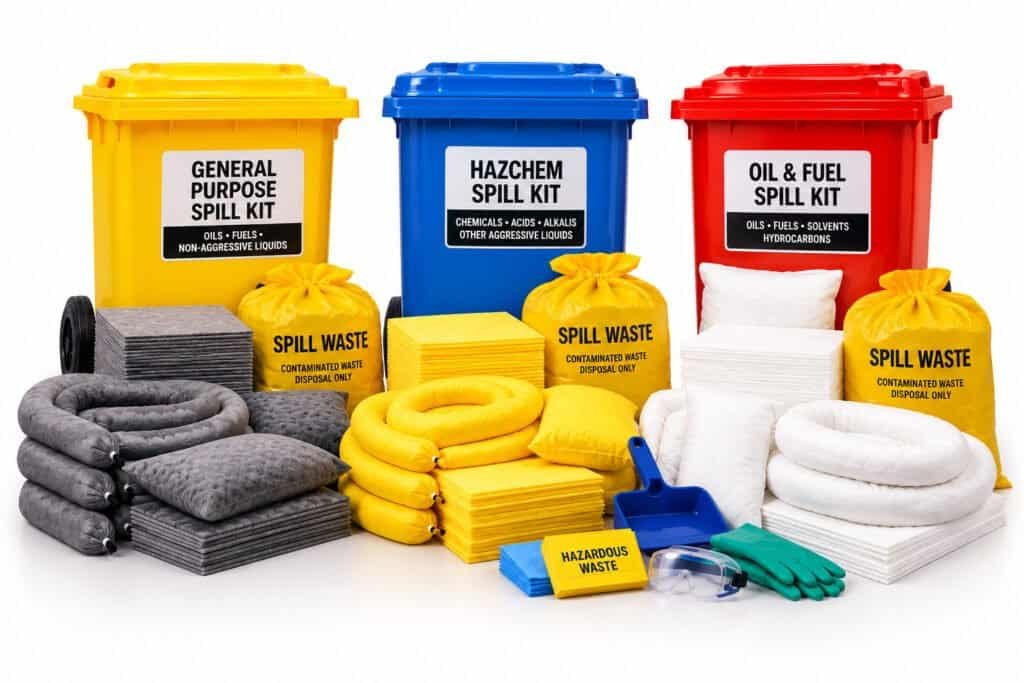](https://spillmaster.com.au/?product_cat=spill-kits)
## [Spill Kits](https://spillmaster.com.au/?product_cat=spill-kits)
We provide a range of spill kits from 15 litres through to 240 litres.Oil and Fuel, General Purpose, Hazchem/Chemical and Marine Spill Kits
[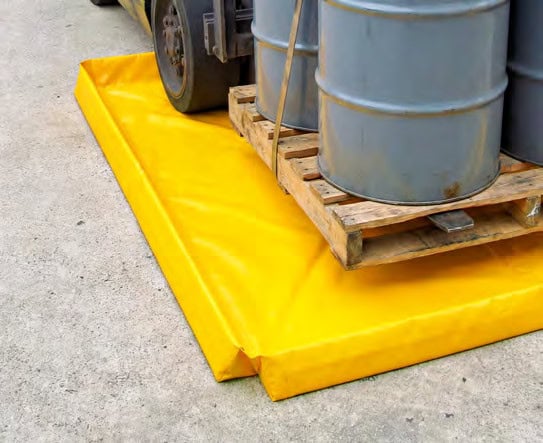](https://spillmaster.com.au/product-category/spill-control/)
## [Spill Control](https://spillmaster.com.au/product-category/spill-control/)
Wide range of products for spill control, including absorbent booms and pads, spill pallets, bunding and drain covers.
[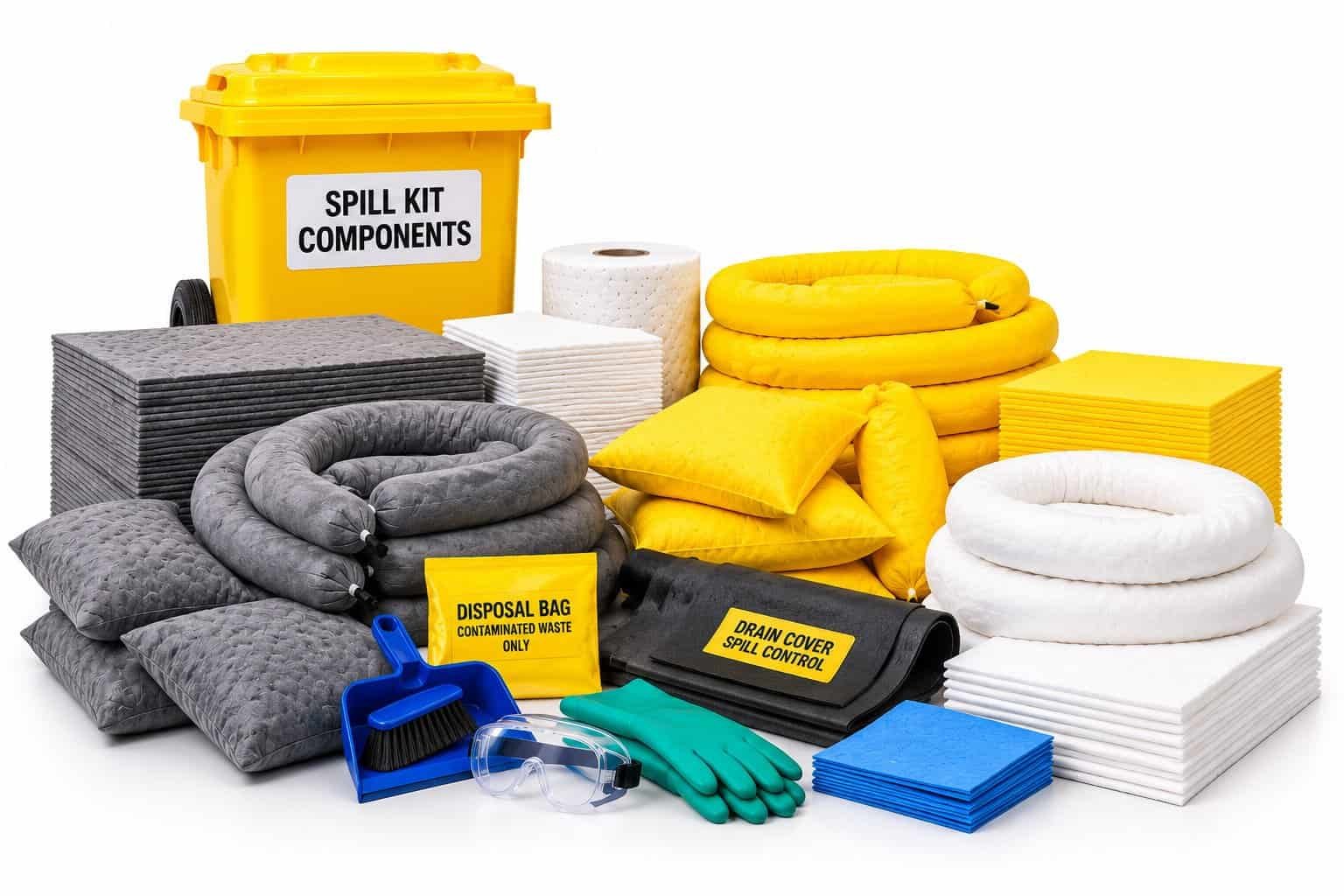](https://spillmaster.com.au/?product_cat=spill-kit-components)
## [Spill Kit Components](https://spillmaster.com.au/?product_cat=spill-kit-components)
Spill kit components including absorbent rolls, pads, socks, bunding, booms, tamper tags
[](https://spillmaster.com.au/?product_cat=flammable-storage-cabinets)
## [Dangerous Goods Cabinets](https://spillmaster.com.au/?product_cat=flammable-storage-cabinets)
Dangerous goods and class 3 flammable liquid storage cabinets 30 litres to 250 litre capacity.
[](https://spillmaster.com.au/product-category/personal-protection-equipment/)
## [PPE ](https://spillmaster.com.au/product-category/personal-protection-equipment/)
Protective personal equipment items we sell include Disposable Polypropylene Coveralls, industrial gloves and disposable gloves.
[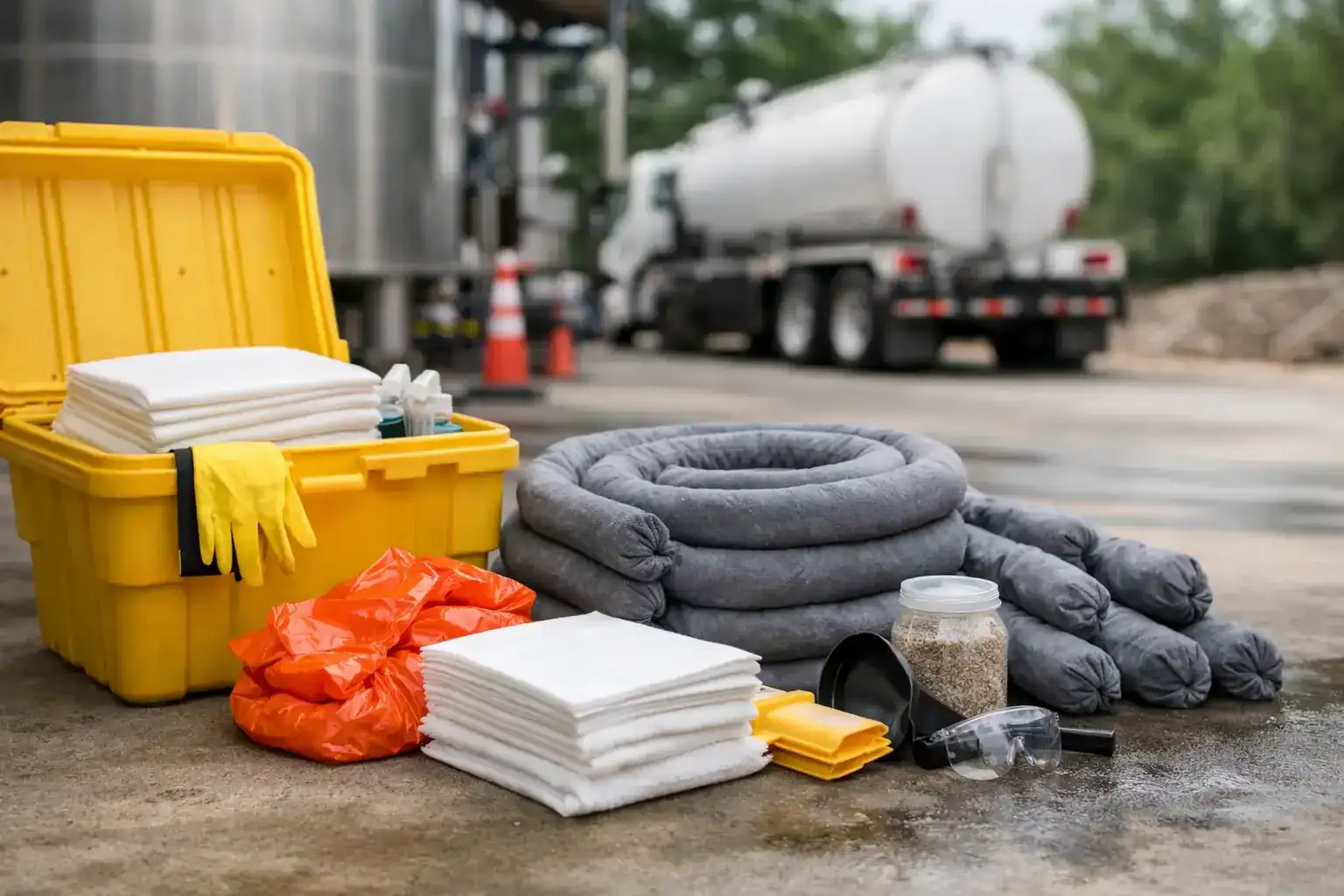](https://spillmaster.com.au/product-category/spill-kits/spill-kit-refills/)
## [Spill Kit Refills](https://spillmaster.com.au/product-category/spill-kits/spill-kit-refills/)
Spillmaster Spill Kit Refill Packs provide replacement absorbents and other kit contents to help restore compatible Spillmaster spill kits after use or routine inspection.
## Practical Spill Response, Containment and Site Safety Products
Spillmaster supplies spill kits, spill control products, absorbents, dangerous goods storage cabinets and PPE for workplaces across Australia. Our range supports practical spill preparedness, containment, cleanup and routine restocking, with product information and reorder references available online.
### Our Product Solutions
- **Hazchem & Chemical Spill Kits:** Spill response kits for chemical and hazardous liquid applications. [Shop Hazchem & Chemical Spill Kits.](https://spillmaster.com.au/product-category/spill-kits/hazchem-chemical-spill-kits/)
- **Oil & Fuel Spill Kits:** Spill kits for oil and fuel response in workshops, fleet, industrial and marine settings. [Browse Oil & Fuel Kits.](https://spillmaster.com.au/product-category/spill-kits/oil-and-fuel-spill-kits/)
- **General Purpose Spill Kits:** Spill kits for common workplace liquids and general spill response. [Shop General Purpose Kits.](https://spillmaster.com.au/product-category/spill-kits/general-purpose-spill-kits/)
- **Marine Spill Kits:** Spill response products for marine and waterway applications. [Browse Marine Kits.](https://spillmaster.com.au/product-category/spill-kits/marine-spill-kit/)
- **Biohazard Spill Kits:** Spill response kits for biohazard cleanup applications. [View Biohazard Kits.](https://spillmaster.com.au/product-category/spill-kits/bio-hazard-spill-kit/)
- **Dangerous Goods Cabinets:** Storage cabinets for dangerous goods and Class 3 flammable liquids. [View Cabinet Range.](https://spillmaster.com.au/product-category/flammable-storage-cabinets/)
- **Spill Control & Bunding:** Bunding, drain protection, spill pallets and other products for spill containment and control. [Explore Spill Control.](https://spillmaster.com.au/product-category/spill-control/)
- **PPE:** Disposable coveralls, industrial gloves and disposable gloves for workplace use. [View PPE Range.](https://spillmaster.com.au/product-category/personal-protection-equipment/)
### Why Choose Spillmaster
- **Product Identification:** Spillmaster products include online access to a Product Identification & Verification Record with a traceable product reference and QR-enabled reorder link.
- **Practical Spill Preparedness:** Spill kits should be selected for the liquids handled, likely spill volume and conditions at your site.
- **Rapid Logistics:** Same-day dispatch is available from Sydney, Brisbane and Perth, with local pickup available from Sydney, Brisbane and Perth.
- **Product Support:** Contact Spillmaster for help identifying suitable products for your spill response, containment and restocking requirements.
---
### [Resource Centre](https://spillmaster.com.au/resource-centre/)
**Published:** April 20, 2025
**Author:** Barry
**Content:**
# 🔧 Spillmaster Resource Centre
Welcome to the Spillmaster Resource Centre — practical spill response information, spill kit instructions, absorbent guides and product information. If you are choosing equipment, start with our [How to Select a Spill Kit](https://spillmaster.com.au/how-to-select-a-spill-kit/) guide or [browse the Spill Kits range](https://spillmaster.com.au/product-category/spill-kits/).
---
## 🎬 Spillmaster Video Training Hub
Learn how to respond to spills safely and effectively. Hazbot’s got your back — just press play.
### 🧠 General Spill Kit Training
**How to Use a Spill Kit** – Step-by-step guide to kit contents and usage.
🤖 *Hazbot says:* “New to spill kits?
This video walks you through everything inside. [https://www.youtube.com/embed/7\_fU8hlwhec](https://www.youtube.com/embed/7_fU8hlwhec "General Spill Kit Training")
### 🧪 Chemical Spill Response
**7-Step Spill Response Procedure** – Full process for chemical spill containment.
🤖 *Hazbot says:* “Chemical spill?
Watch this 7-step guide before you suit up. [https://www.youtube.com/embed/FjVvjjTH3KE](https://www.youtube.com/embed/FjVvjjTH3KE "7-Step Spill Response Procedure")
**Chemical Spill Response** – Real-world cleanup using neutralizers and PPE.
🤖 *Hazbot says:* “See how pros handle acid spills with proper gear and absorbents.
[https://www.youtube.com/embed/9uDQMz6wrvA](https://www.youtube.com/embed/9uDQMz6wrvA "Chemical Spill Response")
### 🧬 Biohazard Spill Response
**Initial Spill Response Training** – First steps for handling hazardous spills.
🤖 *Hazbot says:* “Biohazard spill? PPE first — then containment.
Watch this. [https://www.youtube.com/embed/hXBqX\_E1rS0](https://www.youtube.com/embed/hXBqX_E1rS0 "BioHazard Spill Response")
**Hazardous Spills Training** – Covers technician roles and decontamination.
🤖 *Hazbot says:* “This one’s great for compliance — perfect for onboarding staff.
[https://www.youtube.com/embed/yzh0nAvH5VI](https://www.youtube.com/embed/yzh0nAvH5VI "Hazardous Spills Training")
### 🏭 Spill Management Planning
**Spill Management Training**– How to prepare your site and train your team.
🤖 *Hazbot says:* “No plan? No problem. This video helps you build one from scratch.”
[https://www.youtube.com/embed/aHm6dtfuNVg](https://www.youtube.com/embed/aHm6dtfuNVg "Spill Management Planning")
---
### 🔹 Popular Resources
- [How to Select a Spill Kit](https://spillmaster.com.au/how-to-select-a-spill-kit/) — choose by liquid, spill risk, kit type and practical size.
- General Purpose Spill Kit Instructions – 240L *(coming soon)*
- Chemical Spill Response Steps *(coming soon)*
- Floorsweep vs Pads: Which Should I Use? *(coming soon)*
- Download: Absorbent Pad Comparison Guide *(coming soon)*
---
### 🧾 SDS & Product Information Sheets
We’re adding SDS forms and product spec sheets to every relevant page. Check back often or contact Hazbot if you need a specific item now.
---
### 🤖 Hazbot Can Help
Looking for a guide or unsure which kit you need? Just ask Hazbot — your spill response AI assistant — available on every page.
---
### 📥Downloadable Guides
🛢️ **Oil & Fuel Spill Kits – Downloadable Resources**
📦 **Product Guides:**
[15L Oil & Fuel Spill Kit – Product Info (PDF)](https://www.envirosmart.com.au/wp-content/uploads/2026/05/PRODUCT-INFO-15L-Oil-Fuel-Hydrocarbon-Spill-Kits-APR26.pdf)
[30L Oil & Fuel Spill Kit – Product Info (PDF)](https://www.envirosmart.com.au/wp-content/uploads/2026/05/PRODUCT-INFO-30L-Oil-Fuel-Hydrocarbon-Spill-Kits-APR26.pdf)
[50L Oil & Fuel Spill Kit – Product Info ](https://www.envirosmart.com.au/wp-content/uploads/2026/05/PRODUCT-INFO-50L-Oil-Fuel-Hydrocarbon-Spill-Kits-APR26.pdf)[(](https://www.envirosmart.com.au/wp-content/uploads/2026/05/PRODUCT-INFO-50L-Oil-Fuel-Hydrocarbon-Spill-Kits-APR26.pdf)PDF)
[80L Oil & Fuel Spill Kit – Product Info (PDF)](https://www.envirosmart.com.au/wp-content/uploads/2026/05/PRODUCT-INFO-80L-Oil-Fuel-Hydrocarbon-Spill-Kits-APR26.pdf)
[120L Oil & Fuel Spill Kit – Product Info (PDF)](https://www.envirosmart.com.au/wp-content/uploads/2026/05/PRODUCT-INFO-120L-Oil-Fuel-Hydrocarbon-Spill-Kits-APR26.pdf)
[240L Oil & Fuel Spill Kit – Product Info (PDF)](https://www.envirosmart.com.au/wp-content/uploads/2026/05/PRODUCT-INFO-240L-Oil-Fuel-Hydrocarbon-Spill-Kits-APR26.pdf)
📘 **Instruction Sheets:**
[15L Oil & Fuel Spill Kit – Instructions (PDF)](https://www.envirosmart.com.au/wp-content/uploads/2024/04/Spill_Kit_Instructions_OF_15L.pdf)
[30L Oil & Fuel Spill Kit – Instructions (PDF)](https://www.envirosmart.com.au/wp-content/uploads/2024/04/Spill_Kit_Instructions_OF_30L.pdf)
[50L Oil & Fuel Spill Kit – Instructions (PDF)](https://www.envirosmart.com.au/wp-content/uploads/2024/04/Spill_Kit_Instructions_OF_50L.pdf)
[80L Oil & Fuel Spill Kit – Instructions (PDF)](https://www.envirosmart.com.au/wp-content/uploads/2024/04/Spill_Kit_Instructions_OF_80L.pdf)
[120L Oil & Fuel Spill Kit – Instructions (PDF)](https://www.envirosmart.com.au/wp-content/uploads/2024/04/Spill_Kit_Instructions_OF_120L.pdf)
[240L Oil & Fuel Spill Kit – Instructions (PDF)](https://www.envirosmart.com.au/wp-content/uploads/2024/04/Spill_Kit_Instructions_OF_240L.pdf)
🟡 **General Purpose Spill Kits – Downloadable Resources**
📦 **Product Guides:**
[15L General Purpose Spill Kit – Product Info (PDF)](https://www.envirosmart.com.au/wp-content/uploads/2026/05/PRODUCT-INFO-15L-General-Purpose-Spill-Kits-APR26.pdf)
[30L General Purpose Spill Kit – Product Info (PDF)](https://www.envirosmart.com.au/wp-content/uploads/2026/05/PRODUCT-INFO-30L-General-Purpose-Spill-Kits-APR26.pdf)
[50L General Purpose Spill Kit – Product Info (PDF)](https://www.envirosmart.com.au/wp-content/uploads/2026/05/PRODUCT-INFO-50L-General-Purpose-Spill-Kits-APR26.pdf)
[80L General Purpose Spill Kit – Product Info (PDF)](https://www.envirosmart.com.au/wp-content/uploads/2026/05/PRODUCT-INFO-80L-General-Purpose-Spill-Kits-APR26.pdf)
[120L General Purpose Spill Kit – Product Info (PDF)](https://www.envirosmart.com.au/wp-content/uploads/2026/05/PRODUCT-INFO-120L-General-Purpose-Spill-Kits-APR26.pdf)
[240L General Purpose Spill Kit – Product Info (PDF)](https://www.envirosmart.com.au/wp-content/uploads/2026/05/PRODUCT-INFO-240L-General-Purpose-Spill-Kits-APR26.pdf)
📘 **Instruction Sheets:**
[15L General Purpose Spill Kit – Instructions (PDF)](https://www.envirosmart.com.au/wp-content/uploads/2024/04/Spill_Kit_Instructions_GP_15L.pdf)
[30L General Purpose Spill Kit – Instructions (PDF)](https://www.envirosmart.com.au/wp-content/uploads/2024/04/Spill_Kit_Instructions_GP_30L.pdf)
[50L General Purpose Spill Kit – Instructions (PDF)](https://www.envirosmart.com.au/wp-content/uploads/2024/04/Spill_Kit_Instructions_GP_50L.pdf)
[80L General Purpose Spill Kit – Instructions (PDF)](https://www.envirosmart.com.au/wp-content/uploads/2024/04/Spill_Kit_Instructions_GP_80L.pdf)
[120L General Purpose Spill Kit – Instructions (PDF)](https://www.envirosmart.com.au/wp-content/uploads/2024/04/Spill_Kit_Instructions_GP_120L.pdf)
[240L General Purpose Spill Kit – Instructions (PDF)](https://www.envirosmart.com.au/wp-content/uploads/2024/04/Spill_Kit_Instructions_GP_240L.pdf)
🧪 **Hazchem Spill Kits – Downloadable Resources**
📦 **Product Guides:**
[15L Hazchem Spill Kit – Product Info (PDF)](https://www.envirosmart.com.au/wp-content/uploads/2026/05/PRODUCT-INFO-15L-Hazchem-Spill-Kits-APR26.pdf)
[30L Hazchem Spill Kit – Product Info (PDF)](https://www.envirosmart.com.au/wp-content/uploads/2026/05/PRODUCT-INFO-30L-Hazchem-Spill-Kits-APR26.pdf)
[50L Hazchem Spill Kit – Product Info (PDF)](https://www.envirosmart.com.au/wp-content/uploads/2026/05/PRODUCT-INFO-50L-Hazchem-Spill-Kits-APR26.pdf)
[80L Hazchem Spill Kit – Product Info (PDF)](https://www.envirosmart.com.au/wp-content/uploads/2026/05/PRODUCT-INFO-80L-Hazchem-Spill-Kits-APR26.pdf)
[120L Hazchem Spill Kit – Product Info (PDF)](https://www.envirosmart.com.au/wp-content/uploads/2026/05/PRODUCT-INFO-120L-Hazchem-Spill-Kits-APR26.pdf)
[240L Hazchem Spill Kit – Product Info (PDF)](https://www.envirosmart.com.au/wp-content/uploads/2026/05/PRODUCT-INFO-240L-Hazchem-Spill-Kits-APR26.pdf)
📘 **Instruction Sheets:**
[15L Hazchem Spill Kit – Instructions (PDF)](https://www.envirosmart.com.au/wp-content/uploads/2024/04/Spill_Kit_Instructions_HAZ_15L.pdf)
[30L Hazchem Spill Kit – Instructions (PDF)](https://www.envirosmart.com.au/wp-content/uploads/2024/04/Spill_Kit_Instructions_HAZ_30L.pdf)
[50L Hazchem Spill Kit – Instructions (PDF)](https://www.envirosmart.com.au/wp-content/uploads/2024/04/Spill_Kit_Instructions_HAZ_50L.pdf)
[80L Hazchem Spill Kit – Instructions (PDF)](https://www.envirosmart.com.au/wp-content/uploads/2024/04/Spill_Kit_Instructions_HAZ_80L.pdf)
[120L Hazchem Spill Kit – Instructions (PDF)](https://www.envirosmart.com.au/wp-content/uploads/2024/04/Spill_Kit_Instructions_HAZ_120L.pdf)
[240L Hazchem Spill Kit – Instructions (PDF)](https://www.envirosmart.com.au/wp-content/uploads/2024/04/Spill_Kit_Instructions_HAZ_240L.pdf)
🌊 **Marine Spill Kits – Downloadable Resources**
📦 **Product Guides:**
[15L Marine Spill Kit – Product Info (PDF)](https://www.envirosmart.com.au/wp-content/uploads/2026/05/PRODUCT-INFO-15L-Oil-Fuel-Marine-Spill-Kits-APR26.pdf)
[30L Marine Spill Kit – Product Info (PDF)](https://www.envirosmart.com.au/wp-content/uploads/2026/05/PRODUCT-INFO-30L-Oil-Fuel-Marine-Spill-Kits-APR26.pdf)
[50L Marine Spill Kit – Product Info (PDF)](https://www.envirosmart.com.au/wp-content/uploads/2026/05/PRODUCT-INFO-50L-Oil-Fuel-Marine-Spill-Kits-APR26.pdf)
[80L Marine Spill Kit – Product Info (PDF)](https://www.envirosmart.com.au/wp-content/uploads/2026/05/PRODUCT-INFO-80L-Oil-Fuel-Marine-Spill-Kits-APR26.pdf)
[120L Marine Spill Kit – Product Info (PDF)](https://www.envirosmart.com.au/wp-content/uploads/2026/05/PRODUCT-INFO-120L-Oil-Fuel-Marine-Spill-Kits-APR26.pdf)
[240L Marine Spill Kit – Product Info (PDF)](https://www.envirosmart.com.au/wp-content/uploads/2026/05/PRODUCT-INFO-240L-Oil-Fuel-Marine-Spill-Kits-APR26.pdf)
📘 **Instruction Sheets:**
[15L Marine Spill Kit – Instructions (PDF)](https://www.envirosmart.com.au/wp-content/uploads/2024/04/Spill_Kit_Instructions_M_15L.pdf)
[30L Marine Spill Kit – Instructions (PDF)](https://www.envirosmart.com.au/wp-content/uploads/2024/04/Spill_Kit_Instructions_M_30L.pdf)
[50L Marine Spill Kit – Instructions (PDF)](https://www.envirosmart.com.au/wp-content/uploads/2024/04/Spill_Kit_Instructions_M_50L.pdf)
[80L Marine Spill Kit – Instructions (PDF)](https://www.envirosmart.com.au/wp-content/uploads/2024/04/Spill_Kit_Instructions_M_80L.pdf)
[120L Marine Spill Kit – Instructions (PDF)](https://www.envirosmart.com.au/wp-content/uploads/2024/04/Spill_Kit_Instructions_M_120L.pdf)
[240L Marine Spill Kit – Instructions (PDF)](https://www.envirosmart.com.au/wp-content/uploads/2024/04/Spill_Kit_Instructions_M_240L.pdf)
🧽 **Absorbents – Pads, Rolls, Socks, Booms, Ground and Floor Sweeps**
📦 **Product Guides:**
[Absorbent Pad Range – Product Info (PDF)](https://www.envirosmart.com.au/wp-content/uploads/2026/05/PRODUCT-INFO-Absorbent-Pads-Range-APR26.pdf)
[Absorbent Roll Range – Product Info (PDF)](https://www.envirosmart.com.au/wp-content/uploads/2026/05/PRODUCT-INFO-Absorbent-Rolls-Range-APR26.pdf)
[Absorbent Sock Range – Product Info (PDF)](https://www.envirosmart.com.au/wp-content/uploads/2026/05/PRODUCT-INFO-Absorbent-Socks-Range-APR26.pdf)
[Absorbent Boom – Product Info (PDF)](https://www.envirosmart.com.au/wp-content/uploads/2026/05/PRODUCT-INFO-Poly-Floating-Booms-APR26.pdf)
[Floorsweep Absorbent – Product Info (PDF)](https://www.envirosmart.com.au/wp-content/uploads/2026/05/PRODUCT-INFO-SpillSmart-FloorSweep-APR26.pdf)
[RoadSpill Absorbent – Product Info (PDF)](https://www.envirosmart.com.au/wp-content/uploads/2026/05/PRODUCT-INFO-SpillSmart-RoadSpill-APR26.pdf)
[HazSorb Absorbent – Product Info (PDF)](https://www.envirosmart.com.au/wp-content/uploads/2026/05/PRODUCT-INFO-SpillSmart-HazSorb-APR26.pdf)
[All-Purpose Absorbent – Product Info (PDF)](https://www.envirosmart.com.au/wp-content/uploads/2026/05/PRODUCT-INFO-All-Purpose-Absorbent-APR26.pdf)
[KSorb Absorbent – Product Info (PDF)](https://www.envirosmart.com.au/wp-content/uploads/2026/05/PRODUCT-INFO-SpillSmart-K-Sorb-APR26.pdf)
📥 **Download your checklists:**
---
### [About Us – Why Australians Trust Spillmaster](https://spillmaster.com.au/about-us/)
**Published:** October 30, 2019
**Author:** admin
**Content:**
# Built for Australian Industry
Spillmaster is an Australian‑owned supplier of spill kits, absorbents, PPE, and dangerous goods storage built for real‑world industrial conditions. For more than 50 years, we’ve supported workplaces across mining, transport, warehousing, manufacturing, education, and local government with reliable, compliant spill control solutions.
## A Message from Our Founder
After around 50 years working in industry, I know that reliable spill response equipment and practical advice make a real difference.
I established Spillmaster in 2019 to make it easier for Australian businesses to find the right products and get the support they need.
Thank you for visiting Spillmaster. I appreciate the opportunity to earn your business.
Kind regards,
Barry
Spillmaster
## Compliance Without Compromise
Every Spillmaster product aligns with Safe Work Australia guidelines and is designed to meet national WHS and environmental requirements. Our spill kits, absorbents, and bunded storage systems are engineered for harsh Australian environments and the demands of high‑risk worksites.
- Confidence that your spill response equipment meets WHS expectations
- Products designed for durability, not retail packaging
- Clear, accurate compliance information with no confusing jargon
## Fast, Australia‑Wide Delivery
We dispatch orders quickly from distribution centres in Brisbane, Sydney, Melbourne, Perth, and Adelaide. This ensures fast delivery to metro, regional, and remote locations — because spill control equipment is only useful if it arrives on time.
## Proven Performance in the Field
Businesses choose Spillmaster because our products perform when it matters.
- A Brisbane warehouse contained a 200L oil spill in under 10 minutes using our Oil & Fuel Spill Kit.
- A Sydney manufacturing plant uses our bunded pallets to maintain safe chemical storage and meet daily WHS obligations.
These outcomes aren’t marketing claims — they’re the result of reliable equipment used correctly.
## Straightforward Technical Support
Selecting the right spill kit or storage solution shouldn’t be complicated. Our team provides clear, practical guidance to help you stay compliant and protected. Whether you’re equipping a single workshop or standardizing spill control across multiple sites, we make the process simple.
## Why Australian Businesses Choose Spillmaster
- Over 50 years of industry experience
- Australian‑made spill kits and safety products
- Fast, nationwide delivery
- Solutions for mining, transport, manufacturing, education, and more
- Practical advice from a team that understands WHS requirements
Spillmaster exists to help Australian workplaces stay safe, compliant, and prepared. Explore our range or contact us for straightforward, expert support.
---
### [Spillmaster FAQs & Contact Us](https://spillmaster.com.au/frequently-asked-questions/)
**Published:** October 30, 2019
**Author:** admin
**Content:**
# Spillmaster Product FAQs
**What is Spillmaster Lifetime Warranty?**
We trust our products as the best spill solution. So, we back them with our Lifetime Warranty on all spill kit contents. This means you can rely on our kits for years.
**How can we pay?**
First, we accept Visa, Master Card, Amex, and EFT payments. Additionally, we take Purchase Orders from Government Departments like schools and big projects. Thus, you have many payment options.
### Shipping and Delivery FAQs
**Where can you ship in Australia?**
We ship everywhere in Australia, including Melbourne, Sydney, Canberra, Brisbane, Darwin, Perth, and Adelaide. In fact, we deliver from our warehouses Australia Wide. So, you’ll get your order fast.
**Can you deliver to residential addresses?**
Yes, we deliver to residential addresses. However, most shippers add a surcharge for these deliveries. For example, let us know ahead if your order goes to a home address. Then, we’ll add the freight surcharge to your invoice. You must pay it fully before we start delivery.
**Do I need a forklift to accept goods?**
Orders over 15kg go beyond manual handling rules, so we deliver them on a pallet. This includes our Safety Cabinet and Spill Kit range, plus mixed goods orders. Therefore, you must ensure you have a forklift for orders over 15kg. Or, we can send a tail lift truck for an extra fee to lower the pallet to the ground. Also, you’ll need a pallet jack or similar tool to move your goods. Finally, you must pay the freight surcharge fully before we start delivery.
**How does shipping work?**
We offer shipping for orders to metro areas in Sydney, Melbourne, Brisbane, Adelaide, and Perth. Meanwhile, we calculate shipping costs for regional areas using the item’s weight, size, and distance from your address to our nearest warehouse.
**How fast do you send my order?**
We aim to send orders the same day or the next day after we receive them. As a result, you get your spill solutions quickly.
### Order Management FAQs
**Can I change my order?**
To change your order, email us at <info@spillmaster.com.au> with your order number. Consequently, our team will help you right away.
**Do I have to sign for my order?**
Yes, a person at the delivery address must receive and sign for deliveries. Otherwise, we can’t leave goods without a signature.
### Returns and Refunds FAQs
**Can I return or refund my order?**
We don’t accept product returns or refunds without Spillmaster’s prior written consent. First, you must know the specs of the products you need and ensure they suit your purpose. Since we make dangerous goods cabinets to order, you can’t return or refund them. However, if we accept a return, you’ll cover the cost of shipping items back. Please read our full Terms and Conditions.
**Can I return faulty or damaged goods?**
If goods arrive faulty, you can return them for a replacement. For instance, notify our customer service team within 5 business days of receiving them. Then, email us at <info@spillmaster.com.au> with photos of the fault. We’ll send a replacement item or part as soon as we can. Please read our full Terms and Conditions.
### Contact and Support FAQs
**How can I contact Spillmaster?**
For inquiries, email us at [info@spillmaster.com.au ](mailto:info@spillmaster.com.au)We’ll reply quickly to help you.
**Free Metro Delivery**
We provide free metro delivery for orders over $2000 in major cities. So, you save on shipping costs.
**Trusted Safety Brand**
Spillmaster, a trusted name in the industry, ensures quality and reliability in all our products. Therefore, you can count on us for your spill control needs.
[Spillmaster](https://spillmaster.com.au/) serves industries like manufacturing and retail. Our experts guide you in selecting the right equipment for compliance and protection. Our solutions align with best practices outlined in the Safe Work Australia Guide.
**Postal Address:**
PO Box 3078
ROUSE HILL NSW 2155
ABN 72 637 123 409
Address:
**Spillmaster Pty Ltd**
-33.806389, 150.684814
Phone:
[ +61 418469110 ](tel:+61418469110)
Email:
[ info@spillmaster.com.au ](mailto:info@spillmaster.com.au)
---
### [Request a Quote](https://spillmaster.com.au/request-quote/)
**Published:** June 21, 2026
**Author:** admin
**Content:**
# Request a Quote
Tell us what you need and we’ll get back to you with pricing and availability.
[**✉ EMAIL US FOR A QUOTE**](mailto:info@spillmaster.com.au?subject=Request%20a%20Quote%20-%20Spillmaster&body=Hi%20Spillmaster%2C%0D%0A%0D%0AI%20would%20like%20a%20quote%20for%3A%0D%0A%0D%0AProduct%2Fs%3A%20%0D%0AQuantity%20required%3A%20%0D%0ARequired%20by%3A%20%0D%0ADelivery%20suburb%2Fpostcode%20or%20collection%3A%20%0D%0A%0D%0AName%3A%20%0D%0ACompany%3A%20%0D%0APhone%3A%20%0D%0A%0D%0AAdditional%20information%3A%20)
Click the link above and your email will open with the quote details ready for you to complete.
---
### [How to Select a Spill Kit](https://spillmaster.com.au/how-to-select-a-spill-kit/)
**Published:** December 5, 2019
**Author:** admin
**Content:**
# How to Select a Spill Kit for Your Workplace
The right spill kit depends on what may be spilled, where the spill may occur, and the size of the likely spill. Start with the liquid you need to control.
### 1. Check Your Spill Risks
Start by assessing your spill risks to spot potential issues. For example, identify the types and amounts of spills that could happen. Some workplaces need several spill kits to handle different dangerous materials. Therefore, consider the chance and impact of spills. This is especially true if you store or use chemicals, oils, or fuels onsite.
### 2. Pick the Right Spill Kit Size
Spillmaster offers spill kits in 15L, 30L, 50L, 80L, 120L and 240L sizes. The litre designation identifies the kit size or range; it should not be assumed to equal the volume of liquid the kit will absorb. Actual absorbency depends on the absorbents supplied and the liquid being recovered. Choose a kit appropriate to the largest reasonably foreseeable spill in the area where it will be located. Larger workplaces or sites with several spill-risk areas may require multiple kits positioned close to those risks.
### 3. Choose the Best Absorbent Material
Spill kits use color codes to show what liquids they handle. So, picking the right absorbent material ensures fast, safe cleanup and lowers risks.
**General Purpose Spill Kits (Yellow)**
For common workplace spills such as water-based liquids, coolants, oils and other non-aggressive liquids. [**View General Purpose Spill Kits**](https://spillmaster.com.au/product-category/spill-kits/general-purpose-spill-kits/). They’re great for indoor use. However, don’t use them for corrosive substances.
**Oil & Fuel Spill Kits (Red)**
These kits absorb oils and fuels while repelling water. [**View Oil & Fuel Spill Kits**](https://spillmaster.com.au/product-category/spill-kits/oil-and-fuel-spill-kits/). They’re best for outdoor use near water or soil. For spills on soil, find kits with bioactive absorbents.
**Hazchem Spill Kits (Blue)**
For acids, alkalis, aggressive chemicals and situations where the liquid may require chemical-resistant absorbents. [**View Chemical / Hazchem Spill Kits**](https://spillmaster.com.au/product-category/spill-kits/hazchem-chemical-spill-kits/). They use safe absorbents that don’t react with harsh chemicals. They can be used where chemical spill response requires compatible absorbents.
**Marine Spill Kits**
For oil and fuel spills in marine, boating, marina and waterway environments. [**View Marine Spill Kits**](https://spillmaster.com.au/product-category/spill-kits/marine-spill-kit/).
### Need Help Picking a Spill Kit?
Choosing the right spill kit can be tricky. But we’re here to help you find the best one. Explore our full range of spill kits, including **Oil and Fuel, General Purpose, Hazchem, and Marine kits**, at:
[Spill Kits – Oil and Fuel, General Purpose, Hazchem and Marine (spillmaster.com.au)](https://spillmaster.com.au/product-category/spill-kits/) Our solutions align with best practices outlined in the [Safe Work Australia Guide](https://www.safeworkaustralia.gov.au/safety-topic/managing-health-and-safety/identify-assess-and-control-hazards).
---
### [Shop](https://spillmaster.com.au/shop-online-for-australia-wide-delivery/)
**Published:** October 30, 2019
**Author:** admin
---
### [Checkout](https://spillmaster.com.au/checkout/)
**Published:** October 30, 2019
**Author:** admin
**Content:**
---
### [Shipping, Returns, Warranty & Payment Terms](https://spillmaster.com.au/shipping-returns-warranty-payment-terms/)
**Published:** November 13, 2019
**Author:** admin
**Content:**
**Shipping & Delivery**
At Spillmaster, we deliver Australia-wide using reliable freight carriers. Customers also have the option to collect goods from our distribution centres during business hours. To avoid delays, please provide complete delivery information when placing your order. This includes your full delivery address, contact person details, and any special instructions.
Deliveries are scheduled Monday to Friday during normal business hours. For orders over 20kg, a forklift must be available onsite to assist with unloading. If a forklift isn’t available, manual handling or tailgate unloading will incur extra charges. Deliveries to “remote” areas are NOT included in the “free delivery” offer.
Goods are delivered to the receiving area or loading dock only. If delivery is required to another location onsite, this must be approved by Spillmaster prior to dispatch. If the driver is unable to access the site or if no one is present to accept the goods, redelivery fees may apply.
Customers who request unattended deliveries accept all risks. Spillmaster and its freight providers are not responsible for lost or damaged items after delivery has occurred.
Shipping costs are calculated at checkout. If you choose to arrange your own freight, we require full transport details before the order is released.
**Spillmaster Lifetime Warranty**
We proudly offer a Lifetime Warranty on our products to the original purchaser, provided the items are used and stored according to our guidelines. Please note that absorbent contents in spill kits are designed for single-use only and are not covered by warranty once used.
**Payment & Billing**
All transactions are securely processed using Square’s payment system. Spillmaster does not store credit card information. We accept Visa, Mastercard, AMEX, and EFT (electronic bank transfers). Bank details are supplied on Pro Forma invoices. There are no surcharges on credit or debit card payments.
**Returns, Refunds & Damaged Goods**
Spillmaster does not accept change-of-mind returns. Returns will only be processed with prior written approval. All return requests must be lodged within five business days of delivery.
Approved returns are subject to a 20% restocking fee. Products must be returned unused, in their original condition and packaging, and shipped at the customer’s expense. Custom-made and special-order products are not eligible for return.
If goods arrive damaged or faulty, notify us within five business days by emailing <info@spillmaster.com.au> with a clear description and supporting photos. If the issue is deemed a manufacturing fault, we will offer a replacement or partial refund at our discretion.
**Important Notes**
It is the customer’s responsibility to confirm product suitability for the intended application and material type. All product images shown on our website are for illustrative purposes only and may differ slightly from actual items.
While we aim for total accuracy, Spillmaster is not responsible for typographical errors or delivery delays caused by third-party freight carriers.
---
### [Privacy Policy](https://spillmaster.com.au/privacy-policy/)
**Published:** April 20, 2025
**Author:** Barry
**Content:**
### **Spillmaster Privacy Policy**
**Effective Date:** 2025
**Website:** <https://spillmaster.com.au>
Spillmaster is committed to protecting your privacy and complying with the **Privacy Act 1988 (Cth)** and the **Australian Privacy Principles (APPs)**. This policy outlines how we collect, use, store, and share personal information gathered through our website, services, and communications.
---
#### 1. **What Information We Collect**
We may collect the following personal information when you interact with our website or services:
- Name and contact details (e.g. phone number, email address)
- Shipping and billing addresses
- Purchase and order history
- Payment information (processed securely by third-party providers)
- IP address, browser type, and device information
- Website behaviour through cookies and analytics tools
---
#### 2. **How We Collect Information**
Information is collected when you:
- Place an order through our website
- Subscribe to our newsletter or updates
- Use the contact form or send us an enquiry
- Interact with Hazbot, our AI assistant
- Browse or interact with our site via cookies and analytics
---
#### 3. **Why We Collect Your Information**
We collect this information to:
- Process and deliver orders
- Communicate with customers
- Improve our products, services, and website experience
- Offer customer support and respond to enquiries
- Provide helpful, personalised AI recommendations
- Comply with legal obligations
---
#### 4. **Cookies & Analytics**
Spillmaster uses cookies and similar technologies to:
- Understand user behaviour
- Improve site performance
- Personalise content and offers
By using our website, you consent to the use of cookies unless disabled in your browser settings.
---
#### 5. **Third-Party Services**
We may use trusted third-party platforms (e.g. payment processors, shipping providers, email services, analytics tools) to deliver our services. These providers may access your data only as required to perform their function.
We do **not sell or rent** your personal information to any third parties.
---
#### 6. **How We Store & Protect Your Data**
Your information is stored securely on servers with strict access controls. We take reasonable steps to protect your data from misuse, loss, unauthorised access, modification, or disclosure.
Credit card details are processed via secure third-party payment gateways and are not stored on our servers.
---
#### 7. **Accessing or Updating Your Information**
You may request access to the personal information we hold about you at any time. To do so, contact us using the details below. We may need to verify your identity before fulfilling your request.
---
#### 8. **Changes to This Policy**
We may update this Privacy Policy from time to time to reflect changes in legal requirements or our practices. The latest version will always be available on our website.
---
#### 9. **Contact Us**
If you have any questions or concerns about your privacy or this policy, please contact:
**Spillmaster Privacy Officer**
Email: <info@spillmaster.com.au>
Phone: 0418 469 110
Postal Address:
PO Box 3078
Rouse Hill NSW 2155
---
## Products
### [Tamper Tags](https://spillmaster.com.au/product/tamper-tags/)
**Published:** June 7, 2020
**Author:** admin
**Excerpt:** One-time-use tamper tags for spill kits. Visibly seal kits for inspections and improve WHS compliance. Ideal for bins, grab bags, and mobile kits.
**Content:**
## Tamper Tags – Ensure Spill Kit Readiness and Security
**Tamper Tags** are a simple but vital tool for ensuring your spill kits remain complete, untouched, and ready for emergency use. These one-time-use plastic seals are applied to wheelie bins or grab bags to indicate whether a kit has been opened or used. If the tag is broken, you know it’s time to check, restock, or service the kit.
Highly visible and easy to apply, Spillmaster’s tamper tags are colour-coded for fast identification. They help businesses maintain WHS compliance by making routine spill kit inspections quicker and more reliable.
## Key Features
• One-time-use plastic security tags
• Clearly show if a spill kit has been opened
• Colour-coded for high visibility
• Easy to apply to handles, lids, or zips
• Helps maintain kit integrity and compliance
## Where to Use Tamper Tags
- Wheelie bin spill kits in warehouses and depots
- Grab bags in vehicles, workshops, and mobile sites
- Hazardous goods storage areas
- Remote sites where kits are accessed by multiple users
## Compatible With All Spill Kits
Tamper tags are included with many Spillmaster [Spill Kits](https://spillmaster.com.au/product-category/spill-kits/) and are also available for individual purchase. Stock up via our [Spill Kit Components](https://spillmaster.com.au/product-category/spill-kit-components/) to streamline inspections and safety checks across your site.
## Support WHS Spill Readiness
Under [Safe Work Australia](https://www.safework.nsw.gov.au/safety-starts-here/safety-support/managing-risk-in-the-workplace#:~:text=Thereisahierarchyofcontrolsyoucan,bedecideduponinconsultationwithyourworkers.) guidance, workplaces must be prepared for spill incidents. Tamper tags help you verify that kits remain sealed and ready without needing to open them. It’s a simple addition that enhances compliance and peace of mind.
## FAQ
### What are Tamper Tags used for?
Tamper Tags are used to secure spill kits, safety equipment, cabinets, and emergency response gear. They provide a clear visual indicator if equipment has been opened or accessed.
### How do Tamper Tags improve safety?
They ensure spill kits and safety equipment remain fully stocked and untouched until needed, supporting WHS compliance and audit requirements.
### Are the tags easy to apply?
Yes. Each tag features a simple pull‑tight locking mechanism that requires no tools to install.
### Can the tags be broken in an emergency?
Yes. They are designed to break easily by hand when equipment needs to be accessed quickly.
### Where are Tamper Tags commonly used?
They are commonly used on spill kits, first aid kits, fire extinguishers, emergency cabinets, and industrial safety equipment.
### How many tags come in a pack?
Each pack contains multiple tags, providing an economical solution for ongoing site safety checks.
**Product categories:** Tamper Tags
---
### [RoadSpill](https://spillmaster.com.au/product/roadspill/)
**Published:** February 12, 2023
**Author:** Barry
**Excerpt:** Fast-acting absorbent for oil, fuel, and chemical spills. Ideal for sealed surfaces like bitumen and concrete. Low-dust formula and WHS-compliant.
**Content:**
## RoadSpill – Rapid Response Absorbent for Oil & Fuel Spills
**RoadSpill** is a fast-acting, general-purpose absorbent designed to handle oil, fuel, and chemical spills on bitumen, concrete, and other hard surfaces. Its high absorption capacity and low-dust formula make it ideal for roads, workshops, transport yards, and warehouses where safety and quick response are critical.
Made in Australia, RoadSpill is engineered to help first responders, councils, and work crews quickly contain and clean up hazardous spills. It’s packaged for easy use in mobile spill kits, emergency vehicles, and safety stations. If you’re looking for a heavy-duty absorbent that performs well on sealed surfaces, this is your go-to product.
### **What Is RoadSpill?**
RoadSpill — also known as road absorbent, rapid‑response absorbent, bitumen‑safe absorbent, or general‑purpose spill absorbent — is a fast‑acting granular material designed for cleaning up oil, fuel, grease, solvents and mild chemical spills on sealed surfaces. Engineered for bitumen, asphalt and concrete, RoadSpill provides quick absorption with minimal dust, making it ideal for roadside emergencies, workshops, transport yards and industrial spill response.
## Key Benefits
• Absorbs oil, fuel, grease, solvents, and mild chemicals
• Ideal for sealed surfaces like bitumen, asphalt, and concrete
• Fast-acting granules with minimal dust
• Australian-made and non-toxic
• Supports WHS compliance and spill preparedness
## Where RoadSpill Works Best
- Emergency roadside cleanups
- Fuel station forecourts
- Loading docks and vehicle depots
- Workshops and service stations
- Municipal, industrial, and transport spill kits
## Use in Spill Kits or On Its Own
RoadSpill is available as a standalone absorbent or can be included in mobile and fixed [Oil & Fuel Spill Kits](https://spillmaster.com.au/product-category/spill-kits/oil-and-fuel-spill-kits/). It’s also compatible with our [Spill Kit Components](https://spillmaster.com.au/product-category/spill-kit-components/) if you want to build or top up your own kit.
## Regulatory Compliance
Spill response is part of every responsible site’s duty of care. RoadSpill helps meet these responsibilities in line with [Safe Work Australia](https://www.safework.nsw.gov.au/safety-starts-here/safety-support/managing-risk-in-the-workplace#:~:text=Thereisahierarchyofcontrolsyoucan,bedecideduponinconsultationwithyourworkers.) guidance for managing hazardous spills and improving workplace safety.
Not sure if RoadSpill suits your worksite? Get in touch via our [contact page](https://spillmaster.com.au/frequently-asked-questions/) and we’ll help you match the right absorbent to your risk level, surface type, and response needs.
## FAQ
### What is RoadSpill used for?
RoadSpill is a fast‑acting absorbent designed for oil, fuel, grease, solvents, and mild chemical spills on sealed surfaces such as bitumen, asphalt, and concrete. It is ideal for roadside emergencies, workshops, transport yards, and industrial sites.
### How do I use RoadSpill?
Apply RoadSpill directly onto the spill, allow it to absorb the liquid, then sweep it up and dispose of it according to your site’s waste‑handling requirements. For larger spills, apply in stages to maximise absorption.
### Where does RoadSpill work best?
RoadSpill performs best on sealed surfaces including bitumen, concrete, and asphalt. It is commonly used for roadside cleanups, fuel station forecourts, loading docks, vehicle depots, workshops, and emergency spill response kits.
### Is RoadSpill safe and compliant?
Yes. RoadSpill is Australian‑made, non‑toxic, low‑dust, and supports WHS compliance by helping sites manage hazardous spills in line with Safe Work Australia guidelines.
### Can RoadSpill be used in spill kits?
Yes. RoadSpill is suitable as a standalone absorbent or as a component in mobile and fixed Oil & Fuel Spill Kits. It is also compatible with Spillmaster spill kit components for building or topping up kits.
**Product categories:** Ground and Floor Sweeps
---
### [Oil and Fuel Perforated Roll](https://spillmaster.com.au/product/oil-and-fuel-perforated-roll/)
**Published:** February 12, 2023
**Author:** Barry
**Excerpt:** Spillmaster's Oil & Fuel Perforated Roll measures 96cm x 44m and is designed to efficiently absorb hydrocarbon-based spills. Perforations allow for easy and precise usage, making it ideal for various industrial settings.
**Content:**
## Oil and Fuel Perforated Absorbent Roll – 96cm x 44m
Spillmaster’s Oil and Fuel Perforated Roll is engineered for efficient absorption of hydrocarbon-based spills. Measuring 96cm in width and 44m in length, this roll features perforations for easy and precise usage, making it ideal for various industrial settings.

## Key Features
- Dimensions: 96cm wide x 44m long
- Designed for hydrocarbon-based spill absorption
- Perforated for easy and precise usage
- White color indicates oil-only use and shows saturation levels
## Applications
This absorbent roll is suitable for:
- Workshops and garages
- Industrial facilities
- Marine environments
- Any area requiring efficient oil and fuel spill management
## Compliance and Safety
Utilizing appropriate absorbent materials is essential for managing site hazards and ensuring compliance with Australian safety regulations. For comprehensive guidance on hazard management, refer to resources like [Safe Work Australia’s Hazards Guide](https://www.safework.nsw.gov.au/safety-starts-here/safety-support/managing-risk-in-the-workplace#:~:text=Thereisahierarchyofcontrolsyoucan,bedecideduponinconsultationwithyourworkers.).
## Need Assistance?
For more information or to find the right spill containment solution, visit our [FAQs and contact page](https://spillmaster.com.au/frequently-asked-questions/).
## FAQ
### What is the Oil & Fuel Perforated Roll used for?
This roll is designed for absorbing oil, fuel, diesel, and other hydrocarbons. It is ideal for workshops, industrial facilities, marine environments, and spill response situations.
### Why is the roll perforated?
The perforations allow you to tear off smaller sections for precise and efficient use, reducing waste and improving spill control.
### Is the roll hydrophobic?
Yes. It repels water and only absorbs hydrocarbons, making it suitable for outdoor and marine spill control.
### What is the roll made from?
It is manufactured from meltblown polypropylene, providing strong absorbency while remaining lightweight and easy to handle.
### Where is this absorbent roll commonly used?
Common applications include workshops, garages, industrial sites, marine operations, and fuel handling areas.
### Does the roll help with WHS compliance?
Yes. Using appropriate absorbents helps manage site hazards and supports compliance with Australian workplace safety regulations.
**Product categories:** Absorbent Rolls
---
### [LDPE Disposable Gloves](https://spillmaster.com.au/product/ldpe-disposable-gloves/)
**Published:** August 18, 2024
**Author:** Barry
**Excerpt:** Spillmaster's LDPE Disposable Gloves provide durable and comfortable hand protection. Designed for various applications, including healthcare, cleaning, and food handling, these gloves ensure safety and hygiene in diverse environments.
**Content:**
## LDPE Disposable Gloves – Reliable Protection for Various Applications
Spillmaster’s LDPE Disposable Gloves are designed to offer reliable hand protection across multiple industries. Made from high-quality latex, these gloves provide a comfortable fit and excellent tactile sensitivity, making them ideal for tasks requiring precision.
Key Features
- High-quality latex material for durability and comfort
- Powder-free to minimize contamination risks
- Ambidextrous design for convenience
- Beaded cuffs for added strength and easy donning
- Available in various sizes to ensure a proper fit
## Applications
These gloves are suitable for use in:
- Healthcare and medical examinations
- Cleaning and janitorial tasks
- Food preparation and handling
- Laboratory and research settings
- General hygiene and sanitation
## Compliant, Protective PPE
Proper hand protection is essential in many Australian workplaces. For official guidance on selecting and using protective gear, visit [Safe Work Australia’s PPE guide](https://www.safework.nsw.gov.au/safety-starts-here/safety-support/managing-risk-in-the-workplace#:~:text=Thereisahierarchyofcontrolsyoucan,bedecideduponinconsultationwithyourworkers.).
## Need Assistance?
For more information or to find the right size, visit our [FAQs and contact page](https://spillmaster.com.au/frequently-asked-questions/).
**Product categories:** Disposable Gloves
---
### [K-Sorb Hydrophobic Absorbent](https://spillmaster.com.au/product/k-sorb-hydrophobic-absorbent/)
**Published:** February 12, 2023
**Author:** Barry
**Excerpt:** Hydrophobic absorbent for oil, fuel, and solvents. Repels water, making it ideal for use around drains, bunds, and wet outdoor environments.
**Content:**
## K-Sorb Hydrophobic Absorbent – Repels Water, Soaks Up Oil
Spillmaster’s **K-Sorb Hydrophobic Absorbent** is designed for fast, selective absorption of hydrocarbons while actively repelling water. Whether you’re dealing with oil, petrol, diesel, or solvents, this product is the perfect solution for wet conditions, drains, and outdoor environments where water contamination is a concern.
Unlike general-purpose absorbents that absorb everything, K-Sorb targets hydrocarbons only. This makes it ideal for outdoor use, on water, or in rain-exposed areas. It’s widely used in civil construction, mining, maintenance facilities, and anywhere oils need to be removed from wet surfaces or watercourses without collecting excess moisture.
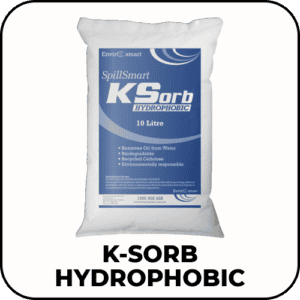
### **What Is K‑Sorb?**
K‑Sorb — also known as hydrophobic absorbent, oil‑only absorbent granules, selective hydrocarbon absorbent, or water‑repellent spill absorbent — is a specialised granular material designed to absorb oils, fuels and hydrocarbons while repelling water. It selectively removes oily contaminants from wet surfaces, drains, sumps and outdoor spill areas without taking on water. K‑Sorb is ideal for workshops, service stations, marine environments and any site where oil‑only spill control is required.
## Key Features
• Selectively absorbs hydrocarbons like oil, petrol, diesel, and solvents
• Repels water – perfect for drains, stormwater outlets, and wet surfaces
• Lightweight, non-toxic, and safe to handle
• High absorption capacity with minimal dust
• Complies with Australian workplace safety standards
## Best Applications
K-Sorb is especially effective in outdoor and water-prone environments:
- Spill response around drains and bunded areas
- Mining and heavy equipment washdown bays
- Outdoor workshops and fuel handling zones
- Marinas and boat maintenance sites
- Stormwater protection and filtration
## Use with Oil & Fuel Spill Kits
K-Sorb is the perfect refill or upgrade component for [Oil & Fuel Spill Kits](https://spillmaster.com.au/product-category/spill-kits/oil-and-fuel-spill-kits/). If you operate in wet or marine areas, adding hydrophobic absorbents can significantly improve your spill response performance. You can also browse our full range of [Spill Kit Components](https://spillmaster.com.au/product-category/spill-kit-components/) to customise your site safety setup.
## WHS Compliance
This absorbent supports your spill control plan in line with [Safe Work Australia](https://www.safework.nsw.gov.au/safety-starts-here/safety-support/managing-risk-in-the-workplace#:~:text=Thereisahierarchyofcontrolsyoucan,bedecideduponinconsultationwithyourworkers.) recommendations. It’s a practical way to protect stormwater systems and meet environmental responsibilities when operating in high-risk spill areas.
If you need advice on how K-Sorb can improve your spill strategy, contact the Spillmaster team. We’re here to help you choose the right absorbent for your specific site conditions and compliance needs.
## FAQ
### What is K‑Sorb Hydrophobic Absorbent used for?
K‑Sorb is a hydrophobic absorbent designed to absorb oils, fuels, and hydrocarbons while repelling water. It is ideal for outdoor spills, wet environments, drains, and areas exposed to rain or wash‑down water.
### How does K‑Sorb work?
K‑Sorb selectively absorbs hydrocarbons and floats on water, making it highly effective for oil‑on‑water spills. Simply apply it to the spill, allow it to absorb, then collect and dispose of it according to site requirements.
### Where is K‑Sorb commonly used?
K‑Sorb is widely used around stormwater drains, workshops, fuel storage areas, marine environments, and outdoor industrial sites where water is present and selective oil absorption is required.
### What liquids can K‑Sorb absorb?
K‑Sorb absorbs oils, fuels, diesel, petrol, lubricants, hydraulic fluid, and other hydrocarbons. It does not absorb water, making it ideal for wet or outdoor spill control.
### What size is K‑Sorb available in?
K‑Sorb Hydrophobic Absorbent is available in a 5kg bag, suitable for both small and medium‑sized spill response applications.
**Product categories:** Ground and Floor Sweeps
---
### [HazSorb](https://spillmaster.com.au/product/hazsorb/)
**Published:** June 7, 2020
**Author:** admin
**Excerpt:** Chemical absorbent for hazardous liquids including acids, alkalis, and unknowns. Lightweight, non-reactive, and perfect for harsh spill zones.
**Content:**
## Hazsorb – Chemical Absorbent for Harsh Liquid Spills
**Hazsorb** is a premium absorbent engineered specifically for harsh chemical spills. It’s ideal for cleaning up corrosive substances, strong acids, alkalis, and unknown liquids. Whether in laboratories, industrial plants, or chemical storage areas, Hazsorb helps manage dangerous spills safely and effectively.
Formulated to handle the types of spills general absorbents can’t, Hazsorb is a key part of any chemical spill response plan. It’s non-reactive, lightweight, and designed for use on hard surfaces like concrete, metal, or sealed flooring. This absorbent is a must-have for sites that deal with hazardous liquids under WHS regulations.
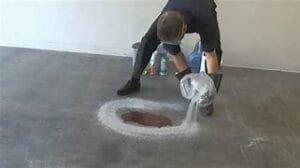
### **What Is HazSorb?**
HazSorb — also known as a chemical absorbent, hazardous liquid absorbent, acid and alkali absorbent, or non‑reactive spill absorbent — is a specialised granular material designed for cleaning up aggressive chemical spills. It rapidly absorbs acids, bases, corrosives and unknown liquids while remaining non‑reactive and safe to handle. HazSorb is ideal for laboratories, industrial plants, chemical storage areas and any site that manages hazardous liquids under WHS requirements.
## Key Features
• Specially designed for aggressive chemical spills
• Absorbs acids, bases, and unknown substances
• Non-reactive and safe to handle
• Lightweight and easy to apply
• Australian-made and WHS-compliant
## Applications
- Laboratories and testing facilities
- Chemical manufacturing and storage areas
- Maintenance departments and spill response stations
- Mining, processing plants, and utilities
## Use in Hazchem Spill Kits or Standalone
Hazsorb is a key component in our range of [Hazchem Spill Kits](https://spillmaster.com.au/product-category/spill-kits/hazchem-chemical-spill-kits/), designed for fast response to chemical spills. You can also purchase it separately to top up your existing kits or create a custom setup using our [Spill Kit Components](https://spillmaster.com.au/product-category/spill-kit-components/).
## Workplace Safety & Compliance
Hazsorb supports your compliance with Australian safety regulations under [Safe Work Australia](https://www.safework.nsw.gov.au/safety-starts-here/safety-support/managing-risk-in-the-workplace#:~:text=Thereisahierarchyofcontrolsyoucan,bedecideduponinconsultationwithyourworkers.). It provides peace of mind when dealing with unpredictable or high-risk liquid spills.
Need help identifying the right chemical absorbent for your site? Visit our [FAQ & Contact page](https://spillmaster.com.au/frequently-asked-questions/) for expert support and tailored spill control advice.
## FAQ
### What is HazSorb used for?
HazSorb is a premium chemical absorbent designed to clean up spills involving acids, alkalis, coolants, oils, fuels, and general hazardous liquids. It rapidly absorbs liquids to reduce slip hazards and improve site safety.
### How do I use HazSorb?
Apply HazSorb directly onto the spill, allow it to absorb the liquid, then sweep it up and dispose of it according to your site’s hazardous waste requirements. For larger spills, apply in stages for maximum absorption.
### What types of liquids can HazSorb absorb?
HazSorb is suitable for absorbing a wide range of hazardous liquids including chemicals, oils, fuels, coolants, and workshop fluids. It is ideal for industrial, automotive, laboratory, and commercial environments.
### Is HazSorb safe to use indoors?
Yes. HazSorb is low‑dust, non‑toxic, and safe for indoor use. It helps reduce slip hazards and supports WHS compliance in workshops, warehouses, and maintenance areas.
### What sizes is HazSorb available in?
HazSorb is available in 35L bags, suitable for both small spill response and high‑volume industrial use.
**Product categories:** Ground and Floor Sweeps
---
### [FloorSweep](https://spillmaster.com.au/product/floorsweep/)
**Published:** June 7, 2020
**Author:** admin
**Excerpt:** Fast-acting absorbent for spills on workshop and warehouse floors. Non-toxic and low-dust. Ideal for oil, fuel, and coolant cleanup.
**Content:**
## Floorsweep – Industrial Absorbent for Workshop and Warehouse Floors
**Floorsweep** is a fast-acting, general-purpose absorbent designed for use on workshop, warehouse, and industrial floors. It’s ideal for cleaning up oil, fuel, grease, coolants, and mild chemicals from concrete and other sealed surfaces. This low-dust, easy-to-use absorbent delivers clean results without leaving residues behind.
### **What Is FloorSweep?**
FloorSweep — also known as floor absorbent, granular absorbent, industrial absorbent powder, or workshop spill absorbent — is a fast‑acting granular material used to absorb oils, fuels, coolants, grease and general liquid spills on hard surfaces. It is designed for workshops, warehouses, garages and industrial sites where quick, low‑dust spill cleanup is required. FloorSweep helps improve safety by reducing slip hazards and supporting WHS‑compliant spill response.
Spillmaster’s Floorsweep is manufactured in Australia using natural ingredients. It’s designed for high-traffic areas where cleanliness and safety are essential. Simply scatter, agitate, and sweep — it’s the trusted solution for mechanics, production lines, logistics depots, and more.
## Key Features
• Absorbs oil, fuel, grease, coolant, and mild chemicals
• Fast application with minimal dust
• Perfect for concrete, tiles, and sealed flooring
• Non-toxic and safe to handle
• Australian-made and WHS-compliant
## Common Use Areas
- Workshops and mechanical garages
- Factories and production facilities
- Warehouses and logistics centres
- Vehicle service bays and maintenance areas
## Works with Spill Kits or On Its Own
Floorsweep is a popular refill for our [General Purpose Spill Kits](https://spillmaster.com.au/product-category/spill-kits/general-purpose-spill-kits/) and is also available as a standalone product for regular cleanup use. Explore our full range of [Spill Kit Components](https://spillmaster.com.au/product-category/spill-kit-components/) for more spill response tools.
## Meet WHS Guidelines
Keep your workplace compliant with [Safe Work Australia](https://www.safework.nsw.gov.au/safety-starts-here/safety-support/managing-risk-in-the-workplace#:~:text=Thereisahierarchyofcontrolsyoucan,bedecideduponinconsultationwithyourworkers.) spill control guidelines. Floorsweep helps maintain clean, hazard-free floors to reduce slip risks and environmental exposure.
Not sure if this is the right product for your site? Visit our [FAQ & Contact page](https://spillmaster.com.au/frequently-asked-questions/) for help choosing the best solution for your business.
## FAQ
### What is FloorSweep used for?
FloorSweep is a high‑absorbency granular absorbent designed to clean up spills of oils, fuels, coolants, paints, and general liquids on workshop, warehouse, and industrial floors. It absorbs quickly and leaves surfaces clean and safe.
### How do I use FloorSweep?
Simply apply FloorSweep directly onto the spill, allow it to absorb the liquid, then sweep it up and dispose of it according to your site’s waste‑handling requirements. For larger spills, apply in stages for maximum absorption.
### What types of liquids can FloorSweep absorb?
FloorSweep absorbs oils, fuels, solvents, paints, coolants, mild chemicals, and general workshop liquids. It is suitable for automotive, industrial, and commercial environments.
### Is FloorSweep safe to use indoors?
Yes. FloorSweep is low‑dust, non‑toxic, and safe for indoor use in workshops, warehouses, and mechanical service areas. It helps reduce slip hazards and improves workplace safety.
### What sizes is FloorSweep available in?
FloorSweep is available in 10kg and 20kg bags, suitable for both small spill response and high‑volume industrial use.
**Product categories:** Ground and Floor Sweeps
---
### [Contaminated Waste Bags](https://spillmaster.com.au/product/contaminated-waste-bags/)
**Published:** June 7, 2020
**Author:** admin
**Excerpt:** WHS-compliant waste bags for safe disposal of used spill absorbents. Heavy-duty, clearly marked, and ideal for all spill kit types.
**Content:**
## Contaminated Waste Bags – Safe Disposal of Used Spill Materials
**Contaminated Waste Bags** are essential for safely disposing of used absorbents, PPE, and materials after a spill. Designed for high-visibility and easy identification, these heavy-duty plastic bags are a key part of spill response and cleanup. They help you manage hazardous waste correctly while maintaining compliance with Australian workplace safety guidelines.
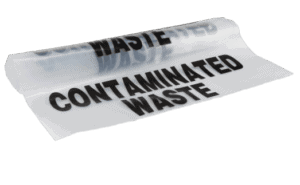
Each bag is made from durable plastic and is clearly marked to prevent accidental contact or misuse. They’re ideal for use with all types of spill kits — including oil & fuel, chemical, and general-purpose kits — and are suitable for industrial, commercial, and transport environments.
## Key Benefits
• Designed for used absorbents, gloves, pads, and booms
• Heavy-duty plastic construction with clear labelling
• Helps prevent cross-contamination
• Bright colour for easy visibility
• Complies with WHS disposal protocols
## Where to Use Contaminated Waste Bags
- Workshops and garages
- Warehouses and logistics centres
- Construction and civil works
- Chemical storage and laboratories
## Compatible with Spill Kits
These bags are included in all Spillmaster [Spill Kits](https://spillmaster.com.au/product-category/spill-kits/), and you can also order extras for restocking. See our full range of [Spill Kit Components](https://spillmaster.com.au/product-category/spill-kit-components/) to build a complete response system tailored to your site.
## Safe Waste Disposal Matters
Proper disposal of contaminated materials is a requirement under [Safe Work Australia](https://www.safework.nsw.gov.au/safety-starts-here/safety-support/managing-risk-in-the-workplace#:~:text=Thereisahierarchyofcontrolsyoucan,bedecideduponinconsultationwithyourworkers.) guidelines. Using these designated bags supports a compliant and environmentally responsible approach to spill management.
## FAQ
### What are Contaminated Waste Bags used for?
These bags are used for safely disposing of used absorbents, PPE, pads, booms, and other spill cleanup materials. They help prevent cross‑contamination and ensure compliant waste handling.
### Are these bags WHS compliant?
Yes. They are clearly marked and designed to support Safe Work Australia waste‑handling requirements.
### What are the bags made from?
They are made from heavy‑duty, high‑visibility plastic designed to contain contaminated materials securely.
### Where are these bags commonly used?
They are used in workshops, warehouses, laboratories, logistics centres, construction sites, and any location where spill kits are deployed.
### Are these bags included in Spillmaster spill kits?
Yes. They are included in all Spillmaster spill kits and can also be purchased individually for restocking.
### Can the bags be tied or sealed easily?
Yes. The material is flexible and strong, allowing quick sealing after spill cleanup.
**Product brands:** Spillmaster
**Product categories:** Contaminated Waste Bags
---
### [All Purpose Absorbent](https://spillmaster.com.au/product/all-purpose-absorbent/)
**Published:** February 12, 2023
**Author:** Barry
**Excerpt:** Fast-acting all purpose absorbent for oil, fuel, chemicals, and water. Safe, non-toxic, low-dust granules for workshops and industrial sites.
**Content:**
## All Purpose Absorbent – Universal Spill Cleanup Solution
Need a fast, effective way to deal with workplace spills? Spillmaster’s **All Purpose Absorbent** is a trusted choice for managing everyday liquid hazards. Whether you’re cleaning up oil, fuel, water, coolants, or chemicals, this absorbent delivers fast action and safe results. It’s a must-have for any site needing general-purpose coverage in unpredictable environments.
This absorbent is made from a non-toxic, low-dust mineral formula. It’s safe to use around workers and machinery and provides rapid uptake of liquids across a variety of surfaces. Its versatile use makes it ideal for workshops, manufacturing floors, loading docks, and service depots. It’s also a practical refill option for spill response stations or mobile kits that service mixed spill environments.
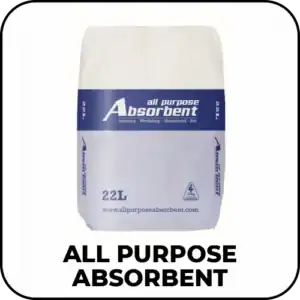
### **What Is All Purpose Absorbent?**
All purpose absorbent — also known as universal absorbent, general‑purpose absorbent granules, multi‑liquid absorbent, or industrial absorbent powder — is a versatile granular material designed to absorb oils, fuels, coolants, water, paints and mild chemicals. It provides fast, low‑dust spill cleanup on workshop, warehouse and industrial floors, helping reduce slip hazards and support WHS‑compliant spill response.
## Key Benefits
• Absorbs a wide range of liquids including oils, fuels, water-based fluids, and chemicals
• Fast-acting with high absorbency for quick cleanup
• Non-toxic and safe for regular use
• Low-dust formula for clean application and easy disposal
• Complies with safety practices under Australian WHS guidelines
## Ideal for These Work Environments
This general-purpose absorbent is suited for use in:
- Automotive workshops and mechanical garages
- Industrial processing and warehousing
- Maintenance bays and repair facilities
- Transport depots and distribution centres
- Any workplace with mixed liquid hazards
## Pair with a Spill Kit or Refill Station
Our absorbent is an excellent standalone spill response product, but it also integrates perfectly into our wider range of [Spill Kits](https://spillmaster.com.au/product-category/spill-kits/). You can also use it to top up or customise setups using our full range of [Spill Kit Components](https://spillmaster.com.au/product-category/spill-kit-components/).
## Stay Compliant and Ready
Keeping a general-purpose absorbent on hand helps your team respond quickly and safely. Under [Safe Work Australia](https://www.safework.nsw.gov.au/safety-starts-here/safety-support/managing-risk-in-the-workplace#:~:text=Thereisahierarchyofcontrolsyoucan,bedecideduponinconsultationwithyourworkers.) guidelines, businesses are required to take practical steps to manage spill risks. This product helps you meet those obligations with confidence and ease.
If you’re unsure whether this is the right absorbent for your site, contact the Spillmaster team for personalised advice. We’ll help you choose the right size, application method, or pair it with the right kit to ensure full protection.
## FAQ
### What is All Purpose Absorbent used for?
All Purpose Absorbent is designed to clean up spills involving oils, fuels, chemicals, coolants, paints, and general liquids. It provides fast absorption and helps reduce slip hazards in workshops, warehouses, and industrial sites.
### How do I use All Purpose Absorbent?
Apply the absorbent directly onto the spill, allow it to soak up the liquid, then sweep it up and dispose of it according to your site’s waste‑handling procedures. For larger spills, apply in stages for maximum effectiveness.
### What types of liquids can All Purpose Absorbent handle?
It absorbs oils, fuels, solvents, paints, coolants, mild chemicals, and general workshop liquids, making it suitable for automotive, industrial, and commercial environments.
### Is All Purpose Absorbent safe to use indoors?
Yes. It is low‑dust, non‑toxic, and safe for indoor use. It helps improve workplace safety by reducing slip hazards and supporting WHS compliance.
### What size is All Purpose Absorbent available in?
All Purpose Absorbent is available in a 15L bag, suitable for both small spill response and general workshop use.
**Product categories:** Ground and Floor Sweeps
---
### [Oil & Fuel Spill Kit 50L](https://spillmaster.com.au/product/oil-fuel-spill-kit-50l/)
**Published:** March 11, 2020
**Author:** admin
**Excerpt:** Portable hydrocarbon spill control for workshops, industrial sites, and service fleets.
The Spillmaster 50L Oil & Fuel Spill Kit provides rapid containment for medium-sized spills of diesel, petrol, lubricants, and hydraulic oil. Equipped with hydrophobic absorbents, it repels water to ensure maximum absorption of hydrocarbons—even on wet ground or outdoors.
-
50L Absorption Capacity: Sized for medium fuel transfer spills, hydraulic line failures, and workshop machinery leaks.
-
Water-Repellent Absorbents: Selective hydrophobic pads and socks absorb oil-based liquids while floating on or repelling water.
-
Complete Emergency Pack: Packed with hydrophobic pads, socks, pillows, disposal bags, cable ties, and safety PPE.
-
WHS & EPA Compliant: Meets Australian environmental duty-of-care requirements to keep your worksite audit-ready.
**Content:**
The **Spillmaster 50L Oil & Fuel Spill Kit** is a portable, medium-capacity hydrocarbon response kit designed for rapid cleanup of diesel, petrol, oil, lubricants, and hydraulic fluids. Featuring water-repellent (hydrophobic) absorbents, it selectively absorbs hydrocarbons while repelling water—making it the ideal solution for workshops, service vehicles, trucks, utes, and industrial refueling points where reliable spill control is essential.
## Technical Specifications & Kit Contents
- **1 x** Heavy-Duty Red PVC “Grab ‘n’ Go” Bag (Weather-Resistant)
- **25 x** Heavy-Weight Oil-Only Poly Pads (48cm x 43cm)
- **3 x** Polypropylene Absorbent Socks – Oil Only (75mm x 1.2m)
- **1 x** Oil-Only Absorbent Pillow (45cm x 45cm)
- **1 x** Pair Premium Nitrile Gloves
- **3 x** Contaminated Waste Disposal Bags & Cable Ties (450mm x 720mm)
- **1 x** Weatherproof Spill Kit Identification Sticker
- **1 x** Step-by-Step Spill Response Instruction Card
> **Easy [Compliance](https://www.safeworkaustralia.gov.au/safety-topic/managing-health-and-safety/identify-assess-and-control-hazards) Restocking:** Used your absorbents? Matching **50L Oil & Fuel **[Refill Packs](https://spillmaster.com.au/product-category/spill-kits/spill-kit-refills/)**** are available so you can replenish your pads, socks, pillow, and disposal bags to maintain full WHS and EPA compliance without buying a new bag.
---
## WHS & EPA Compliance
- **Selective Absorbency:** Hydrophobic technology ensures pads, socks, and pillows only absorb hydrocarbons (oil/fuel), leaving standing water behind to maximize absorption capacity.
- **Standards Compliant:** Meets **AS1940:2017** requirements for the storage and handling of flammable and combustible liquids.
- **Duty of Care:** Helps mobile service technicians, fleet operators, and workshop managers satisfy site WHS/EPA requirements and reduce slip hazards.
---
## Frequently Asked Questions
**Why does a 50L Oil & Fuel kit repel water?**
Because hydrocarbons often spill outdoors, in parking bays, or on wet concrete, hydrophobic absorbents are engineered to repel water and only absorb fuel, oil, and lubricants. This prevents absorbents from wasting capacity on rain or surface puddles.
**Where is a 50L Grab ‘n’ Go Bag typically stored?**
Its portable bag design makes it ideal for storing behind the seat of service trucks, mounted in ute trays, or kept near machinery bays and fuel transfer points where higher capacity is needed without taking up the footprint of a wheelie bin.
**Is this 50L kit AS1940 compliant?**
Yes. It satisfies the spill response standards set out in **AS1940:2017** and supports workplace WHS and EPA duty-of-care requirements for medium hydrocarbon spill management.
**Product brands:** Spillmaster
**Product categories:** Oil and Fuel Spill Kits
---
### [Oil & Fuel Spill Kit 30L](https://spillmaster.com.au/product/oil-fuel-spill-kit-30l/)
**Published:** March 11, 2020
**Author:** admin
**Excerpt:** Portable hydrocarbon spill control for workshops, service vehicles, and mobile technicians.
The Spillmaster 30L Oil & Fuel Spill Kit delivers fast containment of diesel, petrol, lubricants, and hydraulic oils. Housed in a durable Grab 'N' Go carry bag, its hydrophobic absorbents repel water so capacity isn't wasted on rain or wet surfaces.
-
30L Absorption Capacity: Ideal for medium vehicle leaks, fuel transfer drips, and workshop hydraulic spills.
-
Water-Repellent Absorbents: Selective hydrophobic pads and socks absorb oil-based fluids only.
-
Complete Emergency Pack: Includes hydrophobic pads, socks, disposal bag, ties, and protective PPE.
-
WHS & EPA Compliant: Meets Australian environmental duty-of-care standards to keep your fleet audit-ready.
**Content:**
The **Spillmaster 30L Oil & Fuel Spill Kit** is a portable, high-capacity hydrocarbon response kit designed for fast containment of diesel, petrol, oil, lubricants, and hydraulic fluids. Featuring water-repellent (hydrophobic) absorbents, it selectively absorbs hydrocarbons while repelling water—making it ideal for service vehicles, utes, small workshops, machinery areas, and refueling points where medium-sized spills must be controlled quickly and safely.
## Technical Specifications & Kit Contents
- **1 x** Heavy-Duty Red PVC “Grab ‘n’ Go” Bag (Weather-Resistant)
- **20 x** Heavy-Weight Oil-Only Poly Pads (48cm x 43cm)
- **1 x** Polypropylene Absorbent Sock – Oil Only (75mm x 1.2m)
- **1 x** Pair Premium Nitrile Gloves
- **3 x** Contaminated Waste Disposal Bags & Cable Ties (450mm x 720mm)
- **1 x** Weatherproof Spill Kit Identification Sticker
- **1 x** Step-by-Step Spill Response Instruction Card
> **Easy [Compliance](https://www.safeworkaustralia.gov.au/safety-topic/managing-health-and-safety/identify-assess-and-control-hazards) Restocking:** Used your absorbents? Matching **30L Oil & Fuel **[Refill Packs](https://spillmaster.com.au/product-category/spill-kits/spill-kit-refills/)**** are available so you can replenish your pads, socks, and disposal bags to maintain full WHS and EPA compliance without buying a new bag.
---
## WHS & EPA Compliance
- **Selective Absorbency:** Hydrophobic technology ensures pads and socks only absorb hydrocarbons (oil/fuel), leaving standing water behind to maximize absorption capacity.
- **Standards Compliant:** Meets **AS1940:2017** requirements for the storage and handling of flammable and combustible liquids.
- **Duty of Care:** Helps maintenance crews, mobile technicians, and fleet managers satisfy site WHS requirements and reduce slip hazards.
---
## Frequently Asked Questions
**Why does a 30L Oil & Fuel kit repel water?**
Because hydrocarbons often spill outdoors, in vehicle bays, or on wet ground, hydrophobic absorbents are engineered to repel water and only absorb fuel, oil, and lubricants. This prevents absorbents from wasting capacity on rain or surface puddles.
**Where is a 30L Grab ‘n’ Go Bag typically stored?**
Its compact bag design makes it ideal for mounting in mobile service vans, ute trays, earthmoving machinery cabs, fuel transfer stations, and small workshop maintenance bays where a full wheelie bin won’t fit.
**Is this 30L kit AS1940 compliant?**
Yes. It satisfies the spill response standards set out in **AS1940:2017** and supports workplace WHS and EPA duty-of-care requirements for medium-sized hydrocarbon spill management.
**Product brands:** Spillmaster
**Product categories:** Oil and Fuel Spill Kits
---
### [General Purpose Spill Kit 50L](https://spillmaster.com.au/product/general-purpose-spill-kit-50l/)
**Published:** March 11, 2020
**Author:** admin
**Excerpt:** Portable universal spill control for busy workshops, warehouses, and industrial facilities.
The Spillmaster 50L General Purpose Spill Kit delivers fast, versatile cleanup for non-aggressive liquids including oils, coolants, paints, solvents, detergents, and water-based fluids. Packed in a heavy-duty yellow PVC carry bag, it provides immediate protection for medium-sized liquid spills across production areas and maintenance bays.
-
50L Absorption Capacity: Sized for medium workshop floor spills, drum transfer drips, and machinery leaks.
-
Universal Absorbent Media: Multi-purpose pads, socks, and pillows quickly absorb both water-based and oil-based liquids.
-
Durable Yellow PVC Bag: Heavy-duty, splash-resistant carry bag keeps absorbents clean and highly visible for quick emergency deployment.
-
WHS & EPA Compliant: Meets Australian environmental duty-of-care requirements to keep your worksite audit-ready.
**Content:**
The **Spillmaster General Purpose Spill Kit 50L** is a portable, all‑liquid spill response kit housed in a durable yellow PVC bag. Designed for fast cleanup of oils, coolants, paints, detergents, and general workshop liquids, featuring universal absorbents, it is ideal for workshops, warehouses, factories, garages, storage areas, and maintenance vehicles where medium‑sized non‑hazardous spills must be controlled quickly and safely.
## Technical Specifications & Kit Contents
- **1 x** Yellow PVC Spill Kit Bag
- **10 x** Heavy-Weight General Purpose Poly Pads (48cm x 43cm)
- **1 x** Absorbent Sock – General Purpose (75mm x 1.2m)
- **1 x** General Purpose Absorbent Pillow (45cm x 45cm)
- **1 x** Floor Sweep 5kg
- **1 x** Pair Premium Nitrile Gloves
- **3 x** Contaminated Waste Disposal Bags (450mm x 720mm)
- **1 x** Dustpan & Brush
- **1 x** Spill Kit Identification Sticker
- **1 x** Step-by-Step Spill Response Instruction Card
> **Easy [Compliance](https://www.safeworkaustralia.gov.au/safety-topic/managing-health-and-safety/identify-assess-and-control-hazards) Restocking:** Used your absorbents? Matching **50L General Purpose **[Refill Packs](https://spillmaster.com.au/product-category/spill-kits/spill-kit-refills/)**** are available so you can replenish your pads, socks, pillow, floor sweep, and waste bags to maintain full WHS and EPA compliance without buying a new bag.
---
## WHS & EPA Compliance
- **Universal Absorbency:** Engineered to absorb a broad spectrum of workshop liquids including coolants, detergents, paints, and oils to ensure fast containment and reduce slip hazards.
- **Standards Compliant:** Meets **AS1940:2017** requirements for spill response in workplace environments.
- **Duty of Care:** Helps technicians, operators, and maintenance crews satisfy site WHS requirements and manage non-hazardous spill risks in equipment zones.
---
## Frequently Asked Questions
**What is the Spillmaster General Purpose Spill Kit 50L and what is it designed for?**
The Spillmaster General Purpose Spill Kit 50L is a portable, higher-capacity all-liquid spill response kit housed in a durable yellow PVC bag designed for fast cleanup of oils, coolants, paints, detergents, and general workshop liquids.
**Where is the 50L spill kit typically used and who is it suitable for?**
Its durable PVC bag design makes it ideal for workshops, warehouses, factories, garages, storage areas, and maintenance vehicles where medium-sized spills must be controlled quickly and safely.
**Is this 50L kit AS1940 compliant?**
Yes. It satisfies the spill response standards set out in **AS1940:2017** and supports workplace WHS and EPA duty-of-care requirements for medium-sized non-hazardous spill management.
**Product brands:** Spillmaster
**Product categories:** General Purpose Spill Kits
---
### [General Purpose Spill Kit 30L](https://spillmaster.com.au/product/general-purpose-spill-kit-30l/)
**Published:** March 11, 2020
**Author:** admin
**Excerpt:** Portable universal spill control for workshops, warehouses, and maintenance fleets.
The Spillmaster 30L General Purpose Spill Kit delivers fast, all-liquid cleanup for non-aggressive spills including oils, coolants, paints, detergents, and water-based fluids. Housed in a durable, high-visibility yellow PVC bag, it provides versatile protection against everyday workshop and warehouse spills.
-
30L Absorption Capacity: Ideal for medium-sized leaks, container drips, and routine fluid spills across work bays and service units.
-
Universal Absorbent Media: Multi-use pads and socks rapidly soak up both water-based and oil-based liquids.
-
Durable Yellow PVC Bag: Rugged, splash-resistant carry bag keeps absorbents clean, dry, and instantly visible for fast deployment.
-
WHS & EPA Compliant: Satisfies Australian environmental duty-of-care requirements to keep your site fully audit-ready.
**Content:**
The **Spillmaster General Purpose Spill Kit 30L** is a compact, non‑hazardous spill response kit designed for fast cleanup of oils, coolants, paints, detergents, and general workshop liquids. Featuring universal absorbents, it is ideal for workshops, warehouses, maintenance vehicles, and storage areas where medium‑sized everyday spills must be controlled quickly and safely.
## Technical Specifications & Kit Contents
- **1 x** Yellow PVC Spill Kit Bag
- **5 x** Heavy-Weight General Purpose Poly Pads (48cm x 43cm)
- **1 x** Absorbent Sock – General Purpose (75mm x 1.2m)
- **1 x** Floor Sweep 5kg
- **1 x** Pair Premium Nitrile Gloves
- **3 x** Contaminated Waste Disposal Bags (450mm x 720mm)
- **1 x** Dustpan & Brush
- **1 x** Spill Kit Identification Sticker
- **1 x** Step-by-Step Spill Response Instruction Card
> **Easy [Compliance](https://www.safeworkaustralia.gov.au/safety-topic/managing-health-and-safety/identify-assess-and-control-hazards) Restocking:** Used your absorbents? Matching **30L General Purpose **[Refill Packs](https://spillmaster.com.au/product-category/spill-kits/spill-kit-refills/)**** are available so you can replenish your pads, socks, floor sweep, and waste bags to maintain full WHS and EPA compliance without buying a new bag.
---
## WHS & EPA Compliance
- **Universal Absorbency:** Engineered to absorb a broad spectrum of workshop liquids including coolants, detergents, paints, and oils to ensure fast containment and reduce slip hazards.
- **Standards Compliant:** Meets **AS1940:2017** requirements for spill response in workplace environments.
- **Duty of Care:** Helps technicians, operators, and maintenance crews satisfy site WHS requirements and manage non-hazardous spill risks in equipment zones.
---
## Frequently Asked Questions
**What is the Spillmaster General Purpose Spill Kit 30L and what is it designed for?**
The Spillmaster General Purpose Spill Kit 30L is a portable, all-liquid spill response kit housed in a durable yellow PVC bag designed for fast cleanup of oils, coolants, paints, detergents, and general workshop liquids.
**Where is the 30L spill kit typically used and who is it suitable for?**
Its durable PVC bag design makes it ideal for workshops, warehouses, garages, storage areas, and maintenance vehicles where medium-sized spills must be controlled quickly and safely.
**Is this 30L kit AS1940 compliant?**
Yes. It satisfies the spill response standards set out in **AS1940:2017** and supports workplace WHS and EPA duty-of-care requirements for medium-sized non-hazardous spill management.
**Product brands:** Spillmaster
**Product categories:** General Purpose Spill Kits
---
### [Chemical Spill Kit 30L | (Hazchem Rated)](https://spillmaster.com.au/product/chemical-spill-kit-30l/)
**Published:** March 12, 2020
**Author:** admin
**Excerpt:** Portable Hazchem chemical spill control for laboratories, workshops, garages, and service vehicles.
The Spillmaster 30L Chemical Spill Kit (Hazchem Rated) delivers rapid, safe containment for hazardous chemical spills, including acids, alkalis, corrosives, solvents, and unknown liquids. Housed in a heavy-duty, high-visibility blue PVC Grab ‘n’ Go bag, it provides versatile, mobile protection for medium-sized Hazchem incidents.
-
30L Absorption Capacity: Sized for immediate, robust cleanup of medium chemical spills, drum leaks, and workshop liquid releases.
-
Chemically Inert Hazchem Absorbents: Color-coded yellow pads and socks will not react or degrade when absorbing aggressive, hazardous chemicals.
-
Durable Blue PVC Grab ‘n’ Go Bag: Heavy-duty, splash-resistant carry bag keeps Hazchem absorbents clean, dry, and ready for immediate deployment.
-
WHS & AS1940 Compliant: Meets Australian WHS regulations and AS1940:2017 standards for dangerous goods and hazardous chemical safety.
**Content:**
The **Spillmaster Chemical Spill Kit 30L (Hazchem Rated)** delivers rapid, portable containment for hazardous chemical spills. Housed in a heavy-duty blue PVC bag, this compact kit is engineered with chemical-resistant absorbents to safely clean up acids, alkalis, corrosives, solvents, and unknown chemicals. Featuring specialized absorbents, it is ideal for laboratories, research facilities, workshops, warehouses, schools, healthcare facilities, and manufacturing environments where routine hazardous spills must be controlled quickly and safely.
## Technical Specifications & Kit Contents
- **1 x** Blue PVC Spill Kit Bag
- **15 x** Hazchem Poly Pads – Heavy Weight (48cm x 43cm)
- **1 x** Hazsorb Absorbent Powder (7.5L Bag)
- **1 x** Hazchem Absorbent Sock (75mm x 1.2m)
- **1 x** Pair Premium Nitrile Gloves
- **3 x** Contaminated Waste Disposal Bags (450mm x 720mm)
- **1 x** Dustpan & Brush
- **1 x** Spill Kit Identification Sticker
- **1 x** Step-by-Step Spill Response Instruction Card
> **Easy [Compliance](https://www.safeworkaustralia.gov.au/safety-topic/managing-health-and-safety/identify-assess-and-control-hazards) Restocking:** Used your absorbents? Matching **30L Chemical/Hazchem **[Refill Packs](https://spillmaster.com.au/product-category/spill-kits/spill-kit-refills/)**** are available so you can replenish your pads, socks, Hazsorb powder, and waste bags to maintain full WHS and EPA compliance without buying a new bag.
---
## WHS & EPA Compliance
- **Chemical-Resistant Absorbency:** Specially formulated Hazchem absorbents will not degrade or react dangerously when absorbing aggressive chemicals, acids, alkalis, or unknown liquids.
- **Standards Compliant:** Meets **AS1940:2017** requirements for spill response in workplace environments handling hazardous substances.
- **Duty of Care:** Helps technicians, laboratory personnel, and maintenance teams satisfy site WHS requirements, maintain EPA compliance, and safely manage hazardous spill risks.
---
## Frequently Asked Questions
**What chemicals can the Spillmaster 30L kit absorb?**
This Hazchem-rated kit is designed for hazardous chemical spills, including acids, alkalis, solvents, corrosives, and unknown chemicals.
**Where is a 30L chemical spill kit typically used?**
Its portable bag design makes it ideal for laboratories, research facilities, workshops, warehouses, schools, healthcare facilities, and manufacturing environments where routine hazardous chemical spills may occur.
**Is this 30L kit AS1940 compliant?**
Yes. It satisfies the spill response standards set out in **AS1940:2017** and supports workplace WHS and EPA duty-of-care requirements for medium-sized hazardous spill management.
**Product brands:** Spillmaster
**Product categories:** Chemical Spill Kits (Hazchem)
---
### [Chemical Spill Kit 50L | (Hazchem Rated)](https://spillmaster.com.au/product/chemical-spill-kit-50l/)
**Published:** March 12, 2020
**Author:** admin
**Excerpt:** Portable Hazchem chemical spill control for laboratories, workshops, warehouses, and maintenance teams.
The Spillmaster 50L Chemical Spill Kit (Hazchem Rated) provides fast, safe containment for hazardous chemical spills, including acids, alkalis, corrosives, solvents, and unknown liquids. Housed in a durable blue PVC grab-n-go bag, it delivers site-ready protection for managing mid-sized chemical spills across larger work zones.
-
50L Absorption Capacity: Volume-engineered for robust, rapid response to mid-sized Hazchem releases, liquid transfers, and container ruptures.
-
Chemically Inert Hazchem Absorbents: High-grade, color-coded yellow pads, socks, and pillows will not react or degrade when absorbing aggressive chemicals.
-
Durable Blue PVC Grab 'N' Go Bag: Heavy-duty, weather-resistant carry bag keeps Hazchem response gear clean, dry, and instantly accessible.
-
WHS & AS1940 Compliant: Meets Australian WHS regulations and AS1940:2017 standards for dangerous goods and hazardous chemical handling.
**Content:**
The **Spillmaster Chemical Spill Kit 50L (Hazchem Rated)** is a portable spill kit. Consequently, we store it in a blue PVC bag. Designed for fast cleanup of acids, alkalis, corrosives, solvents, and unknown chemicals, thus ideal for laboratories, workshops, and maintenance vehicles. Additionally, this 50L kit is widely used in laboratories, research facilities, workshops, warehouses, schools, healthcare facilities, and manufacturing environments. It suits technicians, operators, and maintenance teams who require a compact but higher‑capacity kit for routine hazardous chemical spills.
## Technical Specifications & Kit Contents
- **1 x** Blue PVC Grab‑N‑Go Spill Kit Bag
- **15 x** Hazchem Poly Pads – Heavy Weight – 48cm x 43cm
- **3 x** Hazsorb 7.5L Bags
- **1 x** Hazchem Absorbent Sock – 75mm x 1.2m
- **1 x** Hazchem Absorbent Pillow – 45cm x 45cm
- **1 x** Pair of Nitrile Gloves
- **3 x** Contaminated Waste Bags – 450mm x 720mm
- **1 x** Spill Kit Sticker
- **1 x** Spill Kit Instructions
> **Easy [Compliance](https://www.safeworkaustralia.gov.au/safety-topic/managing-health-and-safety/identify-assess-and-control-hazards) Restocking:** Used your absorbents? Matching **50L Chemical/Hazchem **[Refill Packs](https://spillmaster.com.au/product-category/spill-kits/spill-kit-refills/)**** are available so you can replenish your pads, socks, pillow, Hazsorb powder, and waste bags to maintain full WHS and EPA compliance without buying a new Grab N Go bag.
---
## WHS & EPA Compliance
- **Chemical-Resistant Absorbency:** Specially formulated Hazchem absorbents will not degrade or react dangerously when absorbing aggressive chemicals, acids, alkalis, or unknown liquids.
- **Standards Compliant:** Meets **AS1940:2017** requirements for spill response in workplace environments handling hazardous substances.
- **Duty of Care:** Helps technicians, operators, and maintenance teams satisfy site WHS requirements, maintain EPA compliance, and safely manage hazardous spill risks.
---
## Frequently Asked Questions
**What is the Chemical Spill Kit 50L \| (Hazchem Rated) and what does it contain?**
The 50L Chemical Spill Kit Grab‑N‑Go Bag is a portable Hazchem rated spill response kit housed in a durable blue PVC grab‑n‑go bag, designed for fast cleanup of acids, alkalis, corrosives, solvents and unknown chemicals.
**Where is the 50L Chemical Spill Kit suitable for use?**
It is widely used in manufacturing facilities, warehouses, laboratories, schools, healthcare environments and industrial workplaces, and suits technicians, operators and maintenance teams needing a higher‑capacity kit for routine hazardous chemical spills.
**Is this 50L kit AS1940 compliant?**
Yes. The spill kit is AS1940:2017 compliant, meeting the spill response requirements specified in that standard for hazardous chemical spill management..
**Product brands:** Spillmaster
**Product categories:** Chemical Spill Kits (Hazchem)
---
### [Spill Bund 6m x 4m](https://spillmaster.com.au/product/spill-bund-6m-x-4m/)
**Published:** November 10, 2022
**Author:** Barry
**Excerpt:** Extra-wide drive-in containment for site vehicles, heavy plant machinery, and large bulk chemical arrays.
The Spillmaster 6m x 4m Spill Bund provides commercial-grade, extra-wide secondary containment engineered to capture major leaks, washdown runoff, and high-volume fluid spills before ground contamination occurs. Built from ultra-durable, chemical-resistant material, its expansive 6-metre by 4-metre footprint gives wide clearance for vehicle parking, mobile machinery maintenance, and multi-IBC storage zones—available in standard sizes or custom-fabricated to your exact site specifications.
-
Standard 6m x 4m (1,440L Capacity): High-capacity 1,440-litre sump providing wide clearance for vehicles, heavy plant, and bulk fluid storage.
-
Custom Sizes Available: Standard sizes ready to ship, or custom-built to match any vehicle footprint, plant machinery, or bay dimensions.
-
Chemical & Fuel Resistant: Ultra-durable construction engineered to hold oils, fuels, solvents, and harsh industrial chemicals.
-
EPA & WHS Compliant: Delivers robust, high-volume secondary containment to meet strict Australian environmental compliance standards.
**Content:**
The **Spillmaster Spill Bund 6m x 4m** is an extra-large 1,800-litre portable spill containment unit engineered to capture large-volume leaks, drips, and hazardous liquid spills from oversized machinery, plant equipment, vehicles, and extensive chemical drum setups. Manufactured from heavy-duty, chemical-resistant PVC with welded seams, this portable bund mat ensures rapid deployment across high-risk indoor and outdoor industrial environments. Additionally, this expansive 6m x 4m drive-on spill bund features flexible walls that allow vehicles, site equipment, and machinery to roll directly into the containment area. It suits site supervisors, civil contractors, plant mechanics, and environmental safety officers across construction sites, mining operations, industrial facilities, and maintenance depots who require an extra-large, compliant secondary containment solution.
## Technical Specifications & Product Details
- **Extra-Large 6m x 4m Footprint:** Massive 6000mm x 4000mm coverage designed for oversized plant, heavy machinery, vehicles, and multi-drum temporary storage
- **1,800L Containment Capacity:** Provides high-volume, compliant secondary containment for major leaks, fluid changes, and catastrophic chemical spills
- **Heavy-Duty Welded PVC:** Constructed from chemical-resistant, UV-stabilized PVC with high-frequency welded seams for maximum liquid retention and long-term durability
- **Drive-On Flexible Walls:** Low-profile flexible side walls allow vehicles, site machinery, and equipment to drive in and out smoothly without structural damage
- **Foldable & Portable:** Folds down flat for compact transport in utility vehicles, easy storage, and rapid emergency deployment on site
> **Spill Containment & Storage:** Need to safeguard your workplace against drum leaks and chemical spills? Explore our complete range of [**Spill Containment & Control Solutions**](https://spillmaster.com.au/product-category/spill-control/drain-protection/) to ensure your facility remains equipped with compliant bunding and secondary containment.
---
## WHS & EPA Environmental Compliance
- **High-Volume Secondary Containment:** Captures large-scale chemical spills, fuel leaks, and oil drips before they contaminate soil, unpaved ground, or stormwater drainage networks.
- **Workplace Hazard Mitigation:** Eliminates major slip hazards, environmental contamination, and worker exposure during large plant maintenance, refueling, and fluid transfer operations.
- **Duty of Care:** Supports proactive environmental hazard management and workplace compliance under Safe Work Australia guidelines and state EPA environmental regulations.
---
## Frequently Asked Questions
**What is a Portable Spill Bund 6m x 4m and how does it work?**
A Portable Spill Bund (also known as a spill mat, portable containment tray, or bunded mat) is a flexible, chemical-resistant PVC unit designed to contain oversized machinery, site plant, vehicles, or multiple drum arrangements. It captures incidental drips, heavy leaks, and major spills before liquids spread across site grounds or reach drainage outlets.
**Can vehicles or heavy equipment be driven onto the Spill Bund 6m x 4m?**
Yes. The bund is designed with flexible, low-profile walls that allow vehicles, site machinery, and equipment to roll or drive directly into the containment area without damaging the bund structure.
**How should the Spill Bund 6m x 4m be cleaned and maintained?**
Pump out or absorb any collected liquids, wipe down the PVC surface with mild detergent and water, and allow it to dry thoroughly before folding flat for storage. Avoid dragging the bund across sharp or abrasive surfaces to maximize its operational lifespan.
**Product brands:** Spillmaster
**Product categories:** Spill Bunds
---
### [Spill Bund 6m x 3m](https://spillmaster.com.au/product/spill-bund-6m-x-3m/)
**Published:** November 10, 2022
**Author:** Barry
**Excerpt:** Drive-in containment for trucks, heavy plant machinery, and large-scale bulk chemical storage with 1,440 litres of capacity.
The Spillmaster 6m x 3m Spill Bund provides commercial-grade, large-footprint secondary containment engineered to catch heavy leaks, washdown runoff, and catastrophic bulk fluid spills before ground contamination occurs. Built from ultra-durable, chemical-resistant material, its expansive 6-metre by 3-metre bay is ideal for drive-in vehicle containment, mobile plant protection, and multi-IBC storage arrays—available in standard sizes or custom-fabricated to your exact site requirements.
-
Standard 6m x 3m (1,440L Capacity): Massive 1,440-litre sump capacity built for vehicles, machinery washdown, and bulk site storage.
-
Custom Sizes Available: Standard sizes in stock, or custom-built to match any vehicle footprint, plant machinery, or bay dimensions.
-
Chemical & Fuel Resistant: Tough, heavy-duty construction designed to handle oils, fuels, solvents, and harsh industrial chemicals.
-
EPA & WHS Compliant: Delivers reliable, high-volume secondary containment to meet strict Australian environmental compliance standards.
**Content:**
The **Spillmaster Spill Bund 6m x 3m** is an extra-large 1,440-litre portable spill containment unit engineered to capture large-volume leaks, drips, and hazardous liquid spills from oversized machinery, plant equipment, vehicles, and multiple chemical drum arrangements. Manufactured from heavy-duty, chemical-resistant PVC with welded seams, this portable bund mat ensures rapid deployment across high-risk indoor and outdoor industrial environments. Additionally, this expansive 6m x 3m drive-on spill bund features flexible walls that allow vehicles, site equipment, and machinery to roll directly into the containment area. It suits site supervisors, civil contractors, plant mechanics, and environmental safety officers across construction sites, mining operations, industrial facilities, and maintenance depots who require an extra-large, compliant secondary containment solution.
## Technical Specifications & Product Details
- **Extra-Large 6m x 3m Footprint:** Massive 6000mm x 3000mm coverage designed for oversized plant, heavy machinery, vehicles, and multi-drum temporary storage
- **1,440L Containment Capacity:** Provides high-volume, compliant secondary containment for major leaks, fluid changes, and catastrophic chemical spills
- **Heavy-Duty Welded PVC:** Constructed from chemical-resistant, UV-stabilized PVC with high-frequency welded seams for maximum liquid retention and long-term durability
- **Drive-On Flexible Walls:** Low-profile flexible side walls allow vehicles, site machinery, and equipment to drive in and out smoothly without structural damage
- **Foldable & Portable:** Folds down flat for compact transport in utility vehicles, easy storage, and rapid emergency deployment on site
> **Spill Containment & Storage:** Need to safeguard your workplace against drum leaks and chemical spills? Explore our complete range of [**Spill Containment & Control Solutions**](https://spillmaster.com.au/product-category/spill-control/drain-protection/) to ensure your facility remains equipped with compliant bunding and secondary containment.
---
## WHS & EPA Environmental Compliance
- **High-Volume Secondary Containment:** Captures large-scale chemical spills, fuel leaks, and oil drips before they contaminate soil, unpaved ground, or stormwater drainage networks.
- **Workplace Hazard Mitigation:** Eliminates major slip hazards, environmental contamination, and worker exposure during large plant maintenance, refueling, and fluid transfer operations.
- **Duty of Care:** Supports proactive environmental hazard management and workplace compliance under Safe Work Australia guidelines and state EPA environmental regulations.
---
## Frequently Asked Questions
**What is a Portable Spill Bund 6m x 3m and how does it work?**
A Portable Spill Bund (also known as a spill mat, portable containment tray, or bunded mat) is a flexible, chemical-resistant PVC unit designed to contain oversized machinery, site plant, vehicles, or multiple drum arrangements. It captures incidental drips, heavy leaks, and major spills before liquids spread across site grounds or reach drainage outlets.
**Can vehicles or heavy equipment be driven onto the Spill Bund 6m x 3m?**
Yes. The bund is designed with flexible, low-profile walls that allow vehicles, site machinery, and equipment to roll or drive directly into the containment area without damaging the bund structure.
**How should the Spill Bund 6m x 3m be cleaned and maintained?**
Pump out or absorb any collected liquids, wipe down the PVC surface with mild detergent and water, and allow it to dry thoroughly before folding flat for storage. Avoid dragging the bund across sharp or abrasive surfaces to maximize its operational lifespan.
**Product brands:** Spillmaster
**Product categories:** Spill Bunds
---
### [Spill Bund 2.4m x 2.4m](https://spillmaster.com.au/product/spill-bund-2-4m-x-2-4m/)
**Published:** March 8, 2020
**Author:** admin
**Excerpt:** Lock down heavy site plant, multi-drum setups, and bulk refuelling points with 576 litres of portable bunding.
The Spillmaster 2.4m x 2.4m Spill Bund delivers extra-large secondary containment engineered to catch severe leaks, bulk chemical transfers, and high-volume fluid spills before ground contamination occurs. Built from chemical-resistant, heavy-duty material, its expansive 2.4-metre square footprint provides flexible protection for oversized site machinery, multi-drum storage, and heavy equipment maintenance—available in standard sizes or custom-fabricated to your exact footprint specs.
-
Standard 2.4m x 2.4m (576L Capacity): Massive 576-litre sump capacity built for large plant equipment, multiple drums, containers, and heavy-duty site containment.
-
Custom Sizes Available: Standard sizes ready to ship, or custom-manufactured to match any footprint, machinery, or site layout.
-
Chemical & Fuel Resistant: Tough, heavy-duty construction designed to handle oils, fuels, solvents, and harsh industrial fluids.
-
EPA & WHS Compliant: Delivers fast, site-proven secondary containment to satisfy Australian environmental and safety regulations.
**Content:**
The **Spillmaster Spill Bund 2.4m x 2.4m** is a high-capacity 576-litre portable spill containment unit designed to capture leaks, drips, and hazardous liquid spills from larger plant, generators, pumps, chemical drums, and site equipment. Engineered from heavy-duty, chemical-resistant PVC with welded seams, this lightweight spill bund ensures rapid deployment across indoor and outdoor industrial environments. Additionally, this expansive 2.4m x 2.4m portable bund mat features flexible walls that allow trolleys, site machinery, and equipment to be wheeled directly into the containment area. It suits site supervisors, plant mechanics, and environmental safety officers across construction sites, mining operations, warehouses, and maintenance bays who require a heavy-duty, compliant secondary containment solution.
## Technical Specifications & Product Details
- **Expansive 2.4m x 2.4m Footprint:** Generous 2400mm x 2400mm coverage easily accommodates large generators, pumps, site equipment, and multiple chemical drum arrangements
- **576L Containment Capacity:** Engineered to provide high-volume, compliant secondary containment for major leaks, drips, and chemical spills
- **Heavy-Duty Welded PVC:** Manufactured from chemical-resistant, UV-stabilized PVC with welded seams for maximum liquid retention and long service life
- **Drive-On Flexible Walls:** Low-profile flexible sides allow trolleys, wheelbarrows, and light site machinery to roll in and out smoothly without structural damage
- **Foldable & Portable:** Folds flat for compact vehicle transport, easy storage, and immediate emergency deployment in the field
> **Spill Containment & Storage:** Need to safeguard your workplace against drum leaks and chemical spills? Explore our complete range of [**Spill Containment & Control Solutions**](https://spillmaster.com.au/product-category/spill-control/drain-protection/) to ensure your facility remains equipped with compliant bunding and secondary containment.
---
## WHS & EPA Environmental Compliance
- **High-Volume Secondary Containment:** Prevents large-volume chemical spills, fuel leaks, and oil drips from contaminating ground surfaces and entering stormwater infrastructure.
- **Workplace Hazard Mitigation:** Minimizes slip hazards, liquid migration, and environmental contamination during heavy equipment maintenance, refueling, and fluid transfer.
- **Duty of Care:** Helps site supervisors fulfill environmental risk management obligations and comply with Safe Work Australia workplace safety guidelines.
---
## Frequently Asked Questions
**What is a Portable Spill Bund 2.4m x 2.4m and how does it work?**
A Portable Spill Bund (also known as a spill mat, portable containment tray, or bunded mat) is a flexible, chemical-resistant PVC unit designed to hold heavy machinery, site generators, or chemical drums. It captures incidental drips, leaks, and larger spills before liquids spread across site floors or enter drainage networks.
**Can equipment or machinery be moved onto the Spill Bund 2.4m x 2.4m?**
Yes. The bund features flexible, low-profile walls that allow trolleys, small machinery, and equipment to be moved directly into the containment zone without damaging the bund structure.
**How should the Spill Bund 2.4m x 2.4m be cleaned and maintained?**
Remove any collected liquids using absorbents or a pump, wipe down the PVC surface with mild detergent and water, and allow it to dry thoroughly before folding flat for storage. Avoid dragging the bund across abrasive surfaces to extend its lifespan.
**Product brands:** Spillmaster
**Product categories:** Spill Bunds
---
### [Spill Bund 2m x 2m](https://spillmaster.com.au/product/spill-bund-2m-x-2m/)
**Published:** March 8, 2020
**Author:** admin
**Excerpt:** Isolate large machinery leaks, bulk container storage, and vehicle drips with 400 litres of portable bunding.
The Spillmaster 2m x 2m Spill Bund delivers extra-large secondary containment engineered to catch heavy leaks, multi-drum setups, and large-scale chemical spills before ground contamination occurs. Built from chemical-resistant, heavy-duty material, its expansive 2-metre square footprint provides flexible, drive-over or drop-in protection for heavy site equipment, IBC tanks, and refueling zones—available in standard sizes or custom-fabricated to your exact footprint specs.
-
Standard 2m x 2m (400L Capacity): High-volume 400-litre sump capacity ideal for drum bunding, large generators, and bulk site equipment.
-
Custom Sizes Available: Standard sizes ready to ship, or custom-built to match any footprint, site machinery, or containment area.
-
Chemical & Fuel Resistant: Tough, heavy-duty construction designed to handle oils, fuels, solvents, and harsh industrial fluids.
-
EPA & WHS Compliant: Delivers fast, site-proven secondary containment to satisfy Australian environmental and safety regulations.
**Content:**
The **Spillmaster Spill Bund 2m x 2m** is a high-capacity 400-litre portable spill containment unit designed to capture leaks, drips, and hazardous liquid spills from larger plant, machinery, drums, and equipment. Engineered from heavy-duty, chemical-resistant PVC with welded seams, this lightweight spill bund ensures rapid deployment across indoor and outdoor industrial environments. Additionally, this expansive 2m x 2m portable bund mat features flexible walls that allow trolleys, small plant equipment, and machinery to be wheeled directly onto the mat. It suits site supervisors, plant mechanics, and environmental safety officers across workshops, mining sites, construction projects, and warehouses who require a heavy-duty, compliant secondary containment solution.
## Technical Specifications & Product Details
- **Expansive 2m x 2m Footprint:** Large 2000mm x 2000mm coverage accommodates heavy machinery, plant equipment, and multiple chemical drum arrangements
- **400L Containment Capacity:** Engineered to provide high-volume, compliant secondary containment for major leaks, drips, and spills
- **Heavy-Duty Welded PVC:** Manufactured from chemical-resistant, UV-stabilized PVC with welded seams for maximum liquid retention and durability
- **Drive-On Flexible Walls:** Low-profile flexible sides allow trolleys, wheelbarrows, and light machinery to roll in and out smoothly
- **Foldable & Portable:** Folds flat for easy vehicle transport, compact storage, and immediate emergency deployment in the field
> **Spill Containment & Storage:** Need to safeguard your workplace against drum leaks and chemical spills? Explore our complete range of [**Spill Containment & Control Solutions**](https://spillmaster.com.au/product-category/spill-control/drain-protection/) to ensure your facility remains equipped with compliant bunding and secondary containment.
---
## WHS & EPA Environmental Compliance
- **High-Volume Secondary Containment:** Prevents large-volume chemical spills, fuel leaks, and oil drips from contaminating site grounds and entering stormwater infrastructure.
- **Workplace Hazard Mitigation:** Reduces slip hazards, liquid migration, and chemical exposure risks during heavy equipment maintenance, decanting, and fluid transfer.
- **Duty of Care:** Helps site supervisors fulfill environmental risk management obligations and comply with Safe Work Australia workplace safety guidelines.
---
## Frequently Asked Questions
**What is a Portable Spill Bund 2m x 2m and how does it work?**
A Portable Spill Bund (also known as a spill mat, portable containment tray, or bunded mat) is a flexible, chemical-resistant PVC unit designed to hold heavy machinery, plant equipment, or chemical drums. It captures incidental drips, leaks, and larger spills before liquids spread across site floors or enter drainage networks.
**Can vehicles or machinery be moved onto the Spill Bund 2m x 2m?**
Yes. The bund features flexible walls that allow trolleys, wheelbarrows, and light machinery to be moved directly into the containment area without damaging the structure.
**How should the Spill Bund 2m x 2m be cleaned and maintained?**
Remove any collected liquids using absorbents or a pump, wipe down the PVC surface with mild detergent and water, and allow it to dry thoroughly before folding flat for storage.
**Product brands:** Spillmaster
**Product categories:** Spill Bunds
---
### [Spill Bund 1.5m x 1.5m](https://spillmaster.com.au/product/spill-bund-1-5m-x-1-5m/)
**Published:** March 8, 2020
**Author:** admin
**Excerpt:** Lock down heavy machinery leaks and bulk fluid transfers with 225 litres of portable bunding.
The Spillmaster 1.5m x 1.5m Spill Bund delivers high-capacity secondary containment engineered to isolate severe leaks, multi-drum setups, and chemical spills before ground contamination occurs. Built from chemical-resistant, heavy-duty material, its expanded 1.5m square footprint provides flexible protection for larger site equipment, generators, and bulk containers—available in standard sizes or custom-fabricated to your exact footprint specs.
-
Standard 1.5m x 1.5m (225L Capacity): Massive 225-litre sump capacity designed for oversized equipment, generator bunding, and bulk fluid zones.
-
Custom Sizes Available: Standard sizes ready to ship, or custom-built to match any footprint, site machinery, or workspace.
-
Chemical & Fuel Resistant: Tough, heavy-duty construction designed to handle oils, fuels, solvents, and harsh industrial fluids.
-
EPA & WHS Compliant: Delivers fast, site-proven secondary containment to satisfy Australian environmental and safety regulations.
**Content:**
The **Spillmaster Spill Bund 1.5m x 1.5m** is a high-capacity 225-litre portable spill containment unit designed to capture leaks, drips, and hazardous liquid spills from drums, chemical containers, and site machinery. Engineered from durable, heavy-duty chemical-resistant PVC, this lightweight spill bund ensures rapid deployment across indoor and outdoor industrial environments. Additionally, this spacious 1.5m x 1.5m portable bund mat is widely used across workshops, warehouses, construction sites, mining operations, and maintenance bays. It suits site supervisors, plant mechanics, and environmental safety officers who require a flexible, compliant secondary containment solution for temporary drum storage and fluid transfer.
## Technical Specifications & Product Details
- **Large 1.5m x 1.5m Footprint:** Provides extra clearance for multiple chemical drums, IBC transferring, and heavy machinery components
- **225L Containment Capacity:** Engineered to provide high-capacity, compliant secondary containment for larger liquid volumes
- **Heavy-Duty PVC Construction:** Manufactured from chemical-resistant PVC material resistant to oils, fuels, coolants, and industrial chemicals
- **Lightweight & Portable:** Folds or rolls down flat for easy vehicle transport, storage, and immediate emergency response
- **Indoor & Outdoor Durability:** Built to withstand rugged site conditions, UV exposure, and heavy workshop use
> **Spill Containment & Storage:** Need to safeguard your workplace against drum leaks and chemical spills? Explore our complete range of [**Spill Containment & Control Solutions**](https://spillmaster.com.au/product-category/spill-control/drain-protection/) to ensure your facility remains equipped with compliant bunding and secondary containment.
---
## WHS & EPA Environmental Compliance
- **Secondary Containment Protection:** Prevents hazardous chemical runoff, fuel leaks, and oil drips from contaminating workshop floors and entering stormwater infrastructure.
- **Workplace Hazard Mitigation:** Reduces slip hazards, liquid migration, and chemical exposure risks during decanting, maintenance, and storage operations.
- **Duty of Care:** Helps site supervisors fulfill environmental risk management obligations and comply with Safe Work Australia workplace safety guidelines.
---
## Frequently Asked Questions
**What is a Portable Spill Bund 1.5m x 1.5m and how does it work?**
A Portable Spill Bund (also known as a spill mat, portable containment tray, or bunded mat) is a flexible, chemical-resistant PVC unit designed to hold chemical drums, containers, or machinery. It captures incidental drips, leaks, and larger spills before liquids spread across site floors or enter drainage networks.
**What container sizes fit in the Spill Bund 1.5m x 1.5m?**
This 1.5m x 1.5m spill bund easily accommodates medium to large containers, including multiple standard 205L chemical drums, 20L–60L drums, jerry cans, and machinery that fits within its 1500mm x 1500mm footprint.
**Is the Spill Bund 1.5m x 1.5m chemical resistant?**
Yes. Manufactured from high-tensile, chemical-resistant PVC, the bund safely contains petroleum hydrocarbons, diesel, oils, coolants, solvents, and a broad range of common industrial chemicals.
**Product brands:** Spillmaster
**Product categories:** Spill Bunds
---
### [Spill Bund 1.2m x 1.2m](https://spillmaster.com.au/product/spill-bund-1-2m-x-1-2m/)
**Published:** March 8, 2020
**Author:** admin
**Excerpt:** Capture heavy fluid leaks and multi-container spills with 144 litres of portable bunding.
The Spillmaster 1.2m x 1.2m Spill Bund delivers high-volume secondary containment designed to catch leaks, equipment drips, and chemical spills before ground contamination occurs. Built from chemical-resistant, heavy-duty material, its square 1.2m footprint provides flexible, drop-in protection for standard pallet storage, machinery maintenance, and fluid transfers—available in standard sizes or custom-fabricated to your exact footprint specs.
-
Standard 1.2m x 1.2m (144L Capacity): Generous 144-litre sump capacity ideal for pallet-sized storage, drums, and machinery setups.
-
Custom Sizes Available: Standard sizes ready to ship, or custom-built to match any footprint, site equipment, or workspace.
-
Chemical & Fuel Resistant: Tough, heavy-duty construction designed to handle oils, fuels, solvents, and harsh industrial fluids.
-
EPA & WHS Compliant: Delivers fast, site-proven secondary containment to satisfy Australian environmental and safety regulations.
**Content:**
The **Spillmaster Spill Bund 1.2m x 1.2m** is a 144-litre portable spill containment unit designed to capture leaks, drips, and hazardous liquid spills from chemical drums, containers, and site machinery. Engineered from durable, heavy-duty chemical-resistant PVC, this lightweight spill bund ensures rapid deployment across indoor and outdoor industrial environments. Additionally, this spacious 1.2m x 1.2m portable bund mat is widely used across workshops, warehouses, construction sites, mining operations, and maintenance bays. It suits site supervisors, plant mechanics, and environmental safety officers who require a flexible, compliant secondary containment solution for temporary drum storage and fluid transfer.
## Technical Specifications & Product Details
- **Sized for Standard Drums:** 1.2m x 1.2m footprint provides optimal clearance for chemical drums, jerry cans, and site equipment
- **144L Containment Capacity:** Engineered to provide compliant, high-capacity secondary containment for medium-to-large liquid volumes
- **Heavy-Duty PVC Construction:** Manufactured from chemical-resistant PVC material resistant to oils, fuels, coolants, and industrial chemicals
- **Lightweight & Portable:** Folds or rolls down flat for easy vehicle transport, storage, and immediate emergency response
- **Indoor & Outdoor Durability:** Built to withstand rugged site conditions, UV exposure, and heavy workshop use
> **Spill Containment & Storage:** Need to safeguard your workplace against drum leaks and chemical spills? Explore our complete range of [**Spill Containment & Control Solutions**](https://spillmaster.com.au/product-category/spill-control/drain-protection/) to ensure your facility remains equipped with compliant bunding and secondary containment.
---
## WHS & EPA Environmental Compliance
- **Secondary Containment Protection:** Prevents hazardous chemical runoff, fuel leaks, and oil drips from contaminating workshop floors and entering stormwater infrastructure.
- **Workplace Hazard Mitigation:** Reduces slip hazards, liquid migration, and chemical exposure risks during decanting, maintenance, and storage operations.
- **Duty of Care:** Helps site supervisors fulfill environmental risk management obligations and comply with Safe Work Australia workplace safety guidelines.
---
## Frequently Asked Questions
**What is a Portable Spill Bund 1.2m x 1.2m and how does it work?**
A Portable Spill Bund (also known as a spill mat, portable containment tray, or bunded mat) is a flexible, chemical-resistant PVC unit designed to hold chemical drums, containers, or machinery. It captures incidental drips, leaks, and larger spills before liquids spread across site floors or enter drainage networks.
**What container sizes fit in the Spill Bund 1.2m x 1.2m?**
This 1.2m x 1.2m spill bund easily accommodates medium to large containers, including standard chemical drums, 20L–60L drums, multiple jerry cans, and machinery that fits within its 1200mm x 1200mm footprint.
**Is the Spill Bund 1.2m x 1.2m chemical resistant?**
Yes. Manufactured from high-tensile, chemical-resistant PVC, the bund safely contains petroleum hydrocarbons, diesel, oils, coolants, solvents, and a broad range of common industrial chemicals.
**Product brands:** Spillmaster
**Product categories:** Spill Bunds
---
### [Spill Bund 1m x 1m](https://spillmaster.com.au/product/spill-bund-1m-x-1m/)
**Published:** March 8, 2020
**Author:** admin
**Excerpt:** Contain drum leaks and vehicle drips with 100 litres of instant, flexible bunding.
The Spillmaster 1m x 1m Spill Bund delivers high-capacity, portable secondary containment designed to trap fluid spills, leaks, and equipment run-off before ground contamination occurs. Built from chemical-resistant, heavy-duty material, it offers flexible, drop-in protection for site machinery, fluid transfer points, and drum storage—available in standard sizes or custom-fabricated to your exact site dimensions.
-
Standard 1m x 1m (100L Capacity): High-capacity 100-litre sump designed to hold full drum leaks and heavy equipment drips.
-
Custom Sizes Available: Standard options in stock, or custom-built to match any footprint, machinery, or containment zone.
-
Chemical & Fuel Resistant: Ultra-durable construction designed to contain oils, fuels, solvents, and harsh site fluids safely.
-
EPA & WHS Compliant: Delivers fast, site-proven secondary containment to satisfy Australian environmental and safety regulations.
**Content:**
The **Spillmaster Spill Bund 1m x 1m** is a 100-litre portable spill containment unit designed to capture leaks, drips, and hazardous liquid spills from drums, chemical containers, and site equipment. Engineered from durable, heavy-duty chemical-resistant PVC, this lightweight spill bund ensures rapid deployment across indoor and outdoor industrial environments. Additionally, this versatile 1m x 1m portable bund mat is widely used across workshops, warehouses, construction sites, mining operations, and maintenance bays. It suits site supervisors, plant mechanics, and environmental safety officers who require a flexible, compliant secondary containment solution for temporary drum storage and fluid transfer.
## Technical Specifications & Product Details
- **Generous Dimensions:** 1m x 1m footprint provides ample space for drums, jerry cans, and machinery
- **100L Containment Capacity:** Engineered to provide compliant secondary containment for medium-to-large liquid volumes
- **Heavy-Duty PVC Construction:** Manufactured from chemical-resistant PVC material resistant to oils, fuels, coolants, and industrial chemicals
- **Lightweight & Portable:** Folds or rolls down flat for easy vehicle transport, storage, and immediate emergency response
- **Indoor & Outdoor Durability:** Built to withstand rugged site conditions, UV exposure, and heavy workshop use
> **Spill Containment & Storage:** Need to safeguard your workplace against drum leaks and chemical spills? Explore our complete range of [**Spill Containment & Control Solutions**](https://spillmaster.com.au/product-category/spill-control/drain-protection/) to ensure your facility remains equipped with compliant bunding and secondary containment.
---
## WHS & EPA Environmental Compliance
- **Secondary Containment Protection:** Prevents hazardous chemical runoff, fuel leaks, and oil drips from contaminating workshop floors and entering stormwater infrastructure.
- **Workplace Hazard Mitigation:** Reduces slip hazards, liquid migration, and chemical exposure risks during decanting, maintenance, and storage operations.
- **Duty of Care:** Helps site supervisors fulfill environmental risk management obligations and comply with Safe Work Australia workplace safety guidelines.
---
## Frequently Asked Questions
**What is a Portable Spill Bund 1m x 1m and how does it work?**
A Portable Spill Bund (also known as a spill mat, portable containment tray, or bunded mat) is a flexible, chemical-resistant PVC unit designed to hold chemical drums, containers, or machinery. It captures incidental drips, leaks, and larger spills before liquids spread across site floors or enter drainage networks.
**What container sizes fit in the Spill Bund 1m x 1m?**
This 1m x 1m spill bund easily accommodates medium to large containers, including 20L–60L drums, multiple jerry cans, chemical containers, and machinery that fits within its 1000mm x 1000mm footprint.
**Is the Spill Bund 1m x 1m chemical resistant?**
Yes. Manufactured from high-tensile, chemical-resistant PVC, the bund safely contains petroleum hydrocarbons, diesel, oils, coolants, solvents, and a broad range of common industrial chemicals.
**Product brands:** Spillmaster
**Product categories:** Spill Bunds
---
### [Spill Bund 600mm x 600mm](https://spillmaster.com.au/product/spill-bund-600-x-600/)
**Published:** March 8, 2020
**Author:** admin
**Excerpt:** Contain hazardous leaks and portable drum spills with instant, heavy-duty bunding.
The Spillmaster 600mm x 600mm Spill Bund delivers 36 litres of reliable secondary containment to catch leaks, drips, and chemical spills right at the source. Engineered from chemical-resistant, heavy-duty materials, it provides flexible, drive-over or drop-in protection for site equipment and small fluid containers—available in standard sizes or custom-manufactured to your required dimensions.
-
Standard 600x600 (36L Capacity): Compact, portable containment tailored for small drums, cans, and site maintenance.
-
Custom Sizes Available: Standard options ready to ship, or custom-built to match any footprint, machinery, or pallet size.
-
Chemical & Fuel Resistant: Tough construction designed to hold oils, fuels, solvents, and harsh industrial fluids.
-
EPA & WHS Compliant: Essential secondary containment tool to satisfy Australian site safety and environmental standards.
**Content:**
The **Spillmaster Spill Bund 600mm x 600mm** is a 36-litre portable spill containment unit designed to capture leaks, drips, and hazardous liquid spills from small drums, jerry cans, and machinery. Engineered from durable, chemical-resistant PVC materials, this lightweight spill bund ensures quick deployment across indoor and outdoor industrial settings. Additionally, this compact 600mm x 600mm portable bund mat is widely used across workshops, laboratories, maintenance vehicles, and warehouse decanting stations. It suits site supervisors, laboratory technicians, and service mechanics who require a flexible, space-saving solution for temporary chemical storage and leak prevention.
## Technical Specifications & Product Details
- **Compact Dimensions:** 600mm x 600mm footprint designed for tight work zones and service vehicles
- **36L Containment Capacity:** Engineered to capture small to medium liquid volume drips, leaks, and spills
- **Chemical-Resistant Material:** Manufactured from heavy-duty, flexible materials resistant to oils, fuels, coolants, and chemicals
- **Lightweight & Portable:** Folds or rolls down flat for easy transport, storage, and rapid emergency deployment
- **Versatile Site Placement:** Suitable for both indoor laboratory benches and rugged outdoor field environments
> **Spill Containment & Storage:** Need to safeguard your workplace against drum leaks and chemical spills? Explore our complete range of [**Spill Containment & Control Solutions**](https://spillmaster.com.au/product-category/spill-control/drain-protection/) to ensure your facility remains equipped with compliant bunding and secondary containment.
---
## WHS & EPA Environmental Compliance
- **Secondary Containment Protection:** Prevents hazardous chemical runoff and oil leaks from contaminating workshop floors and reaching stormwater systems.
- **Workplace Hazard Mitigation:** Minimizes slip hazards and chemical exposure during decanting, maintenance, and fluid transfer operations.
- **Duty of Care:** Supports proactive environmental risk management and workplace safety obligations under Safe Work Australia guidelines.
---
## Frequently Asked Questions
**What is a Portable Spill Bund 600mm x 600mm and how does it work?**
A Portable Spill Bund (also known as a spill mat, portable containment tray, or bunded mat) is a flexible, chemical-resistant unit designed to hold small containers, jerry cans, or machinery. It captures incidental drips, leaks, and spills before they spread across site floors.
**What types of liquids can the Spill Bund 600mm x 600mm hold?**
The bund is manufactured from heavy-duty chemical-resistant material designed to safely contain oils, diesel, fuels, coolants, solvents, and a broad range of common industrial chemicals.
**Where is the Spill Bund 600mm x 600mm commonly used?**
It is ideal for workshops, laboratories, service trucks, maintenance bays, warehouse decanting areas, and temporary field storage locations where space is limited.
**Product brands:** Spillmaster
**Product categories:** Spill Bunds
---
### [240L Marine Oil & Fuel Spill Kit](https://spillmaster.com.au/product/240l-marine-spill-kit/)
**Published:** March 12, 2020
**Author:** admin
**Excerpt:** Marine oil and fuel spill response for marinas, ports and waterfront facilities.
Designed for spills involving oils, diesel, petrol and other compatible hydrocarbons. Supplied in a red 240L wheeled bin for convenient deployment in marine and waterfront environments.
**Content:**
## 240L Marine Oil & Fuel Spill Kit — Standard & Professional
Mobile marine spill response equipment in a **red 240L wheeled bin**, suitable for planning spill response around marinas, ports, waterfront workshops and vessel servicing areas. Standard provides 70 midweight pads, three 3m marine booms, barrier tape and cleanup essentials. Professional upgrades to 100 heavy-weight pads, socks, an oil-only pillow and nitrile gloves.
**EXPLORE WHAT’S INSIDE YOUR SPILL KIT**Full contents and specifications for Standard & Professional⌄
### Standard — $445 + GST
- 1 × red heavy-duty 240L wheeled bin
- 3 × oil absorbent marine booms (3m × 127mm)
- 7 × 10-packs of oil & fuel midweight pads (70 pads total, 50 × 40cm)
- 1 pair red PVC gloves (45cm)
- 8 × contaminated waste disposal bags (90 × 70cm, 100 micron)
- 1 × Spillfixr barrier tape (100m × 75mm)
- 1 × Spillfixr security seal tag (red)
### Professional — $475 + GST
- 1 × red weather-proof, salt-resistant 240L wheeled bin
- 100 × heavy-weight oil-only poly pads (48 × 43cm)
- 5 × oil-only absorbent socks (75mm × 1.2m)
- 2 × oil-only polypropylene booms (125mm × 3m), with clips
- 1 × oil-only absorbent pillow (45 × 45cm)
- 2 pairs nitrile gloves
- 10 × contaminated waste bags (450 × 720mm)
- 1 × Spill Kit sticker
- 1 × Spill Kit instructions
Professional provides 30 additional, heavy-weight pads, five socks and an oil-only pillow. Standard includes three marine booms, barrier tape and a security seal.
## Marine spill response and preparedness
Oil-only absorbents are designed for hydrocarbon spill response. Select containment methods based on the oil or fuel involved, water movement, weather and your site’s spill response plan. A kit alone does not guarantee compliance with AMSA or environmental regulations.
## Restocking and refills
Inspect equipment regularly and replenish consumed absorbents and disposal supplies after each response.
## Delivery and custom configurations
Australia-wide delivery available. Contact Spillmaster about collection or custom kit requirements.
## Frequently asked questions
What does the Professional upgrade include?
For $30 + GST more, Professional provides 100 heavy-weight pads rather than 70 midweight pads, five absorbent socks, an oil-only pillow and two pairs of nitrile gloves. Standard has three 3m booms and barrier tape.
Are both kits supplied in red bins?
Yes. Both Standard and Professional are supplied in red 240L wheeled bins.
Does 240L indicate the kit’s absorbency?
No. 240L is the bin’s nominal volume, not a tested absorbency capacity.
Can these kits help respond to oil spills on water?
The oil-only absorbents and marine booms support hydrocarbon containment and recovery planning. Actual deployment suitability depends on spill conditions and the site’s procedures.
**Product brands:** Spillmaster
**Product categories:** Marine Spill Kits
---
### [120L Marine Oil & Fuel Spill Kit](https://spillmaster.com.au/product/120l-marine-spill-kit/)
**Published:** March 12, 2020
**Author:** admin
**Excerpt:** Marine oil and fuel spill response for marinas, ports and waterfront facilities.
Designed for spills involving oils, diesel, petrol and other compatible hydrocarbons. Supplied in a red 120L wheeled bin for convenient deployment in marine and waterfront environments.
**Content:**
## 120L Marine Oil & Fuel Spill Kit — Standard & Professional
Marine spill response equipment housed in a **red 120L wheeled bin** for use around marinas, vessels, fuel transfer areas and waterfront workshops. Choose Standard for everyday oil and fuel spill response, or Professional for heavy-weight pads, floating oil-only booms, a pillow and nitrile gloves.
**EXPLORE WHAT’S INSIDE YOUR SPILL KIT**Full contents and specifications for Standard & Professional⌄
### Standard — $345 + GST
- 1 × red 120L wheeled bin
- 3 × oil & fuel absorbent socks (1.2m)
- 20 × oil & fuel absorbent pads
- 1 × bag oil & fuel granular absorbent
- 1 pair red PVC gloves
- 4 × contaminated waste disposal bags
- 4 × cable ties
- 1 × plastic security tag
- 1 × spill response instructions
### Professional — $385 + GST
- 1 × red weather-proof, salt-resistant wheeled bin
- 40 × heavy-weight oil-only poly pads (48 × 43cm)
- 2 × oil-only absorbent socks (75mm × 1.2m)
- 2 × oil-only polypropylene booms (125mm × 3m), with clips
- 1 × oil-only absorbent pillow (45 × 45cm)
- 2 pairs nitrile gloves
- 7 × contaminated waste bags (450 × 720mm)
- 1 × Spill Kit sticker
- 1 × Spill Kit instructions
Professional doubles the pad count and adds heavy-weight absorbents, 3m booms and an absorbent pillow. Standard includes granular absorbent and cable ties.
## Marine spill response and preparedness
Oil-only absorbents are intended for hydrocarbon spill response. Site and vessel spill response plans should account for fuel type, environmental conditions, containment and applicable notification requirements. A spill kit alone does not guarantee AMSA or other regulatory compliance.
## Restocking your marine spill kit
Check and replenish pads, socks, booms and disposal equipment after each use. Choose oil-only refill products compatible with your kit.
## Delivery and custom configurations
Australia-wide delivery available. Contact Spillmaster about collection or customised kit requirements.
## Frequently asked questions
What does Professional add?
Professional includes 40 heavy-weight oil-only pads, two 3m polypropylene booms with clips, an oil-only pillow and two pairs of nitrile gloves.
Are both kits supplied in red bins?
Yes. Both Standard and Professional configurations have red wheeled bins.
Does 120L mean 120 litres of absorption?
No. It is the nominal wheeled bin volume, not a tested absorbency rating.
Can the Professional booms be used on water?
The kit includes oil-only polypropylene booms with clips for marine hydrocarbon spill response. Deployment suitability depends on local conditions, site procedures and spill characteristics.
**Product brands:** Spillmaster
**Product categories:** Marine Spill Kits
---
### [Chemical Spill Kit 240L | (Hazchem Rated)](https://spillmaster.com.au/product/chemical-spill-kit-240l/)
**Published:** March 12, 2020
**Author:** admin
**Excerpt:** Chemical spill response for workshops, warehouses and industrial facilities.
Designed for response to compatible chemical spills using purpose-selected Hazchem absorbents. Supplied in a blue 240L wheeled bin for convenient deployment. Always check the chemical's safety data sheet and absorbent compatibility before use.
**Content:**
## 240L Chemical / Hazchem Spill Kit — Standard & Professional
Equip industrial work areas with a mobile chemical spill response kit in a **blue 240L all-weather wheeled bin**. Select Standard for core Hazchem absorbents, barrier tape and a non-spark scoop, or Professional for heavy-weight pads, extra Hazsorb, a pillow and nitrile gloves.
Before responding to a chemical spill, verify absorbent and PPE compatibility against the relevant safety data sheet (SDS) and site response procedures. Do not assume suitability for unidentified or reactive chemicals.
**EXPLORE WHAT’S INSIDE YOUR SPILL KIT**Full contents and specifications for Standard & Professional⌄
### Standard — $390 + GST
- 1 × blue heavy-duty 240L wheeled bin
- 4 × Hazchem absorbent socks (2.4m × 75mm)
- 4 × 10-packs Hazchem midweight pads (40 pads total, 50 × 40cm)
- 2 × SpilSmart Hazsorb 30L bags (60L total)
- 1 × Spillfixr barrier tape (100m × 75mm)
- 1 pair red PVC 45cm gloves
- 6 × contaminated waste disposal bags (90 × 70cm, 100 micron)
- 1 × Spillfixr large non-spark hand scoop
- 1 × Spillfixr red security seal tag
### Professional — $420 + GST
- 1 × blue all-weather 240L wheeled bin
- 40 × heavy-weight Hazchem poly pads (48 × 43cm)
- 3 × Hazsorb 30L bags (90L total)
- 4 × Hazchem absorbent socks (75mm × 1.2m)
- 1 × Hazchem absorbent sock (75mm × 3m)
- 1 × Hazchem absorbent pillow (45 × 45cm)
- 2 pairs nitrile gloves
- 10 × contaminated waste bags (450 × 720mm)
- 1 × dustpan and brush
- 1 × Spill Kit sticker
- 1 × Spill Kit instructions
Both options contain 40 pads. Professional supplies heavier-weight pads, 30L additional Hazsorb, an absorbent pillow and nitrile gloves. Standard includes barrier tape, a non-spark scoop and longer socks.
## Restocking and refills
Inspect and replenish the kit after use. Select replacement absorbents and PPE appropriate to the chemicals handled at your site.
## Workplace preparedness
Spill response planning should reflect the SDS, site hazards and risk assessment. This kit alone does not establish compliance with AS 1940, WHS or environmental obligations.
## Delivery and custom configurations
Australia-wide delivery available. Contact Spillmaster to discuss collection, custom bin colours or specific kit requirements.
## Frequently asked questions
What is the difference between Standard and Professional?
Both have 40 pads and blue 240L bins. Professional includes heavier-weight pads, 90L Hazsorb instead of 60L, a pillow and nitrile gloves. Standard includes longer socks, barrier tape and a non-spark scoop.
Are both kits supplied in blue bins?
Yes. Both configurations are supplied in blue 240L wheeled bins.
Does 240L mean the kit absorbs 240 litres?
No. 240L is the nominal wheeled bin size, not a certified absorbency rating.
Can I use this kit for any chemical?
No. Check the chemical SDS and confirm absorbent, glove and cleanup procedure compatibility before use. Unknown or hazardous spills may require specialist response.
**Product brands:** Spillmaster
**Product categories:** Chemical Spill Kits (Hazchem)
---
### [Chemical Spill Kit 120L | (Hazchem Rated)](https://spillmaster.com.au/product/chemical-spill-kit-120l/)
**Published:** March 12, 2020
**Author:** admin
**Excerpt:** Chemical spill response for workshops, warehouses and industrial facilities.
Designed for response to compatible chemical spills using purpose-selected Hazchem absorbents. Supplied in a blue 120L wheeled bin for convenient deployment. Always check the chemical's safety data sheet and absorbent compatibility before use.
**Content:**
## Chemical spill response for industrial workplaces
The **Spillmaster 120L Chemical / Hazchem Spill Kit** keeps specialist chemical spill response equipment in a mobile, weather-resistant **blue 120L wheeled bin**. Suitable for use as part of a site-specific response plan in manufacturing, chemical storage, laboratories and maintenance facilities.
Choose **Standard** for core chemical absorbents, barrier tape and cleanup tools, or **Professional** for heavy-weight Hazchem pads, 60L Hazsorb, an absorbent pillow and premium nitrile gloves. Both kits have blue Mobile wheely bins.
**Chemical compatibility matters:** confirm the specific liquid, absorbents and personal protective equipment against the chemical’s safety data sheet and site procedures before use. Do not assume suitability for unknown chemicals.
**EXPLORE WHAT’S INSIDE YOUR SPILL KIT**Full contents and specifications for Standard & Professional⌄
### Standard — $294 + GST
- 1 × blue heavy-duty 120L wheeled bin
- 1 × Hazchem absorbent sock (1.2m × 75mm)
- 2 × Hazchem absorbent socks (2.4m × 75mm)
- 4 × 10-packs of Hazchem midweight pads (40 pads total, 50 × 40cm)
- 1 × SpilSmart Hazsorb 30L bag
- 1 × Spillfixr barrier tape (100m × 75mm)
- 1 pair red PVC 45cm gloves
- 4 × contaminated waste disposal bags (90 × 70cm, 100 micron)
- 1 × Spillfixr large non-spark hand scoop
- 1 × red dustpan and brush set
- 1 × Spillfixr red security seal tag
### Professional — $334 + GST
- 1 × blue weather-resistant 120L wheeled bin
- 25 × heavy-weight Hazchem poly pads (48 × 43cm)
- 2 × Hazsorb 30L bags (60L total)
- 3 × Hazchem absorbent socks (75mm × 1.2m)
- 1 × Hazchem absorbent pillow (45 × 45cm)
- 2 pairs nitrile chemical gloves
- 7 × contaminated waste bags (450 × 720mm)
- 1 × heavy-duty dustpan and brush set
- 1 × vinyl Spill Kit bin sticker
- 1 × spill kit instructions
Standard contains more pads by count; Professional uses heavier-weight pads and adds Hazsorb and an absorbent pillow. Contents are listed separately for each configuration.
## Restocking and refills
Inspect the kit after each use and replace consumed or damaged items. Browse our [spill kit refill range](https://spillmaster.com.au/product-category/spill-kits/spill-kit-refills/) and confirm compatibility with the Standard or Professional configuration.
## Workplace chemical spill preparedness
Appropriate equipment depends on chemical identity, concentration, quantity, hazards and site risk assessment. No individual kit guarantees compliance with AS 1940, WHS or environmental obligations. Refer to the safety data sheet and [Safe Work Australia’s guidance](https://www.safeworkaustralia.gov.au/safety-topic/managing-health-and-safety/identify-assess-and-control-hazards).
## Delivery and collection
Delivery available Australia-wide. Contact us about collection arrangements or custom bin colours and configurations.
## Frequently asked questions
What is the difference between Standard and Professional?
Standard provides 40 midweight pads, 30L Hazsorb, socks, barrier tape and cleanup tools. Professional includes 25 heavy-weight pads, 60L Hazsorb, an absorbent pillow and nitrile chemical gloves.
Are both kits supplied in blue bins?
Yes. Both Standard and Professional use blue 120L wheeled bins.
Can I use this kit for any chemical spill?
No. Check the chemical safety data sheet, absorbent compatibility, PPE requirements and your site response procedures. Unknown or particularly hazardous substances may require specialist responders.
Does 120L describe the absorbency?
No. 120L refers to the wheeled bin volume and does not establish a tested liquid absorption capacity.
Is this kit automatically AS 1940 compliant?
No. Compliance depends on the substances handled, site risk assessment, applicable standards and safe response procedures.
**Product brands:** Spillmaster
**Product categories:** Chemical Spill Kits (Hazchem)
---
### [Oil & Fuel Spill Kit 240L](https://spillmaster.com.au/product/oil-fuel-spill-kit-240l/)
**Published:** March 11, 2020
**Author:** admin
**Excerpt:** Oil and fuel spill response for workshops, transport depots and industrial facilities.
Designed for spills involving oils, diesel, petrol, lubricants and other compatible hydrocarbons. Supplied in a red 240L wheeled bin for convenient deployment.
**Content:**
## Ready for oil and fuel spills
The **Spillmaster 240L Oil & Fuel Spill Kit** keeps hydrocarbon spill response supplies together in a mobile **red 240L wheeled bin**. Designed for workshops, refuelling points, transport depots, heavy machinery yards and industrial sites.
Choose **Standard** for everyday oil and fuel spill response essentials, or **Professional** for heavy-weight oil-only pads, 30kg hydrocarbon FloorSweep, an absorbent pillow and premium cleanup accessories.
## Where this kit works best
Suitable for response planning around compatible oils, diesel, petrol, lubricants and hydraulic fluids. Oil-only polypropylene absorbents are water-repellent and useful on wet surfaces or outdoor hardstands. Follow your site’s spill response plan and safety data sheets, including precautions for flammable vapours and ignition sources.
**EXPLORE WHAT’S INSIDE YOUR SPILL KIT**Full contents and specifications for Standard & Professional⌄
### Standard — $369 + GST
Everyday oil and fuel spill response essentials:
- Oil-only absorbent pads
- Oil-only absorbent socks
- Organic all-purpose absorbent material
- Contaminated waste disposal bags
- Barrier tape
- Red 240L wheeled bin
### Professional — $399 + GST
**Heavy-weight oil-only absorbents and premium accessories:**
- 40 heavy-weight oil-only poly pads (48 × 43cm)
- 3 × 10kg FloorSweep hydrocarbon absorbent (30kg total)
- 3 oil-only polypropylene socks (75mm × 1.2m)
- 1 oil-only polypropylene sock (75mm × 3m)
- 1 oil-only absorbent pillow (45 × 45cm)
- 2 pairs premium nitrile gloves
- 10 heavy-duty contaminated waste disposal bags with cable ties (450 × 720mm)
- Weatherproof spill kit identification sticker
- Step-by-step spill response instruction card
- Heavy-duty weather-resistant red 240L wheeled bin
## Refills and ongoing readiness
Check the kit after use and replace consumed or damaged items. Browse our [spill kit refill range](https://spillmaster.com.au/product-category/spill-kits/spill-kit-refills/) and match replacement supplies to your selected configuration.
## Workplace spill preparedness
Spill kits support workplace response procedures but do not independently establish compliance with AS 1940, WHS legislation or environmental obligations. Equipment selection depends on substances handled, site risk assessments and local requirements. See [Safe Work Australia’s hazard management guidance](https://www.safeworkaustralia.gov.au/safety-topic/managing-health-and-safety/identify-assess-and-control-hazards).
## Delivery and collection
Delivery available Australia-wide. Contact us to discuss warehouse pickup arrangements and custom spill kit configurations.
## Frequently asked questions
What is the difference between Standard and Professional?
Standard provides core oil-only absorbents, organic absorbent, disposal bags and barrier tape. Professional adds heavy-weight pads, 30kg hydrocarbon FloorSweep, an oil-only pillow and premium nitrile gloves.
Does 240L mean the kit absorbs 240 litres?
No. 240L describes the nominal wheeled-bin volume, not a tested or guaranteed absorbency figure.
Why use oil-only absorbents?
Oil-only polypropylene absorbents repel water while absorbing compatible hydrocarbon liquids, making them useful in wet and outdoor areas.
Can I restock the kit?
Yes. Replace used consumables and check that the replacement items match your Standard or Professional configuration. See our [refill range](https://spillmaster.com.au/product-category/spill-kits/spill-kit-refills/).
Is this kit automatically AS 1940 compliant?
No individual spill kit guarantees compliance. Requirements depend on the liquids handled, your site and applicable standards and laws.
**Product brands:** Spillmaster
**Product categories:** Oil and Fuel Spill Kits
---
### [Oil & Fuel Spill Kit 120L](https://spillmaster.com.au/product/oil-fuel-spill-kit-120l/)
**Published:** March 11, 2020
**Author:** admin
**Excerpt:** Oil & Fuel spill response for workshops, refuelling areas and industrial facilities.
Designed for compatible hydrocarbon spills including diesel, petrol, lubricants and hydraulic oils. Choose Standard or Professional, both supplied in a high-visibility red 120L wheeled bin.
**Content:**
## Ready for oil and fuel spills
Keep hydrocarbon spill response equipment together, clearly identified and ready to move. The **Spillmaster 120L Oil & Fuel Spill Kit** comes in a high-visibility red wheeled bin for workshops, refuelling areas, fleet depots and industrial sites.
Choose **Standard** for essential oil-and-fuel absorbents and organic loose absorbent, or **Professional** for heavy-weight oil-only pads, 20kg hydrocarbon FloorSweep, an absorbent pillow and premium cleanup accessories. Both configurations use red 120L wheeled bins.
## Where this kit works best
Designed for hydrocarbon spills involving compatible oils, diesel, petrol, lubricants and hydraulic fluids. Oil-only polypropylene absorbents repel water, making them useful in wet workshops, outdoor hardstands and fuel-handling areas.
**Check liquid compatibility and site procedures before use.** Follow your safety data sheets and spill response plan, especially around flammable vapours and ignition sources.
**EXPLORE WHAT’S INSIDE YOUR SPILL KIT**Full contents and specifications for Standard & Professional⌄
### Standard — $279 + GST
Essential oil and fuel spill response supplies:
- 20 oil-only absorbent pads
- 2 oil-only absorbent socks
- Organic absorbents
- Contaminated waste disposal bags
- Red 120L wheeled bin
### Professional — $319 + GST
**Heavy-weight oil-only pads, 20kg hydrocarbon FloorSweep, an absorbent pillow and premium cleanup accessories.**
- 25 heavy-weight oil-only poly pads (48 × 43cm)
- 2 × 10kg FloorSweep hydrocarbon absorbent
- 3 oil-only polypropylene socks (75mm × 1.2m)
- 1 oil-only polypropylene sock (75mm × 3m)
- 1 oil-only absorbent pillow (45 × 45cm)
- 2 pairs premium nitrile gloves
- Heavy-duty dustpan and brush set
- 7 contaminated waste disposal bags and cable ties (450 × 720mm)
- Weatherproof spill kit identification sticker
- Step-by-step spill response instruction card
- Heavy-duty weather-resistant red 120L wheeled bin
Standard and Professional are separate kit configurations; quantities shown are totals for each option.
## Refills and ongoing readiness
After a spill, inspect the kit and replace used or damaged supplies. Browse our [spill kit refill range](https://spillmaster.com.au/product-category/spill-kits/spill-kit-refills/) and confirm that your chosen refill matches the Standard or Professional configuration.
## Workplace spill preparedness
Appropriate spill response equipment can support your workplace’s procedures. The correct equipment and quantities depend on the substances handled, the site risk assessment and applicable requirements. A spill kit alone does not guarantee compliance with AS 1940, WHS legislation or environmental obligations. See [Safe Work Australia’s hazard management guidance](https://www.safeworkaustralia.gov.au/safety-topic/managing-health-and-safety/identify-assess-and-control-hazards).
## Delivery and collection
Delivery available Australia-wide. Warehouse pickup is available from Sydney, Brisbane or Perth; confirm collection arrangements before attending.
## Custom spill kit configurations
Need a different bin or lid colour combination? [Contact us about custom configurations](mailto:info@spillmaster.com.au?subject=Custom%20Oil%20Fuel%20Spill%20Kit%20Enquiry).
## Frequently asked questions
What is the difference between Standard and Professional?
Standard includes essential oil-only pads, socks and organic absorbents. Professional is a different configuration featuring heavy-weight oil-only pads, 20kg hydrocarbon FloorSweep, an oil-only pillow and upgraded cleanup accessories. See the complete contents above.
Does 120L mean the kit absorbs 120 litres?
No. The 120L designation describes the nominal capacity of the wheeled bin, not a tested or guaranteed liquid absorption capacity.
Why use oil-only absorbents?
Oil-only polypropylene absorbents are hydrophobic: they absorb compatible hydrocarbon liquids while repelling water, making them useful in wet or outdoor environments.
Can I refill the kit after use?
Yes. Replace used consumables and check refill contents against your selected configuration. See our [spill kit refill range](https://spillmaster.com.au/product-category/spill-kits/spill-kit-refills/).
Does buying this kit make my workplace AS 1940 compliant?
No individual spill kit guarantees compliance. Suitability depends on the substances stored or handled, site risk assessments, response procedures and applicable standards and laws.
**Product brands:** Spillmaster
**Product categories:** Oil and Fuel Spill Kits
---
### [General Purpose Spill Kit 120L](https://spillmaster.com.au/product/general-purpose-spill-kit-120l/)
**Published:** March 11, 2020
**Author:** admin
**Excerpt:** General Purpose spill response for workshops, warehouses and industrial facilities.
Designed for everyday spills involving oils, coolants, detergents and other compatible non-aggressive liquids. Supplied in a high-visibility yellow 120L wheeled bin for convenient deployment.
**Content:**
## Ready for everyday workplace spills
Keep spill response equipment together, clearly identified and ready to move when an incident occurs. The **Spillmaster 120L General Purpose Spill Kit** is supplied in a high-visibility yellow wheeled bin, making it practical for workshops, warehouses, maintenance areas and busy industrial sites.
Choose **Standard** for essential general-purpose spill response supplies, or **Professional** for a different configuration with more absorbent pads, a pillow and additional cleanup accessories. Both options use a yellow Mobile 120L bin.
## Where this kit works best
Designed for general-purpose response to compatible, non-aggressive workplace liquids such as oils, coolants, detergents and water-based fluids. Common locations include mechanical workshops, distribution centres, manufacturing floors, fleet depots and maintenance facilities.
**Check liquid compatibility before use.** For unknown, highly corrosive or otherwise hazardous substances, follow your site spill response procedure and select absorbents appropriate to the substance and its safety data sheet.
**EXPLORE WHAT’S INSIDE YOUR SPILL KIT**Full contents and specifications for Standard & Professional⌄
### Standard — $279 + GST
Essential general-purpose spill response supplies:
- 20 absorbent pads (50 × 40cm)
- 2 × 2.4m absorbent socks
- 50L organic all-purpose absorbent
- 4 disposal bags
- Large non-spark hand scoop
- Red PVC gloves
- Laminated instructions
- Yellow 120L wheeled bin and identification sticker
### Professional — $319 + GST
**More absorbents, more absorbent pads, additional spill containment products and premium cleanup accessories.**
- 25 heavy-weight absorbent pads in total (48 × 43cm; 5 more than Standard)
- 3 absorbent socks in total (75mm × 1.2m)
- 1 absorbent pillow (45 × 45cm)
- 7 disposal bags in total (3 more than Standard)
- 2 pairs premium nitrile gloves
- Dustpan and brush
- 2 × 10kg floor sweep
- Yellow 120L wheeled bin, identification sticker and spill response instruction card
Standard and Professional are separate kit configurations. Professional quantities shown are totals, not items added on top of Standard.
## Refills and ongoing readiness
After a spill response, inspect the kit and replace any used or damaged consumables. Pads, socks, disposal bags and other absorbent supplies can be replenished without replacing the wheeled bin. Browse our [spill kit refill range](https://spillmaster.com.au/product-category/spill-kits/spill-kit-refills/) and confirm the refill contents suit your selected Standard or Professional configuration.
## Workplace spill preparedness
Having suitable spill response materials available can support your workplace’s spill management procedures. The correct equipment, quantity and placement depend on the liquids handled, site risks and applicable requirements. A spill kit by itself does not establish compliance with AS 1940, WHS legislation or environmental obligations. For guidance on identifying and managing workplace hazards, see [Safe Work Australia’s hazard management guidance](https://www.safeworkaustralia.gov.au/safety-topic/managing-health-and-safety/identify-assess-and-control-hazards).
## Delivery and collection
Delivery available Australia-wide. Warehouse pickup is available from Sydney, Brisbane or Perth; confirm collection arrangements before attending.
## Custom spill kit configurations
Need AusSpill or custom bin and lid colour combinations? We can configure kits to match existing site colours or AusSpill guidelines. [Contact us for custom setups](mailto:info@spillmaster.com.au?subject=Custom%20Color%20Spill%20Kit%20Enquiry).
## Frequently asked questions
What is the difference between Standard and Professional?
Standard provides core general-purpose absorbents and cleanup equipment. Professional is a different configuration with more pads, an absorbent pillow, additional disposal bags and premium accessories. Open the kit contents section above for the complete list.
Does 120L mean the kit absorbs 120 litres?
No. The 120L designation refers to the nominal capacity of the wheeled bin, not a tested or guaranteed absorbency capacity.
Which liquids can the kit be used for?
It is intended for compatible, non-aggressive general workplace liquids, including many oils, coolants, detergents and water-based fluids. Check the substance’s safety data sheet and your site’s spill procedure before use.
Can I refill the kit after use?
Yes. Replace used consumables and check the contents against the Standard or Professional configuration. See our [spill kit refill range](https://spillmaster.com.au/product-category/spill-kits/spill-kit-refills/).
Does buying this kit make my workplace AS 1940 compliant?
No individual spill kit guarantees compliance. Suitability depends on the substances stored or handled, the site risk assessment, spill response procedures and the applicable standards and laws.
**Product brands:** Spillmaster
**Product categories:** General Purpose Spill Kits
---
### [General Purpose Spill Kit 240L](https://spillmaster.com.au/product/general-purpose-spill-kit-240l/)
**Published:** March 11, 2020
**Author:** admin
**Excerpt:** General Purpose spill response for warehouses, workshops and industrial facilities.
Choose Standard for generous everyday absorbent supplies or Professional for heavy-weight pads, absorbent pillows and premium cleanup accessories. Supplied in a mobile 240L wheeled bin.
**Content:**
## Ready for larger workplace spills
Keep your spill response supplies together, clearly identified and ready to move. The **Spillmaster 240L General Purpose Spill Kit** is housed in a high-visibility yellow wheeled bin, suitable for warehouses, workshops, manufacturing sites, fleet depots and other industrial facilities.
Choose **Standard** for a generous supply of general-purpose pads and organic loose absorbent, or **Professional** for heavy-weight pads, absorbent pillows and upgraded cleanup accessories.
## Where this kit works best
Designed for compatible, non-aggressive workplace liquids including many oils, coolants, detergents and water-based fluids. Its wheeled format makes it practical for larger working areas and locations where equipment needs to be moved to a spill.
**Check liquid compatibility before use.** For unknown, corrosive or otherwise hazardous substances, follow your site response procedure and select absorbents suited to the liquid and its safety data sheet.
**EXPLORE WHAT’S INSIDE YOUR SPILL KIT**Full contents and specifications for Standard & Professional⌄
### Standard — $369 + GST
Generous everyday general-purpose spill response supplies:
- 60 absorbent pads (50 × 40cm)
- 4 × 1.2m and 2 × 2.4m absorbent socks
- 2 × 50L organic all-purpose absorbent
- 6 contaminated waste disposal bags
- 2 pairs red PVC gloves
- Large non-spark hand scoop
- Laminated spill kit instructions
- Security seal tag
- 240L wheeled spill kit bin
### Professional — $399 + GST
**Heavy-weight absorbent pads, two absorbent pillows and premium cleanup accessories.**
- 40 heavy-weight general-purpose poly pads (48 × 43cm)
- 4 general-purpose absorbent socks (75mm × 1.2m)
- 1 general-purpose absorbent sock (3m × 75mm)
- 2 general-purpose absorbent pillows (45 × 45cm)
- 3 × 10kg floor sweep
- 2 pairs premium nitrile gloves
- 10 contaminated waste disposal bags (450 × 720mm)
- Dustpan and brush
- Yellow weather-resistant 240L wheeled bin
- Spill kit identification sticker
- Step-by-step spill response instruction card
Standard and Professional are separate kit configurations. Quantities shown are the total contents of each option.
## Refills and ongoing readiness
Inspect the kit after use and replace any used or damaged supplies. Replenish pads, socks, disposal bags and other consumables without replacing the bin. Browse our [spill kit refill range](https://spillmaster.com.au/product-category/spill-kits/spill-kit-refills/) and confirm the refill contents suit your chosen configuration.
## Workplace spill preparedness
Suitable spill response equipment can support your workplace’s spill management procedures. Equipment selection and quantities depend on the substances handled, site risks and applicable requirements. A spill kit alone does not establish compliance with AS 1940, WHS legislation or environmental obligations. For guidance see [Safe Work Australia’s hazard management guidance](https://www.safeworkaustralia.gov.au/safety-topic/managing-health-and-safety/identify-assess-and-control-hazards).
## Delivery and collection
Delivery available Australia-wide. Warehouse pickup is available from Sydney, Brisbane or Perth; confirm collection arrangements before attending.
## Custom spill kit configurations
Need AusSpill or custom bin and lid colour combinations? We can configure kits to match existing site colours or AusSpill guidelines. [Contact us for custom setups](mailto:info@spillmaster.com.au?subject=Custom%20Color%20Spill%20Kit%20Enquiry).
## Frequently asked questions
What is the difference between Standard and Professional?
Standard offers more individual pads and 100L of organic loose absorbent. Professional instead offers heavy-weight pads, absorbent pillows, floor sweep and premium cleanup accessories. See the full contents above.
Does 240L mean the kit absorbs 240 litres?
No. The 240L designation describes the nominal wheeled-bin volume, not a tested or guaranteed liquid absorption capacity.
Which liquids can this kit be used for?
It is intended for compatible, non-aggressive general workplace liquids including many oils, coolants, detergents and water-based fluids. Check the safety data sheet and site spill response procedure before use.
Can I refill the kit after use?
Yes. Replace used consumables with supplies appropriate to your selected Standard or Professional configuration. Browse the [spill kit refill range](https://spillmaster.com.au/product-category/spill-kits/spill-kit-refills/).
Does purchasing this kit make my workplace AS 1940 compliant?
No individual spill kit guarantees compliance. Suitability depends on your site risk assessment, the substances present, response procedures and applicable standards and laws.
**Product brands:** Spillmaster
**Product categories:** General Purpose Spill Kits
---
### [Silt Sock](https://spillmaster.com.au/product/silt-sock/)
**Published:** March 3, 2020
**Author:** admin
**Excerpt:** Protect stormwater drains and control site sediment runoff with instant, heavy-duty filtration.
Spillmaster 2m Silt Socks deliver rapid, effective erosion control across civil sites, roadworks, and landscaping projects. Supplied in bulk 10-packs, this 2m standard length—also available in 1m or custom lengths—traps silt, soil, and debris while allowing water to pass through safely.
-
2m, 1m & Custom Lengths: Heavy-duty 2-metre filtration barrier, with 1m and custom sizes built to fit your site plan.
-
Sold in Bundles of 10: Convenient bulk-pack quantities designed to outfit full perimeter zones and drain networks efficiently.
-
High-Flow Sediment Trap: Captures dirt, gravel, and sediment while preventing drain blockages and site runoff.
-
Fast Site Setup: Tough, flexible design lays down quickly around kerbs, stormwater inlets, and open soil slopes.
**Content:**
The **Spillmaster Silt Sock** is a cost-effective geotextile sediment control barrier designed to trap silt, soil, and debris before it enters stormwater systems. Ideal for civil construction, roadworks, landscaping, and earthmoving projects, these permeable socks provide a durable physical barrier against erosion runoff while allowing filtered water to pass through freely. Additionally, these sediment socks are widely used on construction sites, civil infrastructure upgrades, and environmental protection zones. They suit site managers, civil contractors, and environmental compliance officers who require a reliable, easy-to-deploy solution for sediment control and stormwater drain protection.
## Technical Specifications & Product Details
- **Permeable Geotextile Casing:** High-flow porous outer mesh traps solids and debris while letting clean water filter through
- **Fillable Outer Tube:** Supplied empty to be filled with coarse aggregate, sand, gravel, or crushed rock on-site
- **UV-Resistant & Heavy-Duty:** Built to withstand harsh outdoor weather, extended sun exposure, and rugged site conditions
- **Flexible Ground Conformity:** Conforms closely to curbs, gutters, and uneven terrain to eliminate sediment bypass
- **Reusable & Portable:** Easily positioned, relocated, or emptied and reused across multiple site development phases
> **Environmental & Sediment Preparedness:** Looking to protect stormwater drains, waterways, or site perimeters from heavy runoff? Explore our complete range of **[Spill Containment & Control Solutions](https://spillmaster.com.au/product-category/spill-control/drain-protection/)** to ensure your site stays compliant during construction and rain events.
---
## WHS & Environmental Compliance
- **Effective Runoff Filtration:** Slows water flow velocity around drains and slopes, allowing suspended sediment and silt to settle before reaching stormwater networks.
- **EPA & Council Standards:** Satisfies local council environmental protection requirements and site Erosion and Sediment Control (ESC) plans.
- **Duty of Care:** Supports proactive environmental risk management and site hazard control in alignment with Safe Work Australia environmental guidelines.
---
## Frequently Asked Questions
**What is a Silt Sock and how does it work?**
A Silt Sock (also known as a sediment sock, geotextile tube, or erosion control sock) is a permeable geotextile barrier filled with gravel or aggregate. Placed around drains or along slopes, it filters silt, mud, and sand out of stormwater runoff while letting water pass through.
**Where are Spillmaster Silt Socks commonly used?**
They are widely used on civil construction sites, roadworks, curb lines, landscaping projects, earthmoving operations, and around stormwater drain grates during rain events.
**How are Silt Socks installed and filled?**
Silt Socks are supplied empty for lightweight transport. On-site, simply fill the sock with coarse aggregate, gravel, or sand, then position it around drain perimeters, along curb channels, or at the base of sloped land to trap sediment.
**Product brands:** Spillmaster
**Product categories:** Spill & Flood Barriers
---
### [Private Payment Test – $1](https://spillmaster.com.au/product/private-payment-test-1/)
**Published:** October 12, 2026
**Author:** Barry
**Excerpt:** Private checkout verification.
**Content:**
Temporary payment verification product. Not for public sale.
**Product categories:** Spill Kits
---
### [Oil Only Absorbent Pillows 45x45cm | White](https://spillmaster.com.au/product/oil-only-absorbent-pillows-45x45cm-white/)
**Published:** September 1, 2026
**Author:** Barry
**Excerpt:** Oil Only Pillows are high-capacity absorbents engineered to contain oils and hydrocarbons while actively repelling water. Featuring a durable poly spun-bond outer layer and an oil-only particulate filling, these white pillows float on water surfaces and conform easily to hard-to-reach areas, making them ideal for marine environments, machinery maintenance, and industrial leak control.
**Content:**
Engineered to contain larger volumes of hydrocarbons in environments where standard pads are not sufficient, **Oil Only Absorbent Pillows** provide effective absorption while actively repelling water.
Designed for use in both land-based and marine applications, these pillows absorb oils and fuels while floating on water surfaces to remove hydrocarbons efficiently. Built with a tough poly spun-bond outer layer and packed with an oil-only absorbent particulate filling, they maintain their structure during use and can be placed under leaking equipment, around drums, or beneath pipes to capture spills and drips at the source.
### Key Features & Benefits
- **Hydrophobic Technology:** Absorbs oils and hydrocarbons exclusively while actively repelling water.
- **Marine & Land Utility:** Floats on water surfaces, making them ideal for waterfronts, wet conditions, and outdoor marine environments.
- **High-Capacity Absorption:** Engineered to handle larger volumes of liquid for persistent industrial leaks and spills.
- **Durable Outer Layer:** Tough poly spun-bond construction resists wear and tear during demanding cleanup tasks.
- **Easy Saturation Monitoring:** Bright white colour allows users to clearly monitor absorption levels and identify oil-only application.
| |
|---|
| Product Code | Description |
| ES-P-POLY | 45cm x 45cm Oil Only Pillow — White |
| |
### Designed For
Marine & Waterfront Environments
Oil & Hydrocarbon Spill Containment
Leaks, Drips & Larger Spill Volumes
Machinery & Equipment Maintenance
Automotive & Industrial Applications
Workshops & Warehouses
**Product categories:** Absorbent Pillows
---
### [250L Flammable Liquids Storage Cabinet](https://spillmaster.com.au/product/250l-flammable-liquids-storage-cabinet/)
**Published:** February 21, 2020
**Author:** admin
**Excerpt:** Maximum-capacity Class 3 flammable storage designed for high-volume industrial facilities and large solvent stores.
The Spillmaster 250L Flammable Liquids Storage Cabinet provides maximum-volume secondary containment engineered to safely house large inventories of Class 3 flammable liquids, bulk solvents, thinners, and fuels. Built with a heavy-duty high-visibility finish, double-wall steel insulation, sequential self-closing doors, and a deep leak-proof containment sump, it provides robust containment and storage features for major workshops and industrial manufacturing plants.
-
250-Litre Storage Capacity: Maximum-capacity internal layout with heavy-duty adjustable shelving designed to store large arrays of Class 3 liquid containers and fuel drums.
-
AS 1940:2017: Manufactured and designed to comply with the applicable requirements of AS 1940:2017 for the storage and handling of flammable and combustible liquids.
-
Fire-Resistant Double-Wall Steel: Heavy-duty double-steel wall construction featuring a 38mm insulating air barrier and dual flame-arrestor vents for maximum thermal protection.
-
Self-Closing & Lockable Doors: Heavy-duty hydraulic self-closing mechanism with three-point latching and keylock access to ensure doors seal securely during thermal emergencies.
-
Full Range Available: Available across Spillmaster’s flammable liquids storage cabinet range in 30L, 100L, 160L, and 250L capacities.
**Content:**
The **Spillmaster 250L Flammable Liquids Storage Cabinet** provides a heavy-duty, maximum-capacity safety storage solution designed to securely contain up to 250 litres of Class 3 flammable liquids. Built from heavy-duty double-walled steel with a 40mm thermal insulation air gap, this safety cabinet insulates large bulk stores of volatile chemicals and flammable liquids against external heat and fire hazards. Additionally, this 250L flammable cabinet features self-closing, self-latching doors with a 3-point locking system, dual ventilation ports with built-in flame arrestors, adjustable heavy-duty internal shelving, and a liquid-tight bottom sump to contain internal spills. Designed with a tall upright footprint to maximize vertical storage space, it suits workshop managers, lab supervisors, plant engineers, and maintenance officers across manufacturing plants, industrial processing facilities, automotive workshops, and transport depots who require storage manufactured and designed to comply with the applicable requirements of AS 1940:2017.
## Technical Specifications & Product Details
- **250 Litre Storage Capacity:** Engineered for high-volume storage of up to 250L of Class 3 flammable liquids, solvents, fuels, thinners, and cleaning agents
- **Fire-Resistant Double-Wall Steel:** Heavy-duty double-wall steel construction with a 40mm insulating air barrier delivers maximum thermal protection during fire emergencies
- **Self-Closing & Self-Latching Doors:** Automatic self-closing doors with a heavy-duty 3-point latching mechanism ensure doors seal shut securely every time
- **Liquid-Tight Sump Base:** Built-in bottom sump captures internal leaks and accidental container spills to prevent dangerous chemical outflow
- **Adjustable Heavy-Duty Shelving:** Sturdy, perforated steel shelves allow efficient vertical space utilization and easy segregation of larger chemical drums and containers
- **Dual Flame-Arrested Vents:** Dual 50mm BSP ventilation ports equipped with integrated flame arrestors allow safe vapor pressure relief or external extraction hookups
- **High-Visibility Safety Finish:** Corrosion-resistant, powder-coated safety yellow finish complete with compliant Class 3 Flammable Liquid safety signage
> **Hazardous Goods Storage:** Need to safely store hazardous chemicals and flammable liquids in your facility? Explore our complete range of **[Spill Containment & Control Solutions](https://spillmaster.com.au/product-category/spill-control/spill-bunds/)** to ensure your site remains equipped with compliant safety cabinets and secondary bunding.
---
## WHS & Australian Standards Compliance
- **AS 1940:2017:** Manufactured and designed to comply with the applicable requirements of AS 1940:2017 for the storage and handling of flammable and combustible liquids.
- **WHS Hazard Reduction:** Isolates volatile solvents, fuels, and bulk chemical stores from potential ignition sources, dramatically lowering the risk of workplace fires and dangerous vapor accumulation.
- **Regulatory Compliance:** Designed to support the safe storage and management of Class 3 flammable liquids as part of a workplace’s broader hazardous-chemical risk management procedures.
---
## Frequently Asked Questions
**What is the Spillmaster 250L Flammable Cabinet used for?**
The 250L Flammable Cabinet is designed to safely store bulk quantities (up to 250 litres) of Class 3 flammable liquids—such as solvents, thinners, fuels, lacquers, and alcohol-based chemicals—while isolating them from heat and ignition sources.
**Does this cabinet comply with Australian Standards?**
Yes. The Spillmaster 250L Flammable Storage Cabinet is manufactured and designed to comply with the applicable requirements of AS 1940:2017 for the storage and handling of flammable and combustible liquids.
**Where is this 250L safety cabinet commonly installed?**
Its high-capacity upright design makes it ideal for installation in industrial manufacturing plants, large maintenance depots, chemical processing facilities, and bulk storage rooms where high-volume liquid storage is required.
**Product categories:** Dangerous Goods Storage
---
### [160L Flammable Liquids Storage Cabinet](https://spillmaster.com.au/product/160l-flammable-liquids-storage-cabinet/)
**Published:** April 17, 2024
**Author:** Barry
**Excerpt:** High-capacity Class 3 flammable liquid storage engineered for busy industrial sites and commercial workshops.
The Spillmaster 160L Flammable Liquids Storage Cabinet offers spacious, heavy-duty secondary containment for larger inventories of Class 3 flammable liquids, thinners, and industrial solvents. Featuring a high-visibility powder-coated finish, double-wall steel insulation, sequential self-closing doors, and a deep leak-proof spill sump, it provides robust containment and storage features.
-
160-Litre Storage Capacity: High-volume internal capacity equipped with adjustable shelves to handle multiple fuel containers and Class 3 solvent drums efficiently.
-
AS 1940:2017: Manufactured and designed to comply with the applicable requirements of AS 1940:2017 for the storage and handling of flammable and combustible liquids.
-
Fire-Resistant Double-Wall Steel: Heavy-duty double-steel wall construction with a 38mm thermal air gap and built-in dual flash-arrestor vents.
-
Self-Closing & Lockable Doors: Dependable self-closing hydraulic door mechanism with secure keylock access ensures protection in emergency thermal events.
-
Full Range Available: Available across Spillmaster’s flammable liquids storage cabinet range in 30L, 100L, 160L, and 250L capacities.
**Content:**
The **Spillmaster 160L Flammable Liquids Storage Cabinet** provides a heavy-duty, high-capacity safety storage solution designed to securely contain up to 160 litres of Class 3 flammable liquids. Built from heavy-duty double-walled steel with a 40mm thermal insulation air gap, this safety cabinet insulates volatile chemicals and flammable liquids against external heat and fire hazards. Additionally, this 160L flammable cabinet features self-closing, self-latching doors with a 3-point locking system, dual ventilation ports with built-in flame arrestors, adjustable heavy-duty internal shelving, and a liquid-tight bottom sump to contain internal spills. Designed with a tall upright footprint to maximize vertical storage space, it suits workshop managers, lab supervisors, plant engineers, and maintenance officers across manufacturing plants, automotive workshops, laboratories, and transport depots who require storage manufactured and designed to comply with the applicable requirements of AS 1940:2017.
## Technical Specifications & Product Details
- **160 Litre Storage Capacity:** Engineered for high-volume storage of up to 160L of Class 3 flammable liquids, solvents, fuels, thinners, and cleaning agents
- **Fire-Resistant Double-Wall Steel:** Heavy-duty double-wall steel construction with a 40mm insulating air barrier delivers maximum thermal protection during fire emergencies
- **Self-Closing & Self-Latching Doors:** Automatic self-closing doors with a heavy-duty 3-point latching mechanism ensure doors seal shut securely every time
- **Liquid-Tight Sump Base:** Built-in bottom sump captures internal leaks and accidental container spills to prevent dangerous chemical outflow
- **Adjustable Heavy-Duty Shelving:** Sturdy, perforated steel shelves allow efficient vertical space utilization and easy segregation of larger chemical containers
- **Dual Flame-Arrested Vents:** Dual 50mm BSP ventilation ports equipped with integrated flame arrestors allow safe vapor pressure relief or external extraction hookups
- **High-Visibility Safety Finish:** Corrosion-resistant, powder-coated safety yellow finish complete with compliant Class 3 Flammable Liquid safety signage
> **Hazardous Goods Storage:** Need to safely store hazardous chemicals and flammable liquids in your facility? Explore our complete range of **Spill Containment & Control Solutions** to ensure your site remains equipped with compliant safety cabinets and secondary bunding.
---
## WHS & Australian Standards Compliance
- **AS 1940:2017:** Manufactured and designed to comply with the applicable requirements of AS 1940:2017 for the storage and handling of flammable and combustible liquids.
- **WHS Hazard Reduction:** Isolates volatile solvents, fuels, and chemical stores from potential ignition sources, dramatically lowering the risk of workplace fires and dangerous vapor accumulation.
- **Regulatory Compliance:** Designed to support the safe storage and management of Class 3 flammable liquids as part of a workplace’s broader hazardous-chemical risk management procedures.
---
## Frequently Asked Questions
**What is the Spillmaster 160L Flammable Cabinet used for?**
The 160L Flammable Cabinet is designed to safely store larger quantities (up to 160 litres) of Class 3 flammable liquids—such as solvents, thinners, fuels, lacquers, and alcohol-based chemicals—while isolating them from heat and ignition sources.
**Does this cabinet comply with Australian Standards?**
Yes. The Spillmaster 160L Flammable Storage Cabinet is manufactured and designed to comply with the applicable requirements of AS 1940:2017 for the storage and handling of flammable and combustible liquids.
**Where is this 160L safety cabinet commonly installed?**
Its high-capacity upright design makes it ideal for installation in industrial manufacturing sites, large automotive workshops, processing plants, chemical storage rooms, and facility maintenance bays where high-volume liquid storage is required.
**Product categories:** Dangerous Goods Storage
---
### [100L Flammable Liquids Storage Cabinet](https://spillmaster.com.au/product/100l-flammable-liquids-storage-cabinet/)
**Published:** April 17, 2024
**Author:** Barry
**Excerpt:** Store Class 3 flammables and dangerous solvents with high-visibility, certified secondary containment.
The Spillmaster 100L Flammable Liquids Storage Cabinet provides robust, medium-capacity protection engineered to contain Class 3 flammable liquids and volatile vapors. Built with a high-visibility finish, double-wall steel construction, self-closing doors, and a built-in leak-proof sump, it delivers reliable, compliant fire safety for busy workshops, industrial sites, and commercial facilities.
-
100-Litre Storage Capacity: Versatile medium-sized cabinet designed for organized storage of Class 3 flammable liquid containers, fuels, and industrial solvents.
-
AS 1940:2017: Manufactured and designed to comply with the applicable requirements of AS 1940:2017 for the storage and handling of flammable and combustible liquids.
-
Fire-Resistant Double-Wall Steel: Heavy-duty double-steel wall construction with an insulating air barrier and dual flame-arrestor vents for maximum thermal protection.
-
Self-Closing & Lockable Doors: Hydraulic sequential self-closing mechanism with keylock access ensures secure, automatic door closure during thermal emergencies.
-
Full Range Available: Available across Spillmaster’s flammable liquids storage cabinet range in 30L, 100L, 160L, and 250L capacities.
**Content:**
The **Spillmaster 100L Flammable Liquids Storage Cabinet** provides a secure, fully compliant medium-capacity storage solution designed to contain up to 100 litres of Class 3 flammable liquids. Built from heavy-duty double-walled steel with a 40mm thermal insulation air gap, this safety cabinet insulates volatile chemicals against external heat and fire risks. Additionally, this 100L flammable cabinet features self-closing, self-latching doors with a 3-point locking system, dual ventilation ports with built-in flame arrestors, adjustable internal shelving, and a liquid-tight bottom sump to contain internal spills. Designed with a vertical footprint to optimize floor space, it suits workshop managers, lab supervisors, plant engineers, and maintenance officers across automotive workshops, laboratories, manufacturing plants, and transport depots who require storage manufactured and designed to comply with the applicable requirements of AS 1940:2017.
## Technical Specifications & Product Details
- **100 Litre Storage Capacity:** Engineered for safe, organized storage of up to 100L of Class 3 flammable liquids, solvents, fuels, thinners, and cleaning agents
- **Fire-Resistant Double-Wall Steel:** Heavy-duty double-wall steel frame with a 40mm insulating air barrier delivers maximum thermal protection during fire emergencies
- **Self-Closing & Self-Latching Doors:** Automatic self-closing doors with a heavy-duty 3-point latching mechanism ensure doors seal shut securely every time
- **Liquid-Tight Sump Base:** Built-in bottom sump captures internal leaks and accidental container spills to prevent dangerous chemical outflow
- **Adjustable Heavy-Duty Shelving:** Sturdy, perforated steel shelves allow efficient vertical space utilization and easy segregation of chemical containers
- **Dual Flame-Arrested Vents:** Dual 50mm BSP ventilation ports equipped with integrated flame arrestors allow safe vapor pressure relief or external extraction hookups
- **High-Visibility Safety Finish:** Corrosion-resistant, powder-coated safety yellow finish complete with compliant Class 3 Flammable Liquid safety signage
> **Hazardous Goods Storage:** Need to safely store hazardous chemicals and flammable liquids in your facility? Explore our complete range of **Spill Containment & Control Solutions** to ensure your site remains equipped with compliant safety cabinets and secondary bunding.
---
## WHS & Australian Standards Compliance
- **AS 1940:2017:** Manufactured and designed to comply with the applicable requirements of AS 1940:2017 for the storage and handling of flammable and combustible liquids.
- **WHS Hazard Reduction:** Isolates volatile solvents and fuels from potential ignition sources, dramatically lowering the risk of workplace fires and dangerous explosive vapor accumulation.
- **Regulatory Compliance:** Designed to support the safe storage and management of Class 3 flammable liquids as part of a workplace’s broader hazardous-chemical risk management procedures.
---
## Frequently Asked Questions
**What is the Spillmaster 100L Flammable Cabinet used for?**
The 100L Flammable Cabinet is designed to safely store medium quantities (up to 100 litres) of Class 3 flammable liquids—such as solvents, thinners, fuels, lacquers, and alcohol-based chemicals—while isolating them from heat and ignition sources.
**Does this cabinet comply with Australian Standards?**
Yes. The Spillmaster 100L Flammable Storage Cabinet is manufactured and designed to comply with the applicable requirements of AS 1940:2017 for the storage and handling of flammable and combustible liquids.
**Where is this 100L safety cabinet commonly installed?**
Its space-saving upright footprint makes it ideal for installation in automotive workshops, industrial laboratories, transport depots, chemical storage rooms, and maintenance bays where vertical space can be maximized.
**Product categories:** Dangerous Goods Storage
---
### [30L Flammable Liquids Storage Cabinet](https://spillmaster.com.au/product/30l-flammable-liquids-storage-cabinet/)
**Published:** February 21, 2020
**Author:** admin
**Excerpt:** Isolate flammable liquids and volatile solvents safely in compact workshop and lab environments.
The Spillmaster 30L Flammable Liquids Storage Cabinet delivers Class 3 flammable liquids storage designed to protect small-footprint work areas from thermal hazards and vapor ignition. Featuring double-wall powder-coated steel construction, self-closing/self-latching doors, and a leak-proof sump, it provides secure, space-saving storage for Class 3 liquids under benches or in tight maintenance bays.
-
30-Litre Storage Capacity: Compact footprint ideal for small-batch storage of Class 3 flammable liquids, fuels, thinners, and lab solvents.
-
AS 1940:2017: Manufactured and designed to comply with the applicable requirements of AS 1940:2017 for the storage and handling of flammable and combustible liquids.
-
Fire-Resistant Double-Wall Steel: 1.2mm heavy-duty double-steel wall construction with a 38mm insulating air space and dual flash-arrestor vents.
-
Self-Closing & Lockable Doors: Hydraulic sequential self-closing mechanism with keylock access ensures doors stay securely shut during thermal events.
-
Full Range Available: Available across Spillmaster’s flammable liquids storage cabinet range in 30L, 100L, 160L, and 250L capacities.
**Content:**
The **Spillmaster 30L Flammable Liquids Storage Cabinet** provides a compact, fully compliant safety storage solution designed to securely contain up to 30 litres of Class 3 flammable liquids. Built from heavy-duty double-walled steel with a 40mm thermal insulation air gap, this safety cabinet protects volatile contents against external heat and fire hazards. Additionally, this 30L flammable cabinet features self-closing, self-latching doors with a secure 3-point locking system, dual ventilation ports with built-in flame arrestors, and a liquid-tight sump base to trap internal spills. Designed with a compact footprint to fit easily under workbenches or in tight workshop corners, it suits lab managers, workshop supervisors, site engineers, and maintenance technicians across laboratories, automotive workshops, manufacturing plants, and educational facilities who require storage manufactured and designed to comply with the applicable requirements of AS 1940:2017.
## Technical Specifications & Product Details
- **30 Litre Storage Capacity:** Designed for safe, small-scale storage of up to 30L of Class 3 flammable liquids, paints, solvents, thinners, and fuels
- **Fire-Resistant Double-Wall Steel:** Heavy-duty double-wall steel construction with a 40mm insulating air barrier delivers superior thermal protection during fire emergencies
- **Self-Closing & Self-Latching Doors:** Automatic self-closing doors with a heavy-duty 3-point latching mechanism ensure doors seal shut securely every time
- **Liquid-Tight Sump Base:** Built-in bottom sump retains internal leaks and accidental container spills to prevent chemical outflow
- **Dual Flame-Arrested Vents:** Dual 50mm BSP ventilation ports equipped with integrated flame arrestors allow safe vapor pressure management or external extraction hookups
- **Compact Under-Bench Footprint:** Space-saving design fits neatly under workbenches or in restricted maintenance bays
- **High-Visibility Safety Finish:** Durable, chemical-resistant powder-coated yellow finish complete with compliant Class 3 Flammable Liquid safety signage
> **Hazardous Goods Storage:** Need to safely store hazardous chemicals and flammable liquids in your facility? Explore our complete range of **[Spill Containment & Control Solutions](https://spillmaster.com.au/product-category/spill-control/spill-bunds/)** to ensure your site remains equipped with compliant safety cabinets and secondary bunding.
---
## WHS & Australian Standards Compliance
- **AS 1940:2017:** Manufactured and designed to comply with the applicable requirements of AS 1940:2017 for the storage and handling of flammable and combustible liquids.
- **WHS Hazard Reduction:** Keeps volatile solvents and fuels isolated from ignition sources, reducing the risk of workplace fires and dangerous explosive vapor buildup.
- **Regulatory Compliance:** Supports facility compliance under Safe Work Australia guidelines and state WHS regulations for Class 3 hazardous chemical storage.
---
## Frequently Asked Questions
**What is the Spillmaster 30L Flammable Cabinet used for?**
The 30L Flammable Cabinet is designed to safely store small quantities (up to 30 litres) of Class 3 flammable liquids—such as solvents, thinners, fuels, lacquers, and alcohol-based chemicals—while isolating them from heat and open flames.
**Does this cabinet comply with Australian Standards?**
Yes. The Spillmaster 30L Flammable Storage Cabinet is manufactured and designed to comply with the applicable requirements of AS 1940:2017 for the storage and handling of flammable and combustible liquids.
**Can the 30L Flammable Cabinet fit under a workbench?**
Yes. Its low-profile, compact design is specifically engineered to fit beneath standard workshop benches, in tight laboratories, or in small chemical storage rooms where floor space is limited.
**Product categories:** Dangerous Goods Storage
---
### [Spill Kit Refills](https://spillmaster.com.au/product/spill-kit-refills/)
**Published:** June 8, 2026
**Author:** Barry
**Excerpt:** Cost-effective restock solutions to maintain spill readiness.
Spillmaster Spill Kit Refill Kits provide replacement absorbent contents for existing spill kits after use or depletion. Available across General Purpose, Oil & Fuel, Chemical/Hazchem, and Marine types in 30L, 50L, 80L, 120L, and 240L sizes. (Note: Refill kits contain absorbent media and PPE only; wheelie bins and Grab 'N' Go bags are sold separately).
- Four Specialized Absorbent Types: Select from General Purpose, Oil & Fuel, Chemical/Hazchem, or Marine configurations.
- Multiple Size Configurations (30L to 240L): Component sets matched to 30L, 50L, 80L, 120L, and 240L kit configurations.
- Complete Internal Restock: Includes the appropriate absorbent pads, socks, pillows, disposal bags and associated PPE for the selected refill configuration.
- Budget-Friendly Site Maintenance: Replenishes consumed contents without unnecessarily replacing a serviceable bag or bin.
- Maintain Spill Readiness: Restores the contents of an existing spill kit so it remains ready for use when required.
**Content:**
The **Spillmaster Spill Kit Refills** provide a simple, cost-effective way to restock existing spill kits without replacing the bin or bag. Designed for fast replenishment, refills are available across General Purpose, Oil & Fuel (hydrocarbon), Chemical/Hazchem, and Marine categories in 30L, 50L, 80L, 120L, and 240L sizes. Additionally, this wide selection suits workshops, warehouses, transport fleets, manufacturing sites, and marine operations. It suits safety managers, site operators, and maintenance teams who require a convenient solution to restore spill kits to full operational readiness.
## Technical Specifications & Kit Contents
- **Absorbent Poly Pads:** Heavy-weight pads tailored to the selected kit type (General Purpose, Oil-Only, or Hazchem)
- **Absorbent Socks & Pillows:** High-capacity containment socks, pillows, or booms based on kit size and application
- **Particulate Absorbents:** Floor sweep or Hazsorb powder (where applicable to the specific kit capacity)
- **Disposal & Safety Gear:** Contaminated waste bags with ties, nitrile gloves, and updated instruction sheets
- *(Please note: All Spill Kit Refills do NOT include a Grab N Go Bag or Wheely Bin)*
> **Easy Restocking:** Used your absorbents? Matching **Spillmaster [Refill Packs](https://spillmaster.com.au/product-category/spill-kits/spill-kit-refills/)** are available so you can replenish pads, socks, pillows, powders and waste bags without buying a new bag or bin.
---
## Spill Readiness & Workplace Safety
- **Targeted Absorbency:** Absorbent materials are selected for the relevant spill-kit application, including hydrocarbons, chemicals or general workplace liquids.
- **Maintain Spill Readiness:** Replenishing used or depleted absorbents helps keep existing spill kits stocked and ready for use.
- **Workplace Responsibilities:** Maintaining appropriate spill-response equipment can form part of a workplace’s broader WHS and environmental risk-management procedures. Individual site requirements should be assessed according to the substances, quantities and risks involved.
---
## Frequently Asked Questions
**What are Spill Kit Refills from Spillmaster and what do they include?**
Spill Kit Refills provide a simple way to restock existing spill kits without replacing the bin or bag. They are available for General Purpose, Oil & Fuel, Chemical/Hazchem, and Marine kits in sizes from 30L to 240L, containing the absorbents, PPE, waste bags and instructions supplied for the selected refill configuration.
**Do Spill Kit Refills include a Grab N Go Bag or Wheely Bin?**
No. All Spill Kit Refills do NOT include a Grab N Go Bag or Wheely Bin. They are designed exclusively to restock your existing bags and bins.
**How do I purchase the correct Spill Kit Refill?**
Select the Type (General Purpose, Oil & Fuel, Chemical, Marine) and Size (30L to 240L) above to view the specific contents for each refill variation, then add the required quantity to your cart and complete checkout.
**Product categories:** Spill Kit Refills
---
### [Nitrile Gloves](https://spillmaster.com.au/product/nitrile-gloves/)
**Published:** June 7, 2020
**Author:** admin
**Excerpt:** Nitrile Gloves protect against chemicals and oils. Spillmaster crafts them tough with a 46cm elbow-length design—great for shops. They’re latex-free. Buy now in Perth, Adelaide!
**Content:**
##### Nitrile Gloves – Top Heavy-Duty Protection
Nitrile Gloves offer strong protection for tough tasks in Australia. For example, Spillmaster crafts these 46cm gloves to resist acids, oils, and solvents. They’re latex-free, safe for allergies. Plus, their durable nitrile build suits Sydney labs and Perth factories. Because they’re elbow-length, they guard well in Brisbane shops. Moreover, they’re Aussie-made for quality. Consequently, workers in Melbourne and Adelaide trust these Nitrile Gloves for safety. Buy now for $5.95—stock’s ready! Learn more at Safe Work Australia.
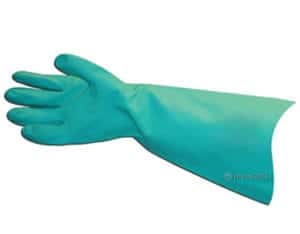
Nitrile Gloves ready for action!
##### Why Choose These Nitrile Gloves Australia
Sites love this gear. Firstly, Nitrile Gloves resist solvents fast. Their 46cm length guards elbows. For instance, they fit Perth labs. Plus, they suit Brisbane shops. Because they’re latex-free, they’re safe. Moreover, a pebble grip aids handling. Consequently, they cut risks quick. Therefore, explore our [Spill Kits](https://spillmaster.com.au/product-category/spill-kits/). Buy now in Sydney, Adelaide, Melbourne at $5.95!
##### Nitrile Gloves Specs
These Gloves offer a 46cm length. Thickness is 0.55mm. They use nitrile material, unlined. Plus, a pebble grip boosts dexterity. As a result, they’re tough for chemicals.
##### How They Boost Protection
Safety rises with these gloves. Why? Because Nitrile Gloves shield hands fast. For example, wear them in Adelaide factories to block oils. Then, they guard against solvents in Perth labs. Plus, their nitrile build protects Sydney plants. It covers Brisbane shops too. Moreover, workers grip tools easily. Additionally, they resist cuts well. Thus, they keep hands safe. As a result, Spillmaster ensures protection nationwide!
##### Where They Thrive
Shops in Melbourne pick these gloves. Why? Because they’re reliable. Plus, Sydney factories trust them. Moreover, they last in Perth plants. They hold up in Adelaide labs. For instance, these Gloves fit tough jobs. At $5.95, they’re a steal in Brisbane. Therefore, they beat competitors every time!
##### Shop Now
Buy these Gloves today. They’re $5.95. Stock’s ready in Brisbane, Sydney, Perth, Adelaide, Melbourne. For example, grab a pair. They’re fast. Add [PPE gear](https://spillmaster.com.au/product-category/personal-protection-equipment/) or [Disposable Coveralls](https://spillmaster.com.au/product-category/personal-protection-equipment/disposable-coveralls/). Then, stay safe with Australia’s best!
**Stay Compliant with WHS**
Personal protective equipment plays a vital role in risk management. Where hazards can’t be removed, PPE is a legal requirement. [See Safe Work Australia’s official PPE guidance](https://www.safework.nsw.gov.au/safety-starts-here/safety-support/managing-risk-in-the-workplace#:~:text=Thereisahierarchyofcontrolsyoucan,bedecideduponinconsultationwithyourworkers.) to learn more.
## FAQ
### What are these Nitrile Gloves used for?
These gloves are designed for handling chemicals, oils, solvents, and general industrial tasks. Their 46cm elbow‑length design provides extended protection for high‑risk environments.
### Are these gloves chemical resistant?
Yes. The heavy‑duty nitrile construction resists oils, acids, solvents, and a wide range of industrial chemicals.
### Are the gloves latex‑free?
Yes. They contain no latex, making them suitable for users with latex allergies.
### What is the glove length?
Each glove measures 46cm, providing full forearm and elbow‑length protection.
### Where are these gloves commonly used?
Common applications include workshops, chemical handling, laboratories, manufacturing plants, maintenance areas, and spill response kits.
### Do the gloves have grip texture?
Yes. A pebble‑grip surface improves handling of tools and wet or oily items.
**Product categories:** Spill Kit Components
**Product tags:** Nitrile Gloves
---
### [General Purpose Absorbent Pads](https://spillmaster.com.au/product/general-purpose-absorbent-pads/)
**Published:** June 7, 2020
**Author:** admin
**Excerpt:** General Purpose absorbent pads for fast cleanup of oils, coolants, solvents, and mild chemicals. Non-linting, industrial-grade, and easy to use. Heavy Duty 400GSM Sold in Packs of 100
**Content:**
## General Purpose Absorbent Pads
General Purpose Absorbent Pads are a versatile solution for cleaning up non-aggressive liquid spills across warehouses, workshops, and manufacturing areas. These pads are designed to absorb a wide range of liquids including coolants, paints, oils, degreasers, and mild chemicals.
### **What Are General Purpose Absorbent Pads?**
General purpose absorbent pads — also known as universal absorbent pads, all‑liquid absorbent pads, maintenance pads, or industrial absorbent pads — are polypropylene pads designed to absorb oils, coolants, water, paints and everyday liquid spills. Their universal construction makes them ideal for workshops, warehouses, factories and maintenance areas where mixed‑liquid spill control is required.
- **All-Round Absorbency:** Absorbs water-based and oil-based liquids including fuels, coolants, solvents, and degreasers.
- **Fast Spill Cleanup:** Helps reduce slip hazards and prevent liquid spread.
- **Durable Material:** Polypropylene construction holds together when saturated and won’t leave lint or debris.
- **Lightweight & Easy to Use:** Ideal for general maintenance, routine cleaning or emergency spills.
- **High Visibility Colour:** Grey pad colour suits industrial environments and hides dirt between use.
### Specifications
- **Size:** Approx. 48cm x 43cm
- **Absorbent Type:** General Purpose (non-aggressive liquids)
- **Material:** Meltblown polypropylene
- **Packaging:** Supplied in packs or bulk cartons
### Common Uses
- Workshops and mechanical service areas
- Manufacturing and assembly lines
- Warehouses and distribution centres
- General cleanup of small leaks or routine drips
### Related Products
- [General Purpose Absorbent Roll – 40m](https://spillmaster.com.au/product-category/spill-kit-components/absorbent-rolls/)
- [General Purpose Boom – 1.2m](https://spillmaster.com.au/product/general-purpose-boom-1-2m/)
- [General Purpose Spill Kit – 240L](https://spillmaster.com.au/product/general-purpose-spill-kit-240l/)
Learn more about best practices for workplace spills via [Safe Work Australia’s spill management resources](https://www.safework.nsw.gov.au/safety-starts-here/safety-support/managing-risk-in-the-workplace#:~:text=Thereisahierarchyofcontrolsyoucan,bedecideduponinconsultationwithyourworkers.).
## FAQ
### What are General Purpose Absorbent Pads used for?
These pads are designed for cleaning up non‑aggressive liquid spills such as coolants, paints, oils, degreasers, and mild chemicals in workshops, warehouses, and manufacturing areas.
### What liquids do these pads absorb?
They absorb water‑based and oil‑based liquids including fuels, solvents, coolants, and general industrial fluids.
### What are the pads made from?
The pads are made from meltblown polypropylene, providing strong absorbency while remaining durable and low‑lint, even when saturated.
### How large are the pads?
Each pad is approximately 48cm x 43cm, making them suitable for small spills, routine maintenance, and general cleanup tasks.
### Where are these absorbent pads commonly used?
They are widely used in workshops, mechanical service areas, manufacturing lines, warehouses, and anywhere routine leaks or drips occur.
### Are these pads suitable for spill kits?
Yes. They are commonly included in general purpose spill kits and are ideal for fast, effective cleanup during spill response.
**Product categories:** Absorbent Pads
---
### [Oil & Fuel Absorbent Pads Heavy Duty](https://spillmaster.com.au/product/absorbent-pads/)
**Published:** June 7, 2020
**Author:** admin
**Excerpt:** Heavy duty oil & fuel absorbent pads. Hydrophobic, high-capacity design for diesel, petrol, and hydrocarbon spills. Ideal for industrial and emergency use. Heavy Duty 400GSM Sold in Packs of 100
**Content:**
## Oil & Fuel Absorbent Pads – Heavy Duty
These heavy duty absorbent pads are designed to handle the toughest hydrocarbon spills in workshops, mining sites, and industrial environments. Hydrophobic by nature, they repel water and quickly absorb oil, fuel, diesel, and other hydrocarbons — even in wet or outdoor conditions.
### **What Are Oil & Fuel Absorbent Pads?**
Oil and fuel absorbent pads — also known as hydrophobic absorbent pads, oil‑only pads, hydrocarbon absorbent pads, spill response pads, or marine absorbent pads — are specialised polypropylene pads designed to absorb oils, fuels, diesel, solvents and other hydrocarbons while repelling water. Their hydrophobic construction makes them ideal for outdoor spills, wet environments, marine applications and any situation where selective hydrocarbon‑only absorption is required.
- **Hydrophobic Design:** Repels water, absorbs oil and fuel only — ideal for marine or outdoor use.
- **High Absorption Rate:** Each pad absorbs up to 1L of oil or fuel.
- **Heavy Duty Construction:** Reinforced layers prevent tearing, even when saturated.
- **Clean & Efficient:** White colour for quick spill identification and control.
- **Quick Deployment:** Packaged for easy handling in emergency kits or vehicle spill kits.
### Specifications
- **Size:** Approx. 48cm x 43cm
- **Absorbent Type:** Oil & Fuel (Hydrocarbons only)
- **Capacity:** Up to 1L per pad
- **Material:** Meltblown polypropylene
- **Packaging:** Available in packs or bulk cartons
### Common Applications
- Workshops and mechanical bays
- Under leaking machinery or vehicles
- Fuel transfer points or tankers
- Emergency spill response kits
### Related Products
- [Oil & Fuel Spill Kit – 80L](https://spillmaster.com.au/product/oil-fuel-spill-kit-80l/)
- [Oil & Fuel Absorbent Boom – 3m](https://spillmaster.com.au/product/oil-fuel-absorbent-boom-3m/)
Refer to [Safe Work Australia’s guidelines](https://www.safework.nsw.gov.au/safety-starts-here/safety-support/managing-risk-in-the-workplace#:~:text=Thereisahierarchyofcontrolsyoucan,bedecideduponinconsultationwithyourworkers.) for hydrocarbon spill response in the workplace.
## FAQ
### What are the Oil & Fuel Absorbent Pads used for?
These pads are designed for absorbing oil, fuel, diesel, and other hydrocarbons in workshops, industrial sites, and spill response situations. They are ideal for leaks, drips, and emergency clean‑ups.
### Are these pads hydrophobic?
Yes. They repel water and only absorb hydrocarbons, making them suitable for marine, outdoor, and wet‑weather spill control.
### How much can each pad absorb?
Each heavy‑duty pad absorbs up to 1 litre of oil or fuel, depending on the viscosity of the liquid.
### What are the pads made from?
They are manufactured from meltblown polypropylene with reinforced layers to prevent tearing, even when fully saturated.
### Where are these absorbent pads commonly used?
Common applications include workshops, mechanical bays, under leaking machinery, fuel transfer points, and emergency spill kits.
### Are the pads suitable for emergency spill kits?
Yes. They are packaged for quick deployment and are widely used in vehicle spill kits, site spill kits, and industrial response kits.
**Product categories:** Absorbent Pads
---
### [General Purpose Spill Kit 15L](https://spillmaster.com.au/product/general-purpose-spill-kit-15l/)
**Published:** April 25, 2021
**Author:** Barry
**Excerpt:** Compact universal spill control for maintenance vehicles, service bays, and small workshop areas.
The Spillmaster 15L General Purpose Spill Kit provides rapid, all-round cleanup for non-aggressive liquids including oils, coolants, mild solvents, paints, detergents, and water-based fluids. Packed in a durable Grab 'N' Go carry bag, it is the ideal first-response kit for handling everyday workshop spills quickly and safely.
-
15L Absorption Capacity: Sized specifically for small leaks, workbench drips, and minor liquid spills in vehicles or maintenance bays.
-
Universal Absorbent Media: High-grade general purpose pads and socks absorb both water-based and oil-based liquids on contact.
-
Durable Grab 'N' Go Bag: Compact, weather-resistant carry bag fits neatly behind vehicle seats, in toolboxes, or hung near workstations.
-
WHS & EPA Compliant: Meets Australian environmental duty-of-care standards to keep your vehicles and facilities audit-ready.
**Content:**
The **Spillmaster General Purpose Spill Kit 15L** is a compact non‑hazardous spill response kit designed for fast cleanup of oils, coolants, paints, detergents and general workshop liquids. Featuring universal absorbents, it is ideal for workshops, warehouses, maintenance vehicles, and storage areas where small everyday spills must be controlled quickly and safely.
## Technical Specifications & Kit Contents
- **1 x** PVC Spill Kit Bag
- **2 x** Poly Pads – General Purpose – Heavy Weight (48cm x 43cm)
- **1 x** Absorbent Sock – General Purpose (75mm x 1.2m)
- **1 x** Floor Sweep 2.5kg
- **1 x** Pair of Nitrile Gloves
- **1 x** Cable Tie
> **Easy [Compliance](https://www.safeworkaustralia.gov.au/safety-topic/managing-health-and-safety/identify-assess-and-control-hazards) Restocking:** Used your absorbents? Matching **15L General Purpose **[Refill Packs](https://spillmaster.com.au/product-category/spill-kits/spill-kit-refills/)**** are available so you can replenish your pads, socks, and consumables to maintain full WHS and EPA compliance without buying a new bag.
---
## WHS & EPA Compliance
- **Universal Absorbency:** Engineered to absorb a broad spectrum of workshop liquids including coolants, detergents, paints, and oils to ensure fast containment and reduce slip hazards.
- **Standards Compliant:** Meets **AS1940:2017** requirements for spill response in workplace environments.
- **Duty of Care:** Helps technicians, operators, and maintenance crews satisfy site WHS requirements and manage non-hazardous spill risks in equipment zones.
---
## Frequently Asked Questions
**What is the Spillmaster General Purpose Spill Kit 15L and what is it designed for?**
The Spillmaster General Purpose Spill Kit 15L is a compact non-hazardous spill response kit designed for fast cleanup of oils, coolants, paints, detergents and general workshop liquids.
**Where is the 15L spill kit typically used and who is it suitable for?**
Its compact bag design makes it ideal for workshops, warehouses, garages, storage areas, and maintenance vehicles where small everyday spills must be controlled quickly and safely.
**Is this 15L kit AS1940 compliant?**
Yes. It satisfies the spill response standards set out in **AS1940:2017** and supports workplace WHS and EPA duty-of-care requirements for small non-hazardous spill management.
**Product brands:** Spillmaster
**Product categories:** General Purpose Spill Kits
---
### [Oil & Fuel Spill Kit 15L](https://spillmaster.com.au/product/oil-fuel-spill-kit-15l/)
**Published:** April 25, 2021
**Author:** Barry
**Excerpt:** Compact, vehicle-ready hydrocarbon spill control for utes, trucks, and workshops.
The Spillmaster 15L Oil & Fuel Spill Kit provides fast cleanup of diesel, petrol, lubricants, and hydraulic oils. Housed in a durable Grab 'N' Go carry bag, its hydrophobic absorbents repel water to soak up pure fuel—even in the rain.
-
15L Absorption Capacity: Ideal for vehicle leaks, fuel drips, and hydraulic line bursts.
-
Water-Repellent Absorbents: Selective hydrophobic pads and socks won't waste capacity on water or puddles.
-
Complete Emergency Pack: Includes hydrophobic pads, sock, disposal bag, ties, and nitrile gloves.
-
Fleet & Audit Ready: Helps satisfy Australian WHS and EPA environmental duty-of-care standards.
**Content:**
The **Spillmaster 15L Oil & Fuel Spill Kit** is a compact, portable hydrocarbon response kit designed for rapid cleanup of diesel, petrol, oil, lubricants, and hydraulic fluids. Featuring water-repellent (hydrophobic) absorbents, it selectively absorbs hydrocarbons while repelling water—making it the ideal solution for outdoor spills, rain exposure, service vehicles, and tight workshop spaces.
## Technical Specifications & Kit Contents
- **1 x** Heavy-Duty Red PVC Bag
- **10 x** Heavy-Weight Oil-Only Poly Pads (48cm x 43cm)
- **1 x** Polypropylene Absorbent Sock – Oil Only (75mm x 1.2m)
- **1 x** Pair Premium Nitrile Gloves
- **1 x** Weatherproof Spill Kit Identification Sticker
- **1 x** Step-by-Step Spill Response Instruction Card
- **1 x** Heavy-Duty Contaminated Waste Disposal Bag & Cable Tie
> **Easy **[Compliance](https://www.safeworkaustralia.gov.au/safety-topic/managing-health-and-safety/identify-assess-and-control-hazards)** Restocking:** Used your absorbents? Matching **15L Oil & Fuel **[Refill Packs](https://spillmaster.com.au/product-category/spill-kits/spill-kit-refills/)**** are available so you can replenish your pads, socks, and disposal bags to maintain full WHS and EPA compliance without buying a new bag.
---
## WHS & EPA Compliance
- **Selective Absorbency:** Hydrophobic technology ensures pads and socks only absorb hydrocarbons (oil/fuel), leaving standing water behind to maximize absorption capacity.
- **Standards Compliant:** Meets **AS1940:2017** requirements for the storage and handling of flammable and combustible liquids.
- **Duty of Care:** Helps mobile technicians, operators, and fleet managers satisfy site WHS requirements and reduce slip hazards.
---
## Frequently Asked Questions
**Why does an Oil & Fuel kit repel water?**
Because hydrocarbons often spill outdoors, in parking bays, or on wet ground, hydrophobic absorbents are engineered to repel water and only absorb fuel, oil, and lubricants. This prevents absorbents from wasting capacity on rain or water puddles.
**Where should a 15L hydrocarbon spill kit be stored?**
Its compact bag design makes it ideal for mounting in mobile service vans, ute trays, earthmoving machinery cabs, fuel bays, and small workshop maintenance areas.
**Is this 15L kit AS1940 compliant?**
Yes. It satisfies the spill response standards set out in **AS1940:2017** and supports workplace WHS duty-of-care requirements for small hydrocarbon spill management.
**Product brands:** Spillmaster
**Product categories:** Oil and Fuel Spill Kits
---
### [Chemical Spill Kit 15L (Hazchem Rated)](https://spillmaster.com.au/product/chemical-spill-kit-15l/)
**Published:** April 25, 2021
**Author:** Barry
**Excerpt:** Compact Hazchem chemical spill control for laboratories, medical facilities, schools, and maintenance vehicles.
The Spillmaster 15L Chemical / Hazchem Spill Kit provides fast, safe containment for hazardous chemical spills, including acids, alkalis, solvents, corrosives, and unknown Hazchem liquids. Housed in a durable, high-visibility PVC carry bag, it is designed for rapid Hazchem first-response protection in high-risk environments.
-
15L Absorption Capacity: Compact size tailored for benchtop Hazchem liquid spills, chemical container drips, and lab transport leaks.
-
Chemically Inert Hazchem Absorbents: Color-coded yellow pads and socks will not degrade or react when absorbing aggressive acids, bases, or hazardous chemical spills.
-
Durable PVC Carry Bag: Weather-resistant, compact carry bag fits neatly in lab cupboards, service vehicles, or hung near Hazchem storage cabinets.
-
WHS & AS1940 Compliant: Meets Australian WHS regulations and AS1940:2017 standards for dangerous goods and Hazchem compliance.
**Content:**
The **Spillmaster Chemical Spill Kit 15L (Hazchem Rated)** delivers rapid, portable containment for hazardous chemical spills. Housed in a heavy-duty PVC bag, this compact kit is engineered with chemical-resistant absorbents to safely clean up acids, alkalis, corrosives, solvents, and unknown liquids. Featuring specialized absorbents, it is ideal for laboratories, workshops, schools, healthcare facilities, and maintenance vehicles where small everyday hazardous spills must be controlled quickly and safely.
## Technical Specifications & Kit Contents
- **1 x** Heavy-Duty PVC Spill Kit Bag
- **2 x** Hazchem Poly Pads – Heavy Weight (48cm x 43cm)
- **1 x** Hazsorb Absorbent Powder (7.5L Bag)
- **1 x** Hazchem Absorbent Sock (75mm x 1.2m)
- **1 x** Pair Premium Nitrile Chemical Gloves
- **1 x** Laminated Step-by-Step Spill Response Instruction Card
- **1 x** Tamper-Evident Cable Tie
> **Easy [Compliance](https://www.safeworkaustralia.gov.au/safety-topic/managing-health-and-safety/identify-assess-and-control-hazards) Restocking:** Used your absorbents? Matching **15L Chemical/Hazchem **[Refill Packs](https://spillmaster.com.au/product-category/spill-kits/spill-kit-refills/)**** are available so you can replenish your pads, socks, Hazsorb powder, and consumables to maintain full WHS and EPA compliance without buying a new bag.
---
## WHS & EPA Compliance
- **Chemical-Resistant Absorbency:** Specially formulated yellow Hazchem absorbents will not degrade or react dangerously when absorbing aggressive chemicals, acids, alkalis, or unknown liquids.
- **Standards Compliant:** Meets **AS1940:2017** requirements for spill response in workplace environments handling hazardous substances.
- **Duty of Care:** Helps technicians, laboratory personnel, and operators satisfy site WHS requirements, maintain EPA compliance, and safely manage hazardous spill risks.
---
## Frequently Asked Questions
**What chemicals can the Spillmaster 15L kit absorb?**
This Hazchem-rated kit is designed for hazardous chemical spills, including acids, alkalis, solvents, corrosives, and unknown liquids.
**Where is a 15L chemical spill kit typically used?**
Its compact bag design makes it ideal for laboratories, workshops, research facilities, schools, healthcare centers, and maintenance vehicles where small-volume chemical spills may occur.
**Is this 15L kit AS1940 compliant?**
Yes. It satisfies the spill response standards set out in **AS1940:2017** and supports workplace WHS and EPA duty-of-care requirements for small hazardous spill management.
**Product brands:** Spillmaster
**Product categories:** Chemical Spill Kits (Hazchem)
---
### [20L BioSmart Cytotoxic Spill Kit](https://spillmaster.com.au/product/20l-biosmart-cytotoxic-spill-kit/)
**Published:** July 5, 2026
**Author:** Barry
**Excerpt:** Professional-grade cytotoxic containment engineered to protect clinical staff and neutralize hazardous chemotherapy agents.
The Spillmaster 20L BioSmart Cytotoxic Spill Kit provides a complete, high-level emergency response solution designed specifically for the safe cleanup and disposal of cytotoxic drug spills. Engineered for oncology wards, pharmacies, and medical transport, this kit contains specialized purple-coded containment supplies, high-absorbency media, and maximum-protection PPE to prevent exposure to dangerous antineoplastic compounds and satisfy strict medical waste protocols.
-
20-Litre Absorption Capacity: Rapidly absorbs liquid cytotoxic drugs and encapsulates hazardous chemical residues to mitigate vapor and exposure risks.
-
Cytotoxic-Specific PPE Protection: Fully equipped with specialized purple protective gowns, heavy-duty chemo-rated gloves, safety goggles, and respiratory masks for total operator safety.
-
Purpose-Built Disposal Pack: Includes clearly labeled, purple cytotoxic waste bags, cable ties, sharp-safe scrapers, and neutralising wash supplies for thorough decontamination.
-
Essential for Clinical Settings: Ideal for hospital oncology departments, compounding pharmacies, medical laboratories, and pharmaceutical transport vehicles.
-
Strict Clinical & Regulatory Compliance: Meets Australian Standards (including AS 2252.5) and State Health Department guidelines for handling hazardous antineoplastic drug spills.
**Content:**
The **Spillmaster 20L BioSmart Cytotoxic Spill Kit** is an emergency response solution engineered for the safe containment and cleanup of cytotoxic spills. Housed in a durable container, it protects healthcare workers and the environment with comprehensive PPE and specialized disposal components for strict hazardous-waste compliance. Additionally, this 20L kit is widely used across clinical environments, laboratories, and pharmaceutical preparation areas. It suits healthcare workers, oncology nurses, lab technicians, and facility managers who require a ready-to-deploy response system to minimize exposure risks when handling hazardous cytotoxic drugs.
## Technical Specifications & Kit Contents
- **1 x** 250g BioSmart Premium Body Fluid Absorbent
- **1 x** Specialized Chemo Pad
- **1 x** Bottle of BioSmart pH Neutral Detergent
- **1 x** Face Mask & Eye Protection Shield
- **2 x** Pairs of Purple Nitrile Gloves
- **1 x** Hair Net
- **1 x** Pair of Shoe Covers
- **1 x** Protective Chemotherapy Gown
- **2 x** Purple Cytotoxic Waste Bags
- **1 x** Red Alginate Waste Bag
- **2 x** Cytotoxic Spill Warning Signs
- **3 x** Cable Ties
- **1 x** Scoop & Scraper Set
- **2 x** Absorbent Cleaning Cloths
- **1 x** Step-by-Step Spill Response Instruction Sheet
> **Easy [Compliance](https://www.safeworkaustralia.gov.au/safety-topic/managing-health-and-safety/identify-assess-and-control-hazards) Restocking:** Used your consumables? Matching **20L Cytotoxic **[Refill Packs](https://spillmaster.com.au/product-category/spill-kits/spill-kit-refills/)**** are available so you can replenish your BioSmart absorbent, chemo pads, PPE suite, detergent, and cytotoxic waste bags to maintain full WHS and clinical waste compliance without buying a new container.
---
## WHS & EPA Compliance
- **Specialized Cytotoxic Neutralization:** BioSmart absorbent and chemo pads rapidly solidify and absorb cytotoxic drugs, preventing exposure to volatile hazardous agents.
- **Full Chemo PPE Protection:** Features specialized chemotherapy gowns, face/eye shields, hair nets, shoe covers, and purple nitrile gloves to ensure complete operator safety.
- **Duty of Care:** Facilitates correct waste segregation using color-coded purple cytotoxic waste bags and red alginate bags to meet clinical safety and environmental standards.
---
## Frequently Asked Questions
**What is the 20L BioSmart Cytotoxic Spill Kit and what does it contain?**
The 20L BioSmart Cytotoxic Spill Kit is an emergency response solution for safe containment and cleanup of cytotoxic spills. It contains BioSmart absorbent, a chemo pad, pH neutral detergent, a full PPE suite (gown, purple gloves, face/eye shield, hair net, shoe covers), purple cytotoxic waste bags, a red alginate bag, warning signs, scoop & scraper, cloths, cable ties, and instructions.
**Where is the 20L Cytotoxic Spill Kit suitable for use?**
It is designed for clinical environments, hospital wards, oncology clinics, laboratories, and pharmaceutical preparation areas where cytotoxic and chemotherapy drugs are handled or administered.
**How should the 20L Cytotoxic Spill Kit be stored?**
To ensure product integrity and maintain the performance of the specialized PPE and absorbents, store the kit in a cool, dry place accessible to response staff.
**Product categories:** Bio Hazard Spill Kits
---
### [BioHazard Spill Kit Multi Use](https://spillmaster.com.au/product/biohazard-spill-kit-multi-use/)
**Published:** July 5, 2026
**Author:** Barry
**Excerpt:** Multi-use infection control engineered for large bodily fluid events and high-traffic site maintenance.
The Spillmaster BioHazard Spill Kit Multi-Use is a high-capacity, multi-response solution built to handle larger biohazard events or multiple smaller spills across high-footprint environments. Supplied in a heavy-duty, wipe-clean refillable PVC bag, this kit features 1kg of high-grade Zeolite Absorbent to rapidly encapsulate blood, vomit, urine, and biological fluids—while also acting as an effective absorbent for general food, grease, and liquid messes in commercial spaces.
-
1kg Premium Zeolite Absorbent: High-volume natural mineral powder designed for multiple applications or large-scale liquid spills, rapidly turning fluids into manageable gels while trapping harsh odors.
-
Heavy-Duty Refillable PVC Bag: Rugged, splash-proof, and washable PVC satchel built for long-term site service; easily restocked with fresh contents after use.
-
Versatile Multi-Spill Capability: Formulated for biohazard infection control (blood, bodily fluids) as well as general commercial spills including liquid food, beverages, and oils.
-
Complete Hygiene & Disposal Pack: Equipped with protective PPE, sanitizing gear, and clinical waste disposal supplies to protect cleaning staff during cleanup.
-
WHS & Infection Control Compliant: Meets Australian workplace health, safety, and infection control guidelines for transport, educational facilities, healthcare, and hospitality settings.
**Content:**
The **Spillmaster Biohazard Spill Kit Multi-Use** is engineered for the safe, professional cleanup and removal of bodily fluids, including urine, vomit, blood, saliva, and faeces. Supplied in a heavy-duty, reusable PVC spill bag, it ensures you remain prepared for multiple incidents while meeting strict infection control standards. Additionally, this high-capacity kit is widely used across supermarkets, healthcare facilities, schools, hospitality venues, and public transport terminals. It suits first aid officers, cleaning teams, and site managers who require a comprehensive, multi-use solution for routine biological fluid spills in busy, high-risk environments.
## Technical Specifications & Kit Contents
- **1 x** Heavy-Duty PVC Spill Kit Bag + Sticker
- **5 x** Face Mask & Eye Protection Sets
- **5 x** Protective Aprons
- **5 x** Pairs of Protective Nitrile Gloves
- **2 x** 500g Jars of BioSmart Premium Body Fluid Absorbent (with Zeolite)
- **5 x** Scoop & Scraper Sets
- **10 x** Yellow Clinical Waste Bags
- **10 x** Cable Ties
- **2 x** BioSmart pH Neutral Detergents
- **10 x** Absorbent Cleaning Cloths
- **10 x** Antiseptic Towelettes
- **1 x** Step-by-Step Spill Response Instruction Sheet
> **Easy [Compliance](https://www.safeworkaustralia.gov.au/safety-topic/managing-health-and-safety/identify-assess-and-control-hazards) Restocking:** Used your consumables? Matching **Multi-Use Biohazard **[Refill Packs](https://spillmaster.com.au/product-category/spill-kits/spill-kit-refills/)**** are available so you can replenish your BioSmart absorbent jars, PPE sets, detergents, cloths, and clinical waste bags to maintain full WHS and infection control compliance without buying a new bag.
---
## WHS & Infection Control Compliance
- **Infection Control Absorbency:** BioSmart absorbent formulated with natural Zeolite enables rapid absorption, faster solidification, and superior odor control for bodily fluids, cooking oils, and liquid spills.
- **Multi-Response PPE Protection:** Packed with 5 complete sets of face masks, eye shields, aprons, and nitrile gloves to safeguard personnel across multiple spill incidents.
- **Duty of Care:** Helps high-traffic public, healthcare, and commercial venues satisfy site WHS requirements, adhere to infection control guidelines, and maintain compliant environments.
---
## Frequently Asked Questions
**What is the Spillmaster Biohazard Spill Kit Multi-Use and what does it contain?**
The Biohazard Spill Kit Multi-Use is a heavy-duty, refillable body fluid cleanup kit housed in a PVC spill bag. It contains 2 x 500g jars of BioSmart absorbent (with Zeolite), 5 PPE sets (masks/eye protection, aprons, gloves), 5 scoop & scraper sets, 10 clinical waste bags with cable ties, 2 pH neutral detergents, 10 cleaning cloths, 10 antiseptic wipes, and instructions.
**Where is the Multi-Use Biohazard Spill Kit suitable for use?**
It is ideal for high-risk and high-volume public locations such as supermarkets, shopping malls, food courts, hospitals, schools, hotels, bars, and public transport terminals.
**Is this biohazard kit compliant with infection control standards?**
Yes. The kit supports workplace WHS compliance and infection control regulations by providing multi-use protective gear and medical-grade absorbents to eliminate the risk of spreading viruses and bacteria.
**Product categories:** Bio Hazard Spill Kits
---
### [Single-Use Biohazard Spill Kit](https://spillmaster.com.au/product/single-use-biohazard-spill-kit/)
**Published:** April 25, 2021
**Author:** Barry
**Excerpt:** Rapid, hygienic cleanup of body fluids and potentially infectious waste in commercial and public settings.
The Spillmaster Biohazard Spill Kit delivers a complete, single-use emergency response solution packaged in a durable plastic carry bag for portable deployment. Specially equipped to safely treat, solidify, and neutralize blood, vomit, urine, and other biological fluids, it minimizes cross-contamination risks and protects staff, carers, and cleaning personnel in high-footprint environments.
-
Dedicated Biohazard Containment: Formulated specifically for safe handling and disposal of bodily fluids, blood, vomit, and hazardous biological waste.
-
Complete Hygiene & PPE Pack: Includes fluid-solidifying absorbent powder, disinfectant wipes, clinical disposal bags, and essential personal protective equipment (PPE).
-
Durable Plastic Carry Bag: Lightweight, compact, and splash-resistant bag designed for easy storage in first aid rooms, vehicles, or wall mounts.
-
Ideal for High-Risk Venues: Essential emergency kit for healthcare facilities, schools, childcare centers, public transport, hospitality venues, and office buildings.
-
WHS & Public Health Compliant: Helps workplaces satisfy Australian WHS infection control guidelines and biohazard waste management protocols.
**Content:**
The **Spillmaster Single-Use Biohazard Spill Kit** is a compact and compliant body fluid cleanup kit housed in a durable plastic carry bag. Designed for fast cleanup of blood, vomit, urine, and other infectious fluids, it is ideal for schools, clinics, aged care, gyms, venues, and mobile workers. Additionally, this single-use kit is widely used across healthcare facilities, education settings, transport services, retail environments, and general workplaces. It suits first aid officers, cleaners, and site personnel who require a simple, effective solution for body fluid spills in high-risk environments.
## Technical Specifications & Kit Contents
- **1 x** Plastic Carry Bag
- **1 x** Absorbent Powder Sachet
- **1 x** Scoop & Scraper
- **1 x** Pair of Gloves
- **1 x** Protective Face Mask
- **1 x** Disposable Apron
- **1 x** Disinfectant Wipes Pack
- **1 x** Biohazard Waste Disposal Bag
- **1 x** Step-by-Step Spill Response Instruction Sheet
> **Easy [Compliance](https://www.safeworkaustralia.gov.au/safety-topic/managing-health-and-safety/identify-assess-and-control-hazards) Restocking:** Used your consumables? Matching **Single-Use Biohazard **[Refill Packs](https://spillmaster.com.au/product-category/spill-kits/spill-kit-refills/)**** are available so you can replenish your absorbent powder, PPE, wipes, and waste bags to maintain full WHS and infection control compliance without buying a new carry bag.
---
## WHS & Infection Control Compliance
- **Infection Control Absorbency:** Specialized absorbent powder and disinfectant wipes enable fast containment and surface sanitation of blood, vomit, urine, and other biological fluids.
- **Full PPE Protection:** Includes single-use gloves, face mask, and apron to safeguard first responders against bloodborne pathogens and biological hazards.
- **Duty of Care:** Helps first aid officers and cleaning personnel satisfy site WHS requirements, maintain infection control standards, and manage hygiene risks in public or workplace environments.
---
## Frequently Asked Questions
**What is the Spillmaster Single-Use Biohazard Spill Kit and what does it contain?**
The Spillmaster Single-Use Biohazard Spill Kit is a compact body fluid cleanup kit housed in a plastic carry bag, containing absorbent powder, a scoop & scraper, PPE (gloves, mask, apron), disinfectant wipes, a biohazard waste bag, and response instructions.
**Where is the Single-Use Biohazard Spill Kit suitable for use?**
It is widely used across healthcare facilities, schools, aged care, gyms, venues, transport services, retail environments, and general workplaces where routine biological fluid spills must be safely managed.
**Is this biohazard kit compliant with infection control standards?**
Yes. The kit supports workplace WHS and infection-control requirements by providing complete protective equipment and sanitizing components for safe biological hazard containment.
**Product brands:** Spillmaster
**Product categories:** Bio Hazard Spill Kits
---
### [Premium BioHazard Spill Kit](https://spillmaster.com.au/product/premium-biohazard-spill-kit/)
**Published:** July 5, 2026
**Author:** Barry
**Excerpt:** Premium infection control and rapid bodily fluid cleanup housed in a heavy-duty PVC satchel.
The Spillmaster Premium BioHazard Spill Kit provides an advanced, medical-grade cleanup solution for the safe containment and neutralization of blood, vomit, urine, saliva, and other biohazardous fluids. Packed with high-grade Zeolite absorbent powder for fast fluid encapsulation and odor control, this kit comes fully equipped with comprehensive PPE and clinical waste disposal supplies to safeguard staff and maintain strict hygiene standards in high-traffic environments.
-
High-Grade Zeolite Absorbent: Premium natural mineral formula rapidly solidifies liquid biohazards into manageable gels while neutralizing harsh odors.
-
Durable Reusable PVC Satchel: Housed in a heavy-duty, wipe-clean PVC satchel designed for long-term placement in transport fleets, medical bays, and venue stations.
-
Comprehensive PPE & Waste Pack: Packed with essential personal protective gear, sanitizing agents, and clinical waste disposal bags for safe, zero-contact handling.
-
Essential Infection Control: Tailored specifically for public transport, healthcare facilities, schools, childcare centers, and hospitality venues.
-
WHS & Public Health Compliant: Helps facilities meet Australian health guidelines, infection control protocols, and workplace safety requirements.
**Content:**
The **Spillmaster Premium Biohazard Spill Kit** is your essential first-response solution for the fast, safe cleaning and removal of urine, vomit, blood, saliva, and faeces. Supplied in a durable, reusable PVC satchel, it reduces the risk of infection and contamination during biohazard clean-ups. Additionally, this kit is widely used across public transport fleets, health care facilities, education settings, and hospitality venues. It suits first aid officers, vehicle operators, and cleaners who require a comprehensive, ready-to-use kit for routine biological fluid spills in high-risk environments.
## Technical Specifications & Kit Contents
- **1 x** Durable PVC Satchel Bag
- **1 x** Face Mask & Eye Protection Shield
- **1 x** Protective Apron
- **1 x** Pair of Nitrile Gloves
- **1 x** 250g BioSmart Premium Body Fluid Absorbent (with Zeolite)
- **1 x** Scoop & Scraper
- **2 x** Yellow Clinical Waste Bags
- **2 x** Cable Ties
- **1 x** Bottle of pH Neutral Detergent
- **2 x** Absorbent Cleaning Cloths
- **2 x** Antiseptic Towelettes
- **1 x** Step-by-Step Spill Response Instruction Sheet
> **Easy [Compliance](https://www.safeworkaustralia.gov.au/safety-topic/managing-health-and-safety/identify-assess-and-control-hazards) Restocking:** Used your consumables? Matching **Premium Biohazard **[Refill Packs](https://spillmaster.com.au/product-category/spill-kits/spill-kit-refills/)**** are available so you can replenish your BioSmart absorbent, PPE, detergent, cloths, and clinical waste bags to maintain full WHS and infection control compliance without buying a new satchel.
---
## WHS & Infection Control Compliance
- **Infection Control Absorbency:** BioSmart absorbent with natural Zeolite rapidly solidifies body fluids while locking in odors and sanitizing affected surface areas.
- **Comprehensive PPE Protection:** Includes mask, eye protection, apron, and nitrile gloves to safeguard responders against direct contact and bloodborne pathogens.
- **Duty of Care:** Helps workplaces meet Australian WHS regulations, Australian Guidelines for Infection Control, and EPA requirements for handling hazardous biological waste.
---
## Frequently Asked Questions
**What is the Spillmaster Premium Biohazard Spill Kit and what does it contain?**
The Premium Biohazard Spill Kit is a first-response solution for cleaning urine, vomit, blood, saliva, and faeces. It contains a face mask & eye shield, apron, nitrile gloves, BioSmart absorbent, scoop & scraper, clinical waste bags, pH neutral detergent, cleaning cloths, antiseptic wipes, and instructions.
**Where is the Premium Biohazard Spill Kit suitable for use?**
It is ideal for fleet vehicles, public transport (buses, rail, taxis), hospitals, clinics, schools, child care centres, hotels, and shopping centres, or for storage alongside your workplace First Aid kit.
**Is this biohazard kit compliant with infection control standards?**
Yes. The kit supports Australian WHS regulations and Australian Guidelines for the Prevention and Control of Infection in Healthcare for the safe cleaning and disposal of blood and body substances.
**Product categories:** Bio Hazard Spill Kits
---
### [Hazchem Absorbent Boom 3m](https://spillmaster.com.au/product/hazchem-absorbent-boom/)
**Published:** June 7, 2020
**Author:** admin
**Excerpt:** 3 metre Hazchem boom for rapid containment of chemical and corrosive spills. Designed for acids, alkalis, and unknown liquids. Ideal for industrial and emergency use.
**Content:**
## Hazchem Absorbent Boom – 3m
The 3 metre Hazchem Absorbent Boom is purpose-built to contain and control chemical spills in laboratories, factories, and transport hubs. Designed for aggressive substances, it offers reliable containment for acids, alkalis, coolants, and unknown liquids. Long-lasting, easy to handle, and ideal for emergency spill response.
### **What Are Hazchem Absorbent Booms & Socks?**
Hazchem absorbent booms and socks — also known as chemical absorbent socks, hazardous liquid absorbent booms, acid and alkali absorbent barriers, or chemical spill containment socks — are specialised tubular absorbents designed for containing and absorbing aggressive chemical spills. Made from chemical‑resistant materials, they are suitable for acids, bases, corrosives and unknown liquids. Hazchem booms and socks are used to isolate spill zones, prevent spread, and support WHS‑compliant response in laboratories, chemical storage areas, manufacturing plants and industrial sites.
- **Specialised Hazchem Absorbency:** Suitable for acids, alkalis, corrosives, and unidentified liquids.
- **Rapid Spill Containment:** Prevents chemical spills from reaching walkways, storage areas or drains.
- **Flexible 3m Length:** Wrap around machinery, use along doorways or under racking.
- **Highly Visible:** Bright blue colour signals chemical hazard containment.
- **Industrial Grade:** Polypropylene sleeve resists tearing and allows maximum absorbency.
### Specifications
- **Length:** 3 metres
- **Diameter:** Approx. 7.5cm
- **Absorbent Type:** Hazchem / Chemical
- **Outer Material:** Polypropylene
- **Applications:** Laboratories, chemical storage, loading bays, transport vehicles
### Related Products
- [Hazchem Absorbent Boom – 1.2m](https://spillmaster.com.au/product/chemical-hazchem-absorbent-boom-1-2m/)
- [Hazchem Spill Kit – 240L](https://spillmaster.com.au/product/hazchem-spill-kit-240l/)
Stay compliant with [Safe Work Australia’s spill response guidelines](https://www.safework.nsw.gov.au/safety-starts-here/safety-support/managing-risk-in-the-workplace#:~:text=Thereisahierarchyofcontrolsyoucan,bedecideduponinconsultationwithyourworkers.).
## FAQ
### What is the Hazchem Absorbent Boom 3m used for?
This boom is designed for containing and controlling hazardous chemical spills including acids, alkalis, corrosives, coolants, and unknown liquids. Its 3‑metre length makes it ideal for larger spill zones.
### What liquids does this boom absorb?
It absorbs most aggressive and non‑aggressive liquids, making it suitable for laboratories, chemical plants, transport hubs, and industrial facilities.
### What is the boom made from?
The boom features a chemical‑resistant polypropylene sleeve with high‑capacity absorbent fill designed to wick and retain hazardous liquids quickly.
### Where is this boom commonly used?
Common applications include laboratories, chemical storage areas, loading bays, transport vehicles, and emergency spill response kits.
### Is the boom easy to deploy?
Yes. Its flexible 3m length allows it to wrap around machinery, line doorways, or create containment barriers along walkways.
### Does the boom help with WHS compliance?
Yes. Using appropriate Hazchem absorbents helps manage chemical hazards and supports compliance with Australian workplace safety regulations.
**Product categories:** Absorbent Booms
---
### [Hazchem Absorbent Pillows 45x45cm | Yellow](https://spillmaster.com.au/product/spillsmart-hazchem-absorbent-pillows-45x45cm-yellow/)
**Published:** September 1, 2026
**Author:** Barry
**Excerpt:** Hazchem Absorbent Pillows are high-capacity absorbents engineered for safe containment of hazardous, aggressive, and unknown chemical spills. Featuring a durable poly spun-bond outer layer with an inert absorbent particulate filling, these high-visibility yellow pillows handle acids, bases, solvents, and fuels in high-risk environments.
**Content:**
Engineered for the safe and effective containment of hazardous, aggressive, and unknown liquid spills, **Hazchem Absorbent Pillows** provide high-capacity absorption where standard pads are not sufficient.
Designed to manage larger fluid volumes, these pillows can be placed in hard-to-reach areas such as beneath leaking equipment, around chemical drums, or under pipes to capture leaks and drips at the source. Built with a tough poly spun-bond outer layer and filled with an inert absorbent material, they safely absorb a wide variety of aggressive fluids including acids, bases, solvents, fuels, and water-based liquids.
### Key Features & Benefits
- **Hazardous Fluid Compatibility:** Inert construction allows safe containment of aggressive chemicals, acids, bases, and unknown liquids where chemical compatibility is critical.
- **High-Capacity Absorption:** Engineered to absorb and retain larger volumes of liquid from persistent leaks and drips.
- **High-Visibility Safety:** Finished in a distinct high-visibility yellow colour for instant identification as a Hazchem absorbent in high-risk zones.
- **Durable Construction:** Protected by a tough poly spun-bond outer layer for reliable performance in demanding industrial sites.
- **Flexible Placement:** Easily fits into confined spaces, under machinery, or around storage containers.
| |
|---|
| |
| Product Code | Description |
| ES-P-HAZ-A | 45cm x 45cm Hazchem Pillow — Yellow |
| |
| |
### Designed For
Hazardous & Unknown Liquid Spills
Chemical Storage & Handling Areas
Processing & Manufacturing Facilities
Laboratories & Industrial Environments
Leaks, Drips & Larger Spill Volumes
Worksites Handling Chemicals & Fuels
**Product categories:** Absorbent Pillows
---
### [General Purpose Absorbent Pillows 45x45cm | Grey](https://spillmaster.com.au/product/general-purpose-absorbent-pillows-45x45cm-grey/)
**Published:** September 1, 2026
**Author:** Barry
**Excerpt:** General Purpose Pillows are high-capacity absorbents engineered to capture larger volumes of liquid where standard pads fall short. Featuring a durable poly spun-bond outer layer and a highly absorbent cellulose filling, these grey pillows conform easily to uneven surfaces, making them ideal for hard-to-reach areas, machinery maintenance, and ongoing leak containment for both oils and water-based fluids.
**Content:**
Engineered for the effective containment of larger liquid volumes in industrial and commercial environments, **SpillSmart General Purpose Pillows** provide fast, reliable absorption where standard absorbent pads are not sufficient.
Designed for versatile applications, these pillows can be placed under leaking machinery, around drums, beneath pipes, or tucked into confined spaces to capture persistent drips, leaks, and spills. Built with a tough poly spun-bond outer layer and packed with a highly absorbent cellulose filling, they deliver exceptional wicking performance across a wide range of non-aggressive fluids.
### Key Features & Benefits
- **High-Capacity Containment:** Ideal for absorbing larger volumes of liquid in spill-prone or high-leak areas.
- **Dual Fluid Compatibility:** Efficiently absorbs both hydrocarbons (oil, fuel) and water-based liquids.
- **Conformable Design:** Flexible construction allows pillows to mold to uneven surfaces and fit snugly into tight, hard-to-reach spaces.
- **Durable Construction:** Tough poly spun-bond outer layer resists tearing during heavy-duty industrial use.
- **Colour-Coded:** Finished in standard grey for easy general-purpose identification.
| Product Code | Description |
|---|---|
| ES-P-OP-G | 45cm x 45cm General Purpose Pillow — Grey |
### Designed For
Indoor & Outdoor Land-Based Spills
Oil, Fuel & Water-Based Liquids
Leaks, Drips & Spill Containment
Hard-to-Reach or Confined Areas
Machinery Maintenance & Servicing
Warehousing & Industrial Facilities
**Product categories:** Absorbent Pillows
---
### [Fire Hose Reel Cover - Red PVC](https://spillmaster.com.au/product/fire-hose-reel-cover-red-pvc/)
**Published:** September 1, 2026
**Author:** Barry
**Excerpt:** Engineered for harsh outdoor environments, the SpillSmart Fire Hose Reel Cover shields critical safety equipment from UV radiation, rain, wind, and salt spray. Crafted from heavy-duty, UV-stabilised red PVC with clear identification markings, it supports compliance with AS 2441-2005 while extending equipment longevity. Features a convenient rear slot for water outlets and secure webbing attachment points.
**Content:**
Engineered to provide reliable, long-term protection for fire hose reels installed in outdoor or exposed environments, the **SpillSmart Fire Hose Reel Cover** shields critical safety equipment from harsh environmental factors including ultraviolet radiation, wind, rain, dust, and salt spray.
Under **AS 2441-2005**, protecting external fire equipment from environmental exposure is a key requirement. This heavy-duty cover supports site compliance by preserving the structural integrity and operational readiness of your fire hose reels.
### Key Features & Benefits
- **Weather & UV Protection:** Heavy-duty UV-stabilised red PVC construction prevents premature weathering, cracking, and fading in harsh conditions.
- **Standards Compliance:** Supports compliance with AS 2441-2005 for exposed fire safety equipment.
- **High Visibility Identification:** Boldly marked with “FIRE HOSE REEL” on the front for rapid identification during an emergency.
- **Practical Design:** Features a dedicated rear slot for smooth fitting around water outlets and durable 25mm webbing connection points for secure attachment.
- **Australian Made:** Manufactured locally to withstand demanding Australian industrial and climatic conditions.
### Specifications
- **Product Code:** ES-FHRC
- **Material:** Heavy-duty UV-stabilised red PVC
- **Attachments:** 25mm webbing connection points & rear outlet slot
- **Identification:** High-visibility printed text
### Designed For
Outdoor fire hose reel installations \| Industrial & commercial sites \| Coastal & high-exposure environments \| Dusty or harsh operating conditions \| Compliance-driven facilities
**Product categories:** Fire Hose Reel Cover
---
### [Weed Boom](https://spillmaster.com.au/product/weed-boom/)
**Published:** April 25, 2021
**Author:** Barry
**Excerpt:** Trap silt, aquatic weeds, and floating debris in water operations with custom-engineered containment.
The Spillmaster Weed Boom is custom-manufactured to suit your exact waterway, piling, or civil site requirements. Built with marine-grade floatation and a permeable skirt, it blocks floating solids, weeds, and sediment while allowing water to filter through naturally—providing heavy-duty protection for tough aquatic jobs.
-
100% Custom-Made to Order: Tailored skirt depths, boom lengths, and connection hardware built to your project specs.
-
Permeable Filtration Skirt: Traps silt, weeds, and suspended solids without building excessive hydraulic pressure.
-
Tough Marine-Grade Floats: UV-stabilized construction designed to withstand currents, tidal movement, and heavy debris.
-
Request a Custom Quote: Contact our team directly with your site dimensions for custom sizing and fast project pricing.
**Content:**
The **Spillmaster Weed Boom** (also known as a Silt Containment Curtain or Silt Boom) is a heavy-duty, purpose-built floating barrier designed to contain and control silt, sediment, aquatic weeds, and turbidity in marine and freshwater environments. Engineered with a durable UV-stabilized PVC top flotation chamber and a 500mm permeable geotextile skirt, it allows water to pass through while trapping suspended solids and debris. Additionally, this 20m floating silt curtain is widely used across civil dredging projects, excavation zones, piling operations, and shoreline maintenance. It suits marine contractors, site engineers, and environmental managers who require custom, heavy-duty turbidity control to protect waterways from construction runoff.
## Technical Specifications & Product Details
- **Standard 20m Length:** Covers large containment zones with custom skirt depths and lengths available on request
- **Permeable Geotextile Skirt:** 500mm deep filtering skirt retains silt and sediment while allowing clean water flow
- **Foam Flotation Chamber:** Internal high-buoyancy foam ensures the top flotation barrier stays upright and stable
- **UV-Stabilized PVC Construction:** Built tough for prolonged outdoor exposure and rugged Australian marine conditions
- **Modular & Joinable:** End-to-end connection system allows multiple 20m lengths to be linked for expansive water coverage
> **Marine Containment & Control:** Need to safeguard your river, harbour, or shoreline against sediment and turbidity? Explore our complete range of **Spill Containment & Control Solutions** to ensure your site is equipped with heavy-duty aquatic barriers and absorbents.
---
## WHS & EPA Environmental Compliance
- **Turbidity & Sediment Control:** Prevents fine silt clouds and suspended solids from migrating into surrounding ecosystems during excavation or dredging operations.
- **Environmental Protection:** Helps civil contractors meet state EPA water quality standards and site environmental management plans (EMP).
- **Duty of Care:** Supports proactive environmental hazard management and site compliance in line with Safe Work Australia safety guidelines.
---
## Frequently Asked Questions
**What is the Weed Boom used for?**
The Weed Boom is a floating silt containment barrier used to trap sediment, silt, aquatic weeds, and suspended solids during dredging, excavation, piling, or construction activities near water.
**How does the Weed Boom filter water?**
It features a permeable geotextile skirt below the surface float chamber. This skirt acts as a physical filter—trapping fine soil particles and sediment while permitting water to flow through safely.
**Can Weed Booms be custom made to order?**
Yes. While standard sections are 20 metres in length with a 500mm skirt, Spillmaster custom manufactures Weed Booms and silt curtains to suit specific site requirements, water depths, and skirt lengths.
**Product brands:** Spillmaster
**Product categories:** Marine & Waterway Barriers
---
### [Water Filled Booms 1m](https://spillmaster.com.au/product/water-filled-booms-1m/)
**Published:** January 22, 2024
**Author:** Barry
**Excerpt:** Create a fast, continuous spill and flood barrier tailored to your exact site layout.
Spillmaster Water-Filled Booms deliver rapid, lightweight liquid containment for doorways, tight workspaces, and perimeter protection. Available in versatile 1m and 2m standard lengths—or custom-built to your required size—they quickly fill with water to form a heavy, conforming seal that stops liquid bypass in its tracks.
-
1m, 2m & Custom Options: Choose standard sizes or get custom lengths made to fit any threshold or doorway.
-
Instant Rapid Deployment: Stores compact and lightweight, filling in minutes directly on site.
-
Surface-Conforming Seal: Weighs down tightly against bitumen, concrete, and uneven ground to block liquid runoff.
-
Reusable & Tough: Heavy-duty, chemical-resistant construction designed for repeated use and easy washdowns.
**Content:**
The **Spillmaster Water Filled Booms 1m** are a compact, reusable spill control and flood prevention barrier designed for narrow entryways, door gaps, walkways, and localized containment zones. Manually filled with water or brine, this boom creates weight and stability, conforming to the ground surface to form a tight seal that blocks, redirects, or isolates liquids, wash-water, and stormwater ingress. Additionally, this 1-metre barrier is widely used across warehouse roller doors, commercial entryways, workshops, and retail premises. It suits facility managers, site supervisors, and maintenance teams who require a fast, flexible, and lightweight solution for ongoing spill and flood preparedness.
## Technical Specifications & Product Details
- **Compact 1m Length:** Specifically sized for precise placement in confined or narrow access points
- **Ground-Conforming Seal:** Conforms closely to surface contours to minimize liquid leakage underneath
- **Modular Connection:** Interlocks end-to-end with additional units for customized, extended barrier coverage
- **Reusable Design:** Fills quickly with standard water sources; easily drained, dried, and stored flat when empty
- **Lightweight Storage:** Highly portable and compact when dry, allowing rapid deployment during emergency incidents
> **Spill & Flood Preparedness:** Need to protect vulnerable doorways, drains, or equipment against liquid runoff? Explore our complete range of **[Spill Containment & Control Solutions](https://spillmaster.com.au/product-category/spill-control/drain-protection/)** to ensure your facility maintains rapid-response barriers for any spill or flood risk.
---
## WHS & Workplace Risk Mitigation
- **Rapid Emergency Deployment:** Allows site personnel to deploy temporary liquid barriers in seconds without heavy sandbags or specialized equipment.
- **Proactive Hazard Isolation:** Prevents liquid wash-water and hazardous chemical spills from reaching stormwater drains or high-traffic pedestrian areas.
- **Duty of Care:** Supports site hazard management and workplace slip prevention in alignment with Safe Work Australia safety guidelines.
---
## Frequently Asked Questions
**What is a 1m Water Filled Boom and how does it work?**
A 1m Water Filled Boom (also known as a temporary water berm or spill diversion boom) is a lightweight, reusable barrier that is manually filled with water to create weight and stability. It forms a low-profile seal along ground surfaces to redirect or contain liquid spills, wash-water, and stormwater.
**Where are 1m Water Filled Booms most commonly used?**
They are ideal for door thresholds, warehouse roller doors, retail entrances, workshops, walkways, drain perimeter protection, and temporary containment around leaking equipment or machinery.
**Are Water Filled Booms reusable and easy to store?**
Yes. When empty, the booms are lightweight and compact for easy transport and storage. After use, simply drain, dry, and fold away until the next deployment.
**Product brands:** Spillmaster
**Product categories:** Spill & Flood Barriers
---
### [Water Filled Boom 2m](https://spillmaster.com.au/product/water-filled-boom-2m/)
**Published:** February 19, 2020
**Author:** admin
**Excerpt:** Deploy a fast 2-metre liquid barrier—or customize lengths to secure your exact site perimeter.
The Spillmaster 2m Water-Filled Boom delivers rapid, high-coverage containment for wider doorways, driveways, and equipment protection zones. Available in popular 2m and 1m standard lengths—or custom-built to your required size—it fills quickly on site to form a heavy, conforming seal that blocks spills and flood ingress dead in their tracks.
-
2m, 1m & Custom Lengths: Standard 2-metre span for wider entry points, with custom sizing available for any threshold.
-
Instant Rapid Deployment: Compact and lightweight for quick vehicle transport, filling in minutes directly on site.
-
Surface-Conforming Seal: Weighs down tightly against bitumen, smooth concrete, and uneven ground to prevent liquid bypass.
-
Reusable & Heavy-Duty: Built from chemical-resistant, UV-stabilized material designed for repeated use indoors or outdoors.
**Content:**
The **Spillmaster Water Filled Boom 2m** is a fast-deploying, reusable spill control and flood diversion barrier designed to manage liquid spills, control wash-water, and prevent stormwater ingress across wider access points. Manually filled with water or brine, this 2-metre boom forms a weighted, low-profile barrier that conforms to ground surfaces to create a tight seal. Additionally, this extended barrier is widely used across warehouse roller doors, loading docks, commercial entrances, and industrial workshops. It suits facility managers, site supervisors, and maintenance personnel who require an effective, reusable alternative to traditional sandbags for site flood and spill preparedness.
## Technical Specifications & Product Details
- **Extended 2m Length:** Covers larger doorways, roller doors, and equipment perimeters with a single unit
- **Interlocking Modular Ends:** Joins end-to-end with additional booms for continuous, extended length barrier runs
- **Flexible Ground Conformity:** Conforms closely to uneven ground surfaces to minimize liquid seepage underneath
- **High-Visibility Safety Design:** Highly visible coloring alerts workers and vehicle operators in high-traffic zones
- **Reusable & Compact Storage:** Easily filled on-site; lightweight and compact when drained for flat, space-saving storage
> **Spill & Flood Preparedness:** Looking to protect wider doorways, loading bays, or equipment zones against liquid runoff? Explore our complete range of **[Spill Containment & Control Solutions](https://spillmaster.com.au/product-category/spill-control/drain-protection/)** to ensure your facility maintains rapid-response barriers for any spill or flood risk.
---
## WHS & Workplace Risk Mitigation
- **Rapid Emergency Deployment:** Enables site personnel to establish large temporary barriers within minutes without heavy lifting or manual sandbag filling.
- **Environmental & Drain Protection:** Blocks hazardous chemical spills and dirty wash-water from entering stormwater drains or neighboring premises.
- **Duty of Care:** Supports site environmental risk management and workplace slip prevention in alignment with Safe Work Australia safety guidelines.
---
## Frequently Asked Questions
**What is a 2m Water Filled Boom and how does it work?**
A 2m Water Filled Boom (also known as a temporary water berm or spill diversion boom) is a reusable, water-filled barrier that provides weight and stability to block or redirect liquid spills, wash-water, and minor flooding. It forms a tight seal along the ground to prevent liquid ingress or runoff.
**Where are 2m Water Filled Booms commonly used?**
They are ideal for sealing wider warehouse roller doors, loading bays, workshop entry points, commercial doorways, and construction site runoff paths, as well as providing localized containment around leaking machinery.
**Are 2m Water Filled Booms reusable and easy to store?**
Yes. When empty, the boom is lightweight and compact, making transport and storage simple. After use, simply drain, dry, and fold away until needed for the next incident or seasonal storm event.
**Product brands:** Spillmaster
**Product categories:** Spill & Flood Barriers
---
### [Marine Boom](https://spillmaster.com.au/product/marine-boom/)
**Published:** April 25, 2021
**Author:** Barry
**Excerpt:** Deploy rapid oil spill containment across calm waterways, marinas, and drainage channels.
The Spillmaster 3m Floating Marine Boom creates an immediate, buoyant barrier to stop floating oils and fuels from spreading across water surfaces. Built from heavy-duty, UV-stabilized PVC with internal ballast weights, it stays upright in tidal shifts and currents to deliver continuous surface isolation during marine emergencies.
-
3m Standard Span: Quick-deploy 3-metre section designed for rapid coupling across waterways, inlets, and boat ramps.
-
UV-Stabilized PVC Construction: Highly durable, chemical-resistant fabric built to withstand harsh sun and saltwater exposure.
-
Internal Ballast Weighting: Keeps the skirt submerged to prevent oil, fuel, and sheen from escaping underneath.
-
Rapid Marine Deployment: Compact and flexible design for fast setup from shorelines, docks, or response vessels.
**Content:**
The **Spillmaster Marine Boom** is purpose-built for containing oil, fuel, and hydrocarbon spills on open water, harbours, drains, and marinas. Engineered from UV-stabilized PVC with internal foam flotation and a weighted chain ballast, this floating containment boom creates a stable, surface-level barrier that traps floating hydrocarbons for rapid recovery. Additionally, this heavy-duty floating barrier is widely used across commercial ports, marinas, stormwater channels, fuel docks, and vessel servicing yards. It suits port authorities, marine emergency response teams, council waterway managers, and site supervisors who require an immediate, durable line of defense against aquatic oil pollution.
## Technical Specifications & Product Details
- **UV-Stabilized PVC Fabric:** High-tensile, heavy-duty PVC casing designed for long-term exposure in harsh marine conditions
- **Internal Foam Flotation:** Provides continuous, buoyant surface freeboard to prevent oil from splashing over the barrier
- **Chain Ballast Weight:** Integrated bottom chain ballast ensures upright balance and skeg stability in moving water and currents
- **Modular Linking System:** Heavy-duty end connectors allow multiple boom lengths to be joined for extended waterway coverage
- **Compact & Foldable:** Folds neatly for flat, space-saving storage in marine response trailers, emergency lockers, or on vessels
> **Marine Containment & Control:** Need to safeguard your harbour, marina, or waterway against oil and fuel spills? Explore our complete range of **Spill Containment & Control Solutions** to ensure your site is equipped with heavy-duty aquatic barriers and absorbents.
---
## WHS & EPA Environmental Compliance
- **Immediate Aquatic Containment:** Prevents floating oil slicks and fuel sheens from spreading across delicate marine ecosystems, harbours, and public waterways.
- **Integrated Marine Response:** Deploys seamlessly alongside oil-only absorbent booms, pads, and skimmers for complete hydrocarbon recovery.
- **Duty of Care:** Supports environmental risk management obligations and compliance with Safe Work Australia and maritime environmental protection standards.
---
## Frequently Asked Questions
**What is the Spillmaster Marine Boom and how does it work?**
The Marine Boom is a floating oil containment barrier designed for use on water. It uses internal foam floats for surface buoyancy and a bottom chain ballast to remain upright in moving water, trapping floating oil and fuel for easy skimming and recovery.
**Where is the Marine Boom commonly used?**
It is ideal for ports, harbours, marinas, stormwater outlets, canals, fuel docks, vessel repair facilities, and industrial sites located adjacent to waterways.
**Can multiple Marine Booms be connected together?**
Yes. Marine Booms feature heavy-duty end connectors that allow multiple sections to be linked together to create continuous, customized barrier runs across wide waterways or around large vessels.
**Product brands:** Spillmaster
**Product categories:** Marine & Waterway Barriers
---
### [Lightweight Oil and Fuel Roll](https://spillmaster.com.au/product/lightweight-oil-and-fuel-roll/)
**Published:** February 12, 2023
**Author:** Barry
**Excerpt:** Spillmaster's Lightweight Oil & Fuel Roll measures 96cm x 44m and is designed to rapidly absorb hydrocarbon-based spills. The white color indicates oil-only use and clearly shows saturation levels.
**Content:**
# Lightweight Oil and Fuel Absorbent Roll – 96cm x 44m
Spillmaster’s Lightweight Oil and Fuel Roll is engineered for rapid absorption of hydrocarbon-based spills. Measuring 96cm in width and
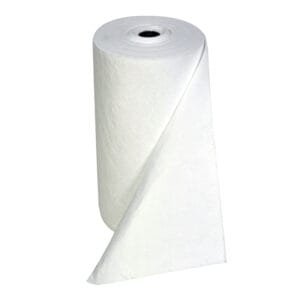
## Key Features
- Dimensions: 96cm wide x 44m long
- Designed for hydrocarbon-based spill absorption
- White color indicates oil-only use and shows saturation levels
- Lightweight construction for easy handling and deployment
## Applications
This absorbent roll is suitable for:
- Workshops and garages
- Industrial facilities
- Marine environments
- Any area requiring efficient oil and fuel spill management
## Compliance and Safety
Utilizing appropriate absorbent materials is essential for managing site hazards and ensuring compliance with Australian safety regulations. For comprehensive guidance on hazard management, refer to resources like [Safe Work Australia’s Hazards Guide](https://www.safework.nsw.gov.au/safety-starts-here/safety-support/managing-risk-in-the-workplace#:~:text=Thereisahierarchyofcontrolsyoucan,bedecideduponinconsultationwithyourworkers.).
## Need Assistance?
For more information or to find the right spill containment solution, visit our [FAQs and contact page](https://spillmaster.com.au/frequently-asked-questions/).
## FAQ
### What is the Lightweight Oil & Fuel Roll used for?
This absorbent roll is designed for cleaning up oil, fuel, diesel, and other hydrocarbons in workshops, service areas, and spill response situations. It is ideal for covering larger areas or cutting to size.
### Is the roll hydrophobic?
Yes. It repels water and only absorbs hydrocarbons, making it suitable for outdoor, marine, and wet‑weather spill control.
### What is the roll made from?
The roll is manufactured from meltblown polypropylene, providing strong absorbency while remaining lightweight and easy to handle.
### Can the roll be cut to size?
Yes. The material can be easily cut or torn to create custom‑sized absorbent pads, strips, or sheets.
### Where is this absorbent roll commonly used?
Common applications include workshops, mechanical bays, fuel transfer areas, marine environments, and spill kits.
### Is it suitable for spill kits?
Yes. Lightweight rolls are widely used in vehicle spill kits, site spill kits, and emergency response kits due to their versatility.
**Product categories:** Absorbent Rolls
---
### [IBC Spill Pallet-Bund](https://spillmaster.com.au/product/ibc-spill-pallet/)
**Published:** March 17, 2023
**Author:** Barry
**Excerpt:** Protect your site from bulk chemical leaks and simplify heavy-liquid handling with dedicated, high-capacity secondary containment.
The Spillmaster Single IBC Spill Pallet provides maximum secondary containment to catch catastrophic leaks, drips, and bulk fluid releases right at the source. Engineered from heavy-duty, UV-stabilized polyethylene, it features a massive integrated sump designed specifically to house a standard 1000-litre Intermediate Bulk Container (IBC) while offering dual-side forklift pockets for safe, easy site maneuvering.
-
Single 1000L IBC Capacity: Purpose-built to support the weight and footprint of one standard 1000L IBC tote while capturing total fluid volume.
-
Integrated Sump & Forklift Pockets: Features a built-in high-capacity sump for ultimate spill security alongside two-way forklift entry for rapid repositioning.
-
Chemical & Fuel Resistant: Manufactured from 100% rust-proof, UV-stabilized polyethylene that resists corrosion from aggressive industrial chemicals, oils, and fuels.
-
EPA & WHS Compliant: Fully meets strict Australian environmental safety standards and WHS regulations for bulk liquid secondary containment.
**Content:**
The **Spillmaster IBC Spill Pallet-Bund** is a heavy-duty, certified secondary containment platform purpose-built to safely store a single 1000L Intermediate Bulk Container (IBC). Rotomoulded from UV-stabilized, high-density chemical-resistant polyethylene, this robust IBC bunded pallet captures incidental drips, valve leaks, and catastrophic bulk discharges before hazardous liquids pollute factory floors or reach stormwater drains. Additionally, this 1000L IBC spill pallet features heavy-duty removable grating for effortless sump inspection and integrated forklift pockets for safe, balanced relocation across industrial sites. It suits warehouse managers, site engineers, environmental health and safety (EHS) officers, and plant supervisors across chemical processing, manufacturing, agriculture, and mining facilities who require fully compliant bulk liquid secondary containment.
## Technical Specifications & Product Details
- **1000L IBC Capacity:** Specifically engineered with a broad, reinforced footprint to accommodate 1 x standard 1000L IBC tank securely
- **High-Capacity Integrated Sump:** Sump volume provides compliant secondary containment for bulk chemical and fuel storage
- **Polyethylene Construction:** Rotomoulded, UV-stabilized polyethylene frame offers maximum resistance to rust, corrosion, oils, fuels, acids, alkalis, and harsh industrial chemicals
- **Removable Non-Slip Grate:** Non-corrosive, heavy-duty grating lifts out easily for fast sump inspection, pump-outs, and maintenance
- **Forklift Accessible:** Integrated forklift pockets allow safe and efficient site relocation using standard forklifts or machinery
> **Spill Containment & Storage:** Need to safeguard your workplace against drum leaks and chemical spills? Explore our complete range of **[Spill Containment & Control Solution](https://spillmaster.com.au/product-category/spill-control/)s** to ensure your facility remains equipped with compliant bunding and secondary containment.
---
## WHS & EPA Environmental Compliance
- **Bulk Secondary Containment:** Prevents uncontrolled chemical and fuel spills from reaching soil, concrete floors, or stormwater drainage networks.
- **Workplace Hazard Mitigation:** Eliminates major slip hazards, corrosive pool accumulation, and toxic fumes during bulk decanting, liquid transfer, and dispensing operations.
- **Duty of Care:** Supports proactive environmental risk management and compliance with Safe Work Australia hazardous chemical guidelines and state EPA environmental protection regulations.
---
## Frequently Asked Questions
**What is an IBC Spill Pallet-Bund and how does it work?**
An IBC Spill Pallet-Bund is a heavy-duty secondary containment platform designed to support a 1000L Intermediate Bulk Container (IBC). It holds the container securely above a built-in sump that captures drips, valve leaks, and major spills before liquids escape into the surrounding environment.
**What liquids can be safely stored on the IBC Spill Pallet?**
Manufactured from 100% chemical-resistant, UV-stabilized polyethylene, the pallet is suitable for storing diesel, oils, fuels, coolants, solvents, acids, alkalis, and a broad range of industrial chemicals and hazardous liquids.
**Is the IBC Spill Pallet forklift accessible?**
Yes. The pallet is equipped with integrated forklift pockets, allowing safe and efficient transport and positioning across warehouses and industrial hardstands when the pallet is empty.
**Product categories:** Spill Pallets
---
### [Hazchem Perforated Roll](https://spillmaster.com.au/product/hazchem-perforated-roll/)
**Published:** February 12, 2023
**Author:** Barry
**Excerpt:** Spillmaster's Hazchem Perforated Roll measures 96cm x 44m and is designed to efficiently absorb aggressive chemical spills. Perforations allow for easy and precise usage, making it ideal for various industrial settings.
**Content:**
# Hazchem Perforated Absorbent Roll – 96cm x 44m
Spillmaster’s Hazchem Perforated Roll is engineered for efficient absorption of aggressive chemical spills. Measuring 96cm in width and 44m in length, this roll features perforations for easy and precise usage, making it ideal for various industrial settings.
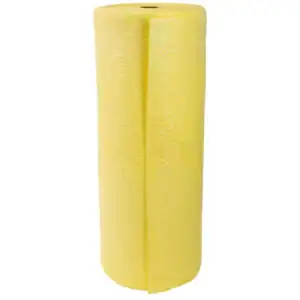
## Key Features
- Dimensions: 96cm wide x 44m long
- Designed for aggressive chemical spill absorption
- Perforated for easy and precise usage
- Durable construction for reliable performance
## Applications
This absorbent roll is suitable for:
- Laboratories and chemical processing plants
- Industrial facilities handling hazardous materials
- Emergency response situations
- Any area requiring efficient chemical spill management
## Compliance and Safety
Utilizing appropriate absorbent materials is essential for managing site hazards and ensuring compliance with Australian safety regulations. For comprehensive guidance on hazard management, refer to resources like [Safe Work Australia’s Hazards Guide](https://www.safework.nsw.gov.au/safety-starts-here/safety-support/managing-risk-in-the-workplace#:~:text=Thereisahierarchyofcontrolsyoucan,bedecideduponinconsultationwithyourworkers.).
## Need Assistance?
For more information or to find the right spill containment solution, visit our [FAQs and contact page](https://spillmaster.com.au/frequently-asked-questions/).
## FAQ
### What is the Hazchem Perforated Roll used for?
This roll is designed for absorbing aggressive chemical spills including acids, bases, coolants, solvents, and other hazardous liquids. It is ideal for laboratories, chemical storage areas, and industrial sites.
### Why is the roll perforated?
The perforations allow you to tear off smaller sections for precise and efficient use, reducing waste and improving spill control.
### What liquids does this roll absorb?
It absorbs most hazardous and unknown liquids, making it suitable for emergency response and chemical handling environments.
### What is the roll made from?
The roll is manufactured from chemical‑resistant polypropylene designed to withstand aggressive liquids without degrading.
### Where is this absorbent roll commonly used?
Common applications include laboratories, chemical plants, workshops, warehouses, and spill response units.
### Does the roll help with WHS compliance?
Yes. Using appropriate Hazchem absorbents helps manage site hazards and supports compliance with Australian workplace safety regulations.
**Product categories:** Absorbent Rolls
---
### [General Purpose Perforated Roll](https://spillmaster.com.au/product/general-purpose-perforated-roll/)
**Published:** February 12, 2023
**Author:** Barry
**Excerpt:** Spillmaster's General Purpose Perforated Roll measures 96cm x 44m and is designed to efficiently absorb non-aggressive liquid spills. Perforations allow for easy and precise usage, making it ideal for various industrial settings.
**Content:**
# General Purpose Perforated Absorbent Roll – 96cm x 44m
Spillmaster’s General Purpose Perforated Roll is engineered for efficient absorption of non-aggressive liquid spills. Measuring 96cm in width and 44m in length, this roll features perforations for easy and precise usage, making it ideal for various industrial settings.
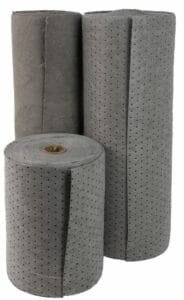
## Key Features
- Dimensions: 96cm wide x 44m long
- Designed for non-aggressive liquid spill absorption
- Perforated for easy and precise usage
- Grey color indicates general-purpose use and helps mask dirt
## Applications
This absorbent roll is suitable for:
- Workshops and garages
- Industrial facilities
- Maintenance areas
- Any area requiring efficient general-purpose spill management
## Compliance and Safety
Utilizing appropriate absorbent materials is essential for managing site hazards and ensuring compliance with Australian safety regulations. For comprehensive guidance on hazard management, refer to resources like [Safe Work Australia’s Hazards Guide](https://www.safework.nsw.gov.au/safety-starts-here/safety-support/managing-risk-in-the-workplace#:~:text=Thereisahierarchyofcontrolsyoucan,bedecideduponinconsultationwithyourworkers.).
## Need Assistance?
For more information or to find the right spill containment solution, visit our [FAQs and contact page](https://spillmaster.com.au/frequently-asked-questions/).
## FAQ
### What is the General Purpose Perforated Roll used for?
This roll is designed for absorbing non‑aggressive liquid spills such as coolants, paints, oils, degreasers, and general industrial fluids. It is ideal for workshops, warehouses, and maintenance areas.
### Why is the roll perforated?
The perforations allow you to tear off smaller sections for precise and efficient use, reducing waste and improving spill control.
### What liquids does this roll absorb?
It absorbs both water‑based and oil‑based liquids, making it suitable for a wide range of industrial environments.
### What is the roll made from?
The roll is manufactured from meltblown polypropylene, providing strong absorbency while remaining lightweight and easy to handle.
### Where is this absorbent roll commonly used?
Common applications include workshops, garages, industrial facilities, maintenance areas, and general spill management zones.
### Does the roll help with WHS compliance?
Yes. Using appropriate absorbents helps manage site hazards and supports compliance with Australian workplace safety regulations.
**Product categories:** Absorbent Rolls
---
### [Aluminium Floor Bunding](https://spillmaster.com.au/product/aluminium-floor-bunding/)
**Published:** February 19, 2020
**Author:** admin
**Excerpt:** Create a permanent, forklift-safe barrier across driveway thresholds, warehouse bays, and chemical stores.
Spillmaster Heavy-Duty Aluminium Floor Bunding delivers a rugged, permanent secondary containment barrier designed to withstand constant heavy vehicle and forklift traffic. Supplied in versatile 1.2-metre lengths complete with a full installation kit, this low-profile bunding prevents hazardous chemical, oil, and fuel runoff from escaping doorways, ramps, and workshop thresholds—available in standard 1.2m lengths or custom-configured to your exact site layout.
-
Includes Complete Installation Kit: Ready-to-install package supplied in 1.2-metre lengths with all required fixings and sealants for fast, secure concrete mounting.
-
Forklift & Vehicle Safe: Low-profile, high-impact aluminium extrusion allows smooth drive-over access for forklifts, trucks, and heavy machinery without site disruption.
-
Custom Layouts Available: Supplied in manageable 1.2m modular lengths that can be seamlessly joined, cut, or custom-configured to seal any doorway, driveway, or perimeter.
-
Corrosion & Chemical Resistant: Built from heavy-duty industrial aluminium designed to resist aggressive fuels, oils, solvents, and harsh outdoor weather.
-
EPA & WHS Compliant: Essential site containment solution to prevent off-site fluid migration and satisfy Australian environmental compliance laws.
**Content:**
The **Spillmaster Aluminium Floor Bunding** provides a permanent, low-profile spill containment barrier engineered to isolate hazardous liquid spills in high-traffic industrial environments. Manufactured from corrosion-resistant, marine-grade aluminium with integrated non-slip bevelled ramps, this floor-mounted bunding withstands continuous drive-over traffic from forklifts, trucks, and heavy site machinery without causing equipment damage or trip hazards. Additionally, this modular floor bunding system can be custom-fitted and masonry-anchored to any length across workshop thresholds, loading docks, and warehouse entrances. It suits facility managers, workshop supervisors, site engineers, and logistics operators across manufacturing plants, transport depots, and chemical handling facilities who require permanent, traffic-grade secondary spill containment.
## Technical Specifications & Product Details
- **Traffic-Grade Marine Aluminium:** Constructed from heavy-duty, corrosion-resistant marine-grade aluminium designed to withstand heavy vehicle axle loads
- **Low-Profile Bevelled Ramps:** Non-slip, angled entry edges allow smooth passage for forklifts, hand trolleys, and trucks while minimizing foot trip hazards
- **Modular & Customizable Length:** Interlocking design allows sections to be joined, trimmed, and installed to create continuous containment barriers across any width
- **Permanent Bolt-Down Installation:** Easily masonry-anchored and sealed directly to concrete floors using high-tack chemical sealant for liquid-tight isolation
- **Indoor & Outdoor Versatility:** Fully weather-resistant and UV-stable material suitable for indoor factory floors, roller door thresholds, and external driveways
> **Spill Containment & Storage:** Need to safeguard your workplace against drum leaks and chemical spills? Explore our complete range of **Spill Containment & Control Solutions** to ensure your facility remains equipped with compliant bunding and secondary containment.
---
## WHS & EPA Environmental Compliance
- **Physical Risk Control:** Acts as a permanent secondary containment barrier under Safe Work Australia’s hierarchy of risk controls, keeping spills contained at the source.
- **Environmental Protection:** Prevents oils, fuels, coolants, and hazardous chemicals from washing into unpaved ground, stormwater drains, or neighboring site areas.
- **Workplace Safety & Duty of Care:** Eliminates wide-area slip hazards, liquid tracking into high-traffic pedestrian zones, and regulatory non-compliance fines.
---
## Frequently Asked Questions
**What is Aluminium Floor Bunding and how does it work?**
Aluminium Floor Bunding is a permanent, floor-mounted barrier sealed and bolted directly to concrete floors. It forms a continuous physical lip that prevents hazardous chemical, fuel, or oil spills from migrating beyond workshop bays or exiting building doorways.
**Can forklifts and heavy trucks drive over Aluminium Floor Bunding?**
Yes. Designed specifically as traffic-grade bunding, its marine-grade aluminium structure and low-profile bevelled ramps easily support continuous drive-over traffic from forklifts, pallet jacks, delivery trucks, and heavy vehicles.
**How is Aluminium Floor Bunding installed?**
Sections are aligned, cut to the desired length, sealed to the concrete slab using a specialized chemical-resistant polyurethane sealant, and masonry-anchored firmly into the floor for a liquid-tight seal.
**Product brands:** Spillmaster
**Product categories:** Aluminium Floor Bunding
---
### [General Purpose Lightweight Roll](https://spillmaster.com.au/product/general-purpose-lightweight-roll/)
**Published:** February 12, 2023
**Author:** Barry
**Excerpt:** Spillmaster's General Purpose Lightweight Roll measures 96cm x 44m and is designed to efficiently absorb non-aggressive liquid spills. The grey color indicates general-purpose use and helps mask dirt and grime.
**Content:**
# General Purpose Lightweight Absorbent Roll – 96cm x 44m
Spillmaster’s General Purpose Lightweight Roll is engineered for efficient absorption of non-aggressive liquid spills. Measuring 96cm in width and 44m in length, this roll is ideal for covering large areas in various industrial settings.
## Key Features
- Dimensions: 96cm wide x 44m long
- Designed for non-aggressive liquid spill absorption
- Grey color indicates general-purpose use and helps mask dirt
- Lightweight construction for easy handling and deployment
## Applications
This absorbent roll is suitable for:
- Workshops and garages
- Industrial facilities
- Maintenance areas
- Any area requiring efficient general-purpose spill management
## Compliance and Safety
Utilizing appropriate absorbent materials is essential for managing site hazards and ensuring compliance with Australian safety regulations. For comprehensive guidance on hazard management, refer to resources like [Safe Work Australia’s Hazards Guide](https://www.safework.nsw.gov.au/safety-starts-here/safety-support/managing-risk-in-the-workplace#:~:text=Thereisahierarchyofcontrolsyoucan,bedecideduponinconsultationwithyourworkers.).
## Need Assistance?
For more information or to find the right spill containment solution, visit our [FAQs and contact page](https://spillmaster.com.au/frequently-asked-questions/).
## FAQ
### What is the General Purpose Lightweight Roll used for?
This roll is designed for absorbing non‑aggressive liquid spills such as coolants, paints, oils, degreasers, and general industrial fluids. It is ideal for covering large areas or cutting to size.
### What liquids does this roll absorb?
It absorbs both water‑based and oil‑based liquids, making it suitable for workshops, warehouses, and industrial facilities.
### What is the roll made from?
The roll is manufactured from meltblown polypropylene, providing strong absorbency while remaining lightweight and easy to handle.
### Can the roll be cut to size?
Yes. The material can be easily cut or torn to create custom‑sized absorbent pads, strips, or sheets.
### Where is this absorbent roll commonly used?
Common applications include workshops, garages, industrial sites, maintenance areas, and general spill management zones.
### Does the roll help with WHS compliance?
Yes. Using appropriate absorbents helps manage site hazards and supports compliance with Australian workplace safety regulations.
**Product categories:** Absorbent Rolls
---
### [Drain Seal](https://spillmaster.com.au/product/drain-seal/)
**Published:** March 4, 2020
**Author:** admin
**Excerpt:** Lock down stormwater grates instantly to stop chemical and fuel spills in their tracks.
The Spillmaster Polyurethane Drain Seal creates a rapid, liquid-tight barrier over drain inlets and pit grates to prevent environmental contamination. Built from ultra-flexible, chemical-resistant polyurethane, it tightly adheres to rough concrete and bitumen surfaces during emergency spill response operations.
-
Instant Emergency Isolation: Quickly seals grates to block oils, fuels, solvents, and hazardous chemicals.
-
High-Tack Conforming Seal: Moulds tightly over uneven ground, drain lips, and grates to stop liquid bypass.
-
Reusable & Washable: Easily decontaminates with warm water and detergent for repeated site protection.
-
WHS & EPA Compliant: Essential secondary containment tool to meet Australian environmental protection standards.
**Content:**
The **Spillmaster Drain Seal** is an essential reusable polyurethane mat designed to quickly seal stormwater drains during a spill emergency. Engineered from flexible, chemical-resistant polyurethane, it clings securely to concrete, asphalt, and uneven ground surfaces to form an instant, watertight barrier against oils, fuels, chemicals, and hazardous liquids. Additionally, these polyurethane drain covers are widely used across warehouses, workshops, loading docks, transport yards, and refuelling stations. They suit site safety officers, fleet managers, and maintenance personnel who require a fast, reliable tool to isolate drains before beginning spill containment and cleanup.
## Technical Specifications & Product Details
- **Polyurethane Construction:** High-tack, flexible polyurethane material adheres tightly to rough and uneven surfaces
- **Broad Chemical Resistance:** Formulated to resist degradation from oils, diesel, petrol, solvents, and harsh chemicals
- **Multiple Standard Sizes:** Available in 450x450mm, 600x600mm, 900x900mm, and 1200x1200mm (custom sizes available on request)
- **Reusable & Easy to Clean:** Washes easily with warm water and mild detergent; dries flat for long-term reuse
- **Instant Deployment:** Unrolls and installs in seconds with no special tools or preparation required
> **Stormwater Drain Protection:** Need to secure your site’s stormwater entry points against chemical and oil runoff? Explore our complete range of **[Spill Containment & Control Solutions](https://spillmaster.com.au/product-category/spill-control/drain-protection/)** to ensure your site is equipped with instant drain blocking barriers.
---
## WHS & EPA Environmental Compliance
- **Instant Contaminant Isolation:** Prevents hazardous chemical spills and fuel leaks from entering stormwater infrastructure, avoiding environmental harm and severe council fines.
- **Essential Spill Response Tool:** Serves as a primary first-response action item alongside standard Spill Kits and Drain Wardens.
- **Duty of Care:** Supports proactive environmental risk management and workplace spill control obligations under Safe Work Australia hazard guidelines.
---
## Frequently Asked Questions
**What is the purpose of a Drain Seal and how does it work?**
A Drain Seal (also known as a urethane drain mat, spill blocker, or stormwater cover) is a flexible, tacky polyurethane mat placed over drain grates during a spill incident. It clings to the ground to form a temporary watertight seal, preventing oils, chemicals, and dirty wash-water from entering drainage systems.
**Where are Polyurethane Drain Seals commonly used?**
They are widely used across industrial workshops, warehouses, loading bays, transport depots, hardstand areas, chemical handling facilities, and refuelling sites located near stormwater outlets.
**Are Drain Seals reusable and how should they be stored?**
Yes. Spillmaster Drain Seals are fully reusable. After a spill incident, simply wash the mat with warm water and a mild detergent, dry it thoroughly, and store it flat (or rolled in its protective casing) until needed again.
**Product brands:** Spillmaster
**Product categories:** Spill & Flood Barriers
---
### [Double IBC Spill Pallet-Bund](https://spillmaster.com.au/product/double-ibc-spill-pallet/)
**Published:** March 19, 2023
**Author:** Barry
**Excerpt:** Store and manage bulk liquid totes side-by-side with ultimate dual-capacity secondary containment.
The Spillmaster Double IBC Spill Pallet delivers heavy-duty secondary containment to capture catastrophic leaks, drips, and bulk fluid releases right at the source. Engineered from tough, UV-stabilized polyethylene, it features an extra-large integrated sump designed to securely accommodate two 1000-litre Intermediate Bulk Containers (IBCs), providing an all-in-one storage solution for high-volume chemical and oil management.
-
Dual 1000L IBC Capacity: Heavy-duty footprint engineered to support the weight and dimensions of two standard 1000L IBC totes simultaneously.
-
Massive Integrated Sump: Extra-large containment sump designed to handle major leaks and catastrophic ruptures, keeping high-volume fluid spills contained.
-
Chemical & Fuel Resistant: Constructed from 100% corrosion-proof, UV-stabilized polyethylene that withstands harsh weather, oils, fuels, and aggressive industrial chemicals.
-
EPA & WHS Compliant: Fully satisfies Australian environmental containment regulations and site safety standards for bulk liquid storage.
**Content:**
The **Spillmaster Double IBC Spill Pallet-Bund** is an extra-large, heavy-duty secondary containment platform engineered to safely store two 1000L Intermediate Bulk Containers (IBCs) side-by-side. Rotomoulded from UV-stabilized, high-density chemical-resistant polyethylene, this massive double IBC bunded pallet captures incidental drips, valve leaks, and catastrophic bulk discharges before hazardous liquids pollute factory floors or reach stormwater drains. Additionally, this 2000L-capacity double IBC spill pallet features reinforced removable grating for effortless sump inspection and integrated forklift pockets for safe, balanced relocation across industrial sites. It suits warehouse managers, site engineers, environmental health and safety (EHS) officers, and plant supervisors across chemical processing, manufacturing, agriculture, and mining facilities who require fully compliant bulk liquid secondary containment.
## Technical Specifications & Product Details
- **Dual 1000L IBC Capacity:** Specifically engineered with a broad, reinforced footprint to accommodate 2 x standard 1000L IBC tanks securely side-by-side
- **High-Capacity Integrated Sump:** Massive sump volume provides compliant secondary containment for large-scale bulk chemical and fuel storage
- **Polyethylene Construction:** Rotomoulded, UV-stabilized polyethylene frame offers maximum resistance to rust, corrosion, oils, fuels, acids, alkalis, and harsh industrial chemicals
- **Removable Non-Slip Grates:** Heavy-duty, non-corrosive grating panels lift out easily for fast sump inspection, pump-outs, and routine maintenance
- **Forklift Accessible:** Integrated forklift pockets allow safe and efficient site relocation using standard forklifts or machinery
> **Spill Containment & Storage:** Need to safeguard your workplace against drum leaks and chemical spills? Explore our complete range of [**Spill Containment & Control Solutions**](https://spillmaster.com.au/product-category/spill-control/) to ensure your facility remains equipped with compliant bunding and secondary containment.
---
## WHS & EPA Environmental Compliance
- **Bulk Secondary Containment:** Prevents uncontrolled chemical and fuel spills from reaching soil, concrete floors, or stormwater drainage networks.
- **Workplace Hazard Mitigation:** Eliminates major slip hazards, corrosive pool accumulation, and toxic fumes during bulk decanting, liquid transfer, and dispensing operations.
- **Duty of Care:** Supports proactive environmental risk management and compliance with Safe Work Australia hazardous chemical guidelines and state EPA environmental protection regulations.
---
## Frequently Asked Questions
**What is a Double IBC Spill Pallet-Bund and how does it work?**
A Double IBC Spill Pallet-Bund is a heavy-duty secondary containment platform designed to support two 1000L Intermediate Bulk Containers (IBCs) side-by-side. It holds the containers securely above a built-in extra-large sump that captures drips, valve leaks, and major spills before liquids escape into the surrounding environment.
**What liquids can be safely stored on the Double IBC Spill Pallet?**
Manufactured from 100% chemical-resistant, UV-stabilized polyethylene, the pallet is suitable for storing diesel, oils, fuels, coolants, solvents, acids, alkalis, and a broad range of industrial chemicals and hazardous liquids.
**Is the Double IBC Spill Pallet forklift accessible?**
Yes. The pallet is equipped with integrated forklift pockets, allowing safe and efficient transport and positioning across warehouses and industrial hardstands when the pallet is empty.
**Product categories:** Spill Pallets
---
### [Collapsible Bund 2m x 2m Elvaloy](https://spillmaster.com.au/product/collapsible-bund-2m-x-2m-elvaloy/)
**Published:** March 8, 2020
**Author:** admin
**Excerpt:** Lock down high-risk chemical transfers and large site plant with 1,200 litres of Elvaloy-lined bunding.
The Spillmaster 2m x 2m Collapsible Spill Bund with Elvaloy Lining delivers high-volume secondary containment engineered specifically to resist aggressive chemicals, acids, and harsh solvents. Featuring a massive 1,200-litre sump capacity and high-performance Elvaloy alloy coating, this flexible, rapid-deploy unit provides maximum protection for hazardous drum arrays, mobile chemical dosing rigs, and site machinery—available in standard sizes or custom-manufactured to your exact specs.
-
Standard 2m x 2m (1,200L Capacity): Massive 1,200-litre sump designed for bulk chemical storage, large generators, and heavy equipment maintenance.
-
Advanced Elvaloy Lining: High-performance alloy coating engineered for superior resistance against aggressive chemicals, acids, solvents, and fuels.
-
Custom Sizes Available: Standard units in stock, or custom-fabricated to match any plant machinery, vehicle tray, or footprint requirement.
-
Collapsible & Rapid-Deploy: Drops down flat for easy drive-in or drop-in access, compact vehicle storage, and fast emergency response.
-
EPA & WHS Compliant: High-tier secondary containment designed to satisfy strict Australian dangerous goods and environmental regulations.
**Content:**
The **Spillmaster Collapsible Bund 2m x 2m Elvaloy** is a heavy-duty, high-capacity 1,200-litre portable spill containment unit engineered for aggressive chemicals, fuels, acids, and harsh industrial environments. Upgraded with an advanced Elvaloy-laminated PVC fabric, this model delivers superior chemical compatibility, UV stability, and long-term durability compared to standard PVC bunds. Featuring memory-foam fold-down walls, equipment and vehicles can easily roll over the sides, which automatically spring back up to retain liquids. Additionally, this 2m x 2m square bund folds flat for compact transport in service trucks and field maintenance kits. It suits environmental health and safety (EHS) officers, field mechanics, chemical handlers, and mining site supervisors requiring maximum chemical resistance in temporary or mobile containment zones.
## Technical Specifications & Product Details
- **Expansive 2m x 2m Footprint:** Large 2000mm x 2000mm coverage accommodates plant equipment, small vehicles, machinery, and chemical drum arrangements
- **1,200L Containment Capacity:** High-capacity sump volume designed to capture sudden equipment leaks, washdown runoff, and chemical discharges
- **Superior Elvaloy-Laminated Fabric:** Premium Elvaloy alloy coating provides exceptional resistance to harsh acids, solvents, fuels, oils, and aggressive chemicals
- **Drive-Over Memory-Foam Walls:** Flexible foam side walls collapse flat under tire or foot pressure and automatically spring back to full height
- **Enhanced Outdoor & UV Durability:** Engineered to withstand extreme weathering, temperature fluctuations, and heavy industrial site wear without degrading
- **Lightweight & Portable:** Folds flat in seconds for compact vehicle storage, easy transport, and fast emergency spill response
> **Spill Containment & Storage:** Need to safeguard your workplace against drum leaks and chemical spills? Explore our complete range of **Spill Containment & Control Solutions** to ensure your facility remains equipped with compliant bunding and secondary containment.
---
## WHS & EPA Environmental Compliance
- **Advanced Secondary Containment:** Captures highly aggressive chemical leaks, acids, and fuel spills before they contaminate soil, unpaved ground, or stormwater drainage networks.
- **Workplace Hazard Mitigation:** Prevents slip hazards, corrosive surface damage, and chemical exposure risks during field maintenance, equipment washdowns, and fluid transfers.
- **Duty of Care:** Supports proactive risk management and compliance with Safe Work Australia hazardous chemical guidelines and state EPA environmental protection regulations.
---
## Frequently Asked Questions
**What is a Collapsible Bund 2m x 2m Elvaloy and how does it work?**
A Collapsible Bund Elvaloy model is a portable secondary containment mat featuring fold-down foam walls and enhanced Elvaloy-coated fabric. The flexible walls flatten under vehicle or equipment weight and spring back vertically, trapping aggressive chemical leaks, drips, and spills inside the unit.
**What is the difference between the Elvaloy model and a standard PVC bund?**
Elvaloy is a high-grade polymer additive blended into PVC that significantly enhances flexibility, tear strength, UV resistance, and chemical compatibility. It extends the operational lifespan of the bund and allows safe containment of aggressive solvents, fuels, and acids that would otherwise degrade standard PVC.
**What equipment fits inside the 2m x 2m Elvaloy Collapsible Bund?**
This 2m x 2m square footprint is ideal for chemical drum pallets, portable generators, site pumps, light towers, small plant machinery, and equipment washdown stations used in high-risk industrial environments.
**Product brands:** Spillmaster
**Product categories:** Collapsible Bunds
---
### [Collapsible Bund 2m x 2m](https://spillmaster.com.au/product/collapsible-bund-2m-x-2m/)
**Published:** March 8, 2020
**Author:** admin
**Excerpt:** Isolate mobile equipment, generators, and chemical storage zones with rapid-deploy 2m x 2m bunding.
The Spillmaster 2m x 2m Collapsible Spill Bund provides generous, multi-purpose secondary containment designed for quick field setup and compact storage. Featuring a drop-down wall design for easy drop-in or drive-over access, it locks down fuel drips, oil leaks, and fluid spills around site machinery and chemical stores before ground contamination occurs—available in standard sizes or custom-manufactured to your required dimensions.
-
Standard 2m x 2m Footprint: Expansive square layout designed for mobile generators, equipment maintenance, and multi-drum setups.
-
Custom Sizes Available: Standard units ready to ship, or custom-built to suit any vehicle tray, plant machinery, or work area.
-
Fold-Flat Portability: Collapses flat for easy vehicle loading and compact site storage, ideal for mobile service teams and field crews.
-
Chemical & Fuel Resistant: Manufactured from heavy-duty, UV-stabilized material engineered to handle oils, fuels, solvents, and site chemicals.
-
EPA & WHS Compliant: Essential secondary containment solution to help meet strict Australian environmental protection standards.
**Content:**
The **Spillmaster Collapsible Bund 2m x 2m** is a high-capacity 1,200-litre portable spill containment unit designed to capture leaks, drips, and hazardous liquid spills from drums, machinery, and mobile equipment. Engineered from heavy-duty, chemical-resistant PVC with memory-foam fold-down walls, this square collapsible bund allows vehicles, site equipment, and machinery to roll over the sides, which automatically spring back up to maintain full fluid containment. Additionally, this 2m x 2m bund mat folds flat for compact storage in service trucks, utility vehicles, and emergency response kits. It suits site supervisors, plant mechanics, civil contractors, and environmental safety officers across construction sites, loading bays, maintenance yards, and remote worksites who require fast, reliable secondary containment.
## Technical Specifications & Product Details
- **Expansive 2m x 2m Footprint:** Large 2000mm x 2000mm coverage accommodates plant equipment, small vehicles, machinery, and multiple chemical drum arrangements
- **1,200L Containment Capacity:** Generous sump volume engineered to contain high-volume leaks, washdown runoff, and catastrophic chemical spills
- **Drive-Over Memory-Foam Walls:** Flexible foam side walls collapse flat under tire or foot pressure and automatically rebound to full height
- **Chemical-Resistant PVC:** Manufactured from heavy-duty, UV-stabilized PVC resistant to oils, diesel, fuels, coolants, and common industrial liquids
- **Lightweight & Portable:** Folds flat in seconds for easy vehicle transport, space-saving storage, and immediate emergency deployment in the field
- **Easy to Clean & Reusable:** Non-porous PVC surface allows rapid liquid recovery, simple washdowns, and long-term service life
> **Spill Containment & Storage:** Need to safeguard your workplace against drum leaks and chemical spills? Explore our complete range of **Spill Containment & Control Solutions** to ensure your facility remains equipped with compliant bunding and secondary containment.
---
## WHS & EPA Environmental Compliance
- **Secondary Containment Protection:** Captures hazardous chemical runoff, fuel drips, and oil leaks before they penetrate ground surfaces or enter stormwater infrastructure.
- **Workplace Hazard Mitigation:** Reduces slip hazards, liquid migration, and environmental contamination during mobile servicing, decanting, equipment washdowns, and fluid transfer.
- **Duty of Care:** Supports proactive environmental risk management and compliance with Safe Work Australia workplace safety guidelines and state EPA regulations.
---
## Frequently Asked Questions
**What is a Collapsible Bund 2m x 2m and how does it work?**
A Collapsible Bund (also known as a foam-wall spill mat or drive-over bund) is a portable secondary containment tray featuring fold-down foam walls. The walls collapse under the weight of tires, equipment, or foot traffic and spring back into vertical position automatically to trap leaks, drips, and spills.
**What equipment fits inside the 2m x 2m Collapsible Bund?**
This 2m x 2m square layout is ideal for chemical drum pallets, portable generators, site pumps, light towers, small plant machinery, and equipment washdown stations.
**How do I clean and maintain the Collapsible Bund?**
Drain or absorb any trapped liquids, wipe down the PVC liner with mild detergent and water, allow it to dry thoroughly, and fold flat for compact storage in vehicle toolboxes or maintenance kits.
**Product brands:** Spillmaster
**Product categories:** Collapsible Bunds
---
### [Collapsible Bund 2.4m x 2.4m Elvaloy](https://spillmaster.com.au/product/collapsible-bund-2-4m-x-2-4m-elvaloy/)
**Published:** March 8, 2020
**Author:** admin
**Excerpt:** Lock down bulk corrosive chemicals, solvents, and heavy fuels with 1,728 litres of Elvaloy-lined bunding.
The Spillmaster 2.4m x 2.4m Collapsible Spill Bund with Elvaloy Lining is engineered for the toughest industrial spill containment jobs where standard PVC coatings fail. Featuring a high-volume 1,728-litre sump capacity and premium Elvaloy alloy lining, this heavy-duty portable unit provides maximum resistance against corrosive liquids, aggressive solvents, and bulk fuel stores—available in standard sizes or custom-manufactured to your exact site specifications.
-
Standard 2.4m x 2.4m (1,728L Capacity): High-volume 1,728-litre sump capacity designed for multi-IBC setups, heavy site plant, and high-risk bulk chemical storage.
-
Advanced Elvaloy Lining: Superior chemical alloy coating engineered to withstand aggressive fuels, solvents, acids, and corrosive industrial liquids without breakdown.
-
Custom Sizes Available: Standard units ready to ship, or custom-fabricated to match any equipment footprint, vehicle tray, or containment zone.
-
Collapsible & Rapid-Deploy: Fold-flat wall design allows quick drive-over or drop-in loading, easy transport between jobsites, and fast emergency response.
-
EPA & WHS Compliant: Essential high-tier secondary containment built to meet strict Australian dangerous goods and environmental protection regulations.
**Content:**
The **Spillmaster Collapsible Bund 2.4m x 2.4m Elvaloy** is a heavy-duty, high-capacity 1,728-litre portable spill containment unit engineered for aggressive chemicals, fuels, solvents, and corrosive liquids in demanding industrial environments. Upgraded with an advanced Elvaloy-laminated PVC fabric, this model delivers superior chemical compatibility, UV stability, and long-term durability compared to standard PVC bunds. Featuring memory-foam fold-down walls, heavy plant equipment, tanks, and vehicles can easily roll over the sides, which automatically spring back up to retain liquids. Additionally, this 2.4m x 2.4m square bund folds flat for compact transport in service trucks and field maintenance kits. It suits environmental health and safety (EHS) officers, field mechanics, chemical handlers, and mining site supervisors requiring maximum chemical resistance in temporary or mobile containment zones.
## Technical Specifications & Product Details
- **Expansive 2.4m x 2.4m Footprint:** Massive 2400mm x 2400mm coverage accommodates heavy plant machinery, storage tanks, vehicles, and extensive chemical drum setups
- **1,728L Containment Capacity:** High-capacity sump volume designed to capture sudden bulk equipment leaks, washdown runoff, and corrosive chemical discharges
- **Superior Elvaloy-Laminated Fabric:** Premium Elvaloy alloy coating provides exceptional resistance to harsh acids, solvents, fuels, oils, and aggressive chemicals
- **Drive-Over Memory-Foam Walls:** Flexible foam side walls collapse flat under tire or foot pressure and automatically spring back to full height
- **Enhanced Outdoor & UV Durability:** Engineered to withstand extreme weathering, temperature fluctuations, and heavy industrial site wear without degrading
- **Lightweight & Portable:** Folds flat in seconds for compact vehicle storage, easy transport, and fast emergency spill response
> **Spill Containment & Storage:** Need to safeguard your workplace against drum leaks and chemical spills? Explore our complete range of **Spill Containment & Control Solutions** to ensure your facility remains equipped with compliant bunding and secondary containment.
---
## WHS & EPA Environmental Compliance
- **Advanced Secondary Containment:** Captures highly aggressive chemical leaks, solvents, and bulk fuel spills before they contaminate soil, unpaved ground, or stormwater drainage networks.
- **Workplace Hazard Mitigation:** Prevents slip hazards, corrosive surface damage, and chemical exposure risks during field maintenance, bulk transfers, and equipment washdowns.
- **Duty of Care:** Supports proactive risk management and compliance with Safe Work Australia hazardous chemical guidelines and state EPA environmental protection regulations.
---
## Frequently Asked Questions
**What is a Collapsible Bund 2.4m x 2.4m Elvaloy and how does it work?**
A Collapsible Bund Elvaloy model is a portable secondary containment mat featuring fold-down foam walls and enhanced Elvaloy-coated fabric. The flexible walls flatten under vehicle or equipment weight and spring back vertically, trapping aggressive chemical leaks, drips, and spills inside the unit.
**What is the difference between the Elvaloy model and a standard PVC bund?**
Elvaloy is a high-grade polymer additive blended into PVC that significantly enhances flexibility, tear strength, UV resistance, and chemical compatibility. It extends the operational lifespan of the bund and allows safe containment of aggressive solvents, fuels, and acids that would otherwise degrade standard PVC.
**What equipment fits inside the 2.4m x 2.4m Elvaloy Collapsible Bund?**
This 2.4m x 2.4m square footprint is ideal for bulk storage tanks, heavy machinery, chemical drum arrangements, site generators, and high-volume fluid transfer equipment used in mining and heavy industrial environments.
**Product brands:** Spillmaster
**Product categories:** Collapsible Bunds
---
### [Collapsible Bund 1.2m x 2.4m Elvaloy](https://spillmaster.com.au/product/collapsible-bund-1-2m-x-2-4m-elvaloy/)
**Published:** March 8, 2020
**Author:** admin
**Excerpt:** Isolate aggressive chemicals and high-risk fluid leaks with elite Elvaloy-lined extended bunding.
The Spillmaster 1.2m x 2.4m Collapsible Spill Bund with Elvaloy Lining delivers high-volume 864-litre secondary containment engineered specifically for harsh industrial chemicals, acids, and aggressive solvents. Featuring a heavy-duty Elvaloy alloy coating and a flexible rectangular footprint, it provides rapid-deploy mobile protection for chemical transfer stations, site generators, and hazardous drum arrays—available in standard sizes or custom-manufactured to your exact specs.
-
Standard 1.2m x 2.4m (864L Capacity): Extended rectangular layout delivering a massive 864-litre sump capacity for high-risk chemical storage.
-
Advanced Elvaloy Lining: Engineered for superior resistance against aggressive chemicals, acids, harsh solvents, and fuels where standard materials fail.
-
Custom Sizes Available: Standard portable units in stock, or custom-fabricated to match any dosing rig, vehicle tray, or containment footprint.
-
Collapsible & Rapid-Deploy: Folds flat for quick transport, compact storage, and immediate emergency field deployment.
-
EPA & WHS Compliant: Delivers high-tier secondary containment to meet strict Australian dangerous goods and environmental regulations.
**Content:**
The **Spillmaster Collapsible Bund 1.2m x 2.4m Elvaloy** is a heavy-duty, high-capacity 864-litre portable spill containment unit engineered for aggressive chemicals, fuels, acids, and harsh industrial environments. Upgraded with an advanced Elvaloy-laminated PVC fabric, this model delivers superior chemical compatibility, UV stability, and long-term durability compared to standard PVC bunds. Featuring memory-foam fold-down walls, equipment and service vehicles can easily roll over the sides, which automatically spring back up to retain liquids. Additionally, this extended 1.2m x 2.4m rectangular bund folds flat for compact transport in service trucks and field maintenance kits. It suits environmental health and safety (EHS) officers, field mechanics, chemical handlers, and mining site supervisors requiring maximum chemical resistance in temporary or mobile containment zones.
## Technical Specifications & Product Details
- **Extended Rectangular Footprint:** 1.2m x 2.4m (1200mm x 2400mm) coverage tailored for linear equipment, tool setups, and mobile maintenance stations
- **864L Containment Capacity:** High-capacity sump volume designed to capture sudden equipment leaks, washdown runoff, and chemical discharges
- **Superior Elvaloy-Laminated Fabric:** Premium Elvaloy alloy coating provides exceptional resistance to harsh acids, solvents, fuels, oils, and aggressive chemicals
- **Drive-Over Memory-Foam Walls:** Flexible foam side walls collapse flat under tire or foot pressure and automatically spring back to full height
- **Enhanced Outdoor & UV Durability:** Engineered to withstand extreme weathering, temperature fluctuations, and heavy industrial site wear without degrading
- **Lightweight & Portable:** Folds flat in seconds for compact vehicle storage, easy transport, and fast emergency spill response
> **Spill Containment & Storage:** Need to safeguard your workplace against drum leaks and chemical spills? Explore our complete range of **Spill Containment & Control Solutions** to ensure your facility remains equipped with compliant bunding and secondary containment.
---
## WHS & EPA Environmental Compliance
- **Advanced Secondary Containment:** Captures highly aggressive chemical leaks, acids, and fuel spills before they contaminate soil, unpaved ground, or stormwater drainage networks.
- **Workplace Hazard Mitigation:** Prevents slip hazards, corrosive surface damage, and chemical exposure risks during field maintenance, equipment washdowns, and fluid transfers.
- **Duty of Care:** Supports proactive risk management and compliance with Safe Work Australia hazardous chemical guidelines and state EPA environmental protection regulations.
---
## Frequently Asked Questions
**What is a Collapsible Bund 1.2m x 2.4m Elvaloy and how does it work?**
A Collapsible Bund Elvaloy model is a portable secondary containment mat featuring fold-down foam walls and enhanced Elvaloy-coated fabric. The flexible walls flatten under vehicle or equipment weight and spring back vertically, trapping aggressive chemical leaks, drips, and spills inside the unit.
**What is the difference between the Elvaloy model and a standard PVC bund?**
Elvaloy is a high-grade polymer additive blended into PVC that significantly enhances flexibility, tear strength, UV resistance, and chemical compatibility. It extends the operational lifespan of the bund and allows safe containment of aggressive solvents, fuels, and acids that would otherwise degrade standard PVC.
**What equipment fits inside the 1.2m x 2.4m Elvaloy Collapsible Bund?**
This 1.2m x 2.4m extended footprint is ideal for portable generators, air compressors, site pumps, mobile light towers, maintenance tool trolleys, and chemical handling equipment used in high-risk industrial environments.
**Product brands:** Spillmaster
**Product categories:** Collapsible Bunds
---
### [Collapsible Bund 1.2m x 2.4m](https://spillmaster.com.au/product/collapsible-bund-1-2m-x-2-4m/)
**Published:** March 8, 2020
**Author:** admin
**Excerpt:** Lock down medium spill zones with 864 litres of rapid-deploy, high-capacity portable containment.
The Spillmaster 1.2m x 2.4m Collapsible Spill Bund provides an extended rectangular footprint engineered for workshops, remote jobsites, and active construction areas. Featuring a high-volume 864-litre sump, its flexible drop-down wall design allows fast equipment loading and drive-over access while stopping chemical and fuel leaks before ground contamination occurs—available in standard sizes or custom-manufactured to your required site dimensions.
-
Standard 1.2m x 2.4m (864L Capacity): Extended rectangular layout offering massive 864-litre containment for generators, multi-drum setups, and site plant.
-
Custom Sizes Available: Standard options ready to ship, or custom-fabricated to match any machinery footprint, vehicle tray, or workspace.
-
Collapsible & Reusable: Folds flat for compact storage and effortless transport between jobs, making it ideal for mobile service crews and field teams.
-
Chemical & Fuel Resistant: Constructed from heavy-duty, UV-stabilized materials engineered to contain oils, fuels, solvents, and site chemicals.
-
EPA & WHS Compliant: Essential rapid-response tool to satisfy Australian environmental protection guidelines and workplace safety standards.
**Content:**
The **Spillmaster Collapsible Bund 1.2m x 2.4m** is a versatile, mid-sized portable spill containment unit designed to capture leaks, drips, and fluid spills from generators, compressors, pumps, and small site plant. Constructed from heavy-duty, chemical-resistant PVC with memory-foam fold-down walls, this rectangular collapsible bund allows equipment, carts, and vehicles to roll over the sides, which automatically spring back up to retain liquids. Additionally, this 1.2m x 2.4m bund mat folds flat for compact storage in service trucks, utility vehicles, and field kits. It suits mobile maintenance crews, site supervisors, plant mechanics, and environmental safety officers who require rapid, reliable secondary containment during equipment washdowns, fluid transfers, and field servicing.
## Technical Specifications & Product Details
- **Extended Rectangular Footprint:** 1.2m x 2.4m (1200mm x 2400mm) layout provides ideal coverage for linear equipment, tool setups, and multiple container arrangements
- **High-Capacity Containment:** Generous sump volume designed to capture sudden equipment leaks, washdown runoff, and fluid overflows
- **Drive-Over Memory-Foam Walls:** Flexible foam side walls collapse flat under wheel pressure and automatically rebound to full height
- **Chemical-Resistant PVC:** Manufactured from heavy-duty, UV-stabilized PVC resistant to oils, diesel, fuels, coolants, and common industrial liquids
- **Lightweight & Portable:** Folds flat in seconds for easy vehicle transport, space-saving storage, and immediate emergency deployment in the field
- **Easy to Clean & Reusable:** Smooth PVC surface allows rapid liquid recovery, simple washdowns, and long-term service life
> **Spill Containment & Storage:** Need to safeguard your workplace against drum leaks and chemical spills? Explore our complete range of **Spill Containment & Control Solutions** to ensure your facility remains equipped with compliant bunding and secondary containment.
---
## WHS & EPA Environmental Compliance
- **Secondary Containment Protection:** Prevents hazardous chemical runoff, fuel drips, and oil leaks from contaminating soil or entering stormwater drainage systems.
- **Workplace Hazard Mitigation:** Reduces slip hazards, liquid migration, and surface contamination during mobile servicing, decanting, and equipment cleaning.
- **Duty of Care:** Supports proactive environmental risk management and compliance with Safe Work Australia workplace safety guidelines for remote and dynamic job sites.
---
## Frequently Asked Questions
**What is a Collapsible Bund 1.2m x 2.4m and how does it work?**
A Collapsible Bund (also known as a foam-wall spill mat or drive-over bund) is a portable secondary containment tray with fold-down foam walls. The walls collapse under the weight of tires, equipment, or foot traffic and spring back into position automatically to trap leaks, drips, and spills.
**What equipment fits inside the 1.2m x 2.4m Collapsible Bund?**
This 1.2m x 2.4m extended layout is ideally suited for portable generators, air compressors, site pumps, mobile light towers, maintenance tool trolleys, and multiple drum arrangements.
**How do I clean and maintain the Collapsible Bund?**
Drain or absorb any trapped liquids, wipe down the PVC liner with mild detergent and water, allow it to dry thoroughly, and fold flat for compact storage in vehicle toolboxes or maintenance kits.
**Product brands:** Spillmaster
**Product categories:** Collapsible Bunds
---
### [Collapsible Bund 1.2m x 1.2m Elvaloy](https://spillmaster.com.au/product/collapsible-bund-1-2m-x-1-2m-elvaloy/)
**Published:** March 8, 2020
**Author:** admin
**Excerpt:** Lock down harsh industrial acids and aggressive chemicals with elite Elvaloy-lined portable bunding.
The Spillmaster 1.2m x 1.2m Collapsible Spill Bund with Elvaloy Lining is engineered specifically for high-risk chemical environments where standard PVC bunds fall short. Featuring a 432-litre sump capacity and high-performance Elvaloy alloy coating, this portable unit delivers maximum chemical resistance for mobile fluid transfers, hazardous chemical drum storage, and field operations—available in standard sizes or custom-manufactured to your exact site specs.
-
Standard 1.2m x 1.2m (432L Capacity): Compact, high-capacity sump built to isolate high-risk fluid transfers and chemical containers.
-
Advanced Elvaloy Lining: Engineered for superior resistance against aggressive chemicals, harsh solvents, acids, and fuels without degrading.
-
Custom Sizes Available: Standard units ready to ship, or custom-fabricated to suit specific chemical dosing rigs, machinery, or containment zones.
-
Collapsible & Rapid-Deploy: Lightweight, drop-down wall design allows quick setup, easy vehicle loading, and fast-response field deployment.
-
EPA & WHS Compliant: Provides essential high-tier secondary containment to meet strict Australian dangerous goods and environmental regulations.
**Content:**
The **Spillmaster Collapsible Bund 1.2m x 1.2m Elvaloy** is a heavy-duty, high-capacity 432-litre portable spill containment unit engineered for aggressive chemicals, fuels, and harsh industrial environments. Upgraded with an advanced Elvaloy-laminated PVC fabric, this model delivers superior chemical compatibility, UV stability, and long-term durability compared to standard PVC bunds. Featuring memory-foam fold-down walls, equipment and vehicles can easily roll over the sides, which automatically spring back to retain spills. Additionally, this compact 1.2m x 1.2m bund folds flat for easy transport in service vehicles and mobile maintenance kits. It suits environmental health and safety (EHS) officers, field mechanics, chemical handlers, and mining site supervisors requiring maximum chemical resistance in temporary or mobile containment zones.
## Technical Specifications & Product Details
- **Compact Footprint:** 1.2m x 1.2m (1200mm x 1200mm) footprint tailored for mobile service vehicles, chemical drums, and site pumps
- **432L Containment Capacity:** High-capacity sump volume designed to capture sudden equipment leaks, overflows, and chemical discharges
- **Superior Elvaloy-Laminated Fabric:** Premium Elvaloy alloy coating provides exceptional resistance to harsh acids, solvents, fuels, oils, and aggressive chemicals
- **Drive-Over Memory-Foam Walls:** Flexible foam side walls collapse flat under tire or foot pressure and automatically spring back to full height
- **Enhanced Outdoor & UV Durability:** Engineered to withstand extreme weathering, temperature fluctuations, and heavy industrial site wear without degrading
- **Lightweight & Portable:** Folds flat in seconds for compact vehicle storage, easy transport, and fast emergency spill response
> **Spill Containment & Storage:** Need to safeguard your workplace against drum leaks and chemical spills? Explore our complete range of **Spill Containment & Control Solutions** to ensure your facility remains equipped with compliant bunding and secondary containment.
---
## WHS & EPA Environmental Compliance
- **Advanced Secondary Containment:** Captures highly aggressive chemical leaks and fuel spills before they contaminate soil, unpaved ground, or stormwater drainage networks.
- **Workplace Hazard Mitigation:** Prevents slip hazards, corrosive surface damage, and chemical exposure risks during field maintenance, drum decanting, and fluid transfers.
- **Duty of Care:** Supports proactive risk management and compliance with Safe Work Australia hazardous chemical guidelines and state EPA environmental protection regulations.
---
## Frequently Asked Questions
**What is a Collapsible Bund 1.2m x 1.2m Elvaloy and how does it work?**
A Collapsible Bund Elvaloy model is a portable secondary containment mat featuring fold-down foam walls and enhanced Elvaloy-coated fabric. The flexible walls flatten under vehicle or equipment weight and spring back vertically, trapping aggressive chemical leaks, drips, and spills inside the unit.
**What is the difference between the Elvaloy model and a standard PVC bund?**
Elvaloy is a high-grade polymer additive blended into PVC that significantly enhances flexibility, tear strength, UV resistance, and chemical compatibility. It extends the operational lifespan of the bund and allows safe containment of aggressive solvents, fuels, and chemicals that would otherwise degrade standard PVC.
**What equipment fits inside the 1.2m x 1.2m Elvaloy Collapsible Bund?**
This 1.2m x 1.2m footprint is ideal for chemical drums, portable generators, site pumps, fuel jerry cans, tool trays, and small machinery used in high-risk chemical environments.
**Product brands:** Spillmaster
**Product categories:** Collapsible Bunds
---
### [Collapsible Bund 1.2m x 1.2m](https://spillmaster.com.au/product/collapsible-bund-1-2m-x-1-2m/)
**Published:** March 9, 2020
**Author:** admin
**Excerpt:** Deploy rapid, high-capacity secondary containment in the field with a lightweight, collapsible footprint.
The Spillmaster 1.2m x 1.2m Collapsible Spill Bund combines extreme portability with an impressive 432-litre sump capacity. Designed for fast-response field operations, site maintenance, and mobile machinery isolation, its drop-down wall design allows quick drive-in or drop-in access while locking down hazardous leaks before ground contamination occurs—available in standard sizes or custom-manufactured to your required dimensions.
-
Standard 1.2m x 1.2m (432L Capacity): Compact square footprint with deep-wall capacity to hold up to 432 litres of containment.
-
Custom Sizes Available: Standard portable units in stock, or custom-built to match any vehicle deck, generator, or tool array.
-
Lightweight & Collapsible: Folds flat for quick transport, easy vehicle storage, and rapid emergency field deployment.
-
Chemical & Fuel Resistant: Constructed from high-strength, UV-stabilized material engineered to handle oils, fuels, and industrial fluids.
-
EPA & WHS Compliant: Essential rapid-response tool to satisfy Australian environmental protection guidelines.
**Content:**
The **Spillmaster Collapsible Bund 1.2m x 1.2m** is a compact, high-capacity 432-litre portable spill containment unit designed for rapid deployment around small equipment, chemical drums, and mobile maintenance operations. Featuring heavy-duty, chemical-resistant PVC construction with memory-foam fold-down walls, this collapsible bund allows machinery and vehicles to drive over or roll into the containment zone, with walls springing back up automatically. Additionally, this lightweight 1.2m x 1.2m bund mat folds down flat for compact storage in service vehicles, field kits, and mobile maintenance units. It suits field service mechanics, site supervisors, laboratory technicians, and environmental safety officers who require immediate, reliable spill protection in confined or temporary work zones.
## Technical Specifications & Product Details
- **Compact Dimensions:** 1.2m x 1.2m (1200mm x 1200mm) footprint tailored for field service work and small drum storage
- **432L Containment Capacity:** High-capacity sump volume designed to contain sudden leaks, overflows, and equipment spills
- **Drive-Over Memory-Foam Walls:** Flexible foam side walls collapse flat under wheel pressure and automatically rebound to full height
- **Chemical-Resistant PVC:** Constructed from heavy-duty, UV-stabilized PVC resistant to oils, diesel, fuels, coolants, and industrial chemicals
- **Lightweight & Portable:** Folds flat in seconds for easy transport, space-saving vehicle storage, and rapid emergency deployment
- **Easy to Clean:** Non-porous PVC surface allows quick liquid recovery, washdowns, and reuse
> **Spill Containment & Storage:** Need to safeguard your workplace against drum leaks and chemical spills? Explore our complete range of **Spill Containment & Control Solutions** to ensure your facility remains equipped with compliant bunding and secondary containment.
---
## WHS & EPA Environmental Compliance
- **Secondary Containment Protection:** Captures hazardous liquid spills and equipment leaks before they penetrate ground surfaces or enter stormwater infrastructure.
- **Workplace Hazard Mitigation:** Prevents slip hazards and surface chemical contamination during field maintenance, drum decanting, and fluid pumping.
- **Duty of Care:** Supports proactive environmental risk management and compliance with Safe Work Australia workplace safety guidelines for mobile and temporary sites.
---
## Frequently Asked Questions
**What is a Collapsible Bund 1.2m x 1.2m and how does it work?**
A Collapsible Bund (also known as a foam-wall spill mat or drive-over bund) is a portable containment tray featuring fold-down foam walls. The walls collapse under the weight of equipment, wheels, or foot traffic, springing back into vertical position to trap leaks, drips, and spills inside the unit.
**What equipment fits inside the 1.2m x 1.2m Collapsible Bund?**
This 1.2m x 1.2m footprint is ideal for portable generators, site pumps, 205L chemical drums, jerry cans, maintenance tool trays, and small machinery.
**How do I clean and store the Collapsible Bund?**
Drain or absorb any trapped liquids, wash down the PVC liner with water and mild detergent, allow it to dry, and fold or roll the unit flat for storage in vehicle toolboxes or maintenance kits.
**Product brands:** Spillmaster
**Product categories:** Collapsible Bunds
---
### [4 Drum Spill Pallet-Bund](https://spillmaster.com.au/product/4-drum-spill-pallet/)
**Published:** March 19, 2023
**Author:** Barry
**Excerpt:** Maximize site safety and streamline drum handling with high-capacity, forklift-accessible containment.
The Spillmaster 4-Drum Spill Pallet delivers ultimate secondary containment to catch leaks, drips, and bulk chemical spills right at the source. Engineered from heavy-duty, chemical-resistant polyethylene, it holds up to four 205-litre drums while providing full forklift access for rapid transport, safe positioning, and seamless warehouse operations.
-
Heavy-Duty 4-Drum Capacity: Purpose-built to store up to four standard 205L drums in a compact, space-saving footprint for busy industrial sites.
-
Forklift-Ready Design: Features dual-side forklift pockets for quick, safe, and effortless relocation around warehouses, depots, and manufacturing floors.
-
Chemical & Fuel Resistant: Molded from tough, UV-stabilized polyethylene that resists rust, corrosion, oils, fuels, and aggressive industrial chemicals.
-
EPA & WHS Compliant: Provides essential secondary containment capacity to meet strict Australian environmental regulations and site safety standards.
**Content:**
The **Spillmaster 4 Drum Spill Pallet Bund** provides heavy-duty secondary containment for up to four standard 205L chemical or oil drums stored in a square formation. Rotomoulded from UV-stabilized, chemical-resistant polyethylene, this four-drum bunded pallet captures leaks, drips, and catastrophic spills to prevent hazardous liquids from reaching workplace floors or entering stormwater systems. Additionally, this 4-drum spill pallet features a heavy-duty removable grate for easy sump cleaning and four-way forklift pockets for seamless site relocation. It suits warehouse managers, workshop supervisors, site engineers, and logistics operators across manufacturing, transport, mining, and agricultural facilities who require certified, high-capacity secondary spill containment.
## Technical Specifications & Product Details
- **Four-Drum Capacity:** Engineered to securely hold four standard 205L (55-gallon) drums in a compact square formation
- **High-Volume Sump:** Generous sump volume provides compliant secondary containment for drum leaks, drips, and major spills
- **Polyethylene Construction:** Rotomoulded, UV-stabilized polyethylene frame offers maximum resistance to rust, corrosion, oils, fuels, and harsh chemicals
- **Removable Non-Slip Grate:** Non-corrosive, heavy-duty grating lifts out easily for fast sump inspection and cleanout
- **4-Way Forklift Access:** Integrated forklift pockets on all four sides allow safe and balanced movement across site floors using forklifts or pallet jacks
> **Spill Containment & Storage:** Need to safeguard your workplace against drum leaks and chemical spills? Explore our complete range of [**Spill Containment & Control Solutions**](https://spillmaster.com.au/product-category/spill-control/) to ensure your facility remains equipped with compliant bunding and secondary containment.
---
## WHS & EPA Environmental Compliance
- **Compliant Secondary Containment:** Prevents uncontrolled hazardous liquid discharges from contaminating factory floors or entering local stormwater drains.
- **Workplace Hazard Mitigation:** Eliminates slip hazards and chemical contamination risks during liquid decanting, drum storage, and transfer operations.
- **Duty of Care:** Supports proactive environmental hazard management and compliance with Safe Work Australia regulations and state EPA standards.
---
## Frequently Asked Questions
**What is a 4 Drum Spill Pallet Bund and how does it work?**
A 4 Drum Spill Pallet Bund is a heavy-duty secondary containment platform designed to hold four standard 205L drums in a square layout. It captures leaks, drips, and spills inside its built-in sump, preventing hazardous liquids from spreading across site floors or washing into stormwater systems.
**What liquids can be stored on the 4 Drum Spill Pallet?**
Manufactured from 100% chemical-resistant polyethylene, the spill pallet is suitable for storing oils, diesel, petrol, coolants, solvents, acids, alkalis, and a broad range of industrial chemicals.
**Is the 4 Drum Spill Pallet forklift accessible?**
Yes. The pallet is designed with four-way forklift entry pockets, making it easy and safe to relocate around workshops, warehouses, and storage depots using standard forklifts or pallet jacks.
**Product categories:** Spill Pallets
---
### [2 Drum Spill Pallet Bund with Drain](https://spillmaster.com.au/product/2-drum-spill-pallet-bund-with-drain/)
**Published:** March 19, 2023
**Author:** Barry
**Excerpt:** Secure two 205-litre drums while simplifying liquid cleanup with heavy-duty secondary containment.
The Spillmaster 2-Drum Spill Pallet with Drain provides maximum spill protection with an integrated drain plug to handle leaks, drips, and chemical spills right at the source. Engineered from tough, chemical-resistant polyethylene, it features a built-in high-capacity sump and a convenient drainage outlet for effortless fluid recovery and site maintenance.
-
2-Drum Capacity with Built-In Drain: Features a convenient bottom drain plug for fast, effortless sump emptying and fluid recovery without moving the drums.
-
Integrated Sump Containment: Built-in high-capacity sump securely holds accidental leaks and catastrophic drum ruptures to keep floors clean and hazard-free.
-
Chemical & Fuel Resistant: Constructed from durable, UV-stabilized polyethylene that will not rust, corrode, or degrade when exposed to harsh chemicals, fuels, and oils.
-
EPA & WHS Compliant: Designed to satisfy Australian environmental regulations and site safety requirements for secondary hazardous liquid storage.
**Content:**
The **Spillmaster 2 Drum Spill Pallet Bund with Drain** provides a compact, heavy-duty secondary containment solution designed to safely store up to two standard 205L chemical or oil drums. Rotomoulded from tough, UV-stabilized, chemical-resistant polyethylene, this bunded pallet features an integrated bottom drain plug for rapid, controlled removal of collected fluids. Additionally, this two-drum bunded pallet includes a heavy-duty removable grate for easy sump cleaning and integrated two-way forklift pockets for effortless site relocation. It suits warehouse managers, workshop supervisors, site engineers, and logistics operators across manufacturing, transport, mining, and agricultural facilities who require certified, low-maintenance secondary spill containment.
## Technical Specifications & Product Details
- **Two-Drum Capacity:** Engineered to securely hold two standard 205L (55-gallon) drums or smaller container arrangements
- **Integrated Bottom Drain Plug:** Built-in drain outlet allows fast, controlled emptying of the sump without removing the stored drums
- **High-Capacity Sump:** Sump volume provides compliant secondary containment for drum leaks, drips, and catastrophic spills
- **Polyethylene Construction:** Rotomoulded, UV-stabilized polyethylene frame offers maximum resistance to rust, corrosion, oils, fuels, and harsh chemicals
- **Removable Non-Slip Grate:** Non-corrosive, heavy-duty grating lifts out easily for fast sump inspection and cleanout
- **Forklift Accessible:** Integrated forklift pockets allow easy, balanced movement across site floors using standard forklifts or pallet jacks
> **Spill Containment & Storage:** Need to safeguard your workplace against drum leaks and chemical spills? Explore our complete range of [**Spill Containment & Control Solutions**](https://spillmaster.com.au/product-category/spill-control/) to ensure your facility remains equipped with compliant bunding and secondary containment.
---
## WHS & EPA Environmental Compliance
- **Compliant Secondary Containment:** Prevents uncontrolled hazardous liquid discharges from contaminating factory floors or entering local stormwater drains.
- **Workplace Hazard Mitigation:** Eliminates slip hazards and chemical contamination risks during liquid decanting, drum storage, and transfer operations.
- **Duty of Care:** Supports proactive environmental hazard management and compliance with Safe Work Australia regulations and state EPA standards.
---
## Frequently Asked Questions
**What is a 2 Drum Spill Pallet Bund with Drain and how does it work?**
A 2 Drum Spill Pallet Bund with Drain is a secondary containment platform designed to hold two standard 205L drums. It captures leaks, drips, and spills inside its built-in sump, preventing hazardous liquids from spreading across site floors or washing into stormwater systems, while allowing easy drainage via an integrated drain plug.
**What is the advantage of having a built-in drain plug?**
The integrated drain plug allows maintenance staff to safely and quickly drain collected liquids from the sump into recovery containers without having to lift off heavy 205L drums or use external suction pumps.
**What liquids can be stored on the 2 Drum Spill Pallet with Drain?**
Manufactured from 100% chemical-resistant polyethylene, the spill pallet is suitable for storing oils, diesel, petrol, coolants, solvents, acids, alkalis, and a broad range of industrial chemicals.
**Product categories:** Spill Pallets
---
### [2 Drum Spill Pallet Bund](https://spillmaster.com.au/product/2-drum-spill-pallet-bund/)
**Published:** March 19, 2023
**Author:** Barry
**Excerpt:** Prevent hazardous drum leaks and keep your workplace clean and compliant with heavy-duty secondary containment.
The Spillmaster 2-Drum Spill Pallet delivers a massive containment capacity to capture leaks, drips, and chemical spills right at the source. Engineered from tough, chemical-resistant polyethylene, it provides a stable, long-lasting platform for safe storage of up to two 205-litre drums—giving you total peace of mind in high-traffic work zones.
-
Compact 2-Drum Capacity: Designed to hold two standard 205L drums while taking up minimal floor space in warehouses, workshops, and depots.
-
Chemical & Fuel Resistant: Manufactured from heavy-duty, UV-stabilized polyethylene that resists rust, corrosion, oils, fuels, and aggressive industrial chemicals.
-
Removable Non-Slip Grating: Features an easy-to-remove top floor mesh for quick cleaning, fast fluid retrieval, and secure drum placement.
-
EPA & WHS Compliant: Fully meets Australian site safety, environmental protection, and secondary containment compliance standards.
**Content:**
The **Spillmaster 2 Drum Spill Pallet Bund** provides a compact, heavy-duty secondary containment solution designed to safely store up to two standard 205L chemical or oil drums. Rotomoulded from tough, UV-stabilized, chemical-resistant polyethylene, this bunded pallet captures leaks, drips, and catastrophic spills before they pollute site grounds or enter stormwater drainage systems. Additionally, this two-drum bunded pallet features a heavy-duty removable grate for easy sump cleaning and integrated two-way forklift pockets for effortless relocation. It suits warehouse managers, workshop supervisors, site engineers, and logistics operators across manufacturing, transport, mining, and agricultural facilities who require certified secondary spill containment.
## Technical Specifications & Product Details
- **Two-Drum Capacity:** Engineered to securely hold two standard 205L (55-gallon) drums or smaller container arrangements
- **High-Capacity Sump:** Sump volume provides compliant secondary containment for drum leaks, drips, and spills
- **Polyethylene Construction:** Rotomoulded, UV-stabilized polyethylene frame offers maximum resistance to rust, corrosion, oils, fuels, and harsh chemicals
- **Removable Non-Slip Grate:** Non-corrosive, heavy-duty grating lifts out easily for fast sump inspection and cleanout
- **Forklift Accessible:** Integrated forklift pockets allow easy, balanced movement across site floors using standard forklifts or pallet jacks
> **Spill Containment & Storage:** Need to safeguard your workplace against drum leaks and chemical spills? Explore our complete range of [**Spill Containment & Control Solutions**](https://spillmaster.com.au/product-category/spill-control/) to ensure your facility remains equipped with compliant bunding and secondary containment.
---
## WHS & EPA Environmental Compliance
- **Compliant Secondary Containment:** Prevents uncontrolled hazardous liquid discharges from contaminating factory floors or entering local stormwater drains.
- **Workplace Hazard Mitigation:** Eliminates slip hazards and chemical contamination risks during liquid decanting, drum storage, and transfer operations.
- **Duty of Care:** Supports proactive environmental hazard management and compliance with Safe Work Australia regulations and state EPA standards.
---
## Frequently Asked Questions
**What is a 2 Drum Spill Pallet Bund and how does it work?**
A 2 Drum Spill Pallet Bund is a secondary containment platform designed to hold two standard 205L drums. It captures leaks, drips, and spills inside its built-in sump, preventing hazardous liquids from spreading across site floors or washing into stormwater systems.
**What liquids can be stored on the 2 Drum Spill Pallet?**
Manufactured from 100% chemical-resistant polyethylene, the spill pallet is suitable for storing oils, diesel, petrol, coolants, solvents, acids, alkalis, and a broad range of industrial chemicals.
**How do you clean and maintain the 2 Drum Spill Pallet?**
Remove the drums, lift out the removable plastic grate, and pump out or absorb any collected liquids in the sump. Wash down the internal sump with water and detergent before placing the grate back into position.
**Product categories:** Spill Pallets
---
### [4 Drum Inline Pallet-Bund](https://spillmaster.com.au/product/4-drum-inline-pallet/)
**Published:** March 19, 2023
**Author:** Barry
**Excerpt:** Optimize narrow workspaces and wall alignments with low-profile, high-capacity secondary containment.
The Spillmaster 4-Drum Inline Spill Pallet delivers smart, linear secondary containment to catch leaks, drips, and bulk chemical spills right at the source. Engineered from heavy-duty, chemical-resistant polyethylene, its space-saving inline footprint allows four 205-litre drums to be stored side-by-side along walls, walkways, or tight factory aisles without blocking operational traffic.
-
Space-Saving Inline Configuration: Linear 4-drum layout allows easy access to every drum while maximizing floor space along walls and narrow work bays.
-
Chemical & Fuel Resistant: Molded from tough, UV-stabilized polyethylene that will not rust, corrode, or degrade when exposed to oils, fuels, or harsh industrial chemicals.
-
Low Profile & Easy Access: Reduced height profile makes drum loading, decanting, and pump operation safer and easier for site personnel.
-
EPA & WHS Compliant: Fully compliant with Australian site safety and environmental regulations for secondary containment of hazardous liquids.
**Content:**
The **Spillmaster 4 Drum Inline Pallet Bund** provides a space-saving secondary containment solution designed to store up to four standard 205L drums side-by-side in a straight line. Rotomoulded from UV-stabilized, chemical-resistant polyethylene, this inline bunded pallet captures leaks, drips, and catastrophic spills while keeping walkways and narrow aisles clear. Additionally, this 4-drum inline spill pallet features a heavy-duty removable grate for easy sump cleaning and integrated forklift pockets for safe, simple site relocation. It suits warehouse managers, workshop supervisors, site engineers, and logistics operators across manufacturing, transport, mining, and agricultural facilities who require certified secondary spill containment in tight or high-traffic work zones.
## Technical Specifications & Product Details
- **Inline 4-Drum Layout:** Stores four standard 205L (55-gallon) drums in a single row for maximum floor space efficiency and easy front access
- **High-Volume Sump:** Sump volume provides compliant secondary containment for drum leaks, drips, and spills in line with WHS requirements
- **Polyethylene Construction:** Rotomoulded, UV-stabilized polyethylene frame offers maximum resistance to rust, corrosion, oils, fuels, and harsh chemicals
- **Removable Non-Slip Grate:** Non-corrosive, heavy-duty grating lifts out easily for fast sump inspection and cleanout
- **Forklift Accessible:** Integrated forklift pockets allow safe and balanced relocation across site floors using standard forklifts or pallet jacks
> **Spill Containment & Storage:** Need to safeguard your workplace against drum leaks and chemical spills? Explore our complete range of [**Spill Containment & Control Solutions**](https://spillmaster.com.au/product-category/spill-control/) to ensure your facility remains equipped with compliant bunding and secondary containment.
---
## WHS & EPA Environmental Compliance
- **Compliant Secondary Containment:** Prevents uncontrolled hazardous liquid discharges from contaminating factory floors, walkways, or entering local stormwater drains.
- **Workplace Hazard Mitigation:** Eliminates slip hazards and chemical contamination risks while preserving clear, safe pedestrian pathways in tight storage bays.
- **Duty of Care:** Supports proactive environmental hazard management and compliance with Safe Work Australia regulations and state EPA standards.
---
## Frequently Asked Questions
**What is a 4 Drum Inline Pallet Bund and how does it work?**
A 4 Drum Inline Pallet Bund is a secondary containment platform designed to hold four standard 205L drums arranged in a straight line. It captures leaks, drips, and spills inside its built-in sump, preventing hazardous liquids from spreading across site floors or washing into stormwater systems.
**Why choose an inline spill pallet over a standard square spill pallet?**
The long, narrow inline profile dramatically reduces the pallet’s forward projection into room aisles, making it ideal for narrow walkways, along factory walls, or on production lines where floor space is limited.
**What liquids can be stored on the 4 Drum Inline Pallet?**
Manufactured from 100% chemical-resistant polyethylene, the spill pallet is suitable for storing oils, diesel, petrol, coolants, solvents, acids, alkalis, and a broad range of industrial chemicals.
**Product categories:** Spill Pallets
---
### [Drain Warden with Gutter Guard](https://spillmaster.com.au/product/drain-warden-with-gutter-guard/)
**Published:** February 19, 2020
**Author:** admin
**Excerpt:** Filter oils, silt, and debris directly at urban kerb inlets without restricting street drainage.
The Spillmaster Drain Warden with Gutter Guard delivers low-profile, high-flow filtration designed specifically for roadside grates, kerb gutters, and urban site entry points. Built with durable geotextile fabric and an integrated oil-absorbent bilge sock, it stops hydrocarbons and sediment from entering the stormwater system—available in standard sizes or custom-fabricated to match your exact drain specs.
-
Standard & Custom Urban Sizes: Designed for kerb inlets and gutter grates, with custom dimensions available for any site layout.
-
Dual-Action Filtration: Heavy-duty geotextile traps sand, litter, and sediment while the internal sock absorbs floating oils and fuels.
-
Low-Profile & Unobtrusive: Fits flush with street and kerb drainage structures to avoid tripping hazards or traffic obstruction.
-
EPA & WHS Compliant: Delivers fast, site-proven stormwater compliance for Australian municipal, commercial, and civil sites.
**Content:**
The **Spillmaster Drain Warden with Gutter Guard** safeguards stormwater systems across Australia by trapping hydrocarbons, silt, trash, and sediment before they reach waterways. Featuring a large 2400mm x 1200mm skirt with an integrated 600mm catch basin and built-in gutter guard, this heavy-duty geotextile filter drops directly beneath drain grates to filter high-volume stormwater runoff. Additionally, this vehicle-safe and pedestrian-safe drain insert is widely used across Melbourne carparks, Sydney shopping centers, Perth marinas, Brisbane commercial hubs, and Adelaide industrial lots. It suits site supervisors, environmental officers, and civil contractors who require a continuous, nationwide-compliant solution for stormwater pollution control.
## Technical Specifications & Product Details
- **Generous Dimensions:** 2400mm x 1200mm outer geotextile skirt with a deep 600mm catch basin
- **Gutter Guard Protection:** Integrated guard prevents large debris, litter, and leaves from clogging drain entrances
- **Polypropylene Geotextile Mesh:** Tough geotextile construction filters fine sediment, silt, and urban runoff
- **Absorbent Bilge Sock:** Heavy-duty oil-only absorbent sock rapidly captures floating oils and fuel residues
- **Built-In Overflow Vent:** Prevents localized flooding and surface pooling during extreme rain events
> **Stormwater Drain Protection:** Need to safeguard your site’s drainage infrastructure against sediment and hydrocarbon runoff? Explore our complete range of [**Spill Containment & Control Solutions**](https://spillmaster.com.au/product-category/spill-control/drain-protection/) to ensure your site is equipped with high-efficiency stormwater filters.
---
## WHS & EPA Environmental Compliance
- **Dual-Action Pollution Control:** Simultaneously filters physical sediment and urban litter while absorbing petroleum hydrocarbons from stormwater discharge.
- **EPA & Council Standards:** Helps Australian businesses comply with state EPA stormwater runoff guidelines and local council environmental standards.
- **Duty of Care:** Supports proactive site hazard management and environmental protection obligations in line with Safe Work Australia guidelines.
---
## Frequently Asked Questions
**What is the Drain Warden with Gutter Guard and how does it work?**
The Drain Warden with Gutter Guard is a large-format stormwater drain filter installed beneath drain grates. Its 2400x1200mm skirt and gutter guard trap litter, leaves, silt, and coarse sediment, while an integrated absorbent bilge sock traps floating oils and hydrocarbons.
**Where is the Drain Warden with Gutter Guard commonly used?**
It is ideal for high-traffic urban carparks, commercial shopping centres, marinas, waterfront facilities, transport depots, and industrial sites across Melbourne, Sydney, Perth, Brisbane, and Adelaide.
**How does the Drain Warden with Gutter Guard prevent flooding during heavy rain?**
The unit features built-in overflow bypass vents that allow excess water to pass through safely during severe downpours, ensuring drains remain unblocked while still capturing heavy sediment and oil.
**Product brands:** Spillmaster
**Product categories:** Drain Protection
---
### [Drain Warden 2.4m x 1.2m](https://spillmaster.com.au/product/drain-warden-2-4m-x-1-2m/)
**Published:** June 12, 2024
**Author:** Barry
**Excerpt:** Capture oil, silt, and heavy debris across high-volume 2.4m x 1.2m industrial drain inlets.
The Spillmaster Drain Warden 2.4m x 1.2m is engineered for extra-large pit grates, severe runoff points, and high-flow industrial drainage networks. Combining heavy-duty geotextile filtration with a central oil-absorbent bilge sock, it traps massive amounts of sediment while stripping floating hydrocarbons before water exits your site—available in standard sizes or custom-fabricated to your exact pit specifications.
-
Standard 2.4m x 1.2m & Custom Sizes: Built for extra-wide industrial grates, with custom manufacturing available for any pit dimensions.
-
Dual-Action Bulk Filtration: High-flow geotextile traps soil, gravel, and site debris while the absorbent sock captures fuels and oils.
-
Easy Drop-In Installation: Fits securely under large pit covers for continuous, hidden stormwater protection.
-
EPA & WHS Compliant: Provides essential secondary containment to satisfy Australian environmental and site compliance rules.
**Content:**
The **Spillmaster Drain Warden 2.4m x 1.2m** provides a heavy-duty, extra-large stormwater pollution control solution designed to filter out hydrocarbons, silt, oil, trash, and sediment before runoff enters the stormwater network. Built from high-strength polypropylene geotextile material and equipped with an integrated oil-absorbent bilge sock, this oversized drain insert captures heavy debris while stripping floating fuels and oils from water discharge. Mounted securely beneath large pit grates, it allows high-volume clean water to flow through without obstructing site drainage. Designed with a wide 2.4m x 1.2m footprint, it suits site engineers, environmental officers, facility managers, and civil contractors across large construction sites, industrial processing facilities, commercial complexes, and municipal infrastructure projects who require reliable EPA and WHS compliant runoff protection.
## Technical Specifications & Product Details
- **Oversized 2.4m x 1.2m Coverage:** Engineered specifically for extra-wide pit grates, severe runoff zones, and high-volume industrial stormwater inlets
- **Heavy-Duty Polypropylene Geotextile:** High-strength geotextile filter fabric traps soil, sand, silt, gravel, and bulk litter while maintaining rapid water throughput
- **Integrated Oil-Absorbent Bilge Sock:** Includes a central, highly absorbent bilge sock designed to strip and trap floating hydrocarbons, oils, and fuels
- **Under-Grate Drop-In Installation:** Mounts easily beneath existing drain covers for an unobtrusive, zero-footprint stormwater filtration system
- **Reusable & Easy to Maintain:** Designed for simple cleanout and maintenance, offering an economical, long-term stormwater management tool
- **Standard & Custom Sizing Available:** Sized to fit standard 2.4m x 1.2m industrial pits, with custom manufacturing available for unique pit dimensions
> **Stormwater Compliance:** Need to secure your site against environmental runoff penalties? Explore our complete range of [**Spill Containment & Control Solutions**](https://spillmaster.com.au/product-category/spill-control/drain-protection/) to keep your facility compliant with local EPA and council regulations.
---
## WHS & Australian Standards Compliance
- **EPA & Council Runoff Compliance:** Prevents site pollutants, heavy sediment, and free hydrocarbons from contaminating natural waterways and municipal stormwater networks.
- **WHS Hazard Reduction:** Assists environmental and site officers in fulfilling duty of care requirements under Safe Work Australia risk management guidelines.
- **Environmental Protection:** Captures hazardous chemical and fuel spills directly at the pit inlet before secondary containment measures are breached.
---
## Frequently Asked Questions
**What is the Drain Warden 2.4m x 1.2m and what is its primary function?**
The Drain Warden 2.4m x 1.2m is an oversized stormwater catch basin insert designed to hang beneath large drain grates to filter out hydrocarbons, silt, oil, trash, and sediment from stormwater runoff.
**How does the Drain Warden filter both sediment and oil?**
It utilizes a dual-action filtration design: the durable polypropylene geotextile fabric catches physical debris, dirt, and silt, while the integrated internal bilge sock absorbs floating oils and fuels.
**Can this Drain Warden be custom-made to fit non-standard pit dimensions?**
Yes. While this model is engineered for standard 2.4m x 1.2m pit openings, Spillmaster can custom-manufacture Drain Wardens to fit any specific grate or inlet size across your site.
**Product brands:** Spillmaster
**Product categories:** Drain Protection
---
### [Drain Warden 1200x1200](https://spillmaster.com.au/product/drain-warden-1200x1200/)
**Published:** February 19, 2020
**Author:** admin
**Excerpt:** Filter heavy stormwater flows in large 1200x1200 pits to block hydrocarbons, silt, and site debris.
The Spillmaster Drain Warden 1200mm x 1200mm is engineered for large-format stormwater inlets and high-volume drainage points. Utilizing high-strength geotextile fabric paired with a central oil-absorbent bilge sock, it traps sediment and strips floating fuels and oils before water enters the drainage network—available in standard sizes or custom-built to your exact pit measurements.
-
Standard 1200x1200 & Custom Sizes: Sized for large industrial pit grates, with custom fabrication available for non-standard inlets.
-
Dual-Action Filtration: High-flow geotextile captures silt, soil, and trash while the absorbent bilge sock traps free hydrocarbons.
-
Easy Drop-In Installation: Mounts quickly under existing pit grates for continuous, low-maintenance run-off control.
-
EPA & WHS Compliant: Essential site protection tool to meet strict Australian environmental compliance guidelines.
**Content:**
The **Spillmaster Drain Warden 1200mm x 1200mm** is a large-format stormwater drain filter designed to trap hydrocarbons, silt, oil, trash, and sediment before they enter drainage networks. Installed directly beneath the drain grate, its heavy-duty geotextile basin filters stormwater, while an included high-absorption oil-only bilge sock captures suspended hydrocarbons and fuel residues. Additionally, this 1200mm x 1200mm catch basin filter is widely used across construction sites, commercial car parks, marinas, shopping centres, and industrial loading bays. It suits site managers, environmental officers, and facility supervisors who require an economical, continuous solution for stormwater pollution control and environmental compliance.
## Technical Specifications & Product Details
- **Standard Dimensions:** 1200mm x 1200mm catch basin size (custom sizes and configurations available on request)
- **Geotextile Filter Fabric:** Constructed from durable polypropylene geotextile that retains silt, soil, trash, and debris
- **Integrated Bilge Sock:** Includes a highly absorbent oil-only absorbent sock to capture floating oils and fuel sheens
- **Under-Grate Design:** Drops easily under existing drain grates for low-profile, discrete stormwater filtration
- **Easy Maintenance:** Simple to lift out, clean, replace absorbent socks, and reinstall without special tools
> **Stormwater Drain Protection:** Need to safeguard your site’s drainage infrastructure against sediment and hydrocarbon runoff? Explore our complete range of [**Spill Containment & Control Solutions**](https://spillmaster.com.au/product-category/spill-control/drain-protection/) to ensure your site is equipped with high-efficiency stormwater filters.
---
## WHS & EPA Environmental Compliance
- **Dual-Action Pollution Control:** Simultaneously filters physical sediment and debris while absorbing petroleum hydrocarbons from stormwater discharge.
- **EPA & Council Standards:** Helps businesses comply with state EPA stormwater runoff guidelines and council environmental protection regulations.
- **Duty of Care:** Supports proactive site hazard management and environmental compliance in line with Safe Work Australia safety guidelines.
---
## Frequently Asked Questions
**What is a Drain Warden 1200mm x 1200mm and how does it work?**
A Drain Warden (also known as a catch basin insert, stormwater drain filter, or sediment drain basket) is a geotextile filter installed beneath a drain grate. It captures silt, coarse sediment, trash, and debris while an integrated oil-absorbent bilge sock traps hydrocarbons, allowing clean filtered water to pass through into the stormwater system.
**Where is the Drain Warden 1200mm x 1200mm commonly used?**
It is ideal for construction sites, commercial car parks, retail shopping centres, marinas, waterfront facilities, transport depots, and industrial hardstand areas requiring a large 1200x1200mm drain grate insert.
**How is the Drain Warden 1200mm x 1200mm maintained?**
Inspect the unit regularly or after heavy rain events. Remove the drain grate, empty accumulated sediment and debris from the geotextile basin, replace the oil-absorbent bilge sock when saturated, and place the grate back over the unit.
**Product brands:** Spillmaster
**Product categories:** Drain Protection
---
### [Drain Warden 900mm x 900mm](https://spillmaster.com.au/product/drain-warden-900mm-x-900mm/)
**Published:** June 12, 2024
**Author:** Barry
**Excerpt:** Capture oil, silt, and heavy sediment inside 900x900 pit grates before runoff leaves your site.
The Spillmaster Drain Warden 900mm x 900mm installs directly beneath stormwater grates to filter high volumes of runoff at the entry point. Built with high-strength geotextile fabric and an integrated oil-absorbent bilge sock, it traps dirt and traps floating hydrocarbons simultaneously—available in standard sizes or custom-manufactured to your exact pit dimensions.
-
Standard 900x900 & Custom Sizes: Sized for medium square pit grates, with custom sizes tailored to match any pit geometry.
-
Dual-Action Filtration: Heavy-duty geotextile catches gravel, sand, and trash while the internal sock absorbs oils and fuels.
-
Easy Drop-In Installation: Fits securely under the pit cover for hidden, zero-footprint stormwater protection.
-
EPA & WHS Compliant: Prevents site runoff contamination to meet strict Australian environmental protection regulations.
**Content:**
The **Spillmaster Drain Warden 900mm x 900mm** is a versatile stormwater drain filter designed to trap hydrocarbons, silt, oil, trash, and sediment before they enter drainage networks. Installed directly beneath the drain grate, its heavy-duty geotextile basin filters stormwater, while an included high-absorption oil-only bilge sock captures suspended hydrocarbons and fuel residues. Additionally, this 900mm x 900mm catch basin filter is widely used across construction sites, commercial car parks, marinas, shopping centres, and industrial loading bays. It suits site managers, environmental officers, and facility supervisors who require an economical, continuous solution for stormwater pollution control and environmental compliance.
## Technical Specifications & Product Details
- **Standard Dimensions:** 900mm x 900mm catch basin size (custom sizes and configurations available on request)
- **Geotextile Filter Fabric:** Constructed from durable polypropylene geotextile that retains silt, soil, trash, and debris
- **Integrated Bilge Sock:** Includes a highly absorbent oil-only absorbent sock to capture floating oils and fuel sheens
- **Under-Grate Design:** Drops easily under existing drain grates for low-profile, discrete stormwater filtration
- **Easy Maintenance:** Simple to lift out, clean, replace absorbent socks, and reinstall without special tools
> **Stormwater Drain Protection:** Need to safeguard your site’s drainage infrastructure against sediment and hydrocarbon runoff? Explore our complete range of [**Spill Containment & Control Solutions**](https://spillmaster.com.au/product-category/spill-control/drain-protection/) to ensure your site is equipped with high-efficiency stormwater filters.
---
## WHS & EPA Environmental Compliance
- **Dual-Action Pollution Control:** Simultaneously filters physical sediment and debris while absorbing petroleum hydrocarbons from stormwater discharge.
- **EPA & Council Standards:** Helps businesses comply with state EPA stormwater runoff guidelines and council environmental protection regulations.
- **Duty of Care:** Supports proactive site hazard management and environmental compliance in line with Safe Work Australia safety guidelines.
---
## Frequently Asked Questions
**What is a Drain Warden 900mm x 900mm and how does it work?**
A Drain Warden (also known as a catch basin insert, stormwater drain filter, or sediment drain basket) is a geotextile filter installed beneath a drain grate. It captures silt, coarse sediment, trash, and debris while an integrated oil-absorbent bilge sock traps hydrocarbons, allowing clean filtered water to pass through into the stormwater system.
**Where is the Drain Warden 900mm x 900mm commonly used?**
It is ideal for construction sites, commercial car parks, retail shopping centres, marinas, waterfront facilities, transport depots, and industrial hardstand areas requiring a larger 900x900mm drain grate insert.
**How is the Drain Warden 900mm x 900mm maintained?**
Inspect the unit regularly or after heavy rain events. Remove the drain grate, empty accumulated sediment and debris from the geotextile basin, replace the oil-absorbent bilge sock when saturated, and place the grate back over the unit.
**Product brands:** Spillmaster
**Product categories:** Drain Protection
---
### [Drain Warden 600mm x 600mm](https://spillmaster.com.au/product/drain-warden-600mm-x-600mm/)
**Published:** June 12, 2024
**Author:** Barry
**Excerpt:** Catch oil, silt, and site runoff right at the stormwater pit before it enters the drain.
The Spillmaster Drain Warden 600mm x 600mm hangs directly inside gully traps to trap sediment and absorb floating hydrocarbons simultaneously. Engineered with heavy-duty geotextile fabric and an integrated oil-absorbent bilge sock, it offers high-flow drainage filtration for commercial and industrial sites—available in standard sizes or custom-manufactured to your exact drain dimensions.
-
Standard 600x600 & Custom Sizes: Fits standard square pit grates, with custom sizes tailored to any non-standard drain opening.
-
Dual-Action Filtration: Heavy-duty geotextile traps sediment and gravel while the central sock absorbs hydrocarbons.
-
Easy Drop-In Installation: Fits neatly beneath existing pit grates for hidden, continuous stormwater protection.
-
EPA & WHS Compliant: Prevents site runoff contamination to support Australian environmental compliance targets.
**Content:**
The **Spillmaster Drain Warden 600mm x 600mm** is a compact stormwater drain filter designed to trap hydrocarbons, silt, oil, trash, and sediment before they enter drainage networks. Installed directly beneath the drain grate, its heavy-duty geotextile basin filters stormwater, while an included high-absorption oil-only bilge sock captures suspended hydrocarbons and fuel residues. Additionally, this 600mm x 600mm catch basin filter is widely used across construction sites, commercial car parks, marinas, shopping centres, and industrial loading bays. It suits site managers, environmental officers, and facility supervisors who require an economical, continuous solution for stormwater pollution control and environmental compliance.
## Technical Specifications & Product Details
- **Standard Dimensions:** 600mm x 600mm catch basin size (custom sizes and configurations available on request)
- **Geotextile Filter Fabric:** Constructed from durable polypropylene geotextile that retains silt, soil, trash, and debris
- **Integrated Bilge Sock:** Includes a highly absorbent oil-only absorbent sock to capture floating oils and fuel sheens
- **Under-Grate Design:** Drops easily under existing drain grates for low-profile, discrete stormwater filtration
- **Easy Maintenance:** Simple to lift out, clean, replace absorbent socks, and reinstall without special tools
> **Stormwater Drain Protection:** Need to safeguard your site’s drainage infrastructure against sediment and hydrocarbon runoff? Explore our complete range of [**Spill Containment & Control Solutions**](https://spillmaster.com.au/product-category/spill-control/drain-protection/) to ensure your site is equipped with high-efficiency stormwater filters.
---
## WHS & EPA Environmental Compliance
- **Dual-Action Pollution Control:** Simultaneously filters physical sediment and debris while absorbing petroleum hydrocarbons from stormwater discharge.
- **EPA & Council Standards:** Helps businesses comply with state EPA stormwater runoff guidelines and council environmental protection regulations.
- **Duty of Care:** Supports proactive site hazard management and environmental compliance in line with Safe Work Australia safety guidelines.
---
## Frequently Asked Questions
**What is a Drain Warden 600mm x 600mm and how does it work?**
A Drain Warden (also known as a catch basin insert, stormwater drain filter, or sediment drain basket) is a geotextile filter installed beneath a drain grate. It captures silt, coarse sediment, trash, and debris while an integrated oil-absorbent bilge sock traps hydrocarbons, allowing clean filtered water to pass through into the stormwater system.
**Where is the Drain Warden 600mm x 600mm commonly used?**
It is ideal for construction sites, commercial car parks, retail shopping centres, marinas, waterfront facilities, transport depots, and industrial hardstand areas.
**How is the Drain Warden 600mm x 600mm maintained?**
Inspect the unit regularly or after heavy rain events. Remove the drain grate, empty accumulated sediment and debris from the geotextile basin, replace the oil-absorbent bilge sock when saturated, and place the grate back over the unit.
**Product brands:** Spillmaster
**Product categories:** Drain Protection
---
### [Gel Filled Drain Cover](https://spillmaster.com.au/product/gel-filled-drain-cover/)
**Published:** February 19, 2020
**Author:** admin
**Excerpt:** Stop hazardous spills from washing down your drains in seconds.
The Spillmaster Gel-Filled Drain Cover creates an instant, liquid-tight seal over grates and stormwater entry points. Built with a heavy-duty, ultra-flexible gel core, it conforms tightly to uneven surfaces to block oils, chemicals, and fuels dead in their tracks.
-
Instant Spill Isolation: Rapid-deploy design seals grates fast during site emergencies.
-
Ultra-Conforming Gel Core: Moulds over concrete, bitumen, and uneven drain lips.
-
Reusable & Washable: Easily cleans down with water for long-term site protection.
-
WHS & EPA Compliant: Meets Australian secondary containment standards to prevent costly environmental fines.
**Content:**
The **Spillmaster Gel Filled Drain Cover** is a fast, flexible solution designed to isolate stormwater drains during a spill emergency. Engineered with a durable PVC body and weighted gel-filled edges, it conforms tightly to rough, textured, or uneven ground surfaces to form an instant, secure barrier against oils, fuels, chemicals, and hazardous liquids. Additionally, these reusable gel drain blockers are widely used across service stations, industrial warehouses, transport depots, workshops, and chemical handling yards. They suit site safety officers, fleet managers, and emergency response teams who require a heavy, surface-conforming seal to protect stormwater systems during a liquid spill incident.
## Technical Specifications & Product Details
- **Conforming Gel-Filled Edges:** Weighted gel border moulds closely into surface imperfections to create a tight, leak-proof seal
- **Durable PVC Casing:** High-strength, chemical-resistant PVC construction resists degradation from fuels, lubricants, and chemicals
- **Easy On-Site Setup:** Supplied empty with gel provided separately for convenient, lightweight shipping; easily filled before site placement
- **Rough Surface Seal:** Designed specifically to seal effectively on textured asphalt, concrete, and uneven hardstand areas
- **Reusable & Washable:** Easily cleaned with water and detergent after deployment, ready for repeated emergency use
> **Stormwater Drain Protection:** Need to secure your site’s stormwater entry points against chemical and oil runoff? Explore our complete range of **[Spill Containment & Control Solutions](https://spillmaster.com.au/product-category/spill-control/drain-protection/)** to ensure your site is equipped with instant drain blocking barriers.
---
## WHS & EPA Environmental Compliance
- **Instant Contaminant Isolation:** Seals off drain grates immediately, stopping hazardous chemical spills and hydrocarbon leaks before they reach stormwater waterways.
- **Essential Spill Response Tool:** Functions as an integral first-line response barrier alongside standard Spill Kits, Drain Wardens, and Absorbent Booms.
- **Duty of Care:** Supports proactive environmental hazard management and site spill protection obligations under Safe Work Australia safety guidelines.
---
## Frequently Asked Questions
**What is a Gel Filled Drain Cover and how does it work?**
A Gel Filled Drain Cover (also known as a gel-seal drain mat, stormwater drain blocker, or chemical-resistant drain seal) is a flexible PVC cover with weighted gel edges. When placed over a drain, the gel border moulds into the ground surface contours to block oils, fuels, and chemicals from entering drainage networks.
**Where are Gel Filled Drain Covers commonly used?**
They are ideal for fuel stations, workshops, hardstand zones, transport yards, chemical storage facilities, loading docks, and remote job sites located near stormwater outlets.
**What types of surfaces can the Gel Filled Drain Cover seal against?**
The weighted gel-filled edges are specifically engineered to seal tightly against rough, uneven, paved, or textured concrete and asphalt surfaces commonly found around industrial drains.
**Product brands:** Spillmaster
**Product categories:** Spill & Flood Barriers
---
### [FloodSmart Flood Pillow](https://spillmaster.com.au/product/floodsmart-flood-pillow/)
**Published:** March 14, 2022
**Author:** Barry
**Excerpt:** Block and absorb incoming floodwaters before they enter your site.
Spillmaster FloodSmart Flood Pillows deploy instantly to create a lightweight, high-absorption barrier across doorways, garage lips, and low-lying entry points. Designed for rapid emergency response, they swell on contact with water to seal off rising runoff and prevent costly indoor water damage.
-
Rapid Water Activation: Swells and activates in minutes upon contact with fresh water.
-
Compact & Lightweight: Easy to store in emergency kits and deploy without heavy sandbags.
-
Versatile Barrier Protection: Stacks easily to block doorways, roller doors, drains, and tight spaces.
-
Eco-Friendly & Safe: Non-toxic construction designed for quick, hassle-free cleanup post-event.
Size 30cm x 60 cm
**Content:**
The **FloodSmart Flood Pillow** is a lightweight, fast-absorbing flood defence solution designed to stop water from entering doorways, garages, sheds, and low-lying areas. Designed for rapid emergency deployment or seasonal water ingress protection, these water-activated pillows expand quickly upon contact with water to absorb up to 13 litres and create a reliable barrier against rising water. Additionally, this compact flood barrier is widely used across residential properties, commercial warehouses, offices, and rural sites. It suits property owners, facility managers, and maintenance teams who require a fast, mess-free alternative to traditional sandbags.
## Technical Specifications & Product Details
- **Water-Activated Expansion:** Expands rapidly upon contact with water, absorbing up to 13 litres per pillow
- **Lightweight & Compact:** Easy to store and deploy without the heavy lifting associated with sandbags
- **Mess-Free Clean Cleanup:** Contains no sand, soil, or clay—eliminating muddy cleanup after flood events
- **Short-Term Reusability:** Can be dried out and stored for short-term reuse during seasonal flood risks
- **Targeted Water Diversion:** Form-fitting design seals gaps along roller doors, doorways, and driveways
> **Flood Preparedness & Protection:** Looking to safeguard your property or workplace against rising stormwater? Explore our full range of **[Flood Protection Solutions](https://spillmaster.com.au/product-category/spill-control/spill-flood-barriers/)** to ensure your site is equipped with reliable water-activated barriers before severe weather strikes.
---
## WHS & Property Risk Mitigation
- **Rapid Emergency Response:** Enables site personnel to deploy effective flood barriers within minutes, reducing response time during sudden flash flooding.
- **Ergonomic Safety:** Lightweight pre-activation weight eliminates back strain and manual handling risks associated with filling and transporting traditional sandbags.
- **Duty of Care:** Supports proactive site hazard management and flood readiness in line with Safe Work Australia workplace safety guidelines.
---
## Frequently Asked Questions
**What is a FloodSmart Flood Pillow and how does it work?**
The FloodSmart Flood Pillow is a lightweight, water-activated flood barrier designed to absorb up to 13 litres of water. Upon contact with water, it expands to form an effective barrier that blocks or diverts floodwater away from vulnerable structures.
**Where are FloodSmart Flood Pillows commonly used?**
They are ideal for protecting doorways, garage entrances, roller doors, driveways, warehouse entries, shed doorways, and stormwater diversion points near residential or commercial buildings.
**Why choose FloodSmart Flood Pillows over traditional sandbags?**
FloodSmart Pillows are significantly faster and lighter to deploy, require no filling or digging, leave no muddy mess after use, and store compactly in dry conditions until needed.
**Product brands:** Spillmaster
**Product categories:** Spill & Flood Barriers
---
### [Chemical Spill Kit 80L | (Hazchem Rated)](https://spillmaster.com.au/product/chemical-spill-kit-80l/)
**Published:** March 12, 2020
**Author:** admin
**Excerpt:** Medium-capacity Hazchem chemical spill control for laboratories, workshops, warehouses, and industrial sites.
The Spillmaster 80L Chemical Spill Kit (Hazchem Rated) delivers rapid, safe containment for higher-capacity hazardous chemical spills, including acids, alkalis, corrosives, solvents, and unknown liquids. Packed in a durable blue PVC grab-n-go bag, it provides robust, high-volume response capability across large-scale operations.
-
80L Absorption Capacity: Engineered for major spill containment, drum transfer accidents, and high-volume chemical releases.
-
Chemically Inert Hazchem Absorbents: High-grade, color-coded yellow pads, socks, and pillows designed to handle aggressive liquids without degrading or reacting.
-
Durable Blue PVC Grab 'N' Go Bag: Heavy-duty, splash-resistant carry bag keeps Hazchem absorbents protected and ready for instant deployment.
-
WHS & AS1940 Compliant: Meets Australian WHS regulations and AS1940:2017 standards for dangerous goods and hazardous chemical safety.
**Content:**
The **Spillmaster Chemical Spill Kit 80L (Hazchem Rated)** is a portable hazardous chemical spill response kit housed in a durable blue PVC Grab‑n‑Go bag. Designed for fast cleanup of acids, alkalis, corrosives, solvents, and unknown chemicals, thus ideal for laboratories, workshops, warehouses, and industrial sites managing higher‑capacity chemical spills. Additionally, this 80L kit is widely used in manufacturing plants, warehouses, transport depots, laboratories, schools, healthcare facilities, and industrial workplaces. It suits technicians, operators, and maintenance teams who require a higher‑capacity kit for routine hazardous chemical spills.
## Technical Specifications & Kit Contents
- **1 x** Blue PVC Grab‑N‑Go Spill Kit Bag
- **20 x** Hazchem Poly Pads – Heavy Weight – 48cm x 43cm
- **1 x** Hazsorb 30L Bag
- **2 x** Hazchem Absorbent Socks – 75mm x 1.2m
- **1 x** Hazchem Absorbent Pillow – 45cm x 45cm
- **1 x** Pair of Nitrile Gloves
- **3 x** Contaminated Waste Bags – 450mm x 720mm
- **1 x** Spill Kit Sticker
- **1 x** Spill Kit Instructions
> **Easy [Compliance](https://www.safeworkaustralia.gov.au/safety-topic/managing-health-and-safety/identify-assess-and-control-hazards) Restocking:** Used your absorbents? Matching **80L Chemical/Hazchem **[Refill Packs](https://spillmaster.com.au/product-category/spill-kits/spill-kit-refills/)**** are available so you can replenish your pads, socks, pillow, Hazsorb powder, and waste bags to maintain full WHS and EPA compliance without buying a new Grab N Go bag.
---
## WHS & EPA Compliance
- **Chemical-Resistant Absorbency:** Specially formulated Hazchem absorbents will not degrade or react dangerously when absorbing aggressive chemicals, acids, alkalis, or unknown liquids.
- **Standards Compliant:** Meets **AS1940:2017** requirements for spill response in workplace environments handling hazardous substances.
- **Duty of Care:** Helps technicians, operators, and maintenance teams satisfy site WHS requirements, maintain EPA compliance, and safely manage hazardous spill risks.
---
## Frequently Asked Questions
**What is the Chemical Spill Kit 80L \| (Hazchem Rated) and what does it contain?**
The 80L Chemical Spill Kit (Hazchem Rated) is a portable spill response kit housed in a blue PVC Grab-n-Go bag, designed for fast cleanup of acids, alkalis, corrosives, solvents, and unknown chemicals.
**Where is the 80L Chemical Spill Kit suitable for use?**
It is widely used in manufacturing plants, warehouses, transport depots, laboratories, schools, healthcare facilities, and industrial workplaces, and suits technicians, operators, and maintenance teams needing a higher‑capacity kit for routine hazardous chemical spills.
**Is this 80L kit AS1940 compliant?**
Yes. The spill kit is AS1940:2017 compliant, meeting the spill response requirements specified in that standard for hazardous chemical spill management.
**Product brands:** Spillmaster
**Product categories:** Chemical Spill Kits (Hazchem)
---
### [General Purpose Spill Kit 80L](https://spillmaster.com.au/product/general-purpose-spill-kit-80l/)
**Published:** March 11, 2020
**Author:** admin
**Excerpt:** Medium-capacity universal spill control for workshops, warehouses, and industrial sites.
The Spillmaster 80L General Purpose Spill Kit provides rapid, multi-liquid cleanup for non-aggressive spills including oils, coolants, paints, detergents, and water-based fluids. Housed in a durable, high-visibility yellow PVC bag, it serves as an excellent versatile response kit for high-activity work floors and loading areas.
-
80L Absorption Capacity: Sized for medium-to-large liquid spills, drum handling accidents, and machinery washdown areas.
-
Universal Absorbent Media: All-liquid absorbent pads, socks, and pillows quickly soak up both water-based and hydrocarbon-based fluids.
-
Durable Yellow PVC Bag: Weather-resistant, heavy-duty carry bag keeps response gear clean, dry, and easily identifiable across the facility.
-
WHS & EPA Compliant: Satisfies Australian environmental duty-of-care requirements to keep your site fully audit-ready.
**Content:**
The **Spillmaster General Purpose Spill Kit 80L** is a portable, high-capacity all‑liquid spill response kit housed in a durable yellow PVC bag. Designed for fast cleanup of oils, coolants, paints, detergents, and general workshop liquids, featuring universal absorbents, it is ideal for workshops, warehouses, factories, garages, storage areas, and maintenance vehicles where medium‑sized non‑hazardous spills must be controlled quickly and safely.
## Technical Specifications & Kit Contents
- **1 x** Yellow PVC Spill Kit Bag
- **15 x** Heavy-Weight General Purpose Poly Pads (48cm x 43cm)
- **2 x** Absorbent Socks – General Purpose (75mm x 1.2m)
- **1 x** General Purpose Absorbent Pillow (45cm x 45cm)
- **1 x** Floor Sweep 10kg
- **1 x** Pair Premium Nitrile Gloves
- **3 x** Contaminated Waste Disposal Bags (450mm x 720mm)
- **1 x** Dustpan & Brush
- **1 x** Spill Kit Identification Sticker
- **1 x** Step-by-Step Spill Response Instruction Card
> **Easy [Compliance](https://www.safeworkaustralia.gov.au/safety-topic/managing-health-and-safety/identify-assess-and-control-hazards) Restocking:** Used your absorbents? Matching **80L General Purpose **[Refill Packs](https://spillmaster.com.au/product-category/spill-kits/spill-kit-refills/)**** are available so you can replenish your pads, socks, pillow, floor sweep, and waste bags to maintain full WHS and EPA compliance without buying a new bag.
---
## WHS & EPA Compliance
- **Universal Absorbency:** Engineered to absorb a broad spectrum of workshop liquids including coolants, detergents, paints, and oils to ensure fast containment and reduce slip hazards.
- **Standards Compliant:** Meets **AS1940:2017** requirements for spill response in workplace environments.
- **Duty of Care:** Helps technicians, operators, and maintenance crews satisfy site WHS requirements and manage non-hazardous spill risks in equipment zones.
---
## Frequently Asked Questions
**What is the Spillmaster General Purpose Spill Kit 80L and what is it designed for?**
The Spillmaster General Purpose Spill Kit 80L is a portable, higher-capacity all-liquid spill response kit housed in a durable yellow PVC bag designed for fast cleanup of oils, coolants, paints, detergents, and general workshop liquids.
**Where is the 80L spill kit typically used and who is it suitable for?**
Its durable PVC bag design makes it widely used in workshops, warehouses, factories, garages, storage areas, and maintenance vehicles where medium-sized spills must be controlled quickly and safely.
**Is this 80L kit AS1940 compliant?**
Yes. It satisfies the spill response standards set out in **AS1940:2017** and supports workplace WHS and EPA duty-of-care requirements for medium-sized non-hazardous spill management.
**Product brands:** Spillmaster
**Product categories:** General Purpose Spill Kits
---
### [Oil & Fuel Spill Kit 80L](https://spillmaster.com.au/product/oil-fuel-spill-kit-80l/)
**Published:** March 11, 2020
**Author:** admin
**Excerpt:** Medium-capacity hydrocarbon spill control for workshops, warehouses, and industrial sites.
The Spillmaster 80L Oil & Fuel Spill Kit delivers rapid containment for medium-scale spills of diesel, petrol, lubricants, and hydraulic oil. Equipped with hydrophobic absorbents, it repels water to ensure 100% absorption capacity is dedicated purely to oil-based fluids.
-
80L Absorption Capacity: Perfect bridge size for busy workshop floors, warehouse loading docks, and site machinery bays.
-
Water-Repellent Absorbents: Selective hydrophobic pads and socks absorb hydrocarbons while floating on water or wet surfaces.
-
Complete Emergency Pack: Includes high-capacity hydrophobic pads, socks, pillows, disposal bags, ties, and safety PPE.
-
WHS & EPA Compliant: Meets Australian environmental duty-of-care requirements to keep your site fully audit-ready.
**Content:**
The **Spillmaster 80L Oil & Fuel Spill Kit** is a portable, higher-capacity hydrocarbon response kit designed for rapid cleanup of diesel, petrol, oil, lubricants, and hydraulic fluids. Featuring water-repellent (hydrophobic) absorbents, it selectively absorbs hydrocarbons while repelling water—making it the ideal solution for workshops, warehouses, factories, machinery areas, and industrial refueling points where reliable spill control is essential.
## Technical Specifications & Kit Contents
- **1 x** Heavy-Duty Red PVC “Grab ‘n’ Go” Bag (Weather-Resistant)
- **40 x** Heavy-Weight Oil-Only Poly Pads (48cm x 43cm)
- **4 x** Polypropylene Absorbent Socks – Oil Only (75mm x 1.2m)
- **1 x** Oil-Only Absorbent Pillow (45cm x 45cm)
- **1 x** Pair Premium Nitrile Gloves
- **3 x** Contaminated Waste Disposal Bags & Cable Ties (450mm x 720mm)
- **1 x** Weatherproof Spill Kit Identification Sticker
- **1 x** Step-by-Step Spill Response Instruction Card
> **Easy [Compliance](https://www.safeworkaustralia.gov.au/safety-topic/managing-health-and-safety/identify-assess-and-control-hazards) Restocking:** Used your absorbents? Matching **80L Oil & Fuel [Refill Packs](https://spillmaster.com.au/product-category/spill-kits/spill-kit-refills/)** are available so you can replenish your pads, socks, pillow, and disposal bags to maintain full WHS and EPA compliance without buying a new bag.
---
## WHS & EPA Compliance
- **Selective Absorbency:** Hydrophobic technology ensures pads, socks, and pillows only absorb hydrocarbons (oil/fuel), leaving standing water behind to maximize absorption capacity.
- **Standards Compliant:** Meets **AS1940:2017** requirements for the storage and handling of flammable and combustible liquids.
- **Duty of Care:** Helps site supervisors, factory operators, and workshop managers satisfy site WHS/EPA requirements and reduce slip hazards.
---
## Frequently Asked Questions
**Why does an 80L Oil & Fuel kit repel water?**
Because hydrocarbons often spill outdoors, in outdoor machinery yards, or on wet concrete, hydrophobic absorbents are engineered to repel water and only absorb fuel, oil, and lubricants. This prevents absorbents from wasting capacity on rain or standing water.
**Where is an 80L Grab ‘n’ Go Bag best deployed?**
It provides a practical balance between high absorbency and portability, making it ideal for maintenance bays, warehouse loading zones, factory floors, and industrial refueling points where quick response to medium-sized spills is required.
**Is this 80L kit AS1940 compliant?**
Yes. It satisfies the spill response standards set out in **AS1940:2017** and supports workplace WHS and EPA duty-of-care obligations for medium-to-large hydrocarbon spill management.
**Product brands:** Spillmaster
**Product categories:** Oil and Fuel Spill Kits
---
### [80L Marine Oil & Fuel Spill Kit](https://spillmaster.com.au/product/80l-marine-spill-kit/)
**Published:** March 11, 2020
**Author:** admin
**Excerpt:** High-capacity marine spill control for commercial vessels, marinas, busy docks, and waterfront facilities.
The Spillmaster 80L Marine Oil & Fuel Spill Kit provides rapid, floating containment for larger hydrocarbon spills on water, including diesel, petrol, lubricants, and engine oils. Housed in a durable, high-visibility red PVC grab-n-go bag, it delivers robust first-response protection across marine work sites and fueling berths.
-
80L Hydrocarbon Capacity: Sized for substantial fuel transfer accidents, bunkering overflows, and heavy engine room liquid releases.
-
Water-Repellent Marine Absorbents: Premium hydrophobic pads, socks, and pillows selectively absorb oils and fuels while repelling water, floating indefinitely even at full saturation.
-
Durable Red PVC Grab 'N' Go Bag: Heavy-duty, weather-resistant carry bag shields absorbents from harsh ocean spray, UV, and rain.
-
WHS & Maritime Compliant: Satisfies Australian environmental standards and maritime duty-of-care regulations to keep your vessel or marine facility fully compliant.
**Content:**
The **Spillmaster 80L Marine Oil & Fuel Spill Kit** is a high‑capacity marine spill response kit housed in a durable red PVC grab‑n‑go bag. Designed for fast cleanup of diesel, petrol, lubricants and engine oil on water, it is ideal for boats, marinas, docks and waterfront facilities. Additionally, this 80L kit is widely used across boats, marina workshops, service pontoons, and waterfront worksites. It suits boat owners, vessel operators, and marine maintenance personnel who require a larger, portable solution for managing hydrocarbon spills in marine environments.
## Technical Specifications & Kit Contents
- **1 x** Red PVC Grab‑N‑Go Spill Kit Bag
- **40 x** Oil‑Only Poly Pads – Heavy Weight – 48cm x 43cm
- **4 x** Oil‑Only Absorbent Socks – 75mm x 1.2m
- **1 x** Oil‑Only Absorbent Pillow – 45cm x 45cm
- **1 x** Pair of Nitrile Gloves
- **3 x** Contaminated Waste Bags – 450mm x 720mm
- **1 x** Spill Kit Sticker
- **1 x** Spill Kit Instructions
> **Easy [Compliance](https://www.safeworkaustralia.gov.au/safety-topic/managing-health-and-safety/identify-assess-and-control-hazards) Restocking:** Used your absorbents? Matching **80L Marine Oil & Fuel **[Refill Packs](https://spillmaster.com.au/product-category/spill-kits/spill-kit-refills/)**** are available so you can replenish your pads, socks, pillow, and waste bags to maintain full WHS and EPA compliance without buying a new Grab N Go bag.
---
## WHS & EPA Compliance
- **Hydrophobic Absorbency:** Oil‑only absorbents float indefinitely and repel water, ensuring fast containment and maximum recovery of marine fuel and oil spills in wet, tidal, or open‑water conditions.
- **Standards Compliant:** Meets **AS1940:2017** requirements for spill response in workplace and marine environments handling hydrocarbons.
- **Duty of Care:** Helps vessel operators, marina managers, and waterfront crews satisfy site WHS requirements, prevent waterways contamination, and maintain EPA environmental compliance.
---
## Frequently Asked Questions
**What is the Spillmaster 80L Marine Oil & Fuel Spill Kit and what does it contain?**
The Spillmaster 80L Marine Oil & Fuel Spill Kit is a high‑capacity spill response kit housed in a durable red PVC grab‑n‑go bag, designed for fast cleanup of diesel, petrol, lubricants and engine oil on water.
**Where is the 80L Marine Spill Kit suitable for use?**
It is widely used across boats, marina workshops, service pontoons, docks, and waterfront worksites, providing a larger, portable solution for managing hydrocarbon spills in marine environments.
**Is this 80L marine kit AS1940 compliant?**
Yes. The spill kit is AS1940:2017 compliant, meeting the spill response requirements specified in that standard for marine hydrocarbon spill management.
**Product brands:** Spillmaster
**Product categories:** Marine Spill Kits
---
### [50L Marine Oil & Fuel Spill Kit](https://spillmaster.com.au/product/50l-marine-spill-kit/)
**Published:** March 11, 2020
**Author:** admin
**Excerpt:** Portable marine spill control for commercial vessels, marinas, fuel docks, and waterfront operations.
The Spillmaster 50L Marine Oil & Fuel Spill Kit delivers fast, floating containment for hydrocarbon spills on water, including diesel, petrol, lubricants, and engine oils. Housed in a durable, high-visibility red PVC grab-n-go bag, it provides versatile protection for managing mid-sized marine fuel transfers and engine room leaks.
-
50L Hydrocarbon Capacity: Sized for mid-volume fuel dock spills, vessel refuelling leaks, and bilge water maintenance.
-
Water-Repellent Marine Absorbents: Selective hydrophobic pads, socks, and pillows absorb oil and fuel while floating on water, even when fully saturated.
-
Durable Red PVC Grab 'N' Go Bag: Heavy-duty, splash-resistant carry bag protects absorbents against saltwater spray and harsh marine weather.
-
WHS & Maritime Compliant: Meets Australian environmental standards and maritime duty-of-care requirements to keep your vessel or marine site audit-ready.
**Content:**
The **Spillmaster 50L Marine Oil & Fuel Spill Kit** is a portable marine spill response kit housed in a durable red PVC grab‑n‑go bag. Designed for fast cleanup of diesel, petrol, lubricants and engine oil on water, it is ideal for boats, marinas, jetties and waterfront facilities. Additionally, this 50L kit is widely used across boats, marina workshops, service pontoons, and waterfront worksites. It suits boat owners, vessel operators, and marine maintenance personnel who require a mid‑sized, portable solution for managing hydrocarbon spills in marine environments.
## Technical Specifications & Kit Contents
- **1 x** Red PVC Grab‑N‑Go Spill Kit Bag
- **25 x** Oil‑Only Poly Pads – Heavy Weight – 48cm x 43cm
- **3 x** Oil‑Only Absorbent Socks – 75mm x 1.2m
- **1 x** Oil‑Only Absorbent Pillow – 45cm x 45cm
- **1 x** Pair of Nitrile Gloves
- **3 x** Contaminated Waste Bags – 450mm x 720mm
- **1 x** Spill Kit Sticker
- **1 x** Spill Kit Instructions
> **Easy [Compliance](https://www.safeworkaustralia.gov.au/safety-topic/managing-health-and-safety/identify-assess-and-control-hazards) Restocking:** Used your absorbents? Matching **50L Marine Oil & Fuel **[Refill Packs](https://spillmaster.com.au/product-category/spill-kits/spill-kit-refills/)**** are available so you can replenish your pads, socks, pillow, and waste bags to maintain full WHS and EPA compliance without buying a new Grab N Go bag.
---
## WHS & EPA Compliance
- **Hydrophobic Absorbency:** Oil‑only absorbents float indefinitely and repel water, ensuring fast containment and maximum recovery of marine fuel and oil spills in wet or open‑water environments.
- **Standards Compliant:** Meets **AS1940:2017** requirements for spill response in workplace and marine environments handling hydrocarbons.
- **Duty of Care:** Helps vessel operators, marina managers, and waterfront crews satisfy site WHS requirements, prevent waterways contamination, and maintain EPA environmental compliance.
---
## Frequently Asked Questions
**What is the Spillmaster 50L Marine Oil & Fuel Spill Kit and what does it contain?**
The Spillmaster 50L Marine Oil & Fuel Spill Kit is a portable kit housed in a red PVC Grab‑N‑Go bag, designed for fast cleanup of diesel, petrol, lubricants and engine oil on water.
**Where is the 50L Marine Spill Kit suitable for use?**
It is widely used across boats, marina workshops, service pontoons, and waterfront worksites, providing a mid‑sized, portable solution for managing hydrocarbon spills in marine environments.
**Is this 50L marine kit AS1940 compliant?**
Yes. The spill kit is AS1940:2017 compliant, meeting the spill response requirements specified in that standard for marine hydrocarbon spill management.
**Product brands:** Spillmaster
**Product categories:** Marine Spill Kits
---
### [30L Marine Oil & Fuel Spill Kit](https://spillmaster.com.au/product/30l-marine-spill-kit/)
**Published:** March 12, 2020
**Author:** admin
**Excerpt:** Compact marine spill control for boats, vessel tenders, marinas, and waterfront facilities.
The Spillmaster 30L Marine Oil & Fuel Spill Kit provides fast, effective containment for hydrocarbon spills on water, including diesel, petrol, lubricants, and engine oils. Housed in a durable, high-visibility red PVC grab-n-go bag, it is designed for rapid deployment across marine environments, docks, and vessel engine rooms.
-
30L Hydrocarbon Capacity: Sized for rapid cleanup of minor bilge leaks, fuel dock drips, and onboard engine maintenance spills.
-
Water-Repellent Marine Absorbents: Selective hydrophobic pads and socks absorb fuel and oil while repelling water, floating indefinitely even when fully saturated.
-
Durable Red PVC Grab 'N' Go Bag: Weather-resistant, high-visibility red carry bag protects absorbents against spray and keeps response gear ready on board or along jetties.
-
WHS & Maritime Compliant: Meets Australian environmental standards and maritime duty-of-care requirements to keep your vessel or facility compliant.
**Content:**
The **Spillmaster 30L Marine Oil & Fuel Spill Kit** is a compact marine spill response kit housed in a durable red PVC Grab‑n‑Go bag. Designed for fast cleanup of diesel, petrol, lubricants and engine oil on water, it is ideal for boats, marinas, jetties and waterfront facilities. Additionally, this 30L kit is widely used on small vessels, marina workshops, service pontoons, and waterfront worksites. It suits boat owners, vessel operators, and marine maintenance personnel who require a lightweight, portable solution for managing small hydrocarbon spills in marine environments.
## Technical Specifications & Kit Contents
- **1 x** Red PVC Grab‑N‑Go Spill Kit Bag
- **20 x** Oil‑Only Poly Pads – Heavy Weight – 48cm x 43cm
- **1 x** Oil‑Only Absorbent Sock – 75mm x 1.2m
- **1 x** Pair of Nitrile Gloves
- **3 x** Contaminated Waste Bags – 450mm x 720mm
- **1 x** Spill Kit Sticker
- **1 x** Spill Kit Instructions
> **Easy [Compliance](https://www.safeworkaustralia.gov.au/safety-topic/managing-health-and-safety/identify-assess-and-control-hazards) Restocking:** Used your absorbents? Matching **30L Marine Oil & Fuel **[Refill Packs](https://spillmaster.com.au/product-category/spill-kits/spill-kit-refills/)**** are available so you can replenish your pads, socks, and waste bags to maintain full WHS and EPA compliance without buying a new Grab N Go bag.
---
## WHS & EPA Compliance
- **Hydrophobic Absorbency:** Oil‑only absorbents float indefinitely and repel water, ensuring fast containment and maximum recovery of marine fuel and oil spills in wet or open‑water environments.
- **Standards Compliant:** Meets **AS1940:2017** requirements for spill response in workplace and marine environments handling hydrocarbons.
- **Duty of Care:** Helps vessel operators, marina managers, and waterfront crews satisfy site WHS requirements, prevent waterways contamination, and maintain EPA environmental compliance.
---
## Frequently Asked Questions
**What is the Spillmaster 30L Marine Oil & Fuel Spill Kit and what does it contain?**
The Spillmaster 30L Marine Oil & Fuel Spill Kit is a compact marine spill response kit housed in a red PVC Grab‑n‑Go bag, designed for fast cleanup of diesel, petrol, lubricants and engine oil on water.
**Where is the 30L Marine Spill Kit suitable for use?**
It is widely used on small vessels, marina workshops, service pontoons, and waterfront worksites, making it ideal for boat owners, vessel operators, and marine maintenance personnel.
**Is this 30L marine kit AS1940 compliant?**
Yes. The spill kit is AS1940:2017 compliant, meeting the spill response requirements specified in that standard for marine hydrocarbon spill management.
**Product brands:** Spillmaster
**Product categories:** Marine Spill Kits
---
### [General Purpose Boom 1.2m](https://spillmaster.com.au/product/general-purpose-boom-1-2m/)
**Published:** June 7, 2020
**Author:** admin
**Excerpt:** Compact 1.2m boom for fast containment of oils, coolants, solvents, and general-purpose liquids. Easy to position around machinery, drums, and work zones.
**Content:**
## General Purpose Boom – 1.2m
The 1.2 metre General Purpose Boom is a flexible, fast-deploy solution for containing spills before they spread. Designed for everyday industrial use, this boom is ideal around machinery, under racking, and along doorways or warehouse walls. It’s compact, easy to handle, and suitable for oils, coolants, solvents, and non-aggressive chemicals.
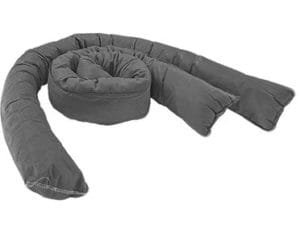
### **What Are General Purpose Absorbent Booms & Socks?**
General purpose absorbent booms and socks — also known as universal absorbent socks, maintenance absorbent barriers, all‑liquid absorbent socks, or industrial spill containment socks — are flexible tubular absorbents designed to contain and control everyday liquid spills. They absorb oils, coolants, water, paints and general workshop fluids, making them ideal for isolating spill zones, surrounding leaking machinery, and preventing liquids from spreading across floors in workshops, warehouses and industrial sites.
- **Rapid Spill Containment:** Prevents spills from reaching walkways, drains or sensitive areas.
- **General Purpose Absorbency:** Handles oils, paints, degreasers, fuels, and water-based liquids.
- **Durable Outer Sleeve:** Tough, non-allergenic polypropylene resists tearing and fraying.
- **Compact Design:** 1.2m length is easy to store, transport and position quickly.
- **Perfect for Work Zones:** Use around leaking drums, equipment, or as part of a spill response plan.
### Specifications
- **Length:** 1.2 metres
- **Diameter:** Approx. 7.5cm
- **Absorbent Type:** General Purpose
- **Outer Material:** Polypropylene
- **Use With:** Oils, coolants, paints, degreasers, mild chemicals
### Related Products
- [General Purpose Boom – 3m](https://spillmaster.com.au/product/general-purpose-boom-3m/)
- [General Purpose Spill Kit – 120L](https://spillmaster.com.au/product/general-purpose-spill-kit-120l/)
- [General Purpose Absorbent Pads](https://spillmaster.com.au/product/general-purpose-absorbent-pads/)
Need help staying compliant with spill response requirements? Visit [Safe Work Australia – Spill Management Guidelines](https://www.safework.nsw.gov.au/safety-starts-here/safety-support/managing-risk-in-the-workplace#:~:text=Thereisahierarchyofcontrolsyoucan,bedecideduponinconsultationwithyourworkers.).
## FAQ
### What is the General Purpose Boom 1.2m used for?
This boom is designed for containing everyday industrial spills before they spread. It is ideal around machinery, under racking, along doorways, and around warehouse walls.
### What liquids does this boom absorb?
It absorbs oils, coolants, paints, degreasers, fuels, and other non‑aggressive liquids commonly found in workshops and industrial environments.
### What is the boom made from?
The boom features a durable polypropylene outer sleeve with a general‑purpose absorbent fill designed to wick and retain liquids quickly.
### Where is this boom commonly used?
Common applications include workshops, warehouses, mechanical bays, loading docks, and spill response kits.
### Is the boom easy to deploy?
Yes. Its compact 1.2m length makes it easy to store, transport, and position quickly around equipment or spill zones.
### Does the boom help with WHS compliance?
Yes. Using appropriate absorbents helps manage site hazards and supports compliance with Australian workplace safety regulations.
**Product categories:** Absorbent Booms
---
### [Oil & Fuel Absorbent Boom 1.2m](https://spillmaster.com.au/product/oil-fuel-absorbent-boom-1-2m/)
**Published:** June 7, 2020
**Author:** admin
**Excerpt:** Spillmaster’s Oil Spill Boom 1.2m quickly contains oil and fuel spills. Perfect for Australia’s marinas and workshops, its hydrophobic fill targets hydrocarbons. The white color shows saturation for easy checks. Durable and portable, it’s built to perform. Contact us for pricing—stock’s ready nationwide! Order now for spill safety, minimum one boom.
**Content:**
**Oil & Fuel Absorbent Boom 1.2m – Top Spill Containment**
Spillmaster’s Oil Spill Boom 1.2m tackles hydrocarbon spills with precision. This Australian-made boom absorbs oils, fuels, and solvents in marine and land settings. For example, its poly spun-bonded layer delivers high absorbency. Meanwhile, the hydrophobic fill targets oil and floats on water. Therefore, Sydney marinas trap fuel spills fast. In Perth workshops, it stops machine leaks. Moreover, the white color shows saturation clearly. As a result, you act quickly. Contact us for pricing—stock’s ready! Learn safety at [Safe Work Australia](https://www.safework.nsw.gov.au/safety-starts-here/safety-support/managing-risk-in-the-workplace#:~:text=Thereisahierarchyofcontrolsyoucan,bedecideduponinconsultationwithyourworkers.) for extra tips.

### **What Are Oil & Fuel Absorbent Booms & Socks?**
Oil and fuel absorbent booms and socks — also known as hydrophobic absorbent socks, oil‑only booms, hydrocarbon absorbent barriers, or marine spill containment socks — are specialised tubular absorbents designed to absorb oils, fuels, diesel and other hydrocarbons while repelling water. Their hydrophobic construction makes them ideal for containing and controlling oil spills on wet surfaces, around machinery, near drains, and in marine or outdoor environments where selective oil‑only absorption is required.
**Why Choose Oil Spill Boom Australia**
Sites love this gear. First, the Oil Spill Boom blocks oil spills fast. Its hydrophobic design stops fuel leaks. For instance, it fits Perth marinas. Also, it suits Brisbane docks. Since it’s durable, it’s safe for workshops. Further, it resists tears. Thus, it lasts long. So, browse our [Spill Kits](https://spillmaster.com.au/product-category/spill-kits/). Shop now in Sydney, Adelaide, Melbourne!
**Oil Spill Boom 1.2m Specs**
The Oil Spill Boom uses poly spun-bonded fabric. Units come in packs for easy storage. Features include high absorbency, hydrophobic fill, white color. Also, it’s Australian-made for quality. Hence, it’s great for spills and leaks.
**How It Boosts Protection**
Safety rises with this boom. Why? The Oil Spill Boom contains spills fast. For example, use it in Adelaide marinas. It traps fuel leaks. Next, it stops oil in Perth rivers. Also, its design guards Sydney workshops. It protects Brisbane docks too. Further, it’s easy to deploy. Plus, it stays tough. So, it covers well. As a result, Spillmaster keeps sites safe nationwide!
**Where It Thrives**
Marinas in Melbourne pick this boom. Why? It’s reliable. Also, Sydney workshops trust it. Further, it lasts in Perth docks. It fits Adelaide tasks. For instance, the Oil Spill Boom handles fuel spills. It’s a top choice in Brisbane. Hence, it beats competitors every time!
**Shop Now**
Buy the Oil & Fuel Absorbent Boom 1.2m today. Stock’s ready in Brisbane, Sydney, Perth, Adelaide, Melbourne. For example, grab a pack. It’s fast. Contact us for pricing. Add [Personal Protection Equipment](https://spillmaster.com.au/product-category/personal-protection-equipment/) or Spill Kits. Then, stay safe with Australia’s best!
## FAQ
### What is the Oil & Fuel Absorbent Boom 1.2m used for?
This boom is designed for containing and absorbing oil, fuel, diesel, and other hydrocarbons. It is ideal for workshops, marinas, industrial sites, and spill response situations.
### Is the boom hydrophobic?
Yes. It repels water and only absorbs hydrocarbons, making it suitable for marine and outdoor spill control.
### What is the boom made from?
The boom features a durable outer casing with polypropylene absorbent fill that quickly traps and retains oil and fuel.
### Where is this boom commonly used?
Common applications include marinas, workshops, mechanical bays, fuel transfer areas, and industrial spill response kits.
### Is the boom easy to deploy?
Yes. It is lightweight, flexible, and forms tight containment barriers around spills, drains, machinery, and equipment.
### Does the boom help with WHS compliance?
Yes. Using appropriate absorbents helps manage site hazards and supports compliance with Australian workplace safety regulations.
**Product categories:** Absorbent Booms
---
### [Hazchem Absorbent Boom 1.2m](https://spillmaster.com.au/product/hazchem-absorbent-boom-1-2m/)
**Published:** June 7, 2020
**Author:** admin
**Excerpt:** Chemical-Hazchem Absorbent Boom 1.2m traps acids and oils fast. Spillmaster crafts it tough with poly fill—great for shops. It’s portable. Buy now in Perth, Adelaide!
**Content:**
##### Chemical-Hazchem Absorbent Boom 1.2m – Top Spill Barrier
Hazchem Boom stops chemical spills fast across Australia. For example, Spillmaster builds this 1.2m boom to soak acids, bases, oils, and solvents. It fits Melbourne shops. Plus, it works in Perth storage. Its poly fill grabs liquids tight. Consequently, it suits Brisbane plants. Because its yellow color pops, it shines in Sydney labs. Moreover, it’s ideal for Adelaide factories. However, it’s not just tough. Instead, it’s Aussie-made. Thus, quality is top-notch. As a result, crews choose this Chemical-Hazchem Absorbent Boom for spill control. Shop now for $19.90! Stock’s ready in Australia. Learn spill safety at Safe Work Australia.

### **What Are Hazchem Absorbent Booms & Socks?**
Hazchem absorbent booms and socks — also known as chemical absorbent socks, hazardous liquid absorbent booms, acid and alkali absorbent barriers, or chemical spill containment socks — are specialised tubular absorbents designed for containing and absorbing aggressive chemical spills. Made from chemical‑resistant materials, they are suitable for acids, bases, corrosives and unknown liquids. Hazchem booms and socks are used to isolate spill zones, prevent spread, and support WHS‑compliant response in laboratories, chemical storage areas, manufacturing plants and industrial sites.
##### Why Choose This Hazchem Boom Australia
Sites pick this gear. Firstly, Hazchem Boom grabs spills fast. Its poly fill traps solvents tight. For instance, it fits Perth shops. Plus, it suits Brisbane plants. Because it’s yellow, you spot it quick. Moreover, it’s EPA-compliant. Consequently, it cuts risks fast. Buy now in Sydney, Adelaide, Melbourne at $19.90!
##### Chemical-Hazchem Absorbent Boom Specs
Hazchem Boom offers a 1.2m length. A 3m option exists too. It uses a poly spun-bonded layer. Plus, poly particulate fill wicks fast. As a result, it’s tough for chemicals.
##### How It Boosts Spill Protection
Safety rises with this boom. Why? Because Hazchem Boom acts quick. For example, place it in Adelaide factories. Then, it traps oils. No leaks spread in Perth labs. Plus, its poly layer holds Sydney plants. It guards Brisbane shops too. Moreover, workers set it up easily. Additionally, it forms tight barriers. Thus, it protects well. As a result, Spillmaster keeps sites safe nationwide!
##### Where It Thrives
Shops in Melbourne love this boom. Why? Because it’s reliable. Plus, Sydney labs trust it. Moreover, it lasts in Perth plants. It holds up in Adelaide storage. For instance, this Hazchem Boom fits small jobs. At $19.90, it’s a steal in Brisbane. Therefore, it beats competitors every time!
##### Shop Now
Buy Chemical-Hazchem Absorbent Boom 1.2m today. It’s $19.90. Stock’s ready in Brisbane, Sydney, Perth, Adelaide, Melbourne. For example, grab one boom. It’s fast. Add [Disposable Coveralls](https://spillmaster.com.au/product-category/personal-protection-equipment/disposable-coveralls/). Then, contain spills with Australia’s best!
##### Risk Management That Works
Spillmaster products align with national safety guidelines. Managing workplace hazards is part of your WHS duty. [See Safe Work Australia’s risk guide](https://www.safework.nsw.gov.au/safety-starts-here/safety-support/managing-risk-in-the-workplace#:~:text=Thereisahierarchyofcontrolsyoucan,bedecideduponinconsultationwithyourworkers.).
## FAQ
### What is the Hazchem Absorbent Boom 1.2m used for?
This boom is designed for containing and absorbing hazardous chemical spills including acids, bases, solvents, and unknown liquids. It is ideal for laboratories, workshops, warehouses, and chemical storage areas.
### What liquids does this boom absorb?
It absorbs most aggressive and non‑aggressive liquids, making it suitable for emergency spill response and chemical handling environments.
### What is the boom made from?
The boom is constructed with a chemical‑resistant spun‑bond outer layer and poly particulate absorbent fill designed to wick and trap hazardous liquids quickly.
### Where is this boom commonly used?
Common applications include laboratories, chemical plants, workshops, industrial facilities, and spill response kits.
### Is the boom easy to deploy?
Yes. It is lightweight, flexible, and forms tight containment barriers around spills, drains, machinery, and storage areas.
### Does the boom help with WHS compliance?
Yes. Using appropriate Hazchem absorbents helps manage site hazards and supports compliance with Australian workplace safety regulations.
**Product categories:** Absorbent Booms
---
### [Disposable Polypropylene Coveralls](https://spillmaster.com.au/product/disposable-polypropylene-coveralls/)
**Published:** August 19, 2024
**Author:** Barry
**Excerpt:** Spillmaster's Disposable Polypropylene Coveralls provide lightweight and breathable protection against dust and dirt. Designed for comfort and safety in various industrial environments.
**Content:**
# Disposable Polypropylene Coveralls – Lightweight Protection for Various Tasks
Spillmaster’s Disposable Polypropylene Coveralls are designed to offer lightweight and breathable protection against dust and dirt. These coveralls are ideal for use in general maintenance, painting, and other tasks where protection and comfort are essential.
## Key Features
- Made from breathable polypropylene fabric for comfort
- Elasticated hood, wrists, waist, and ankles for a secure fit
- Front zipper for easy donning and doffing
- Lightweight design reduces heat stress during extended wear
- Available in multiple sizes to accommodate various users
## Applications
These coveralls are suitable for professionals in:
- General maintenance and cleaning
- Painting and decorating
- Light industrial work
- Non-hazardous material handling
## Compliant, Protective PPE
Proper protective clothing is essential in many Australian workplaces. For official guidance on selecting and using protective gear, visit [Safe Work Australia’s PPE guide](https://www.safework.nsw.gov.au/safety-starts-here/safety-support/managing-risk-in-the-workplace#:~:text=Thereisahierarchyofcontrolsyoucan,bedecideduponinconsultationwithyourworkers.).
## Need Assistance?
For more information or to find the right size, visit our [FAQs and contact page](https://spillmaster.com.au/frequently-asked-questions/).
## FAQ
### What are Disposable Polypropylene Coveralls used for?
These coveralls provide lightweight, breathable protection against dust, dirt, and non‑hazardous materials. They are ideal for general maintenance, cleaning, painting, and light industrial tasks.
### What material are the coveralls made from?
They are made from breathable polypropylene fabric designed to reduce heat stress while offering basic protective coverage.
### Do the coveralls have elasticated features?
Yes. They include elasticated hood, wrists, waist, and ankles to ensure a secure and comfortable fit during movement.
### Are these coveralls suitable for hazardous chemical protection?
No. These polypropylene coveralls are intended for dust and light dirt protection only. For chemical protection, Type 5/6 SMS coveralls are recommended.
### Where are these coveralls commonly used?
They are commonly used in maintenance work, painting, cleaning, light industrial environments, and non‑hazardous material handling.
### Are these coveralls compliant with Australian PPE guidelines?
Yes. They meet Australian workplace PPE expectations for low‑risk environments requiring dust and dirt protection.
**Product categories:** Disposable Coveralls
---
### [Disposable Coveralls SMS Type 5-6](https://spillmaster.com.au/product/disposable-coveralls-sms-type-5-6/)
**Published:** August 19, 2024
**Author:** Barry
**Excerpt:** Spillmaster's Disposable Coveralls SMS Type 5/6 provide breathable, durable protection against dust and light liquid splashes. Designed for comfort and safety in various industrial environments.
**Content:**
# Disposable Coveralls SMS Type 5/6 – Reliable Protection for Industrial Environments
Spillmaster’s Disposable Coveralls SMS Type 5/6 are designed to offer breathable and durable protection against hazardous dust particles and light liquid splashes. These coveralls are ideal for use in construction, manufacturing, and other industrial settings where safety and comfort are paramount.
## Key Features
- SMS fabric construction for breathability and durability
- Elasticated hood, wrists, waist, and ankles for a secure fit
- Front zipper with storm flap for added protection
- Lightweight design reduces heat stress during extended wear
- Available in multiple sizes to accommodate various users
## Applications
These coveralls are suitable for professionals in:
- Construction and demolition
- Manufacturing and assembly
- Maintenance and repair tasks
- General industrial operations
## Compliant, Protective PPE
Proper protective clothing is essential in many Australian workplaces. For official guidance on selecting and using protective gear, visit [Safe Work Australia’s PPE guide](https://www.safework.nsw.gov.au/safety-starts-here/safety-support/managing-risk-in-the-workplace#:~:text=Thereisahierarchyofcontrolsyoucan,bedecideduponinconsultationwithyourworkers.).
## Need Assistance?
For more information or to find the right size, visit our [FAQs and contact page](https://spillmaster.com.au/frequently-asked-questions/).
**Important reminder** for WHS managers, procurement officers, operations teams, directors, business owners and tradies — you can order **PPE near me** or across **Sydney, Melbourne, Brisbane, Perth, or Adelaide** anytime with our 24/7 online system. At Spillmaster, we make choosing the right PPE easy, giving you confidence that you’re buying **from an Australian company** at the **best price in the country**.
## FAQ
### What are Disposable Coveralls SMS Type 5/6 used for?
These coveralls provide breathable, durable protection against hazardous dust particles and light liquid splashes. They are ideal for construction, manufacturing, maintenance, and general industrial environments.
### What does SMS Type 5/6 mean?
SMS refers to a tri-layer fabric offering strength and breathability. Type 5/6 certification means the coveralls protect against airborne particulates (Type 5) and limited liquid splashes (Type 6).
### Do the coveralls have elasticated features?
Yes. They include elasticated hood, wrists, waist, and ankles to ensure a secure and comfortable fit.
### Are these coveralls lightweight?
Yes. The lightweight SMS fabric reduces heat stress during extended wear, improving comfort and mobility.
### Where are these coveralls commonly used?
They are commonly used in construction, demolition, manufacturing, assembly, maintenance, and general industrial operations.
### Are these coveralls compliant with Australian PPE standards?
Yes. They meet Australian workplace PPE requirements for protective clothing in environments with dust and light liquid exposure.
**Product brands:** Spillmaster
**Product categories:** Disposable Coveralls
---
### [Disposable Powder Free Gloves](https://spillmaster.com.au/product/disposable-powder-free-gloves/)
**Published:** August 18, 2024
**Author:** Barry
**Excerpt:** Disposable Powder Free Gloves keep hands safe for quick jobs. Because they’re tough, they block mess. Plus, they fit easy—great for cleaning or food prep. Thus, they suit tough tasks. Shop Spillmaster for these gloves!
**Content:**
##### Disposable Powder Free Gloves – Top Cost-Effective Protection
Disposable Powder Free Gloves shield hands for quick tasks. For example, their PVC/PU layers stop spills fast. Because Spillmaster crafts them tough, they suit cleaning or food jobs well. Plus, they stay comfy with a smooth inside. However, they’re not just cheap—rather, they grip great too. Thus, workers stay safe in hospitality or hairdressing.
**Why Choose Disposable Powder Free Gloves**
These gloves shine for smart reasons. Firstly, Disposable Powder Free Gloves carry HACCP certification—top safety. Since they’re latex-free, they suit all hands. Moreover, a beaded cuff stops rollback fast. Consequently, they fit easy for quick swaps.
- **Safe**: HACCP backs them, so you stay clean.
- **Comfy**: Smooth inside fits great—easy wear.
- **Grippy**: Holds tight, then you’re set fast.
##### How They Boost Safety
Safety jumps with these gloves. First, slip on Disposable Powder Free Gloves. Then, tackle mess with no slips. Because they’re double-layered, they stop punctures in food prep or maintenance. Additionally, they flex well for dexterity—perfect for cleaning or manufacturing. Therefore, they protect smartly. Meanwhile, check Safe Work Australia’s PPE Guide for tips. As a result, Spillmaster keeps you covered!
##### Where They Excel
These gloves thrive in light, messy jobs. For example, they grip great in hairdressing or home tasks. Since they’re tough, workers stay safe in hospitality or food manufacturing. Plus, Spillmaster’s design blends strength and ease—ambidextrous for quick use. Thus, they’re ideal for any job needing a cheap, clean fit.
##### Shop Now
Get Disposable Powder Free Gloves at Spillmaster today. Simply order 10 boxes minimum—100 gloves per box keep you safe fast. Next, enjoy quick shipping to your door—S to XL sizes fit all. For instance, pair them with [Disposable Coveralls](https://spillmaster.com.au/product-category/personal-protection-equipment/disposable-coveralls/) for full coverage. Otherwise, add [Spill Kits](https://spillmaster.com.au/product-category/spill-kits/) for spills. Then, boost safety now—Spillmaster delivers top cost-effective protection!
##### Compliant, Protective PPE
Proper protective clothing is essential in many Australian workplaces. For official guidance on selecting and using protective gear, visit [Safe Work Australia’s PPE guide](https://www.safework.nsw.gov.au/safety-starts-here/safety-support/managing-risk-in-the-workplace#:~:text=Thereisahierarchyofcontrolsyoucan,bedecideduponinconsultationwithyourworkers.).
**Product categories:** Disposable Gloves
---
### [Examination Gloves](https://spillmaster.com.au/product/examination-gloves/)
**Published:** August 18, 2024
**Author:** Barry
**Excerpt:** Spillmaster's Examination Gloves offer medical-grade protection with exceptional comfort and tactile sensitivity. Designed for healthcare professionals, laboratory technicians, and general hygiene applications.
**Content:**
# Examination Gloves – Reliable Protection for Medical and Hygiene Applications
Spillmaster’s Examination Gloves are designed to provide reliable, medical-grade protection for various applications. These gloves offer superior comfort and tactile sensitivity, making them ideal for healthcare professionals, laboratory technicians, and individuals requiring high hygiene standards.
Key Features
- Medical-grade material ensures high protection standards
- Powder-free design reduces the risk of allergic reactions
- Ambidextrous fit for convenience and ease of use
- Textured fingertips enhance grip and control
- Available in multiple sizes to ensure a proper fit
## Applications
These gloves are suitable for use in:
- Healthcare and medical examinations
- Laboratory and research settings
- Food handling and preparation
- General hygiene and cleaning tasks
## Compliant, Protective PPE
Proper hand protection is essential in many Australian workplaces. For official guidance on selecting and using protective gear, visit [Safe Work Australia’s PPE guide](https://www.safework.nsw.gov.au/safety-starts-here/safety-support/managing-risk-in-the-workplace#:~:text=Thereisahierarchyofcontrolsyoucan,bedecideduponinconsultationwithyourworkers.).
## Need Assistance?
For more information or to find the right size, visit our [FAQs and contact page](https://spillmaster.com.au/frequently-asked-questions/).
**Product categories:** Disposable Gloves
---
### [Latex Disposable Gloves](https://spillmaster.com.au/product/latex-disposable-gloves/)
**Published:** August 18, 2024
**Author:** Barry
**Excerpt:** Spillmaster's Latex Disposable Gloves provide durable and comfortable hand protection. Designed for various applications, including healthcare, cleaning, and food handling, these gloves ensure safety and hygiene in diverse environments.
**Content:**
# Latex Disposable Gloves – Reliable Protection for Various Applications
Spillmaster’s Latex Disposable Gloves are designed to offer reliable hand protection across multiple industries. Made from high-quality latex, these gloves provide a comfortable fit and excellent tactile sensitivity, making them ideal for tasks requiring precision.

## Key Features
- High-quality latex material for durability and comfort
- Powder-free to minimize contamination risks
- Ambidextrous design for convenience
- Beaded cuffs for added strength and easy donning
- Available in various sizes to ensure a proper fit
## Applications
These gloves are suitable for use in:
- Healthcare and medical examinations
- Cleaning and janitorial tasks
- Food preparation and handling
- Laboratory and research settings
- General hygiene and sanitation
## Compliant, Protective PPE
Proper hand protection is essential in many Australian workplaces. For official guidance on selecting and using protective gear, visit [Safe Work Australia’s PPE guide](https://www.safework.nsw.gov.au/safety-starts-here/safety-support/managing-risk-in-the-workplace#:~:text=Thereisahierarchyofcontrolsyoucan,bedecideduponinconsultationwithyourworkers.).
## Need Assistance?
For more information or to find the right size, visit our [FAQs and contact page](https://spillmaster.com.au/frequently-asked-questions/).
**Product categories:** Disposable Gloves
---
### [Black Nitrile Disposable Gloves](https://spillmaster.com.au/product/black-nitrile-disposable-gloves/)
**Published:** August 18, 2024
**Author:** Barry
**Excerpt:** Spillmaster’s Black Nitrile Disposable Gloves provide reliable protection against chemicals and punctures. Designed for comfort and durability, they're perfect for industrial, medical, and maintenance tasks.
**Content:**
# Black Nitrile Disposable Gloves – Reliable Protection for Demanding Tasks
Experience superior hand protection with Spillmaster’s Black Nitrile Disposable Gloves. Engineered for durability and comfort, these gloves are ideal for professionals in medical, maintenance, and industrial settings.
## Key Features
- Made from 100% high-quality nitrile for enhanced durability
- Powder-free and latex-free to reduce the risk of allergic reactions
- Textured fingertips for improved grip in wet and dry conditions
- Ambidextrous design for convenience and ease of use
- Compliant with Australian PPE standards
## Applications
Perfect for use in:
- Medical and healthcare settings
- Industrial manufacturing
- Maintenance and repair work
- Laboratory and research facilities
## Why Choose Black Nitrile Disposable Gloves?
These gloves provide the protection and comfort needed for demanding tasks. Their nitrile construction ensures resistance to chemicals and punctures, while the textured fingertips offer a secure grip.
## Compliance and Safety
Personal protective equipment like nitrile gloves is essential for workplace safety. For more information on PPE regulations and employer responsibilities, refer to the [Safe Work Australia PPE Guidelines](https://www.safework.nsw.gov.au/safety-starts-here/safety-support/managing-risk-in-the-workplace#:~:text=Thereisahierarchyofcontrolsyoucan,bedecideduponinconsultationwithyourworkers.).
## Need Assistance?
For more information or to find the right size, visit our [FAQs and contact page](https://spillmaster.com.au/frequently-asked-questions/).
## FAQ
### What are Black Nitrile Disposable Gloves used for?
These gloves are designed for medical, industrial, maintenance, and laboratory tasks where strong chemical and puncture resistance is required.
### Are these gloves latex-free?
Yes. They are made from 100% nitrile and contain no latex, making them suitable for users with latex allergies.
### Do the gloves have textured fingertips?
Yes. The textured fingertips provide improved grip in both wet and dry conditions.
### Are the gloves powder-free?
Yes. They are powder-free to reduce contamination risks and improve comfort during extended use.
### Where are these gloves commonly used?
They are widely used in healthcare, industrial manufacturing, maintenance work, and laboratory environments.
### Are these gloves compliant with Australian PPE standards?
Yes. They meet Australian PPE requirements for disposable protective gloves.
**Product categories:** Disposable Gloves
---
### [General Purpose Boom 3m](https://spillmaster.com.au/product/general-purpose-boom-3m/)
**Published:** June 7, 2020
**Author:** admin
**Excerpt:** Spillmaster’s General Purpose Boom 3m swiftly contains oil and fluid spills. Ideal for Australia’s workshops and warehouses, its absorbent fill traps leaks. The grey color shows saturation for easy checks. Durable and flexible, it’s ready anywhere. Contact us for pricing—stock’s available nationwide! Order now for spill safety.
**Content:**
Spillmaster’s General Purpose Boom creates a strong barrier for spills on hard surfaces. This Australian-made product absorbs oils, coolants, paints, and water-based fluids in workshops and warehouses. For example, its poly spun-bonded layer ensures high absorbency. Meanwhile, the organic cellulose fill traps liquids fast. Therefore, Melbourne factories contain drum leaks easily. In Brisbane sites, it stops spills from reaching drains. Moreover, the grey color shows saturation clearly. As a result, you act quickly. Contact us for pricing—stock’s ready! Learn safety at [Safe Work Australia](https://www.safework.nsw.gov.au/safety-starts-here/safety-support/managing-risk-in-the-workplace#:~:text=Thereisahierarchyofcontrolsyoucan,bedecideduponinconsultationwithyourworkers.) for extra tips.

### **What Are General Purpose Absorbent Booms & Socks?**
General purpose absorbent booms and socks — also known as universal absorbent socks, maintenance absorbent barriers, all‑liquid absorbent socks, or industrial spill containment socks — are flexible tubular absorbents designed to contain and control everyday liquid spills. They absorb oils, coolants, water, paints and general workshop fluids, making them ideal for isolating spill zones, surrounding leaking machinery, and preventing liquids from spreading across floors in workshops, warehouses and industrial sites.
**Why Choose General Purpose Boom Australia**
Sites love this gear. First, it absorbs oil and fluids fast. The spun-bonded layer stops leaks. For instance, it fits Perth workshops. Also, it suits Adelaide factories. Since it’s durable, it’s safe for maintenance tasks. Further, it resists tears. Thus, it lasts long. So, browse our [Spill Kits](https://spillmaster.com.au/product-category/spill-kits/). Shop now in Sydney, Adelaide, Melbourne!
**General Purpose Boom 3m Specs**
The boom uses poly spun-bonded fabric. Size is 75mm by 3m for easy handling. Features include organic cellulose fill, grey color, high absorbency. Also, it’s Australian-made for quality. Hence, it’s great for spills and leaks.
**How It Boosts Protection**
Safety rises with this boom. Why? It contains spills fast. For example, use it in Adelaide warehouses. It traps oil leaks. Next, it stops fluids in Perth factories. Also, the design guards Sydney workshops. It protects Brisbane sites too. Further, it’s easy to shape. Plus, it stays tough. So, it covers well. As a result, Spillmaster keeps sites safe nationwide!
**Where It Thrives**
Workshops in Melbourne pick this boom. Why? It’s reliable. Also, Sydney factories trust it. Further, it lasts in Perth warehouses. It fits Adelaide tasks. For instance, it handles coolant spills. It’s a top choice in Brisbane. Hence, it beats competitors every time!
**Shop Now**
Buy the General Purpose Boom 3m today. Stock’s ready in Brisbane, Sydney, Perth, Adelaide, Melbourne. For example, grab a pack. It’s fast. Contact us for pricing. Add [Personal Protection Equipment](https://spillmaster.com.au/product-category/personal-protection-equipment/) or Spill Kits. Then, stay safe with Australia’s best!
## FAQ
### What is the General Purpose Boom 3m used for?
This boom is designed for containing everyday industrial spills before they spread. Its 3‑metre length makes it ideal for larger spill zones, machinery perimeters, and warehouse containment.
### What liquids does this boom absorb?
It absorbs oils, coolants, paints, degreasers, fuels, and other non‑aggressive liquids commonly found in workshops and industrial environments.
### What is the boom made from?
The boom features a durable polypropylene outer sleeve with a general‑purpose absorbent fill designed to wick and retain liquids quickly.
### Where is this boom commonly used?
Common applications include workshops, warehouses, mechanical bays, loading docks, and spill response kits.
### Is the boom easy to deploy?
Yes. Its flexible 3m length allows it to wrap around equipment, line doorways, or create containment barriers along walkways.
### Does the boom help with WHS compliance?
Yes. Using appropriate absorbents helps manage site hazards and supports compliance with Australian workplace safety regulations.
**Product categories:** Absorbent Booms
---
### [Oil & Fuel Absorbent Boom 3m](https://spillmaster.com.au/product/oil-fuel-absorbent-boom/)
**Published:** June 7, 2020
**Author:** admin
**Excerpt:** Oil & Fuel Absorbent Boom 3m soaks oils and fuels fast. Spillmaster crafts it hydrophobic with poly fill—great for marinas. It floats. Buy now in Perth, Adelaide!
**Content:**
##### Oil & Fuel Absorbent Boom 3m – Top Spill Containment
Oil Boom tackles hydrocarbon spills fast across Australia. For example, Spillmaster builds this 3m boom to soak oils and fuels in marinas. It fits Melbourne docks. Plus, it works in Perth shops. Its poly fill targets liquids. Consequently, it suits Brisbane sites. Because it’s hydrophobic, it floats in Sydney waters. Moreover, it’s ideal for Adelaide plants. However, it’s not just strong. Instead, it’s Aussie-made. Thus, quality stands out. As a result, crews trust this Oil & Fuel Absorbent Boom for control. Buy now for $36.90—stock’s ready! Learn safety at Safe Work Australia.

### **What Are Oil & Fuel Absorbent Booms & Socks?**
Oil and fuel absorbent booms and socks — also known as hydrophobic absorbent socks, oil‑only booms, hydrocarbon absorbent barriers, or marine spill containment socks — are specialised tubular absorbents designed to absorb oils, fuels, diesel and other hydrocarbons while repelling water. Their hydrophobic construction makes them ideal for containing and controlling oil spills on wet surfaces, around machinery, near drains, and in marine or outdoor environments where selective oil‑only absorption is required.
##### Why Choose This Oil Boom Australia
Sites pick this gear. Firstly, Oil Boom grabs oils fast. Its poly fill traps fuels tight. For instance, it fits Perth marinas. Plus, it suits Brisbane shops. Because it’s white, saturation shows. Moreover, it’s hydrophobic. Consequently, it cuts spills quick. Buy now in Sydney, Adelaide, Melbourne at $36.90!
##### Oil & Fuel Absorbent Boom Specs
Oil Boom offers a 3m length. A 1.2m option exists too. It uses a poly spun-bonded layer. Plus, poly particulate fill soaks fast. As a result, it’s tough for hydrocarbons.
##### How It Boosts Protection
Safety rises with this boom. Why? Because Oil Boom acts quick. For example, place it in Adelaide docks to trap fuels. Then, it grabs oils in Perth waters. Plus, its poly layer guards Sydney plants. It protects Brisbane sites too. Moreover, it’s easy to set. Additionally, it forms tight barriers. Thus, it contains well. As a result, Spillmaster keeps sites safe nationwide!
##### Where It Thrives
Marinas in Melbourne choose this boom. Why? Because it’s reliable. Plus, Sydney docks trust it. Moreover, it lasts in Perth plants. It holds up in Adelaide shops. For instance, this Oil Boom fits tough jobs. At $36.90, it’s a steal in Brisbane. Therefore, it beats competitors every time!
##### Shop Now
Buy Oil & Fuel Absorbent Boom 3m today. It’s $36.90. Stock’s ready in Brisbane, Sydney, Perth, Adelaide, Melbourne. For example, grab one boom. It’s fast. Add [Disposable Coveralls](https://spillmaster.com.au/product-category/personal-protection-equipment/disposable-coveralls/). Then, contain spills with Australia’s best!
**Stay Compliant with WHS Regulations**
Maintaining fully stocked spill kits is part of workplace safety compliance. Having spare components on hand minimises downtime and supports your WHS risk management plan. [See Safe Work Australia’s risk management guide](https://www.safework.nsw.gov.au/safety-starts-here/safety-support/managing-risk-in-the-workplace#:~:text=Thereisahierarchyofcontrolsyoucan,bedecideduponinconsultationwithyourworkers.).
## FAQ
### What is the Oil & Fuel Absorbent Boom 3m used for?
This boom is designed for containing and absorbing oil, fuel, diesel, and other hydrocarbons. Its 3‑metre length makes it ideal for larger spill zones, bunding, and perimeter containment.
### Is the boom hydrophobic?
Yes. It repels water and only absorbs hydrocarbons, making it suitable for marine, outdoor, and wet‑weather spill control.
### What is the boom made from?
The boom features a durable outer casing with polypropylene absorbent fill that quickly traps and retains oil and fuel.
### Where is this boom commonly used?
Common applications include marinas, workshops, mechanical bays, fuel transfer areas, industrial sites, and spill response kits.
### Is the boom easy to deploy?
Yes. Its flexible 3m length allows it to wrap around machinery, line doorways, or create containment barriers along walkways and drains.
### Does the boom help with WHS compliance?
Yes. Using appropriate absorbents helps manage site hazards and supports compliance with Australian workplace safety regulations.
**Product categories:** Absorbent Booms
---
### [UltraGrip Latex Work Gloves](https://spillmaster.com.au/product/ultragrip-latex-work-gloves/)
**Published:** August 18, 2024
**Author:** Barry
**Excerpt:** Spillmaster's UltraGrip Latex Work Gloves provide durable grip and comfort for various applications, including construction, maintenance, and general industrial tasks.
**Content:**
# UltraGrip Latex Work Gloves – Reliable Grip and Comfort
Spillmaster’s UltraGrip Latex Work Gloves are designed to offer reliable grip and comfort for various industrial applications. These gloves feature a latex-coated palm for enhanced grip and a breathable back for all-day comfort.
UltraGrip Latex Work Gloves handling tough jobs!
## Key Features
- Latex-coated palm for superior grip in wet and dry conditions
- Breathable back to reduce hand fatigue during extended use
- Seamless knit design for flexibility and dexterity
- Elastic wrist for a secure fit and easy donning
- Available in multiple sizes to ensure a proper fit
## Applications
These gloves are suitable for use in:
- Construction and demolition
- Maintenance and repair tasks
- General industrial operations
- Material handling and assembly
## Compliant, Protective PPE
Proper hand protection is essential in many Australian workplaces. For official guidance on selecting and using protective gear, visit [Safe Work Australia’s PPE guide](https://www.safework.nsw.gov.au/safety-starts-here/safety-support/managing-risk-in-the-workplace#:~:text=Thereisahierarchyofcontrolsyoucan,bedecideduponinconsultationwithyourworkers.).
## Need Assistance?
For more information or to find the right size, visit our [FAQs and contact page](https://spillmaster.com.au/frequently-asked-questions/).
**Product categories:** Industrial Gloves
---
### [Hi Vis Glove Clip](https://spillmaster.com.au/product/hi-vis-glove-clip/)
**Published:** August 18, 2024
**Author:** Barry
**Excerpt:** Spillmaster's Shield Right Hi-Vis Glove Clip ensures gloves are always within reach. Designed with a safety breakaway and non-conductive material, it's ideal for various work environments.
**Content:**
# Hi-Vis Glove Clip – Keep Your Gloves Secure and Accessible
Spillmaster’s Hi Vis Glove Clip is designed to keep your gloves secure and within reach at all times. The high-visibility design ensures easy identification, while the safety breakaway feature prevents entanglement hazards.
See the Shield Right Hi Vis Glove Clip in action!
## Key Features
- High-visibility color for easy identification
- Safety breakaway feature to prevent entanglement
- Constructed from non-conductive, durable materials
- Compatible with various glove sizes and types
- Lightweight and easy to attach to belts, loops, or clothing
## Applications
This glove clip is suitable for use in:
- Construction and demolition sites
- Manufacturing and assembly lines
- Maintenance and repair tasks
- General industrial operations
## Compliant, Protective PPE
Proper PPE management is essential in many Australian workplaces. For official guidance on selecting and using protective gear, visit [Safe Work Australia’s PPE guide](https://www.safework.nsw.gov.au/safety-starts-here/safety-support/managing-risk-in-the-workplace#:~:text=Thereisahierarchyofcontrolsyoucan,bedecideduponinconsultationwithyourworkers.).
## Need Assistance?
For more information or to find the right accessories, visit our [FAQs and contact page](https://spillmaster.com.au/frequently-asked-questions/).
**Product categories:** Industrial Gloves
---
### [Leather Riggers Gloves](https://spillmaster.com.au/product/leather-riggers-gloves/)
**Published:** August 18, 2024
**Author:** Barry
**Excerpt:** Spillmaster's Leather Riggers Gloves provide durable and comfortable hand protection. Designed for demanding tasks in construction, mining, and general handling.
**Content:**
# Leather Riggers Gloves – Reliable Protection for Tough Jobs
Spillmaster’s Leather Riggers Gloves are crafted from high-quality leather to provide durable and comfortable hand protection. These gloves are ideal for heavy-duty tasks in construction, mining, and general handling work.
Leather Riggers Gloves handling tough jobs!
## Key Features
- High-quality leather construction for durability
- Comfortable fit for extended wear
- Excellent grip for handling tools and materials
- Suitable for various industrial applications
- Available in multiple sizes
## Applications
These gloves are perfect for professionals in:
- Construction and building
- Mining operations
- General material handling
- Maintenance and repair tasks
## Compliant, Protective PPE
Proper hand protection is essential in many Australian workplaces. For official guidance on selecting and using protective gear, visit [Safe Work Australia’s PPE guide](https://www.safework.nsw.gov.au/safety-starts-here/safety-support/managing-risk-in-the-workplace#:~:text=Thereisahierarchyofcontrolsyoucan,bedecideduponinconsultationwithyourworkers.).
## Need Assistance?
For more information or to find the right size, visit our [FAQs and contact page](https://spillmaster.com.au/frequently-asked-questions/).
**Product categories:** Industrial Gloves
---
### [Red PVC Single Dip Gloves 35cm and 45cm](https://spillmaster.com.au/product/gloves-2/)
**Published:** August 18, 2024
**Author:** Barry
**Excerpt:** Spillmaster’s Red PVC Single Dip Gloves are available in 35cm and 45cm lengths. Designed for durable protection from oils, acids, and industrial chemicals.
**Content:**
# Red PVC Single Dip Gloves – 35cm & 45cm Chemical Protection
Spillmaster’s Red PVC Single Dip Gloves are built for reliable chemical resistance and extended forearm protection. Available in both 35cm and 45cm lengths, these gloves are ideal for use in industrial environments where oils, acids, or other hazardous substances are handled regularly.

Red PVC Single Dip Gloves in action!
## Key Features
- Available in 35cm and 45cm glove lengths
- Single dip PVC coating for strong chemical resistance
- Soft cotton lining enhances comfort and reduces sweat
- Textured surface improves wet and dry grip
- Extended cuff for wrist and lower forearm protection
## Applications
These gloves are commonly used in:
- Oil and gas industry tasks
- Chemical processing and handling
- Industrial maintenance and cleaning
- Marine and agricultural environments
## Compliant, Protective PPE
Ensure safe chemical handling with certified PPE. For official guidance on workplace hand protection, visit [Safe Work Australia’s PPE guide](https://www.safework.nsw.gov.au/safety-starts-here/safety-support/managing-risk-in-the-workplace#:~:text=Thereisahierarchyofcontrolsyoucan,bedecideduponinconsultationwithyourworkers.).
## Need Help?
Still deciding between the 35cm and 45cm options? Visit our [FAQs and contact page](https://spillmaster.com.au/frequently-asked-questions/) for assistance.
**Product categories:** Industrial Gloves
---
### [Red PVC Single Dip Gloves](https://spillmaster.com.au/product/gloves/)
**Published:** August 18, 2024
**Author:** Barry
**Excerpt:** Spillmaster's Red PVC Single Dip Gloves provide chemical resistance and durability for various applications, including handling oils, acids, and general industrial tasks.
**Content:**
# Red PVC Single Dip Gloves – Reliable Chemical Protection
Spillmaster’s Red PVC Single Dip Gloves are designed to offer reliable chemical protection for various industrial applications. The PVC coating provides resistance against oils, acids, and other chemicals, while the cotton lining ensures comfort during extended use.

Red PVC Single Dip Gloves in action!
## Key Features
- Single dip PVC coating for chemical resistance
- Cotton lining for comfort and sweat absorption
- Textured surface for improved grip
- Extended cuff for added wrist protection
- Available in multiple sizes to ensure a proper fit
## Applications
These gloves are suitable for use in:
- Chemical handling and processing
- Oil and gas industry tasks
- Maintenance and cleaning operations
- General industrial work involving hazardous substances
## Compliant, Protective PPE
Proper hand protection is essential in many Australian workplaces. For official guidance on selecting and using protective gear, visit [Safe Work Australia’s PPE guide](https://www.safework.nsw.gov.au/safety-starts-here/safety-support/managing-risk-in-the-workplace#:~:text=Thereisahierarchyofcontrolsyoucan,bedecideduponinconsultationwithyourworkers.).
## Need Assistance?
For more information or to find the right size, visit our [FAQs and contact page](https://spillmaster.com.au/frequently-asked-questions/).
**Product categories:** Industrial Gloves
---
### [Premium Riggers Gloves](https://spillmaster.com.au/product/premium-riggers-gloves/)
**Published:** August 18, 2024
**Author:** Barry
**Excerpt:** Spillmaster's Premium Riggers Gloves provide durable hand protection with reinforced palms and knuckle guards. Designed for construction, mining, and heavy-duty tasks.
**Content:**
# Premium Riggers Gloves – Durable Hand Protection for Demanding Tasks
Spillmaster’s Premium Riggers Gloves are designed to offer durable hand protection for demanding tasks. Featuring reinforced palms and knuckle guards, these gloves are ideal for construction, mining, and heavy-duty applications.
Premium Riggers Gloves handling tough jobs!
## Key Features
- Reinforced palm and knuckle areas for enhanced protection
- Durable materials suitable for heavy-duty tasks
- Comfortable fit for extended wear
- Available in multiple sizes to ensure a proper fit
## Applications
These gloves are suitable for use in:
- Construction and demolition
- Mining and resource extraction
- Heavy-duty maintenance and repair tasks
- General industrial operations
## Compliant, Protective PPE
Proper hand protection is essential in many Australian workplaces. For official guidance on selecting and using protective gear, visit [Safe Work Australia’s PPE guide](https://www.safework.nsw.gov.au/safety-starts-here/safety-support/managing-risk-in-the-workplace#:~:text=Thereisahierarchyofcontrolsyoucan,bedecideduponinconsultationwithyourworkers.).
## Need Assistance?
For more information or to find the right size, visit our [FAQs and contact page](https://spillmaster.com.au/frequently-asked-questions/).
- **Durable Hand Protection with Reinforced Features:** Spillmaster’s Premium Riggers Gloves are crafted with reinforced palms and knuckle guards to provide robust protection suitable for demanding tasks.
- **Designed for Heavy-Duty and Industrial Applications:** These gloves are ideal for use in construction, mining, maintenance, and other industrial operations that require durable hand protection.
- **Comfort and Fit for Extended Use:** The gloves are designed to offer a comfortable fit with multiple sizing options, ensuring suitability for prolonged wear during demanding work.
- **Compliance and Safety Recommendations:** Proper hand protection as per Australian workplace safety standards is essential; manufacturers recommend consulting Safe Work Australia’s PPE guidance for compliance.
- **Additional Support and Sizing Assistance\*\*:** For further product information or to select the right size, customers can visit the FAQs and contact page provided by Spillmaster.
**Product categories:** Industrial Gloves
---
### [Polycotton Gloves with PVC Dots](https://spillmaster.com.au/product/polycotton-gloves-with-pvc-dots/)
**Published:** August 18, 2024
**Author:** Barry
**Excerpt:** Spillmaster's Polycotton Gloves with PVC Dots provide enhanced grip and comfort for various applications, including general handling, assembly, and light-duty tasks.
**Content:**
# Polycotton Gloves with PVC Dots – Enhanced Grip and Comfort
Spillmaster’s Polycotton Gloves with PVC Dots are designed to offer enhanced grip and comfort for various applications. The PVC dots on the palm and fingers provide improved grip, while the polycotton blend ensures breathability and flexibility.
Polycotton Gloves with PVC Dots ready for action!
## Key Features
- Polycotton blend for comfort and durability
- PVC dots on palm and fingers for enhanced grip
- Breathable and flexible design
- Elastic wrist cuff for a secure fit
- Available in multiple sizes to ensure a proper fit
## Applications
These gloves are suitable for use in:
- General handling and assembly
- Light-duty tasks in warehouses and workshops
- Maintenance and inspection work
- Gardening and landscaping
## Compliant, Protective PPE
Proper hand protection is essential in many Australian workplaces. For official guidance on selecting and using protective gear, visit [Safe Work Australia’s PPE guide](https://www.safework.nsw.gov.au/safety-starts-here/safety-support/managing-risk-in-the-workplace#:~:text=Thereisahierarchyofcontrolsyoucan,bedecideduponinconsultationwithyourworkers.).
## Need Assistance?
For more information or to find the right size, visit our [FAQs and contact page](https://spillmaster.com.au/frequently-asked-questions/).
**Product categories:** Industrial Gloves
---
### [Lightweight Polycotton Gloves](https://spillmaster.com.au/product/lightweight-polycotton-gloves/)
**Published:** August 18, 2024
**Author:** Barry
**Excerpt:** Spillmaster's Lightweight Polycotton Gloves provide breathable comfort and flexibility for various applications, including general handling, assembly, and light-duty tasks.
**Content:**
# Lightweight Polycotton Gloves – Comfortable and Flexible Hand Protection
Spillmaster’s Lightweight Polycotton Gloves are designed to offer breathable comfort and flexibility for various applications. Made from a cotton/polyester blend, these gloves are ideal for general handling, assembly, and light-duty tasks.
Lightweight Polycotton Gloves handling light tasks!
## Key Features
- Cotton/polyester blend for comfort and durability
- Lightweight and breathable design
- Seamless knit construction for flexibility
- Knit wrist cuff for a secure fit
- Available in multiple sizes to ensure a proper fit
## Applications
These gloves are suitable for use in:
- General handling and assembly
- Light-duty tasks in warehouses and workshops
- Maintenance and inspection work
- Gardening and landscaping
## Compliant, Protective PPE
Proper hand protection is essential in many Australian workplaces. For official guidance on selecting and using protective gear, visit [Safe Work Australia’s PPE guide](https://www.safework.nsw.gov.au/safety-starts-here/safety-support/managing-risk-in-the-workplace#:~:text=Thereisahierarchyofcontrolsyoucan,bedecideduponinconsultationwithyourworkers.).
## Need Assistance?
For more information or to find the right size, visit our [FAQs and contact page](https://spillmaster.com.au/frequently-asked-questions/).
**Product categories:** Industrial Gloves
---
### [HiVis Cut 5 Gloves](https://spillmaster.com.au/product/hivis-cut-5-gloves/)
**Published:** August 18, 2024
**Author:** Barry
**Excerpt:** HiVis Cut 5 Gloves keep you safe and seen. Because they’re bright, they boost visibility. Plus, they stop cuts—great for mining or construction. Thus, they suit tough jobs. Shop Spillmaster for these gloves!
**Content:**
##### HiVis Cut 5 Gloves – Top Visibility & Cut Protection
HiVis Cut 5 Gloves keep hands safe and visible. For example, their yellow shell shines bright in low light. Because Spillmaster rates them EN388:2016 4.X.4.3.D, they stop cuts well. Plus, they handle heat up to 100°C. However, they’re not just tough—rather, they grip great too. Thus, workers stay secure in mining or construction.

HiVis Cut 5 Gloves in action!
##### Why Choose HiVis Cut 5 Gloves
These gloves stand out for smart reasons. Firstly, HiVis Cut 5 Gloves boost visibility with a 13-gauge shell. Since they hit Cut Level D, they block sharp edges. Moreover, a nitrile palm grabs tight in wet spots. Consequently, they suit tough tasks.
- **Bright**: Yellow shell shines, so you’re seen.
- **Tough**: Cuts stop fast—great protection.
- **Grippy**: Nitrile holds tight, then you’re set.
##### How They Boost Safety
Safety climbs with these gloves. First, slip on HiVis Cut 5 Gloves. Then, tackle sharp stuff with no worry. Because they’re breathable, they keep hands cool all day. Additionally, touchscreen tips add handy use—perfect for security or metal work. Therefore, they guard well. Meanwhile, check Safe Work Australia’s PPE Guide for tips. As a result, Spillmaster keeps you safe!
##### Where They Shine
These gloves excel in tough spots. For example, they shine in oil and gas or glass handling. Since they’re comfy, workers stay cool in forestry or construction. Plus, Spillmaster’s design blends strength and ease. Thus, they’re ideal for any job needing cut protection.
##### Shop Now
Get HiVis Cut 5 Gloves at Spillmaster today. Simply order 120 pairs minimum—stay safe fast. Next, enjoy quick shipping to your door. For instance, pair them with [Disposable Coveralls](https://spillmaster.com.au/product-category/personal-protection-equipment/disposable-coveralls/) for full gear. Otherwise, add [Spill Kits](https://spillmaster.com.au/product-category/spill-kits/) for spills. Then, boost safety now—Spillmaster delivers top protection! Wash at 65°C and air dry for reuse.
**Stay Compliant with WHS**
Personal protective equipment plays a vital role in risk management. Where hazards can’t be removed, PPE is a legal requirement. [See Safe Work Australia’s official PPE guidance](https://www.safework.nsw.gov.au/safety-starts-here/safety-support/managing-risk-in-the-workplace#:~:text=Thereisahierarchyofcontrolsyoucan,bedecideduponinconsultationwithyourworkers.) to learn more.
**Product categories:** Industrial Gloves
---
### [EcoFlex PU Gloves](https://spillmaster.com.au/product/ecoflex-pu-gloves/)
**Published:** August 18, 2024
**Author:** Barry
**Excerpt:** Spillmaster's EcoFlex PU Gloves provide eco-friendly hand protection made from recycled materials. Featuring a PU-coated palm for excellent grip and dexterity, these gloves are perfect for precision tasks in construction, assembly, and general handling.
**Content:**
# EcoFlex PU Gloves – Sustainable Protection for Precision Work
Spillmaster’s EcoFlex PU Gloves are designed for professionals seeking both performance and environmental responsibility. Made from recycled materials, these gloves offer excellent grip and dexterity for precision tasks across various industries.
EcoFlex PU Gloves handling precision tasks!
## Key Features
- Constructed from recycled polyester for eco-friendly performance
- Polyurethane-coated palm provides superior grip and flexibility
- Lightweight and breathable design reduces hand fatigue
- Touchscreen compatible fingertips for device use without removal
- Available in multiple sizes to ensure a comfortable fit
## Applications
Ideal for professionals in:
- Construction and building
- Assembly and manufacturing
- Automotive maintenance
- General material handling
## Compliant, Protective PPE
Proper hand protection is essential in many Australian workplaces. For official guidance on selecting and using protective gear, visit [Safe Work Australia’s PPE guide](https://www.safework.nsw.gov.au/safety-starts-here/safety-support/managing-risk-in-the-workplace#:~:text=Thereisahierarchyofcontrolsyoucan,bedecideduponinconsultationwithyourworkers.).
## Need Assistance?
For more information or to find the right size, visit our [FAQs and contact page](https://spillmaster.com.au/frequently-asked-questions/).
## FAQ
### What are EcoFlex PU Gloves used for?
These gloves are designed for precision handling, assembly work, inspection tasks, and general light‑industrial applications where dexterity and grip are essential.
### What is a PU-coated palm?
The polyurethane (PU) coating provides excellent grip and tactile sensitivity, making the gloves ideal for fine motor tasks and detailed work.
### Are these gloves eco-friendly?
Yes. EcoFlex gloves are made using recycled materials, offering a more sustainable option for everyday industrial use.
### What sizes are available?
These gloves are available in sizes Small, Medium, Large, XL, 2XL, and 3XL.
### Where are these gloves commonly used?
They are commonly used in assembly lines, electronics handling, warehousing, packaging, and general maintenance tasks.
### Are these gloves suitable for chemical protection?
No. PU gloves are designed for grip and dexterity, not chemical resistance. For chemical handling, nitrile gloves are recommended.
**Product categories:** Industrial Gloves
---
### [DuraFlex Sandy Nitrile Gloves](https://spillmaster.com.au/product/duraflex-sandy-nitrile-gloves/)
**Published:** August 18, 2024
**Author:** Barry
**Excerpt:** Spillmaster's DuraFlex Sandy Nitrile Gloves provide superior grip and durability. Designed for tough tasks in construction, automotive, and industrial environments, these gloves ensure safety and comfort throughout the workday.
**Content:**
# DuraFlex Sandy Nitrile Gloves – Superior Grip for Demanding Tasks
Spillmaster’s DuraFlex Sandy Nitrile Gloves are engineered to provide exceptional grip and durability. The sandy nitrile coating ensures a secure hold in wet, dry, and oily conditions, making them ideal for various industrial applications.
DuraFlex Sandy Nitrile Gloves in action!
## Key Features
- Sandy nitrile coating for enhanced grip and abrasion resistance
- 13-gauge nylon shell offers flexibility and breathability
- Excellent performance in wet, dry, and oily environments
- Comfortable fit for prolonged use
- Available in multiple sizes to suit different users
## Applications
These gloves are perfect for professionals in:
- Construction and building
- Automotive maintenance
- Industrial manufacturing
- General material handling
## Compliant, Protective PPE
Proper hand protection is essential in many Australian workplaces. For official guidance on selecting and using protective gear, visit [Safe Work Australia’s PPE guide](https://www.safework.nsw.gov.au/safety-starts-here/safety-support/managing-risk-in-the-workplace#:~:text=Thereisahierarchyofcontrolsyoucan,bedecideduponinconsultationwithyourworkers.).
## Need Assistance?
For more information or to find the right size, visit our [FAQs and contact page](https://spillmaster.com.au/frequently-asked-questions/).
## FAQ
### What are DuraFlex Sandy Nitrile Gloves used for?
These gloves are designed for general handling, warehousing, construction, and industrial tasks requiring strong grip and durability.
### What is a sandy nitrile coating?
The sandy nitrile finish provides enhanced grip in wet, oily, and dry conditions, making them ideal for high-contact handling work.
### Are these gloves breathable?
Yes. The DuraFlex backing offers breathability and comfort during extended use.
### What sizes are available?
These gloves are available in sizes Small, Medium, Large, XL, 2XL, and 3XL.
### Where are these gloves commonly used?
They are commonly used in logistics, construction, maintenance, warehousing, and general industrial applications.
### Are these gloves suitable for chemical protection?
They offer abrasion resistance and grip but are not rated for hazardous chemical handling. For chemical protection, nitrile or neoprene gloves are recommended.
**Product categories:** Industrial Gloves
---
### [HiVis Sandy Nitrile Gloves](https://spillmaster.com.au/product/hivis-sandy-nitrile-gloves/)
**Published:** August 18, 2024
**Author:** Barry
**Excerpt:** DuraFlex HiVis Sandy Nitrile Gloves grip tight in wet spots. Because they’re bright, they keep you seen. Plus, they resist oil—great for construction or mining. Thus, they suit tough jobs. Shop Spillmaster for these gloves!
**Content:**
# HiVis Sandy Nitrile Gloves – Enhanced Protection and Visibility
Spillmaster’s DuraFlex HiVis Sandy Nitrile Gloves are designed to offer superior cut resistance and high visibility for demanding work environments. These gloves provide a secure grip and comfort, making them ideal for construction, manufacturing, and industrial tasks.

DuraFlex HiVis Sandy Nitrile Gloves handling tough jobs!
## Key Features
- Hi-visibility design for increased safety
- Sandy nitrile coating for enhanced grip in wet and dry conditions
- Cut-resistant material for added protection
- Breathable back for comfort during extended use
- Available in various sizes to ensure a proper fit
## Applications
These gloves are suitable for use in:
- Construction and demolition
- Manufacturing and assembly
- Maintenance and repair tasks
- General industrial operations
## Compliant, Protective PPE
Proper hand protection is essential in many Australian workplaces. For official guidance on selecting and using protective gear, visit [Safe Work Australia’s PPE guide](https://www.safework.nsw.gov.au/safety-starts-here/safety-support/managing-risk-in-the-workplace#:~:text=Thereisahierarchyofcontrolsyoucan,bedecideduponinconsultationwithyourworkers.).
## Need Assistance?
For more information or to find the right size, visit our [FAQs and contact page](https://spillmaster.com.au/frequently-asked-questions/).
**Important reminder** for WHS managers, procurement officers, operations teams, directors, business owners and tradies — you can order **PPE near me** or across **Sydney, Melbourne, Brisbane, Perth, or Adelaide** anytime with our 24/7 online system. At Spillmaster, we make choosing the right PPE easy, giving you confidence that you’re buying **from an Australian company** at the **best price in the country**.
## FAQ
### What are HiVis Sandy Nitrile Gloves used for?
These gloves are designed for general industrial handling, construction, warehousing, and tasks requiring strong grip and high visibility.
### What is a sandy nitrile coating?
The sandy nitrile finish provides superior grip in wet, oily, and dry conditions, making them ideal for high‑contact handling work.
### Are these gloves high‑visibility?
Yes. The HiVis backing improves visibility in low‑light and high‑traffic work areas, enhancing safety.
### What sizes are available?
These gloves are available in sizes Small, Medium, Large, XL, 2XL, and 3XL.
### Where are these gloves commonly used?
They are commonly used in construction, warehousing, logistics, maintenance, and general industrial applications.
### Are these gloves suitable for chemical protection?
They provide good grip and abrasion resistance but are not rated for hazardous chemical handling. For chemical protection, nitrile or neoprene gloves are recommended.
**Product categories:** Industrial Gloves
---
### [Cut 5 Resistant Gloves](https://spillmaster.com.au/product/cut-5-resistant-gloves/)
**Published:** August 18, 2024
**Author:** Barry
**Excerpt:** Spillmaster's Cut 5 Resistant Gloves provide exceptional cut protection with high dexterity and grip. Designed for demanding industrial environments, they ensure safety without compromising comfort.
**Content:**
# Cut 5 Resistant Gloves – Maximum Safety for Demanding Tasks
Looking for reliable hand protection? Spillmaster’s Cut 5 Resistant Gloves are built to handle sharp materials in tough industrial conditions. Rated Cut Level 5, these gloves offer the highest level of safety with exceptional comfort and grip for long wear.
Cut 5 Resistant Gloves in action!
## Key Features
- Certified Cut Level 5 protection for high-risk tasks
- Durable construction resists abrasion and punctures
- Textured palm for enhanced grip in wet or dry environments
- Snug, breathable fit for extended comfort
- Available in multiple sizes to suit different users
## Applications
These gloves are ideal for professionals in:
- Construction and demolition
- Metal and glass handling
- Industrial fabrication
- Heavy-duty maintenance tasks
## Compliant, Protective PPE
All Australian workplaces must manage hazards with appropriate PPE. For official guidance on selecting and using protective gear, visit [Safe Work Australia’s PPE guide](https://www.safework.nsw.gov.au/safety-starts-here/safety-support/managing-risk-in-the-workplace#:~:text=Thereisahierarchyofcontrolsyoucan,bedecideduponinconsultationwithyourworkers.).
## Need Help Choosing Gloves?
Still not sure if these are the right gloves for the job? Head to our [FAQs and contact page](https://spillmaster.com.au/frequently-asked-questions/) for support.
**Important reminder** for WHS managers, procurement officers, operations teams, directors, business owners and tradies — you can order **PPE near me** or across **Sydney, Melbourne, Brisbane, Perth, or Adelaide** anytime with our 24/7 online system. At Spillmaster, we make choosing the right PPE easy, giving you confidence that you’re buying **from an Australian company** at the **best price in the country**.
## FAQ
### What are Cut 5 Resistant Gloves used for?
These gloves are designed for handling sharp materials in high‑risk industrial environments. They provide maximum cut protection while maintaining dexterity and grip.
### What cut rating do these gloves have?
They are certified Cut Level 5, offering the highest level of cut resistance for demanding tasks.
### Do the gloves have a textured grip?
Yes. The textured palm enhances grip in both wet and dry conditions, improving handling safety.
### What sizes are available?
These gloves are available in sizes Small, Medium, Large, XL, and 2XL.
### Where are these gloves commonly used?
They are ideal for construction, metal and glass handling, fabrication, demolition, and heavy‑duty maintenance work.
### Are these gloves compliant with Australian PPE standards?
Yes. They meet Australian workplace PPE requirements for high‑risk cut‑hazard environments.
**Product categories:** Industrial Gloves
---
### [AquaGuard Waterproof Gloves](https://spillmaster.com.au/product/aquaguard-waterproof-gloves/)
**Published:** August 18, 2024
**Author:** Barry
**Excerpt:** AquaGuard Waterproof Gloves offer reliable protection against water and chemicals. Designed for comfort and durability, they're perfect for industrial, construction, and maintenance tasks.
**Content:**
# AquaGuard Waterproof Gloves – Reliable Waterproof PPE for Tough Conditions
Spillmaster’s AquaGuard Waterproof Gloves are engineered for workers who need protection in wet, dirty, or hazardous environments. These gloves combine waterproof protection with rugged durability and all-day comfort, making them ideal for demanding Australian worksites.
AquaGuard Waterproof Gloves ready for action!
## Key Features
- Waterproof coating keeps hands dry during wet and messy jobs
- Durable outer layer resists abrasion and light chemicals
- Non-slip grip for safe handling of tools, hoses, and materials
- Flexible, snug fit for maximum dexterity and comfort
- Available in multiple sizes for the perfect fit
## Where to Use AquaGuard Gloves
These gloves are suitable for construction sites, maintenance work, oil and gas operations, warehousing, and any wet or industrial task where dry, protected hands are essential.
## Meet Your PPE Obligations
Personal protective equipment like waterproof gloves is a vital part of workplace safety planning. For more on PPE regulations and employer responsibilities, refer to the [Safe Work Australia PPE Guidelines](https://www.safework.nsw.gov.au/safety-starts-here/safety-support/managing-risk-in-the-workplace#:~:text=Thereisahierarchyofcontrolsyoucan,bedecideduponinconsultationwithyourworkers.).
## Need Help Choosing the Right Gloves?
Not sure if these gloves suit your needs? Visit our [FAQs and contact page](https://spillmaster.com.au/frequently-asked-questions/) for personalised advice.
**Important reminder** for WHS managers, procurement officers, operations teams, directors, business owners and tradies — you can order **PPE near me** or across **Sydney, Melbourne, Brisbane, Perth, or Adelaide** anytime with our 24/7 online system. At Spillmaster, we make choosing the right PPE easy, giving you confidence that you’re buying **from an Australian company** at the **best price in the country**.
## FAQ
### What are AquaGuard Waterproof Gloves used for?
These gloves are designed for wet‑area handling, cleaning, maintenance, and general industrial tasks where waterproof protection is required.
### Are these gloves fully waterproof?
Yes. The AquaGuard coating provides complete waterproof protection for handling liquids, detergents, and wet materials.
### Do the gloves have a textured grip?
Yes. The palm and fingers feature a textured surface for improved grip in wet and slippery conditions.
### What sizes are available?
These gloves are available in sizes Small through 3XL, ensuring a comfortable fit for all users.
### Where are these gloves commonly used?
They are commonly used in cleaning, food handling, maintenance, marine environments, and general wet‑area work.
### Are these gloves suitable for chemical protection?
They provide splash resistance but are not rated for hazardous chemical handling. For chemical protection, nitrile gloves are recommended.
**Product categories:** Industrial Gloves
---
### [Vinyl Powder Free Gloves](https://spillmaster.com.au/product/vinyl-powder-free-gloves/)
**Published:** August 18, 2024
**Author:** Barry
**Excerpt:** Spillmaster's Vinyl Powder-Free Gloves provide latex-free, disposable hand protection. Designed for comfort and safety in various industrial environments.
**Content:**
# Vinyl Powder Free Gloves – Reliable Disposable Protection
Spillmaster’s Vinyl Powder Free Gloves are designed to offer reliable, latex-free hand protection for various applications. These disposable gloves provide comfort and tactile sensitivity, making them ideal for food handling, cleaning, and general hygiene tasks.
Vinyl Powder Free Gloves in action!
## Key Features
- Latex-free to reduce the risk of allergic reactions
- Powder-free design minimizes contamination
- Ambidextrous fit for convenience and ease of use
- Beaded cuffs enhance strength and prevent roll-down
- Available in multiple sizes to ensure a proper fit
## Applications
These gloves are suitable for use in:
- Food preparation and handling
- Cleaning and janitorial tasks
- General hygiene and sanitation
- Light industrial work
## Compliant, Protective PPE
Proper hand protection is essential in many Australian workplaces. For official guidance on selecting and using protective gear, visit [Safe Work Australia’s PPE guide](https://www.safework.nsw.gov.au/safety-starts-here/safety-support/managing-risk-in-the-workplace#:~:text=Thereisahierarchyofcontrolsyoucan,bedecideduponinconsultationwithyourworkers.).
## Need Assistance?
For more information or to find the right size, visit our [FAQs and contact page](https://spillmaster.com.au/frequently-asked-questions/).
**Product categories:** Disposable Gloves
---
## Categories
### [Safety & Compliance Insights](https://spillmaster.com.au/category/safety-compliance-insights/)
---
## Product categories
### [Spill Kits](https://spillmaster.com.au/product-category/spill-kits/)
**Description:** Shop spill kits for oil and fuel, general purpose, chemical, marine and biohazard spills, plus refill options. Australia-wide delivery from Spillmaster.
---
### [Oil and Fuel Spill Kits](https://spillmaster.com.au/product-category/spill-kits/oil-and-fuel-spill-kits/)
**Description:** Oil and fuel spill kits for fast cleanup of hydrocarbon spills. Hydrophobic absorbents and durable Australian-made kits for workshops and industrial sites.
---
### [General Purpose Spill Kits](https://spillmaster.com.au/product-category/spill-kits/general-purpose-spill-kits/)
**Description:** General purpose spill kits for fast cleanup of oils, fuels, coolants and everyday spills. Australian-made kits for workshops, warehouses and industrial sites.
---
### [Chemical Spill Kits (Hazchem)](https://spillmaster.com.au/product-category/spill-kits/hazchem-chemical-spill-kits/)
**Description:** Chemical spill kits for acids, alkalis and other hazardous liquids. Australian-made options for workplace chemical spill response.
---
### [Spill Control](https://spillmaster.com.au/product-category/spill-control/)
**Description:** Spill control and containment products including spill bunds, spill pallets, drain protection, barriers and custom containment solutions Australia-wide.
---
### [Collapsible Bunds](https://spillmaster.com.au/product-category/spill-control/collapsible-bunds/)
**Description:** Collapsible spill bunds for portable containment of leaks or spills from vehicles, machinery and equipment. Flexible, drive‑over bunding for fast spill control.
---
### [Aluminium Floor Bunding](https://spillmaster.com.au/product-category/spill-control/aluminium-floor-bunding/)
**Description:** Aluminium floor bunding for containing spills around storage and work areas." Low-profile design allows vehicle and pedestrian access. Australia-wide delivery.
---
### [Marine Spill Kits](https://spillmaster.com.au/product-category/spill-kits/marine-spill-kit/)
**Description:** Marine spill kits for fast cleanup of oil and fuel spills on boats, docks and marinas. Hydrophobic absorbents and durable kits for marine environments.
---
### [Spill Kit Components](https://spillmaster.com.au/product-category/spill-kit-components/)
**Description:** Spill kit components for refilling and customising spill kits. Absorbent pads, rolls, booms, floorsweep for oil, fuel, chemical and general spills.
---
### [Bio Hazard Spill Kits](https://spillmaster.com.au/product-category/spill-kits/bio-hazard-spill-kit/)
**Description:** Biohazard spill kits for blood, vomit and body-fluid cleanup. Compare single-use, premium, multi-use and cytotoxic spill kits for workplace response.
---
### [Tamper Tags](https://spillmaster.com.au/product-category/spill-kit-components/tamper-tags/)
**Description:** Tamper tags for sealing spill kits after inspection or restocking. Provides a clear visual indication when a spill kit has been opened and may need checking.
---
### [Contaminated Waste Bags](https://spillmaster.com.au/product-category/spill-kit-components/contaminated-waste-bags/)
**Description:** Contaminated waste bags for used absorbents, PPE, and spill cleanup materials. Suitable for spill kit restocking. Australia-wide delivery.
---
### [Dangerous Goods Storage](https://spillmaster.com.au/product-category/flammable-storage-cabinets/)
**Description:** Shop 30L, 100L, 160L and 250L flammable liquids storage cabinets, manufactured and designed to meet applicable AS 1940:2017 requirements.
---
### [PPE](https://spillmaster.com.au/product-category/personal-protection-equipment/)
**Description:** Personal Protective Equipment ensures safety in labs, workshops. Shop PPE at Spillmaster Australia-wide! Ideal for dust, spill protection in all industries.
---
### [Industrial Gloves](https://spillmaster.com.au/product-category/personal-protection-equipment/industrial-gloves/)
**Description:** Industrial Gloves shield hands, ensure grip. Shop Spillmaster’s Industrial Gloves Australia-wide! Ideal for farms, mines, shops in all industries.
---
### [Disposable Coveralls](https://spillmaster.com.au/product-category/personal-protection-equipment/disposable-coveralls/)
**Description:** Designed to provide reliable coverage during hazardous tasks, these coveralls are an essential part of any safety plan.
---
### [Spill Bunds](https://spillmaster.com.au/product-category/spill-control/spill-bunds/)
**Description:** Portable spill bunds for vehicles, machinery and equipment. Standard and custom sizes available for temporary spill containment and site applications.
---
### [Disposable Gloves](https://spillmaster.com.au/product-category/personal-protection-equipment/disposable-gloves/)
**Description:** Shop disposable gloves for workplace hygiene, cleaning and spill response. Explore Spillmaster's protective glove range with Australia-wide delivery.
---
### [Spill Pallets](https://spillmaster.com.au/product-category/spill-control/spill-pallets/)
**Description:** Spill pallets for secondary containment of drums and IBCs. Choose 2-drum, 4-drum, single IBC and double IBC containment options for Australian worksites.
---
### [Absorbent Booms](https://spillmaster.com.au/product-category/spill-kit-components/absorbent-booms/)
**Description:** Absorbent booms for containing and controlling spills. General purpose, oil and fuel, and hazchem booms in multiple lengths for fast industrial spill response.
---
### [Absorbent Pads](https://spillmaster.com.au/product-category/spill-kit-components/absorbent-pads/)
**Description:** Absorbent pads for fast spill cleanup. General purpose, oil and fuel, and hazchem pads for workshops, warehouses and industrial spill response.
---
### [Absorbent Rolls](https://spillmaster.com.au/product-category/spill-kit-components/absorbent-rolls/)
**Description:** Absorbent rolls for spill response and workplace cleanup. Available for oil and fuel, general purpose, and chemical applications. Australia-wide delivery.
---
### [Ground and Floor Sweeps](https://spillmaster.com.au/product-category/spill-kit-components/ground-and-floor-sweeps/)
**Description:** Ground and floor sweeps for fast spill absorption on concrete and hard surfaces. General purpose, hydrophobic, hazchem and industrial absorbent products.
---
### [Drain Protection](https://spillmaster.com.au/product-category/spill-control/drain-protection/)
**Description:** Drain protection products including Drain Wardens to help control sediment, hydrocarbons and debris around stormwater drains on industrial and commercial sites.
---
### [Spill & Flood Barriers](https://spillmaster.com.au/product-category/spill-control/spill-flood-barriers/)
**Description:** Spill and flood barriers for blocking and diverting water, sediment and contaminants. Includes silt socks, drain seals, flood pillows and water-filled booms.
---
### [Marine & Waterway Barriers](https://spillmaster.com.au/product-category/spill-control/marine-waterway-barriers/)
**Description:** Floating marine and waterway barriers for containing oil, fuel, debris and weeds. Durable booms for marinas, dams, lakes, harbours and environmental sites.
---
### [Spill Kit Refills](https://spillmaster.com.au/product-category/spill-kits/spill-kit-refills/)
**Description:** Spill kit refills for General Purpose, Oil & Fuel and Chemical/Hazchem kits. Replace used or missing components and keep compatible kits ready for use.
---
### [Fire Hose Reel Cover](https://spillmaster.com.au/product-category/spill-kit-components/fire-hose-reel-cover/)
**Description:** Fire hose reel covers for outdoor and exposed installations. Red PVC cover helps protect hose reels from weather, UV exposure and dust. Australia-wide delivery.
---
### [Absorbent Pillows](https://spillmaster.com.au/product-category/spill-kit-components/absorbent-pillows/)
**Description:** Absorbent pillows for leaks, drips and spills. Shop 45cm x 45cm general purpose, oil only and Hazchem pillows for industrial spill response.
---