PPE for Hazardous Material Cleanup

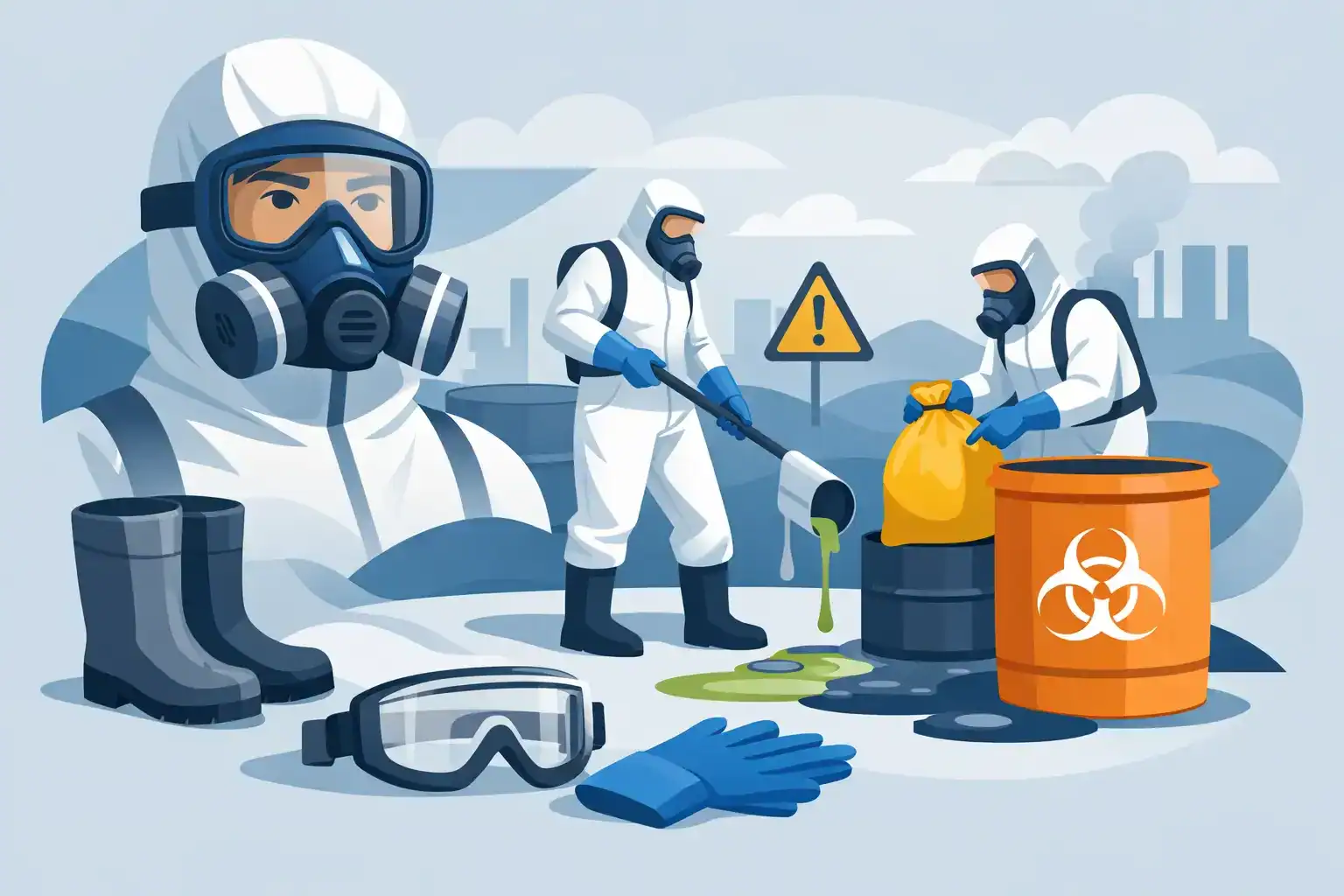
A spill response goes wrong faster than most sites expect. The absorbents might be on hand and the procedure might be documented, but if the person cleaning up is wearing the wrong gloves, poor eye protection or no respiratory protection at all, the risk shifts from the spill to the worker.
That is why ppe for hazardous material cleanup needs to be treated as part of the response plan, not an afterthought. The right PPE depends on what has spilled, how much has been released, where it has spread and what hazards are present during cleanup, including splash, vapour, skin contact and contaminated waste handling.
Why PPE for hazardous material cleanup is never one-size-fits-all
The phrase hazardous material covers a wide range of substances. Fuel, oils, acids, caustics, solvents, coolants, agricultural chemicals and mixed workshop waste can all require very different protection. A glove that performs well against hydrocarbons may not be suitable for a corrosive chemical. A disposable coverall may be adequate for light contamination, but not for high splash risk or unknown substances.
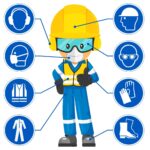
This is where many worksites make poor assumptions. They stock general-purpose PPE and expect it to cover every incident. In practice, proper selection starts with the safety data sheet, the site risk assessment and the spill response procedure. Those three inputs help determine whether the job calls for chemical-resistant gloves, splash goggles, a face shield, disposable protective clothing, chemical boots or respiratory protection.
There is also a practical trade-off. Higher levels of protection can reduce dexterity, visibility and comfort, especially in heat. That matters because cleanup work often involves bending, lifting, sealing waste bags and placing used absorbents into containers. PPE has to protect the worker without making the task unnecessarily difficult or creating a new hazard.
Start with the hazard, not the product
Before selecting any PPE, identify four things: the substance, the exposure route, the scale of the spill and the work environment. Those factors shape the level of protection required.
If the substance is known and the spill is minor, selection is more straightforward. For example, a small oil spill on a workshop floor may call for oil-resistant gloves, eye protection and protective footwear, particularly where slip risk is present. A corrosive liquid spill in a plant room is different. Splash-resistant eye and face protection, chemical gloves and protective clothing become much more important, and respiratory protection may be required if fumes are present.
Unknown substances should be treated more cautiously. If the material has not been identified, the safest option is usually to isolate the area and escalate to trained personnel rather than proceed with limited PPE and guesswork. Cleanup should not begin until the hazard is understood and the response level is clear.
The environment also matters. Indoor spills can concentrate vapours. Outdoor spills may involve runoff, drains, weather exposure and uneven ground. Confined or poorly ventilated spaces add complexity and often require a higher level of control than open areas.
Core PPE categories for hazardous spill response
Gloves
Gloves are usually the first item considered, and often the most misunderstood. Material compatibility matters more than thickness alone. Nitrile gloves are common for many oils, fuels and general chemicals, but they are not universal. Some aggressive chemicals require specialised glove materials with tested resistance data.
Double-gloving may be appropriate for certain tasks, especially where contamination during glove removal is a concern. Fit also matters. Oversized gloves reduce grip and increase the chance of mishandling contaminated waste or response equipment.
Eye and face protection
Safety glasses are not enough where there is a real splash risk. Chemical splash goggles provide a better seal around the eyes. If there is a possibility of forceful splashing, decanting, pressure release or reaction, a face shield may be needed over goggles. Face shields alone do not replace eye protection.
Protective clothing
For low-level exposure, disposable coveralls can help prevent clothing contamination and reduce cleanup after the incident. For more hazardous materials, chemical-resistant suits or aprons may be needed. The right choice depends on whether the risk is light contact, repeated splash or heavy contamination.
Disposable clothing is useful, but only if it is suited to the task. A basic coverall may protect against dust and nuisance contamination, yet offer limited defence against liquid chemical penetration. Buyers should check garment ratings rather than assume all disposable suits perform the same way.
Foot protection
Safety boots remain essential during spill response, but some incidents also require chemical-resistant overboots or gumboots, particularly where liquids may pool on the floor. Soles should also provide suitable slip resistance. That point is often overlooked during fuel, oil and coolant spills, where footing becomes part of the hazard profile.
Respiratory protection
Respiratory protection is where decision-making becomes more serious. If vapours, mists, fumes or airborne particulates are present, a respirator may be required, but only if it is correctly selected, fitted and used under a compliant respiratory protection program. Cartridge type, fit testing, maintenance and user training all matter.
Not every spill needs a respirator. Equally, some spills should not be approached without one. If the atmosphere is oxygen-deficient, highly toxic or otherwise immediately dangerous, standard site PPE is not enough and specialist emergency response controls are required.
Matching PPE to common cleanup scenarios
For hydrocarbon spills such as diesel, petrol and lubricants, workers often need chemical-resistant gloves, eye protection and slip-resistant footwear as a minimum. Where vapours build up, especially indoors, respiratory protection may need to be considered.
For acids and caustics, the focus shifts more heavily to splash protection. Goggles, face protection, chemical gloves and protective clothing become central, because even a small amount on skin or eyes can cause serious injury.
For mixed waste or unknown chemical spills, the sensible approach is caution first. General-purpose PPE may not be enough, and cleanup may need to be restricted until the substance is identified. This is where good site controls matter more than speed.
Biological contamination introduces another layer. Protection against liquid exposure is still important, but disposal methods, hygiene controls and decontamination steps need equal attention. PPE protects the worker during the incident, but poor doffing or waste handling can create a second exposure after the visible spill is gone.
PPE selection failures that create unnecessary risk
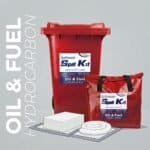
The most common mistake is relying on a single standard spill response kit for every substance on site. Spill kits are important, but the PPE packed with them needs to reflect the likely hazard class. A workshop handling fuels and oils will not have the same PPE requirements as a facility managing corrosives or solvent-based chemicals.
Another common issue is expired, damaged or poorly stored PPE. Gloves degrade. Face seals harden. Disposable suits tear in storage. If equipment sits in a hot container, under a bench or exposed to dust and sunlight, reliability drops.
Training is another weak point. Workers need to know what the PPE is for, how to inspect it, how to put it on and how to remove it without contaminating themselves. In many cases, the removal stage carries the highest contamination risk.
Compliance, documentation and procurement
From a compliance perspective, PPE selection should be documented and tied to the substances handled on site. That means aligning procurement with the chemical inventory, safety data sheets and response procedures rather than ordering generic PPE based on price alone.
Cost control still matters, of course. The practical approach is to standardise where it makes sense and specialise where it is necessary. Sites can usually streamline everyday items such as disposable gloves, coveralls and eye protection, while keeping task-specific chemical PPE available for higher-risk incidents.
For procurement teams, the best buying decisions usually come from narrowing the range to products that are fit for the actual hazards present. That avoids overbuying unsuitable stock and reduces the chance that workers reach for whatever is closest rather than what is correct. This is where a specialist supplier such as Spillmaster can add value, because category clarity helps buyers source PPE and spill response products that match operational use.
Build PPE into the spill plan, not beside it
PPE only works when it is integrated into the broader response system. The spill plan should identify likely materials, required PPE, escalation thresholds, isolation procedures, waste disposal methods and decontamination steps. If PPE sits in a separate cabinet with no link to the spill procedure, response quality becomes too dependent on individual judgement under pressure.
Regular review also matters. Sites change. New chemicals are introduced, waste streams shift and storage areas get repurposed. PPE requirements should be reviewed whenever those operational changes occur, not just during an annual compliance check.
A safe cleanup starts before the spill happens. When the right PPE is selected, stored properly and matched to the hazards on site, response becomes faster, safer and more defensible. That is the difference between simply having PPE on hand and being properly prepared to use it.