Showing all 25 results
Spill Kit Components & Absorbents
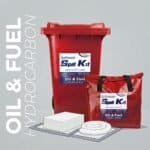
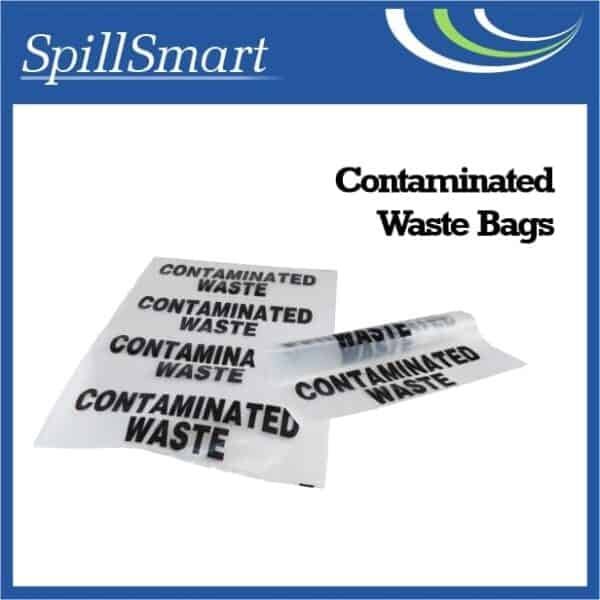
Spillmaster spill kit components can be used to restock spill kits after use or purchased individually for spill response and routine site requirements. The range includes absorbent pads, rolls, booms and pillows, ground and floor sweeps, contaminated waste bags, tamper tags and other practical spill response items.
▶ Read full specifications, compliance certificates & ordering info
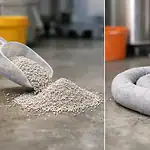
Choose components according to the liquids and hazards at your site and the job the product needs to perform. Pads and rolls can be useful for absorbing and wiping liquids, booms and pillows can help with larger spills or pooling, while floor sweeps provide a granular option for suitable surfaces. Waste bags and tamper tags support spill kit restocking and management.
Restocking & Maintaining Spill Kits
After a spill kit has been used, check what has been removed or contaminated and replace the required items before returning the kit to service. Components can also be purchased separately where additional absorbents or response materials are needed around a workplace. For complete replacement packs, see our spill kit refills.
Choose Components for the Spill Type
Different absorbents are intended for different liquids and applications. Check the individual product specifications and compatibility with the substance being managed before selection, particularly for fuels, oils, chemicals and other hazardous liquids.
Order Individual Components Online
Browse the component categories below and order individual spill response products online with delivery Australia-wide. If you are unsure which absorbent or replacement component suits your spill kit or application, contact Spillmaster for assistance.

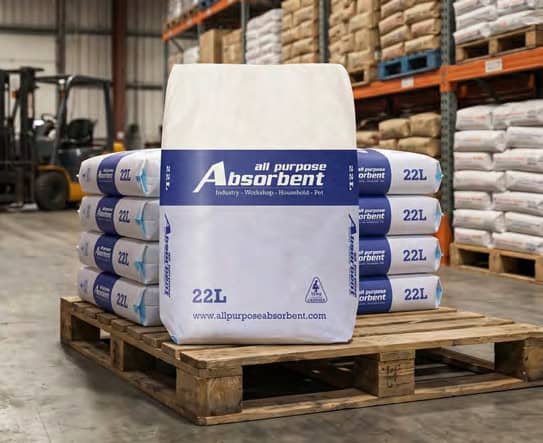
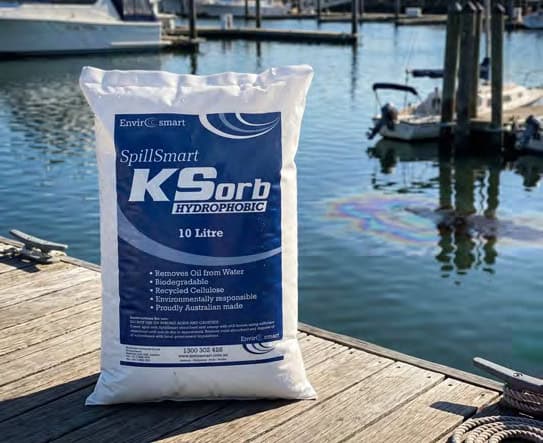
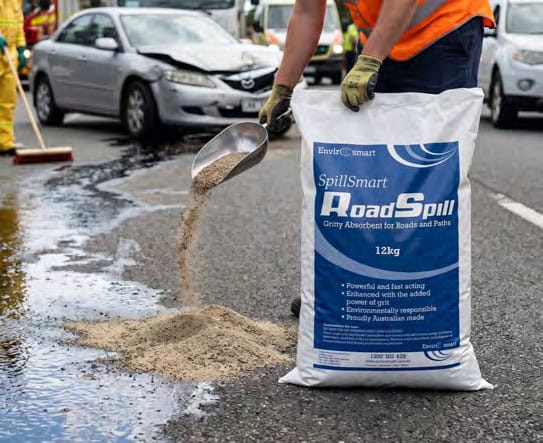

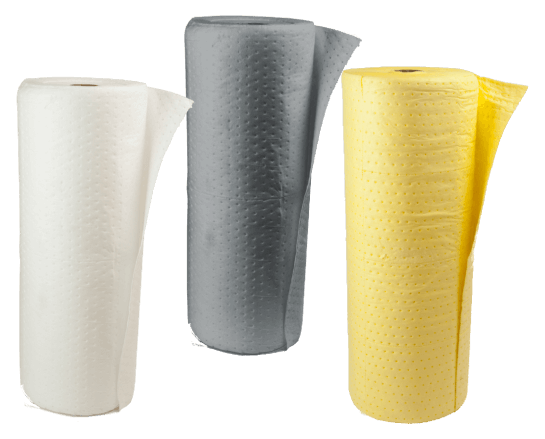
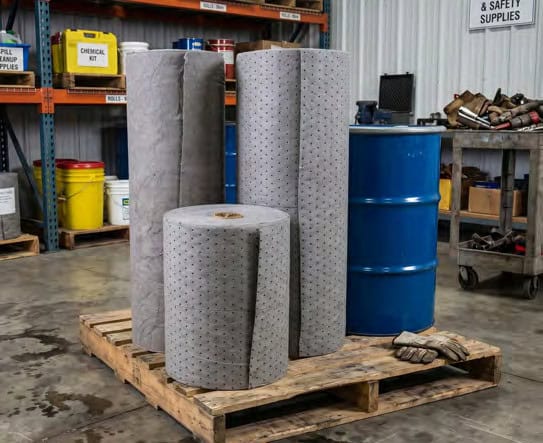
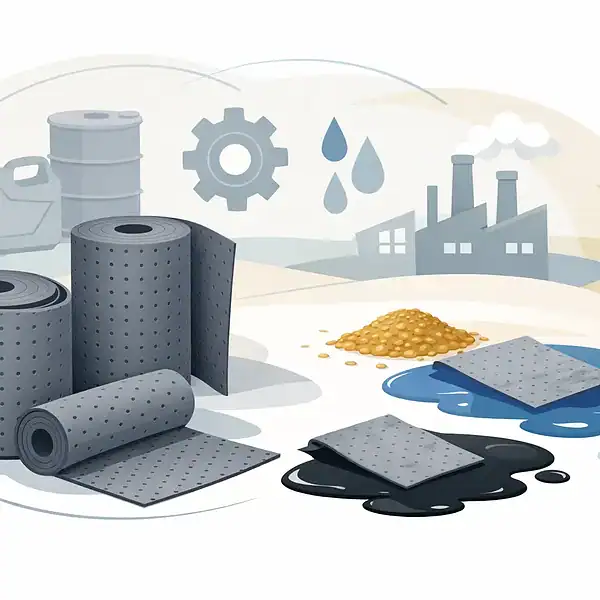
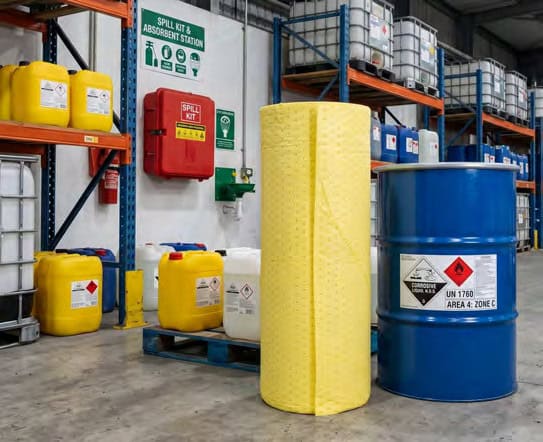



Spill Kit Components for Restocking & Spill Response
Spill kit components allow you to replace items used during a spill response, maintain existing spill kits or purchase individual absorbents and accessories for use around your site. Spillmaster supplies absorbent pads, rolls, booms and pillows, ground and floor sweeps, contaminated waste bags, tamper tags and other spill response products.
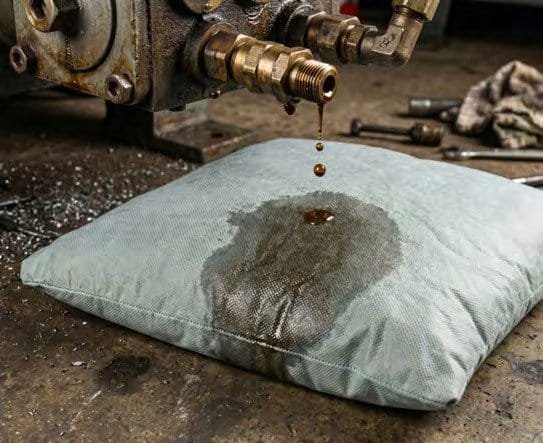
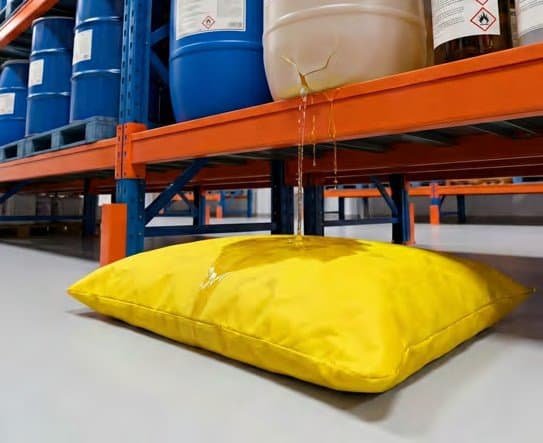
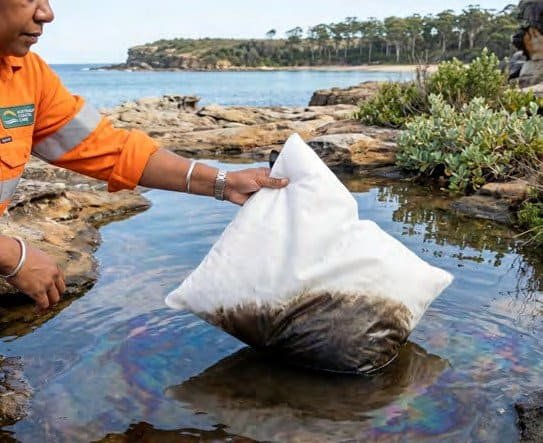
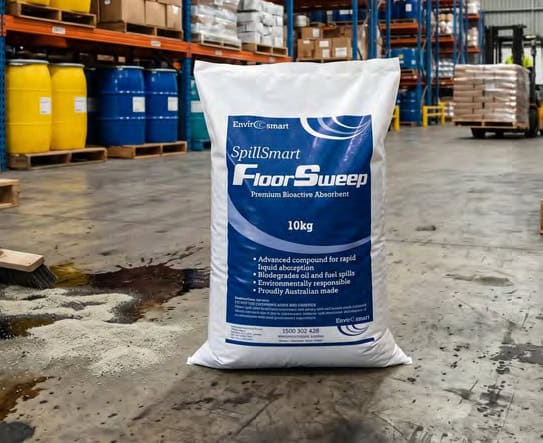
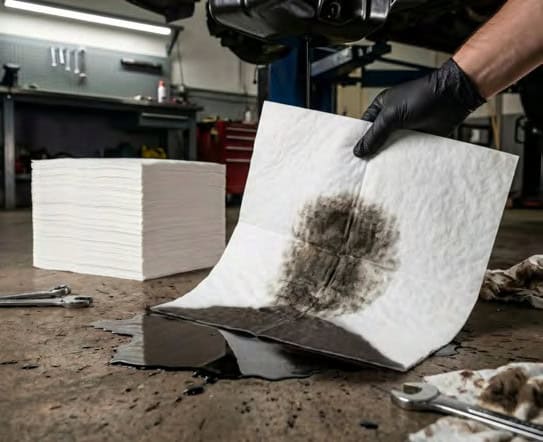
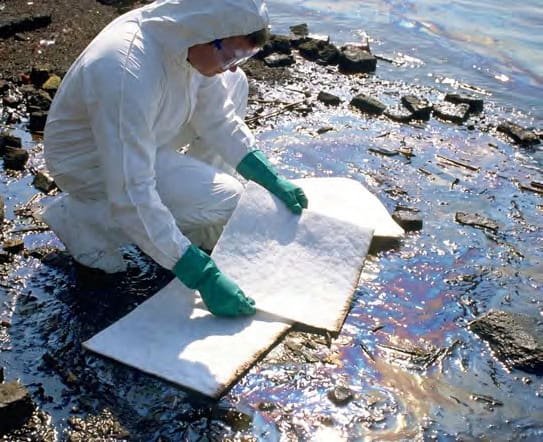
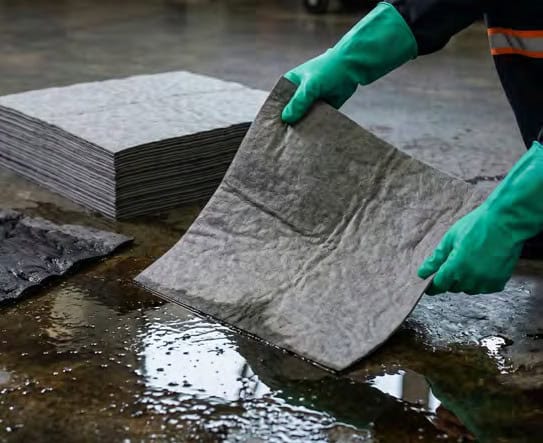
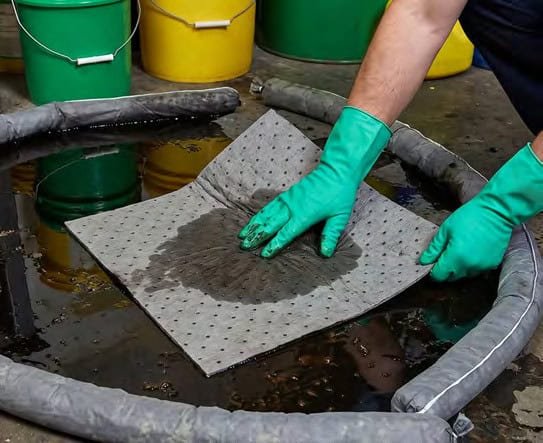
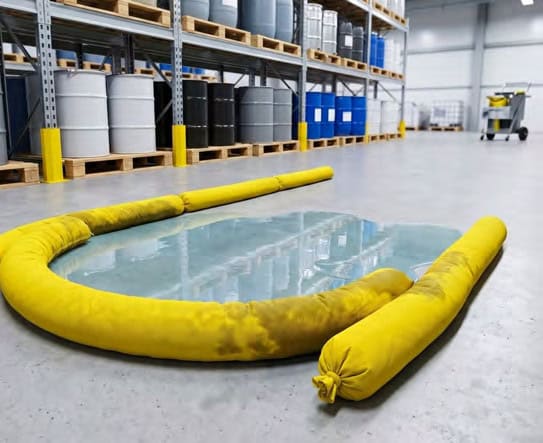
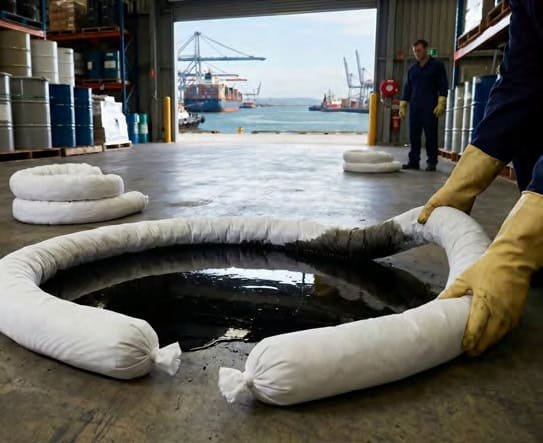
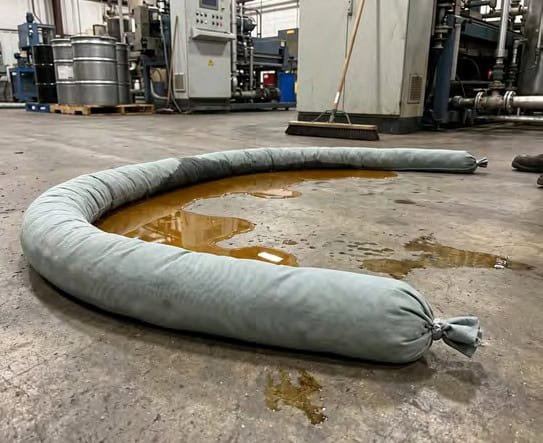
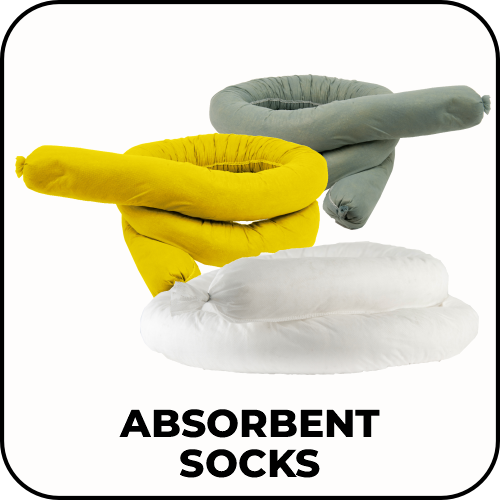
Different components perform different jobs. Pads and rolls provide flexible absorbent material for spills, leaks and wiping applications, while booms and pillows can be useful where liquid needs to be contained or absorbed over a concentrated area. Ground and floor sweeps provide another option for suitable hard-surface spills, while waste bags and tamper tags support cleanup and spill kit management.
Choosing the Right Absorbent Components
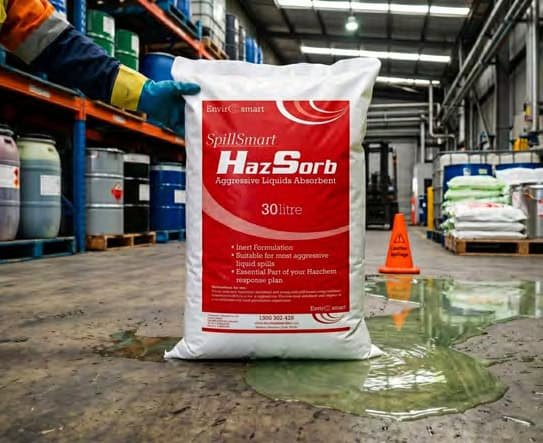
Start with the liquid you need to manage. General purpose, oil and fuel, and Hazchem absorbents are intended for different applications. Check the individual product specifications and suitability for the substance involved, particularly when dealing with chemicals or other hazardous liquids.
Also consider how the component will be used. Pads may suit smaller spills, wiping and placement beneath leaks; rolls provide absorbent material that can be cut or positioned across larger areas; booms can help surround or contain spreading liquid; and pillows can provide concentrated absorbency around leaks and pooling.
Restocking an Existing Spill Kit
After a spill kit has been used, inspect its contents and replace items that have been removed, used, contaminated or damaged before returning the kit to service. Individual components are useful when only particular items need replacing.
If you need to replace a larger portion of a kit rather than individual components, see our spill kit refills. You can also browse our complete spill kit range when a complete kit is required.
Spill Kit Components FAQs
What is the difference between general purpose, oil and fuel, and Hazchem absorbents?
They are intended for different spill types and applications. General purpose absorbents are commonly used for a range of workplace liquids, while oil and fuel absorbents are intended for hydrocarbon spills. Hazchem absorbents are intended for suitable chemical spill applications. Always check the individual product specifications and compatibility with the liquid involved before use.
Can I buy individual components instead of a complete spill kit refill?
Yes. Individual components are useful when you only need to replace particular items or want additional absorbents available around your workplace. For more extensive restocking, a complete spill kit refill may be more convenient.
Should I choose absorbent pads, rolls, booms or pillows?
The choice depends on the spill and how the absorbent will be used. Pads can suit smaller spills and wiping, rolls can cover larger areas, booms can help contain spreading liquid, and pillows can provide concentrated absorbency around leaks or pooled liquid. Check the specifications of the individual product before selection.
How should used absorbents be disposed of?
Disposal requirements depend on what the absorbent has collected and the applicable waste requirements at your location. Used absorbents should be handled according to the substance involved, your site procedures and relevant waste-disposal requirements. Seek specialist advice where the waste classification or disposal method is uncertain.
When should spill kit components be checked or replaced?
Spill kit contents should be checked as part of your site's spill-response and inspection procedures and after a kit has been used. Replace components that are missing, used, contaminated, damaged or otherwise unsuitable for continued use.