Showing all 6 results
Oil & Fuel Spill Kits
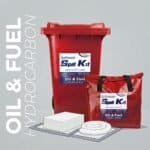
Spillmaster Oil & Fuel Spill Kits are designed for spills involving hydrocarbons such as diesel, petrol, lubricating oils and hydraulic oils. They use water-repellent absorbents intended for hydrocarbons, making them useful in workshops, transport areas, refuelling locations and outdoor workplaces where water may also be present.
▶ Read product selection, refill & ordering information
Available in 15L, 30L, 50L, 80L, 120L and 240L sizes, the range supports spill response across vehicles, workshops, refuelling areas, depots and industrial sites. Select a kit according to the liquids present, the reasonably foreseeable spill and the conditions at your site. Check the individual product page for the exact contents and specifications supplied with each kit.
Oil & Fuel Spill Response and Preparedness
Suitable refill packs and replacement absorbents are available for maintaining and restocking Oil & Fuel Spill Kits after use. Product information and reorder references are available online, and Spillmaster can assist with comparing kit sizes and product options.
Order Online Anytime
Orders can be placed online 24/7 for delivery across Australia. Availability and delivery timing can vary by product and destination.


Choosing an Oil & Fuel Spill Kit
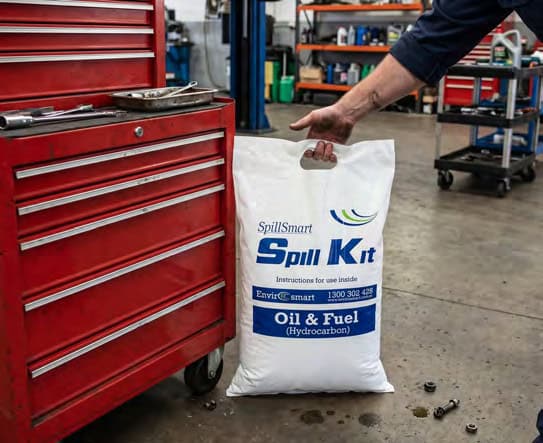
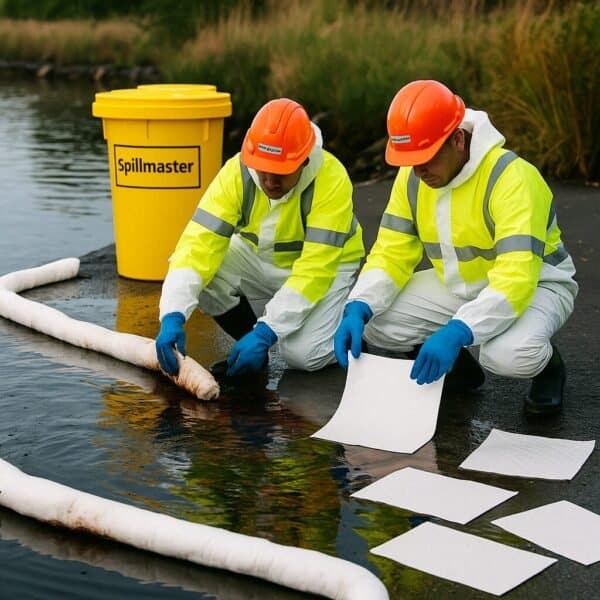
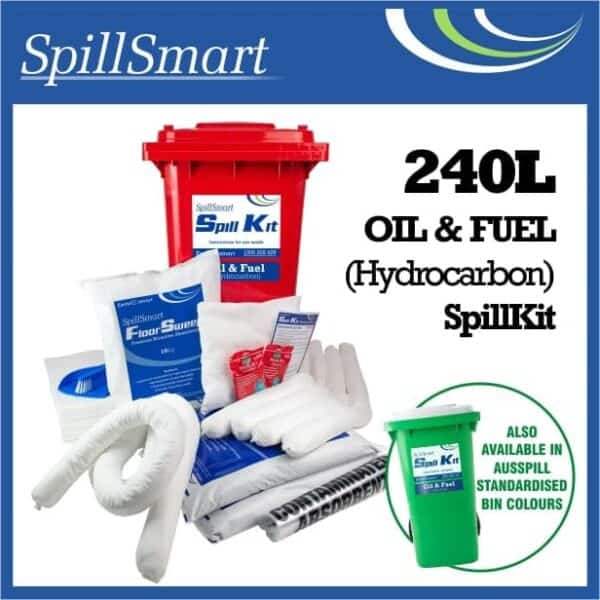
Oil & Fuel Spill Kits are designed for spills involving hydrocarbons such as diesel, petrol, lubricating oils, hydraulic oils and similar petroleum-based liquids. They use water-repellent absorbents that are suited to recovering oil and fuel without readily taking up surrounding water.
This makes Oil & Fuel spill kits particularly useful around workshops, transport yards, refuelling areas, service vehicles, plant and machinery, outdoor storage areas and other locations where hydrocarbon spills may occur.
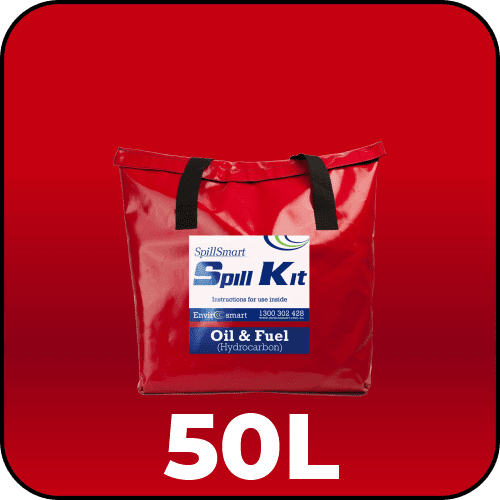
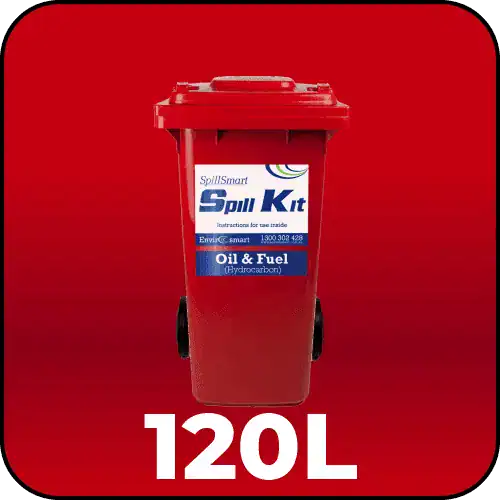
Spillmaster supplies Oil & Fuel Spill Kits in 15L, 30L, 50L, 80L, 120L and 240L sizes. The appropriate kit depends on the liquids present, the reasonably foreseeable spill, where the kit will be positioned and how quickly it can be accessed.
If you need help comparing spill kit types or choosing a practical size, see our How to Select a Spill Kit guide. You can also return to the complete Spill Kits range to compare Oil & Fuel, General Purpose, Chemical/Hazchem, Marine and Biohazard options.
Where Are Oil & Fuel Spill Kits Used?
Oil and fuel spills can occur anywhere hydrocarbons are stored, transferred, transported or used. The appropriate spill-response setup should reflect the activities and risks at the individual site rather than relying on kit size alone.
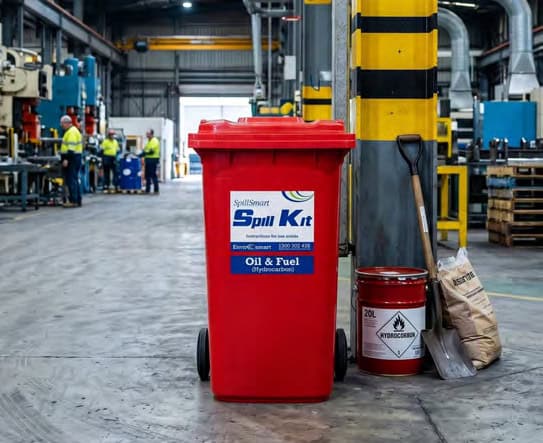
- Workshops and maintenance areas — where engine oils, lubricants, hydraulic fluids and fuels are handled.
- Transport and logistics sites — including vehicle yards, depots and areas where vehicles or equipment are serviced.
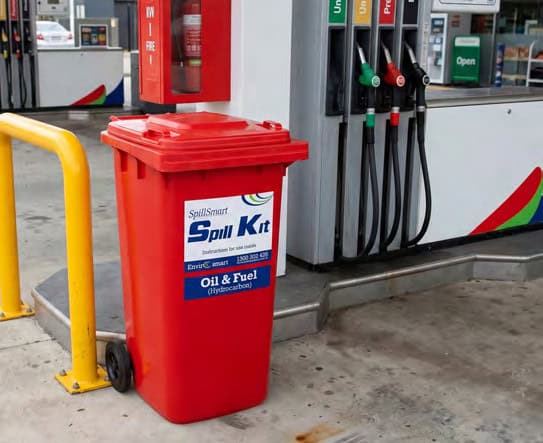
- Refuelling and fuel storage areas — where diesel, petrol and other hydrocarbon spills may need rapid containment.
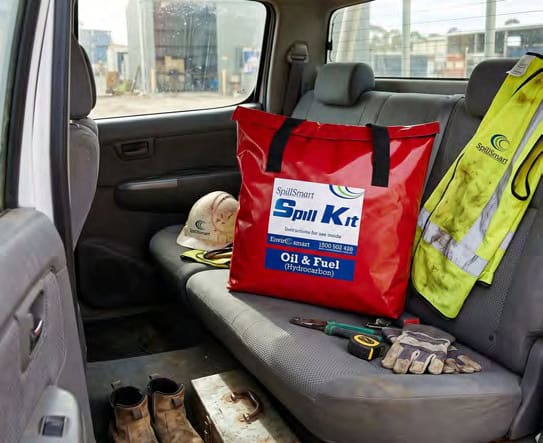
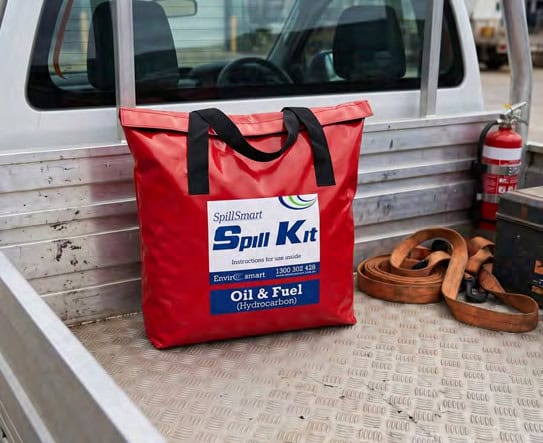
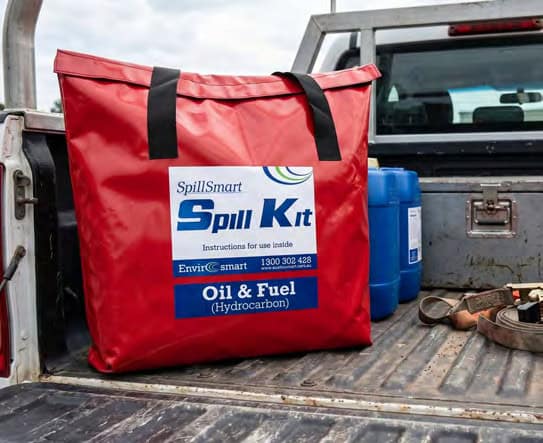
- Service and work vehicles — where a compact spill kit can provide response equipment close to the work location.
- Outdoor industrial areas — particularly where spilled oil or fuel could move towards drains, soil or surrounding areas.
Where the primary risk involves oil or fuel reaching a waterway, also consider whether a dedicated Marine Spill Kit and appropriate floating containment equipment are required for the site.
How Oil & Fuel Absorbents Work
Oil & Fuel spill kits use hydrophobic, or water-repellent, absorbents intended for hydrocarbons. This is an important distinction from General Purpose absorbents, which are intended to absorb a broader range of common workplace liquids including water-based fluids.
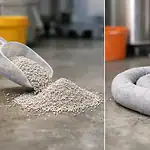
Depending on the kit, components can include absorbent pads, socks, pillows, loose absorbent, PPE and disposal bags. Socks can help contain and control the spread of a spill, while pads and other absorbents are used to recover the liquid. Always check the individual product page for the exact contents supplied with a particular kit.
If the main spill risk includes water-based workplace liquids as well as oils and fuels, compare our General Purpose Spill Kits. For chemical spills, use the chemical involved to determine whether a Chemical/Hazchem Spill Kit and chemical-compatible response equipment are required.
Selecting the Right Oil & Fuel Spill Kit Size
Do not select an Oil & Fuel Spill Kit solely from the litre number in the product name. Spill kit litre designations identify different kit sizes within the range and should not automatically be treated as a guaranteed absorbency capacity.
Consider the quantity of oil or fuel that could reasonably be released, the number and location of potential spill points, nearby drains or waterways, the distance to the response equipment and whether more than one kit would provide faster access across the site.
Smaller bagged kits can be practical for vehicles and localised work areas, while larger mobile kits may be better suited to workshops, warehouses, depots and industrial facilities. Individual product pages provide the contents and specifications needed to compare the available sizes.
Oil & Fuel Spill Kit FAQs
What liquids are Oil & Fuel Spill Kits designed for?
Oil & Fuel Spill Kits are intended for hydrocarbons such as diesel, petrol, lubricating oils and hydraulic oils. Because liquid properties and working conditions vary, check the product specifications and suitability for the substance involved before use.
What is the difference between an Oil & Fuel kit and a General Purpose spill kit?
The main difference is the absorbent type. Oil & Fuel kits use water-repellent absorbents suited to hydrocarbons, making them useful where water may also be present. General Purpose kits are intended for a broader range of common workplace liquids where a general-purpose absorbent is appropriate.
Can Oil & Fuel Spill Kits be used outdoors?
Yes. Their water-repellent absorbents make Oil & Fuel kits particularly useful for outdoor areas where rainwater or other water may be present. The kit should be stored where it remains protected, identifiable and readily accessible when required.
Can I use an Oil & Fuel Spill Kit on water?
Water-repellent oil absorbents can be useful where hydrocarbons are present on water. However, marine and waterway incidents can require different containment and recovery equipment depending on the spill and location. For applications specifically involving vessels, marinas or waterways, see our Marine Spill Kits.
What should I do after an Oil & Fuel Spill Kit has been used?
Check the kit after use and replace the absorbents, PPE, disposal bags or other components that have been consumed or contaminated. Used absorbents should be handled and disposed of according to the substance absorbed and the requirements that apply at your location.
If the existing container remains serviceable, suitable replacement components may allow the kit to be replenished without replacing the complete unit. See our Spill Kit Refills.