
Oil & Fuel Absorbent Pads Heavy Duty
$119.00 +GST
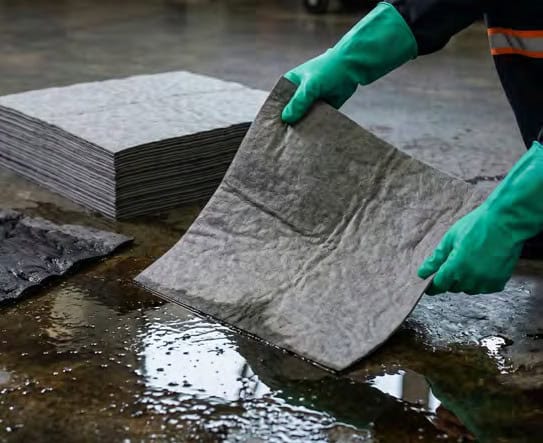
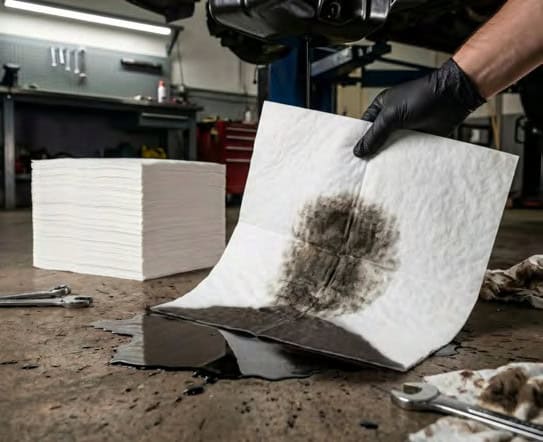
Heavy duty oil & fuel absorbent pads. Hydrophobic, high-capacity design for diesel, petrol, and hydrocarbon spills. Ideal for industrial and emergency use. Heavy Duty 400GSM Sold in Packs of 100
Description
Oil & Fuel Absorbent Pads – Heavy Duty
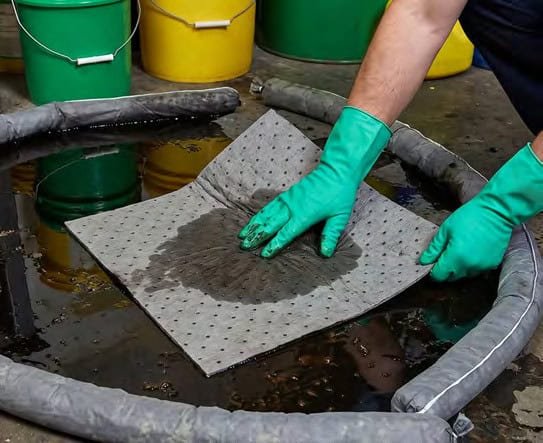
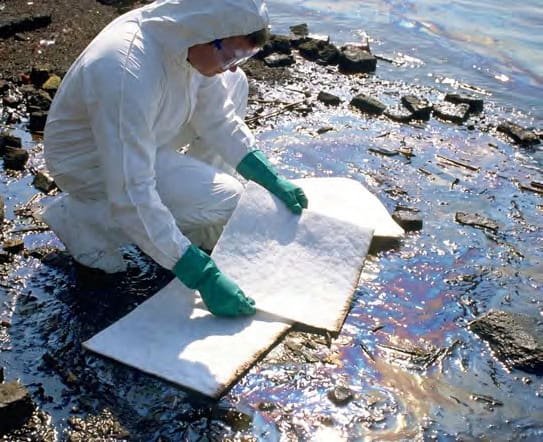
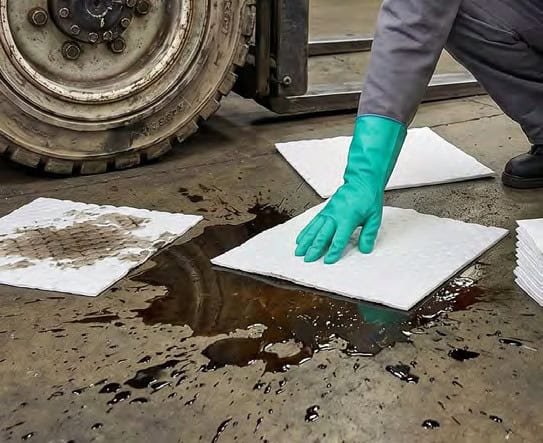
These heavy duty absorbent pads are designed to handle the toughest hydrocarbon spills in workshops, mining sites, and industrial environments. Hydrophobic by nature, they repel water and quickly absorb oil, fuel, diesel, and other hydrocarbons — even in wet or outdoor conditions.
What Are Oil & Fuel Absorbent Pads?
Oil and fuel absorbent pads — also known as hydrophobic absorbent pads, oil‑only pads, hydrocarbon absorbent pads, spill response pads, or marine absorbent pads — are specialised polypropylene pads designed to absorb oils, fuels, diesel, solvents and other hydrocarbons while repelling water. Their hydrophobic construction makes them ideal for outdoor spills, wet environments, marine applications and any situation where selective hydrocarbon‑only absorption is required.
- Hydrophobic Design: Repels water, absorbs oil and fuel only — ideal for marine or outdoor use.
- High Absorption Rate: Each pad absorbs up to 1L of oil or fuel.
- Heavy Duty Construction: Reinforced layers prevent tearing, even when saturated.
- Clean & Efficient: White colour for quick spill identification and control.
- Quick Deployment: Packaged for easy handling in emergency kits or vehicle spill kits.
Specifications
- Size: Approx. 48cm x 43cm
- Absorbent Type: Oil & Fuel (Hydrocarbons only)
- Capacity: Up to 1L per pad
- Material: Meltblown polypropylene
- Packaging: Available in packs or bulk cartons
Common Applications
- Workshops and mechanical bays
- Under leaking machinery or vehicles
- Fuel transfer points or tankers
- Emergency spill response kits
Related Products
Refer to Safe Work Australia’s guidelines for hydrocarbon spill response in the workplace.
FAQ
What are the Oil & Fuel Absorbent Pads used for?
These pads are designed for absorbing oil, fuel, diesel, and other hydrocarbons in workshops, industrial sites, and spill response situations. They are ideal for leaks, drips, and emergency clean‑ups.
Are these pads hydrophobic?
Yes. They repel water and only absorb hydrocarbons, making them suitable for marine, outdoor, and wet‑weather spill control.
How much can each pad absorb?
Each heavy‑duty pad absorbs up to 1 litre of oil or fuel, depending on the viscosity of the liquid.
What are the pads made from?
They are manufactured from meltblown polypropylene with reinforced layers to prevent tearing, even when fully saturated.
Where are these absorbent pads commonly used?
Common applications include workshops, mechanical bays, under leaking machinery, fuel transfer points, and emergency spill kits.
Are the pads suitable for emergency spill kits?
Yes. They are packaged for quick deployment and are widely used in vehicle spill kits, site spill kits, and industrial response kits.
Additional information
| Weight | 4 kg |
|---|---|
| Dimensions | 56 × 42 × 32 cm |
Product Identification & Verification Record
| Product: | Oil & Fuel Absorbent Pads Heavy Duty |
| SKU: | ES-PP-400 |
| Category: | Absorbent Pads |
| Record Type: | Product Identification & Reorder Reference |
This record verifies the identity of the Spillmaster product shown above and provides a traceable product reference for record keeping, purchasing and future reordering. The QR code links directly to the current Spillmaster product record for product information and availability.
Emergency Spill Response: The 5 C’s Guide
- CONTROL the Source & Risk: Ensure appropriate personal protective equipment (PPE) is donned before approaching any hazardous release. If safe to do so, immediately mitigate the source by closing valves, uprighting damaged containers, or applying emergency plugging to stop further flow.
- CONTAIN the Spread: Deploy appropriate containment barriers, socks, or bunding around the perimeter of the spill to prevent fluid migration. Prioritise blocking access to stormwater drains, unsealed ground, and pedestrian thoroughfares.
- COMMUNICATE the Hazard: Alert nearby personnel, restrict site access around the affected zone, and notify your WHS supervisor or site emergency warden in accordance with facility safety protocols.
- CLEAN UP the Liquid: Apply matching loose absorbents, pads, or pillows directly onto the pooled liquid to capture, bind, and neutralize residues. Safely sweep up saturated materials and transfer all contaminated waste into certified disposal bags for secure handling.
- CHECK & Restock: Inspect the area thoroughly to ensure no residual hazards or slip risks remain. Seal and dispose of waste in compliance with local environmental regulations, and immediately restock equipment to maintain full operational readiness.