Showing all 6 results
Spill Pallets & Drum Bunds
Spillmaster spill pallets provide secondary containment for drums and IBCs used to store oils, fuels, chemicals and other liquids. The range includes 2-drum pallets, 4-drum square and inline pallets, single IBC bunds and double IBC containment platforms, providing options for different container quantities, footprints and work areas.
▶ Read full specifications, compliance certificates & ordering info
Choose a spill pallet according to the type and number of containers being stored, the required containment capacity, the liquid involved, available floor space and site handling requirements. Product dimensions, sump capacity and load limits should be checked for the particular model before use.
Choosing Spill Pallets for Drums & IBCs
Different storage arrangements require different containment layouts. Two-drum and four-drum pallets suit common drum-storage applications, while single and double IBC bunds provide larger footprints for intermediate bulk containers. The appropriate containment capacity can depend on the substance, quantity, storage arrangement, location and requirements applying to your site. For broader guidance, see our guide to choosing bunding for industrial sites.
Check Capacity, Compatibility & Load Requirements
Before selecting a spill pallet, check the product specifications against the containers and liquid being stored. Confirm the sump capacity, supported load, dimensions and material compatibility for the intended application rather than assuming one pallet is suitable for every substance or storage arrangement.
Order Online Anytime — Even After Hours
Spill pallets and IBC containment products can be ordered online 24/7 with delivery Australia-wide. For unusual storage arrangements, larger requirements or help choosing a suitable configuration, contact Spillmaster for assistance.
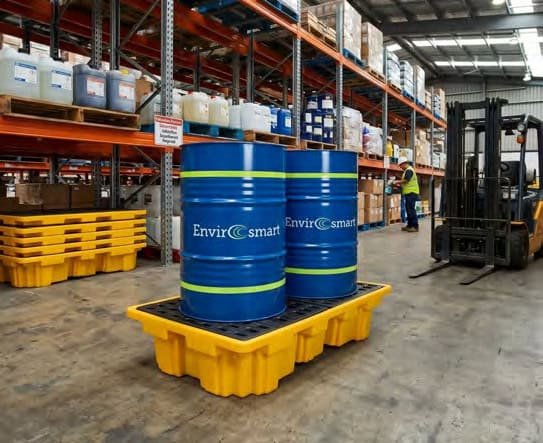
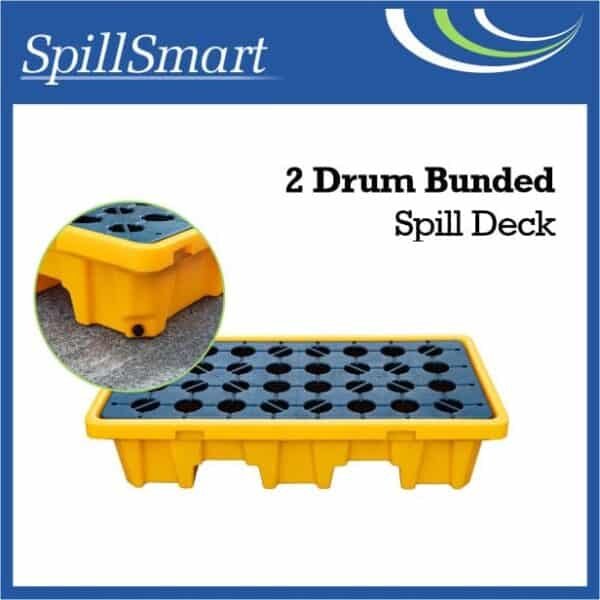
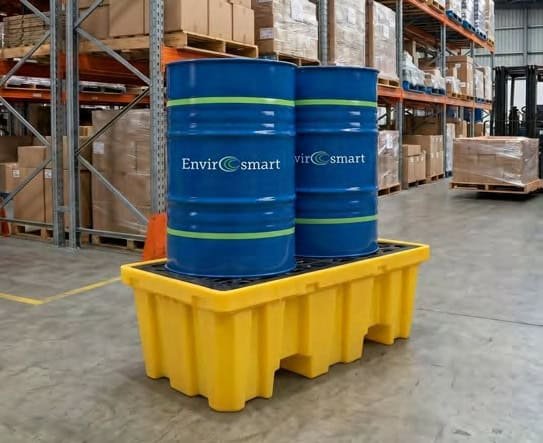
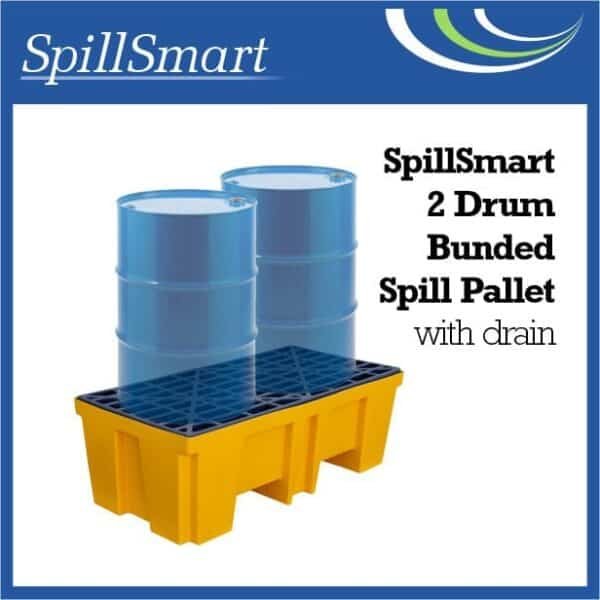
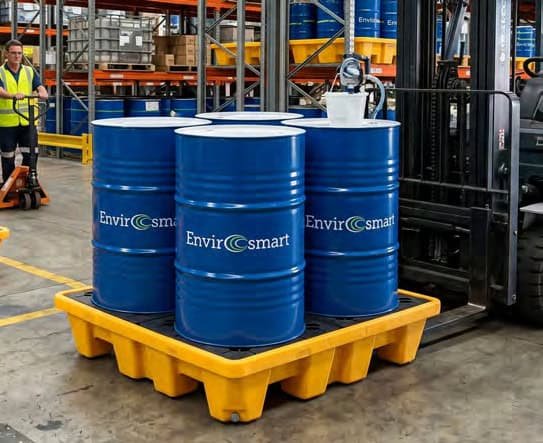
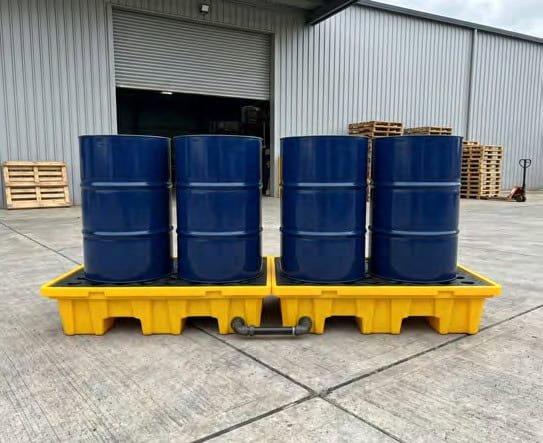
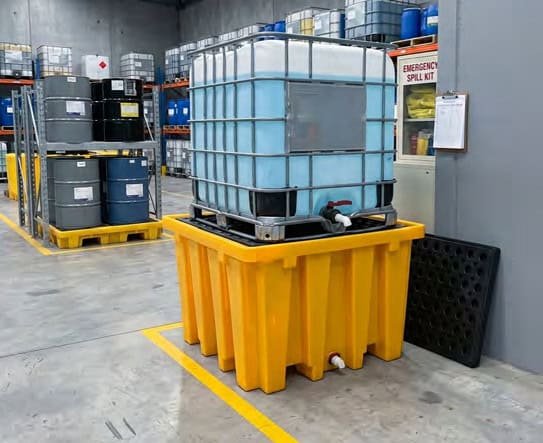
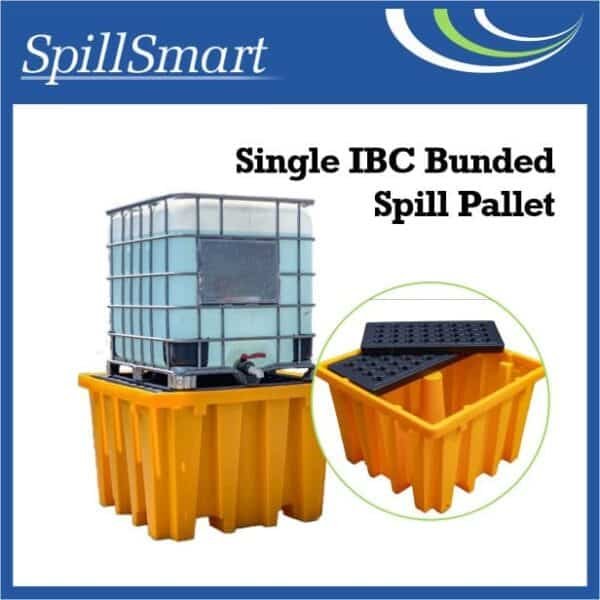
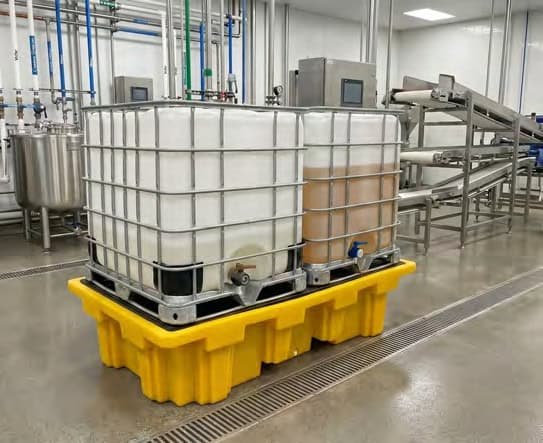
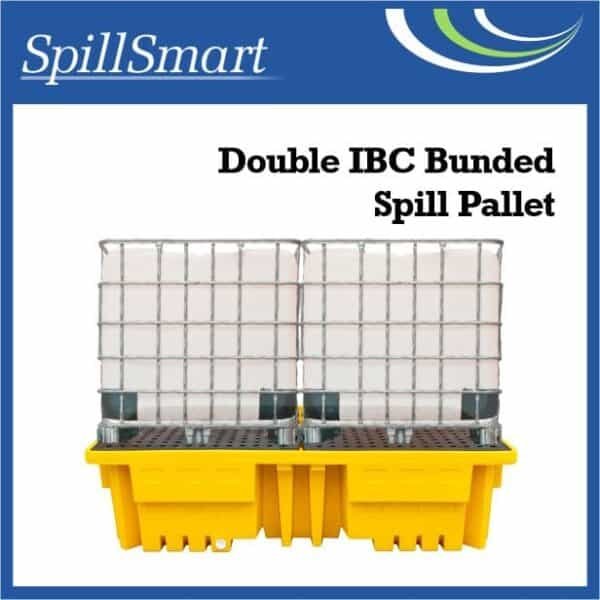
Spill Pallets for Drum & IBC Containment
Spill pallets provide secondary containment beneath drums and IBCs, helping contain leaks, drips and spills at the storage area. Spillmaster offers configurations for 2-drum, 4-drum, single IBC and double IBC applications, allowing the containment setup to be matched to the containers being stored and the available work area.
Choosing the right spill pallet involves more than matching the number of drums or IBCs. Consider the dimensions and total load of the containers, the required sump capacity, the liquid being stored, available floor space and how the containers will be placed onto or removed from the pallet.
Choosing Between Drum & IBC Spill Pallets
Two-drum pallets suit smaller storage areas or sites handling a limited number of drums. Four-drum configurations provide containment for larger drum-storage requirements, with square and inline layouts available to suit different floor spaces. Single and double IBC spill pallets provide larger containment platforms for intermediate bulk containers.
Before ordering, check the dimensions, sump capacity and supported load of the individual product against your containers and intended application. Where chemicals or other potentially aggressive liquids are involved, material compatibility should also be confirmed for the particular substance being stored.
Containment Capacity & Site Requirements
The containment capacity required for drums or IBCs can depend on the substance, quantity, storage arrangement, location and the workplace or environmental requirements applying to the site. Rather than relying on a single general rule for every application, confirm the requirements relevant to your particular storage situation and compare them with the stated sump capacity of the selected spill pallet.
For broader information about secondary containment selection, see our guide to choosing bunding for industrial sites. If you are unsure which drum or IBC containment option suits your application, contact Spillmaster with the container type, quantity, liquid and site requirements.
Spill Pallet & IBC Containment FAQs
What size spill pallet do I need?
Start with the number and type of containers being stored. Check their dimensions and total loaded weight against the spill pallet specifications, then confirm that the stated sump capacity is appropriate for your application and any requirements applying to your site.
Should I choose a 2-drum or 4-drum spill pallet?
That depends primarily on the number of drums being stored, the available floor space and the required containment capacity. Two-drum pallets suit smaller storage arrangements, while four-drum pallets provide a larger platform. Spillmaster also offers square and inline configurations for different site layouts.
What is the difference between a drum spill pallet and an IBC spill pallet?
Drum spill pallets are sized for common drum-storage arrangements, while IBC spill pallets provide the larger footprint and containment area required for intermediate bulk containers. Spillmaster offers both single and double IBC configurations. Always check the individual product specifications against the container being stored.
Can spill pallets be used with chemicals, oils and fuels?
Suitability depends on the liquid and the construction material of the particular spill pallet. Chemical compatibility should be checked for the substance being stored rather than assuming one pallet is suitable for every chemical, oil, fuel or solvent. Contact Spillmaster if you need help assessing a specific application.
How should liquid captured in a spill pallet be removed?
The appropriate removal method depends on the pallet design and the liquid involved. Follow the instructions for the particular product and use equipment suitable for the captured substance. The recovered liquid and any contaminated material should then be handled and disposed of in accordance with the requirements applying to that substance and your site.