Showing all 2 results
Marine & Waterway Barriers
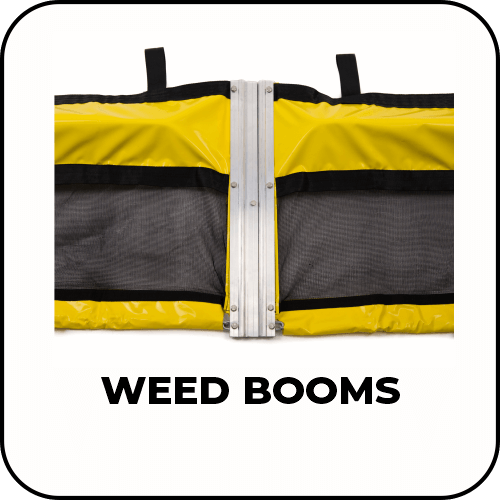
Spillmaster marine and waterway barriers provide floating containment for oil, fuel, weeds and other floating material in marine and inland water environments. The range includes Marine Oil Boom for hydrocarbon spill containment and Weed Boom for controlling floating vegetation and debris in suitable waterways.
▶ Read full specifications, compliance certificates & ordering info
Choose a floating barrier according to what needs to be contained, the waterway conditions and the intended deployment. Current, wind, wave action, water depth, anchoring requirements and the material being controlled can all affect product selection and performance. Check the specifications of the individual product against the intended application before use.
Choosing a Marine or Waterway Barrier
Marine Oil Boom is intended for containing floating oil and fuel spills on water, while Weed Boom is intended for controlling floating weeds and debris. For broader containment options used around worksites, storage areas and drains, see our spill control and containment range.
Check Application & Site Conditions
Before selecting a barrier, consider the intended use, deployment area and expected water conditions. Product suitability, installation, anchoring and maintenance requirements should be confirmed for the particular application rather than assuming one barrier configuration is suitable for every waterway or spill scenario.
Order Online Anytime — Even After Hours
Marine and waterway barriers can be ordered online 24/7 with delivery Australia-wide. For larger requirements or help choosing a suitable barrier for your application, contact Spillmaster for assistance.
Marine & Waterway Barriers for Floating Containment
Marine and waterway barriers provide floating containment for applications where oil, fuel, weeds, debris or other floating material needs to be controlled on the surface of water. Spillmaster supplies Marine Oil Boom and Weed Boom for use in suitable marine and inland water environments.
Selecting the right barrier depends on what needs to be contained and the conditions at the deployment site. Water movement, wind, wave action, water depth, anchoring requirements and the length of barrier required should all be considered before selecting a product.
Choosing the Right Floating Barrier
Marine Oil Boom is intended for containing floating oil and fuel spills on water. Weed Boom is intended for controlling floating vegetation and debris. Because these are different applications, the barrier should be selected according to the material being controlled and the conditions in which it will be deployed.
For more information about selecting and using boom for hydrocarbon spill containment, see our Marine Oil Spill Boom buyer's guide.
Consider the Waterway & Deployment Conditions
Floating barriers can be affected by current, wind, waves and changing water levels. The intended deployment area should therefore be considered when choosing the barrier and planning its installation. Anchoring, positioning and the overall length required can also vary considerably between sites.
Before deployment, check the specifications of the individual product against the intended application and site conditions. For larger requirements or applications where the appropriate barrier configuration is unclear, contact Spillmaster with details of the waterway and what you need to contain.
Marine & Waterway Barrier FAQs
What is the difference between Marine Oil Boom and Weed Boom?
Marine Oil Boom is intended for containing floating oil and fuel spills on water. Weed Boom is intended for controlling floating vegetation and debris. The appropriate product depends on what needs to be contained and the conditions at the deployment site.
Where can marine and waterway barriers be used?
Depending on the product and site conditions, floating barriers may be used in locations such as marinas, harbours, dams, lakes and other waterways. Suitability should be checked against the individual product specifications and the conditions at the intended location.
Do current, wind and waves affect floating barriers?
Yes. Water movement, wind and wave action can affect the positioning and performance of a floating barrier. These conditions should be considered when selecting the product and planning its deployment and anchoring.
How do I determine how much floating boom I need?
The required length depends on the area being protected, the proposed barrier layout, anchoring points and the conditions of the waterway. Measure the deployment area and consider how the boom will be positioned rather than relying only on the straight-line distance between two points.
How should a marine or waterway barrier be maintained?
Inspection and maintenance depend on the product, deployment conditions and frequency of use. Check the barrier for damage, contamination, wear and problems with its positioning or anchoring, and follow the maintenance requirements applicable to the individual product.