Showing the single result
Contaminated Waste Bags
Spillmaster contaminated waste bags provide a clearly identified container for used absorbents, PPE and other materials collected during spill cleanup. They can be purchased individually for spill-response supplies or used when restocking spill kits after use.
▶ Read full specifications, compliance certificates & ordering info
After a spill has been contained and absorbed, used cleanup materials need to be collected and managed according to the substance involved and the site’s waste procedures. Contaminated waste bags provide a practical way to keep used spill-response materials together while they await the appropriate handling or disposal route.
Using Contaminated Waste Bags After Spill Cleanup
The correct handling and disposal method depends on what has been absorbed. Check the relevant Safety Data Sheet where applicable and follow site procedures and relevant waste requirements. A waste bag by itself does not determine the classification or disposal method of contaminated material.
Restocking Spill Kits
Contaminated waste bags are one of the consumable items that may need replacing after a spill kit has been used. For absorbents and other individual replacement items, browse our spill kit components.
Order Contaminated Waste Bags Online
Order contaminated waste bags online with delivery Australia-wide. If you need replacement contents for a used spill kit, you can also browse our spill kit refills.

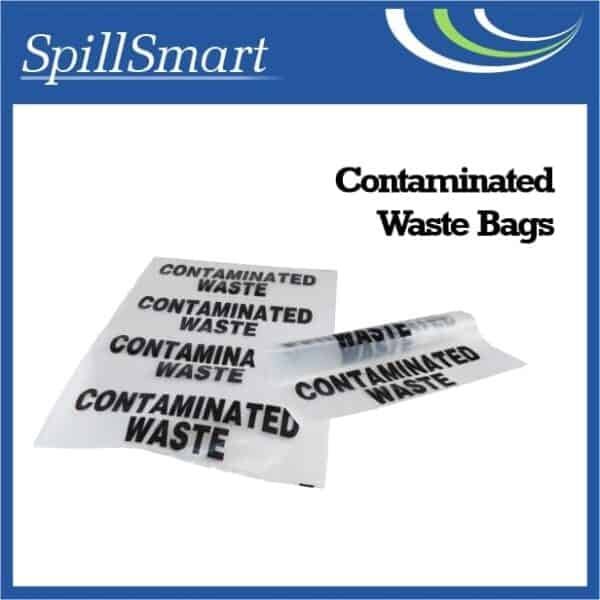
Contaminated Waste Bags for Spill Cleanup
Contaminated waste bags provide a practical way to collect used absorbents, PPE and other materials generated during spill cleanup. Keeping used spill-response materials contained and clearly separated can assist with handling them after the immediate cleanup has been completed.
The correct handling, storage and disposal requirements depend on the substance that has been spilled and absorbed. Always consider the original liquid, relevant Safety Data Sheet, site procedures and applicable waste requirements when deciding how contaminated cleanup materials should be managed.
Using Waste Bags After a Spill
After absorbent pads, booms, pillows, floor sweeps or other materials have been used, they can be collected as part of the site's cleanup process. Contaminated waste bags help keep these used materials together while the appropriate handling or disposal method is determined.
The bag itself does not determine the waste classification of its contents. Materials contaminated with oils, fuels, chemicals or other substances may require different handling and disposal methods, so the contents should be assessed according to the substance involved.
Waste Bags & Spill Kit Restocking
Contaminated waste bags are a consumable spill-response item and may need replacing after a spill kit has been used. Checking and replenishing used components helps return the kit to its required inventory for future response.
For absorbents and other individual replacement items, browse our spill kit components. For complete replacement packs, see our spill kit refills.
Contaminated Waste Bags FAQs
What are contaminated waste bags used for?
They are used to collect materials such as used absorbents, PPE and other items generated during spill cleanup while those materials await appropriate handling or disposal.
Can used absorbent pads and booms be placed in these bags?
They can be used to collect suitable used spill-response materials. The subsequent handling and disposal requirements will depend on what the absorbents have collected and any applicable site or waste requirements.
Can contaminated spill waste go into general waste?
That depends on the substance involved and the applicable waste requirements. Do not assume that material is suitable for general waste simply because it has been placed in a waste bag. Check the relevant requirements for the collected material before disposal.
Does the waste bag determine whether the contents are hazardous waste?
No. The appropriate classification and disposal method depend on the material collected, including the liquid or substance absorbed during the spill response.
Should contaminated waste bags be replaced after a spill kit is used?
If a waste bag has been used or removed from a spill kit, replace it as part of the normal restocking process so the kit contains the required cleanup and disposal supplies for future use.