How to Choose Bunding for Industrial Sites


A leaking 205-litre drum can become a costly clean-up, environmental incident and compliance problem well before emergency services arrive. The right bunding keeps the liquid contained at the point of storage or transfer, but only when it suits the substance, container, traffic and available space. Knowing how to choose bunding starts with the risk on your site, not the cheapest containment option on a catalogue page.
Start with the liquid and the task
Bunding is not one product category with one job. A spill pallet beneath drums, a low-profile work floor in a decanting area, a drive-over bund for a temporary operation and modular bunding around a larger storage zone all manage liquids differently.
First identify what may leak, spill or drain from the area. This includes the primary product, any waste liquid, wash-down water and the liquid already present in equipment such as generators, pumps or IBC valves. Check the safety data sheet for chemical compatibility and understand whether the material is oil, fuel, coolant, corrosive chemical, solvent or another dangerous good.
Polyethylene bunding is commonly suitable for oils, fuels and many chemicals, and it will not rust. However, chemical resistance depends on the actual substance, its concentration, temperature and contact time. Aggressive chemicals, hydrocarbons and solvents may require a specific compatible material or a lined containment system. Never assume a standard bund is appropriate simply because it is labelled for chemical storage.
The task matters as much as the liquid. Static drum storage creates a different exposure to transferring liquid from drums, dispensing from an IBC or servicing mobile plant. Where valves are opened or containers are handled regularly, choose a system that captures drips and gives workers stable footing while they work.
How to choose bunding capacity
Containment capacity is the first technical check. Your bund must hold enough liquid to manage a credible spill without overflowing, including rainfall where the bund is outdoors and open to weather.
Capacity requirements can vary according to the substance, storage arrangement, site location and applicable Australian dangerous goods, environmental and workplace requirements. Your state or territory regulator, site procedures, safety data sheets and relevant Australian Standards should guide the final specification. Do not rely on a generic rule of thumb where a regulation, licence condition or customer standard applies.
Calculate the total volume that could reasonably be released from the containers within the bunded area. Then assess the bund’s stated sump capacity, not just its outside dimensions. Grated platforms displace volume, and stored drums, IBCs and equipment reduce the free space available to contain liquid.
For outdoor storage, allow for rainfall and make a documented plan for inspecting and removing accumulated water. Rainwater must be checked before disposal because it may be contaminated. A bund that looks empty after rain can still have insufficient capacity for the spill it is meant to contain.
Match the footprint to the storage layout
A bund should fit the stored containers with room for safe access, handling and inspection. Cramping drums onto a pallet can damage containers, obstruct labels and make leaks harder to spot. Measure the complete footprint, including drum trolleys, pallet-jack access, dispensing attachments and the clearance needed to remove a container without lifting it across a bund wall.
For drum storage, assess whether a spill pallet provides the right configuration for one, two or four drums. For IBCs, use a purpose-built IBC bund with a suitable load rating and footprint. Never place an IBC on a drum pallet or improvised platform simply because the dimensions appear close enough.
Larger stores may need modular bunding or a custom bunded area rather than multiple small units. This can improve access and simplify containment, but it also requires careful attention to joints, floor condition, drainage and overall capacity.
Check load rating and traffic conditions
A bund can have adequate liquid capacity yet fail under the weight placed on it. Add the full mass of every filled container, pallet, pump, cabinet or piece of equipment that will sit on the unit. A 1,000-litre IBC is a significant load before allowing for the tare weight of the container and pallet.
Review how the load will be introduced. Forklift placement can create concentrated impact loads that differ from static storage. If staff need to move drums across the unit, select a bund with an appropriate ramp, grated deck and load rating. Ramps should be compatible with the bund and positioned to avoid gaps, rocking or trip hazards.
Keep forklifts and other mobile plant off bunding unless the product is expressly designed for that traffic. Standard spill pallets and low-profile work floors are not vehicle-rated containment systems. Where vehicles enter a bunded area, purpose-designed drive-over bunding or a constructed solution is usually required.
Choose a design that people will actually use
The best bunding arrangement is one that does not create unnecessary handling risks. If workers must lift drums over a high lip every time they decant product, the process will eventually be bypassed or performed unsafely.
Low-profile bunds and work floors can suit frequent drum handling, provided their capacity and load rating meet the application. Higher-walled spill pallets may be more appropriate for static storage where maximum containment is the priority. For short-term maintenance, portable spill bunds can provide fast containment around plant or equipment, but they need a clean, reasonably level surface and must be selected for the expected liquid and volume.
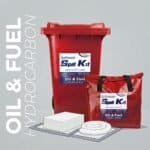
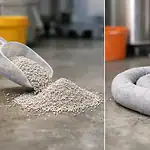
Consider access from the start. Workers need to read labels, operate taps, use pumps and respond to a leak without standing in a confined or slippery position. Leave room for a compatible spill kit nearby. Bunding contains a release; absorbents, drain covers and other response equipment help manage the liquid once it is contained.
Inspect the installation surface and drainage
Bunding performs only as well as the surface beneath it. Install portable pallets and work floors on stable, level ground that can support the load. Uneven concrete, damaged asphalt, loose gravel and sloping floors can distort a unit, reduce usable capacity and create instability.
Look closely at nearby drains, doorways, pits and stormwater paths. A bunded storage area should not allow a leak to bypass containment through a drain or damaged floor. If the area includes fixed drainage, understand where it leads and whether isolation, shut-off or treatment controls are required under your site procedures.
Avoid locating chemical storage where forklifts can strike it, rain can fill it, or a leak can run directly towards stormwater. Where outdoor storage is unavoidable, use weather protection where practical and include regular inspection in the maintenance schedule.
Consider fire and dangerous goods separation
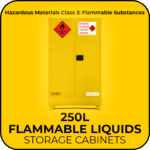
Bunding is one control within a wider dangerous goods storage system. It does not replace the need for correct labelling, segregation, ventilation, ignition control, emergency planning or suitable flammable liquids storage cabinets.
Do not combine incompatible chemicals in one bund simply because there is spare room. A mixed spill can create heat, gas, fire or a more difficult clean-up. Segregate materials according to their safety data sheets, storage compatibility requirements and site risk assessment. Flammable liquids, oxidisers, acids, alkalis and toxic chemicals may need separate storage and containment arrangements.
Where flammable liquids are stored in cabinets, check whether the cabinet, its location and the amount stored require additional spill containment. The answer depends on the cabinet design, the product quantity and applicable requirements. Treat the cabinet and the bund as parts of one storage decision, not separate purchases.
Build inspection and clean-up into the purchase decision
A bund that is difficult to inspect tends to remain neglected. Choose a format that allows workers to see pooled liquid, damaged containers and debris. Removable grates can make cleaning easier, while drain plugs or decanting features may help recover uncontaminated rainwater where appropriate. They must be managed carefully so the bund remains secure during normal operation.
Include bunding in routine workplace checks. Inspect for cracks, warping, chemical attack, blocked drainage, damaged grates and accumulated liquid. Any spill inside the bund still needs prompt clean-up and correct disposal. Leaving liquids in containment can degrade equipment, create vapour exposure and reduce capacity for the next incident.
A practical buying checklist
Before ordering, confirm the substance and its compatibility, total liquid volume, required containment capacity, filled load, handling method, available footprint and whether the location is indoors or outdoors. Then check access requirements, traffic exposure, drainage paths, segregation needs and the relevant site or regulatory requirements.
For most sites, selecting bunding is less about finding the largest unit and more about matching containment to the way the operation actually runs. A correctly sized, compatible and accessible bund makes it easier for workers to store hazardous liquids properly and gives the business a practical first line of defence when a container fails.