How to Contain Diesel Spills Properly


A diesel spill rarely stays small for long. On a workshop floor it tracks under boots and tyres. In a yard it runs to stormwater. At a fuel store it can turn into a compliance issue before the clean-up gear is even opened. If you need to know how to contain diesel spills, the key is acting quickly, using the right absorbents and barriers, and stopping the spill from spreading before recovery starts.
How to contain diesel spills without losing control of the site
Diesel behaves differently to some other liquids commonly found on industrial sites. It is less volatile than petrol, but it still presents fire risk, slip hazards, environmental harm and contamination concerns. Because it spreads across hard surfaces and can move fast with rainwater or washdown, the first few minutes matter.
Containment comes before clean-up. That distinction matters on real worksites. If staff go straight to wiping, hosing or absorbing the centre of the spill without blocking the edges, diesel can keep migrating into drains, soil, loading areas or traffic routes. A controlled response starts by securing the area, identifying the source, then building a barrier around the spill path.
The right response also depends on where the spill has happened. A minor hydraulic leak in a maintenance bay is different from a diesel transfer failure near a drain or a ruptured container in a warehouse. The product mix and response method should reflect that reality.
Start with safety and source control
Before any absorbent goes down, protect people and stop the release if it is safe to do so. Isolate plant, shut valves, upright damaged drums or containers, and keep unnecessary traffic out of the area. Diesel on concrete or sealed surfaces can create an immediate slip risk, especially around forklifts, foot traffic and loading zones.
Workers involved in the response should wear suitable PPE for the task and the site conditions. Gloves are a basic requirement, and depending on splash risk and the location, eye protection and protective clothing may also be needed. If the spill is near ignition sources, manage those as part of the first response as well.
Stopping the source is often the fastest way to reduce total spill volume. That sounds obvious, but it is where many responses lose time. Teams sometimes focus on the visible pool while the leak continues from a hose, tap, IBC outlet or fuel line.
Block drains and define the spill boundary
Once the source is under control, stop the diesel from reaching stormwater or unsealed ground. This is where drain covers, absorbent socks, booms and bunding products do the heavy lifting. Place them ahead of the spill path, not just around the pooled liquid. You are trying to intercept movement, not just circle what you can already see.
On flat internal floors, absorbent socks are useful for quickly forming a perimeter. Outdoors, especially on graded concrete or asphalt, booms and temporary bunding may be the better option because diesel will follow low points and edges. Around drains, use covers or barriers immediately. If diesel enters stormwater infrastructure, the incident escalates quickly from a site clean-up to a broader environmental issue.
This is one of the main decisions in how to contain diesel spills properly – whether you are containing a static pool or chasing a moving spill front. The right tools change with that scenario.
Choosing the right products to contain diesel spills
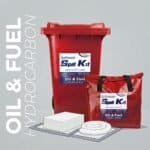
Not every absorbent is suitable for fuel. General purpose absorbents can work for mixed workshop spills, but when diesel is the primary contaminant, hydrocarbon absorbents are usually the better fit. They are designed to capture fuels and oils efficiently and are especially useful where water may also be present.
Absorbent pads and rolls are effective once the spill has been stopped and bordered. They help lift diesel from smooth surfaces and leave less residue than loose material in many indoor applications. For larger outdoor spills or uneven surfaces, loose absorbent can be useful because it reaches cracks and textured areas more easily.
Booms and socks are containment tools first and absorbents second. They help stop spread, define the work area and protect assets. Temporary bunding products are important where larger volumes are possible, such as fuel storage areas, transfer points and washdown-adjacent hardstands. If diesel is stored or handled regularly, relying only on emergency spill kits is a weak control. Permanent or semi-permanent secondary containment should already be part of the site setup.
For repeated fuel handling, spill kits need to match credible spill size, not the minimum budget line. A small kit in a high-risk area may satisfy a basic purchasing decision, but it will not perform when a hose failure or container puncture occurs. That is where practical product selection matters more than box-ticking.
Match the response to the spill location
In workshops and warehouses, the priority is usually keeping diesel away from traffic routes, stock and drains while reducing slip risk fast. Pads, socks and loose absorbent generally cover most needs.
In transport yards, service areas and outdoor fuel storage zones, weather and surface gradient change the response. Booms, drain protection and bunding become more important because diesel can travel further and faster than expected.
On marine, agricultural or remote sites, access to replacement stock also matters. It is not enough to have used a spill kit last month. The response equipment has to be complete, visible and ready now.
Clean-up after containment
Once the spill is contained, recovery can start. Use pads, rolls or loose absorbent to remove the pooled diesel from the outside in. Working from the edge helps avoid pushing contamination beyond the controlled area. On sealed surfaces, repeat passes are often needed because diesel leaves residue that can remain slippery after the visible liquid is gone.
Do not wash diesel into drains or onto soil as a shortcut. Apart from the environmental risk, that can create a clear compliance failure. If hard surfaces remain slick after initial absorption, use an appropriate follow-up cleaning method that suits the site procedure and waste stream requirements.
Used absorbents, contaminated PPE and other clean-up materials need to be collected and disposed of in line with site and regulatory requirements. Waste handling is part of the incident response, not an afterthought. Leaving saturated absorbents in open bins or exposed areas creates a second problem.
When the spill is larger than your first response capacity
Some diesel spills go beyond routine site response. If the volume is significant, if the spill has entered drains or soil, or if there is a wider fire or environmental risk, escalate early. Internal emergency procedures should already identify who to notify, when external support is required, and how to isolate the affected area.
That escalation point matters because overconfidence delays effective control. A site team may be capable of handling a small transfer spill, but a failed tank fitting or vehicle incident is a different event. Good planning recognises that limit before it is tested.
Preventing the next diesel spill
The most effective answer to how to contain diesel spills is to reduce how often you need to. Response gear matters, but prevention controls matter more over time. Storage on spill pallets, proper bunding at transfer points, routine hose and fitting checks, and accessible spill kits all reduce exposure.
Position equipment where diesel is stored, transferred and used – not in a distant storeroom. A spill kit locked in another building might as well not exist during the first two minutes of an incident. The same goes for drain covers and booms. If the site layout makes quick access difficult, the response plan needs work.
Training should also be practical. Teams need to know which kit is for hydrocarbons, how to block a drain quickly, and when to escalate. Generic inductions are not enough if staff are handling fuel every day. Short, location-specific drills are usually more useful than lengthy theory sessions.
For buyers managing multiple sites, consistency helps. Standardising kit types, refill stock and placement reduces confusion and makes inspections easier. It also shortens response time because workers know what they are reaching for.
Spillmaster’s approach is built around that kind of operational certainty – fit-for-purpose spill control products, clear category selection and equipment that supports real compliance on site.
A diesel spill is rarely just a housekeeping issue. It is a test of whether your site has the right controls in place before the leak starts. The best response is fast, contained and methodical – and it begins with equipment that matches the actual risk, not the best-case scenario.