Flammable Storage Cabinet Regulations Explained

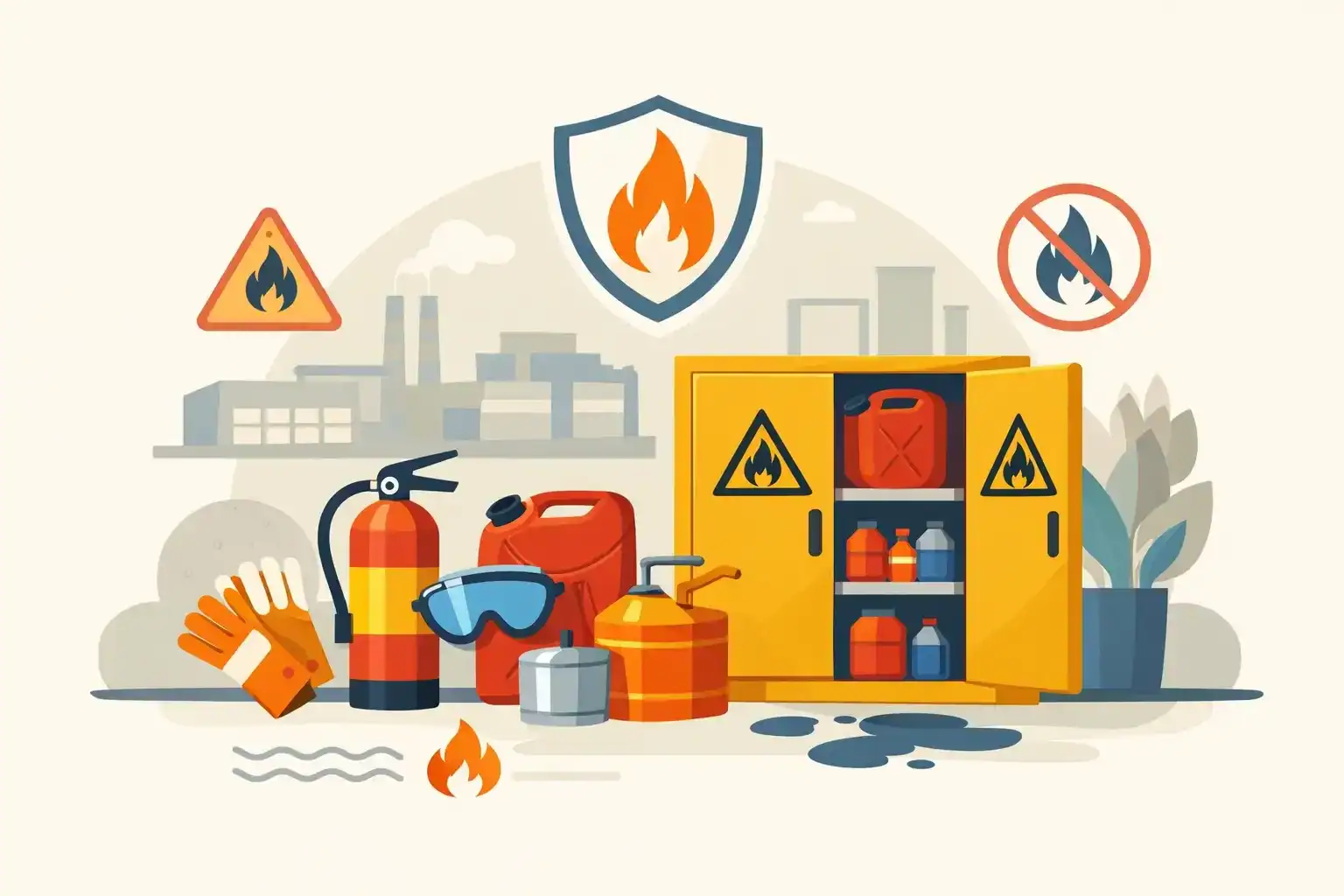
If your site stores paints, fuels, solvents, aerosols, or cleaning chemicals, flammable storage cabinet regulations are not a paperwork issue. They directly affect where you place cabinets, what you put in them, how much you store, and whether your setup will hold up under inspection or after an incident.
For warehouse managers, workshop supervisors, and WHS teams, the challenge is that cabinet compliance is rarely just about buying a metal box labeled for flammables. Regulations and standards typically work together. One sets the legal duty to manage Storage of Flammable Liquids safely, while another outlines how a compliant cabinet should be designed, installed, and used in practice. If any one part is missed – cabinet rating, location, ventilation, segregation, labeling, or capacity – the whole setup can fall short.
What flammable storage cabinet regulations actually cover
At a practical level, flammable storage cabinet regulations are concerned with fire risk control. The goal is to reduce the chance that flammable liquids ignite, limit how quickly a fire spreads, protect workers during an emergency, and give responders a better chance to contain the event.
That means regulations do not stop at cabinet construction. They also address the wider storage system around the cabinet. A compliant cabinet can still be part of a non-compliant storage arrangement if it is overloaded, located beside ignition sources, used for incompatible substances, or placed where emergency access is compromised.
In most workplaces, buyers should think about five core questions. Is the cabinet built to the right standard? Is it suitable for the class of hazardous substance being stored? Is the cabinet positioned correctly? Are the contents within allowable limits? And is the cabinet being used and maintained properly over time?
Design requirements under flammable storage cabinet regulations
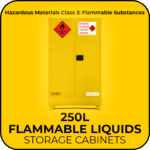
The first checkpoint is cabinet construction. A flammable liquids cabinet is generally expected to provide a defined level of fire resistance and contain leaks from damaged containers. Typical design features include double-wall steel construction, self-closing or close-fitting doors, a liquid-tight sump, clear hazard labeling, and shelves designed to direct spills into the base containment area.
This is where buyers often get caught out. A general-purpose steel cabinet or a standard workshop cupboard is not the same as a compliant flammable storage cabinet. It may look similar, but appearance is not the test. The unit needs to be manufactured for hazardous storage and aligned with the applicable standard for flammable liquids.
Door operation matters too. Some workplaces prefer manual-close doors because they suit frequent access. Others need self-closing doors to reduce the chance of cabinets being left open during busy shifts. The right choice depends on your traffic, handling routines, and risk profile, but whichever option you select still needs to meet the relevant cabinet requirements.
Capacity limits are where compliance often breaks down
Many non-compliant setups start with a compliant cabinet that slowly becomes overfilled. More containers are added, shelves are packed tighter, and incompatible products end up sharing space because there is room on paper but not in safe practice.
Storage limits exist for a reason. Flammable liquids generate vapor, create spill risk, and increase fire load. Regulations may set quantity thresholds for what can be stored in cabinets, what can be stored inside a room or work area, and when additional controls such as separation distances, fire-rated rooms, or dedicated stores are required.
It also matters how the liquid is packaged. A cabinet may be suitable for small approved containers but less practical for large drums unless it has the right internal layout and spill containment capacity. If your operation handles decanting, waste solvent collection, or mixed container sizes, the cabinet should reflect those conditions rather than a best-case storage scenario.
Placement rules matter as much as cabinet specification
A compliant cabinet in the wrong location can create a new hazard. Flammable liquids cabinets should generally be positioned away from ignition sources, hot work areas, main exits, and high-traffic routes where forklifts or pallet jacks could strike them.
There is also a basic access issue. Teams need enough room to open doors safely, retrieve containers without awkward handling, and respond quickly if a spill occurs inside or near the cabinet. If a cabinet is blocked by stock, parked equipment, or other items, compliance is already slipping into operational risk.
Ventilation is another area where assumptions cause problems. Some buyers assume every cabinet must be hard-vented. In reality, that depends on the cabinet design, the substances stored, and the applicable standard or site risk assessment. Poorly considered venting can reduce cabinet performance if it is done outside manufacturer guidance. This is one of those areas where the correct answer is often it depends, not always or never.
Segregation is a core part of compliant storage
Flammable liquids should not automatically be stored together with every other hazardous product. Cabinets designed for flammables are not a catch-all solution for oxidizers, corrosives, toxics, gas cylinders, or substances that react dangerously when mixed.
This matters in real workplaces because storage pressure builds over time. Someone sees spare space in a flammable cabinet and uses it for an acid, aerosol, or cleaning chemical without checking compatibility. That shortcut can create a far more serious hazard than simple overcapacity.
Good cabinet compliance depends on matching the cabinet to the hazard class and then maintaining segregation through labeling, purchasing controls, and staff training. If your site stores multiple dangerous goods classes, you may need separate cabinets rather than a single centralized unit.
Labeling, housekeeping, and inspection are part of the regulations
Cabinet compliance is not just a procurement decision. It is an operational discipline. Hazard labels must stay visible. Containers should remain closed, correctly identified, and in good condition. Spill residues should be cleaned up promptly. The sump should not be used as long-term waste storage. And damaged hinges, seals, shelves, or door closers should be fixed without delay.
Routine inspection is one of the simplest ways to stay ahead of problems. A cabinet that met requirements on delivery can become non-compliant through corrosion, impact damage, missing signage, failed door hardware, or changes in what is stored inside. Sites that treat cabinet checks as part of regular safety inspections usually catch issues early and avoid larger corrective actions later.
What buyers should verify before purchasing
For commercial buyers, the safest approach is to verify the cabinet against both the product specification and the site use case. Start with the hazardous substances you actually store, including container sizes, total quantities, and whether liquids are dispensed or only kept sealed.
Then confirm the cabinet is intended for flammable liquids storage under the relevant standard, not just marketed with general safety language. Check dimensions carefully, especially if the cabinet will be installed in a workshop aisle, plant room, warehouse wall line, or under a covered external area. A cabinet that technically fits may still be impractical if doors cannot open fully or operators cannot handle containers safely.
It is also worth checking sump capacity, shelf adjustability, door type, grounding provisions where relevant, and whether the cabinet suits your housekeeping and inspection process. Buyers who focus only on sticker price often end up replacing units early or adding a second cabinet sooner than expected.
This is where a specialist supplier can help narrow the options. Spillmaster, for example, focuses on fit-for-purpose hazardous storage equipment rather than general industrial furniture, which makes it easier to match cabinet features to actual compliance needs.
Common mistakes that create avoidable risk
The most common mistakes are predictable. Teams buy a cabinet that is too small, then overfill it. They store mixed chemical classes together. They place the cabinet near roller doors, switchboards, welding areas, or evacuation paths. They install vent connections without confirming the requirement. Or they treat the cabinet as the only control and skip training, labeling, and quantity review.
Another common issue is assuming one standard applies everywhere in the same way. Regulations can vary by jurisdiction, industry, building type, and the volumes stored onsite. The broad duty is consistent – manage flammable liquids safely – but the exact compliance path can differ. That is why cabinet selection should sit within your larger dangerous goods management process, not outside it.
A practical approach to staying compliant
The most effective approach is straightforward. Identify what flammable liquids you store, how much you store, and where they are used. Match the cabinet to the hazard class and required standard. Place it where it supports safe access without increasing fire or traffic risk. Keep incompatible materials out. Inspect it routinely. And review the setup whenever your inventory, process, or building layout changes.
That approach is usually more reliable than trying to solve compliance at the last minute before an audit. Flammable storage works best when the cabinet, the location, and the work process all line up.
The right cabinet should make the site safer and compliance easier, not leave your team guessing whether the setup will pass when it matters most.