Fuel Depot Response: What Every Site Needs


A fuel release at a depot rarely stays where it starts. Diesel can travel across hardstand, enter drains and collect in low points. Petrol creates the added risk of flammable vapour. An effective fuel depot response is therefore not just a spill kit placed near the office. It is a site-ready system that lets trained people stop, contain and recover a release without exposing themselves, nearby workers or the environment to unnecessary risk.
For depot managers, workshop supervisors and EHS teams, the aim is simple: have the correct controls at the point of risk, make them easy to use, and ensure they remain ready between incidents.
Start with the fuel depot response risks
A depot response plan should reflect what is actually handled and where it moves. Bulk storage, tanker unloading, bowser islands, transfer pumps, IBC decanting areas, mobile plant and maintenance bays each create different spill scenarios. A drum leak in a covered store needs a different response from a hose failure during tanker transfer.
Consider the likely release volume, fuel type, surface drainage, nearby waterways, ignition sources and traffic movement. Also account for weather. Heavy rain can move contaminants quickly towards stormwater infrastructure, while wind can carry petrol vapours beyond the immediate work area.
This assessment determines the equipment required and its location. A single general-purpose kit may be suitable for a small workshop, but it is rarely enough for a fuel depot with multiple transfer points and bulk storage. Equipment needs to be positioned where a person can reach it quickly without walking through the spill area.
The first minutes: protect people before product
The first action is not to start throwing absorbent onto fuel. Workers should raise the alarm, assess the immediate danger and control access to the area. If there is a fire, vapour, traffic or electrical hazard, the response must be escalated under the site’s emergency procedures.
Where it is safe to do so, stop the source. This may mean closing a valve, activating an emergency shut-off, uprighting a leaking container or stopping a transfer pump. Staff must understand which actions they are authorised and trained to take. Trying to fix a failed hose or fitting without the right training can turn a manageable spill into a serious incident.
Personal protective equipment should match the task and the substance. Fuel-resistant gloves, suitable protective clothing and eye protection are common requirements, but site conditions matter. Petrol vapour, splash risk, confined areas and fire exposure may require additional controls. Safety data sheets and site procedures should guide PPE selection, rather than relying on a one-size-fits-all approach.
Contain drains before spreading absorbents
At fuel sites, drain protection is often the most time-critical part of the response. Once product enters stormwater, the cleanup becomes more complex, more expensive and potentially reportable. Drain covers, plugs and temporary barriers should be stored close to loading, dispensing and transfer areas.
After drains are protected, use compatible booms, socks or absorbent barriers to stop the spill spreading. Place them downhill or around the perimeter of the release, working from the outside in. This preserves clean ground and reduces the amount of material needed for recovery.
For larger spills, portable bunding can provide an immediate containment boundary around leaking drums, plant or transfer equipment. Spill pallets and fixed bunding reduce the chance of a release reaching the ground in the first place, particularly beneath drums, IBCs and regularly used dispensing equipment.
Containment is not only about choosing the product. Teams need to know where water flows across the site, which pits connect to stormwater or trade waste, and whether isolation valves are available. These details should be clear on a current site plan and included in induction and refresher training.
Choose absorbents for hydrocarbons
Fuel spills call for hydrocarbon absorbents designed to take up oils and fuels while repelling water. These are particularly useful around external loading areas, marine environments and wet weather conditions, where general-purpose absorbents may take up rainwater before they can recover the fuel.
Pads and rolls are practical for controlled spills on hard surfaces. Socks and booms are better for forming a barrier around drains, kerbs and equipment. Loose particulate absorbent can be useful for uneven surfaces or final cleanup, although it can create more waste and is less effective at controlling a fast-moving liquid than properly placed booms and socks.
Quantity matters as much as product type. Check the absorption capacity of each kit against credible spill volumes, not just the smallest container on site. A depot receiving tanker deliveries may need a dedicated response cache near the unloading point, with enough hydrocarbon absorbent, drain protection and disposal bags to manage a realistic hose or coupling failure.
Build equipment around each response zone
A practical fuel depot response setup is usually distributed across the site rather than held in one central store. High-risk areas should have clearly marked, accessible equipment, protected from weather and vehicle damage.
At a minimum, response locations may include tanker unloading points, bulk tank areas, bowser islands, fuel dispensing bays, workshops, chemical or lubricant stores, and site exits where drainage leaves the property. The right arrangement depends on layout and risk, but each location should have equipment matched to the hazards present.
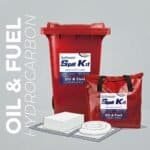
A well-stocked fuel spill kit commonly includes hydrocarbon absorbent pads, socks and booms, drain covers, disposal bags, a scoop, protective gloves and clear instructions. Larger sites may also require portable bunding, overpack drums, salvage drums, drain sealing devices and replacement absorbents held in a controlled store.
Do not overlook accessibility. A kit locked inside a maintenance shed may be secure, but it is ineffective during an after-hours delivery spill. Likewise, a kit positioned behind stored stock or parked plant is not genuinely available. Inspect access routes as part of regular housekeeping checks.
Training turns equipment into capability
The best equipment will not compensate for an unclear response. Personnel who work around fuel should know how to raise the alarm, stop work, isolate the area, protect drains and use the spill equipment provided. They should also know when to step back and call emergency services or specialist assistance.
Short, practical drills are more useful than a folder no one reads. Run scenarios based on normal depot activities: a tanker coupling leak, an overflowing tank, a damaged drum on a forklift tine, or fuel escaping towards a stormwater pit. Time how long it takes to access the kit and deploy drain protection. The results often reveal simple improvements, such as relocating a boom, adding signage or increasing stock levels.
Contractors need the same clarity. Delivery drivers, maintenance crews and cleaning contractors may be first to see a release, yet may not know the site’s drain locations or emergency contacts. Include the key response steps in contractor induction and make reporting arrangements visible at work areas.
Recovery, disposal and reporting
Once the leak is stopped and contained, recover saturated absorbents and contaminated debris into suitable bags, drums or other approved containers. Label and store waste securely pending disposal through an authorised waste provider. Used absorbents should not be placed in general rubbish bins, washed into drains or left exposed to rain.
The exact notification and reporting obligations depend on the spill, the fuel volume, where it travelled and the relevant state or territory requirements. If contamination reaches land, stormwater, groundwater or a waterway, act promptly and follow the site’s incident escalation process. Keep records of the incident, actions taken, waste removed and equipment used.
Restocking is part of the response, not an administrative task for later. Replace used pads, booms, gloves and drain covers immediately. Inspect reusable equipment for damage, then record the changes so the next person responding is not faced with a half-empty kit.
Keep the plan ready between incidents
Fuel depot response arrangements need routine checking because sites change. New tanks, altered traffic routes, changed drainage, different delivery schedules and expanding storage areas can all create gaps in an old plan. Review the response setup after every incident, near miss, drill or significant site change.
For businesses that need practical spill-control equipment, Spillmaster can help match hydrocarbon absorbents, spill kits, drain protection and bunding to the way a depot actually operates. The useful test is straightforward: if a fuel release happened at the busiest point on site right now, could your team protect people, stop the spread and keep product out of the drain? If the answer is uncertain, that is the right place to start improving.