Spill Kit Refill Packs: What to Replace

A spill kit that has already been used is only half a safety control. Once absorbents, PPE, or disposal bags are missing, response time slows down and compliance risk goes up. That is why spill kit refill packs matter – they restore a kit to working condition without forcing you to replace the entire unit.
For most worksites, refills are not a nice-to-have. They are part of keeping spill response practical, cost-controlled, and ready for the next incident. Whether you manage a warehouse, workshop, fuel handling area, loading dock, or marine operation, the right refill pack helps you maintain the same level of protection your original kit was designed to deliver.
What spill kit refill packs actually do
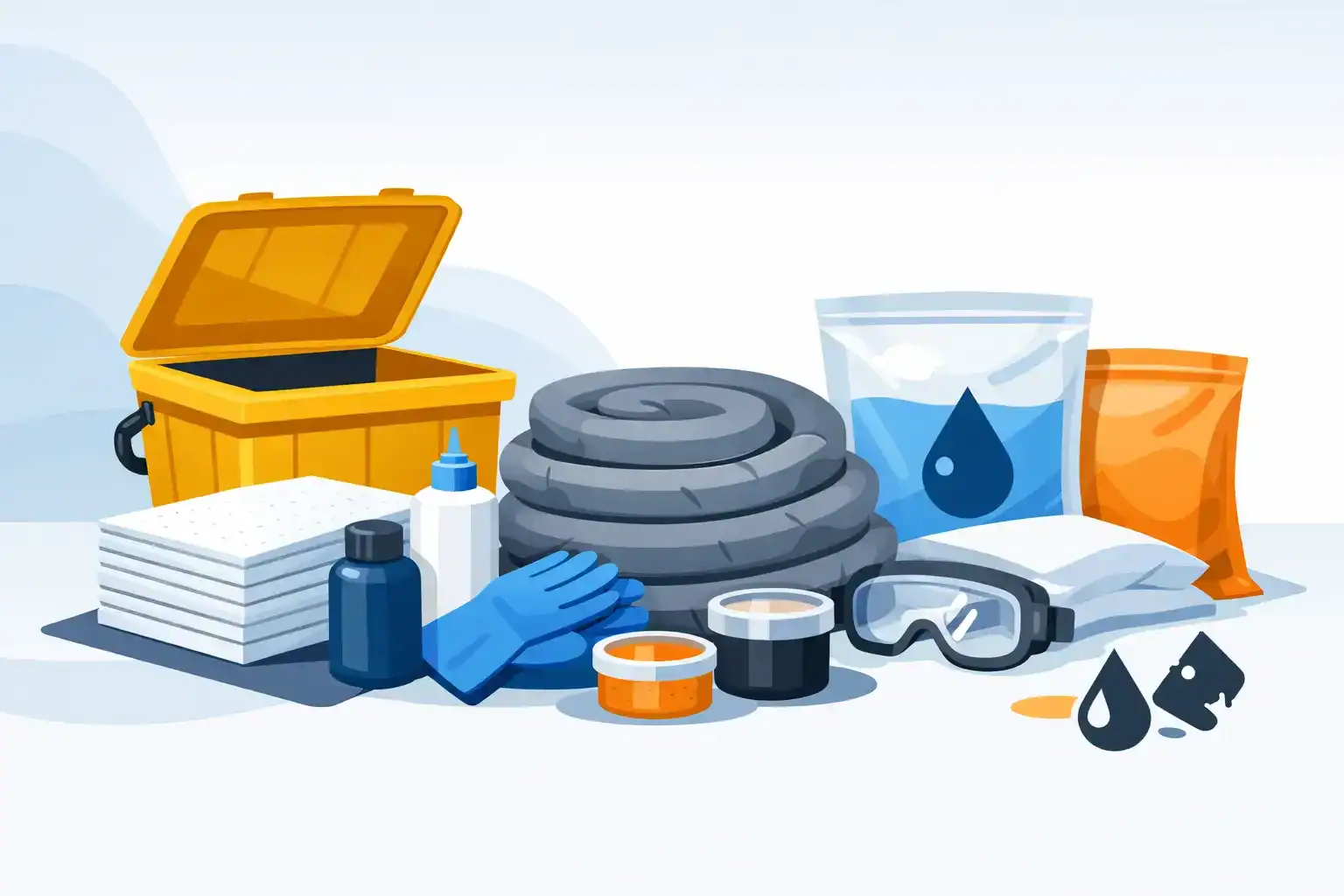
Spill kit refill packs are replacement contents for an existing spill kit. Instead of buying a new bin, bag, or wheeled unit every time materials are used or damaged, you replace the consumable components inside it. That usually means absorbent pads, socks or booms, cushions or pillows, PPE items, and disposal accessories.
The main advantage is straightforward. You keep the container and refill the operational parts that are consumed during a spill response or routine training exercise. That lowers waste, reduces replacement cost, and makes it easier to standardize kit maintenance across multiple sites.
There is also a practical compliance benefit. A spill kit on the floor is often treated as if it is ready to use. If it has been partially emptied and never restocked, that assumption can create a gap between what the site believes it has and what is actually available in an emergency.
When refill packs make more sense than a new kit
In most cases, refill packs are the right choice after a spill event, provided the outer container is still serviceable. If the cabinet, bin, or bag is intact and clearly labeled, replacing only the used contents is usually the most efficient option.
That said, it depends on the condition of the full kit. If the container is cracked, the wheels are damaged, the lid no longer seals properly, or the original kit type no longer matches the hazard profile on site, a full replacement may be the better decision. A refill pack restores contents, but it does not fix poor kit placement, incorrect product selection, or damaged storage hardware.
For buyers managing multiple locations, the cost difference matters as well. Refill packs are typically the better fit for repeat-use sites where minor spills happen from time to time and absorbent stock gets consumed steadily. A complete new kit is more appropriate when setting up a new area, increasing spill capacity, or changing from one spill type to another.
Matching spill kit refill packs to the spill risk
Not all refill packs are interchangeable. The right choice depends on the liquid you are trying to contain and absorb.
General purpose refill packs are commonly used where mixed non-aggressive liquids are the main concern. These are suited to everyday industrial housekeeping spills, water-based fluids, coolants, and some workshop liquids.
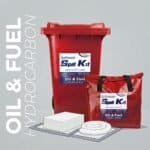
Oil and fuel refill packs are designed for hydrocarbons and are often chosen for transport yards, workshops, marinas, fuel storage areas, and outdoor environments. These absorbents are useful when you need to capture oil-based liquids while avoiding unnecessary uptake of water.
Chemical spill kit refill packs are for more aggressive substances and higher-risk applications. In these settings, absorbent compatibility and suitable PPE matter more than unit price. Using the wrong refill contents for a chemical hazard can create a false sense of readiness, which is exactly what buyers want to avoid.
The safest approach is simple: refill like-for-like unless your site risk has changed. If your original kit was selected correctly, the refill should match its absorbent type and capacity. If your operation now handles different liquids, review the kit specification before reordering.
What should be inside a refill pack
A good refill pack restores the core response function of the original kit. That usually includes absorbent pads for fast uptake, absorbent socks or booms for containment, and larger absorbent units such as pillows for pooling liquids. It may also include contaminated waste bags, ties, and replacement PPE such as gloves or goggles.
The exact content mix should reflect how the kit is meant to be used. A compact vehicle kit will not mirror a large wheeled site kit. A marine spill response setup may prioritize booms differently from a warehouse floor kit. Capacity also matters. A 80 litre equivalent kit needs a very different refill profile than a larger mobile unit used in a fuel handling zone.
This is where buyers sometimes make avoidable mistakes. They replace pads because they are visibly missing but ignore smaller items such as disposal bags or PPE. The result is a kit that looks stocked at a glance but is incomplete when a real spill occurs.
Common signs your kits need refilling now
Some refill needs are obvious after an incident. Others are missed because no one formally checks kit contents.
If the seal is broken, the inventory card is outdated, absorbents are loose or partly used, or PPE has been removed for unrelated tasks, the kit should be inspected. The same applies if contents have become wet, dirty, torn, or degraded through heat and UV exposure. Even an unused kit can become less reliable if it has been sitting in poor conditions for too long.
Sites that use spill kits for training should also have a refill process tied to that activity. Training is valuable, but it should never leave operational kits depleted.
How to buy spill kit refill packs without overpaying
The cheapest refill is not always the lowest-cost option. If the contents do not match your kit, your spill type, or your expected response volume, you may end up double handling the problem and ordering again.
Start with capacity and application. Confirm the original kit size, identify whether the refill is general purpose, oil and fuel, or chemical, and check that the component mix matches what your team actually uses first in a spill event. On some sites, socks disappear faster than pads because containment is the first priority. On others, pads are consumed heavily during cleanup. Buying a refill profile that reflects real use patterns can reduce repeat orders.
Commercial buyers should also look at consistency. Standardizing refill packs across similar areas makes reordering easier and reduces confusion during inspections. If one workshop uses a different combination from another for no operational reason, stock control becomes harder than it needs to be.
Price still matters, of course. But in this category, product certainty matters more. A refill pack should restore confidence that the kit is ready, not create questions about compatibility or absorbency performance.
Storage, inspections, and refill planning
Refill packs work best when they are part of a simple maintenance routine. That means assigning responsibility, setting inspection intervals, and keeping spare refill stock where lead times or spill frequency justify it.
Monthly checks are common for many workplaces, though high-risk areas may need more frequent inspections. The key is consistency. Check the container condition, verify content levels, replace missing items, and record the inspection. If a kit has been used, restock it promptly rather than waiting for the next scheduled check.
For larger operations, it can make sense to hold a small number of spare spill kit refill packs on hand. That reduces downtime after an incident and helps procurement teams avoid urgent one-off orders. The trade-off is storage space and carrying cost, so the right number depends on your spill history, site count, and replenishment lead times.
The value of getting refills right
A spill response plan is only as strong as the equipment available at the point of need. Refill packs support that plan in a practical way. They keep kits complete, reduce unnecessary replacement spend, and help sites maintain readiness without replacing containers that still have service life left.
For buyers responsible for safety and compliance, that is the real value. Spill kit refill packs are not just replacement consumables. They are part of making sure the controls you have paid for remain usable when the next leak, rupture, or transfer incident happens.
If you treat refill planning as routine rather than reactive, your kits stay ready, your teams respond faster, and your site is in a better position when a spill happens at the worst possible time.