Fuel Spill Absorbent Pads That Work Fast


A diesel sheen under a parked machine or a fuel drip near a refueling point does not stay small for long. It spreads, creates a slip hazard, increases fire risk, and can quickly become a reporting and cleanup issue. That is why fuel spill absorbent pads are a standard item in workshops, depots, transport yards, marine settings, and fuel-handling areas where fast first response matters.
These pads are designed to pull hydrocarbons from a spill and hold them in place long enough for safe recovery and disposal. On paper, that sounds simple. In practice, pad selection affects response speed, worker safety, waste volume, and ongoing consumable cost. Buying the wrong absorbent often means using more product than necessary or ending up with pads that are poorly suited to the liquids on site.
What fuel spill absorbent pads are made to do
Fuel spill absorbent pads are generally used for petrol, diesel, kerosene, oils, and similar hydrocarbon-based liquids. Their primary job is immediate control. A pad can be dropped directly onto a drip, wipe up a thin surface spill, or be layered over a larger leak while additional containment is put in place.
In many workplaces, pads are the first absorbent used before booms, socks, granular absorbents, or a full spill kit is brought in. That makes them especially useful for routine operational leaks that happen around fuel storage, drum decanting, mobile plant, marine fueling, and vehicle maintenance.
The key distinction is that not every absorbent pad is intended for fuel. Some are general-purpose and absorb a broad mix of industrial liquids. Some are specifically oil-only and repel water while absorbing hydrocarbons. That difference matters in outdoor areas, washdown zones, and marine environments where rainwater or surface water may be present.
Choosing fuel spill absorbent pads for the actual spill risk
The right pad depends on where the spill happens, what liquid is most likely to be released, and how your team will use the product under pressure. A workshop servicing diesel equipment has different requirements from a marina, and both differ from a warehouse with occasional forklift fuel leaks.
Oil-only vs general-purpose pads
If the risk is strictly fuel or oil, oil-only pads are usually the cleaner choice. They target hydrocarbons and are particularly useful where water is present because they do not become saturated with rain or splash first. That helps reduce waste and improves absorbent efficiency.
General-purpose pads have their place when the site may see mixed liquids, such as coolants, solvents, oils, and light chemicals. The trade-off is specificity. If the main concern is fuel, a dedicated hydrocarbon absorbent often performs more predictably.
Light, medium, and heavy-weight options
Pad weight affects both absorbency and durability. Light-weight pads suit small drips, routine wiping, and low-volume use where quick replacement is expected. Medium-weight pads are common for day-to-day spill response because they balance capacity with cost. Heavy-weight pads hold more liquid and stand up better in demanding environments, but they also cost more per unit.
There is no universal best option. High-traffic refueling areas may justify heavier pads because they reduce change-outs. For minor maintenance drips, lighter pads may be the more economical choice.
Perforated or standard format
Perforated pads let teams tear off only what they need. That can reduce waste when dealing with small leaks or awkward spaces around pumps, valves, and machinery. Standard full-size pads can be faster for larger surface coverage. If your site uses absorbents frequently, perforation often helps control consumption without slowing response.
Where these pads make the biggest difference
Fuel spills rarely happen in ideal conditions. They happen beside vehicles, under tanks, around hoses, on concrete, near drains, and sometimes in wet weather. Pads are valuable because they are easy to deploy with minimal training.
In transport and fleet operations, they are commonly used for diesel drips during vehicle servicing and fueling. In workshops, they help manage recurring leaks around engines, hydraulic equipment, and waste oil areas. In marine settings, oil-only absorbent pads are often used near bilges, fueling points, and docks where hydrocarbon spills need to be captured without absorbing surrounding water.
For fixed fuel storage areas, pads also support housekeeping. A small leak left unattended can spread contamination across a work area, increase slip risk, and undermine the condition of the surrounding bund or containment zone. Using pads early keeps the incident smaller and easier to manage.
Why pad performance is only part of the decision
Absorbency matters, but operational fit matters just as much. A high-capacity pad that is difficult to access during a spill is less useful than a simpler product kept in the right place. The best setup usually combines appropriate absorbents with practical storage and clear response procedures.
That means checking where pads are stocked, how quickly staff can reach them, and whether the quantity on hand matches the likely spill size. It also means making sure workers know when a pad is enough and when the incident requires additional containment, isolation, or escalation.
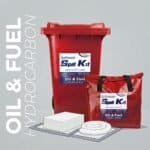
For many sites, pads should not be treated as a standalone solution. They are part of a broader spill response system that may include spill kits, drain protection, booms, PPE, disposal bags, and compliant storage controls. Spillmaster takes that product-led approach because absorbents work best when they are matched to the actual risk, not purchased as a generic consumable.
Common buying mistakes with fuel spill absorbent pads
One of the most common mistakes is choosing by price alone. Lower-cost pads can be perfectly suitable in the right setting, but if they tear too easily, absorb too slowly, or require multiple pads for a small spill, the apparent saving disappears quickly.
Another mistake is underestimating volume needs. Buyers often stock enough pads for housekeeping drips but not enough for a hose failure, overfill event, or transfer spill. That leaves teams relying on mixed absorbents or improvised methods during a real incident.
There is also a training issue. Some sites have the right absorbents but use them incorrectly. Workers may use oil-only pads on mixed liquids or assume a pad can handle a spill that really needs booms and area isolation. Product selection and site procedure need to line up.
Storage, access, and replacement on site
Fuel spill absorbent pads should be stored where leaks are most likely to occur, not just in a central storeroom. Refueling points, workshops, loading zones, generator areas, marine berths, and plant parking bays are all common locations. Fast access is part of effective spill response.
It is also worth reviewing how pads are issued. If every minor use requires approval or a trip across the facility, staff may delay cleanup or use the wrong material instead. On the other hand, unrestricted access without stock checks can lead to unnecessary consumption. The practical middle ground is controlled but visible placement with regular replenishment.
Replacement cycles should reflect real usage. If pads are used daily for routine drips, procurement should treat them as a planned consumable rather than an emergency-only item. That avoids stockouts and keeps response readiness consistent.
Disposal and compliance considerations
Used fuel absorbent pads are not ordinary waste. Once contaminated with hydrocarbons, they need to be handled and disposed of according to site procedures and local regulatory requirements. That can include using appropriate waste containers, labeling, and arranging collection through approved waste channels.
This is another reason product choice matters. More efficient pads can reduce the number of contaminated items generated during routine cleanup. Over time, that may help with both waste handling and total cost.
It is also worth remembering that absorbents do not remove the need for broader environmental controls. If there is a risk of fuel reaching drains, soil, or waterways, response procedures should include immediate containment and escalation steps beyond simply placing pads on the spill.
When to use pads and when to step up the response
Pads are ideal for small spills, drips, splash control, and the first stage of response. They are less suitable when fuel is actively flowing, spreading quickly, or threatening stormwater entry points. In those cases, pads should support the response, not define it.
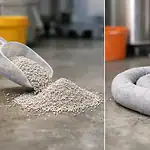
A larger event may require booms to stop spread, socks to contain around the spill perimeter, drain covers to protect water systems, and PPE suited to the hazard. If the spill source is not controlled, even the best pad will only buy time.
That is the practical way to think about fuel spill absorbent pads. They are not complicated, but they are not interchangeable either. Match the pad to the liquid, the environment, and the likely spill size, and they become one of the most effective low-cost tools on site. Get that choice right before the next leak happens, and your team will respond faster, cleaner, and with far less disruption.