Workplace Spill Response Procedure That Works

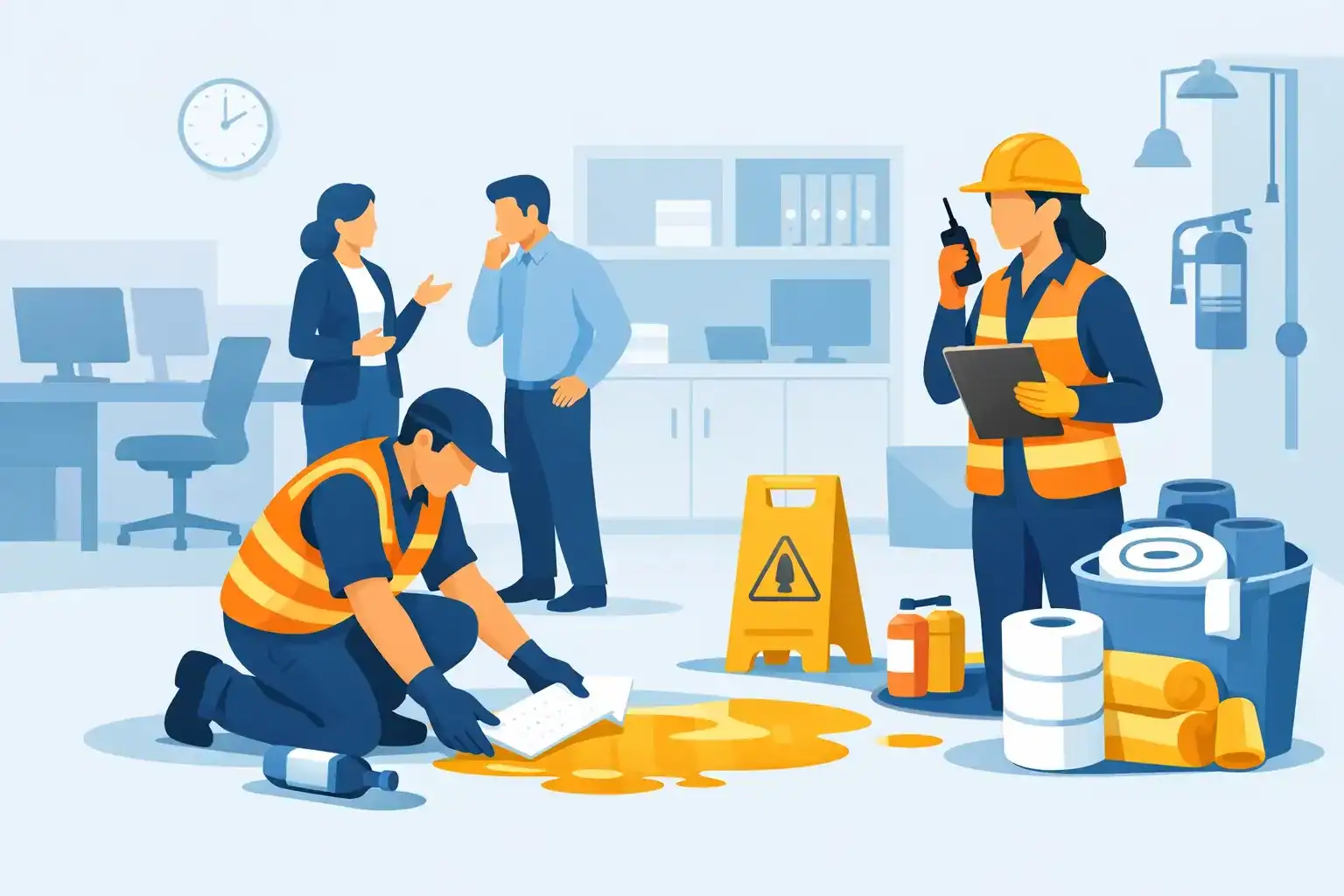
A drum leaks in the warehouse, a hydraulic hose lets go in the workshop, or a cleaning chemical tips over near a drain. In those first few minutes, your workplace spill response procedure matters more than the spill kit sitting on the wall. If the procedure is vague, outdated or too complicated to follow under pressure, containment slows down, exposure risks rise and a minor incident can turn into a reportable event.
For most sites, the goal is not just to clean up quickly. It is to protect people first, stop the spill spreading, prevent environmental harm and document the response properly. That sounds straightforward, but the right procedure depends on what has spilled, how much is involved, where it has gone and whether your team is trained and equipped to act safely.
What a workplace spill response procedure needs to do
A workable procedure gives staff a clear sequence to follow when time is tight. It should remove guesswork, especially for first responders who may not be safety specialists. In practical terms, the procedure needs to cover hazard identification, escalation, PPE, containment, clean-up, waste disposal and incident reporting.
It also needs to reflect the realities of your site. A fuel depot, food manufacturing plant and maintenance workshop will not respond to spills in exactly the same way. The broad steps may look similar, but absorbent selection, isolation requirements and disposal controls can differ a lot.
That is where many procedures fall over. They are written as generic compliance documents rather than operational instructions. If your team cannot use the procedure on the floor, at the dock or in the yard, it is not doing its job.
The core steps in a workplace spill response procedure
The first step is to assess before acting. Staff need to identify what has spilled, estimate the volume, check whether anyone is exposed or injured and look at immediate risks such as fumes, ignition sources, traffic movement or drains. If the substance is unknown, treat it cautiously and escalate fast. Guessing is a poor control measure.
The next step is to protect people. That can mean isolating the area, keeping untrained staff back, shutting down plant, ventilating where appropriate and selecting the right PPE. Gloves alone are not a response plan. Depending on the substance, responders may need eye protection, chemical-resistant clothing, respiratory protection or specialised gloves matched to the material involved.
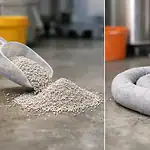
Containment comes next. The objective is to stop the spill at the source if that can be done safely, then prevent migration. In practice, this might mean uprighting a container, closing a valve, using absorbent socks around the edge of the spill or placing drain covers before liquid reaches stormwater. The order matters. Too many responses start with mopping up the middle while the spill keeps spreading.
Clean-up follows once the area is controlled. The materials used should match the spill type. General-purpose absorbents may be suitable for many non-aggressive liquids, but oils, fuels and corrosive chemicals often need more specific products and handling controls. Using the wrong absorbent can slow the job down or create a secondary hazard.
The final stage is disposal and reporting. Used absorbents, contaminated PPE and recovered liquids may all need controlled disposal in line with site rules and local requirements. The incident should also be recorded, not just for compliance but to understand why it happened and what will stop the next one.
Small spill or major spill – the response changes
One of the most useful things a procedure can do is define when a spill is minor and when it becomes a major incident. That line should not be based on volume alone. A small amount of concentrated acid in a confined area can present a higher risk than a larger spill of non-hazardous liquid in an open yard.
A minor spill is typically one that trained onsite staff can contain and clean up using the available spill kit and PPE without putting themselves at unreasonable risk. A major spill may involve unknown substances, dangerous fumes, fire risk, significant environmental exposure, injury, entry into drains or a volume beyond the capacity of your onsite resources.
If that threshold is not clear, staff may hesitate too long or overcommit to a response they should have escalated. Your procedure should spell out who gets called, who takes control and when external emergency support is required.
Equipment only works if it matches the risk
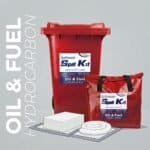
A spill kit is not a single product category in any practical sense. What works for hydrocarbon spills may not be suitable for aggressive chemicals, and a compact workshop kit may be inadequate for a loading dock or fuel handling area. The procedure should align with the equipment actually positioned around the site.
That means matching kit type, absorbent capacity and accessory components to the likely spill scenarios. Sites handling oils and fuels often need absorbents that repel water and target hydrocarbons. Chemical handling areas may need stronger compatibility across a wider range of substances. Outdoor areas need controls that help protect drains and contain spread across uneven surfaces.
The same applies to PPE and containment hardware. If the procedure tells staff to isolate drains, but there are no drain covers available nearby, the procedure is not complete. If it requires responders to wear chemical-resistant gloves but only general-purpose disposable gloves are stocked, there is a gap between compliance on paper and performance in the real world.
Training is where the procedure becomes usable
Even a well-written workplace spill response procedure will fail if training is limited to induction paperwork. Staff need to know where equipment is stored, what each kit is for, who can respond, who must escalate and how to report the incident once the area is safe.
Short, practical training usually works better than long theory sessions. Walk teams through realistic spill scenarios in their own work areas. Show them the difference between fuel, oil and chemical response materials. Test how quickly they can access a kit, isolate a drain and secure the area. The point is not to run a perfect drill. It is to expose confusion before a real spill does.
Refresher training matters as well. Procedures often degrade after layout changes, staff turnover or shifts in the substances stored onsite. If you have introduced new chemicals, moved storage areas or changed waste disposal arrangements, the spill response procedure should be reviewed and retrained.
Compliance is part of the procedure, not an afterthought
Most buyers responsible for spill control are balancing safety, environmental duty and cost. A practical procedure helps with all three. Faster containment reduces clean-up cost, lowers downtime and cuts the chance of contaminated run-off, damaged stock or injury claims.
But compliance should still be explicit. Your procedure should reference safety data information, site-specific risk controls, waste handling requirements and notification obligations where relevant. It should also support your broader systems for hazardous chemical storage, PPE selection and emergency preparedness.
Documentation does not need to be bloated to be useful. Clear records of what spilled, why it happened, how it was contained, what was used and what corrective action followed will give you much better value than a generic incident note that says the spill was cleaned up.
Common problems that weaken spill response
The same issues come up repeatedly across industrial and commercial sites. Spill kits are undersized for the risks present. Absorbents are mixed or unlabeled. PPE is incomplete. Procedures are written in office language instead of plain operational terms. Drain protection is missing. No one is certain who has authority to escalate.
Another common problem is assuming the clean-up crew can handle every spill. In reality, the first few actions are often taken by operators, drivers, storepersons or maintenance staff who are simply closest to the incident. Your procedure should be written for the people who will use it first, not just the people who approve it.
This is also where specialist supply matters. Buying spill response equipment as an afterthought usually leads to mismatched kits and unnecessary gaps. A narrower safety supplier such as Spillmaster is often easier to work with because the categories are built around actual spill types, containment needs and compliance use cases rather than general warehouse stock.
How to review your current procedure
A quick desk review is a start, but it is not enough. Walk the site and compare the document against what is physically in place. Check whether the likely spill points have the right kits nearby, whether signage is clear, whether drains are protected and whether staff know what they are expected to do.
Then look at the hard questions. Can your team identify a spill that is beyond their competence? Do they know the difference between controlling a source and cleaning a surface? Is waste disposal defined clearly? Are refills available and checked after each incident or drill? If the answer is no, the procedure needs work.
A good workplace spill response procedure is not long for the sake of it. It is clear, specific and usable under pressure. When the next spill happens, your team should not need to interpret it. They should be able to follow it, trust the equipment on hand and contain the problem before it spreads.
The best time to fix a spill procedure is before anyone needs it in a hurry.