Chemical Storage Bunds for Safer Worksites


A leaking drum rarely stays contained for long. Once oil, coolant, acids, solvents or other hazardous liquids reach a warehouse floor, they can enter drains, spread beneath racking, create slip hazards and interrupt operations. Chemical storage bunds provide the controlled secondary containment that stops a small leak becoming a site-wide clean-up, environmental incident or costly stock loss.
For operations managers, EHS officers and workshop supervisors, bunding is not simply an item to tick off a purchase list. The right bund needs to suit the chemicals on site, the number and size of containers being stored, the way stock is handled and the realistic spill volume your team may need to contain.
What a chemical storage bund does
A bund is a secondary containment system positioned beneath or around chemical containers. Its purpose is to capture liquid if a drum, jerry can, intermediate bulk container (IBC), tap or hose fails. Rather than allowing the spill to travel across the floor or towards stormwater, the liquid remains in a defined area where it can be assessed and recovered safely.
Chemical storage bunds are commonly used beneath 205-litre drums, IBCs, smaller containers and decanting areas. They may take the form of moulded spill pallets, drum bunds, low-profile containment decks, portable spill bunds or larger modular floor systems. The best option depends on the storage task, not just the volume of liquid being held.
A bund is not a substitute for good housekeeping, sound containers or an appropriate spill kit. It is the second line of defence when those controls fail. That distinction matters: a bund can contain a release, but it cannot prevent a damaged drum from leaking or make incompatible chemicals safe to store together.
Start with the liquid, not the pallet
The first purchasing question is not, “How many drums fit?” It is, “What is being stored?” Chemical compatibility should guide every bunding decision. A polyethylene bund may be suitable for many oils, fuels, coolants, acids and corrosive liquids, but compatibility must always be checked against the specific substance and its safety data sheet.
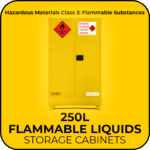
Some chemicals can degrade unsuitable materials, while others create additional hazards through vapours, heat or violent reactions. Flammable liquids may need compliant storage arrangements that address ignition sources, ventilation, segregation and fire risk as well as spill containment. Corrosives may require dedicated storage away from incompatible products. A bunded pallet alone does not resolve those wider storage requirements.
Segregation is equally important. Do not use one shared bund for chemicals that could react if released together. Acids and alkalis, oxidisers and fuels, or other incompatible substances need separation based on their safety data sheets and site procedures. If a spill combines two incompatible materials inside the same bund, containment may limit its spread but still leave your team managing a dangerous reaction.
Choose capacity with a real spill in mind
Bund capacity must be enough to contain the liquid that could reasonably escape. Australian environmental and dangerous goods requirements can vary by jurisdiction, substance and storage arrangement, so check the applicable rules, safety data sheets and your site’s compliance obligations before specifying equipment.
As a practical starting point, assess the largest container in the storage area, the total volume being stored and whether containers are being decanted or moved frequently. A static drum storage area has different risk exposure from a busy maintenance bay where drums are handled by pallet jack or forklift throughout the day.
Do not assume a nominal bund capacity remains available once containers are loaded onto it. Drums, IBCs and grates displace volume. Rainwater, cleaning water, debris and previous minor leaks can reduce remaining capacity as well. Outdoor installations need particular attention. A bund full of rainwater cannot perform when a drum fails, and contaminated water must not be emptied to a drain without assessing the material and your disposal requirements.
Where several containers are stored together, a larger spill pallet or modular bunded area may be more practical than several small units. However, dividing storage into separate bunds can make segregation easier and reduce the potential volume of a single incident. The right balance depends on your footprint, handling process and chemical inventory.
Match the bund to how people work
A bund that obstructs normal work is more likely to be bypassed, damaged or used incorrectly. Consider how chemicals arrive, where they are stored and how operators access them.
For fixed drum storage, a two- or four-drum spill pallet can provide straightforward containment with space-efficient storage. For IBCs, use a purpose-designed IBC bund with suitable load capacity and a sump sized for the storage risk. Never place an IBC on a bund designed only for drums, even if it appears to fit.
Low-profile bunds can make it easier to load drums with a pallet jack, while bunds with ramps may suit frequent movement of trolleys or equipment. In a workshop, a portable bund can create temporary containment during servicing, chemical transfers or maintenance work. For a larger chemical store, modular bunding can define a contained floor area around racking or multiple pallets.
Forklift access deserves careful planning. Check the loaded weight of each pallet, the
bunds rated capacity, fork entry points and clearance needed to move containers without striking the bund wall. A chemical spill pallet may be chemically suitable but still be the wrong choice if routine handling will crack it, overload it or force staff into unsafe manual handling.
Installation details that affect containment
Place bunds on firm, level ground capable of carrying the combined weight of the bund, stored containers and liquid held during a spill. Uneven concrete can cause drums to lean, distort a pallet and reduce the useful containment volume. Avoid locations where vehicle traffic can strike stored containers or where a spill could flow beyond the bund before it is identified.
Keep access to labels, valves and safety data information clear. Staff need to identify products quickly during an incident and inspect containers for corrosion, bulging, damaged bungs or weeping taps. If a bund is tucked behind stock or beneath inaccessible racking, leaks may go unnoticed until the available capacity has already been reduced.
Where decanting occurs, position containment beneath the transfer point rather than relying solely on the storage pallet nearby. Most transfer spills happen at bungs, taps, hoses and funnels. A dedicated decanting station, suitable dispensing equipment and absorbents close at hand provide better control than asking workers to move a leaking container after the fact.
Inspection and maintenance are part of the system
Bunding needs routine inspection, particularly in high-use chemical areas. Include it in scheduled workplace checks and after any spill, forklift contact or container failure. Look for cracks, warping, damaged grates, blocked drains, pooled liquids and signs that the bund is being overloaded.
Remove collected liquid promptly using a safe method appropriate to the substance. Treat unknown liquids as potentially hazardous until identified. The contents of a bund may be contaminated, even if the original release appears to be oil or water, so disposal needs to follow site procedures and relevant waste requirements.
Keep the surrounding area clear enough for spill response. Absorbent pads, socks, drain covers and appropriate PPE should be available for the chemicals stored. If the bund contains a release, workers still need a safe way to stop the source, protect nearby drains and recover the liquid without exposing themselves.
Training should be practical. Staff need to know which chemicals belong in each area, how to recognise a compromised container, what not to mix, and who to notify when liquid is found in a bund. A quick response is only possible when the equipment and procedures are familiar before an incident occurs.
A purchasing check before you commit
Before ordering, confirm the chemical compatibility, load rating, sump capacity, container configuration and handling method. Then consider whether the bund will be indoors or outdoors, whether rainwater management is needed, and whether there is enough room for safe inspection and spill response.
For sites with changing stock levels, it can be worth choosing modular or expandable containment rather than buying a pallet that only suits the current layout. Conversely, oversizing every storage area can consume valuable floor space and make daily handling harder. Fit-for-purpose equipment is usually the more economical choice over its working life.
Spillmaster supplies bunding and spill containment equipment for worksite storage, handling and response requirements. Selecting the right configuration early gives your team a clear, practical control at the point where leaks are most likely to occur.
The most useful bund is the one that remains compatible, accessible, correctly loaded and ready to contain a release on an ordinary working day – not just during a compliance inspection.