Choosing Drum Bunding Solutions


A leaking 205-litre drum can turn a routine shift into a cleanup, reporting and downtime problem very quickly. That is why drum bunding solutions are not just a storage accessory – they are a practical control for containing spills, protecting drains and helping worksites stay compliant.
For most sites, the real question is not whether bunding is needed. It is which type makes sense for the way drums are stored, moved and used day to day. A warehouse with static chemical storage has different needs from a workshop decanting oils each morning, and both are different again from a fuel-handling area where forklifts are constantly moving stock.
What drum bunding solutions are meant to do
At a basic level, bunding provides secondary containment. If a drum leaks, ruptures or is overfilled, the liquid is captured before it reaches the floor, stormwater or surrounding stock. That sounds simple, but the right bunding setup also affects housekeeping, handling efficiency and inspection routines.
Good drum bunding solutions help reduce the spread of contaminants, keep incompatible liquids under better control and create a more organised storage area. They also make it easier for supervisors and WHS teams to show that spill risks have been considered properly rather than treated as an afterthought.
In practice, bunding is often doing two jobs at once. It is protecting the environment and supporting safer storage of hazardous or polluting liquids. Where sites go wrong is choosing a product based only on drum count, without considering how the drums will actually be accessed, dispensed or relocated.
Matching bunding to the way your site operates
The best bunding choice depends on movement, volume and liquid type. A static storage zone usually suits a different product from an active dispensing area, because the risk profile is different.
If drums are mostly stored in one place and only moved occasionally, a spill pallet or fixed bunded platform is often the most straightforward option. These are designed for predictable storage layouts and can simplify housekeeping because drums remain contained in a defined footprint.
If drums are being loaded and unloaded regularly, forklift access matters. In that case, the height of the bund, the load rating and the ease of placing drums onto the unit become part of the buying decision, not an afterthought. A bund that is technically compliant but awkward to use will often be bypassed by operators under time pressure.
For decanting and transfer tasks, you may need more than simple storage containment. A bunded drum workstation, low-profile unit or dispensing station can make more sense where taps, pumps or funnels are used. Spills are more likely during handling than static storage, so bunding needs to support that activity rather than merely sit underneath it.
Common types of drum bunding solutions
Single-drum bunding is useful where only one drum is stored or dispensed at a time, especially in smaller workshops, maintenance areas or satellite locations. It helps isolate risk without taking up unnecessary floor space.
Two-drum and four-drum spill pallets are common in warehouses, service yards and chemical stores because they suit standard drum configurations and make stock control easier. These units are often the practical middle ground for sites that want containment without building permanent infrastructure.
Low-profile bunds are worth considering where manual drum handling, pumps or frequent dispensing are part of the process. Their lower deck height can reduce awkward lifting and improve usability, though there can be trade-offs in capacity and configuration.
Portable or modular bunding can suit temporary work zones, maintenance shutdowns or areas where storage arrangements change. The advantage is flexibility. The downside is that temporary systems still need the same discipline around placement, inspection and liquid compatibility as permanent ones.
Capacity is not the only specification that matters
Buyers often start with sump capacity, and that is sensible, but it should not be the only criterion. The bund also needs to handle the load weight of full drums and any handling equipment used around it.
Material compatibility matters just as much. Oils, fuels, coolants, solvents and corrosive chemicals do not all place the same demand on containment equipment. Poly bunds are commonly used for a wide range of chemicals because of their corrosion resistance, while steel units may be preferred in some applications for structural reasons or site standards. The correct choice depends on the liquids involved and the environment where the bund will sit.
Grating design is another practical point. A removable, well-supported grate makes inspection and cleanup easier. If the grate flexes too much, is hard to remove or traps residue, maintenance becomes slower and the unit is more likely to be neglected.
Drum bunding solutions and compliance expectations
Compliance is one of the main reasons buyers review bunding, but compliance should be treated as an operational requirement, not just a box to tick. Sites storing fuels, oils and hazardous chemicals may be subject to environmental controls, workplace safety requirements and internal audit standards. Secondary containment supports all three.
The exact requirement depends on what is stored, how much is stored and the applicable site obligations. That is why it is worth checking not only volume and bund capacity, but also segregation, location, drainage risk and whether dispensing is occurring in the same area.
A bund can be the right product and still be the wrong system if drums are overhanging the edge, incompatible liquids are grouped together, or operators routinely leave containers outside containment for convenience. Product selection and site procedure need to line up.
Where sites commonly get it wrong
One common mistake is undersizing the containment area. This usually happens when a site plans for current drum numbers only, with no allowance for incoming stock, temporary overflow or a change in product lines.
Another problem is choosing bunding that does not suit the handling method. If drums arrive by pallet jack or forklift but the bund layout makes loading difficult, teams will work around it. That creates exactly the kind of uncontrolled storage the bund was meant to prevent.
Poor placement is also an issue. Bunding installed in a high-traffic corner, near incompatible operations or too far from the actual point of use tends to create workarounds. In the same way, bunding without a nearby spill response plan leaves a gap between containment and cleanup.
How to assess the right setup for your site
Start with the liquids. Identify what is being stored, whether it is hazardous, and what would happen if the largest container failed. Then look at the routine: is the drum static, moved weekly, or opened several times a day for dispensing?
Next, assess the storage pattern. A neat row of four drums in a controlled store needs a different solution from mixed containers in a busy workshop. Think about access, not just fit. Operators need enough space to inspect labels, connect pumps and remove empty drums without defeating the containment system.
Finally, think beyond purchase price. A cheaper unit that slows handling, creates manual handling issues or does not hold up to the chemical environment can cost more over time. Reliable drum bunding solutions earn their value by preventing incidents and reducing friction in daily operations.
Integrating bunding with broader spill control
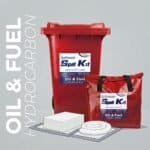
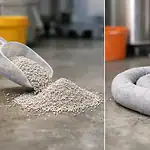
Bunding should not sit alone in the safety plan. The best results come when containment is backed by spill kits, absorbents, clear labelling and straightforward inspection routines. If a drum leaks inside a bund, the site still needs the means to recover the liquid safely and manage contaminated absorbents correctly.
This is where specialist suppliers such as Spillmaster add practical value. Buyers are not just sourcing a pallet or platform. They are matching containment with the spill response products and storage controls that make the whole area work properly.
Routine inspections matter here. Check for cracked sumps, damaged grates, blocked access, accumulated rainwater where relevant, and residue that could affect compatibility or capacity. Bunding is low-maintenance equipment, but it is not no-maintenance equipment.
Making a better buying decision
The strongest buying decisions are usually the least complicated. Choose drum bunding solutions based on the liquid, the drum count, the handling method and the reality of the work area. If any one of those factors is ignored, the product may still arrive on site and still fail to solve the problem.
For procurement teams, that means asking a few direct questions before ordering. Will this unit be used for storage, dispensing or both? Can operators load it safely with existing equipment? Is the material suitable for the liquids involved? Does the capacity align with site expectations and risk? Those questions tend to prevent expensive rework later.
The right bunding setup should feel boring in the best possible way. It should fit the area, contain what it needs to contain, and support the way your team already works. When that happens, compliance is easier to maintain, spill risks are easier to control, and the storage area stops being a weak point in the operation. “View our full range of certified Spill Pallets for compliant drum and IBC secondary containment.”