A Guide to Chemical Compatibility at Work


A leaking drum does not wait for a procurement review. When an unknown liquid reaches a bund, pallet, absorbent or pair of gloves, the wrong material can swell, crack, dissolve or allow the chemical through. This guide to chemical compatibility helps safety and operations teams make equipment decisions before a spill tests them.
Chemical compatibility is not a single product claim. It is the relationship between a substance, its concentration, its temperature, its contact time and the material it touches. A nitrile glove may suit one task but not another. A polyethylene spill pallet may be suitable for many chemicals, while a particular solvent or oxidiser demands further confirmation. The practical objective is straightforward: prevent a foreseeable reaction, loss of containment or worker exposure.
What chemical compatibility means on site
In a worksite setting, chemical compatibility has two related meanings. The first is whether chemicals can be stored, handled or accidentally mixed without a dangerous reaction. The second is whether the equipment used around those chemicals can withstand contact and continue to perform as intended.
Both matter. Storing an oxidising agent beside a flammable liquid creates a different risk from selecting an unsuitable absorbent. Yet either decision can turn a small release into a fire, fume event, uncontrolled reaction or contamination incident.
Compatibility must be assessed for the full task, not just the container label. Consider the chemical’s concentration, physical form, volume, likely spill pathway and the duration of exposure. A dilute cleaning chemical wiped up immediately is not the same as concentrated acid sitting in a sump for several hours. Heat, sunlight, pressure and repeated use can also change the result.
Start with the safety data sheet
The safety data sheet, or SDS, is the starting point for every assessment. Confirm the product name, chemical constituents, dangerous goods class where applicable, concentration and key hazards. Pay close attention to incompatibilities, suitable extinguishing media, first-aid advice, storage requirements and recommended personal protective equipment.
Do not rely on a trade name alone. Products with similar names can have very different compositions, and formulations can change. If the chemical is decanted, ensure the secondary container is correctly labelled and that the SDS remains accessible to the people using it.
The SDS will not always name every compatible material for a spill pallet, cabinet or glove. Where it does not, use the equipment manufacturer’s chemical-resistance information and seek technical confirmation for the exact chemical and use conditions. This is especially necessary for strong acids, caustics, solvents, oxidisers, pesticides and mixed wastes.
Check the chemical against the equipment
A practical compatibility check should follow the chemical from delivery through to disposal. That means reviewing the original container, storage location, transfer equipment, PPE, spill response products and waste receptacles. A sound storage decision is incomplete if the drain cover, absorbent or disposal drum is unsuitable.
Secondary containment and bunding
Spill pallets, bunds and containment trays are commonly made from polyethylene, steel or other engineered materials. Polyethylene provides broad resistance to many oils, fuels, acids and alkalis, which makes it a common choice for chemical containment. It is not an automatic approval for every substance.
Some solvents, oxidisers and highly aggressive chemicals can affect polymers or require a different containment approach. Steel bunding may be appropriate for certain products but unsuitable where corrosion is likely. Check whether the chemical can attack the bund material, seals, valves and any drain fittings – not merely the main body of the pallet.
Also assess capacity. Secondary containment needs to hold the credible spill volume, including rainwater where equipment is used outdoors. Keep bunds clear of incompatible containers and avoid using a single containment area as a convenient place for every leftover chemical.
Absorbents and spill kits
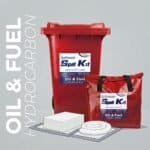
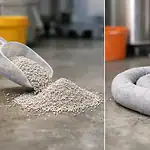
Absorbent selection is driven by the spilled material. General-purpose absorbents are commonly used for non-aggressive liquids such as oils, coolants and many workplace fluids. Oil-only absorbents are designed to repel water and are useful for hydrocarbons on land or water. Chemical absorbents are intended for a wider range of hazardous liquids, including many acids and caustics.
The distinction matters. Never assume an absorbent that handles oil is suitable for a corrosive chemical. For unknown liquids, treat the spill as hazardous, isolate the area and refer to the SDS or emergency procedure before choosing a response method. A properly specified chemical spill kit should include compatible absorbents and protective equipment, but the site still needs to confirm it suits the chemicals actually held.
Absorbents do not neutralise every hazard. Some chemical reactions generate heat, vapour or gas, and some substances need specialist emergency response. Do not apply absorbent to a spill if the SDS, site procedure or emergency services advice indicates a reactive hazard.
PPE and gloves
Glove compatibility deserves closer attention than a generic statement such as “chemical resistant”. Resistance varies by glove material, thickness, chemical concentration and breakthrough time. Breakthrough time is the period before a chemical permeates the glove material under test conditions. A glove can look intact while offering reduced protection.
Nitrile, neoprene, butyl, PVC and laminate gloves each have different strengths. Nitrile is widely used for many oils and common chemicals, but it is not universally suitable for strong solvents. Butyl rubber can provide strong protection against particular gases and solvents, while PVC is often used where protection from acids and alkalis is needed. The correct choice depends on the product and task.
Check the manufacturer’s compatibility chart for the specific glove, then consider cuff length, abrasion risk, dexterity and whether splash protection or immersion protection is required. Replace gloves that are torn, discoloured, softened, swollen or contaminated internally. The same approach applies to aprons, boots, goggles and face shields.
Cabinets, containers and waste
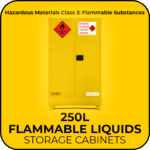
Dangerous goods storage is about separation as well as containment. Flammable liquids cabinets are designed for flammable liquids, not for every hazardous substance. Oxidisers, corrosives, toxic substances and reactive chemicals may require separate storage arrangements based on their hazards, quantities and applicable workplace requirements.
Do not store incompatible chemicals together simply because there is spare space in a cabinet or on a spill pallet. Segregate materials that can react, and keep acids away from bases where required. Oxidisers must be kept away from flammables and other combustible materials. Cyanides and sulphides require particular care around acids because hazardous gases may be released.
Waste chemicals need the same discipline as new stock. Label waste containers with their contents and hazards, keep them closed, and do not combine residues unless the process has been assessed and approved. “Empty” drums can contain enough residue or vapour to create a compatibility issue.
Use a repeatable assessment process
For routine operations, a simple documented process reduces guesswork. First, identify the chemical and obtain the current SDS. Next, identify every material it may contact during storage, handling, spill response and waste collection. Then compare the chemical against manufacturer data for the containment product, absorbent or PPE.
Record the decision and the conditions it relies on. For example, a pallet may be approved for short-term external containment of sealed drums, while the same material may not be approved for long-term direct contact with a concentrated solvent. If the chemical, quantity, process or temperature changes, review the assessment.
Where information conflicts or is incomplete, take the conservative option. Isolate incompatible materials, select equipment with confirmed resistance, or obtain advice from the chemical supplier, equipment manufacturer or a qualified safety professional. A product description is useful for initial selection, but it is not a substitute for compatibility confirmation in high-risk applications.
Common gaps that create avoidable risk
Many compatibility failures begin with ordinary shortcuts. A spill kit may have been purchased years ago for oils, then expected to manage acids after the site’s chemical inventory changes. Gloves may be selected by colour or familiarity rather than a resistance chart. A bund may be assumed compatible because it held one product without issue, even though the next product contains a different solvent blend.
Training is equally relevant. Workers need to know where SDSs are held, what equipment is available, when they can safely manage a spill and when to escalate. Keep spill kits accessible, check refill levels after every incident and inspect bunding, pallets and cabinets for damage or chemical attack.
The most dependable approach is to match the chemical inventory to the equipment already on site, rather than discovering gaps during an incident. Review that match whenever new chemicals arrive, processes change or containment equipment is replaced. Clear labels, confirmed product suitability and ready access to the right response gear give workers a far better chance of containing a spill safely.