Universal vs Hazchem Absorbents Compared


A leaking drum does not give a worksite time to debate product selection. The right absorbent needs to be close by, compatible with the liquid and capable of helping staff control the spill without creating a larger hazard. When comparing universal vs hazchem absorbents, the key question is not which type is better overall. It is which one matches the liquids your team handles and the risks present at the point of use.
Universal absorbents are designed for common workshop, warehouse and maintenance spills. Hazchem absorbents are intended for hazardous chemical spills, particularly where the liquid may be aggressive, corrosive or unknown. Confusing the two can affect worker safety, waste handling and the effectiveness of your spill response.
What are universal absorbents?
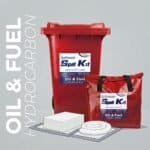
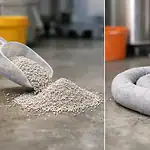
Universal absorbents, often recognised by their grey colour, are general-purpose spill control materials. They are commonly supplied as pads, rolls, socks, pillows and loose particulate. Their role is to absorb a broad range of non-aggressive liquids encountered in everyday industrial operations.
This can include oils, fuels, diesel, lubricants, hydraulic fluid, coolants, water-based liquids and many routine maintenance fluids. For workshops, plant rooms, warehouses and loading areas, universal absorbents are often the practical first-line option because spills can involve more than one type of common liquid.
For example, a maintenance team working around forklifts, compressors and machinery may encounter small hydraulic oil leaks, coolant drips and rainwater tracked into a work area. A universal pad or sock provides a versatile response without needing separate products for each routine liquid.
That versatility has limits. Universal absorbents should not be treated as a catch-all solution for every substance in the workplace. If acids, alkalis, solvents, oxidisers or other hazardous chemicals are used or stored on site, a hazchem product may be the more appropriate choice.
What are hazchem absorbents?
Hazchem absorbents, commonly yellow, are designed for hazardous chemical spill response. They are used where the liquid could be corrosive, reactive or otherwise hazardous to workers and the environment. Typical applications include laboratories, chemical stores, manufacturing lines, wash-down areas, water treatment facilities and dangerous goods handling zones.
They are available in the same practical formats as universal absorbents: pads for wiping and covering spills, socks for containing flow, pillows for larger pooled volumes, rolls for wider coverage and loose absorbent for uneven surfaces or larger releases.
The major reason to specify hazchem absorbents is chemical compatibility. These products are selected for incidents involving substances such as acids, caustics, solvents and unknown liquids. A chemical spill kit should also include appropriate personal protective equipment and clear response instructions, because absorbent media is only one part of safe spill control.
Do not assume that a yellow absorbent automatically makes every chemical spill safe to manage. The substance’s safety data sheet, the chemical label, the size of the spill, ventilation requirements and available PPE still determine the correct response. Some releases may require isolation, emergency services or specialist clean-up rather than onsite absorption.
Universal vs hazchem absorbents: the practical difference
The simplest distinction is the type of liquid each product is intended to manage. Universal absorbents suit broad, routine liquid spills. Hazchem absorbents suit hazardous chemical spills where compatibility and worker protection are the primary concern.
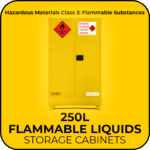
That distinction affects how you position stock around a facility. Universal pads and socks are well suited to maintenance benches, workshops, loading docks, warehouse aisles and vehicle servicing areas. Hazchem supplies belong near chemical decanting stations, dangerous goods cabinets, laboratories, battery rooms and process areas where hazardous substances are handled.
It also affects purchasing decisions. A site that only stores fuel, lubricants and water-based maintenance fluids may need universal absorbents as its core consumable. A site using a mix of degreasers, acids and cleaning chemicals should maintain hazchem capability in the relevant work zones, even if universal absorbents remain useful elsewhere.
Colour coding helps teams react quickly, but it is not a substitute for training. Staff should know what the colours mean on their site, where each kit is located and when they must stop work and escalate an incident.
Absorption capacity is not the same as suitability
Buyers sometimes focus only on how many litres a pad, roll or kit can absorb. Capacity matters, particularly when sizing a spill kit, but it does not establish chemical suitability. An absorbent that holds a high volume of liquid is not necessarily appropriate for a corrosive substance.
Start with the liquid, then confirm the required format and capacity. A small recurring leak may only need a few pads and a containment sock. A 205-litre drum storage area, on the other hand, may require sufficient absorbent capacity for a credible spill scenario, along with bunding and suitable waste containers.
Unknown spills require a cautious approach
An unknown liquid should be treated as potentially hazardous until it is identified. Do not send staff into a spill area with general-purpose pads simply because they are nearby. Isolate the area, check labels and documentation where safe to do so, and use the site’s emergency procedure.
Hazchem absorbents are commonly held for this reason, but the response still depends on the product involved. If the liquid is fuming, giving off strong vapours, reacting, entering drains or creating an immediate danger, escalation is the right decision.
How to select the right absorbent for your site
A useful selection process starts with a straightforward review of the liquids on site. Check what is stored, where it is used, the maximum container sizes and the realistic places a spill could occur. The safety data sheet provides the information needed to understand hazards and compatibility requirements.
For routine operational areas, universal absorbents are usually appropriate where spills are likely to involve oils, fuels, coolants, water or non-aggressive fluids. Keep pads near leak-prone equipment, socks where flow needs to be stopped and rolls where teams need to cover larger work surfaces quickly.
For chemical handling locations, specify hazchem pads, socks and pillows. Place them close enough to be used quickly, while keeping them protected from damage, weather and unauthorised use. If chemicals are transferred between containers, ensure the spill response equipment is available at the transfer point rather than stored at the other end of the facility.
Consider the surface as well. Pads work efficiently on smooth concrete floors and benches. Loose absorbent can be useful on rough ground or around drains, while socks create a barrier that helps prevent a spill spreading into doorways, footpaths or stormwater systems. The right format can be as important as the right absorbent category.
Build spill kits around actual hazards
A spill kit should reflect the risk in its intended location, not just a generic capacity rating. A universal spill kit is a sensible choice for a workshop or warehouse where oils, fuel and general liquids are the main concern. A hazchem spill kit is the better fit for a chemical store, laboratory or production area handling corrosive or hazardous substances.
Where both risks exist, separate kits often provide the clearest and safest arrangement. Clearly label each kit and make sure the contents can be replenished after use. An incomplete kit creates false confidence, particularly if socks, disposal bags, PPE or key absorbent formats have been used in a previous incident.
For larger sites, map kit locations against chemical storage, vehicle routes, drains, loading areas and maintenance points. This helps identify gaps before a spill occurs. It also supports staff induction and makes periodic inspections more meaningful.
Disposal and compliance considerations
Once used, absorbents take on the characteristics of the liquid they have collected. A pad used on a hazardous chemical may require different handling and disposal from one used on clean water or a routine oil leak. Follow the safety data sheet, site procedures and applicable waste requirements when bagging, labelling and arranging disposal.
Preventing material from reaching drains is a central part of spill response. Keep drain covers or suitable containment equipment where spills could migrate to stormwater or sewer systems. If a release reaches a drain, soil or waterway, follow the site incident process and any required reporting obligations immediately.
Stocking the correct absorbent is a practical control, not a complete compliance system. Training, chemical segregation, suitable storage, clear labelling, bunding and regular inspections all work together to reduce the likelihood and consequences of a spill.
The most reliable approach is to place universal absorbents where routine liquids are handled and hazchem absorbents where hazardous chemicals create a distinct risk. Review those locations whenever processes, chemical inventories or site layouts change, so your spill response equipment remains ready for the job it may need to do.