How to Prevent Drain Pollution at Worksites

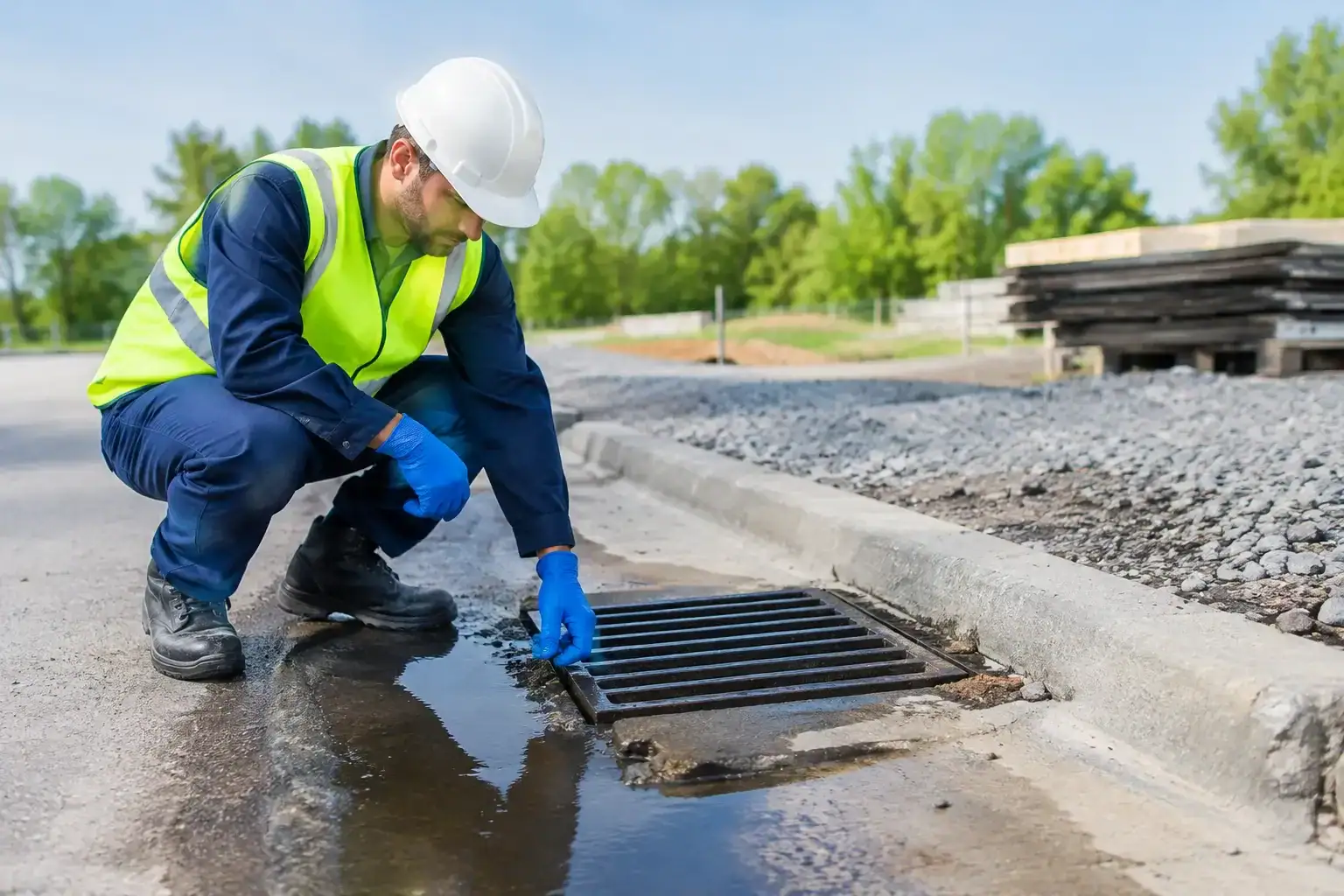
A single litre of oil entering a stormwater drain can travel well beyond the boundary of a workshop, depot or loading area. Drains are often treated as an out-of-sight disposal point, but most site drains discharge to the stormwater system, not the sewer. Knowing how to prevent drain pollution means controlling contaminants where they are stored, handled, transferred and cleaned up – before rain or washdown water carries them away.
For site managers, environmental officers and maintenance teams, effective drain protection is not one product or one procedure. It is a practical system of drainage awareness, correct storage, spill readiness and routine housekeeping.
Start by knowing where every drain leads
The first control is identifying the drainage layout of the site. Mark all stormwater pits, grated drains, trench drains and catch basins on a site plan. Confirm which drains connect to stormwater, sewer or trade waste infrastructure. Do not rely on assumptions, particularly at older facilities where drainage may have been modified over time.
Stormwater drains require the highest level of protection because they can carry oils, fuels, chemicals, sediment and contaminated wash water directly to creeks, waterways and marine environments. Sewer connections may also have strict limits on what can be discharged. Wastewater containing chemicals, hydrocarbons, detergents or suspended solids may require treatment or authorised disposal rather than discharge.
Clear drain labelling helps contractors, drivers and new staff make the right decision under pressure. Use visible markings such as “Stormwater – No Dumping” near pits and washdown areas. Keep drain maps available in the spill response plan and include drainage locations in inductions and emergency exercises.
How to prevent drain pollution before a spill occurs
The most reliable response is preventing a release from reaching a drain in the first place. This begins with the way liquids and hazardous materials are stored.
Store drums, jerry cans, IBCs and chemical containers in suitable bunded areas or on spill pallets. Bunding provides secondary containment if a container leaks, a tap is left open or a drum is damaged during handling. It should be sized for the materials stored, compatible with the substance and kept free of rainwater, rubbish and incompatible chemicals.
Separate flammable liquids, oils, corrosives and other incompatible products according to their safety data sheets and site procedures. Flammable liquids storage cabinets can reduce the risk of container damage and help keep smaller quantities controlled within workshops. The right storage arrangement depends on volume, chemical class, access requirements and applicable workplace obligations.
Pay close attention to higher-risk areas: fuel dispensing points, loading docks, waste oil stations, maintenance bays, battery charging locations and outdoor chemical stores. These locations should have containment measures in place before work begins, not after a leak is discovered.
A practical prevention programme usually includes four controls:
- secondary containment for liquids in storage and during transfer
- drain covers or drain protection devices positioned near exposed stormwater inlets
- suitable absorbents and spill kits located where spills are most likely
- inspection routines that identify leaking containers, damaged hoses and full waste receptacles early.
These measures work together. A spill pallet may contain a leaking drum, while a drain cover provides an immediate last line of defence if a release occurs nearby.
Control washdown water and outdoor cleaning
Washdown is a common source of drain pollution because water turns small residues into a mobile contaminant. Oil films, degreasers, detergents, paint residues, metal fines and sediment can all be carried into drainage systems during routine cleaning.
Avoid hosing workshop floors, vehicle bays or loading areas towards stormwater drains. Dry methods are often safer and simpler. Sweep up debris, use absorbent pads for oil residues and collect contaminated material for appropriate disposal. Where wet cleaning is necessary, use a designated wash bay connected to an approved wastewater system or treatment process.
The same principle applies outdoors. Never wash equipment, concrete mixers, paint tools or parts where runoff can enter a drain. Plan vehicle and plant cleaning around a controlled area, especially after operating in muddy, oily or contaminated conditions.
Sediment deserves particular attention on construction, logistics and industrial sites. While it may appear less hazardous than fuel or chemicals, sediment can block drainage, affect water quality and transport attached contaminants. Keep stockpiles covered or contained, maintain sediment controls and clean paved areas before forecast rain where practical.
Make spill response fast and specific
When a spill occurs, the first minutes determine whether it remains a manageable site incident or becomes an environmental release. Workers should know who to notify, how to stop the source and how to protect nearby drains without waiting for a specialist response team.
Position spill kits according to the hazards present. General-purpose absorbents may suit many workshop liquids, while oil-only absorbents are designed for hydrocarbons and can be useful around fuel handling, marinas and outdoor stormwater risks. Chemical spill kits and compatible PPE are required where corrosives or other hazardous substances are handled. One kit type does not suit every liquid.
Each spill kit should be accessible, clearly identified and checked regularly. A kit locked in a store room, missing drain covers or depleted of absorbent socks will not provide meaningful protection. Refill used components promptly and inspect packaging for damage from weather, UV exposure or rough handling.
A straightforward response sequence helps teams act decisively:
- Stop the source if it is safe to do so, such as upright a container, close a valve or place a damaged package in overpack containment.
- Protect drains immediately using drain covers, absorbent socks, booms or other compatible barriers.
- Contain and absorb the spill from the outside in, preventing it from spreading across the work area.
- Collect contaminated absorbents, soil, PPE and debris for disposal in line with the substance, safety data sheet and local requirements.
Do not use water to push a spill away. It spreads contamination quickly and can create a much larger recovery task. If material has entered a drain or left the site boundary, escalate the incident through the site emergency procedure and contact relevant authorities or environmental advisers as required.
Inspect drains and containment equipment routinely
Drain pollution prevention often fails through small, repeated issues rather than a major incident. A slow hydraulic leak, a damaged drum bung or an overflowing waste oil container can release contaminants over days or weeks. Routine inspections identify these problems before rainfall turns them into off-site pollution.
Include drainage areas in regular workplace inspections. Check for staining, oil sheen, unusual odours, debris, damaged grates and evidence of unauthorised disposal. Inspect bunds for cracks, accumulated liquid and blocked drain valves. Verify that outdoor containers are sealed, labelled and protected from vehicle impact.
Rain changes the risk profile. Before significant wet weather, inspect outdoor storage, clear loose materials from hardstand areas and confirm that drain protection equipment is available. After rain, look for signs that contaminated water has escaped containment or pooled around storage areas.
Keep inspection records, spill reports and maintenance actions. Documentation supports internal accountability and provides evidence that the business is actively managing environmental risk. More importantly, it shows recurring problems. If the same drain repeatedly collects oil residue, the answer may be to improve equipment maintenance, change traffic flow or install more suitable containment – not simply clean the drain again.
Train the people who work closest to the risk
Procedures only work when they are understood on the floor, in the yard and at the loading dock. Training should be specific to the site. Show workers where stormwater drains are, what materials they handle, where spill equipment is located and who has authority to stop work when a release occurs.
Include contractors and delivery drivers where their work creates a realistic risk. Fuel deliveries, waste collection, mobile plant servicing and chemical transfers can all involve temporary operators who may not know the site drainage layout. Supervision and clear instructions are particularly important during these activities.
Short spill drills are useful because they test the practical details: whether staff can find the right kit, whether drain covers fit the available pits and whether communication works across shifts. Use the result to improve the response plan rather than treating the drill as a compliance exercise.
Spillmaster supplies spill response, bunding and drain protection equipment for workplaces that need practical controls matched to the hazard. The best choice will depend on the liquids handled, the drainage design and whether the risk is indoors, outdoors or close to waterways.
Drain protection is built into everyday site control, not added after an incident. When containers are properly contained, washdown is managed, drains are protected and staff can respond quickly, pollution has far fewer opportunities to leave the site.