Spill Kit vs Absorbent Station – Which Fits?

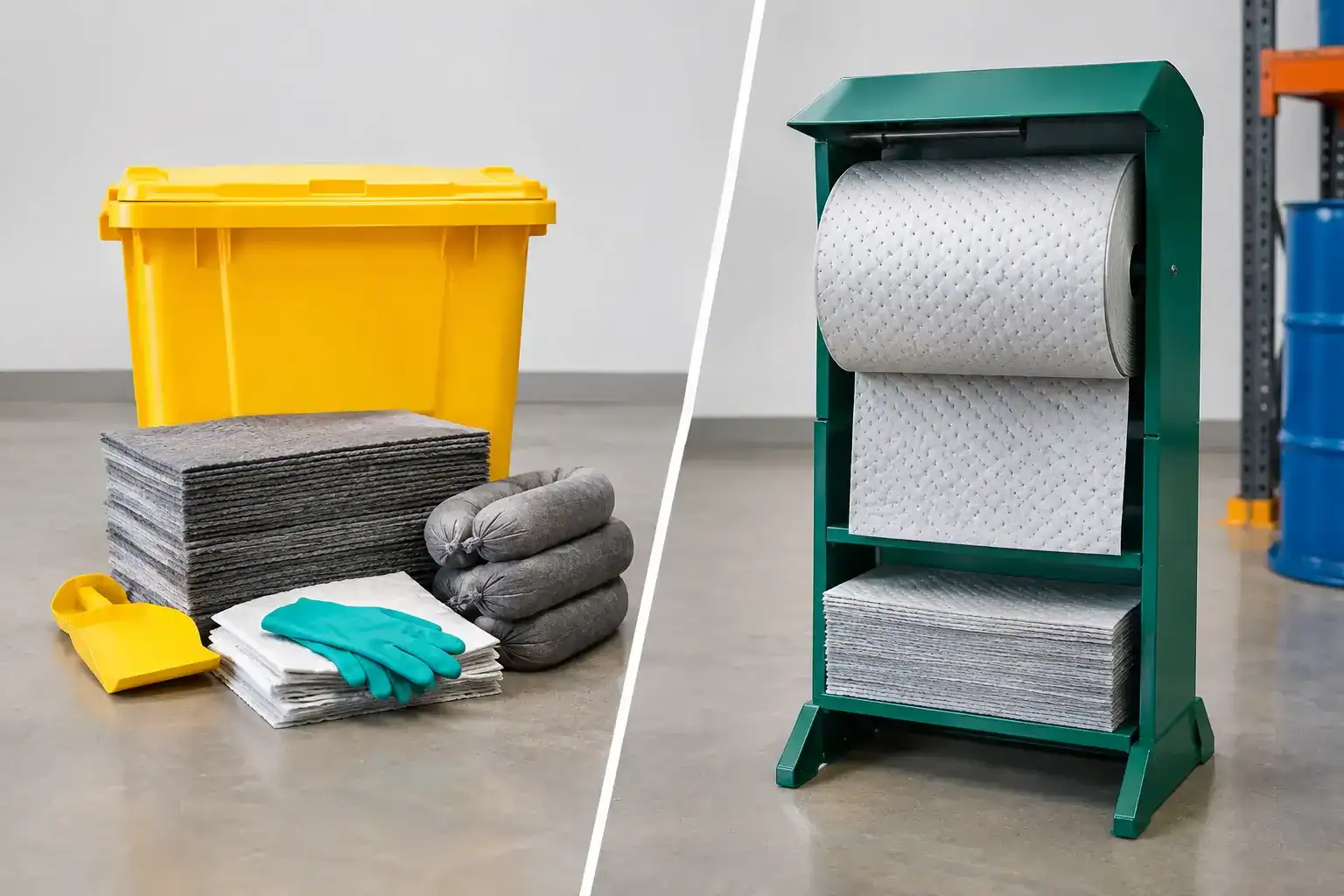
A leaking drum at the back of a warehouse and a minor oil drip beside a workshop bench need different response equipment. That is the practical difference behind the spill kit vs absorbent station decision. Both support quicker spill control, but they are designed for different locations, spill risks and ways of working.
A spill kit is a contained, portable response package for a defined incident. An absorbent station keeps commonly used absorbents available at the point where small, routine leaks and drips occur. Many workplaces need both. Selecting only one because it appears cheaper or more convenient can leave gaps in spill readiness.
What is a spill kit?
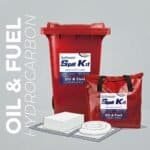
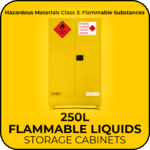
A spill kit is a stocked container of absorbents, containment tools and personal protective equipment selected for a particular spill type and capacity. Depending on the kit, it may be supplied in a bag, wheelie bin, drum, cabinet or other portable format.
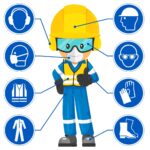
The aim is to give a worker what they need to isolate, contain, absorb and package a spill without spending critical time searching through stores. A typical kit can include absorbent pads, socks or booms, loose absorbent, disposal bags and ties, gloves, goggles and instructions. The exact contents vary according to the hazard category.
General purpose kits are commonly used for non-aggressive liquids such as oils, coolants, water-based fluids and many workplace liquids. Oil and fuel kits contain hydrophobic absorbents that repel water and are suited to hydrocarbons. Chemical spill kits are intended for a broader range of hazardous liquids and often include more suitable PPE and chemical-resistant absorbents. Specialist applications, such as battery acid, may require dedicated neutralising agents and response equipment.
A kit is normally positioned near a higher-risk area, such as chemical storage, refuelling points, loading docks, plant rooms, maintenance bays or dangerous goods stores. Its capacity should be based on the credible spill volume, not simply the smallest available kit. A 20-litre kit may be appropriate for a service ute, while a drum storage area may require significantly greater capacity and additional containment measures.
What is an absorbent station?
An absorbent station is a clearly identified dispenser or storage point holding absorbent consumables for immediate use. It is generally fixed to a wall or located beside a work area, rather than being moved to the incident.
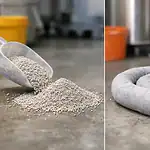
Stations are effective where minor spills are frequent enough that staff need quick access to pads, rolls, socks and wipes. Think of a machinery line with occasional hydraulic drips, a vehicle workshop, a laboratory bench, a wash-down area or a maintenance room. In these settings, the best response is often to deal with a small release before it spreads across a floor, reaches a drain or creates a slip hazard.
Unlike a complete spill kit, an absorbent station may not contain the full equipment set needed for a larger or hazardous spill. It is primarily about availability and housekeeping. A worker can take a pad, place a sock around a drip point or clean a small leak without opening a full kit intended for emergency response.
This distinction matters. If employees use the nearest emergency spill kit for everyday drips, it can be depleted when a genuine incident occurs. An absorbent station protects the readiness of the main kit while making practical clean-up easier.
Spill kit vs absorbent station: the working difference
The choice is not simply portable versus fixed. It comes down to the type of event you are preparing for.
A spill kit supports a controlled response to an unplanned release. It should have sufficient absorbency, containment products, PPE and waste-disposal components for the liquids present. It is the equipment workers rely on when a container fails, a hose bursts, a drum is knocked over or fuel escapes during transfer.
An absorbent station supports routine prevention and rapid first action. It gives workers a visible, local supply of absorbents for low-volume leaks, drips and clean-up. In many operations, it also improves housekeeping because employees do not need approval or a trip to the storeroom to access a few pads.
The table below is not necessary to make the decision. Ask one question instead: is this equipment intended to manage an incident, or to prevent small releases becoming one? If the answer is both, use a station at the point of use and a suitable spill kit nearby.
Where each option works best
A spill kit is usually the stronger choice where liquids are stored, moved or transferred in meaningful quantities. This includes fuel handling areas, loading zones, chemical stores, marine facilities, warehouses handling drums or IBCs, and workshops with mobile plant. Select the absorbent type to match the liquids on site, then locate the kit where it can be reached without workers walking through the affected area.
An absorbent station suits places where small leaks are predictable and repeated. Equipment maintenance zones, printing operations, production lines and vehicle service bays are common examples. It can also be placed near drain points as part of a prevention strategy, provided workers understand that absorbents are not a substitute for isolating a source or protecting the drainage system.
For outdoor areas, weather and access need consideration. A station exposed to rain, dust or traffic may not protect stock adequately. A weather-resistant cabinet or enclosed spill kit may be the more practical option. In areas with forklifts, locate equipment where it is visible and accessible but protected from impact.
Selecting the right equipment for your site
Start with the liquids, volumes and tasks present on site. Safety data sheets, chemical registers, storage arrangements and past incident records can help identify the realistic risks. A site that handles diesel, lubricants and coolant may require different supplies from one that decants acids, solvents or cleaning chemicals.
Then consider the response process. Staff need to know who raises the alarm, who can respond, what PPE is required, how drains are protected and where contaminated absorbents are taken after clean-up. Equipment without a clear procedure is only part of the control.
When comparing options, assess these four points:
- Absorbent compatibility: Match general purpose, oil and fuel, chemical or specialist products to the liquids in use.
- Capacity: Choose for the largest credible release that workers are expected to manage safely, allowing for containment and clean-up.
- Location: Put stations at routine drip points and kits near higher-risk storage, handling and transfer areas.
- Maintenance: Nominate someone to inspect stock, replace used items and keep access clear.
Capacity deserves particular attention. Absorbents have stated absorption ratings, but real-world results can vary with the liquid, surface, application method and loss during containment. Do not plan to use every item in a kit to its maximum claimed capacity. A practical margin is sensible, especially where a spill could reach a drain, soil or neighbouring tenancy.
Common purchasing mistakes
The most common mistake is buying a general purpose kit for every area without checking chemical compatibility. General purpose absorbents are versatile, but they are not automatically suitable for all hazardous substances. Chemical handling areas should be assessed against the chemicals stored and used there.
Another mistake is treating a spill kit as a once-only purchase. Used pads, missing gloves, damaged bags and expired or depleted neutralisers reduce response capability. After any use, restock promptly with compatible spill kit refills. Scheduled inspections are just as important for absorbent stations, where stock can quietly disappear through day-to-day use.
Visibility also matters. Equipment hidden in a locked store, placed behind pallets or located too far from the risk area is unlikely to be used quickly. Use clear identification, maintain access and include spill equipment locations in worker induction and refresher training.
A practical setup for most workplaces
For many Australian worksites, the most effective arrangement is layered. Keep absorbent stations at the points where small releases happen regularly, such as workshop benches, machinery and service bays. Position correctly selected spill kits close to chemical storage, fuel transfer, loading areas and other locations where a larger release is possible.
This approach controls minor issues before they travel and preserves complete response equipment for incidents that need it. It also gives supervisors a clearer replenishment routine: stations are checked for day-to-day consumables, while spill kits are inspected for emergency readiness.
Spillmaster supplies spill response equipment across common workplace hazard categories, but product selection should always follow your site assessment and operating procedures. The right combination is the one your workers can reach, understand and use safely when a leak starts – not after it has already become a larger clean-up.