Oil Absorbent vs Universal Absorbent: Choose Right


A leaking hydraulic hose on a workshop floor and a diesel sheen on a stormwater pond may both look like oil spills, but they do not call for the same response. The decision between oil absorbent vs universal absorbent affects how well the spill is controlled, whether water is unnecessarily soaked up, and how much contaminated waste your site must manage afterwards.
For most workplaces, the right choice comes down to three questions: what liquid is involved, whether water is present, and where the spill could travel. Getting those answers before a spill occurs makes replenishing spill kits and positioning loose absorbent, pads and booms far more straightforward.
Oil absorbent vs universal absorbent: the key difference
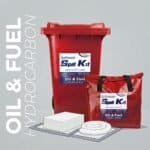
Oil absorbent, also called oil-only or hydrophobic absorbent, is designed to repel water while absorbing hydrocarbons. It is commonly used for diesel, petrol, engine oil, hydraulic oil, lubricants and many other oil-based liquids. Because it rejects water, oil-only material can absorb fuel floating on water without becoming waterlogged. This makes it the standard choice around drains, marinas, waterways, stormwater systems and outdoor plant areas exposed to rain.
Universal absorbent is intended for a broader range of non-aggressive workplace liquids. It generally absorbs oils, fuels, coolants, water-based fluids, many solvents and other common maintenance spills. Universal pads, rolls and socks are often grey and are a practical choice for workshops, warehouses, maintenance bays and general production areas where the exact liquid may vary.
The distinction is not about one product being better than the other. It is about selecting material that works efficiently in the conditions at hand. Using universal absorbent on water can mean filling bags with absorbed water rather than recovering the oil. Using oil-only absorbent for a water-based coolant leak may leave much of the liquid behind.
When oil-only absorbent is the safer choice
Choose oil-only absorbent where hydrocarbons may enter or sit on water. Its water-repellent construction allows it to float and selectively draw in oil, helping responders recover fuel or oil without taking on large volumes of water.
This is particularly relevant for marine facilities, wash-down areas, loading zones, fuel storage locations, vehicle depots and sites with stormwater exposure. Oil-only booms can be placed across water or around a discharge point to contain surface sheen, while pads and loose particulate can recover pooled product from hard surfaces.
Oil-only material also makes commercial sense during wet weather. A universal sock placed around an outdoor diesel spill can quickly absorb rainwater and lose useful capacity. An oil-only sock is better suited to intercepting hydrocarbon runoff while continuing to reject water.
That said, “oil-only” does not mean it is appropriate for every liquid that looks oily. Some chemicals, emulsions and mixed waste streams need a specific compatibility assessment. Check the safety data sheet, identify the substance where possible, and follow your site spill procedure before selecting absorbents.
Typical oil-only applications
Oil-only products are commonly kept near fuel bowsers, generators, hydraulic equipment, marine berths, oil storage tanks and stormwater drains. Pads are useful for wiping and recovering small pools, socks for surrounding leaks or protecting drains, and booms for containing spills on water or across larger flow paths.
For a known diesel leak beside a drain, for example, an oil-only sock can form a first barrier while pads recover the free liquid. If rainwater is already carrying a sheen towards the drain, oil-only booms or socks provide better value than universal material because their capacity is not spent absorbing water.
Where universal absorbent earns its place
Universal absorbent is the practical everyday option for controlled indoor areas where a range of routine liquids may spill. It is suitable for workshop fluids such as engine oil, diesel, coolant, transmission fluid and water-based liquids, provided the materials involved are compatible with the absorbent and do not require chemical-specific treatment.
A maintenance workshop is a common example. A technician may deal with a leaking oil filter one day, coolant from a radiator the next, and a container of mixed oily water after that. Stocking universal pads and socks near the work area gives the team a straightforward first-response option without needing to identify the exact fluid before stopping its spread.
Universal material also works well for general housekeeping. Pads placed beneath machinery can manage persistent drips, while rolls can cover larger bench or floor areas during servicing. Used correctly, these products help maintain cleaner work zones and reduce slip hazards.
The trade-off is clear around water. Universal absorbents will soak up rain, wash water and other aqueous liquids as readily as they absorb oil. They are therefore less efficient for floating hydrocarbons, wet outdoor locations and any incident involving a waterway.
Do not treat universal absorbent as chemical absorbent
A common purchasing error is to assume universal means suitable for every hazardous substance. It does not. Universal absorbent is broad-purpose, but it is not a substitute for chemical absorbent when dealing with aggressive acids, alkalis, oxidisers or unidentified chemicals.
Chemical absorbents are designed and colour-coded for hazardous chemical response. They should be available wherever corrosives or other dangerous goods are stored, handled or transferred. Their purpose is to support a safer response to liquids that could react with standard absorbent materials, damage surfaces or create a serious exposure risk.
If the substance is unknown, do not make assumptions based on colour, smell or where the container was found. Isolate the area, use the required PPE, refer to labels and safety data sheets, and escalate according to site procedure. The fastest response is not always the safest one.
Match the format to the spill scenario
The absorbent type is only one part of the decision. The product format should suit the likely spill path and the size of the task. Pads are effective for small pools, wipe-down work and drips beneath machinery. Rolls offer broad coverage for larger floor areas and repeated maintenance work.
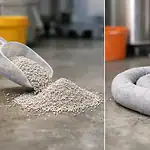
Socks are designed to contain and direct liquid. They are useful around floor drains, along doorways, around machinery and at the edge of a spill before it spreads. Pillows provide high-capacity recovery in sumps, bunds and contained puddles. Loose absorbent can be useful on uneven surfaces and around awkward equipment, although it may require more careful clean-up than pads.
Booms are generally used where a spill is on water or needs to be controlled across a broad outdoor flow path. For fuel-handling and marine operations, keeping oil-only booms immediately accessible is a practical safeguard, not an afterthought.
A well-equipped spill kit should reflect the hazards in its location. A warehouse with forklift traffic and hydraulic equipment may need universal absorbents and drain protection. A diesel tank compound exposed to weather needs oil-only products. A laboratory or chemical store needs chemical absorbents matched to the substances held there.
Capacity, disposal and compliance considerations
Absorbent capacity figures are useful for purchasing, but real-world performance varies. Surface condition, spill viscosity, rain, temperature and whether the liquid is contained all affect how much material is required. Build a margin into stock levels, particularly for sites with bulk fuel, frequent vehicle movements or drainage risks.
Once absorbent has been used, it becomes contaminated waste. Disposal requirements depend on the absorbed substance and local regulations. Used pads containing oil or fuel should not be treated as general rubbish, and absorbent contaminated by hazardous chemicals may require specialised disposal. Keep waste contained, labelled where required, and managed in line with the relevant safety data sheet and your waste contractor’s requirements.
Compliance is also about readiness. Workers need to know where spill equipment is kept, what each colour or type is for, how to protect drains, and when to report or escalate an incident. An unopened spill kit in the wrong location is not an effective control.
A practical buying decision for your site
If your main concern is oil or fuel on water, in rain-exposed areas or near stormwater, choose oil-only absorbent. If you need a flexible response for routine indoor maintenance spills involving oils, coolants and water-based fluids, universal absorbent is usually the better fit. Where corrosive or hazardous chemicals are present, maintain a separate chemical spill response option rather than relying on either.
Many sites need more than one type. That is not duplication – it is matching the response equipment to the risk. Review the liquids used across each work area, the nearest drains and waterways, typical spill volumes, and the equipment your team can access within seconds. Stock absorbents where the spill is most likely to start, not only in a central store.