Site PPE Selection Guide for Safer Work Areas


A hard hat, glove or disposable respirator is only protective when it suits the hazard, fits the worker and is used correctly. This site PPE selection guide is designed for supervisors, safety officers and buyers who need to make defensible purchasing decisions for Australian workplaces – without treating PPE as a substitute for proper hazard control.
Personal protective equipment is the final line of defence. It is essential on many sites, particularly around chemicals, fuels, moving plant, sharp materials and airborne contaminants, but it must sit behind elimination, substitution, isolation and engineering controls. If a task can be made safer by changing the process or containing the hazard, that should be considered before relying on equipment worn by a worker.
Start with the task, not the product
The most common PPE purchasing mistake is starting with a familiar product category rather than the work being done. “We need gloves” is not a specification. A clear task assessment should establish what workers handle, where exposure may occur, how long the task lasts and what happens if equipment fails.
Consider a workshop decanting solvents. The glove needs to resist the particular chemical, not simply be described as chemical resistant. Eye protection must account for splash direction and whether workers also require prescription eyewear. Where vapours may be present, respiratory protection may be necessary, but only after ventilation and process controls have been assessed.
For each task, document the hazard type, likely exposure route and severity. Skin contact, splash to the eyes, inhalation, noise exposure, falling objects, slips and cuts all call for different protection. Conditions also matter. A glove that performs well in a dry warehouse may reduce grip when handling oily drums outdoors. PPE for a hot, humid work area needs to be workable for the duration of the shift, or workers may remove it when they need it most.
Site PPE selection guide: match protection to risk
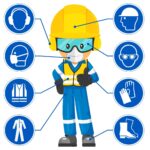
PPE selection should be based on the level and nature of risk, rather than a one-size-fits-all site issue. The following categories cover the equipment commonly required in industrial, warehouse, maintenance and hazardous-materials work.
Hand protection
Gloves need to balance chemical resistance, cut protection, dexterity, grip and comfort. Disposable nitrile gloves may be appropriate for short-duration contact with some oils, greases and cleaning products, but they are not automatically suitable for aggressive chemicals or extended immersion. Reusable chemical gloves may provide more protection, provided the material has been checked against the relevant substance and the glove is inspected before use.
For mechanical work, assess the cut risk from sheet metal, blades, strapping, sharp edges or broken pallets. A higher cut-resistant glove can reduce injury risk, but may be less flexible for fine work. Select the lowest bulk that provides the required protection, and ensure the cuff length protects the wrist where exposure is possible.
Eye and face protection
Safety glasses are suitable for many impact risks, but they do not offer the same splash protection as sealed goggles. Where there is a credible risk of chemical splash, goggles are generally the stronger choice. A face shield can add coverage during decanting, pressure washing or handling corrosives, but it is normally worn with suitable eye protection underneath.
Lens selection should reflect the work area. Clear lenses suit indoor tasks; tinted or polarised options may assist outdoors where appropriate. Scratched, loose or contaminated eyewear should be replaced, as poor visibility quickly becomes a separate safety risk.
Respiratory protection
Respiratory protective equipment requires more than selecting a mask from a shelf. Identify the contaminant, its concentration, exposure duration and whether oxygen deficiency or an immediately dangerous atmosphere could exist. Disposable particulate respirators may help control nuisance dusts or certain particles when correctly specified and fitted, but they do not protect against chemical vapours.
Reusable half-face and full-face respirators use cartridges selected for specific contaminants. Cartridge type, service life, storage and replacement intervals all matter. Facial hair can compromise the seal of tight-fitting respirators, and workers using this equipment require fit testing, training and supervision as part of a proper respiratory protection programme. If the atmosphere is unknown, oxygen-deficient or potentially life-threatening, seek specialist advice rather than relying on air-purifying equipment.
Head, hearing and foot protection
Head protection should suit the potential for impact, falling objects, electrical exposure and work at height. Check that hard hats are compatible with other PPE such as earmuffs, face shields and headlamps. Replace helmets that have sustained an impact, show damage or have reached the manufacturer’s stated service life.
Noise control begins with quieter plant and separation from noise sources. Where hearing protection is required, select plugs or earmuffs that give adequate attenuation without overprotecting workers who must hear alarms, radios or nearby plant. Correct insertion and fit are as important as the stated rating.
Safety footwear should be selected for the ground conditions and hazards present. A warehouse may require toe protection and slip resistance, while a fuel-handling area may need a sole suited to hydrocarbon exposure. Waterproof boots can be useful outdoors, but a hot boot with poor breathability may create comfort and hygiene issues during long shifts. Fit, ankle support and sole condition deserve regular attention.
Check standards, compatibility and site requirements
Australian PPE should be selected with reference to the relevant Australian or joint Australian/New Zealand Standards, manufacturer instructions and applicable WHS requirements. A standards marking alone is not proof that an item suits every task. It confirms performance against a defined test or requirement, while the site must still determine whether that performance is appropriate for the actual exposure.
Compatibility is often overlooked. Safety glasses can interfere with a respirator seal. Earmuffs may not fit properly with a hard hat. Protective coveralls may leave a gap between the cuff and glove when a worker reaches overhead. Ask workers to trial the complete PPE combination while performing normal movements, including lifting, kneeling, climbing and operating controls.
Size ranges are not a minor purchasing detail. PPE that is too large can catch, slip or reduce dexterity; equipment that is too small can restrict movement and discourage use. Keep appropriate sizes available for the workforce, including visitors and contractors who may enter controlled work areas.
Build selection into purchasing and maintenance
A reliable PPE programme includes more than the first order. Establish an approved product list tied to common site tasks so workers and buyers are not forced to make last-minute substitutions. Record product specifications, chemical compatibility information, standards details, issue dates and replacement criteria.
Before issuing equipment, inspect it for damage, expired components or contamination. Reusable PPE needs clear cleaning, storage and inspection arrangements. Chemical gloves left in direct sun, respirator cartridges stored unsealed, or eyewear thrown into a toolbox may no longer provide the protection expected.
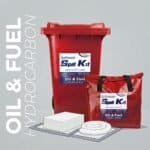
For spill response teams, PPE selection should be aligned with the substances covered by the spill kit and the response procedure. Oil-only absorbents, general-purpose absorbents and hazardous chemical absorbents address different liquids; the same principle applies to the PPE worn while deploying them. A team responding to an unknown chemical spill should not assume that the gloves used for routine oil handling are adequate.
Train, observe and review
PPE is only effective when workers understand its limits. Training should cover when equipment is required, how to inspect and fit it, how to remove contaminated items safely, and when replacement is necessary. Practical demonstrations are more useful than a sign-off sheet alone, particularly for respirators, chemical gloves and fall-related equipment.
Supervisors should observe real work, not just pre-start meetings. If workers regularly remove safety glasses because they fog up, or swap gloves because the issued pair cannot handle small components, the selection may need adjustment. Non-compliance can indicate an unsuitable product, a poorly designed task or a gap in training.
Review PPE whenever substances, machinery, work methods or workforce conditions change. Incident reports, near misses, supplier data and worker feedback all provide useful evidence. Spillmaster can assist buyers in identifying practical PPE and spill-control products for common worksite requirements, but final selection should always reflect the site’s risk assessment and operating procedures.
The right PPE is rarely the most expensive option or the item already sitting in the store room. It is the equipment that gives the required protection, works with the task and is maintained well enough to be trusted when exposure occurs.