Spill Prevention for Safer, Compliant Worksites


A 20-litre drum knocked from a warehouse rack can become far more than a clean-up job. It can interrupt operations, expose workers to hazardous substances, enter stormwater drains and create a reportable environmental incident. Effective spill prevention starts well before an absorbent pad is pulled from a spill kit. It is built into how liquids are purchased, received, stored, moved and used across the site.
For operations managers, supervisors and safety teams, the objective is simple: prevent a release where possible, contain it where prevention fails, and make sure people can respond without delay. The right controls reduce product loss, clean-up time and exposure risk while supporting practical compliance obligations.
Spill Prevention Starts at the Source
Most workplace spills follow predictable patterns. Containers are damaged during delivery, decanted into unsuitable vessels, left without lids, stored on inadequate shelving or moved without appropriate handling equipment. Small leaks are also commonly ignored until they become a larger housekeeping, slip or environmental problem.
The most reliable control is to remove the opportunity for a spill at its source. This means reviewing the full path of a liquid or chemical, from delivery vehicle to point of use. A fuel drum stored outdoors has different risks from a solvent container used at a workbench, and a marine operation has different exposure pathways again. The control measure needs to suit the substance, volume, location and task.
Start by identifying every liquid that could cause harm if released. Include fuels, oils, coolants, paints, acids, alkalis, cleaning chemicals and waste liquids. Safety data sheets should be available and current, but they are only part of the process. Staff also need to understand where a product is used, which drains or waterways are nearby, and what equipment is required if a container fails.
Control Storage Before It Becomes a Spill Risk
Poor storage is one of the most preventable causes of spills. Drums and jerry cans need stable, protected locations where they cannot be struck by forklifts, exposed to avoidable weather damage or placed near drains. Containers should be compatible with their contents, clearly labelled and kept closed when not in use.
Secondary containment is essential wherever a leak could escape into the workplace or environment. Spill pallets, bunded shelving, drip trays and containment platforms provide a controlled area for routine storage and minor leaks. Their capacity must be appropriate for the containers being stored and the site’s risk assessment. A small tray under a frequently used container may be suitable at a bench, but it is not a substitute for a properly sized bund under multiple drums.
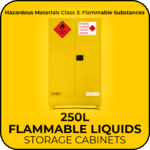
Flammable liquids require additional consideration. Storage cabinets can help manage ignition and fire risks when selected for the type and quantity of product being held. They should not become a place to store every chemical on site. Segregation matters. Incompatible substances may react if released together, so acids, oxidisers, fuels and other hazardous goods may need separate storage arrangements.
Storage areas should be inspected routinely for corrosion, swelling, damaged bungs, missing labels and staining beneath containers. These signs often identify a problem while it is still minor. A damaged drum should be overpacked or transferred safely as soon as possible, rather than left in service until the next delivery.
Make Decanting and Transfer Safer
Many significant spills occur during normal handling, not long-term storage. Transferring oil from a drum, refuelling plant, topping up hydraulic fluid or pouring chemicals into smaller containers all introduce risk. Rushed handling is usually the common factor.
Use fit-for-purpose pumps, taps, funnels and dispensing equipment rather than tipping heavy containers by hand. Keep the receiving container stable and within a bunded or protected area. Where hoses are used, inspect fittings and connections before transfer, and do not leave active dispensing unattended.
The following controls are especially useful for high-frequency transfer tasks:
- Use closed dispensing systems or self-closing taps where practical.
- Position drip trays beneath taps, pumps and hose connections.
- Keep incompatible chemicals separated during transfer and clean shared equipment before reuse.
- Confirm containers are labelled immediately after decanting, including any workplace labels required by site procedures.
There is a trade-off between convenience and control. Smaller containers can be easier for workers to handle, but they increase the number of packages that need labelling, inspection and storage. Larger drums reduce repackaging but require safe lifting and dispensing arrangements. Select the method that reduces risk across the whole task, not only at the moment of transfer.
Put Containment Where Spills Are Most Likely
A spill kit in a distant storeroom does little for a leak at the loading dock. Response equipment needs to be placed where incidents are likely to occur: chemical stores, workshops, refuelling points, loading areas, waste handling zones, plant rooms and vehicle bays.
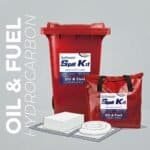
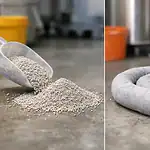
Choose absorbents based on the liquid involved. General-purpose absorbents suit many workshop and maintenance spills. Oil-only absorbents are designed for hydrocarbons and are particularly useful around water, drains and marine environments. Chemical absorbents are intended for a broader range of hazardous liquids and should be selected with the relevant safety data sheet and risk assessment in mind.
Drain protection is often overlooked until a spill is already moving. Drain covers, plugs or barriers should be accessible in areas where liquids could reach stormwater or sewer entry points. Bunding and booms can direct or stop flow, but only if workers can deploy them quickly and know their purpose.
A complete response point generally requires more than absorbent pads. It may include socks or booms for containment, disposal bags, PPE, drain protection and clear instructions. Check kits after each use and during scheduled inspections. An incomplete kit, expired PPE item or missing disposal bag can slow an otherwise manageable response.
Train for the First Five Minutes
Spill response procedures should be practical enough for the people who work closest to the hazard. A document in a compliance folder is not a response plan. Workers need to know what they can safely manage, when to isolate the area, who to notify and when specialist assistance is required.
Training should reflect real site conditions. A workshop team may practise containing an oil leak beneath equipment. A warehouse team may focus on damaged cartons or leaking drums. Fuel-handling personnel may need procedures for controlling ignition sources, protecting drains and managing larger outdoor releases.
The first priority is personal safety. Workers should not attempt to contain a spill if they do not have suitable PPE, if fumes are present, if the substance is unknown, or if there is a risk of fire, reaction or significant environmental release. In those cases, isolate the area, follow emergency procedures and escalate immediately.
Short drills are valuable because they reveal practical gaps. Is the spill kit visible? Can workers identify the nearest drain? Are gloves the right type for the chemical? Does everyone know where used absorbents are taken for disposal? These are operational questions that a written procedure alone may not answer.
Inspect, Record and Improve
Spill prevention is strongest when it is treated as routine maintenance rather than a reaction to an incident. Include storage areas, bunds, spill kits, drains and dispensing points in scheduled workplace inspections. Record defects and assign action owners so problems do not remain open indefinitely.
Near misses deserve the same attention as actual releases. A loose cap found before a drum is moved, or a drip discovered beneath a pump, provides useful information about equipment condition and work practices. Repeated minor leaks often point to a larger issue such as poor container quality, unsuitable handling gear or insufficient training.
Review controls after changes to stock volumes, chemicals, layouts or operations. A containment arrangement that worked for two drums may be inadequate after a site expands to hold six. Likewise, a spill kit selected for oils may not be appropriate when corrosive cleaning products are introduced.
Spillmaster supplies practical containment, absorbent and storage equipment for workplaces that need clear, fit-for-purpose controls. Product selection should always follow the specific substance, storage volume and site risk profile.
The best time to test a spill control arrangement is before a container fails. Walk the route, check the storage point, open the response kit and ask the team what they would do in the first five minutes. That simple check can prevent a minor leak from becoming an operational, safety or environmental event.