Workplace PPE: Choosing Protection That Fits

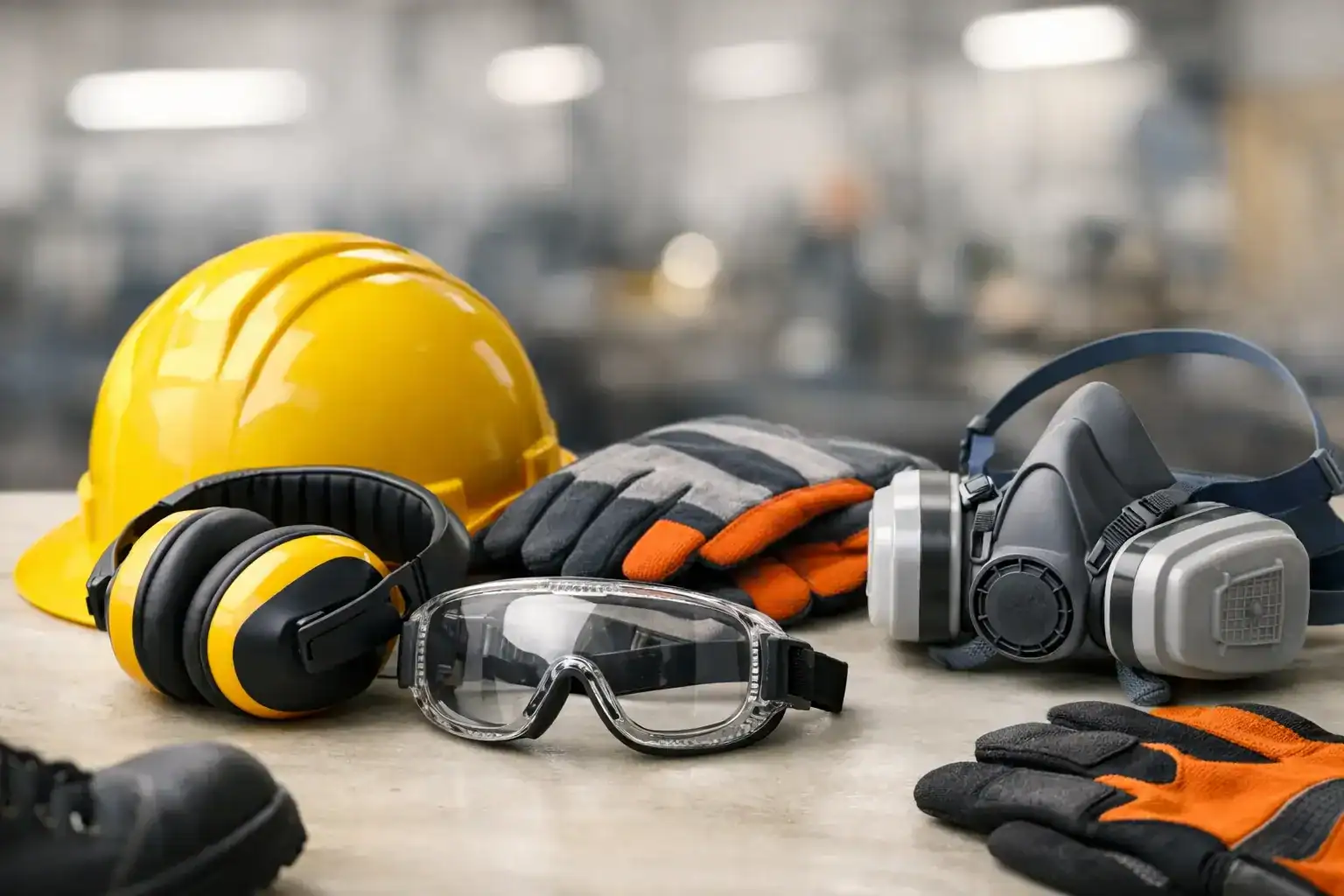
A spill kit can contain the liquid, but it does not protect the person standing closest to it. When a hose fails, a drum leaks or a maintenance task releases dust, vapour or sharp debris, workplace PPE is the last physical barrier between the worker and the hazard. That makes selection more than a purchasing exercise. The right item must suit the substance, task, exposure and person who will wear it.
For warehouse, workshop, transport, marine, fuel-handling and industrial operations, PPE decisions also need to stand up to scrutiny. Equipment that is unsuitable, unavailable or poorly maintained can leave a business exposed long before an incident becomes a reportable event.
Start with the hazard, not the product
The most common PPE mistake is beginning with a familiar product category – such as gloves or safety glasses – rather than the work being done. A general-purpose glove may be suitable for moving dry cartons but unsuitable for handling solvents. Standard safety eyewear may protect from flying particles but not from a chemical splash reaching around the sides.
A proper assessment considers what can cause harm, how the worker may be exposed, how long the task lasts and how severe the consequences could be. Review the work area, equipment, chemical labels and Safety Data Sheets, then speak with the people completing the task. They often identify practical exposure points that are not obvious on paper, such as a splash risk while decanting, a hand pinch point during drum handling or contaminated surfaces during clean-up.
PPE should never be the first or only control. Eliminate the hazard where possible, substitute a less hazardous product, isolate the process or introduce engineering and administrative controls first. Local exhaust ventilation, closed transfer systems, splash guards, bunding and clear procedures may reduce reliance on personal protection. PPE remains essential where residual risk is present, but it works best as part of a controlled system.
Workplace PPE needs to match the exposure
One label rarely tells the full story. The selection must account for the actual chemical, concentration, temperature, duration of contact and likelihood of immersion or splash. It also needs to account for the task. A worker wiping a small amount of oil needs different protection from a worker transferring corrosive liquid from a drum.
Hand protection
Gloves are frequently used and frequently misapplied. Material compatibility matters. Nitrile, neoprene, PVC, butyl and other glove materials offer different levels of resistance to oils, fuels, acids, alkalis and solvents. Glove thickness, cuff length, grip and dexterity also affect whether the worker can perform the task safely.
Disposable gloves can be useful for low-risk, short-duration work, but they are not automatically chemical-resistant. Reusable chemical gloves may provide stronger protection, yet they need cleaning, inspection and replacement when damaged or contaminated. For tasks involving sharp materials, cut resistance must be considered alongside chemical resistance. A glove that solves one hazard but creates exposure to another is not fit for purpose.
Eye and face protection
Safety glasses, goggles and face shields serve different purposes. Safety glasses are commonly suited to impact hazards, while sealed or indirect-vent goggles provide more reliable coverage where splashes or airborne contaminants are possible. A face shield adds facial coverage but is generally used over suitable eye protection, not as a replacement for it.
Check compatibility with prescription eyewear, hard hats and respiratory equipment. If goggles fog during physical work, workers may remove them at precisely the wrong time. Anti-fog options, appropriate ventilation and a better-fitting model can be more effective than repeating a rule that is difficult to follow in practice.
Protective clothing and footwear
Protective clothing should cover the likely route of exposure. This could mean disposable coveralls for contaminated clean-up, chemical-resistant aprons for decanting, high-visibility garments around vehicle movements or flame-resistant clothing for work near ignition sources. Consider whether the garment needs to resist penetration, repel a limited splash or prevent contamination reaching ordinary workwear.
Footwear selection is equally task-specific. Slip-resistant soles are critical where oil, water or chemicals may be present. Toe protection, metatarsal coverage, chemical resistance and ankle support may also be relevant. Footwear must be kept in usable condition. Worn soles and damaged uppers can undermine protection quickly in a busy workshop or loading area.
Respiratory and hearing protection
Respiratory protective equipment requires particular care because incorrect selection or fit can give a false sense of security. Dust masks, reusable half-face respirators and full-face respirators are designed for different hazards and conditions. Filters and cartridges must be compatible with the contaminant, and they have service-life limits. Respiratory protection programs should address fit testing, facial hair requirements, cleaning, storage, cartridge change schedules and worker training.
Hearing protection is also task-dependent. Earplugs and earmuffs should reduce hazardous noise without preventing workers from hearing alarms, instructions or vehicle warnings. The aim is suitable protection, not simply the highest possible rating.
Fit, comfort and compatibility are safety controls
PPE that workers cannot wear properly will not protect them properly. Poor fit can leave gaps, restrict movement, reduce vision, cause hand fatigue or interfere with other essential equipment. This is especially relevant where a workforce includes a range of body shapes, hand sizes and prescription eyewear requirements.
Trial products under real working conditions before making a large purchase. Ask whether workers can grip tools, read gauges, climb safely, communicate and complete the task without removing equipment. A slightly cheaper product may cost more if it tears early, causes repeated replacement or is routinely left in a locker because it is uncomfortable.
Consider equipment as a complete system. Gloves need to work with sleeves and cuffs. Goggles need to seal with a respirator. Hearing protection must work with hard hats. High-visibility garments should remain visible when worn under wet-weather or chemical protective layers. These details matter during routine work and become critical during an emergency response.
Make PPE available where the risk occurs
The best specification has little value if supplies are stored in the wrong place or have run out. Set minimum stock levels for consumables such as gloves, disposable coveralls, eyewear and particulate masks. Position appropriate PPE at chemical storage areas, wash bays, transfer points, workshops, loading zones and spill-response locations.
For spill response, PPE should be selected alongside the absorbents and containment equipment. A hydrocarbon spill, for example, may require gloves, goggles, boots and protective clothing that are compatible with the product involved. If the response team must identify PPE after a release has occurred, valuable time is lost and unsafe shortcuts become more likely.
Clear labelling helps workers make the right choice quickly. Separate general-use items from chemical-specific equipment, and avoid leaving incompatible gloves or damaged eyewear in the same dispensers as serviceable stock. Procurement teams can simplify replenishment by standardising approved products for recurring tasks, while retaining alternatives where hazard profiles differ.
Inspect, clean and replace equipment properly
PPE has a usable life, even when it has not been involved in a major incident. Inspect gloves for tears, stiffness, swelling or discolouration. Check goggles and face shields for scratches, cracked lenses and damaged straps. Examine coveralls, boots, helmets and respirators for signs of deterioration before use.
Cleaning requirements depend on the item and contaminant. Reusable PPE must be cleaned in a way that does not spread contamination or expose the person doing the cleaning. Equipment that cannot be safely decontaminated should be treated as contaminated waste and disposed of according to site procedures and relevant requirements.
Storage is part of maintenance. Keep PPE dry, clean and protected from direct sunlight, chemical vapours, heat and physical damage. Respirator cartridges and other sensitive components should be stored as directed by the manufacturer. Do not assume equipment left in the back of a ute, beside a chemical cabinet or on a workshop bench remains ready for use.
Train for decisions, not just compliance
A toolbox talk that says ‘wear PPE’ is not enough. Workers need to know what hazard the equipment controls, when it must be worn, how to check it, how to put it on and remove it safely, and when to replace it. This is particularly important for contaminated gloves and coveralls, where incorrect removal can transfer chemicals to hands, clothing or vehicles.
Supervisors should also be able to recognise warning signs: workers modifying PPE, wearing the wrong glove for a task, reusing disposable equipment, skipping eye protection for a quick job or storing respirators in contaminated areas. These are often signals that the product, process or stock arrangement needs review.
Workplace conditions change. New chemicals, revised processes, seasonal heat, changed machinery or a different contractor can all alter PPE requirements. Review the assessment after incidents, near misses, worker feedback and operational changes rather than waiting for an annual checklist.
The practical test is straightforward: when a worker faces a foreseeable hazard, the correct PPE should be available, fit properly and perform as expected. Building that certainty into everyday purchasing, storage and supervision gives your team a safer starting point when conditions are no longer routine.