Chemical Kits Versus Oil Kits for Worksites

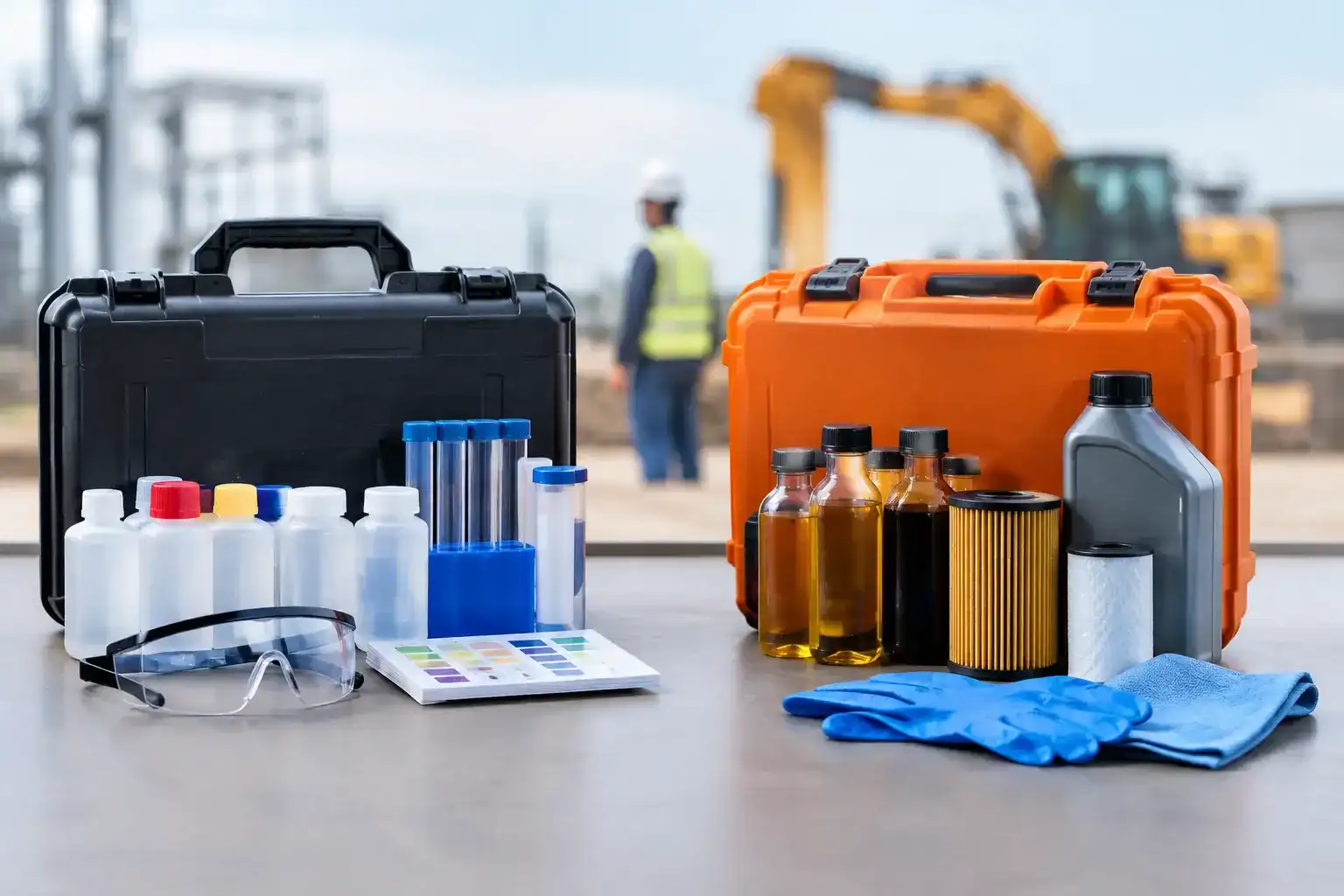
A leaking drum beside a wash-down bay and a diesel spill on a workshop floor may look like the same problem at first glance. They are not. The decision between chemical kits versus oil kits determines whether your absorbents work as intended, whether the spill can be controlled quickly, and whether contaminated material is managed appropriately afterwards.
For site managers, maintenance teams and safety officers, the right answer comes down to the substance involved, where the spill occurs and the route it could take if left uncontrolled. A spill kit is not simply a box of pads. It is a response system selected for a specific hazard.
Chemical kits versus oil kits: the core difference
Chemical spill kits are designed for hazardous liquids, including many acids, alkalis, solvents, coolants and chemicals used in manufacturing, laboratories, maintenance areas and processing operations. They generally use highly visible yellow absorbents and include equipment suited to collecting and containing a broad range of aggressive liquids.
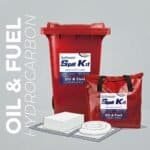
Oil-only kits are built for hydrocarbons such as diesel, petrol, lubricating oils, hydraulic fluid and many fuels. Their white absorbents are hydrophobic, meaning they repel water while absorbing oil. That property makes them particularly useful around stormwater drains, wharves, marinas, waterways and outdoor fuel-handling areas.
The practical distinction is straightforward. An oil-only pad can pick up a fuel sheen from water without becoming saturated by the water beneath it. A chemical absorbent is intended for broader liquid compatibility, but it will also absorb water. Using a chemical kit for an oil spill on water can therefore create unnecessary waste and reduce the amount of oil the absorbent can capture.
Neither kit should be treated as a universal response option. Product compatibility, safety data sheets and the substance involved must guide the decision, especially where unknown liquids, highly reactive materials or concentrated corrosives are present.
When an oil-only kit is the right choice
Oil-only kits suit sites where petroleum products are the main spill risk. Workshops, fleet depots, transport yards, service bays, mining operations, marine facilities and generator compounds commonly need them close to fuel, oils and hydraulic equipment.
Their greatest advantage is water selectivity. If a diesel leak reaches a puddle, drain inlet, creek edge or marina surface, oil-only booms, pads and socks can help contain and recover the hydrocarbon while remaining buoyant. This is not just useful for clean-up efficiency. It can reduce the risk of a small release travelling through a stormwater system or across a water surface.
Oil kits also make sense for indoor applications. A forklift hydraulic hose failure or an engine oil leak on a warehouse floor does not require chemical absorbents if the released product is a compatible oil or fuel. Oil-only pads and rolls provide a clean, efficient response for routine hydrocarbon leaks and maintenance work.
However, an oil kit is not suitable for acids, caustics, solvents or other non-oil chemicals. White oil-only absorbents may look convenient because they are familiar on workshop sites, but they should not be the default kit for every leaking container.
Typical oil-kit locations
Position oil-only kits where a hydrocarbon release is credible and response time matters: beside fuel storage and dispensing points, in maintenance workshops, near plant rooms, on mobile service vehicles and at drainage points exposed to oil runoff. Marine operators should also consider the kit format. A portable bag may suit a small vessel, while a wheeled bin or large response station is more practical for a fuel terminal or busy yard.
When a chemical spill kit is the right choice
Chemical kits are the better choice where the site stores, handles or transfers a range of hazardous liquids. This can include warehouses receiving dangerous goods, manufacturing areas, laboratories, agricultural operations, cleaning chemical stores and facilities with process chemicals.
A chemical kit normally contains pads, socks, pillows, personal protective equipment, disposal bags and other response components selected for chemical spill control. The absorbents are commonly yellow, allowing teams to identify the kit quickly during an incident and avoid confusing it with an oil-only response kit.
The broad compatibility of chemical absorbents is valuable where a spill may involve more than one type of liquid. For example, a loading area used for cleaners, solvents and chemical drums needs a response option that can deal with more than lubricants or diesel alone. Chemical socks can be placed around a spill to limit spread, while pads and pillows recover pooled liquid.
That broad capability does not remove the need for assessment. Some chemicals can release vapours, react with other materials or require specialist neutralisation, respiratory protection or emergency services support. For an unidentified substance, isolate the area, prevent access and follow your site emergency procedures rather than assuming a general chemical kit resolves the hazard.
Corrosives need extra planning
Acids and alkalis bring risks beyond the liquid itself. They can damage surfaces, react with incompatible materials and cause serious injury on contact. Teams must know what chemical is involved, wear PPE suitable for the task and avoid actions that may increase exposure.
Where corrosives are stored, the spill response plan should align with the relevant safety data sheet and site procedures. Keep the kit accessible but away from the immediate hazard zone, and ensure staff are trained to recognise when a spill exceeds the capacity of an on-site response.
Select the kit around the spill scenario
The best purchasing decision begins with a simple review of likely incidents, not with the size or colour of the spill kit cabinet. Walk the site and identify what can leak, where it can leak and what it could reach.
Start with the liquids on site. Fuel and lubricants point to oil-only absorbents. Chemicals with varying properties point to a chemical kit, subject to compatibility confirmation. Sites handling both should generally keep separate kits in the relevant areas rather than relying on one kit to cover unrelated hazards.
Next, consider location. An indoor warehouse spill is usually contained on a hard floor, while an outdoor spill may enter soil, drains or water. A small kit near a workbench may be enough for decanted containers, but a drum storage area, loading dock or refuelling point may require larger quantities of socks, pads and disposal capacity.
Finally, consider the maximum credible spill, not merely the most common one. A few pads may manage a slow drip from equipment. They will not manage a damaged 205-litre drum or a failed transfer hose. Kit capacity should reflect the volumes handled in that zone and the time required to obtain additional equipment.
Components matter as much as absorbent type
A useful spill kit gives workers the means to contain, recover and package a spill. Socks and booms are used to form a barrier or protect drains. Pads and rolls recover liquid across floors or water surfaces. Pillows deal with pooled fluid and tight spaces. Disposal bags and ties help isolate used absorbents for appropriate waste handling.
PPE is also part of the response, but it must match the hazard. Gloves included in a general kit may not be appropriate for every chemical. Check glove resistance, eye and face protection requirements, footwear, and any need for respiratory protection before directing staff to intervene.
Do not overlook drain protection. In outdoor work areas, stopping a spill from entering stormwater is often more urgent than absorbing the first pool of liquid. Drain covers, containment socks and strategically placed booms can give a response team time to control the source safely.
Storage, training and replenishment
A perfectly specified kit is of little use if it is locked away, buried behind stock or missing key components. Place kits close to the risk area, clearly label them and keep access routes clear. Mobile kits should travel with mobile risks, such as fuel service units or field maintenance crews.
Staff need practical instruction, not just a sign on the wall. They should know the difference between oil-only and chemical absorbents, how to protect drains, who to notify, how to use PPE and when not to attempt clean-up. A brief site-based exercise can expose gaps that an inventory check will miss.
After any response, replenish the kit immediately and review what was used. If a spill consumed most of the pads or exposed a shortage of drain protection, adjust the stock level before the next incident. Used absorbents, contaminated PPE and collected liquid may be hazardous waste, so arrange disposal according to the material involved and your site requirements.
Shop 30L Oil & Fuel Spill Kits, 30L Chemical Spill Kits or Drain Seals for a targeted site response. The right kit is the one your team can identify, reach and use confidently when a release occurs. Match chemical kits to the chemicals present, keep oil-only kits where hydrocarbon and water exposure overlap, and review both whenever your products, processes or site layout change.