Hydraulic Spill Cleanup for Safer Worksites


A failed hose, loose fitting or damaged seal can put hydraulic oil across a workshop floor in seconds. The immediate risks are not limited to lost fluid and equipment downtime. Hydraulic spill cleanup must address slip hazards, potential drain entry, worker exposure, contaminated stock and the underlying fault before the plant returns to service.
Hydraulic oils are generally treated as hydrocarbon-based liquids, but the exact response depends on the fluid involved. Some systems use synthetic or fire-resistant fluids with different hazards and disposal requirements. Start with the product safety data sheet (SDS), then apply a response process that protects people, contains the release and leaves the area genuinely safe to reopen.
Assess the spill before anyone starts cleaning
The first person on scene should not rush straight for an absorbent pad. Pause the task, keep non-essential people out of the area and assess whether the leak is active. A small puddle beneath a stationary forklift requires a different response from a pressurised line failure on a production machine.
Identify where the fluid is moving. Floor cracks, service pits, roller doors, stormwater grates and footpaths can all allow oil to travel well beyond the apparent spill area. Hydraulic oil on a smooth sealed floor can also spread into a thin film that is easy to miss but highly slippery.
If the release is large, reaching a drain, creating vapours or involving an unknown fluid, escalate to the site emergency procedure and the relevant supervisor. Do not ask untrained staff to isolate machinery or handle an uncontrolled release. The priority is to stop the spill safely, not to save product at the expense of a worker injury.
Wear PPE suited to the task
Gloves, safety eyewear and enclosed slip-resistant footwear are the basic starting point for most hydraulic fluid spills. Check the SDS for specific glove material and any additional controls. If fluid has sprayed under pressure, treat the situation with particular caution.
High-pressure fluid injection injuries can appear minor at first but require urgent medical assessment. Never use a hand or finger to locate a suspected hydraulic leak. Depressurise and isolate the equipment in accordance with the manufacturer instructions and site lockout procedures.
Stop the source, then protect the drains
Once it is safe to do so, shut down the affected equipment and isolate its energy source. A competent person should inspect the hose, coupling, cylinder or seal before the machine is restarted. Cleaning the floor without rectifying the cause simply creates a repeat incident.
Containment comes next. Place drain covers over nearby stormwater grates and use absorbent booms, socks or temporary bunding to form a barrier ahead of the flowing liquid. Work from the outside of the spill inward where practical. This prevents a spreading edge from becoming a larger contamination problem.
For spills near loading bays, washdown areas or external hardstand, act quickly. Rainwater systems are not designed to receive hydraulic oil, and a spill that leaves the site can trigger reporting duties, environmental harm and costly clean-up work. Keep spill response equipment close to the areas where forklifts, hydraulic presses, mobile plant and fluid drums are used rather than storing it at the other end of the facility.
Hydraulic spill cleanup: choose absorbents by surface and volume
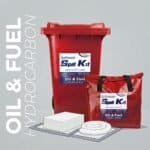
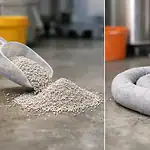
A general-purpose absorbent can be suitable for routine hydraulic oil spills on concrete and workshop floors. Pads are effective for wiping and finishing, while loose absorbent can manage uneven surfaces, cracks and larger pooled areas. Absorbent socks or booms are best used to contain the perimeter and protect drains.
Oil-only absorbents can be a better choice where the spill is on water or where rainwater is present, because they are designed to repel water while taking up oils and fuels. They are not automatically the correct option for every hydraulic fluid, particularly synthetic products. Check the fluid classification and SDS before selecting the response materials.
Capacity matters. A few pads may handle a drip tray overflow, but they are not enough for a hose rupture with several litres on the floor. The spill kit at the point of use should have sufficient absorbency for the credible worst-case release from that task or item of plant. This is one reason generic, undersized kits often fail when they are needed most.
Avoid using water and detergent as the first response. Washing may spread the oil, drive it into drains and create contaminated wastewater. It can also leave an oily film that is difficult to detect. Absorb the free liquid first, then use the site-approved cleaning method to remove residue from the surface.
A practical clean-up sequence
After the source has been isolated and the perimeter secured, place pads or loose absorbent over the pooled fluid. Allow enough contact time for the material to absorb rather than walking it through the spill. Collect saturated material using suitable tools and place it directly into compatible bags, drums or other labelled waste containers.
Inspect beyond the visible spill. Check under machinery, around pallet racking, in floor joints and at the edge of nearby drains. Replace drain covers only after the surrounding area is clean and there is no risk of residual oil washing into the system.
Finish by cleaning the surface with an approved method and checking for slip residue. A clean-looking floor is not necessarily safe. Before barriers are removed, have the responsible person verify that the area is dry enough for normal traffic and that no oil remains on tyres, forklift wheels, footwear or equipment controls.
Manage contaminated waste properly
Used pads, socks, loose absorbent, contaminated PPE and oil-soaked rags are no longer ordinary rubbish. Segregate them from general waste and store them in closed, labelled containers that will not leak. The final disposal route depends on the fluid, its contamination and local waste requirements.
The SDS provides a starting point, but site procedures and the licensed waste contractor should determine the final classification and disposal method. Do not place used absorbents in a bin simply because the original hydraulic fluid was not classified as dangerous goods. Oil-contaminated waste can still present environmental, fire and handling risks.
Document the incident. Record the fluid involved, estimated volume, location, likely cause, response materials used, waste arrangements and any external reporting completed. This information helps maintenance teams prevent recurrence and gives safety or environmental managers evidence that the incident was controlled properly.
Prevent the next release with better spill readiness
Most hydraulic spills are predictable enough to plan for. Hoses age, fittings loosen, seals fail and mobile plant is exposed to impact. Preventive maintenance remains the first control, supported by daily pre-start checks for leaks, damaged hoses, oil residue and worn fittings.
Spill response equipment should match the hazards of each area. A maintenance workshop may need general-purpose pads, socks, loose absorbent, drain protection, disposal bags and PPE. A fuel-handling area or external hardstand may require larger booms, oil-only absorbents and portable bunding. Forklifts and mobile plant can benefit from compact spill kits that travel with the equipment, provided staff know when a small kit is no longer enough.
Inspect kits routinely. Replace used or damaged items, verify that absorbent capacity remains adequate and ensure instructions are visible. A sealed kit that nobody can locate, open or use under pressure is not an effective control. Short, practical spill drills are useful for confirming that workers know who isolates equipment, who protects drains and who manages waste.
Hydraulic spill cleanup is most effective when the right equipment is already at the point of risk. Stock fit-for-purpose absorbents, containment and PPE before the next hose fails, then make their use part of normal maintenance discipline.