When Should Spill Kits Be Replaced? Key Signs

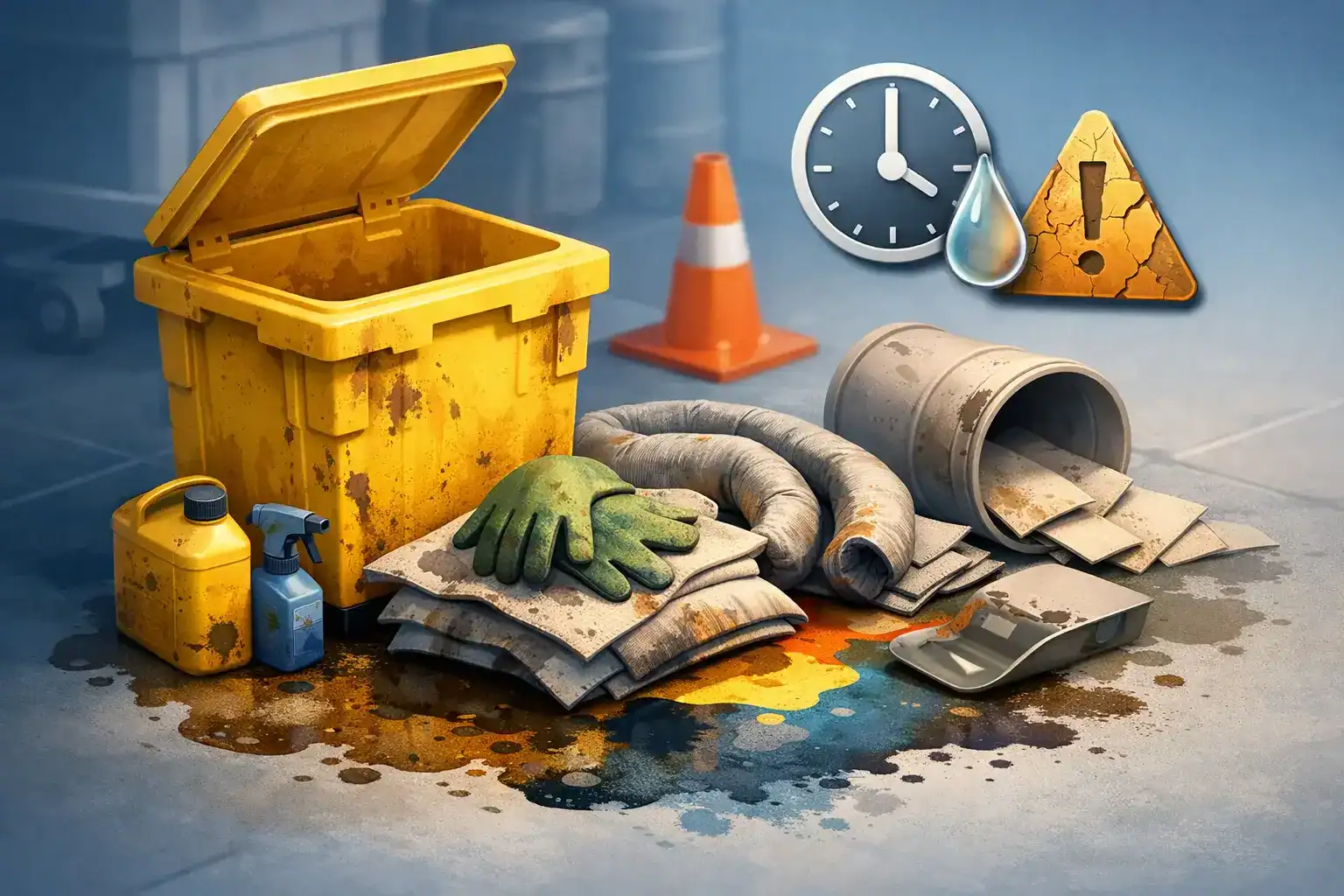
A spill kit is only useful if it is complete, accessible and suited to the materials present on site. The question of when should spill kits be replaced is not answered by a single date on the cabinet door. It depends on whether the kit has been used, whether its contents remain serviceable, and whether your site’s risks have changed.
For warehouses, workshops, fuel-handling areas, laboratories, transport depots and marine operations, an incomplete spill kit can turn a manageable release into a larger safety, environmental and compliance issue. Regular inspection and prompt replacement of used or damaged items are straightforward controls that help ensure your team can respond without delay.
Replace spill kits immediately after they are used
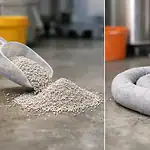
Any spill response uses consumables. Absorbent pads, loose absorbent, socks, booms, chemical-resistant bags, gloves and disposal ties are designed to be deployed, not returned to the kit after contact with a spill.
After a spill, remove contaminated materials in line with the relevant safety data sheet, waste requirements and site procedures. Then check the kit against its original contents list and replace every item that was used, contaminated, damaged or removed. This applies even where the spill was small. A few pads taken from a kit can be the difference between containing the next spill quickly and running short when it matters.
Where the response has consumed a substantial portion of the kit, replacing the whole kit may be more efficient than sourcing individual components. For minor use, a spill kit refill can restore the correct capacity while retaining a sound bin, bag or cabinet.
When should spill kits be replaced due to damage?
A kit should be replaced, or at minimum taken out of service and refilled, when its container or contents can no longer be relied on. Damage is not always obvious from a distance, so inspections should include opening the kit and checking the equipment inside.
Replace the kit or affected components if you find:
- torn, wet, mouldy or heavily soiled absorbents
- split bags, broken bins, cracked lids or damaged wall cabinets
- missing PPE, disposal bags, labels or instructions
- absorbent socks and booms that have flattened, degraded or lost their integrity
- products exposed to chemical vapours, weather, water ingress or excessive heat
- a kit that has been moved, raided for general cleaning, or left incomplete after a previous incident.
Absorbent products do not always carry a simple expiry date. However, long-term exposure to poor storage conditions can reduce their usability. Loose absorbent can become damp or contaminated. Pads can deteriorate when stored in direct sunlight or where packaging has been compromised. Gloves may become brittle or perish over time, particularly in hot areas or where they have been exposed to oils or chemicals.
The container matters too. A damaged wheelie bin, drum, bag or cabinet may make the kit difficult to access or transport during an incident. If the lid will not close, the kit is likely to collect dust, moisture and rubbish, reducing the reliability of its contents.
Review your spill kit after changes on site
A spill kit can be physically intact and still be the wrong kit for the job. Replace or upgrade it when your operation changes the types, quantities or locations of hazardous substances handled.
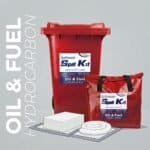
For example, a workshop that begins storing larger volumes of oil, coolant or fuel may need a higher-capacity general purpose or oil and fuel spill kit. A business introducing acids, caustics, solvents or other hazardous chemicals may need a chemical spill kit with compatible absorbents and PPE. Standard general purpose absorbents are not automatically suitable for every chemical release.
Also review kit placement when you alter workflow, add storage areas, expand a warehouse, relocate dangerous goods, or introduce new plant. A suitable kit stored too far from the likely spill point is not a practical response measure. The right capacity, absorbent type and placement should reflect credible spill scenarios, not just what was purchased years ago.
Set an inspection frequency that suits the risk
There is no value in replacing a spill kit on a fixed schedule if it remains clean, complete, dry and suitable for the task. Equally, waiting until an incident to inspect it is unacceptable. The practical approach is a documented inspection routine based on site risk.
High-risk locations such as fuel bays, chemical stores, loading docks, waste areas and maintenance workshops generally warrant more frequent checks. A weekly visual check may be appropriate where kits are readily accessible and likely to be used. Lower-risk areas may be inspected monthly, provided the kit is sealed, protected and included in a formal workplace inspection program.
After heavy rain, flooding, building works, a chemical incident, a vehicle strike or an unplanned site shutdown, inspect affected kits straight away. These events can damage packaging, block access or leave kits missing essential items.
Your inspection record should show the kit location, kit type, inspection date, condition, missing items, corrective action and the person responsible. This creates accountability and gives supervisors a clear way to confirm that response equipment is being maintained.
Check the right items, not just the container
A quick glance at a spill kit bin is not enough. Check that it is clearly labelled, easy to reach and not obstructed by stock, pallets or equipment. Confirm the kit still matches the substances used in that area.
Inside, compare the contents with the supplied list or your site’s required inventory. Inspect absorbents for moisture or damage, confirm PPE is present and appropriately sized where relevant, and make sure disposal bags, tags and ties are available. If your procedure requires drain covers, plugs, scoops, goggles or other response equipment, verify these are in place and serviceable.
This check should include expiry or replacement information for PPE and other items where the manufacturer specifies a shelf life. Do not assume all components age at the same rate.
Do not treat a spill kit as a general cleaning cupboard
One common reason kits become inadequate is gradual depletion. A worker takes a few pads to wipe a leak, another uses gloves from the kit, and disposal bags are borrowed for a routine job. None of these actions may trigger a formal restock, but the kit is slowly stripped of the equipment needed for an emergency.
Keep day-to-day cleaning absorbents and PPE separately stocked where possible. Make it clear that spill kit contents are for spill response, then ensure staff know how to report any item used. A simple tag, inspection sheet or stock control process can prevent a kit from becoming incomplete between scheduled checks.
Replace the whole kit or use a refill?
The right option depends on what has been affected. Refills are a practical choice when the container is sound and the original kit remains suitable for the site. They help restore absorbent capacity after a response without replacing usable storage components.
A complete replacement is generally the better choice if the kit container is damaged, the kit has been exposed to contamination or weather, its specification no longer matches the hazard, or the original contents are unclear. It is also worth replacing an ageing assortment of ad hoc items with a properly configured kit that has a clear contents list and designated purpose.
Avoid mixing unrelated absorbents simply to fill empty space. Oil and fuel absorbents, general purpose absorbents and chemical absorbents are selected for different spill conditions. The kit must match the liquid, environment and likely volume involved.
Make replacement part of spill readiness
Assign a named person or role to inspect each kit, but do not make readiness dependent on one employee being present. Supervisors, maintenance teams and safety representatives should know where kits are located, what they contain and how shortages are reported.
Training should cover the limits of the kit as well as its use. Staff need to understand when a spill can be safely contained with available equipment and when the area must be isolated and specialist assistance obtained. No spill kit replaces appropriate emergency procedures, PPE selection or chemical-specific response planning.
Spillmaster supplies replacement spill kit components, refills and complete kits for common workplace spill risks. Keeping the right equipment on hand is a simple purchasing decision, but checking that it remains complete and fit for purpose is an operational responsibility. A kit that is inspected, replenished and positioned for the hazards on site gives your team a far better starting point when a spill occurs.