Absorbent Disposal Rules for Australian Worksites


A used absorbent pad may look like ordinary workshop rubbish, but its disposal route is determined by what it has absorbed. Oil, fuel, coolant, solvents, acids and unknown liquids can each create a different waste-management obligation. Applying absorbent disposal rules properly protects workers, prevents secondary spills and helps keep contaminated material out of general waste streams.
For Australian worksites, there is no single bin or one-size-fits-all answer. Waste requirements are administered by state and territory environmental regulators, while the material itself must be assessed against its contaminant, quantity and condition. The right decision starts before the used pads, socks, granules or booms leave the spill area.
Absorbent disposal rules start with the spilled substance
An absorbent is not hazardous simply because it has been used. Equally, it does not become safe because the original spill was small or the material appears dry. The relevant question is what substance the absorbent has captured and whether that material is regulated as hazardous, controlled or otherwise requires specialist disposal.
Used absorbents from a minor water-based, non-hazardous spill may be accepted through an approved general or commercial waste stream, subject to local facility rules. Absorbents contaminated with hydrocarbons, chemicals, paints, pesticides, solvents, corrosives or other dangerous goods will commonly require disposal as controlled or hazardous waste. This generally includes used oil-only pads from fuel and lubricant spills.
Check the safety data sheet (SDS) for the product involved. Sections covering disposal considerations, transport information and ecological hazards provide a useful starting point. The SDS does not replace a waste classification assessment, particularly where products have mixed, degraded or reacted, but it identifies hazards that must not be ignored.
If the spill substance is unknown, treat the used absorbent as potentially hazardous until it has been identified or assessed by a competent waste contractor. Guessing to save a disposal charge can create a far more expensive compliance problem.
Separate absorbents by contamination type
Do not combine used absorbents from different spills just because they are all going to waste. Mixing can make classification harder, increase disposal costs and, in some cases, create an incompatible chemical reaction.
Keep hydrocarbon-contaminated material separate from chemical absorbents. Segregate acids from alkalis, oxidisers from combustible material, and any reactive material from other waste. Used universal absorbents can collect a broad range of liquids, but that does not mean their contents can be mixed after use.
This separation should be reflected in the response process. Use the right absorbent for the liquid, place it into a suitable waste container as it is collected, and label the container promptly. A clean, orderly spill response reduces handling and makes the disposal decision easier to defend later.
Oil and fuel absorbents
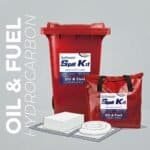
Pads, rolls, booms and socks used to recover diesel, petrol, hydraulic oil, lubricants or other hydrocarbons should normally be managed as contaminated waste. Even where an oil-only absorbent repels water, the captured oil remains a pollutant.
Do not place saturated oil absorbents in general rubbish bins or allow them to drain near stormwater pits. Store them in a secure, compatible container or drum with a fitted lid, then arrange collection or delivery through an approved waste service. Requirements vary by jurisdiction and receiving facility, so confirm acceptance before transport.
Chemical and solvent absorbents
Absorbents used on solvents, acids, alkalis, adhesives, paints, pesticides or laboratory chemicals need closer scrutiny. The disposal method depends on the chemical, its concentration, whether it is listed as dangerous goods, and whether the absorbed material has changed through mixing or reaction.
Chemical-contaminated absorbents should be packaged in a container compatible with the substance. For example, a container that is suitable for oily rags may not be appropriate for a corrosive liquid. Keep the original SDS available, label the waste clearly and obtain specialist advice where the material is toxic, reactive or unknown.
Package used absorbents for safe handling
Disposal compliance is not only about where waste ends up. The material must remain contained from the spill site to the receiving facility. Loose pads in an open skip, dripping granules on a loading dock or a torn rubbish bag in a ute tray can turn a contained spill into a new release.
Use a sound, sealable and compatible container sized for the amount of waste. Heavy-duty bags may suit lightly contaminated pads where permitted by the waste contractor. For saturated material, liquids, sharp debris or higher-risk chemicals, use rigid drums, overpacks or other approved packaging. Do not overfill containers. They need enough headspace to close securely without forcing contaminated material out.
Each container should be labelled with enough information for safe handling. In practice, this means identifying the waste, the contaminant, the date and the work area or source. A label such as “used absorbents” is rarely sufficient. “Used oil absorbent pads – hydraulic oil spill – workshop bay 3” gives the next handler useful information without ambiguity.
Keep closed containers under cover and within bunded or otherwise protected storage where a leak could reach soil, drains or waterways. Maintain separation from ignition sources where flammable liquids are involved. Oily absorbents and rags can present a fire risk, particularly when stored inappropriately or contaminated with volatile products.
Do not wash, drain or compact contaminated material
Common shortcuts cause most disposal failures. Never hose used absorbents down a drain, wash contamination from pads for reuse, or leave materials to drip dry outdoors. Water from this process can carry oil or chemicals into stormwater, where even a small release can trigger environmental harm and reporting obligations.
Avoid compacting contaminated absorbents unless the waste provider specifically authorises it. Compaction can rupture packaging, release liquids and make subsequent transport unsafe. Incineration on site, burning in a drum and burial are also unsuitable unless a facility is specifically licensed and approved to undertake that activity.
A pad that looks dry can still contain enough contaminant to be classified as controlled waste. Visual appearance is not a reliable disposal test.
Confirm transport and receiving requirements
For larger quantities or regulated wastes, transport may be subject to state or territory controlled-waste requirements. These can include approved transporters, tracking documentation, waste codes and delivery to an authorised receiving facility. Requirements differ across Australia, so base the process on the rules where the waste is generated and where it will be received.
Before collection, give the waste contractor accurate details: the original substance, approximate volume, absorbent type, packaging and any SDS information. Do not describe chemical-contaminated waste as “general rubbish” to obtain a lower price. An informed contractor can nominate the appropriate container, collection method and disposal route.
For small businesses, it is worth establishing this arrangement before an incident occurs. A spill kit is only part of the response capability. The site should also know where contaminated absorbents will be stored, who can authorise collection and which waste provider accepts each likely waste type.
Build disposal into the spill response procedure
A practical procedure reduces pressure when an incident occurs. After stopping the source where safe, protecting drains and recovering the liquid, the response team should record the contaminant and amount used. This record supports waste classification and provides evidence of how the site managed the incident.
Include these checks in the close-out process:
- Identify the spilled product using its label and SDS.
- Keep used absorbents segregated from incompatible waste.
- Package and label the material in a compatible sealed container.
- Inspect the surrounding area for residue, drain entry or damaged packaging.
- Arrange disposal through the approved waste pathway and retain relevant records.
Training matters here. Personnel do not need to be waste specialists, but they should know that a used pad is not automatically bin waste. Clear labels on spill kit stations, designated contaminated-waste containers and a simple escalation contact can prevent poor decisions during a rushed clean-up.
When should you seek specialist advice?
Seek advice from a qualified waste contractor, environmental adviser or the relevant regulator when the spill involves an unknown substance, a dangerous good, a large quantity, a waterway or drain impact, or mixed chemicals. The same applies if the material is highly toxic, reactive, persistent or subject to site-specific licence conditions.
There may also be notification obligations after a significant pollution incident. These depend on the jurisdiction and the nature of the release. Containing the spill quickly is essential, but it does not remove the need to assess whether external notification is required.
Spillmaster supplies the practical equipment needed to contain and recover workplace spills, from oil and fuel absorbent pads and booms to bunding and spill kit refills. The final step remains a site responsibility: make sure the contaminated material is identified, contained and sent through the correct disposal channel.
Treat disposal as part of the spill response, not an afterthought once the floor looks clean. That approach keeps the worksite safer, protects the environment and gives your team a clear, repeatable process when the next incident occurs.