Solvent Storage Compliance Guide for Worksites


A solvent drum left beside a roller door, a cabinet packed with mixed chemicals, or decanted thinners in an unlabelled bottle can turn an ordinary workshop task into a fire, health and compliance issue. This solvent storage compliance guide sets out the practical controls Australian worksites should apply when handling flammable and hazardous solvents.
The objective is not simply to buy a cabinet and tick a box. Effective storage reduces the chance of vapour ignition, chemical incompatibility, leaks reaching drains, and workers being exposed during normal operations. The right setup depends on the solvent type, the volume held, where it is used, and the layout of the site.
Start with the solvent, not the storage cabinet
“Solvent” covers a wide range of products, including thinners, acetone, degreasers, fuels, adhesives and cleaning agents. Their hazards vary. Many are classified as flammable liquids, while others may also present acute health, respiratory, skin, aquatic or chronic health hazards.
Check the current Safety Data Sheet (SDS) and product label before deciding where a product belongs. The SDS identifies dangerous goods classification, packing group, flash point, incompatible substances, required personal protective equipment and spill response requirements. It is the operational reference point for purchasing, storing and handling controls.
For flammable liquids, AS 1940 is commonly used as the key Australian standard for storage and handling. Workplace Health and Safety duties, dangerous goods laws and local fire authority requirements may also apply. Requirements can differ between states, territories, industries and quantities stored, so use the SDS and relevant site obligations to confirm what applies to your facility.
Do not assume a product is low risk because it is supplied in a small container. A collection of aerosol cans, one-litre tins of thinners and decanted cleaning products can create a meaningful flammable liquid load in a confined work area.
Assess volumes and storage locations
The quantity of solvent on site affects the level of control required. Keep only the amount needed for immediate work in production, maintenance and workshop areas. Bulk stock should be held in a designated storage location rather than distributed across benches, shelving and cupboards.
A practical assessment should identify every place solvents are received, used, transferred and stored. This often reveals forgotten stock in maintenance cages, paint rooms, mobile service vehicles and chemical cupboards. Record the maximum volume at each location, not just the amount normally present on a quiet day.
Storage must be separated from ignition sources. That includes welding and grinding areas, battery charging stations, electrical equipment that is not suitable for the area, heaters, open flames and smoking areas. Vapours from flammable liquids can travel to an ignition source, particularly where ventilation is poor or liquids are being dispensed.
Access also matters. Emergency responders and workers need clear paths around the storage area, while unauthorised people should not be able to remove or interfere with hazardous products. Avoid placing solvent stores beside exits, stairways, gangways, drains or areas where forklifts can strike containers.
Choosing compliant solvent storage equipment
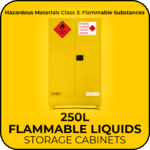
For many workshops and warehouses, a purpose-built flammable liquids storage cabinet is the most practical control for packaged solvent quantities. A suitable cabinet helps contain leaks, separates flammable liquids from the general work area and provides a clearly identified location for stock.
However, the cabinet must suit the application. Consider its storage capacity, internal sump capacity, construction, ventilation provisions, doors, shelving and compatibility with the products being stored. A cabinet that is too small encourages overpacking, with containers stored on top, left on the floor, or moved into unapproved cupboards.
Store containers upright with lids or bungs closed. Keep labels visible and make sure shelving can support the actual load. Do not stack containers in a way that can damage lids, crush packaging or prevent a leak from being identified. Any damaged, swollen, corroded or leaking package should be isolated and dealt with promptly.
For drums, intermediate bulk containers and higher-volume operations, a cabinet will not be enough. Use a designated dangerous goods store, bunded storage area or purpose-built pallet system that provides appropriate containment. The containment system must be sized for the liquids held and protected from vehicle impact, rainwater accumulation and drainage pathways.
Segregation is not optional
A flammable liquids cabinet is not a general chemical cupboard. Solvents should not be stored with substances that can react, intensify a fire or create a toxic release. Always follow the incompatibility information in the SDS.
At a minimum, keep flammable solvents separate from these categories:
- oxidising agents, including products that can rapidly support combustion;
- corrosive acids and alkalis where incompatibility is identified;
- compressed gases and other dangerous goods not approved for co-storage;
- food, beverages, personal items and general workshop consumables.
Segregation also applies to waste. Used solvent, paint residues, contaminated rags and absorbents can remain flammable. Collect them in labelled, compatible and closed containers. Oily or solvent-soaked rags should never be left in open bins, on benches or in the back of a ute.
Control transfers, decanting and daily use
The highest spill risk is often not in the storage area. It is when workers pour solvent from a drum, refill a spray bottle, clean parts or return partly used containers to storage.
Use closed dispensing equipment, funnels or pumps suited to the product and container. Where static electricity is a risk, assess the need for bonding and earthing during transfer. Keep decanting away from ignition sources and ensure workers have the PPE specified in the SDS, such as suitable gloves, eye protection and protective clothing.
Every secondary container must be labelled. A hand-written label is acceptable only if it remains clear, durable and identifies the product and relevant hazards. Unlabelled bottles create two problems at once: workers cannot select the right protection, and emergency responders cannot identify what has been released.
Keep only small working quantities at benches. Return stock to the designated storage area at the end of a shift, and do not use drink bottles or food containers for chemical decanting under any circumstances.
Ventilation, ignition control and emergency readiness
Solvent vapours may be heavier than air and can collect in low points, pits, drains and enclosed areas. Natural ventilation may be adequate for low-volume storage in some settings, but it is not a universal answer. Assess the room, product volatility, quantities stored and frequency of use. Higher-risk areas may need engineered ventilation and electrical equipment appropriate to the hazardous area classification.
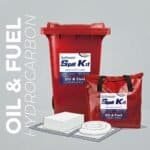
Spill control equipment should be located close enough to be used immediately, without placing responders in danger. For solvent spills, select absorbents that are compatible with hydrocarbons and chemicals, and ensure workers know how to stop the source, protect drains, contain the liquid and arrange disposal of contaminated materials.
A well-equipped response point generally includes absorbents, booms or drain protection where relevant, disposal bags or containers, PPE and clear instructions. Fire extinguishers, emergency contact details and evacuation arrangements must also align with the hazards and site emergency plan. Spillmaster supplies fit-for-purpose containment, absorbents and flammable liquid storage equipment for worksites that need practical control of these risks.
Inspect the system, not just the stock
Compliance can deteriorate quickly when deliveries arrive, teams change or a busy workshop begins using the storage area as overflow space. Routine inspections keep the controls working.
Inspect solvent storage areas for leaks, damaged containers, missing labels, overfilled sumps, blocked access, incompatible products, expired or unreadable SDSs, ignition sources and depleted spill supplies. Check that cabinet doors close correctly and that bunding has not filled with rainwater or unrelated liquids.
The inspection frequency should reflect the risk. A high-use paint or maintenance area may need daily checks, while a secure low-use store may be checked weekly or monthly. Record findings, assign corrective actions and close them out. A checklist is useful only when it leads to action.
Training should match the tasks people actually perform. Warehouse staff may need to understand segregation and receiving checks; maintenance crews may need training in decanting and spill response; supervisors need to know when site quantities or layout changes require a new assessment.
A compliant solvent store should make the safe action the easy action: products clearly identified, quantities controlled, incompatible chemicals separated, leaks contained and spill equipment ready before it is needed. That is the standard worth maintaining on every shift.