How to Replace Spill Refills in Your Kit

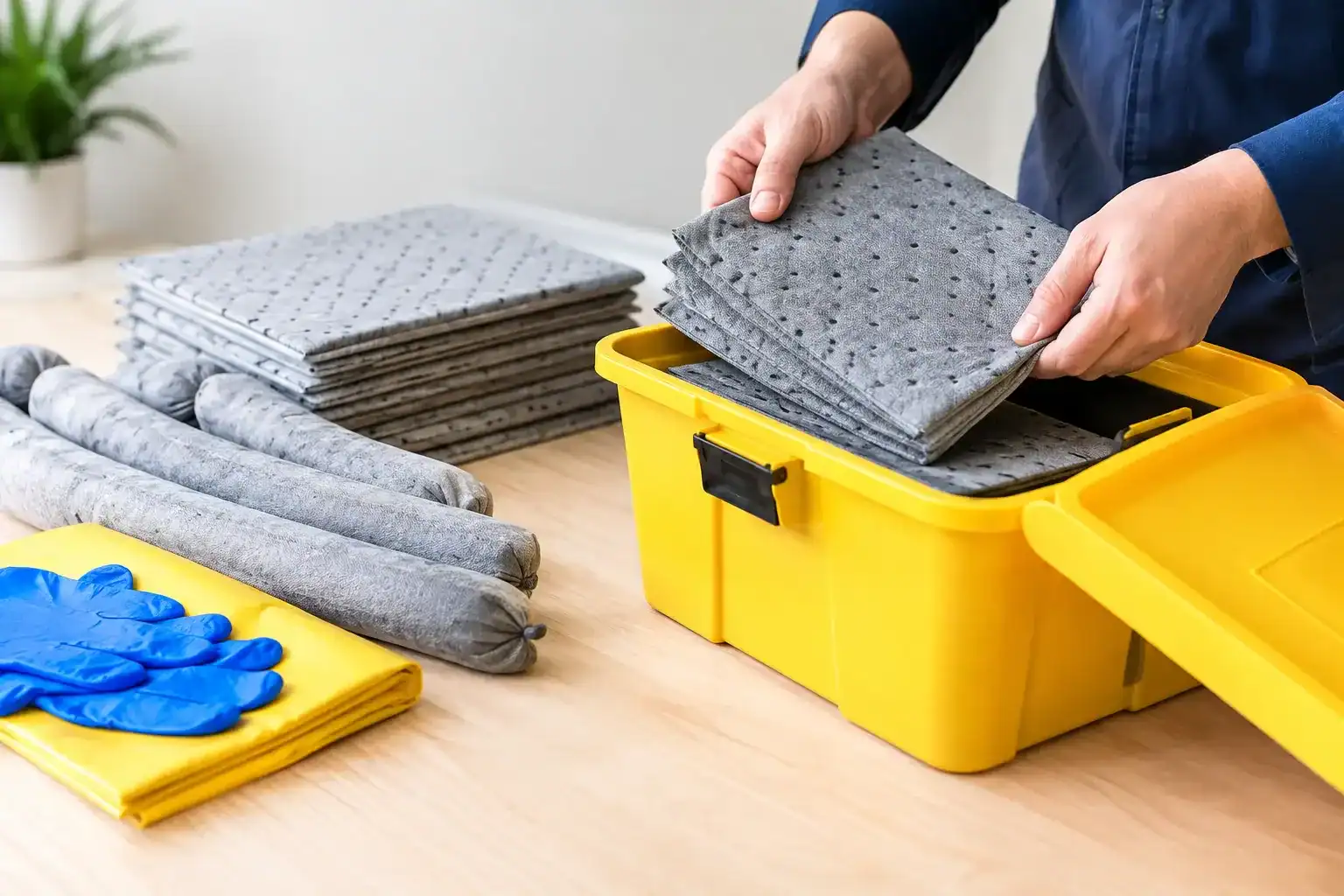
A spill kit is only useful when its contents are complete, accessible and suited to the materials handled on site. Knowing how to replace spill refills properly means more than topping up a few absorbent pads after an incident. It requires checking what was used, confirming the hazard, replacing critical PPE and disposal items, and returning the kit to a condition where a worker can respond without delay.
For workshops, warehouses, fuel-handling areas, marine operations and plant rooms, this is a routine maintenance task with real safety and compliance consequences. An incomplete kit can slow containment, expose staff to hazardous substances and leave a site unable to follow its own spill response procedure.
Replace spill refills after every use
Inspect the spill kit immediately after a response, even if the spill was minor. Used pads, socks, pillows, booms, gloves and disposal bags must be removed from the kit. Do not put contaminated items back because they appear only partly used. They may no longer absorb effectively, may spread contamination during the next response, or may expose the next user to an unknown substance.
The same applies to PPE. Disposable gloves, coveralls, goggles and masks used during a response should be treated according to the relevant safety data sheet (SDS), site procedure and waste requirements. If reusable PPE has been contaminated, it must be decontaminated only where the manufacturer instructions and site controls allow it. Otherwise, replace it.
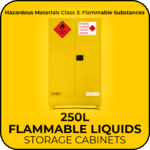
After removing used contents, check the kit itself. A damaged wheelie bin, bag, cabinet, drum or wall-mounted station may make the kit harder to deploy. Replace cracked containers, broken lids, missing labels and unreadable instructions before returning the kit to service.
Start with a post-incident stocktake
Do not order a refill based on a quick visual estimate. Open the kit and compare its contents with the inventory list supplied for that kit, or with your site’s documented spill-kit checklist. Count each item and record what has been used, damaged, contaminated or removed.
This stocktake should also identify items that were not used but are no longer fit for purpose. For example, loose absorbent pads may have become wet in an outdoor storage area, or an opened package may have collected dust and workshop debris. Clean, dry and sealed products can generally remain in the kit, but contaminated or degraded stock should be replaced.
Record the incident details while they are still clear. Note the substance involved, estimated quantity, location, response materials used and any shortfalls. This information helps the safety or operations manager assess whether the existing kit capacity and contents are still appropriate. A kit that was emptied by one routine fuel spill may be undersized for the risks at that location.
Check the kit against the actual hazard
The correct refill depends on what the kit is expected to manage. General-purpose absorbents are suitable for many common workplace liquids, including coolants, water-based fluids and non-aggressive chemicals. Oil-only absorbents are designed to absorb oils and fuels while repelling water, making them a practical choice around drains, outdoor areas, marinas and waterways.
Chemical absorbents are intended for more aggressive liquids and should be selected with reference to the SDS and compatibility guidance. A chemical spill kit is not simply a general-purpose kit with different coloured pads. Its absorbents, PPE and disposal arrangements need to suit the substances stored or used on site.
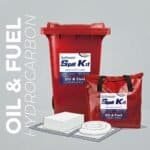
If your operation handles more than one hazard class, separate kits may be the safer option. A clearly identified oil and fuel kit near a refuelling point, for example, should not be routinely depleted to deal with a corrosive chemical spill in another work area. Keeping response equipment matched to its assigned risk reduces confusion when time matters.
Choose a full kit refill or replace individual items
A complete refill pack is usually the most efficient choice when a large part of the kit has been deployed, when the kit is due for a scheduled restock, or when maintaining a standard inventory across multiple locations. It simplifies purchasing and helps restore the original mix of absorbents, PPE, containment materials and disposal supplies.
Individual replacement items can be more cost-effective after a small spill, provided the kit inventory remains balanced. Replacing pads alone may appear economical, but it creates a gap if the response also used gloves, contaminated-waste bags or drain covers. A spill kit needs more than absorbency. It needs the equipment to protect the responder, contain liquid at the source and manage waste safely.
Before purchasing, confirm the kit type, capacity and container style. A 120-litre general-purpose kit and a 120-litre oil-only kit may use similar quantities of absorbent material but have different product specifications and colour coding. Refill contents must also fit the existing container. Overfilling a mobile bin or compact cabinet can prevent quick access when a spill occurs.
Restock the kit in deployment order
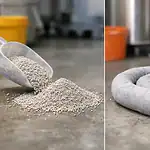
Once the correct spill refills have arrived, restock the kit so workers can act in a logical sequence. Keep PPE and simple instructions at the top or in the most accessible compartment. Place drain covers, plugs or containment equipment where they can be reached early, before liquid reaches drains or doorways. Arrange socks, booms and loose absorbent near pads and pillows, followed by waste bags, ties and labels.
Avoid leaving replacement products in cartons beside the spill kit. If items are not physically in the kit, they are not available during the response. This is especially relevant for multi-shift workplaces, remote yards and locations where the usual safety contact may not be on site.
Where possible, retain manufacturer packaging until the product is needed. It protects absorbents from moisture and dirt, and makes it easier to identify the item during a response. Do not remove labels or mix different absorbent types in unmarked bags.
Confirm PPE and disposal supplies
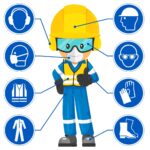
PPE is often the first category missed during a refill. Check that the kit includes the gloves, eye protection, protective clothing and respiratory equipment specified by your risk assessment. Respiratory protection should not be added as a generic precaution. It must be selected for the hazard and supported by the required fit-testing, training and maintenance arrangements.
Also check disposal supplies. Contaminated absorbents may be regulated waste, particularly where they have absorbed fuels, solvents, oils or hazardous chemicals. Provide suitable bags, ties, labels and containers, then arrange disposal in line with the SDS, environmental obligations and local waste contractor requirements. Never place contaminated absorbents in general rubbish unless the relevant requirements clearly permit it.
Inspect labels, signage and spill-kit access
Replacing contents is a good time to inspect the surrounding controls. The kit should be visible, labelled and free from obstructions. A spill kit stored behind pallets, locked in an office or used as a shelf for tools is not ready for use.
Check the external label identifies the kit type, particularly where oil-only, general-purpose and chemical kits are used across the same site. Replace faded labels and update the inventory sheet or inspection tag with the restock date, person responsible and next review date. If the kit was moved during the incident, make sure site maps, emergency information and staff inductions reflect its current location.
Set a practical inspection frequency
Waiting for a spill before checking a kit is not a maintenance plan. High-risk or high-use areas may need weekly or monthly inspections, while a lower-risk office or storage location may be suitable for a less frequent documented check. The right interval depends on foot traffic, exposure to weather, the materials handled, kit accessibility and how often stock is borrowed or used.
A short inspection should confirm that the container is intact, the kit is in its designated location, the inventory is complete, absorbents are dry, PPE is available and the inspection record is current. After severe weather, building works or a change to stored chemicals, inspect the kit outside the normal schedule.
Review the response, not just the stock level
Every refill creates an opportunity to improve the next response. Ask whether workers found the kit quickly, whether containment materials were sufficient, and whether the selected absorbent worked for the liquid involved. If staff improvised with rags, sand or unrelated PPE, the kit contents or site training may need attention.
Spillmaster can assist businesses sourcing replacement absorbents, PPE and fit-for-purpose spill kit refills, but selection should always reflect the substances, quantities and work conditions present at the specific site. Keep the SDS, risk assessment and emergency procedure aligned with the equipment on hand.
A fully restocked kit is a small operational detail until the moment it is needed. Make replacement part of the close-out process after every spill, and the next person responding will have the right equipment where it belongs.