How to Secure Hazardous Drums at Your Worksite


A 205-litre drum can become a serious incident faster than most sites expect. A forklift strike, an unsecured load, a leaking bung or incompatible products stored side by side can release hazardous substances into a work area, stormwater system or drainage line. Knowing how to secure hazardous drums means controlling the drum itself, its location, the substances around it and the way workers handle it.
For Australian worksites, the right controls depend on the chemical, the volume stored, the container condition and the applicable state or territory requirements. The safety data sheet (SDS) is the starting point, but good drum security also requires practical site discipline: suitable containment, clear access, proper restraints and regular inspection.
Start with the substance and the storage risk
Do not treat every drum as though it has the same storage requirements. Fuel, solvents, acids, alkalis, oxidisers and oils each present different hazards. Before a drum arrives on site, confirm its dangerous goods class, packing group where applicable, SDS requirements and whether it is flammable, corrosive, toxic, environmentally hazardous or reactive.
This information determines where the drum can be stored and what must be kept away from it. For example, flammable liquid drums require controls that limit ignition sources and manage vapours. Corrosive substances may need compatible shelving, flooring and spill containment materials. Oxidisers must be separated from fuels, solvents and other combustible materials.
Check the SDS for storage conditions, incompatible materials, handling precautions and spill response instructions. Use it alongside your site risk assessment and the relevant Australian dangerous goods and work health and safety requirements. A drum storage area that looks tidy can still be unsafe if incompatible chemicals share a bund or workers cannot identify the contents quickly.
Choose a secure, fit-for-purpose drum location
Hazardous drums need a designated storage area, not an unused corner of the warehouse or workshop. Position them on a stable, level surface that can carry the loaded weight without cracking or settling. Keep the area away from vehicle routes, doorways, emergency exits, drains and places where forklifts or pallet jacks are likely to pass close by.
Where a drum must be located near active operations, protect it from impact. Physical barriers, bollards or a clearly separated storage bay may be appropriate, depending on traffic levels and the consequences of a strike. Do not rely on painted floor lines alone where mobile plant regularly operates.
Outdoor storage needs additional consideration. Rain can fill uncovered bunds and reduce their effective capacity, while sunlight and heat can affect some products and increase pressure in containers. Keep drums protected from weather where required by the SDS, and ensure the storage surface directs clean rainwater away from chemical containment areas.
Access should be limited to trained personnel. This does not always mean a locked cage, but it does mean workers should not be able to remove, decant or use chemicals without authorisation. For higher-risk substances, secured storage, signage and a controlled key or access process are sensible controls.
Use bunding to contain leaks, not just major spills
A secure drum is one that remains contained if its seal fails or it is damaged. Bunding is therefore a core part of hazardous drum storage. Spill pallets, bunded drum stores and compatible containment decks keep leaks off the floor and away from drains, allowing the product to be recovered safely.
Select containment based on the number of drums, the volume of the largest container, the total stored volume and applicable site or regulatory requirements. The containment unit must also be chemically compatible with the substance stored. A general-purpose plastic spill pallet may suit many oils and chemicals, but not every aggressive solvent or corrosive product.
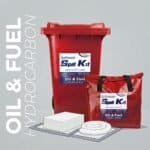
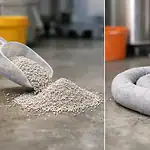
Do not use bunded capacity as extra storage space. Keep the sump clear so it can perform when needed. If a leak occurs, isolate the area, use suitable PPE and absorbents, and arrange disposal of contaminated materials in line with the SDS and waste requirements. A spill kit positioned outside the immediate hazard area gives workers access without stepping through the release.
Keep drains protected
Drains are a common pathway for a small drum leak to become an environmental incident. Identify nearby drains before setting up storage and make drain covers or other isolation equipment available where relevant. Never assume an internal drain is harmless. It may connect to trade waste, sewer or stormwater infrastructure.
Keep hazardous drums upright and restrained
Store drums upright unless the manufacturer specifically permits another orientation. Upright storage reduces the chance of product reaching vents, bungs or closures not designed for continuous liquid contact. It also makes labels easier to read and inspections more reliable.
Drums stored on pallets, in racks or within a bund should be restrained where there is a risk of movement, vibration or impact. Restraint may involve drum racks, chocks, clamps, straps or purpose-built storage systems. The method must hold the drum securely without damaging the container or obstructing inspection of leaks and labels.
Avoid stacking drums unless both the drum design and the storage system are rated for it. A dented or poorly placed lower drum can fail under load. Stacking also makes leak detection, access and emergency response more difficult. Where space is tight, purpose-designed racking is safer than improvised stacking.
Keep closures tight and fitted correctly. Workers should use the proper drum key or tool rather than makeshift equipment that can damage a bung, create sparks or cause a sudden release. Once opened, a drum should not be left unattended with a loose cap, funnel or pump in place.
Segregate incompatible products clearly
Physical security is only part of the task. Chemical segregation prevents a leak from becoming a violent reaction, fire or toxic exposure. Store substances by compatibility, not simply by container size or available shelf space.
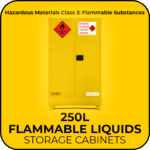
Flammable liquids should be kept away from ignition sources and separated from oxidising agents. Acids and alkalis generally require separation. Products that react with water, release toxic gases or corrode certain metals may need dedicated storage arrangements. Refer to the SDS and your dangerous goods plan rather than relying on label colour or product familiarity.
Use clear labels on every drum, including decanted or partly used containers. Labels must remain legible, face outward where possible and not be covered by straps, shrink wrap or residue. Remove damaged, unknown or unlabelled drums from service until their contents and condition can be confirmed.
Secure drums during handling and transport
Many drum incidents happen while containers are being moved rather than while they are stored. Only trained workers should use drum lifters, pallet jacks, forklifts or drum trolleys. Match the equipment to the drum type, weight and movement route.
Before moving a drum, inspect it for corrosion, dents, bulging, loose bungs, damaged seams and residue around closures. Do not attempt to transport a compromised drum as normal freight. Place it in suitable overpack containment or seek specialist advice based on the product hazard.
When transporting drums on site or by road, secure them against rolling, sliding and tipping. Use rated restraints and appropriate load restraint points, and protect the drum from sharp edges or contact with incompatible cargo. The vehicle should carry the required documentation, emergency equipment and dangerous goods placarding where relevant. Road transport has separate obligations from on-site movement, so confirm the requirements before dispatch.
Inspect the storage area as part of normal operations
Drum security is not a set-and-forget control. Include hazardous drum areas in routine workplace inspections. Look for signs of leakage, damaged labels, corrosion, swelling, unauthorised products, full bunds, blocked access and expired or unsuitable spill response materials.
A simple inspection record helps show that controls are being maintained and gives supervisors a way to identify recurring issues. If drums are frequently found outside their designated area, the problem may be poor workflow or insufficient point-of-use storage rather than worker carelessness. Fix the storage process, not only the immediate non-conformance.
Review emergency arrangements with the people most likely to discover a leak. They need to know when to stop work, who to notify, what PPE to wear, how to protect drains and when not to attempt a clean-up. For a large release, fire risk, unknown substance or exposure event, evacuation and emergency response may be the correct first action.
The most effective hazardous drum setup is one workers can follow under pressure: labelled containers, compatible storage, reliable bunding, clear access and equipment that is ready before a leak occurs. Build those controls into the work area, and hazardous drum storage becomes a managed operational task rather than the next incident waiting to happen.