Spill Response Station Setup for Worksites

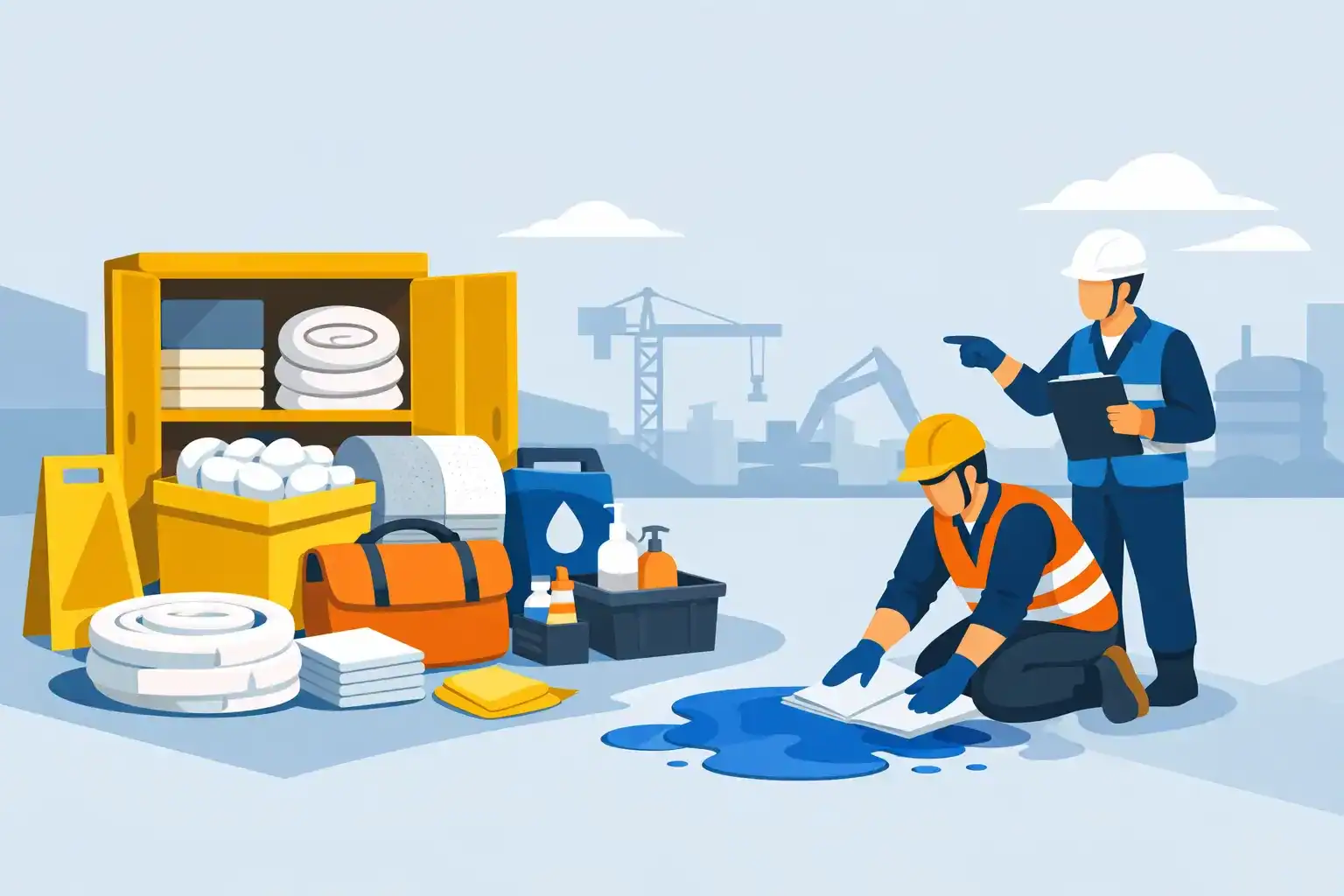
A spill kit locked in a storeroom is not a spill response solution. When oil reaches a workshop drain, coolant spreads across a warehouse aisle or a chemical container fails at the loading dock, the first few minutes determine whether the incident stays contained. A practical spill response station setup puts the right equipment in the right location, in a condition workers can use immediately.
For site managers, supervisors and safety teams, the goal is straightforward: make the correct response obvious under pressure. That means selecting equipment for the liquids on site, positioning it close to credible spill risks and maintaining it as a working part of daily operations rather than a compliance box to tick.
Start with the spill risks on your site
A response station should be built around the materials people actually handle, not around a generic checklist. Walk through receiving areas, chemical stores, workshops, plant rooms, fuel points, waste storage zones and loading docks. Consider what could leak, how much could reasonably be released and where it is likely to travel.
Oil, diesel, hydraulic fluid and coolants are common workshop and fleet risks. General-purpose absorbents may be suitable for these liquids, depending on the material involved. Fuel-handling areas can require fast access to suitable absorbents, drain protection and containment equipment. Chemical stores need a more specific approach, particularly where acids, alkalis, solvents or unknown liquids are present.
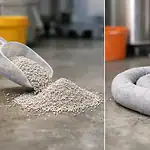
The key distinction is absorbent compatibility. General-purpose products are not a substitute for chemical absorbents where corrosive liquids are involved. Oil-only absorbents are designed to take up oils and fuels while repelling water, which makes them useful around marine environments, waterways and wet outdoor areas. If one location presents several hazards, it may need more than one clearly labelled response option.
Also assess the consequences of a spill leaving the immediate area. A small leak beside a stormwater grate can create a larger environmental problem than a bigger spill contained on a sealed workshop floor. Drain covers, absorbent booms, bunding and temporary containment tools should be placed according to the direction a liquid can travel.
Choose equipment that matches the response task
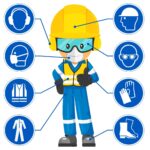
A station is more than a spill kit. The kit provides the core absorbent capacity, but workers may also need protective equipment, waste bags, drain protection, a shovel or scraper, signage and clear instructions. The final selection depends on your risk assessment, site procedures and the hazardous substances being managed.
A well-equipped station generally combines four functions: protect the responder, stop the spread, absorb or recover the liquid, and package contaminated materials for disposal. These functions should be easy to identify at a glance.
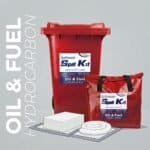
For a typical workshop or warehouse, that may mean a general-purpose spill kit with pads, socks and pillows; compatible gloves and eye protection; disposable bags and ties; and a drain cover where drains are nearby. A fuel depot or outdoor refuelling point may require oil-only absorbents and booms, along with stronger containment measures. Chemical handling areas may need chemical absorbents, chemical-resistant PPE and product-specific response instructions.
Capacity matters as much as product type. A small portable kit may be appropriate for a service vehicle, forklift or low-volume work area. It is rarely enough for a bulk storage zone, busy loading dock or area close to drainage. Larger wheelie-bin kits, cabinets or fixed stations provide greater capacity and make stock checks easier. In higher-risk locations, a combination of a nearby first-response kit and a larger backup supply is often more practical than relying on one oversized kit.
Do not assume absorbents alone will manage every event. A major release, an unidentified chemical, a fire risk or a spill affecting waterways may require escalation to emergency services or a specialist contractor. The station supports an immediate, controlled first response within the limits of your site’s emergency plan.
Position the spill response station where action starts
The best location is usually close to the hazard, visible from the work area and accessible without walking through the spill. That sounds simple, but stations are often placed where storage space is available rather than where an incident will occur.
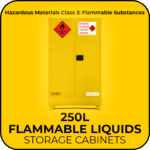
Locate equipment near likely spill points such as chemical decanting stations, IBC storage, drum handling areas, battery charging zones, maintenance bays, generators, waste oil tanks and loading areas. At outdoor sites, protect equipment from weather while ensuring it remains easy to access. A cabinet, covered station or clearly marked storage point can prevent absorbents and PPE becoming damaged or scattered.
Avoid placing the station behind pallets, inside a locked office or at the far end of a warehouse. It should not depend on a supervisor being present or a key being available. Keep the path clear, and make the station visible with appropriate signage so contractors and new staff can find it without delay.
There is a trade-off between centralising stock and distributing it. A central station can simplify inventory control, but it may be too far away when a spill occurs. Distributed kits reduce response time, though they require more frequent inspection. Larger facilities usually benefit from both: fixed stations at high-risk areas and smaller kits on mobile plant, delivery vehicles or in lower-risk work zones.
Make the contents easy to use under pressure
Workers should be able to identify the correct equipment without reading a long procedure. Label the station by spill type, such as general-purpose, oil-only or chemical, and use clear, durable signs. If the station contains items for different hazards, separate and label them so there is no uncertainty about what to use.
Arrange contents in the order they are likely to be needed. PPE should be immediately visible. Socks or booms for stopping the spread should be easy to grab first, followed by pads and pillows for recovery. Waste bags, ties and disposal labels should be kept together so the used absorbents can be contained promptly.
Include concise instructions at the station, written for the people who will respond. A useful instruction sheet can direct workers to raise the alarm where required, wear the appropriate PPE, stop the source if safe, protect drains, contain the spill, apply absorbents, collect contaminated materials and report the incident. It should also make clear when not to proceed, such as where vapours, fire hazards, serious chemical exposure or a large uncontrolled release are involved.
Keep safety data sheets and emergency contacts accessible through your established site system, but do not rely on a response station to replace formal training or emergency procedures. The station gives people the equipment to act. Training gives them the judgement to use it safely.
Inspect, replenish and record every use
A station that looks complete can still fail if the absorbents are saturated, PPE has degraded or the contents no longer match site risks. Assign a responsible person and include station checks in routine workplace inspections. Monthly checks are common, although busy or high-risk areas may need more frequent attention.
Inspect the kit container, labels, signage and access path. Check that absorbents are dry and usable, PPE is in date where relevant, waste bags are available and drain covers remain flexible and clean. Confirm the stated capacity is still present rather than judging by how full the bin looks.
Every spill response, even a minor one, should trigger a replenishment check. Used pads and socks are obvious, but gloves, ties, labels and instructions can disappear as well. Keep compatible spill kit refills available so the station can be restored quickly without replacing an entire kit unnecessarily.
Inspection records help demonstrate that the equipment is being managed, but their greater value is operational. They reveal recurring spills, missing supplies and locations where a station is poorly positioned. If a team repeatedly borrows pads from one area for routine drips, consider supplying a dedicated maintenance absorbent point and preserving emergency stock for actual incidents.
Train for the conditions people face
A spill response station setup is only effective if workers know its location, contents and limits. Include the station in inductions, toolbox talks and practical drills. Ask staff to show how they would protect a nearby drain, select the correct absorbent and package waste after use.
Training should reflect actual site conditions. A marine operator may practise deploying oil-only booms near water. A warehouse team may focus on isolating an aisle and preventing forklift traffic from spreading liquid. A workshop crew may need to shut down a leaking machine safely before using absorbents. Practical scenarios expose gaps that a written procedure will not.
Review the setup whenever you introduce new chemicals, alter storage layouts, expand operations or change traffic flow. A station suited to a small workshop may no longer be sufficient after additional bulk containers, new plant or a relocated stormwater drain are introduced.
Spillmaster supplies the practical components needed to build and maintain response points across workshops, warehouses, fuel areas and chemical handling sites. The right station is not the one with the most products in it. It is the one your team can reach quickly, understand immediately and use with confidence when a spill occurs.