Hazardous Waste Segregation Guide for Worksites


A mixed waste drum is more than a disposal problem. It can create heat, pressure, toxic vapours, fire risk and a costly collection issue before it ever leaves your site. A practical hazardous waste segregation guide gives warehouse teams, workshops and site managers a clear system for keeping incompatible materials apart from the point they become waste.
Segregation is not simply about having several bins in a storage area. It is the controlled separation of waste streams according to their chemical properties, dangerous goods classification, physical form and disposal requirements. Done properly, it protects people handling the waste, prevents contamination, and gives your waste contractor a clear, traceable load to collect.
Start with identification, not the container
The first decision is to identify exactly what the waste is. Do not rely on a handwritten label such as “chemicals” or “solvent”. Check the product label, current Safety Data Sheet (SDS), process records and any supplier advice. Record the product name, primary hazards, dangerous goods class where applicable, whether it is liquid or solid, and whether it has been mixed with anything else.
This matters because materials that look similar may require completely different handling. Two clear liquids may be a flammable solvent and an oxidising chemical. Oily rags may be suitable for one controlled waste stream, while rags contaminated with a corrosive chemical need another. When the source cannot be identified, isolate the material and arrange assessment rather than adding it to a general waste drum.
For most workplaces, waste identification should happen at the work area. A technician changing oil, cleaning parts or decanting chemicals needs clearly marked collection points close by. If the only waste station is at the other end of the workshop, convenience will eventually override procedure.
Separate waste by compatibility
The core rule of hazardous waste segregation is straightforward: never combine waste streams unless you know they are compatible and approved for the same disposal route. Compatibility should be confirmed through SDS information, your site procedure and guidance from a licensed waste provider.
Common segregation groups may include flammable liquids, oils and fuels, corrosive acids, corrosive alkalis, oxidisers, toxic chemicals, contaminated absorbents, batteries, aerosols, and chemical containers. The precise groups used on site depend on what you handle and on your waste contractor’s acceptance criteria.
Some combinations demand particular caution:
- Acids and alkalis can react violently and generate heat or splashes.
- Oxidisers must be kept away from fuels, oils, solvents, paper and other combustible materials.
- Flammable liquids should not be stored with ignition sources, oxidisers or incompatible corrosives.
- Cyanide- or sulphide-containing wastes must never be mixed with acids, as highly toxic gases may be produced.
- Used oils should be kept free of solvents, coolant, fuel, detergents and other contaminants where possible.
A waste stream that begins clean is cheaper and simpler to manage. For example, a drum of used oil contaminated with solvent may no longer be accepted as used oil. It may need treatment as a different, more expensive waste stream. Good segregation therefore supports both safety and cost control.
Do not assume the original product container solves the issue
Original containers can be useful where they remain sound and clearly labelled, but they do not automatically make a waste compatible or ready for storage. A partly empty container may contain residue, deteriorated packaging or an unreadable label. Check that caps and bungs are secure, the container is chemically suitable, and the package is not damaged, swollen or leaking.
For decanted waste, use compatible containers that are fit for purpose. Avoid improvised packaging, food containers and unlabelled bottles. A container must be able to withstand its contents for the expected storage period and be managed within the relevant dangerous goods and workplace requirements.
Label every waste container when it is first used
Unlabelled waste is a preventable hazard. The person who fills a container may know what it holds, but that knowledge does not transfer across shifts, contractors or emergency responders.
Your waste label should be durable, legible and fixed to the container. At a minimum, it should identify the contents, key hazards and the date accumulation began. Many sites also include the generating area, responsible person, waste code where required, and emergency contact details. Follow the labelling requirements that apply in your state or territory and any requirements set by your waste contractor.
Do not write “waste” as the only description. “Waste flammable solvent”, “used hydraulic oil” or “acidic wash water” provides useful information immediately. Labels should remain visible when containers are placed in cabinets, on pallets or in bunded storage areas.
Build storage around containment and access
Segregated waste still needs suitable storage. Keep containers closed except when adding material, inspect them routinely, and place them on secondary containment sized for the credible spill risk. Bunded pallets, spill decks and bunding systems help prevent a leaking drum or container from reaching drains, soil or other stored materials. For example, see Spillmaster’s 2 Drum Spill Pallet Bund for a purpose-designed containment option.
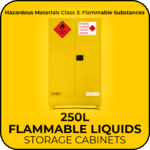
Flammable waste requires particularly careful control. Store it away from ignition sources and incompatible chemicals, using suitable flammable liquids storage where required. Spillmaster’s 100L Flammable Liquids Storage Cabinet is one product option to assess against your specific storage requirements. The correct arrangement depends on the quantities held, container sizes, ventilation, fire protection and the applicable Australian requirements. Do not treat a storage cabinet as a substitute for segregation – incompatible materials still need to be separated inside and around the storage area.
Keep waste storage areas orderly and accessible. Drums should not block exits, fire equipment or access to spill response supplies. Keep compatible containers grouped together, use physical distance or barriers where necessary, and maintain clear signage so workers can identify each waste stream without opening containers.
Plan for leaks before they occur
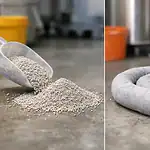
Every hazardous waste point should have appropriate spill response equipment nearby. The right absorbent depends on the material involved. General-purpose absorbents may suit oils and many workplace liquids, while chemical absorbents are intended for a broader range of hazardous chemicals. Oil-only absorbents are designed to repel water and are useful for hydrocarbon spills in wet areas or marine environments. Spillmaster also supplies oil-only absorbent pillows for suitable hydrocarbon spill applications.
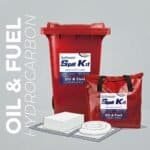
A spill kit should match the likely volumes and hazards present, not just satisfy a checklist. See the 120L Chemical Spill Kit as an example of a dedicated Hazchem response kit; confirm compatibility with the chemicals handled. Include suitable PPE, containment products and disposal bags, then train workers on when to use them and when to isolate the area and call for assistance. Absorbents used in a spill can become hazardous waste themselves, so they need to enter the correct labelled waste stream after use.
Make the system easy to follow on a busy shift
The best hazardous waste segregation guide is one that works when production is busy, staff change over and space is limited. Put simple visual instructions at waste stations. Use consistent container colours only as a secondary aid, because colour alone is not a reliable hazard control. The label and the written procedure remain the source of truth.
Assign responsibility for routine checks. A weekly inspection can identify damaged containers, missing labels, full drums, incompatible storage, overflowing waste points and depleted spill kits before they become incidents. Record findings and act on them. If the same error keeps appearing, redesign the station or retrain the team rather than relying on reminders.
Training should be specific to the work being done. A warehouse employee handling damaged dangerous goods needs different instructions from a mechanic managing waste oil or a cleaner dealing with chemical residues. Cover the waste streams they will see, the containers they should use, materials they must keep apart, required PPE and the escalation process for unknowns or spills.
Work with your waste contractor before collection day
Waste contractors need accurate information to transport and dispose of hazardous waste safely. Confirm packaging standards, maximum fill levels, labelling, documentation and the waste types they will accept. Requirements can vary by state or territory, waste classification and the receiving facility, so avoid applying one site’s rules across every location without checking.
Keep collection areas ready for safe access. Inspect containers before handover, ensure lids are secure, clean external surfaces if safe to do so, and provide the records needed for the load. Never use a collection as an opportunity to dispose of unidentified material or add an incompatible container to a drum because it is nearly full.
Good segregation is a daily operational control, not a task saved for collection day. When each waste stream has a known place, clear label and suitable containment, your team can act quickly, your storage area stays safer, and disposal becomes far more predictable.