Diesel Spill Example for a Safe Site Response


A diesel spill example is rarely just a housekeeping issue. A small leak at a workshop fuel drum, a damaged hose on plant, or an overfilled tank can put diesel on a traffic route and send contamination towards a stormwater drain within minutes. The response must protect people first, stop the source where safe, and prevent the fuel from spreading.
Consider a realistic site scenario: a forklift operator clips a 205-litre diesel drum during a delivery. The drum splits near its base and approximately 20 litres flows across a concrete loading area. The nearest stormwater grate is five metres away, pedestrians use the area, and a diesel-powered generator is operating nearby.
The site does not need a complicated response. It needs trained people, the right spill equipment within reach, and clear decisions made in the right order.
The diesel spill example: what happens first
The operator stops work, keeps forklifts and pedestrians away from the affected area, and raises the alarm under the site spill procedure. A trained responder checks whether it is safe to approach, wearing appropriate gloves, safety footwear and eye protection. If there is any chance of splashing during source control, suitable protective clothing should also be used.
Although diesel is less volatile than petrol, it remains a combustible fuel. Ignition sources should be controlled, particularly where hot equipment, vehicle exhausts, generators, welding, grinding or electrical faults are present. Do not assume a diesel spill is harmless because the product does not evaporate quickly.
If it can be done without risk, the responder stops the release. In this example, that may mean rotating the drum so the damaged section is above the remaining fuel level, then placing the drum into an overpack or other compatible secondary containment. If the drum cannot be safely moved, contain the flow first and escalate for further assistance.
The key point is that stopping the source and containing the spread happen before cleaning. Throwing loose absorbent over a continuing leak wastes material and gives the spill more time to reach drains.
Protect drains before managing the pool
Stormwater protection is the immediate environmental priority in many diesel spills. Once fuel enters a drain, it may travel off site, contaminate waterways and turn a manageable incident into a reportable environmental event. The exact notification requirements depend on the volume, location, risk of harm and the rules that apply in the relevant state or territory.
In this scenario, the responder places drain covers or drain protection mats over the nearest grate. Absorbent socks or booms are then laid across the likely flow path, creating a barrier around the spill perimeter. This gives the team time to manage the pooled diesel without allowing it to migrate.
Use oil and fuel absorbents for diesel. These products are designed to take up hydrocarbons and, in many cases, repel water, making them particularly useful around stormwater, marine areas and wet work zones. General-purpose absorbents may work for some workshop liquids, but they are not always the most efficient choice for fuel-only incidents.
Do not hose diesel towards a drain, dilute it with water or wash it into a trade waste point unless the relevant authority and site procedure specifically permit that method. Water can spread the contamination further and create a larger recovery task.
Select absorbents for the surface and volume
For a 20-litre concrete spill, absorbent pads can be placed directly over the pooled fuel once the source and drains are controlled. Socks remain around the edge to stop further movement. Granular absorbent can be useful on rough surfaces, pavers or areas where pads cannot make full contact, but it may be slower to recover and can generate more contaminated waste.
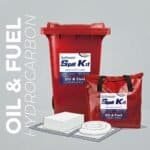
The response equipment should match the foreseeable spill, not just the minimum quantity needed to meet a checklist. A small spill kit may be suitable for a ute, maintenance trolley or low-volume decanting point. A bulk diesel storage area, loading bay or plant refuelling zone may require larger oil and fuel spill kits, oil-only booms, drain protection and readily available overpacks. See our industrial spill kit selection guide for help matching kit capacity to the site.
Recover the fuel and clean the area
Once the diesel has been absorbed, responders collect used pads, socks, granules and contaminated PPE with compatible tools. The damaged drum, if it still contains fuel, should be secured in suitable containment. All waste must be placed in labelled, closed containers or bags that prevent leaks during storage and transport.
A common mistake is treating used absorbent as ordinary rubbish. Diesel-contaminated materials may be regulated waste and should be assessed, stored and disposed of through an approved waste provider in line with site requirements and local environmental rules. The same applies to contaminated soil, damaged packaging and any wash water generated during an approved clean-up process.
The concrete should then be inspected for residual sheen, pooled fuel at expansion joints and migration beneath pallets, racking or parked vehicles. A surface can look clean while still being slippery. If a suitable degreasing or cleaning method is used, the resulting residue must also be captured rather than allowed to enter stormwater.
The area should not return to normal traffic until the supervisor is satisfied that the slip risk, fire risk and environmental risk have been removed. Barricades can be taken down only after this verification, not simply because the visible pool has disappeared.
Record the incident and correct the cause
A good spill response finishes with documentation. Record the time, location, estimated volume, product involved, weather conditions, drain protection measures, equipment used, waste generated, photographs where appropriate, and the names of those involved. This record helps demonstrate that the site acted promptly and supports any required internal or external notification.
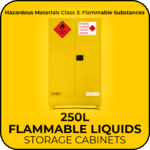
The investigation should look beyond the immediate clean-up. In the example, the drum was struck during a delivery. Was the storage location exposed to vehicle movement? Were bollards, bunding or traffic controls missing? Was the drum stored on a spill pallet or within a bunded area? See our spill pallet selection guide before choosing a setup. Did the delivery process require a spotter or a clearer exclusion zone?
Corrective action may be as simple as repositioning fuel storage behind barriers and improving forklift separation. It may also require better secondary containment, revised delivery procedures, refresher training or a larger spill response station. The right answer depends on the volume handled, site layout, nearby drains and the consequence of a release.
Equipment that supports a practical diesel response
For diesel handling areas, spill equipment should be visible, accessible and maintained. A sealed spill kit that nobody can locate during an incident has little operational value. Position equipment near fuel storage, decanting points, generator compounds, vehicle workshops and loading areas, while keeping it protected from weather and unauthorised use.
A capable diesel response setup commonly includes oil-only pads and rolls for recovering fuel, absorbent socks or booms for containing flow, drain covers for immediate stormwater protection, disposable bags and ties for waste, and clear PPE. Overpacks, bunding and spill pallets provide the next level of control by preventing a damaged container or leaking drum from becoming a ground-level spill in the first place.
Check kits regularly. Replace used items immediately, inspect packaging for water damage, and make sure staff know the difference between oil-only, general-purpose and chemical absorbents. Spillmaster supplies these categories to help sites match response equipment to the liquids they actually handle, rather than relying on a one-size-fits-all kit.
Train for the first five minutes
Most of the outcome is decided early. Staff do not need to be environmental specialists, but they should know when to stop work, who to call, where the spill kit is kept, how to protect a drain and when not to intervene. Training should use realistic site scenarios, including after-hours events when fewer people may be available.
A controlled diesel spill example is useful for testing this process. Run a drill near a workshop drain or fuel storage point using water or another safe substitute. Time how long it takes to locate the kit, deploy drain protection and establish an exclusion zone. The gaps are often practical: an inaccessible kit, missing drain covers, unclear reporting contacts or absorbents that do not suit the task.
The safest diesel spill is the one contained before it reaches a drain, a traffic area or a source of ignition. Equip the work area for the risks it actually carries, and give your team a response process they can follow under pressure.