Showing all 35 results
Spill Control & Containment Products
Spillmaster spill control and containment products are designed to help contain leaks and spills before they spread into work areas, stormwater drains, soil or waterways. This range includes spill bunds, collapsible bunds, spill pallets, drain protection, spill and flood barriers, aluminium floor bunding, and marine and waterway barriers for industrial, commercial and environmental applications. Standard products cover common containment requirements, with custom sizes and configurations available for selected spill bund and collapsible bund applications.
▶ Read product selection, containment & ordering information
Choose spill control products according to the type and volume of liquid involved, where a spill could travel, the required containment capacity, chemical compatibility and how the product will be used on site. The Spillmaster range includes drain protection, spill and flood barriers, spill pallets, portable spill bunds, collapsible bunds, aluminium floor bunding, and marine and waterway barriers.
Product Selection & Containment Guidance
Containment requirements vary according to the liquid, quantity, location, storage arrangement and site requirements. Product selection should consider the specific application, required capacity and chemical compatibility. For detailed selection guidance, see our Choosing Spill Control Products for Your Site guide.
Standard & Custom Containment
Standard products are available for common spill control requirements, with custom sizes and configurations available for selected spill bund and collapsible bund applications. If a standard size does not suit your site, contact Spillmaster with the required dimensions, intended use and details of what needs to be contained.
Order Online Anytime
Standard spill control products can be ordered online 24/7 for delivery across Australia. Availability and delivery timing can vary by product and destination. For custom containment, unusual applications or larger requirements, contact Spillmaster for assistance.









Spill Containment & Environmental Protection
Effective spill control is about preventing a leak or spill from spreading beyond the area where it can be safely managed. The right containment equipment can help protect drains, soil, waterways, work areas and stored materials while giving workers time to respond appropriately.
Spillmaster supplies spill control and containment products for workshops, warehouses, industrial facilities, transport operations, construction sites, storage areas and marine environments. The range includes solutions for protecting drains, containing drums and IBCs, creating temporary or permanent bunded areas, managing spills around vehicles and equipment, and controlling contaminants on or near waterways.
Choose the Right Spill Control Solution
Different spill risks require different forms of containment. Start with what could spill, where it could travel, the volume involved and whether you need permanent protection, temporary containment or equipment that can be deployed during an incident.
Drain Protection
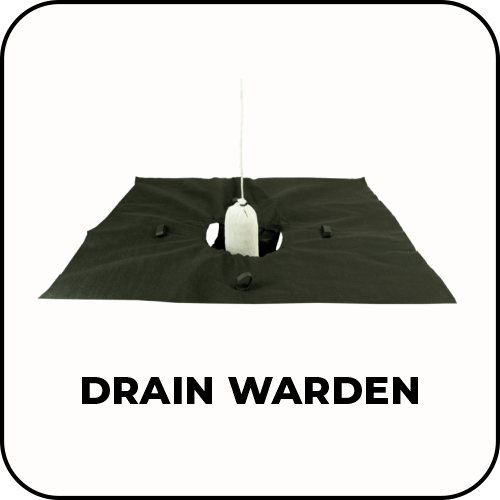
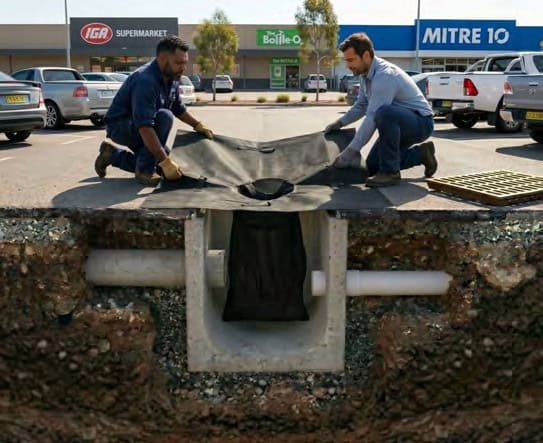
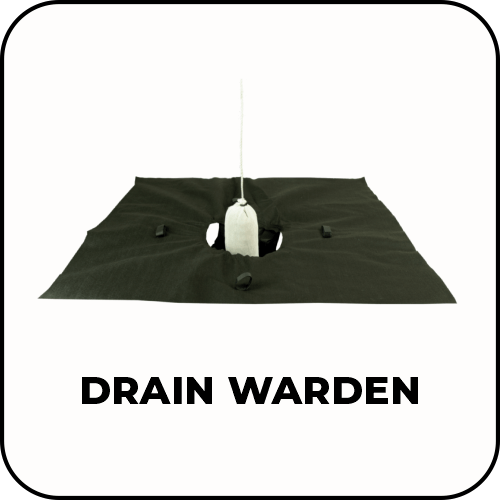
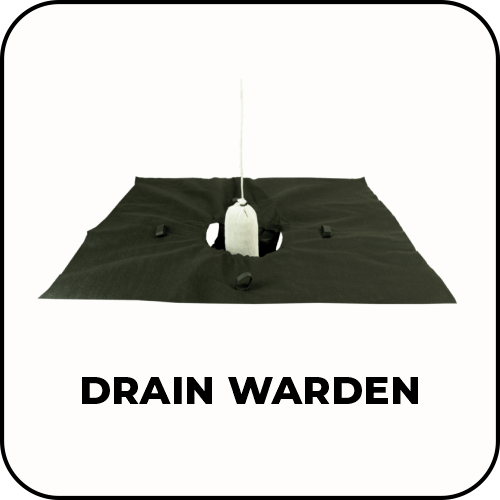
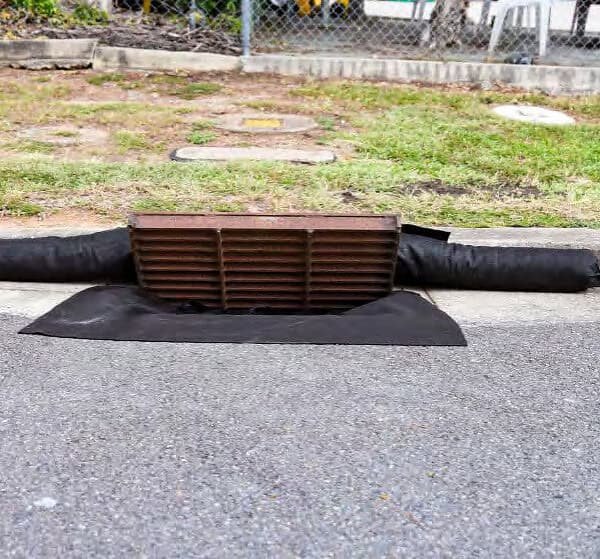
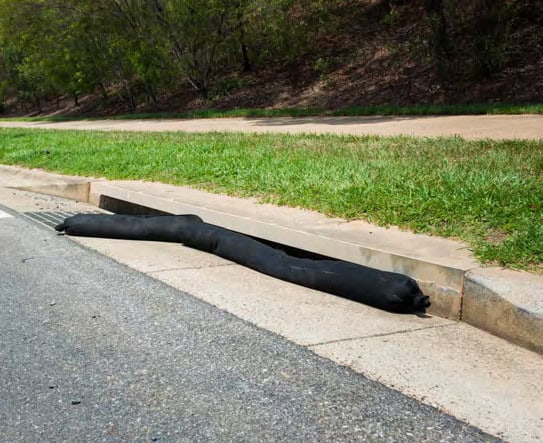
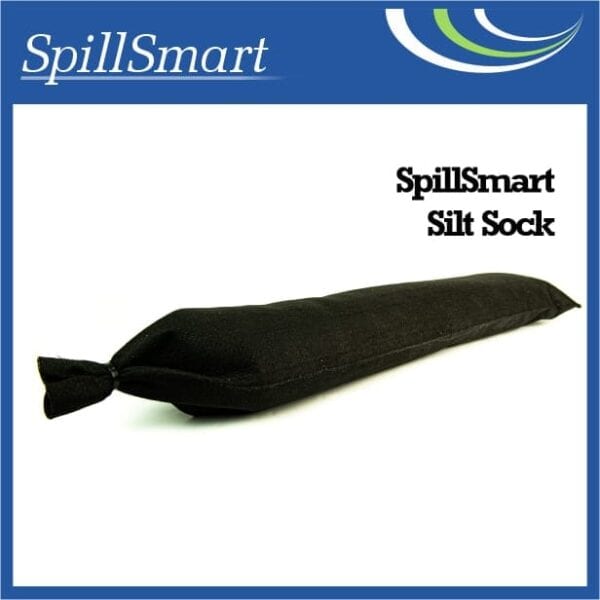
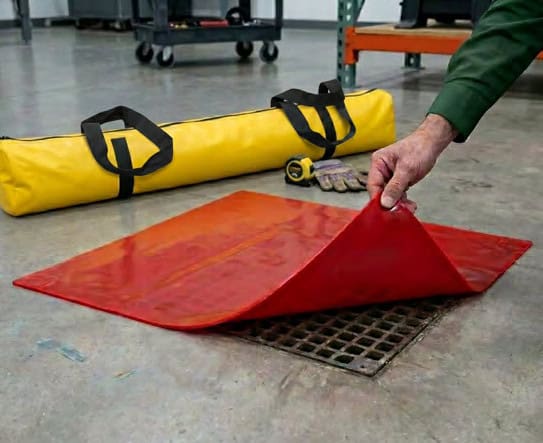
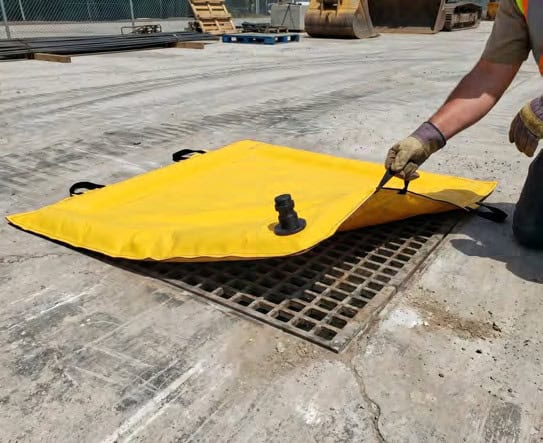
Drain Protection products help reduce the risk of contaminants entering stormwater systems. Options include products intended for ongoing drain protection as well as equipment used as part of a spill response. Selection should take into account the drain design, surrounding surface, likely contaminants and site conditions.
Spill & Flood Barriers
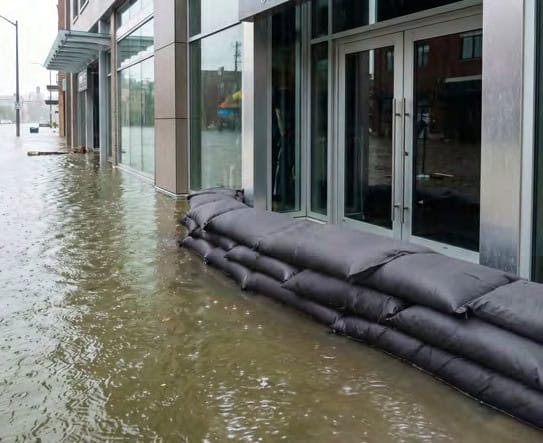
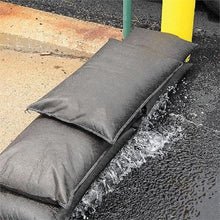
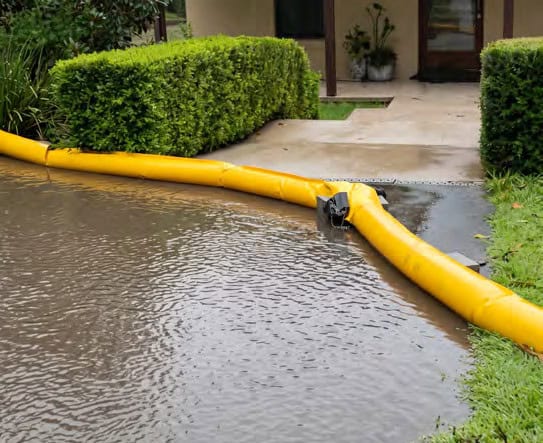
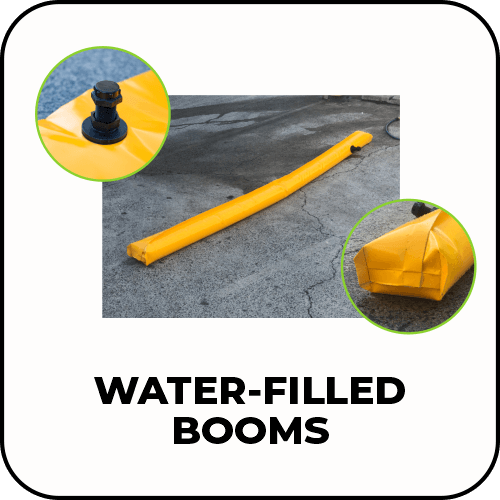
Spill & Flood Barriers provide temporary ways to help contain or redirect liquids around drains, doorways, work areas and other vulnerable locations. They can form part of an emergency response plan where rapid deployment is important.
Spill Pallets
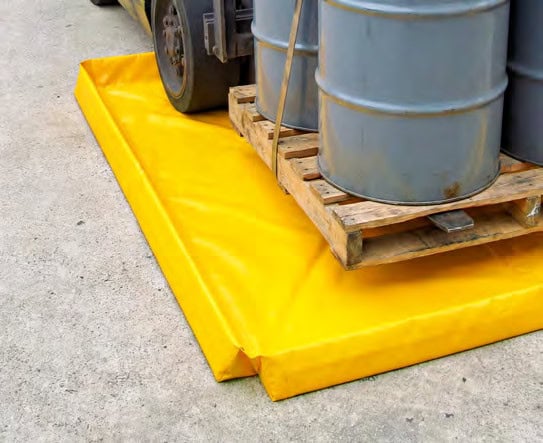
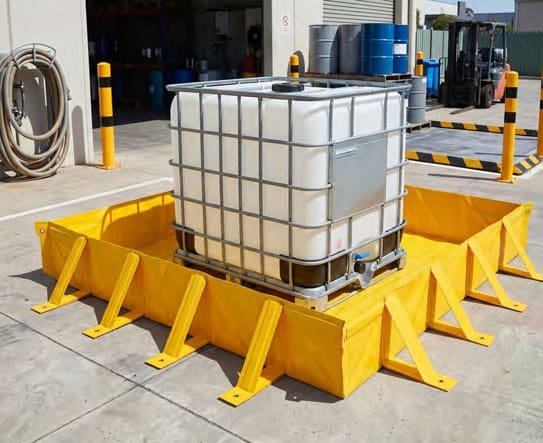
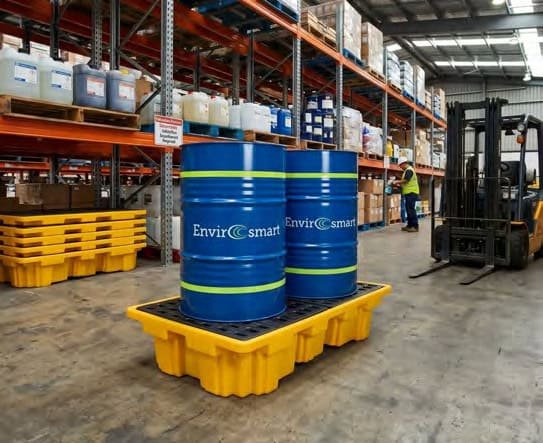
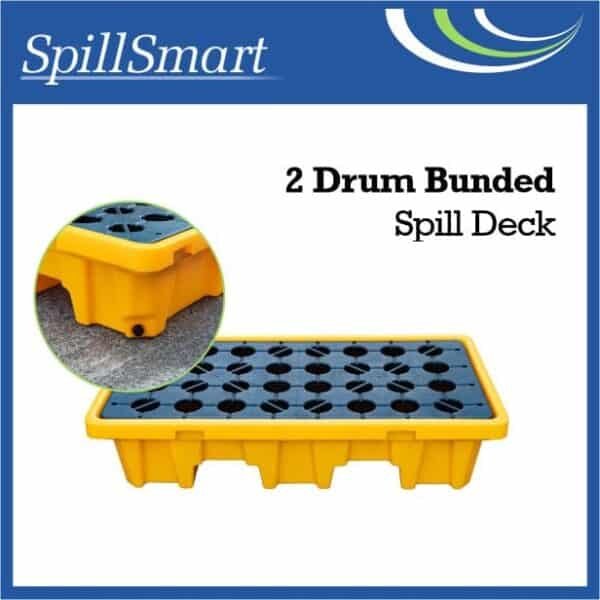
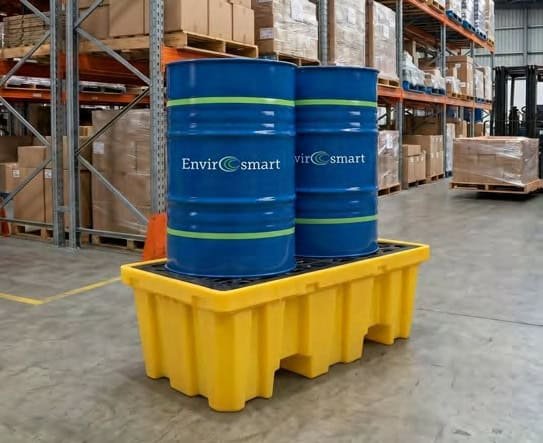
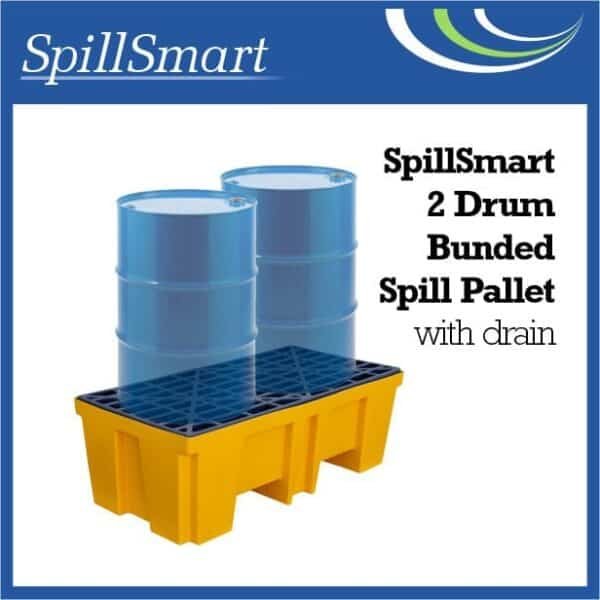
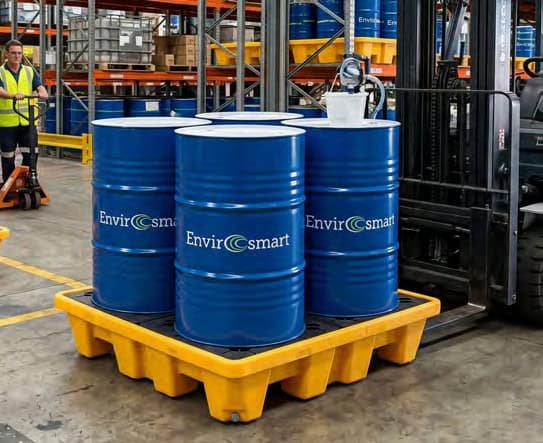
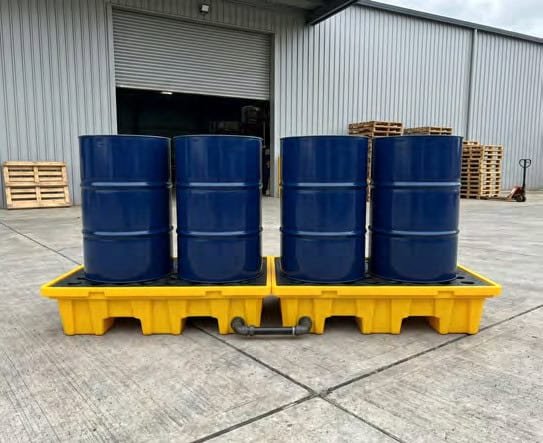
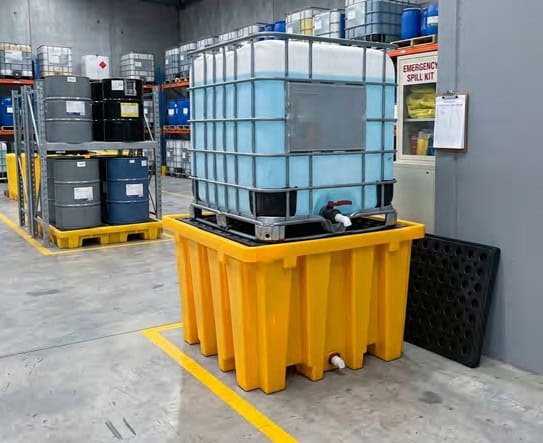
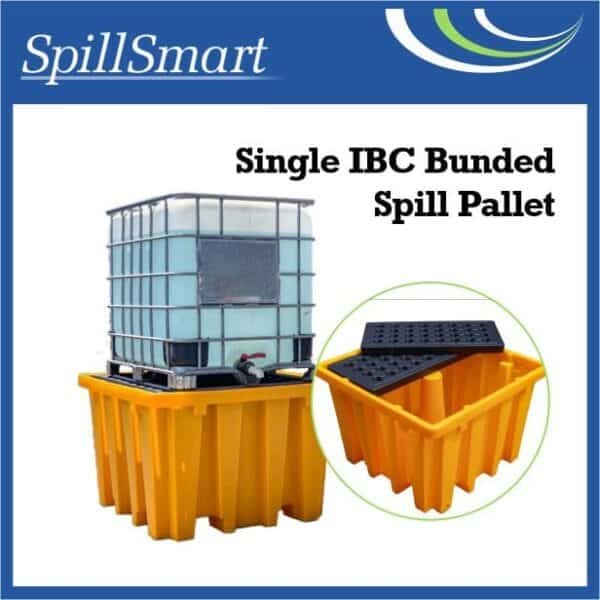
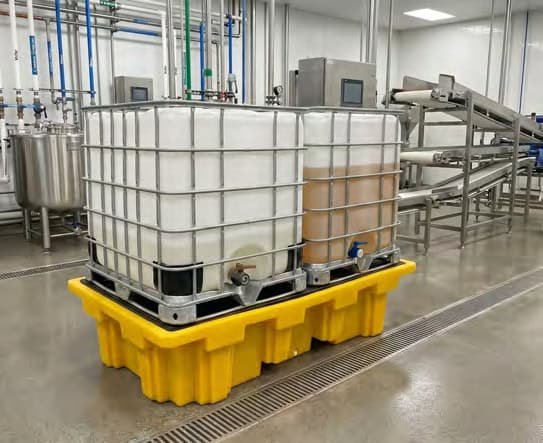
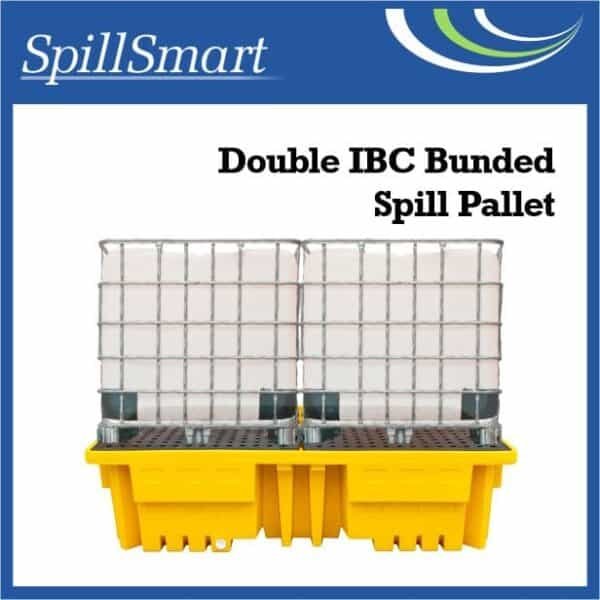
Spill Pallets provide secondary containment beneath drums, IBCs and other liquid containers. When selecting a spill pallet, consider the containers being stored, required containment capacity, chemical compatibility, load requirements, handling method and whether the unit will be located indoors or outdoors.
Spill Bunds & Collapsible Bunds
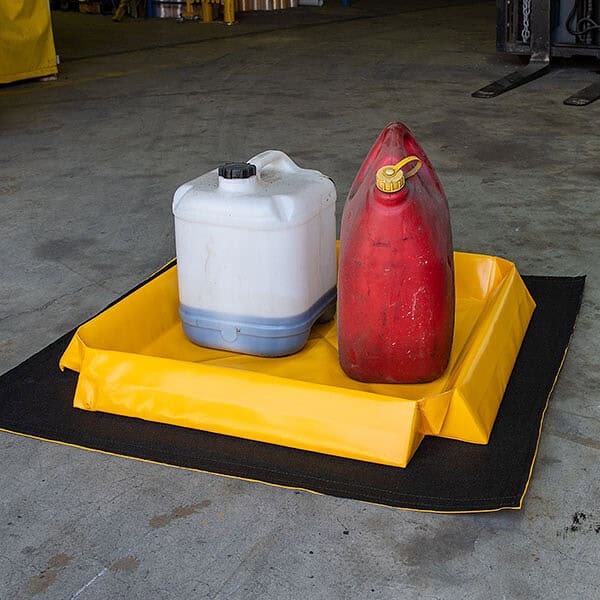
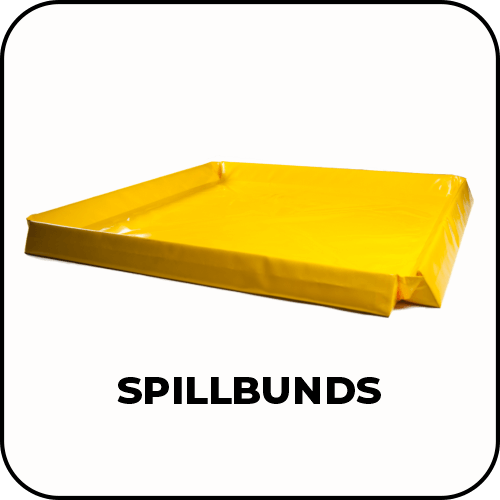
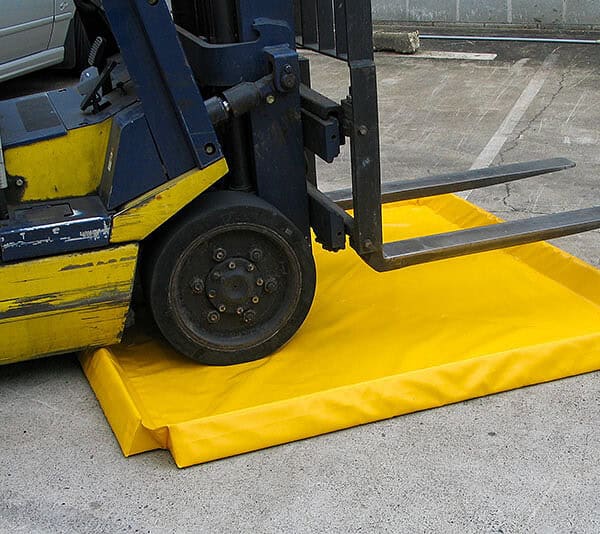
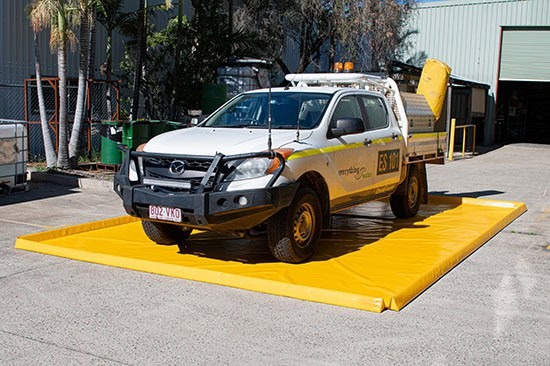
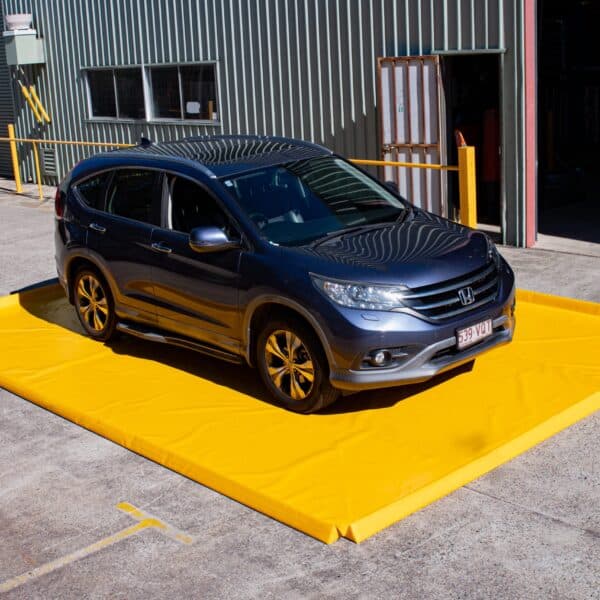
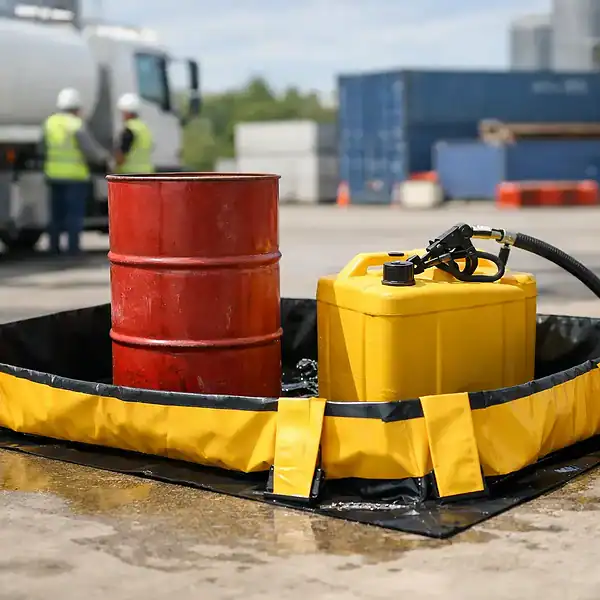
Spill Bunds and Collapsible Bunds provide portable containment for applications such as drum and container storage, equipment maintenance, refuelling, field servicing and temporary work areas. The appropriate design depends on the liquid, required capacity, operating footprint and how people, vehicles or equipment need to access the bunded area.
Aluminium Floor Bunding
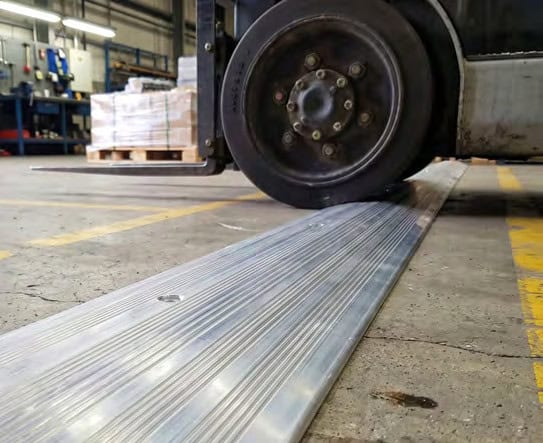
Aluminium Floor Bunding can be used to create permanent containment zones across suitable floors and work areas. It may be appropriate where containment needs to remain permanently in place around storage, transfer or operational areas while maintaining practical access through the site.
Marine & Waterway Barriers
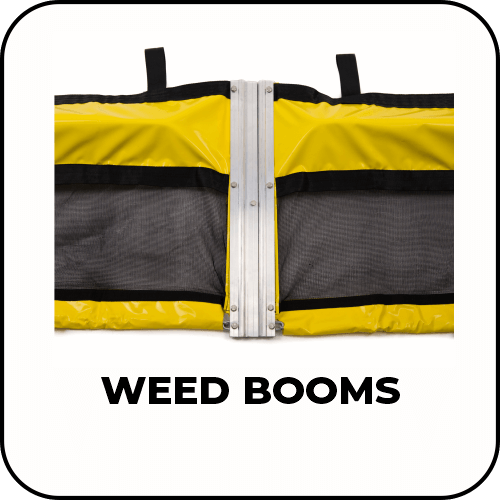
Marine & Waterway Barriers are designed for containment and control applications on or around water. Product selection should consider the contaminant being managed, water conditions, deployment requirements and the particular marine or waterway application.
Standard & Custom Spill Containment
Many spill-control requirements can be met with standard products and sizes. Other sites need containment designed around a particular piece of equipment, storage area, vehicle, operating footprint or available space.
Custom sizes and configurations are available for selected spill bund and collapsible bund applications. If a standard size does not suit your site, contact Spillmaster with the required dimensions, intended use and the liquid or equipment being contained. We can help identify an appropriate standard product or discuss a custom containment solution.
Need Help Choosing Spill Control Products?
If you are unsure which type of containment is appropriate, start with our Choosing Spill Control Products for Your Site guide. It explains how to assess the liquids, spill risks, drains, storage areas and operating conditions before selecting equipment.
Standard products can be ordered online at any time. For unusual applications, larger quantities or custom containment requirements, contact Spillmaster so we can discuss what you are trying to contain and how the equipment will be used.
Spill Control & Containment FAQs
What is secondary spill containment?
Secondary containment is a separate barrier or containment area intended to capture liquid if its primary container leaks or fails. Examples include spill pallets, bunded storage areas and portable containment bunds. The appropriate containment arrangement depends on factors such as the substance, container size, quantity stored, site conditions and applicable workplace or environmental requirements.
How do I determine the containment capacity I need?
Start with the type and volume of liquid that could reasonably be released and the containers or equipment involved. Containment requirements can vary according to the substance, quantity, location, storage arrangement and applicable regulations, standards or site requirements. Check the requirements relevant to your workplace rather than relying on a single capacity rule for every application.
What is the difference between a Drain Warden and a temporary Drain Seal?
Drain Wardens: Designed to sit beneath suitable stormwater grates and help capture contaminants carried by runoff while allowing water to pass through.
Drain Seals and Covers: Temporary barriers placed over suitable drains during a spill or other incident to help prevent liquid entering the stormwater system. They should be selected and deployed according to the drain surface, spill conditions and product instructions.
When should I use floor bunding instead of a spill pallet?
Floor bunding can suit applications where a larger permanent containment area is required around a work, storage or transfer zone. Spill pallets are generally better suited to secondary containment directly beneath drums, IBCs or other containers. The right solution depends on the area being protected, required capacity, traffic and access requirements, the liquids involved and how containers are handled.
Can Spillmaster supply custom-size spill containment?
Custom sizes and configurations are available for selected spill bund and collapsible bund applications. Provide the dimensions, intended application and details of what needs to be contained so the available standard and custom options can be considered.
How often should spill control equipment be inspected?
Inspection frequency should reflect the equipment, site conditions, level of risk, manufacturer guidance and your workplace procedures. Equipment should also be checked after use, a spill, impact, severe weather or any event that could affect its condition. Look for damage, contamination, deterioration, blocked components and anything else that could prevent the equipment working as intended.